
How do you treat fin rot without medication?
 Curated byKory White · Fractional CRO · Maryland
 PULSEKNOWLEDGE LIBRARY
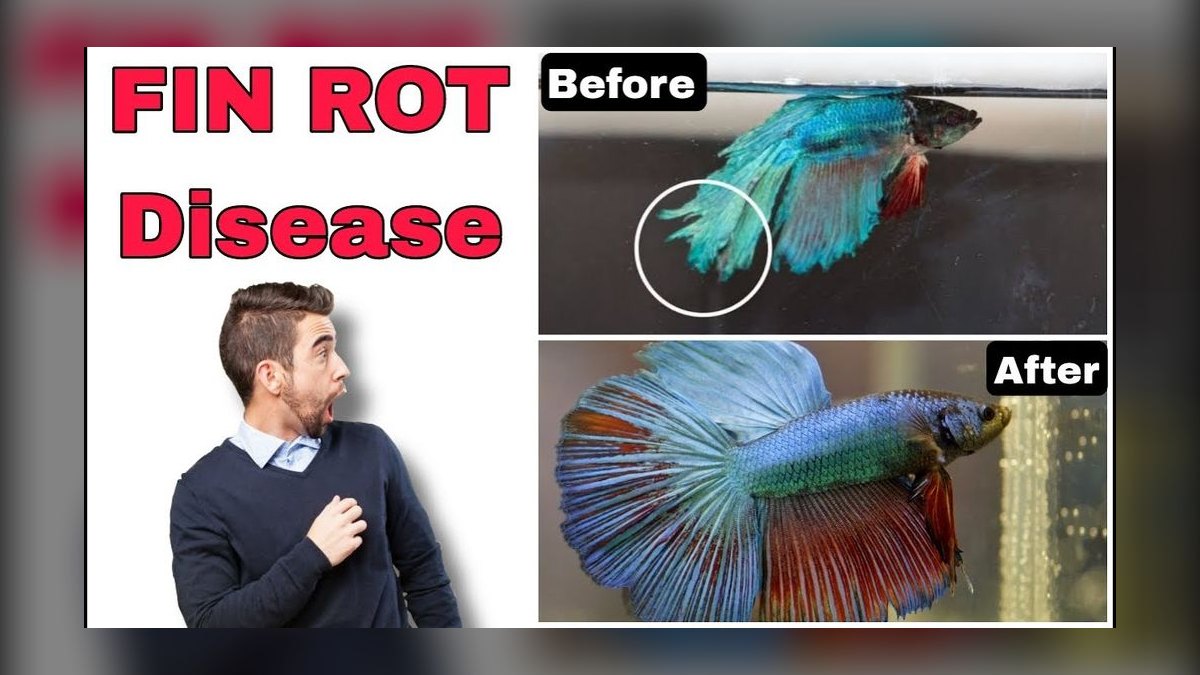
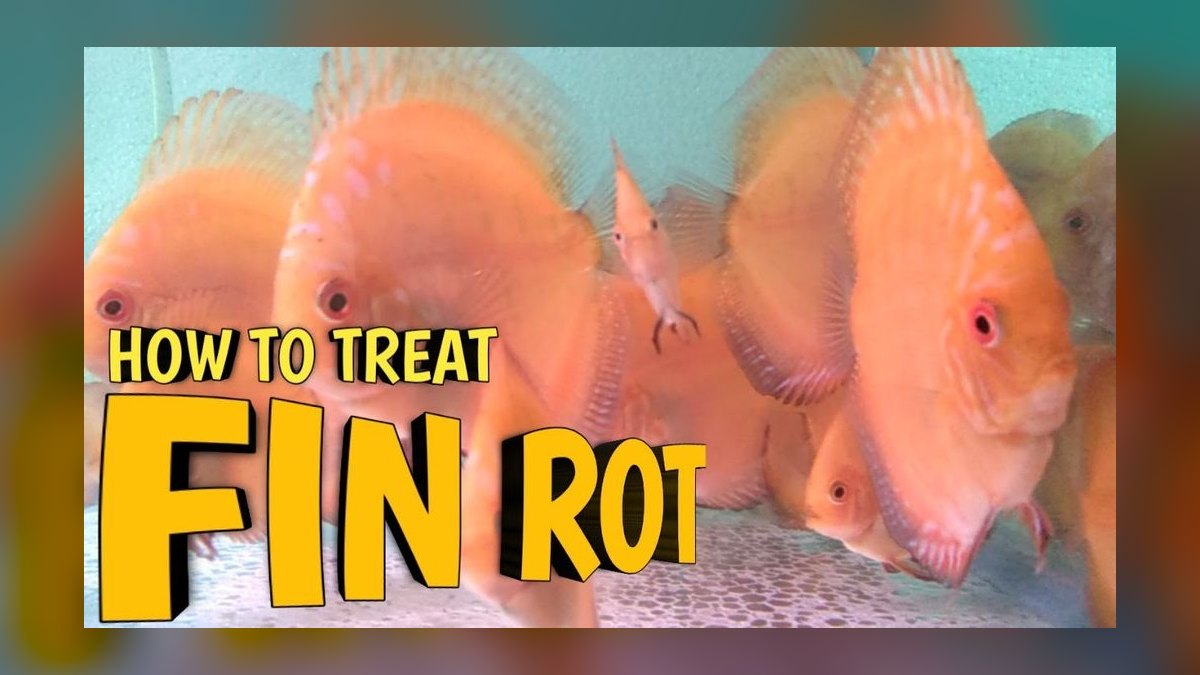
Fin rot is a common bacterial infection that causes the fins of aquarium fish to appear frayed, discolored, or to shrink over time. While medications are available, mild cases can often be treated without them by focusing on improving the fish's environment and supporting its natural healing abilities. The key is to address the underlying cause, which is almost always stress from poor water quality, inadequate diet, or unsuitable tank conditions.
Understanding the Root Causes of Fin Rot (Beyond Bacteria)
Fin rot is almost never a primary disease—it is a symptom of an underlying environmental or physiological problem. When you choose to treat it without medication, you must first identify and correct the root cause, or the condition will recur or worsen. The most common triggers fall into three categories: poor water quality, physical trauma, and nutritional deficiencies.
Poor water quality is the leading cause. High ammonia, nitrite, or nitrate levels stress fish, suppressing their immune systems and allowing opportunistic bacteria (typically *Flexibacter columnaris* or *Pseudomonas* species) to colonize damaged fin tissue. Even if your test kit shows “safe” levels, chronic low-grade stress from fluctuating pH, temperature swings, or low oxygen can weaken a fish’s slime coat—its first line of defense. Without medication, you must achieve and maintain near-perfect water parameters: ammonia and nitrite at 0 ppm, nitrate below 20 ppm, stable pH within the species’ preferred range, and temperature appropriate for the fish.
Physical trauma includes fin nipping from tankmates, rough handling during netting, scraping against sharp decor, or damage from aggressive filtration currents. A torn fin is an open wound. If the water is not pristine, bacteria will invade. Treating without medication means removing the source of trauma—separate aggressive fish, smooth sharp edges on rocks or driftwood, and ensure filters are not too strong for delicate fins. Bettas, for example, are prone to fin rot from strong filters that pull at their long fins.
Nutritional deficiencies are often overlooked. A fish fed only flake food may lack essential vitamins (especially vitamin C, vitamin E, and omega-3 fatty acids) that support tissue repair and immune function. Without these, even minor fin damage heals slowly, giving bacteria a prolonged opportunity to spread. A diet rich in variety—live or frozen foods like brine shrimp, daphnia, and bloodworms, plus high-quality pellets or gel foods—can dramatically improve a fish’s ability to fight off infection naturally.
By addressing these root causes, you create an environment where the fish’s own immune system can resolve mild to moderate fin rot without chemical intervention. Severe cases—where the fin rot has reached the body or the fish shows systemic signs like lethargy, loss of appetite, or red streaks—still require medication, but for early-stage or mild cases, environmental correction is often sufficient.
Step-by-Step Non-Medicated Treatment Protocol
When you decide to treat fin rot without medication, you must follow a disciplined, systematic approach. This is not a “set and forget” method—it requires daily observation and adjustments. Here is a detailed protocol that maximizes the fish’s natural healing capacity.
Step 1: Immediate Water Quality Overhaul Perform a series of partial water changes over 24–48 hours. Start with a large water change (around 50%), then a second large change 12–24 hours later. Use dechlorinated water that is temperature-matched to the tank (within 1–2°F). Vacuum the substrate thoroughly to remove uneaten food, decaying plant matter, and fish waste. This drastically reduces the bacterial load in the water and lowers stress on the fish. After the second change, test your water. If ammonia or nitrite is still detectable, continue with daily partial changes until levels drop to zero.
Step 2: Optimize Filtration and Oxygenation Ensure your filter is clean but not over-cleaned—rinse mechanical media in old tank water (never tap water) to remove debris without killing beneficial bacteria. If your filter is underpowered for the tank size, consider adding a sponge filter or increasing flow gently. Add an air stone or increase surface agitation to raise dissolved oxygen levels. Well-oxygenated water supports faster healing and helps fish cope with stress.
Step 3: Add Tannins and Natural Antiseptics Indian almond leaves (catappa leaves), alder cones, or oak leaves release tannins and humic substances that have mild antibacterial and antifungal properties. They also lower pH slightly and create a darker, more natural environment that reduces stress. Use a modest amount—for example, one medium-sized leaf per 10 gallons of water, or a few alder cones. Replace them every 1–2 weeks as they decompose. These are not strong enough to cure advanced infection, but they create conditions that discourage bacterial growth and promote slime coat repair.
Step 4: Salt Baths (for Freshwater Fish Only) Aquarium salt (sodium chloride, not table salt with iodine) can be used as a gentle antiseptic and to help fish maintain osmotic balance. For mild fin rot, you can add salt directly to the tank at a low concentration. A common starting point is roughly one teaspoon per 5 gallons of water, but the exact safe dosage depends on the species of fish and the presence of plants. Always dissolve the salt in a cup of tank water first, then add slowly. This concentration is safe for most freshwater fish (except scaleless species like loaches, catfish, and some tetras—check species sensitivity). The salt helps reduce bacterial activity and encourages the fish to produce more slime coat. Do not use salt if you have live plants that are sensitive (e.g., Java moss, Anubias, or Vallisneria may suffer). For a more targeted approach, you can perform a short dip in a separate container with a higher concentration of salt, but this is more stressful and should only be done if the fish is otherwise healthy.
Step 5: Boost Nutrition and Immune Support Feed the affected fish a high-quality, varied diet. Offer live or frozen foods rich in protein and omega-3s—daphnia, brine shrimp, blackworms, or bloodworms (in moderation). Add a vitamin supplement to their food: crush a high-quality fish vitamin tablet or soak food in a liquid vitamin solution for 10 minutes before feeding. Some aquarists also use garlic extract (fresh crushed garlic or a commercial garlic supplement) to stimulate appetite and provide mild antibacterial benefits. Feed small amounts 2–3 times daily, removing uneaten food after 2 minutes.
Step 6: Reduce Stress and Provide Rest Dim the lights or add floating plants to create shaded areas. Avoid netting the fish unless absolutely necessary. Do not perform any major tank maintenance (like deep cleaning or rearranging decor) during treatment. Keep the tank quiet—no loud noises, vibrations, or sudden movements near the tank. Stress hormones suppress the immune system, so a calm environment is essential.
Step 7: Monitor and Adjust Check the fins daily for signs of improvement: new clear tissue at the edges (indicating healing), cessation of red streaks, and the fish becoming more active and eating well. If after 7–10 days you see no improvement or the fin rot is spreading, you must reconsider medication—the infection may be too advanced for non-medicated methods. Also watch for secondary infections like fungus (white cottony growth) or columnaris (grayish patches on the body), which require immediate medication.
When Non-Medicated Treatment Is Not Enough: Recognizing the Limits
While non-medicated treatment can be effective for mild cases, it is crucial to know when it will fail. Attempting to treat advanced fin rot without medication can lead to irreversible tissue loss, systemic infection, and death. Here are the clear red flags that demand immediate use of antibacterial medications (such as those containing erythromycin, nitrofurazone, or kanamycin).
Red Flag 1: Fin Rot Reaching the Body If the fin rot has progressed past the fin membrane and into the fleshy base of the fin (the fin rays are exposed and the rot is eating into the body wall), the fish has a severe infection that cannot be reversed by water changes alone. The bacteria are now inside the body cavity, and only systemic antibiotics can stop them.
Red Flag 2: Red Streaks or Hemorrhaging Red streaks along the fins or body indicate septicemia—bacteria have entered the bloodstream. This is a life-threatening condition. Without medication, the fish will likely die within days. The same applies if you see open ulcers or sores on the body.
Red Flag 3: Lethargy, Loss of Appetite, or Clamped Fins A fish that is lying on the bottom, not eating, or holding its fins clamped tightly against its body is in severe distress. Its immune system is overwhelmed. Non-medicated methods rely on the fish’s own healing ability, which is compromised when the fish is already systemically ill.
Red Flag 4: Rapid Progression If you notice the fin rot worsening noticeably from one day to the next (e.g., a fin that was 20% damaged becomes 50% damaged in 24 hours), the infection is aggressive. This is often caused by *Flexibacter columnaris*, which can kill fish in 48–72 hours. Do not delay medication.
Red Flag 5: Multiple Fish Affected If more than one fish in the tank shows signs of fin rot, the problem is environmental and likely bacterial. While you can still try non-medicated methods for the whole tank, you must be prepared to medicate if the condition does not improve within 5–7 days. An outbreak in a community tank suggests a pathogenic strain that may require antibiotics.
Red Flag 6: No Improvement After 10 Days of Non-Medicated Care If you have followed the protocol strictly—pristine water, tannins, salt, improved diet, reduced stress—and there is zero improvement or the condition is stable but not healing, the fish’s immune system is not strong enough to fight the infection alone. Continuing non-medicated treatment at this point is futile and risks the fish’s health.
Final Consideration: The Ethical Choice Choosing not to medicate can be a philosophical or practical decision (e.g., avoiding antibiotics in a planted tank or breeding setup). But if the fish is suffering, the ethical choice is to provide effective treatment. Fin rot is painful—the fin tissue is being eaten away. If non-medicated methods are not working, you owe it to the fish to use medication. Many antibiotics are available as liquid solutions or food-soaks that minimize impact on filter bacteria and plants. There is no shame in using medication when needed; the shame is in letting a fish suffer unnecessarily.
In summary, non-medicated fin rot treatment is a valid first-line approach for mild cases, but it requires vigilance, discipline, and honest assessment of the fish’s condition. When in doubt, err on the side of intervention—a fish that recovers with medication is far better than one that suffers needlessly.
Environmental Optimization: The Foundation of Medication-Free Treatment
When treating fin rot without medication, your primary focus must shift from killing bacteria to creating an environment where bacteria cannot thrive and your fish can heal naturally. This approach requires a deeper understanding of the aquatic ecosystem you are managing and a commitment to consistency that many aquarium keepers overlook.
Water Quality Management Beyond the Basics
Standard water changes are essential, but for fin rot recovery without medication, you need to elevate your water management strategy. The goal is not just to remove toxins but to stabilize the entire aquatic environment to reduce stress on your fish's immune system.
Frequency and volume matter greatly. While many guides recommend weekly water changes, a fish with active fin rot benefits from more frequent, smaller changes. Consider performing a partial water change every day or every other day for the first week of treatment. The volume should be sufficient to remove waste and dilute any pathogens present, but not so large that it causes osmotic shock or temperature swings. A good rule of thumb is to change enough water to visibly reduce debris and cloudiness, typically between 10% and 25% of the tank volume per change, depending on the severity of the condition and the size of your aquarium.
Temperature management is critical. Bacteria that cause fin rot often thrive in warmer water, but so do your fish's immune systems. The key is to find a temperature that supports healing without accelerating bacterial growth. For most tropical fish, maintaining a stable temperature at the higher end of their recommended range can boost metabolism and antibody production. However, avoid sudden temperature changes—never adjust more than 1–2 degrees Fahrenheit per day. A stable temperature is far more important than a specific number, as fluctuations cause stress that worsens fin rot.
Oxygenation cannot be ignored. Fin rot bacteria are often facultative anaerobes, meaning they can survive in low-oxygen environments. Increasing dissolved oxygen levels in your tank can help suppress these bacteria while also supporting your fish's respiratory health and immune function. Add an airstone, increase surface agitation with a powerhead, or lower the water level slightly to improve gas exchange. In heavily planted tanks, ensure that plants are not consuming oxygen at night to the point of depletion.
The Role of Filtration and Biological Balance
Your filter is your most powerful ally in medication-free treatment, but it must be optimized for the task. A well-established biological filter processes ammonia and nitrite, but it also hosts beneficial bacteria that can outcompete pathogenic bacteria for resources.
Consider increasing mechanical filtration temporarily. Fine filter pads or filter floss can remove suspended particles that might harbor bacteria or irritate damaged fins. However, clean or replace these media frequently—every few days—to prevent them from becoming breeding grounds for pathogens. Never clean all your filter media at once, as this can crash your biological filtration and spike ammonia levels.
Biological filter media should be maximized. If your filter has space, add additional ceramic rings, bio-balls, or sponge media to increase surface area for beneficial bacteria. These bacteria not only process waste but also produce compounds that inhibit the growth of harmful bacteria. Avoid using chemical filtration media like activated carbon unless you are trying to remove specific toxins, as carbon can also remove trace elements that support fish health.
The substrate matters more than you think. Gravel or sand beds can accumulate detritus and become anaerobic pockets where fin rot bacteria thrive. During your water changes, gently vacuum the substrate to remove decaying organic matter, but avoid disturbing it so deeply that you release trapped gases or disrupt beneficial bacterial colonies. In severe cases, consider temporarily switching to a bare-bottom tank or using a thin layer of sand that is easier to clean thoroughly.
Lighting and Photoperiod Adjustments
Lighting is an often-overlooked factor in fish health and disease management. While fish do not have eyelids and cannot close their eyes, they do have circadian rhythms that affect stress levels and immune function.
Reduce light intensity and duration. Bright lights can stress fish, especially those already weakened by fin rot. Dim the lights or reduce the photoperiod to 6–8 hours per day. This also helps control algae growth, which competes with plants for nutrients and can contribute to poor water quality. If you have live plants, ensure they receive enough light to photosynthesize but not so much that they cause temperature spikes or promote algae blooms.
Consider a complete blackout period. Some aquarists have success with a 24- to 48-hour blackout period for tanks with fin rot. This involves covering the tank completely with a dark cloth or turning off all lights and blocking ambient light from the room. The theory is that darkness reduces stress and slows bacterial metabolism, giving the fish's immune system a chance to catch up. This method is controversial and should only be attempted if your fish are otherwise healthy and the tank is well-oxygenated, as plants will consume oxygen during the dark period.
Nutritional Support and Immune Boosting Strategies
A fish's ability to heal from fin rot without medication is directly tied to its nutritional status. In the wild, fish have access to a diverse diet that supports their immune systems. In captivity, many fish subsist on a monotonous diet of flake food that lacks the essential nutrients needed for tissue repair and immune function.
Optimizing Diet for Tissue Regeneration
Protein quality is paramount. Fin tissue is composed primarily of protein, and a fish with damaged fins needs a high-quality protein source to rebuild that tissue. Look for foods where the first ingredient is a named fish meal (like salmon meal or herring meal) rather than generic "fish meal" or plant proteins. Live or frozen foods such as bloodworms, brine shrimp, daphnia, or blackworms provide excellent protein profiles and are often more palatable to sick fish. However, ensure these foods are from a reputable source to avoid introducing new pathogens.
Essential fatty acids support cell membrane health. Omega-3 and omega-6 fatty acids are crucial for reducing inflammation and supporting cell regeneration. Foods rich in these fats include krill, mackerel, and specially formulated fish foods that list fish oil or flaxseed oil in their ingredients. You can also supplement with a high-quality liquid vitamin additive designed for aquarium fish, but follow the manufacturer's instructions carefully—over-supplementation can be toxic.
Vitamins A, C, and E are particularly important. Vitamin C is a powerful antioxidant that supports immune function and collagen production, which is essential for fin tissue repair. Vitamin E helps protect cell membranes from oxidative damage, and Vitamin A supports epithelial tissue health. Many commercial fish foods lose vitamin potency over time, especially if stored in warm or humid conditions. Check the expiration date on your food and consider using a refrigerated vitamin supplement or feeding fresh vegetables (like blanched zucchini or spinach) to herbivorous fish.
Feeding Strategies for Sick Fish
A fish with fin rot may have a reduced appetite due to stress or illness. Forcing food can worsen water quality and stress the fish further. Instead, adopt a feeding strategy that prioritizes quality over quantity.

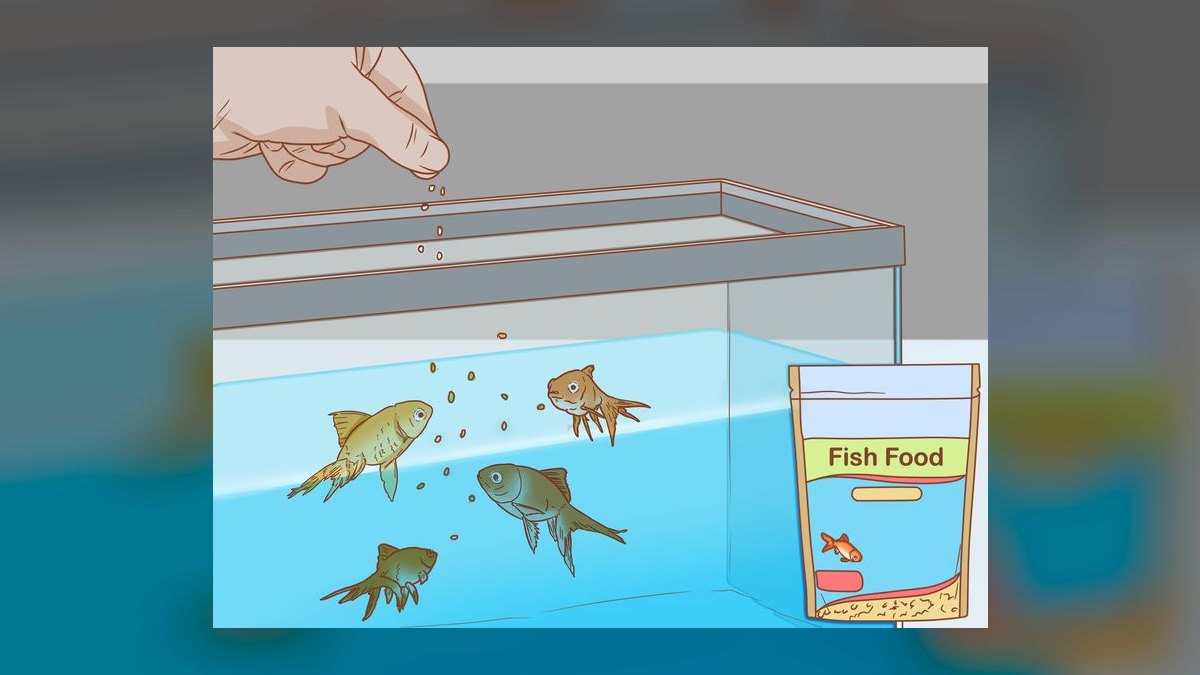
Feed smaller portions more frequently. Instead of one large feeding per day, offer small amounts of food two to three times daily. This ensures that the fish can consume the food quickly, reducing waste and the risk of overfeeding. Remove any uneaten food after a few minutes to prevent it from decomposing and polluting the water.
Soak dry foods before feeding. Dry flakes or pellets can expand in a fish's stomach, causing discomfort or bloating. Soaking them in tank water for a few minutes before feeding softens them and makes them easier to digest. You can also soak them in a solution of garlic juice (from fresh garlic) or a commercial garlic additive, which some aquarists believe has mild antibacterial properties and can stimulate appetite.
Consider a fasting period. Some experts recommend fasting fish for 24–48 hours at the start of fin rot treatment. This allows the fish's digestive system to rest and redirect energy toward immune function and healing. After the fast, introduce high-quality foods gradually. This approach is particularly useful if you suspect overfeeding or poor diet contributed to the fin rot in the first place.
Natural Immune Boosters and Additives
Several natural substances can be added to the aquarium water or food to support immune function without resorting to medications. These should be used cautiously and in conjunction with environmental improvements, not as a substitute.
Indian almond leaves (catappa leaves) are a popular natural remedy for fin rot and other fish ailments. When added to the tank, they release tannins that have mild antibacterial and antifungal properties. They also lower pH slightly and create a more natural, stress-reducing environment for many fish species. Use one or two leaves per 10 gallons of water, replacing them every week or two as they decompose. The tannins will tint the water a tea color, which is harmless and actually beneficial for many fish.
Aloe vera is sometimes used in aquarium products to support slime coat repair. Pure aloe vera gel (without additives or preservatives) can be added to the water in very small amounts—a drop or two per gallon—to help soothe damaged tissue. However, aloe vera can also cause oxygen depletion if overused, so it should be used sparingly and with good aeration.
Garlic has been studied for its potential immune-boosting and antiparasitic properties. While its effectiveness against fin rot bacteria is not well-documented, many aquarists report that garlic-soaked food stimulates appetite in sick fish. Use fresh garlic juice (crush a clove and extract the juice) or a commercial garlic supplement, but avoid garlic salt or powder, which contain additives harmful to fish.
Stress coat products that contain synthetic slime coat enhancers (like polyvinylpyrrolidone) can help protect damaged fins from further infection. These products do not treat the underlying cause but can buy time while you improve water quality and nutrition. Use them according to the manufacturer's instructions, and remember that they are a band-aid, not a cure.
Long-Term Prevention and Monitoring
Treating fin rot without medication is not a one-time fix—it requires a commitment to ongoing prevention and careful observation. Once your fish's fins begin to heal, you must maintain the improvements you have made to prevent recurrence.
Establishing a Maintenance Routine
Test your water regularly, but interpret results wisely. A test kit that shows zero ammonia and nitrite is a good start, but it does not tell the whole story. Chronic low-level stress can occur even when parameters are within acceptable ranges. Track your pH, temperature, and hardness over time to look for trends. A sudden pH drop or temperature swing, even within the "safe" range, can stress fish
FAQ
Can fin rot heal on its own without any treatment? Fin rot rarely heals without intervention because it is usually caused by bacterial infection or poor water conditions. While very mild cases might stabilize if water quality improves quickly, most fish need active help to prevent the infection from spreading deeper into the fin tissue.
How often should I change the water to help fin rot without medication? Performing partial water changes every one to two days is often recommended to remove waste and bacteria while keeping ammonia and nitrite levels near zero. Consistent, frequent changes are more effective than a single large change because they steadily reduce stress on the fish.
Does adding aquarium salt treat fin rot without medication? Aquarium salt can help by reducing osmotic stress on the fish and mildly inhibiting bacterial growth, but it is not a cure for advanced infections. It works best as a supportive measure alongside excellent water quality and a stress-free environment.
Can I use natural remedies like almond leaves or garlic to treat fin rot? Indian almond leaves release tannins that have mild antibacterial and antifungal properties, which may help slow fin rot progression. Garlic can boost the fish’s immune response, but neither is a standalone treatment—they work best when combined with pristine water conditions.
How do I know if fin rot is getting worse without using medication? Watch for increased redness at the fin edges, further fraying or shortening of the fins, or the base of the fin turning white or bloody. If the rot spreads toward the body or the fish becomes lethargic, the infection is worsening and medication may become necessary.
Is it safe to treat fin rot without medication for all types of fish? Most hardy fish like goldfish, bettas, and livebearers can recover from mild fin rot with water quality improvements alone. However, delicate species or fish with advanced infections may not improve without medication, and delaying treatment can lead to permanent fin loss or death.
Sources
- Andrews, C., Exell, A., & Carrington, N. (2003). *The Manual of Fish Health*. Interpet Publishing.
- Alderton, D. (2005). *Encyclopedia of Aquarium and Pond Fish*. Dorling Kindersley.
- Hargrove, M., & Hargrove, M. (2006). *Freshwater Aquariums for Dummies*. Wiley Publishing.
- Goldstein, R. J. (2001). *The Betta Handbook*. Barron's Educational Series.
- Untergasser, D. (1989). *Handbook of Fish Diseases*. T.F.H. Publications.
Related on PULSE
- [Top 10 Aquarium Background Plants for Aquascaping](/knowledge/aquarium-background-plants)
@Kory-White- · if Venmo asks, the last 4 of my number are 2012
 pulse-aquariumsTop 10 Anemone Species for Clownfish Tanks in 2027
 pulse-aquariumsHow do you remove ammonia from an aquarium quickly?
 pulse-aquariumsTop 10 Sponge Filters for Fry Rearing and Betta Tanks in 2027
 pulse-aquariumsTop 10 Nano Reef Tanks for Beginners in 2027
 pulse-aquariumsTop 10 Clownfish Varieties for Saltwater Aquariums in 2027
 pulse-aquariumsTop 10 Submersible Pumps for Sump Setups in 2027
 pulse-aquariumsTop 10 Protein Skimmers for Reef Tanks Under 100 Gallons in 2027
 aqTop 10 Aquarium Fish Foods 2027
 pulse-aquariumsTop 10 Beginner-Friendly Saltwater Fish for Nano Reefs in 2027
 pulse-aquariumsTop 10 Aquarium Thermometers for Accuracy in 2027