
Canister filter vs. sump for a heavily planted 75-gallon tank: which is better in 2027?
 Curated byKory White · Fractional CRO · Maryland
 PULSEKNOWLEDGE LIBRARY
Quality
Certified
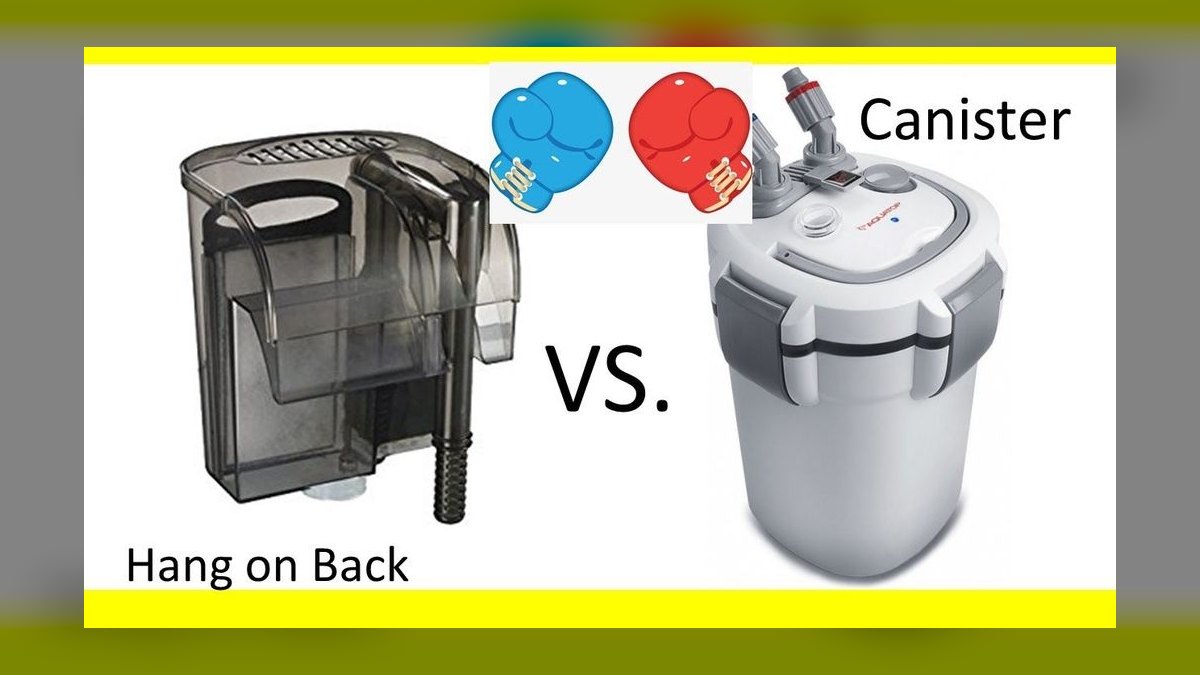
For a heavily planted 75-gallon tank in 2027, a canister filter is the better default: it preserves CO2, runs near-silent, and needs no drilling. Choose a sump only if you want large equipment hidden, heavy surface skimming, or plan to add hardware later — planted tanks rarely need that extra gas exchange.
The scenario that actually forces the decision
Picture a standard 75-gallon aquarium — 48 inches long, 18 front-to-back, 21 tall — sitting on a closed-door stand in a living room. The plan is a moderate-to-high-tech planted scape: pressurized CO2, roughly 40 to 60 PAR at the substrate from an LED fixture, a dozen stem species, a carpet of some kind, and eventually a school of forty small tetras plus a handful of otocinclus. The tank ships undrilled, as nearly every rimmed 75 does. That last detail matters more than most people realize, because it converts "canister vs. sump" from a pure performance question into a question about whether you are willing to either drill tempered-risk glass or hang an overflow box on the rim.
The pressure to decide usually arrives at one of three moments. First, at initial setup, when the tank is empty and drilling is cheapest. Second, at the six-month mark, when the scape has filled in, the original hang-on-back is clogging weekly, and flow has become visibly uneven — the left side waves, the right side collects detritus. Third, at the two-year mark, when equipment sprawl inside the tank has gotten out of hand: heater, CO2 diffuser, drop checker, two intake strainers, a UV unit, and suddenly the scape is competing with plumbing for visual space.
The heavily planted context changes the physics of the comparison in a way that reef-oriented advice does not capture. A dense stand of stems is itself a mechanical filter — it traps particulate, slows flow, and creates dead zones behind the thickest growth. It is also a biological filter of real consequence: fast-growing stems and floaters pull ammonium directly, often outcompeting the nitrifying bacteria in your filter media for it. And critically, a planted tank running pressurized CO2 is trying to hold roughly 20 to 30 ppm of a dissolved gas that desperately wants to leave the water. Every square inch of turbulent air-water interface you add is a leak in that system.
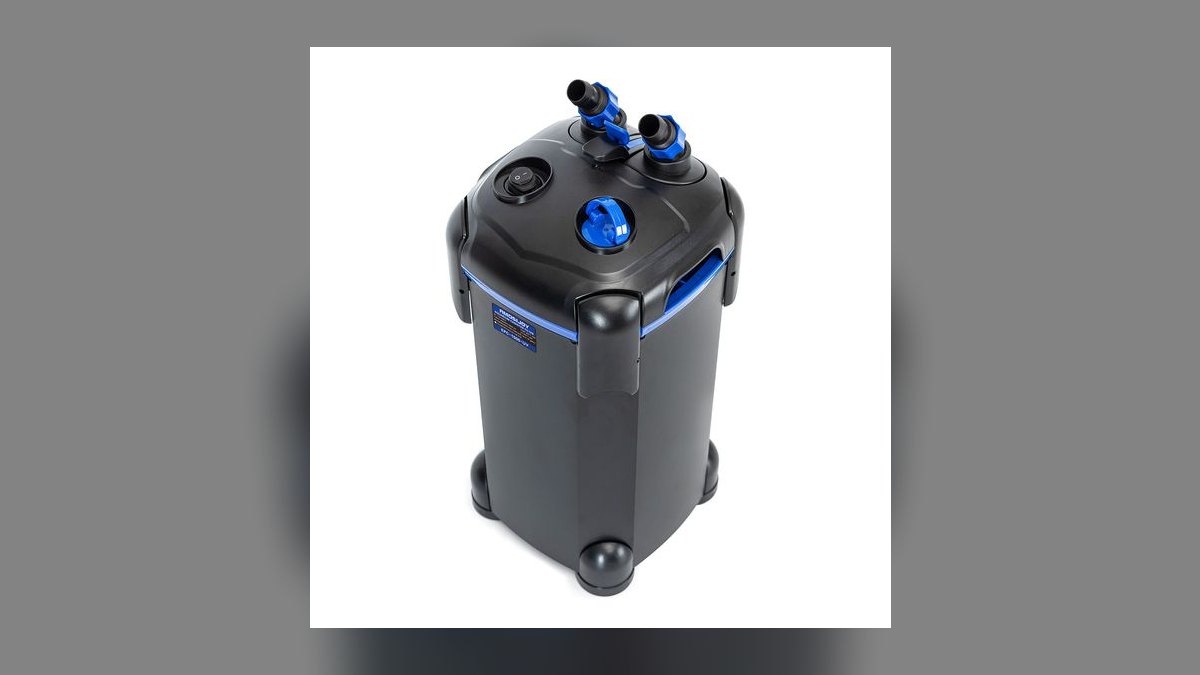
That is the crux. A sump is, by design, a large secondary body of water with a waterfall entering it, a drain pipe carrying air, and often a bubble-generating return chamber. In a reef tank, that gas exchange is the entire point — it drives off CO2 and drives up pH and oxygen. In a planted tank it is a liability you have to engineer around. A canister, by contrast, is a sealed pressure vessel. Water enters, passes through media, and leaves without ever touching air. For a CO2-injected scape, that sealed path is not a minor convenience — it is the single strongest technical argument in the whole comparison.
How each system actually moves water and where the losses happen
A canister filter is a closed loop. An intake pipe siphons from the tank, water travels down a hose into a sealed canister sitting in the stand, an impeller at the top or bottom pulls it through stacked media trays, and a second hose pushes it back up to a spray bar or lily pipe. Because the loop is sealed and the return is below the waterline, the pump only has to overcome head loss from friction and media resistance — not lift the water from a floor-level basin to the tank rim. This is why a canister rated at, say, 350 gallons per hour can deliver a genuinely useful fraction of that figure even with hoses fully loaded with media.
A sump is an open loop with a gravity leg and a pumped leg. Water leaves the display through an overflow — either a drilled bulkhead feeding a standpipe or a siphon-driven hang-on box — falls into a basin below, passes horizontally through chambers of filter socks, media, and often a refugium, then a submersible or external return pump lifts it back to the display. The gravity leg is silent-ish and free; the pumped leg costs energy proportional to the vertical lift. On a typical 30-inch stand, that lift is roughly three feet plus plumbing friction, and a pump rated at 800 gph on the box might realistically deliver 550 to 650 gph at that head.
The failure modes differ in kind, not just degree. A canister's worst realistic outcome is a leak at a hose fitting or a degraded head gasket, which can empty the tank down to the intake level — perhaps 15 to 25 gallons on a 75 — onto the floor. A sump's worst outcome is a return-pump-driven overflow: if the drain clogs or the siphon breaks while the return keeps pumping, the sump floods the floor; if power cuts, the display backsiphons down to the lowest return nozzle plus whatever drains through the overflow teeth. Both are manageable with discipline — check-valve-free siphon breaks, drilled anti-siphon holes in return nozzles, and a sump sized to hold the full drain-down volume with room to spare.
The practical consequence of that diagram is that the sump path has three distinct offgassing points — the drain fall, the sump surface, and the return nozzle turbulence — while the canister path has one, and it is optional. You can tune a canister's spray bar to produce a gentle ripple or aim a lily pipe just under the surface for near-zero agitation. On a sump you can cover the sump, use a full-siphon Herbie or Bean Animal drain instead of a Durso, and submerge the return outlet, but you are engineering against the system's basic geometry rather than with it.

Real numbers: turnover, wattage, media volume, and cost
Start with turnover. The old planted-tank rule of thumb is roughly 5 to 10 times tank volume per hour in total circulation, with the higher end favored when CO2 is injected and plant mass is dense. On a 75-gallon tank that is 375 to 750 gph of effective flow — effective meaning what actually leaves the return, not the box rating. Manufacturers rate canisters at zero head with no media; real-world delivery with loaded trays and 6 feet of hose typically lands somewhere in the range of 60 to 75 percent of rated flow, and drops further as the mechanical stage loads with mulm.
That arithmetic is why the common answer for a planted 75 is either one large canister in the 350 to 450 gph rated class, or two mid-size canisters in the 250 to 300 gph class plumbed to opposite ends. The two-canister approach is genuinely underrated in dense scapes: it gives you redundancy during maintenance, halves the length of any single flow path, and lets you stagger cleanings so you never crash your bacterial population all at once. It also costs more in wattage and stand space.

Power draw is where the two architectures separate most clearly. A large canister in that class generally sits somewhere in the 20 to 40 watt range. A sump return pump moving 600-plus gph against three feet of head is typically in the 40 to 90 watt range depending on whether it is a basic submersible or a controllable DC pump — and DC pumps have gotten markedly better and quieter in recent years, which is the main thing that has changed in favor of sumps. Add a filter-sock chamber, maybe a small refugium light, and the sump's total electrical footprint often lands at roughly double the canister's. Over a year of continuous operation the difference is real but not decisive — think in terms of tens of dollars, not hundreds, at typical residential rates.
Media volume tells the opposite story. A large canister offers somewhere in the neighborhood of 1 to 1.5 gallons of usable media space across its trays. A modest 20-gallon-long sump with three chambers gives you several times that, plus room for a heater, a probe holder, an auto-top-off float, a dosing line terminus, and a UV sterilizer — all of which then disappear from the display. For a scaper who hates seeing hardware in the water, this is the single most compelling sump argument, and it is an aesthetic argument as much as a technical one.
Cost comparison at the time of purchase tends to favor the canister for a 75-gallon build, mostly because a sump is a system of parts rather than a product. You are buying a basin, bulkheads or an overflow box, plumbing, a return pump, socks or foam, and usually a drill or a professional to do it. A canister is one box. The gap narrows if you already own a suitable tank for the sump or if you buy the display pre-drilled, and it narrows further over a decade because canister consumables — pads, gaskets, impeller shafts — are a recurring line item while a sump's consumables are mostly socks you can swap for reusable foam.

Maintenance cadence is the last number worth pinning down. In a heavily planted tank producing constant plant debris, a canister's mechanical stage wants attention every 4 to 8 weeks; the biological media wants a gentle tank-water rinse maybe twice a year and no more. A sump's filter sock in the same tank wants changing every 3 to 7 days, which is trivial in effort but constant in attention — and a neglected sock going anoxic is a genuine nitrate and odor problem. Trade a long, occasional, slightly messy job for a short, frequent, clean one. Which of those you prefer says more about the right answer for you than any spec sheet does.
Trade-offs, hybrids, and the options nobody mentions first
The comparison is usually posed as binary, and it should not be. There is a spectrum of filtration architectures that suit a heavily planted 75, and several of them beat both pure options for specific goals.

The first alternative is the canister-plus-powerhead combination. Many flow problems in dense scapes are not filtration problems at all — they are distribution problems. Adding a small controllable circulation pump aimed along the back glass often solves the dead-zone complaint that pushes people toward a bigger system, at a fraction of the cost and with zero added offgassing if you keep the flow subsurface. Before upgrading filtration, verify with a simple dye or a pinch of fine detritus whether the water is genuinely under-turned or merely poorly directed.
The second is the hybrid: a canister for the sealed biological and mechanical work, plus a small dedicated overflow-fed compartment used only for equipment. In practice, though, most people who go this far end up just building the sump.
The third is the sump tuned specifically for planted use. This is a real discipline and it works. The keys are a full-siphon drain design that carries water without a waterfall, a lid on the sump to trap the humid layer above the water, a filled-to-the-brim return chamber so there is no splash into the pump, a submerged return outlet, and — importantly — accepting that you will consume noticeably more CO2 per day than an equivalent canister setup. Some planted-sump keepers simply run their CO2 higher and accept the cylinder refill cadence. If you keep a 5-pound cylinder, the difference might mean refilling every few months instead of a couple of times a year. That is a manageable cost for someone who values the equipment-hiding benefit.

The fourth path is worth naming because it comes from an adjacent hobby entirely: the planted-tank-as-refugium logic used in freshwater aquaponics and shrimp-room setups. A sump chamber planted with emersed pothos, monstera roots, or a mat of floating plants under a small light acts as a nutrient export engine and a CO2-neutral one — emersed growth pulls from the water column without competing for dissolved CO2. If you run a heavily stocked planted display and fight nitrates, that refugium chamber is something a canister structurally cannot give you. It is also the strongest reason a sump can end up being the better ecological choice even in a planted build, provided you have solved the gas exchange problem.
There is one more consideration that tips a surprising number of real decisions: noise and location. A canister in a closed stand is genuinely quiet — you hear the impeller only if a gasket is dry or air is trapped. A sump makes noise at the drain by default, and taming it requires either a properly tuned full-siphon or an accepted background trickle. In a bedroom or a home office, that difference alone often ends the debate. Conversely, in a basement or a dedicated fish room where a drain line can run to a remote sump, the sump's advantages compound and its drawbacks nearly vanish.

Pitfalls that ruin either build, and how to avoid them
The most common canister mistake in a heavily planted tank is starving the intake. Plant trimmings, shed leaves, and floater fragments blanket a standard strainer within days of a big trim. Flow drops, the owner assumes the media is clogged, and a full teardown happens far too often — which repeatedly disrupts the bacterial colony. The fix is trivial: use an oversized or pre-filter-sponged intake, and rinse that sponge weekly under the tap while leaving the canister sealed. This one habit probably doubles the interval between real cleanings.
The second canister pitfall is over-packing the media trays with fine mechanical material. Filter floss is excellent at polishing water and terrible at maintaining flow in a debris-heavy tank. A workable stack from bottom to top is coarse sponge first, then medium sponge, then biological media, and only a thin layer of floss at the very top where it is easiest to change. Skipping the coarse stage is the reason many canisters need cleaning monthly instead of quarterly.
Third: hose diameter and length. Every foot of hose and every tight bend costs flow. Keeping runs short, avoiding kinks where the hose passes over the stand lip, and resisting the urge to swap in narrower tubing preserves more real-world gph than upsizing the filter would. Also clean the inside of the hoses — biofilm buildup in a two-year-old hose can cut effective flow noticeably, and it is invisible from outside.

On the sump side, the dominant pitfall is undersizing the basin relative to drain-down volume. When power fails, water drains from the display until the overflow teeth clear and the return nozzles break siphon. If the sump's normal operating level plus that volume exceeds the sump's capacity, you flood the floor every time the power blinks. Calculate it explicitly, then test it: turn the return pump off deliberately, watch where the water settles, and mark that line. Do this before the tank is scaped, not after.
The second sump pitfall is drilling the wrong pane. Standard rimmed 75-gallon tanks typically have tempered bottom glass, which shatters if drilled. Side and back panes are usually not tempered, but "usually" is not a plan — check the manufacturer's specification for the exact model, and if there is any doubt, use a hang-on overflow box instead. A polarized-lens check can suggest tempering but is not a substitute for the manufacturer's answer.

The third sump pitfall is the micro-bubble return. Air entrained in the drain that does not have time to release in the sump gets pulled into the return pump, chopped fine, and blown into the display as a haze. Beyond looking bad, it accelerates CO2 loss and can irritate fish. Baffles between chambers — the classic over-under-over arrangement — plus a return chamber deep enough that the pump intake sits well below the surface will solve it. Give the water travel distance and time; those are the only two things that actually degas it.
A pitfall shared by both systems is treating filtration as the answer to a plant problem. If leaves are melting, stems are stunting, or algae is winning, the cause is far more often a CO2 distribution or lighting-intensity mismatch than insufficient filtration. Filtration keeps water clear and colonizes bacteria; it does not fix a nutrient deficiency or a photoperiod that outruns your carbon. Before spending on a system change, confirm your drop checker is genuinely lime green through the photoperiod at multiple points in the tank, and check that your light is not delivering more PAR than your carbon can support.
Finally, both systems suffer from what might be called the redundancy blind spot. One filter is a single point of failure for both mechanical clarity and biological capacity. On a heavily stocked, heavily planted 75, losing the only filter for 48 hours while a replacement ships can cost you a bacterial colony and a batch of fish. Two smaller canisters, or a sump plus a small backup canister, is cheap insurance. Keep a spare impeller, a spare head gasket, and a bottle of silicone lubricant on the shelf — the failures that strand people are almost always a five-dollar part that was not on hand.
Related questions
Does a sump raise pH in a planted tank?
Indirectly, yes. A sump's aggressive gas exchange drives off dissolved CO2, and since carbonic acid drives pH down in injected tanks, losing CO2 lets pH drift up. The effect is a symptom of offgassing, not a chemical change in your water, and it reverses when you increase injection.
Can I run a canister and a sump on the same tank?
You can, and some people do it for redundancy during maintenance or to add a refugium without abandoning a sealed bio-loop. It is rarely worth the complexity on a 75. If you want equipment hidden and bio capacity, build the sump properly; if you want CO2 efficiency and silence, keep the canister.
How many gallons per hour do I need for a heavily planted 75?
Aim for roughly 375 to 750 gph of effective circulation, favoring the higher end with pressurized CO2 and dense growth. Remember that box ratings are measured at zero head with empty trays; assume real delivery lands closer to two-thirds of the printed number once media and hoses are loaded.
Is an inline CO2 diffuser only possible with a canister?
No, but it is far easier. Inline diffusers and reactors mount on a canister's return hose, which is the cleanest way to get hardware out of the display. On a sump you can plumb a reactor onto the return line, though you must account for the pressure drop it adds to an already head-limited pump.
FAQ
Which is quieter for a living room, a canister or a sump?
A canister, clearly, and it is not close by default. A sealed canister in a closed stand produces only faint impeller hum. A sump makes noise where water falls into the basin; taming it requires a properly tuned full-siphon drain design, and even a well-executed one usually leaves a low trickle. If quiet matters more than equipment-hiding, the canister wins that argument outright.
Will a sump cost me significantly more CO2?
Yes, meaningfully. The drain fall, the sump's open surface, and any return turbulence each strip dissolved gas. You can reduce it a great deal with a lidded sump, a full-siphon drain, and a submerged return, but you will still consume more per day than an equivalent sealed canister setup. Budget for more frequent cylinder refills and plan the injection rate accordingly.
Do I have to drill a 75-gallon tank to run a sump?
Not necessarily — a hang-on overflow box works without drilling. But siphon-based overflows carry a real risk of losing prime, which stops the drain while the return pump keeps running. Modern designs with air-evacuation features are far more reliable than older ones, and drilling remains the safer path. Never drill the bottom pane of a standard rimmed tank; it is usually tempered.
How often should I clean a canister on a heavily planted tank?
Plan on the mechanical stage every 4 to 8 weeks and the biological media only twice a year, rinsed gently in tank water. A pre-filter sponge on the intake, rinsed weekly, stretches that interval substantially by keeping plant debris out of the canister entirely. Resist the urge to fully tear down a canister that is simply flow-restricted at the intake.
Is more filtration better in a planted tank?
Up to a point, then no. Excess turnover in a dense scape can uproot carpets, flatten stems, and increase surface agitation enough to bleed CO2. The goal is gentle, complete circulation — every corner getting slow, steady movement — not maximum throughput. Distribution usually matters far more than raw gallons per hour.
Can a sump refugium replace plant nutrient dosing?
No. A refugium with emersed or floating plants is a nutrient export tool, not an input. It removes nitrate and phosphate rather than supplying them. In a heavily planted display you are generally dosing nutrients in, so a refugium can actually compete with your display plants — keep it modest and light it conservatively if you run one.
Sources
- https://www.aqadvisor.com/
- https://www.tropica.com/en/guide/
- https://www2.gov.bc.ca/gov/content/environment/plants-animals-ecosystems/invasive-species
- https://www.epa.gov/nutrientpollution/problem
- https://extension.psu.edu/aquaponics-systems
- https://www.usgs.gov/special-topics/water-science-school/science/dissolved-oxygen-and-water
- https://www.energy.gov/energysaver/estimating-appliance-and-home-electronic-energy-use
- https://www.ncbi.nlm.nih.gov/pmc/articles/PMC5029111/
- https://www.aquariumcoop.com/blogs/aquarium
Related on PULSE
- Sizing CO2 injection for a 75-gallon planted tank
- Pre-filter sponges and how they change canister maintenance intervals
- Full-siphon vs. Durso standpipes: a quiet-drain comparison
- PAR targets by plant type for low, medium, and high-tech scapes
- Building a freshwater refugium for nitrate export
- Redundancy planning: why two small filters beat one large one
This page will be disappearing soon. Save it to your device for $1 — or read it free while it is here.
@Kory-White- · if Venmo asks, the last 4 of my number are 2012
 pulse-aquariumsTop 10 Aquarium Sand Substrates for Saltwater Tanks in 2027
 pulse-aquariumsTop 10 Fish That Eat Snails (Pufferfish, Loaches, etc.) in 2027
 pulse-aquariumsTop 10 Sponge Filters for Fry Rearing and Betta Tanks in 2027
 pulse-aquariumsWhat type of gravel is safe for goldfish that might eat it?
 pulse-aquariumsTop 10 UV Sterilizers for Clear Aquarium Water in 2027
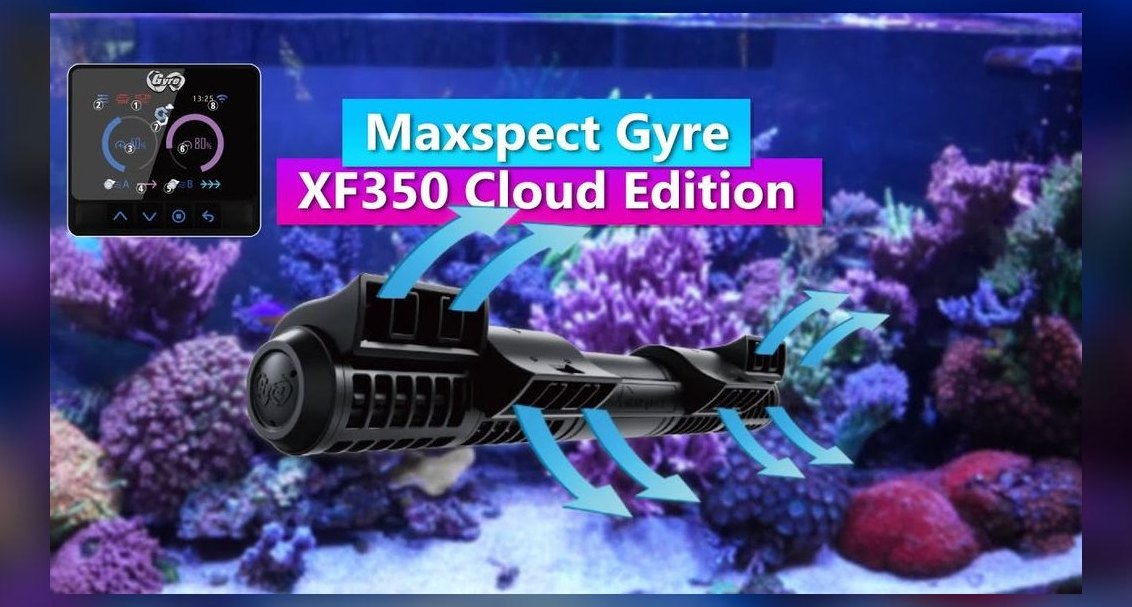 pulse-aquariumsTop 10 Wavemaker Pumps for Long Reef Tanks (Over 48 Inches) in 2027
 pulse-aquariumsHow do you raise water hardness in a shrimp tank?
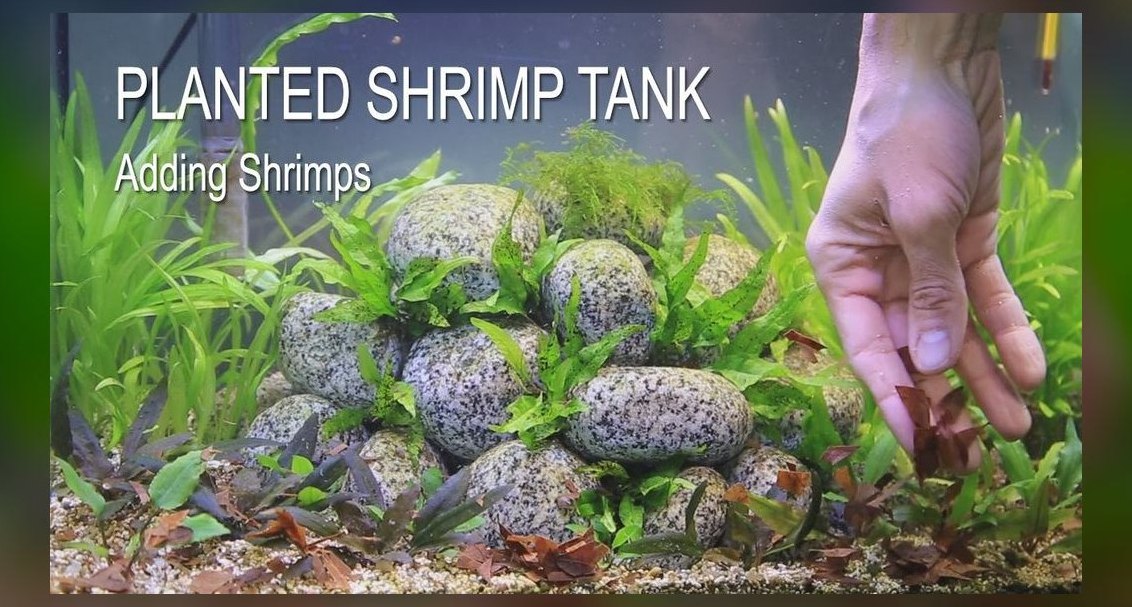 pulse-aquariumsHow do you set up a shrimp-only aquarium?
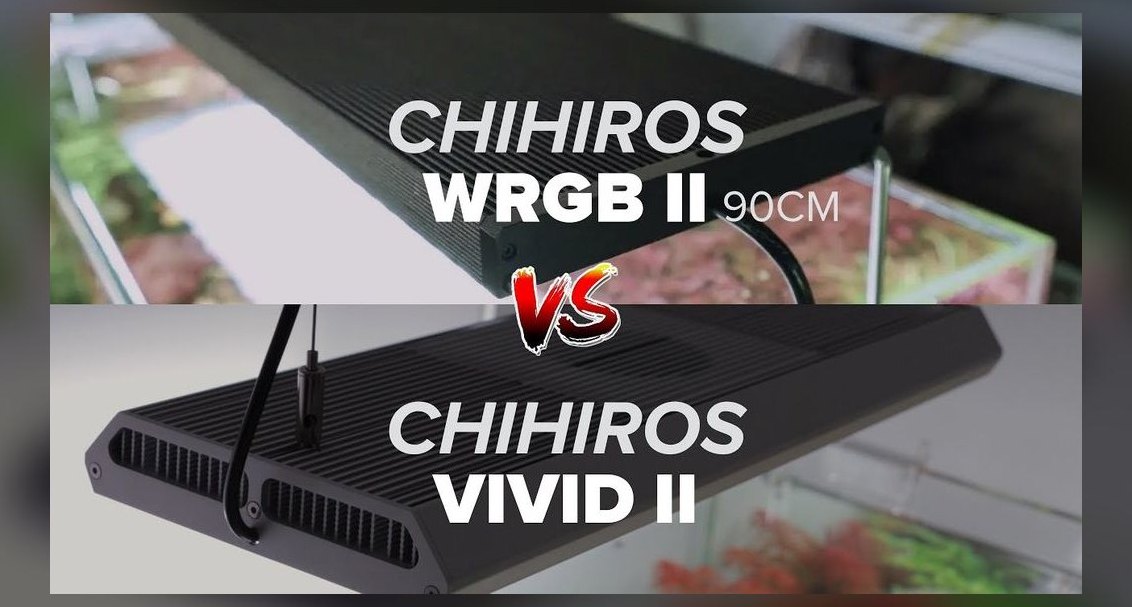 pulse-aquariumsTop 10 Planted Tank LED Lights 2027
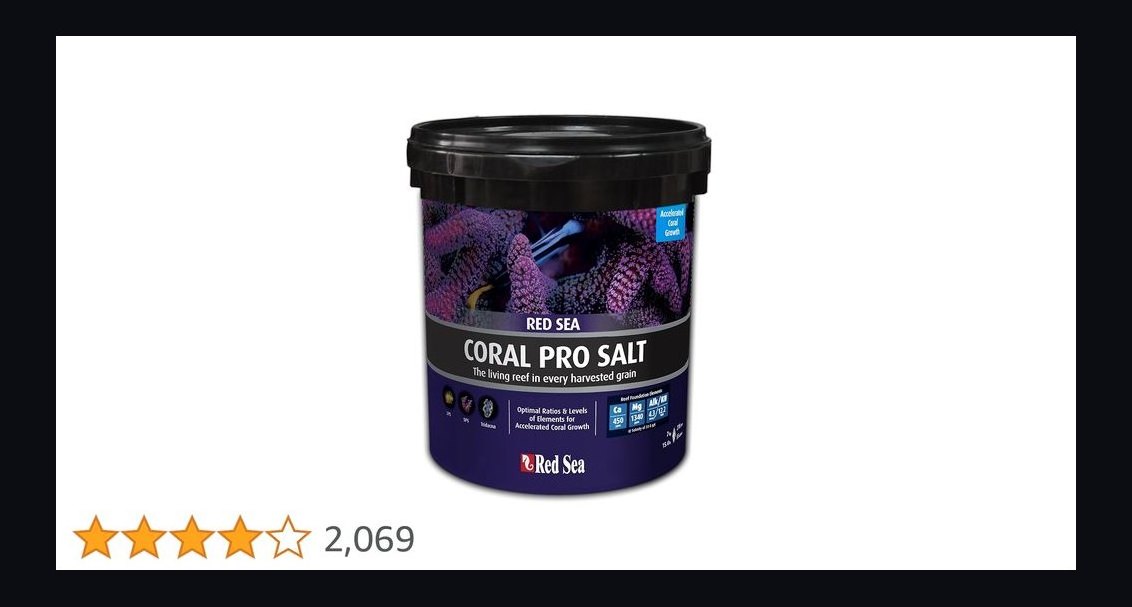 pulse-aquariumsTop 10 Salt Mixes for Coral Growth in 2027