


How do I aquascape live rock for a reef tank in 2027?
Quality
Certified
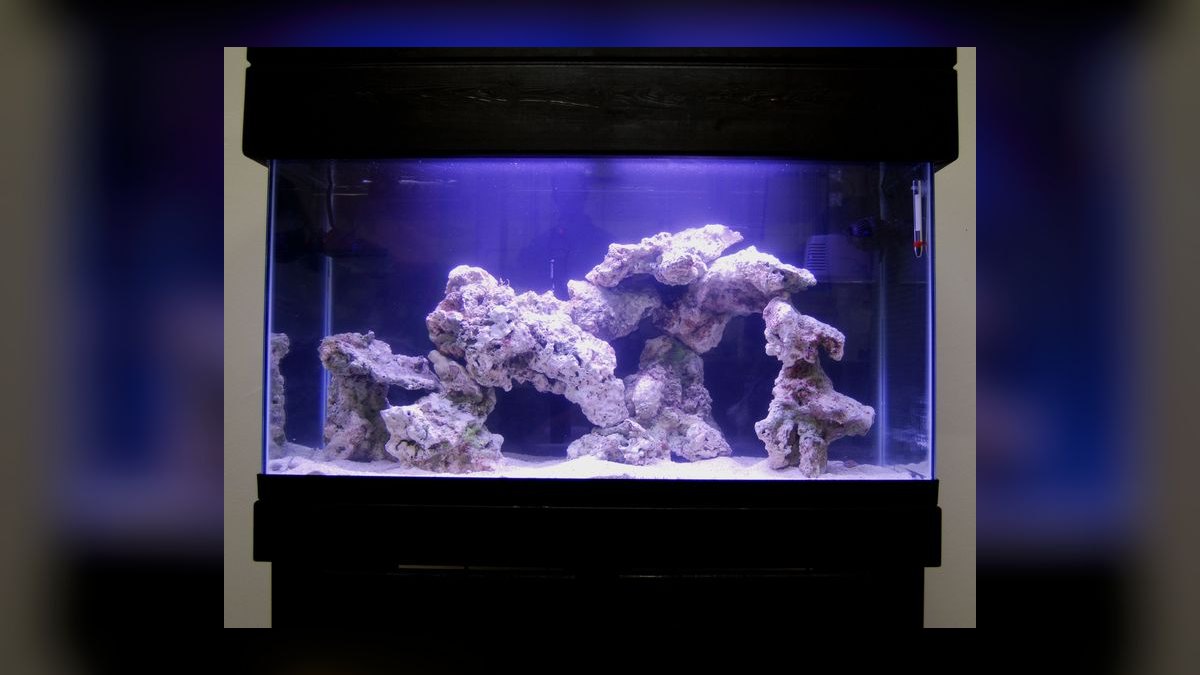
Build the reefscape before adding water: dry-mount cured live rock into open, wide-based structures using two-part epoxy and cyanoacrylate gel, leaving 2–3 inches of flow gap behind every arch. Aim for roughly 0.5–1 pound of rock per gallon, plenty of negative space, and coral-ready flat landing zones.
The outcome you should expect
A finished 2027 aquascape should look sparse the day you build it and crowded three years later. That is the single expectation most first-time reefers get backwards. New tanks are frequently scaped to look "full" on day one, which leaves no room for the coral to actually grow into, and it chokes the water movement the corals need. If your rockwork looks like it needs another 20% more stone when the tank is empty, you have probably built it correctly.
Concretely, expect these outcomes from a well-executed live rock aquascape. First, water should be able to travel behind, under, and through the structure — you should be able to see daylight through the scape from multiple viewing angles, and a powerhead aimed at the front glass should produce visible movement at the back wall rather than dead, detritus-collecting pockets. Second, the structure should be rigid enough that you can grab any single rock and shake it without the pile shifting; a scape that moves when you bump it is a scape that will eventually fall onto a colony you paid real money for. Third, the footprint should leave open sand — typically 4 to 8 inches of clear sand bed between the rock and the front glass, and ideally an inch or two of gap between the rock and the side and back panels so you can get a magnet cleaner and a siphon in there.
Fourth, and this is the part people underestimate, you should end up with a specific inventory of usable coral real estate. Count it before you finish: flat or gently sloped landing pads in the upper third of the tank for SPS (Acropora, Montipora, Stylophora), shaded overhangs and vertical faces in the lower third for LPS and non-photosynthetic species, and mid-level ledges for the euphyllia and softies that want moderate light and moderate flow. A 4-foot tank should yield something like 15 to 30 distinct, gluable placement spots. If you cannot point to them, the scape is decorative rather than functional.
Fifth, the biological outcome. Cured live rock supplies the surface area for nitrifying bacteria, and a scape of appropriate mass and porosity will cycle a new system in roughly 2 to 6 weeks depending on whether the rock arrives fully cured, partially cured, or dry. You should expect ammonia to fall to zero and nitrite to follow before you add anything beyond a cleanup crew. Rock that is genuinely live — shipped wet, from an established system — can shorten that considerably, sometimes to days, but it also carries a die-off risk that can spike ammonia hard if it was shipped poorly.
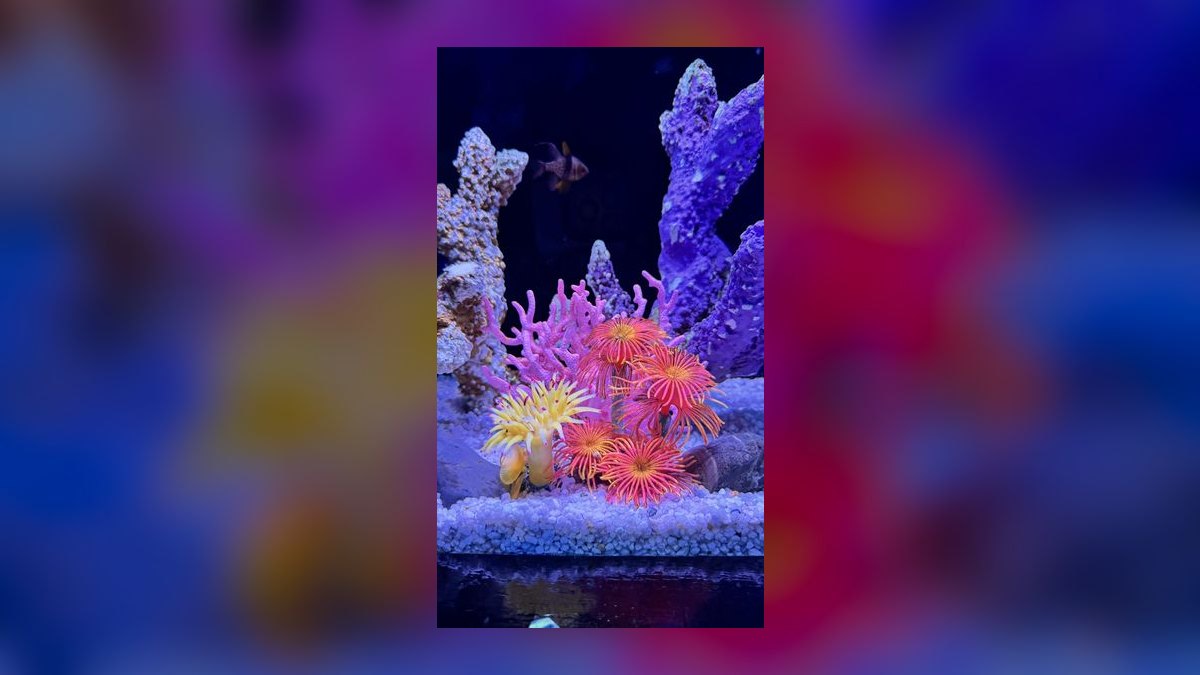
Finally, expect the aquascape to be a permanent decision in practice. You can technically rescape a running reef, but once corals have encrusted onto the rock and coralline algae has cemented contact points, moving structures means breaking coral tissue, releasing a cloud of detritus and nutrients, and often triggering an algae bloom or a coral stress response. Treat the build session as a one-shot decision and spend the extra two hours dry-fitting.
What drives that outcome
Four variables do almost all the work: rock type, structural method, flow geometry, and negative space. Understanding how they interact is more useful than copying any particular scape photo.
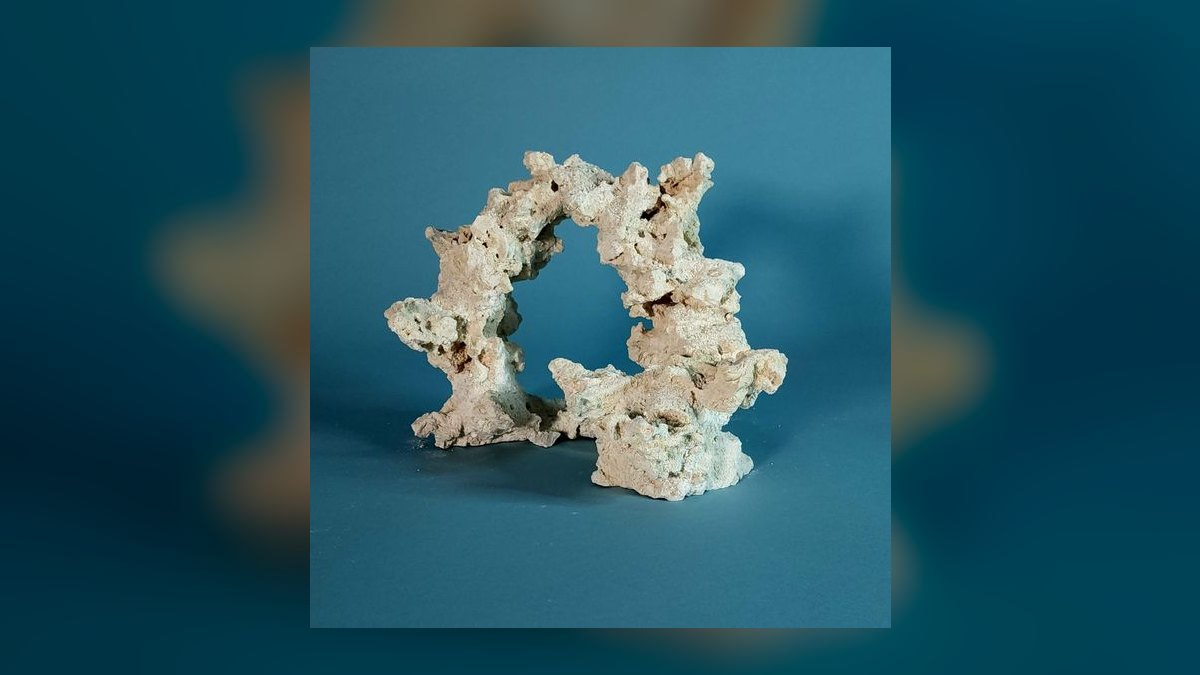
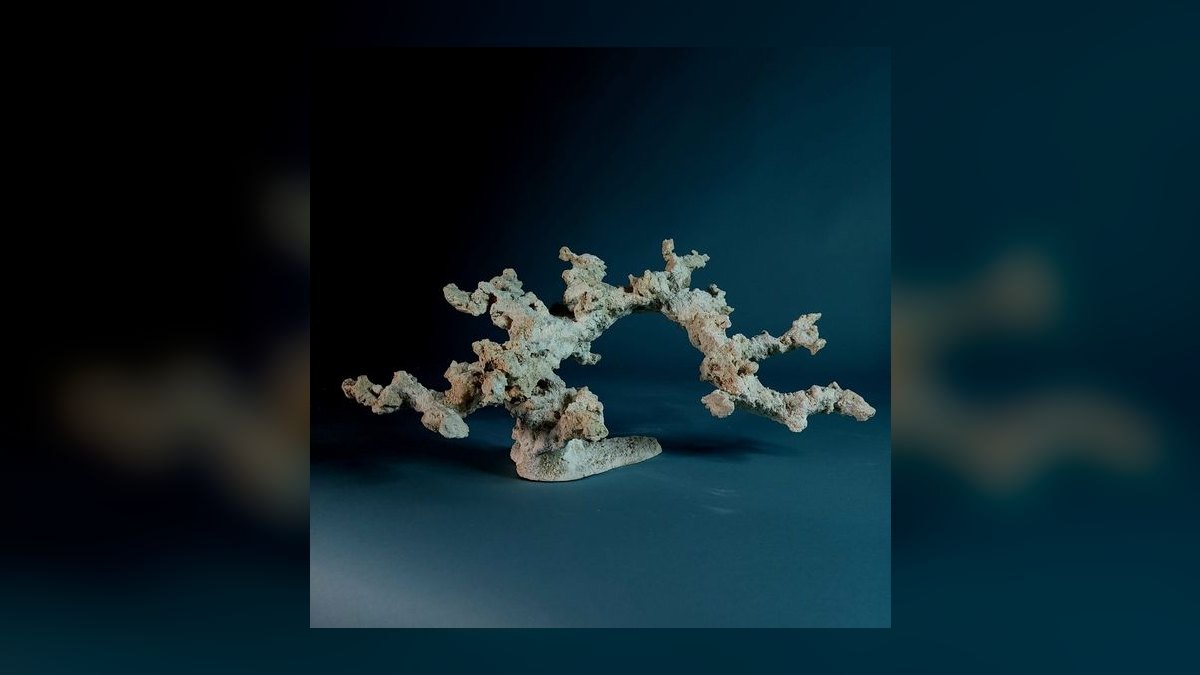
Rock type and porosity. The material you start with sets the ceiling on everything else. Broadly, your 2027 options are: genuine ocean-harvested live rock (increasingly restricted and expensive, arrives colonized and wet), aquacultured live rock (typically dry base rock seeded in the ocean or in a farm system, then harvested), dry reef rock — old fossilized reef skeleton, usually from mined deposits — and manufactured/ceramic rock made from aragonite and cement. Real reef rock and aquacultured rock tend to be the most porous and irregular, which gives you both bacterial surface area and natural shelves. Manufactured rock is lighter, more consistent, easier to work with, and comes in deliberately branch-shaped and plate-shaped pieces engineered for aquascaping — but it starts sterile and needs seeding. Dry rock avoids pest introduction almost entirely but often carries bound phosphate from its former life in a tank or from decaying organics, which can leach for months and feed algae; a bleach-and-acid or extended-cure treatment mitigates that.
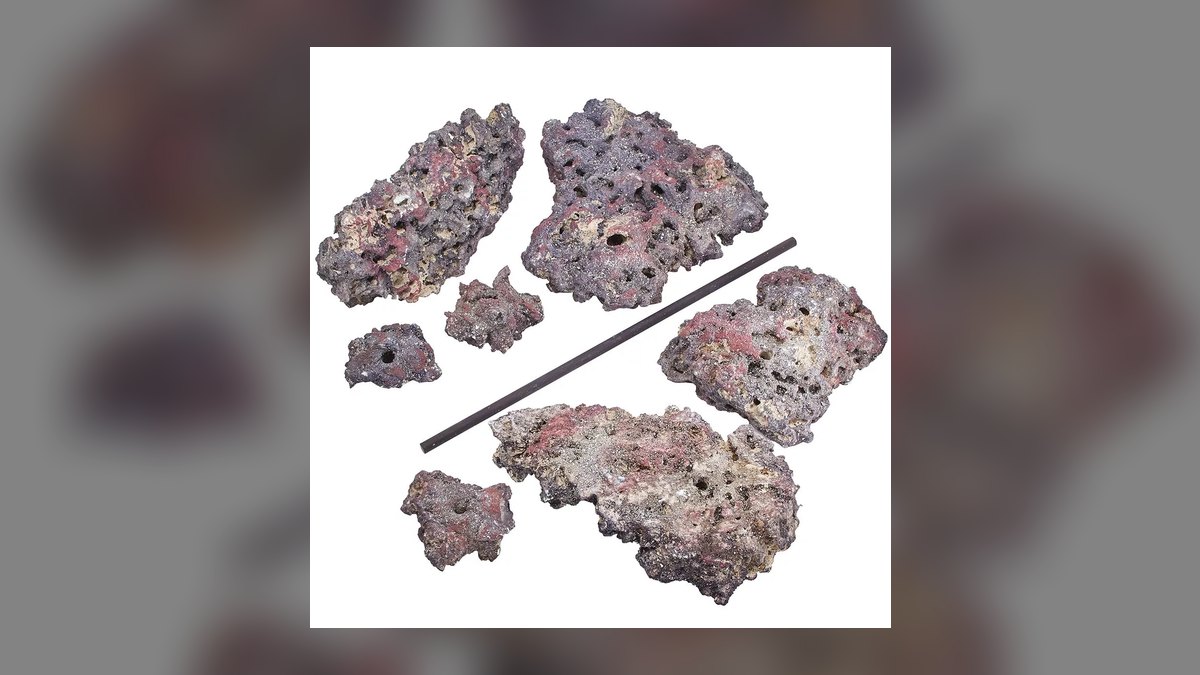
Porosity matters structurally as well as biologically. Very dense, low-porosity rock takes epoxy and glue poorly because there is nothing for the adhesive to key into. Very light manufactured rock can be so buoyant relative to its footprint that a strong powerhead will nudge an unglued piece.
Structural method. There are four common ways to hold a scape together, and most good builds use two or three in combination. Cyanoacrylate gel (super glue gel) bonds fast — 30 to 90 seconds of hand pressure — and works underwater, but it is a spot adhesive with almost no gap-filling ability. Two-part marine epoxy putty fills voids, cures in about 20 to 30 minutes to handling strength and fully in a few hours, and can be shaped and pressed into contact points; it is weaker per unit area than glue on a tight joint but far better on an irregular one. The classic combination is a blob of epoxy sandwiched between the rocks with glue gel applied around the seam, which sets fast and cures strong. Third, rod-and-drill: drill matched holes with a masonry bit and insert an acrylic or fiberglass rod, then glue. This is the strongest method for cantilevers and tall pillars because it carries shear load the adhesives alone cannot. Fourth, mounting to a rigid base — an acrylic or PVC plate on the tank bottom, or a purpose-made rack — which distributes weight and prevents settling into the sand.
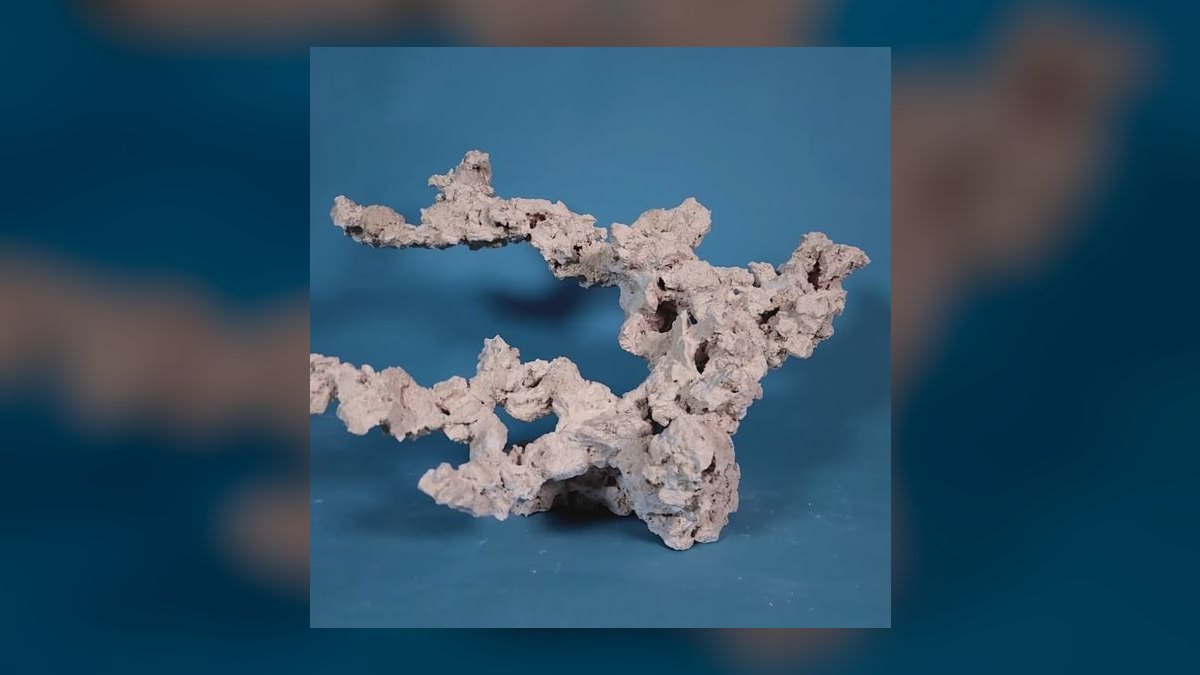
Flow geometry. Rock is an obstacle in a flow field. Every solid wall you build creates a low-velocity shadow behind it where detritus accumulates, and detritus is dissolved nutrients waiting to happen. Open, arched, pillar-based scapes let the return and powerhead flow wrap through instead of stalling. A useful heuristic: build so that a dye or food test would not show any pocket where particles settle and sit. Total system turnover in a mixed reef is commonly targeted around 20 to 40 times tank volume per hour, higher for SPS-dominant systems, but the distribution matters more than the number — 30x turnover doing laps around a solid wall is worse than 20x that actually penetrates the structure.
Negative space. This is the aesthetic and practical variable. Reefscapes read as natural when the eye has somewhere to rest. Classic layouts — the single island, the two-island bommie, the diagonal reef slope, the arch — all work because they define open water. They also give fish swim-through routes and give you access with a turkey baster and a scraper.
Benchmarks and realistic ranges
Numbers give you something to check your build against. These are working ranges used widely in the hobby, not hard laws.
Rock quantity. The old rule of thumb was 1 to 2 pounds of live rock per gallon, which came from an era when rock was the primary biological filter and scapes were built as solid walls. Modern practice — with skimmers, refugia, carbon dosing, and biopellet or media-based filtration doing part of the work — has drifted down substantially. A common contemporary target is 0.5 to 1 pound per gallon, and plenty of successful SPS systems run less than that with the rock serving mainly as structure and secondary biofilter. For a 75-gallon display, that means roughly 40 to 75 pounds. Manufactured rock is far less dense, so weigh-based rules mislead; go by visual volume instead — the scape should occupy something like 20 to 35 percent of the display's interior volume.
Footprint and clearances. Leave 4 to 8 inches of open sand between rockwork and the front glass on a standard-depth tank (12 to 24 inches front to back). Leave 1.5 to 3 inches behind the scape and at the sides for cleaning access and flow. On very shallow tanks, that back gap can drop to about an inch, but do not go to zero — algae and cyano love the sealed crevice against the silicone.
Height. Keep the top of the scape roughly 4 to 8 inches below the water surface in a standard-height tank. Rock too close to the surface gets blasted with light and flow, catches surface film, and puts corals where evaporation swings can expose them. Rock that ends far below the surface wastes prime SPS real estate.
Adhesive quantities. For a 60 to 90 gallon build, budget somewhere in the range of 8 to 16 ounces of cyanoacrylate gel and 2 to 4 sticks of two-part epoxy. It is always more than you expect. Working time on epoxy is short — mix small batches, roughly walnut-sized, and use them within a few minutes.
Cycle timing. Fully cured, wet-shipped live rock into an established-parameter system: sometimes 3 to 10 days to complete a cycle. Partially cured or shipped-damp rock: 2 to 4 weeks with a visible ammonia spike as die-off decomposes. Fully dry rock with a bottled bacteria start and an ammonia source: typically 3 to 6 weeks. Track ammonia and nitrite to zero, then let nitrate accumulate before your first water change.
Phosphate leaching from dry rock. Expect elevated phosphate readings for weeks to months on untreated dry rock — this is the single most common cause of the persistent algae phase in new dry-rock builds. An acid bath (dilute muriatic, done outdoors with full PPE) or an extended cure in a bin with heat and circulation reduces it substantially. Budget 4 to 8 weeks for a proper bin cure if you take that route.
Drilling. Use a masonry or diamond bit, 1/4 to 3/8 inch, in a corded drill on low speed with water on the bit. Acrylic rod at 1/4 inch handles most mid-size cantilevers; go to fiberglass or larger diameter for anything carrying more than a few pounds at a distance.
Risks, edge cases, and failure modes
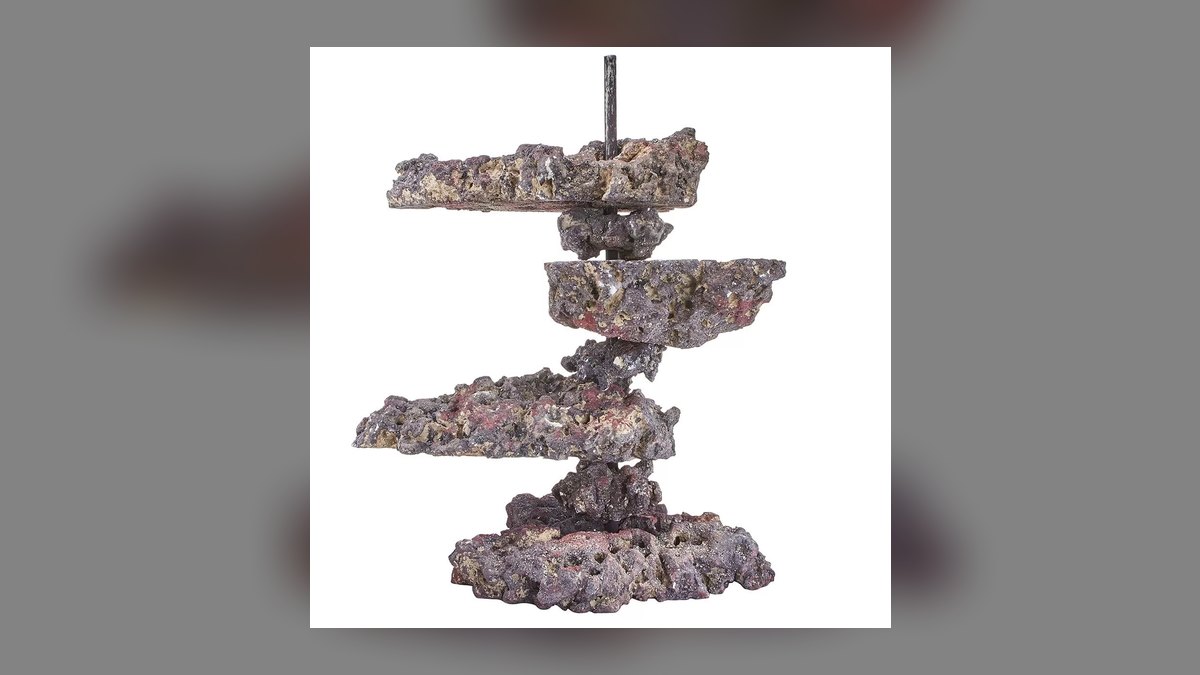
Collapse. The headline risk. Rock stacked without adhesive relies on friction and gravity, and both fail when a large fish or an urchin levers a piece, when sand shifts under the base, or when you reach in for maintenance. A collapse in a mature tank can crush corals, crack the bottom pane, and stir up months of accumulated detritus at once. Mitigation: glue everything, build on a rigid base plate rather than directly on sand, keep the center of mass low and inside the footprint, and use rods for anything that overhangs.
Sand settling and burrowers. If you build directly on the sand bed, the weight will compress it unevenly over months, and sand-sifting gobies, wrasses, or jawfish will excavate under the base. This is a classic delayed collapse. Standard mitigation is to set rockwork on the bare bottom glass first and pour sand around it, or to use a base plate that spans a wider area than the rock's own footprint.
Pest and hitchhiker introduction. Genuine ocean live rock can arrive with Aiptasia, majano anemones, mantis shrimp, gorilla crabs, bristle worms in large numbers, vermetid snails, or unwanted algae. Once in the display, several of these are extremely difficult to remove without pulling rock. Mitigation: inspect every piece in a bucket with a flashlight before it goes in, and consider a quarantine period in a separate bin. Dry and manufactured rock effectively eliminates this class of risk, at the cost of a longer, more algae-prone startup.
Phosphate-driven algae. Dry rock that leaches bound phosphate produces a frustrating extended ugly phase — diatoms, then green hair algae or bryopsis — that can run for months. Mitigation: cure and treat before the build, run phosphate media from the start, and resist the urge to add corals or heavy feeding during the phase.
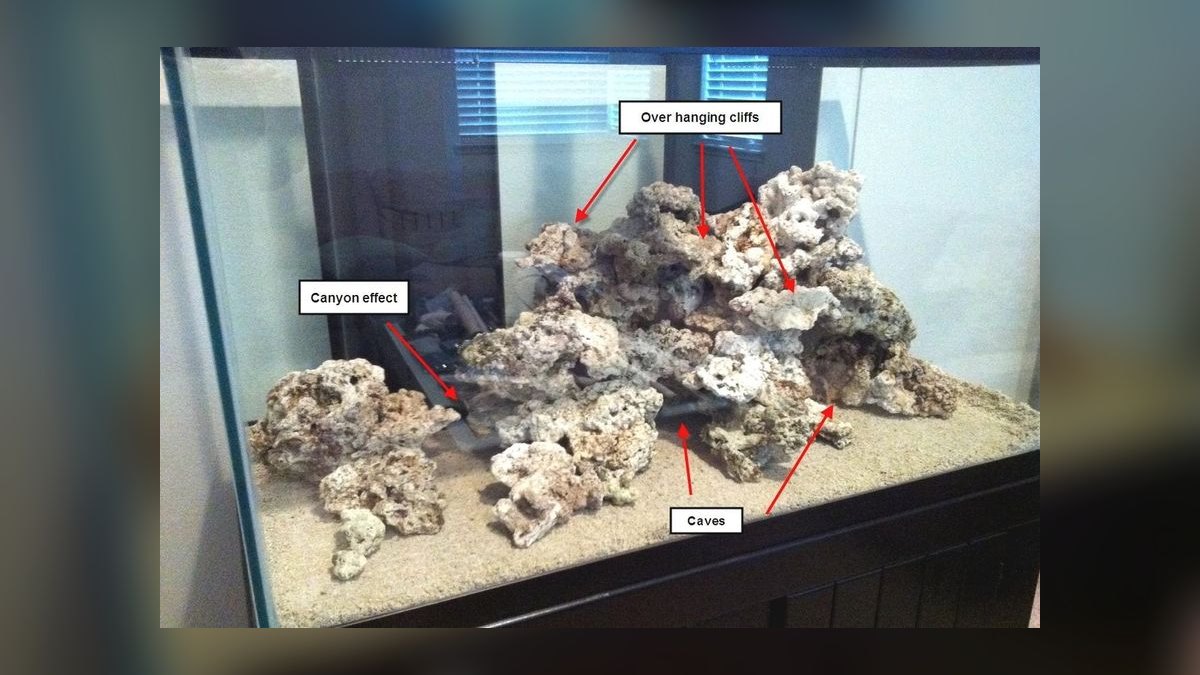
Dead zones and cyano. Any enclosed cavity with no through-flow becomes a detritus trap, and cyanobacteria colonizes those first. It shows up as a red or purple film exactly where flow does not reach — which makes it a useful diagnostic. Mitigation is structural: rebuild for openness rather than fighting it chemically.
Adhesive failure modes. Cyanoacrylate gel bonds poorly to wet, slimy, or coralline-covered surfaces; scrub and dry the contact points if you can. It also bonds poorly across gaps — a joint with a 3mm void will look glued and fail under load. Epoxy left to skin over before pressing will not bond. And both adhesives release compounds during cure; do the bulk of your gluing dry, out of the tank, and if you must glue in-tank, do small amounts and keep the skimmer running.
Aesthetic failure. Two common ones: the "wall" — a solid line of rock across the back, which kills flow and looks artificial — and the "tombstone" — rocks stood on end in a row. Both are usually the result of building to fill space rather than building a structure. The fix is to commit to a layout (single bommie, two-island, diagonal slope, arch) before touching a rock.
Edge case — nano tanks. Under about 20 gallons, everything scales badly. A "0.5 lb/gal" rule gives you 10 pounds of rock in a tank where three well-chosen pieces would be better. Nano scapes generally want one or two vertical structures and a lot of open sand, because the visual field is small and coral growth will consume the space quickly.
Edge case — peninsula and rimless island tanks. Viewing from multiple sides means you cannot hide a flat back face. These need genuinely three-dimensional structures with interest from every angle, which typically means more rods and cantilevers and a taller, narrower center of mass.
Edge case — existing running tank. If you must rescape a mature reef, do it in stages over weeks, move one structure at a time, run extra mechanical filtration and carbon during and after, and expect a nutrient spike. Never do a full teardown-and-rebuild on a stocked system in a single session.
A practical rollout plan
Work in this order. The single biggest determinant of a good result is doing all the structural work dry, outside the tank, before water and livestock are involved.
Step 1 — Decide the layout, on paper. Pick one: single island bommie, two-island, diagonal slope, arch, or a pillar cluster. Sketch it against your tank's actual dimensions. Mark where returns and powerheads will be, because the scape has to work with that flow, not against it.
Step 2 — Source and prep rock. Order roughly 20 percent more than your calculated target; you will reject pieces. If dry, cure it: bin, heater, powerhead, and either an acid bath followed by a long freshwater soak, or a multi-week saltwater cure with an ammonia source. Test phosphate in the bin water to confirm leaching has slowed. If wet live rock, inspect every piece under a flashlight for pests and cure it separately until ammonia reads zero.
Step 3 — Dry fit. Lay the empty tank's footprint out on the floor with tape, or better, dry-fit inside the empty tank itself with a towel protecting the glass. Build the whole structure with no adhesive. Photograph it from the front and both sides. Live with the photos for a day. This step catches almost every mistake that would otherwise be permanent.
Step 4 — Number and disassemble. Mark contact faces with a pencil or a numbered sticker so you can rebuild the exact arrangement.
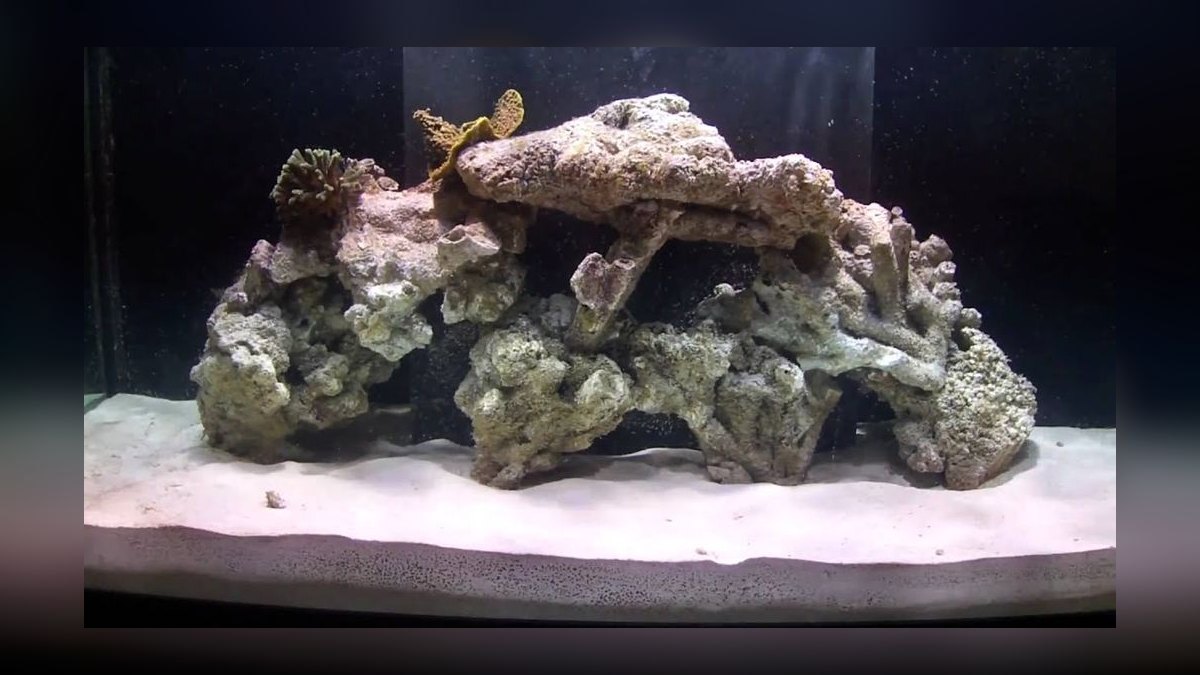
Step 5 — Glue up in sub-assemblies. Build two or three separate structures rather than one monolith — they are easier to place, easier to move later, and less likely to crack under thermal or handling stress. Use epoxy in the voids, gel around the seams, rods through anything that cantilevers more than a few inches. Let each joint reach handling strength before adding load above it.
Step 6 — Cure and rinse. Give adhesives a full cure, then rinse the assemblies in saltwater to remove dust and any surface residue.
Step 7 — Place on bare bottom, then sand. Set the structures on the bare glass (on an acrylic or eggcrate base plate if the pieces are heavy or the bottom is thin), confirm stability by pushing on them, then pour sand around the base.
Step 8 — Fill, cycle, and test flow. Fill slowly onto a plate to avoid a sandstorm. Run the pumps and watch for dead spots — feed a pinch of food and see where it settles. Adjust powerhead aim before anything is glued in place. Complete the cycle to zero ammonia and zero nitrite.
Step 9 — Placement inventory. Before adding coral, photograph the scape and mark your landing zones by light and flow requirement. Buy to fit the spots you have, not the other way around.
Related questions
How much live rock do I actually need?
Modern practice runs roughly 0.5 to 1 pound per gallon when a skimmer and other filtration share the biological load. Older 1–2 lb/gal advice assumed rock was the only filter. Judge by visual volume — about 20 to 35 percent of display volume — rather than weight, especially with lighter manufactured rock.
Should I use dry rock or wet live rock?
Dry rock avoids pests almost entirely but leaches phosphate and cycles slowly, producing a long algae phase. Wet live rock cycles fast and arrives biologically diverse but can import Aiptasia, mantis shrimp, and vermetids. Many builders use mostly dry rock plus a few seeded pieces.
Can I aquascape after the tank is running?

You can, but it is disruptive. Encrusted corals tear, detritus clouds the water, and a nutrient spike often follows. If unavoidable, move one structure at a time over several weeks, run carbon and extra mechanical filtration, and never do a full teardown on a stocked system in one session.
Do I put rock on the sand or under it?
Under it. Setting structures on the bare bottom glass and pouring sand around them prevents the delayed collapse caused by sand compaction and by burrowing gobies, jawfish, or wrasses excavating beneath the base. Use a base plate if the rock is heavy or the bottom pane is thin.
What is the most common aquascaping mistake?
Building a solid wall of rock across the back. It kills through-flow, creates detritus and cyanobacteria dead zones, looks artificial, and leaves no room for coral growth. The fix is committing to an open layout — bommie, island, arch, or slope — before stacking anything.
FAQ
How long does epoxy and super glue take to cure in a reef aquascape?
Two-part marine epoxy putty typically reaches handling strength in about 20 to 30 minutes and full cure in a few hours; work it in small, walnut-sized batches because open working time is only a few minutes. Cyanoacrylate gel grabs in 30 to 90 seconds under hand pressure. Give the whole assembly a full cure before loading weight on it, then rinse in saltwater before placing.
Is it safe to glue rock while the tank is running?
Yes, in small amounts. Cyanoacrylate gel cures underwater and is widely used for coral fragging in running systems. Keep the quantity modest, keep the skimmer on, and expect a brief cloudy patch. Epoxy also cures underwater but is messier and can smother anything it touches. Do the bulk of structural work dry, outside the tank.
Why does my new dry-rock tank have so much algae?
Almost always bound phosphate leaching out of the rock, feeding diatoms and then green hair algae. It can run for weeks to months. Cure and acid-treat rock before building, run phosphate-removing media from the start, keep feeding light, and be patient — the phase ends when the rock's reserve is exhausted and export catches up.
How far should the aquascape sit from the glass?
Leave 4 to 8 inches of open sand at the front on a standard-depth tank, and 1.5 to 3 inches at the back and sides. Those gaps let you get a magnet cleaner and a siphon in, keep flow moving behind the structure, and stop detritus and cyanobacteria from colonizing sealed crevices against the silicone.
Do I need to drill rock and use rods, or is glue enough?
Glue and epoxy handle most compression joints fine. Rods matter for shear and cantilever loads — arches, overhangs, and tall narrow pillars — where adhesive alone will eventually crack. Use a 1/4 to 3/8 inch masonry or diamond bit on low speed with water on the bit, and acrylic or fiberglass rod through matched holes.
How do I know if my rockwork has dead flow zones?
Feed a pinch of food or release a small cloud of fine particles near the pumps and watch where it settles. Anywhere particles come to rest and stay is a dead zone. Cyanobacteria appearing as a red or purple film is the same diagnostic after the fact. Fix it structurally by opening the scape, not chemically.
Sources
- https://www.reef2reef.com/
- https://reefbuilders.com/
- https://www.nano-reef.com/
- https://www.advancedaquarist.com/
- https://www.liveaquaria.com/
- https://www.bulkreefsupply.com/
- https://oceanservice.noaa.gov/facts/coral_reef.html
- https://www.fisheries.noaa.gov/topic/habitat-conservation/coral-reef-conservation
Related on PULSE
- How do I cycle a new saltwater tank?
- What flow rate does a mixed reef need?
- How do I get rid of green hair algae in a reef tank?
- Dry rock vs live rock: which should I start with?
- How do I quarantine new corals before adding them?
This page will be disappearing soon. Save it to your device for $1 — or read it free while it is here.
@Kory-White- · if Venmo asks, the last 4 of my number are 2012
This page is gone.
This one is off the shelf now. $1 keeps it on your phone for good — the whole page, pictures and diagrams included.
 pulse-aquariumsTop 10 Low-Maintenance Freshwater Shrimp Species for Nano Tanks in 2027
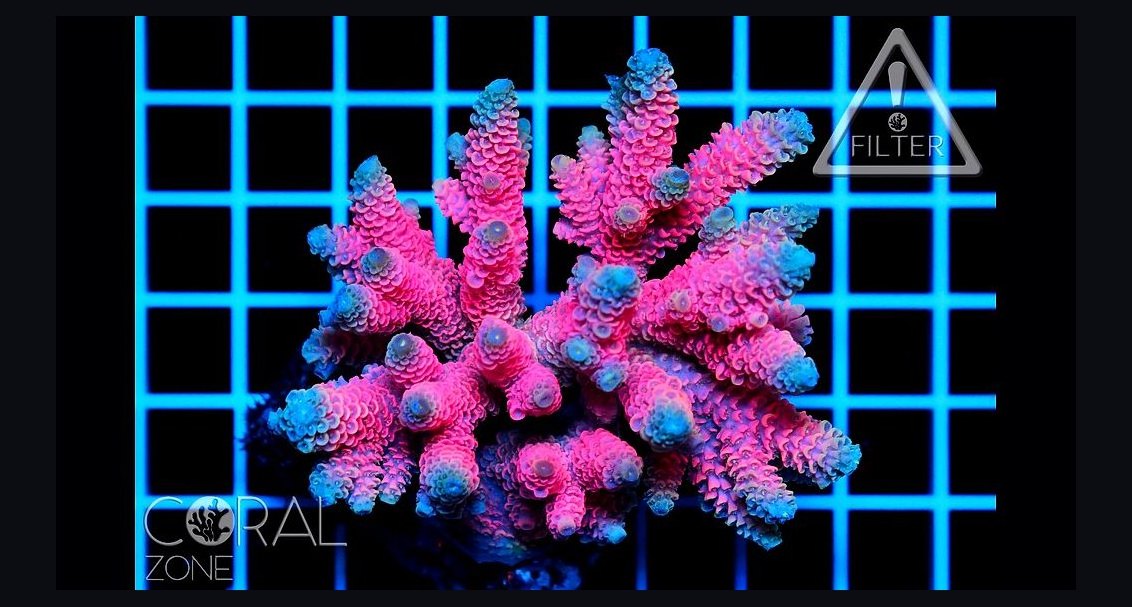 pulse-aquariumsTop 10 SPS Corals for Advanced Reefs 2027
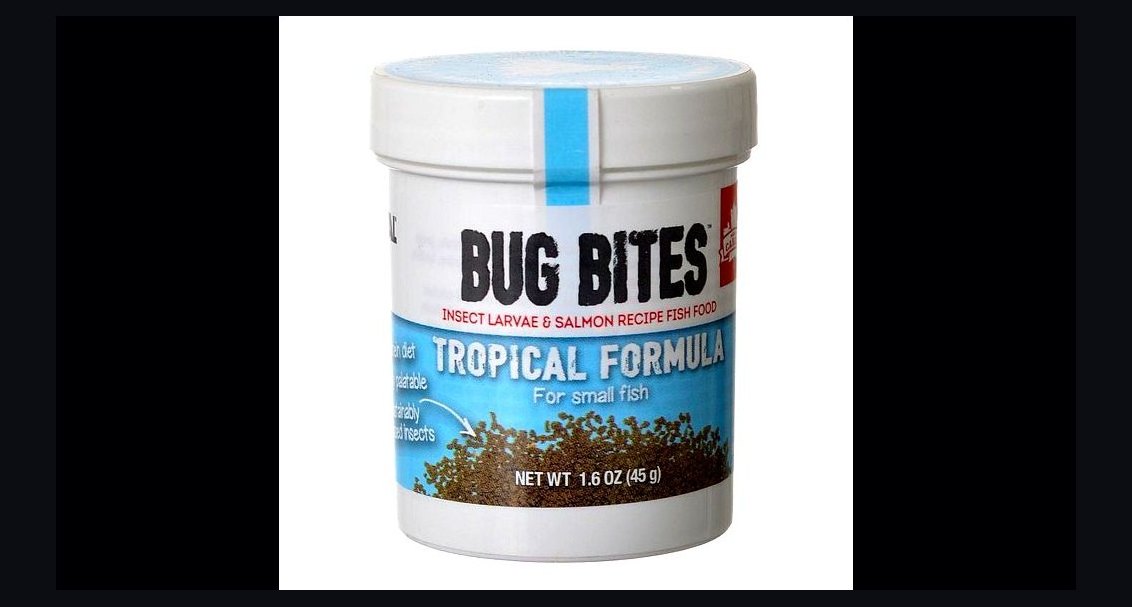 pulse-aquariumsTop 10 best fish food brands 2027
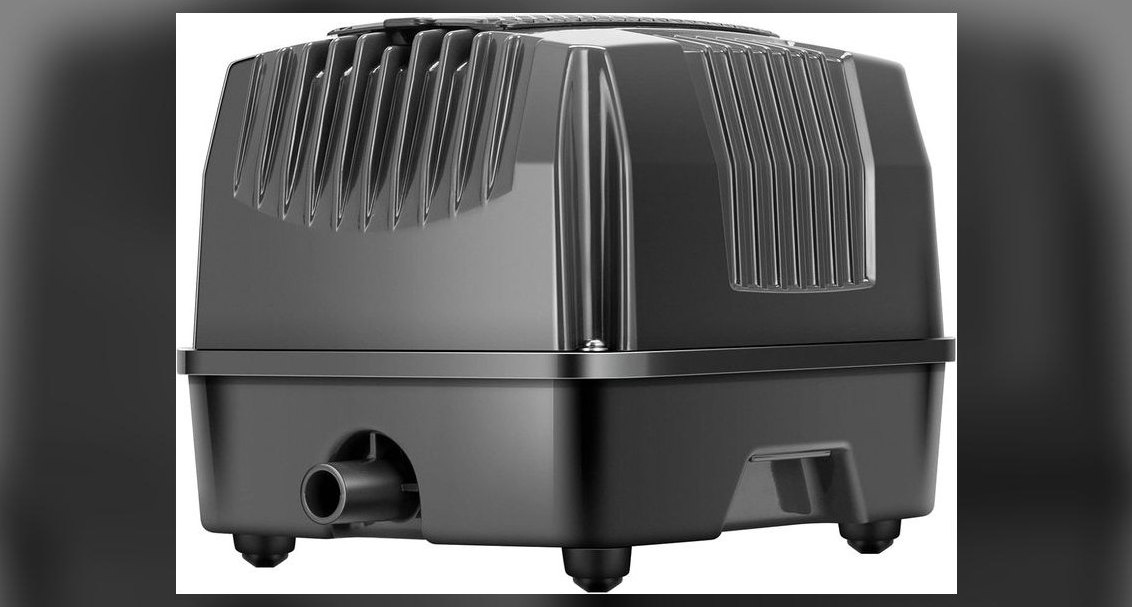 pulse-aquariumsTop 10 Aquarium Air Pumps for Quiet Operation (Up to 40 Gallons) in 2027
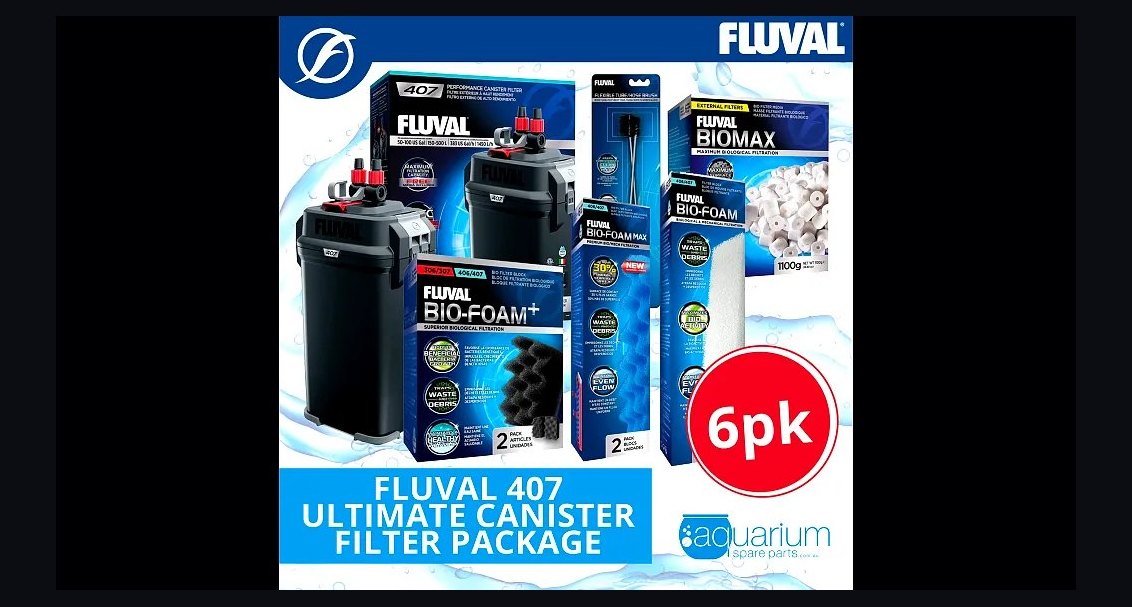 pulse-aquariumsTop 10 Green Terror Cichlid Care 2027
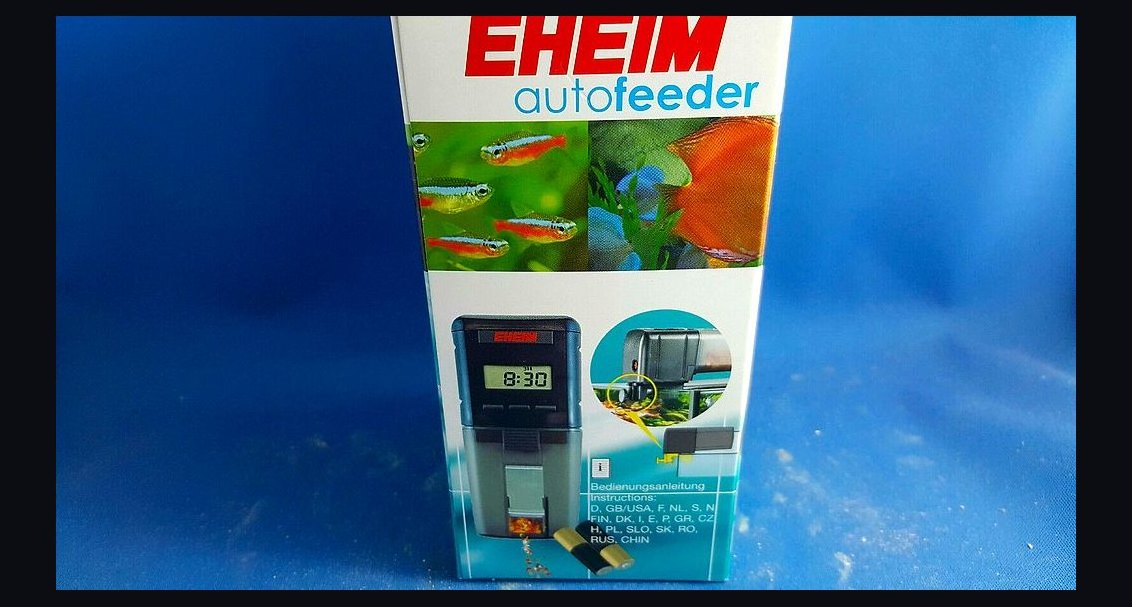 pulse-aquariumsTop 10 Automatic Fish Feeders for Vacation in 2027
 pulse-aquariumsHow do you cycle a new aquarium in 2027?
 pulse-aquariumsTop 10 40-Gallon Aquariums 2027
 pulse-aquariumsTop 10 Pond Pumps for Outdoor Koi Ponds in 2027
 pulse-aquariumsTop 10 angelfish tank size guide 2027