


How do I introduce fish to a newly cycled reef tank in 2027?
Quality
Certified
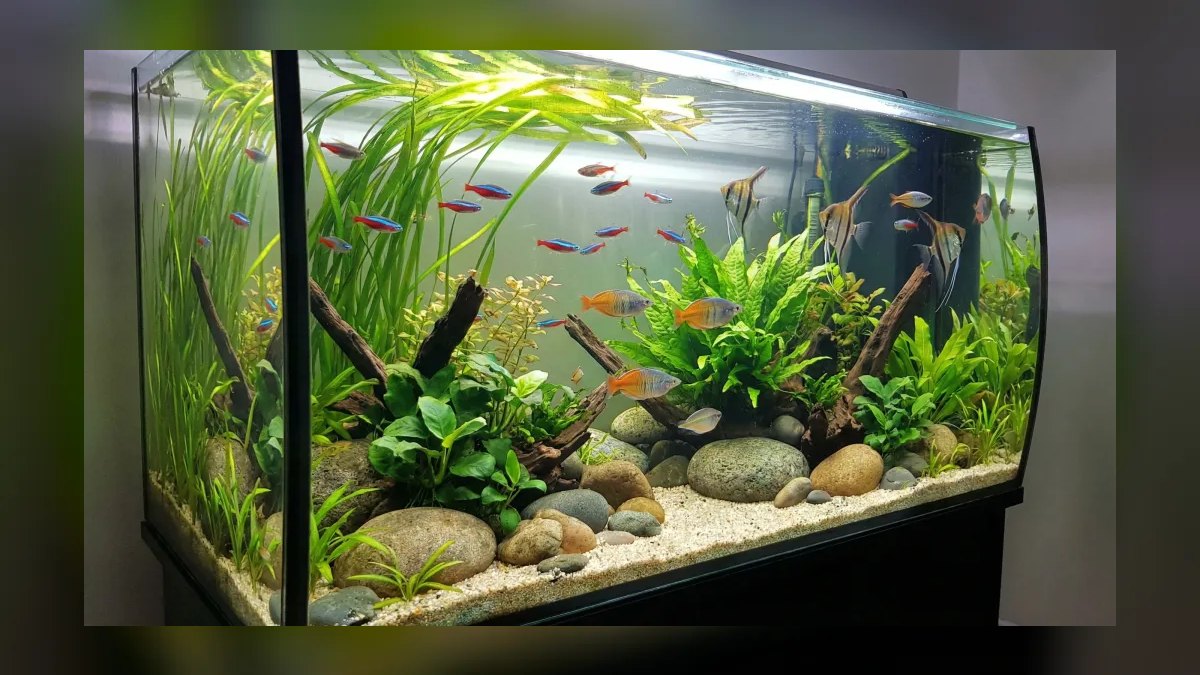
Wait two weeks after your cycle finishes, then add one or two small, hardy fish at a time. Drip-acclimate each fish 45–60 minutes, quarantine for four weeks, and feed lightly. Test ammonia and nitrite daily for the first week — both must stay at zero before the next addition.
What stocking a newly cycled reef tank actually means
A "cycled" tank is one where a nitrifying bacterial population has colonized the rock, sand, and filter media in sufficient density to convert ammonia to nitrite and nitrite to nitrate faster than your livestock produces it. The standard proof is the dosing test: add pure ammonium chloride to roughly 2 ppm total ammonia, wait 24 hours, and retest. If ammonia reads 0 and nitrite reads 0 with nitrate present, the biofilter is functional. One clean 24-hour result is the minimum; two consecutive clean results a few days apart is what experienced reefkeepers actually wait for, because a single pass can be flattered by a partial ammonia binding on fresh rock rather than genuine biological conversion.
The word "cycled" carries a trap, though. Cycled does not mean *stocked-ready at scale*. It means the bacteria can handle roughly the ammonia load you tested against — about 2 ppm per day in the dosing method. A single one-inch clownfish produces far less than that, so a cycled tank can absorb it easily. Six fish added at once produce a load the colony has never seen, and bacterial populations do not scale instantly. They double roughly every 12 to 24 hours under favorable conditions, which means a sudden fourfold jump in bioload takes two to four days of measurable ammonia before the colony catches up. Those two to four days are where fish die.
The second layer people skip is that a reef tank is not a fish-only tank with rocks in it. Corals, and especially small-polyp stony corals, tolerate far less dissolved organic pollution than fish do. Fish will survive 0.25 ppm ammonia for a day; an Acropora colony will begin tissue recession. So in a reef, the stocking plan has to protect the invertebrates as much as the fish, which is why reef stocking is deliberately slower than freshwater or fish-only-with-live-rock stocking.
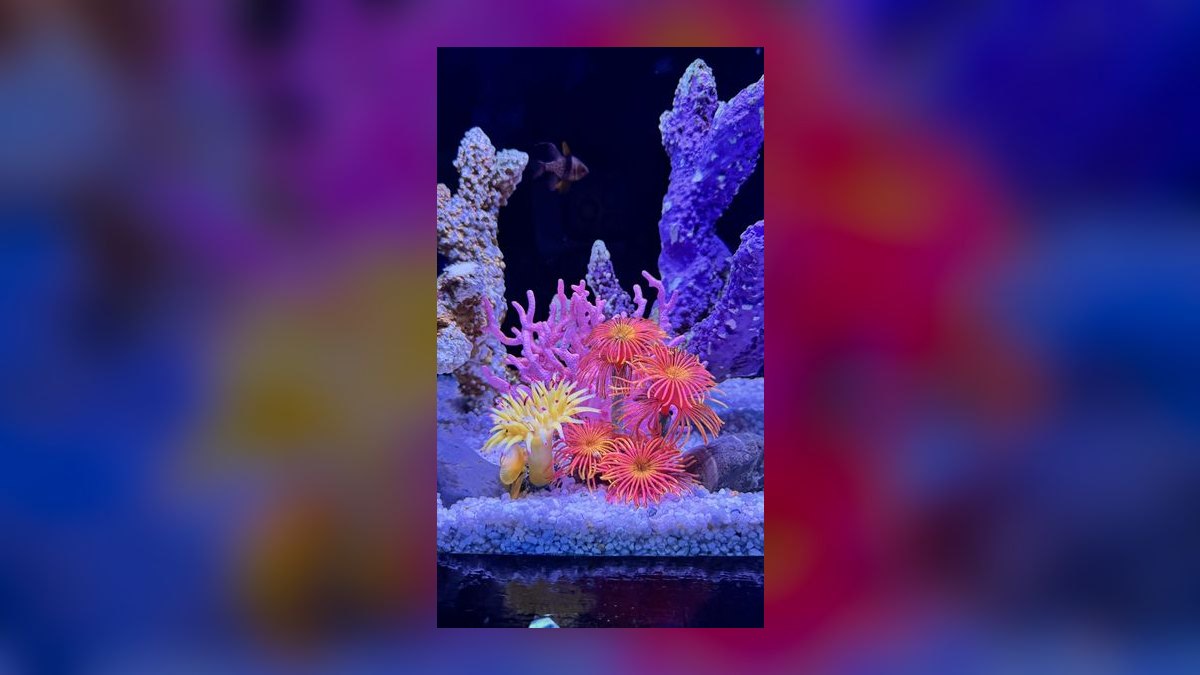
There is also a maturity dimension separate from the nitrogen cycle. A newly cycled reef tank at week zero has almost no biofilm, no copepod population, no established coralline algae, and an immature microbial community. It will typically pass through a diatom bloom around weeks two to four, often a cyanobacteria or dinoflagellate phase in months two through four, and generally does not read as "stable" until months six to nine. Fish added into the earliest window are the ones that experience the widest parameter swings, so the order in which you add them matters: durable species first, delicate ones last.
Finally, understand what you are trying to avoid. The failure mode is rarely a dramatic overnight wipeout. It is a slow one: a fish added too early gets a low-grade ammonia burn to the gills, becomes immunocompromised, develops *Cryptocaryon irritans* (marine ich) or *Amyloodinium* (velvet) from a pathogen already latent in the system, and dies two weeks later — usually taking two or three tankmates with it. Every practice below is aimed at breaking that specific chain.
The step-by-step process from cycle completion to fish in display
Here is the sequence that works, with the timing that makes it work.
Step 1 — Confirm the cycle twice (days 0–5). Dose ammonium chloride to 2 ppm. Test at 24 hours. Ammonia 0, nitrite 0. Wait 48 hours, dose again, retest. Two clean passes. Use a quality ammonia test — Seachem or Salifert-grade reagent kits, or a Hanna colorimeter for nitrate — because cheap strip tests routinely read 0.25 ppm ammonia as zero, which is exactly the concentration that hurts you.
Step 2 — Water change and baseline (days 5–7). A finished cycle typically leaves nitrate somewhere between 20 and 80 ppm, sometimes higher, and phosphate elevated. Do a 25–50% water change to bring nitrate under 10–20 ppm before livestock arrive. Record your baseline: salinity 1.025–1.026 specific gravity (35 ppt), temperature 77–79°F, pH 8.0–8.4, alkalinity 8–9 dKH, calcium 400–450 ppm, magnesium 1300–1400 ppm. You need these numbers written down because acclimation is fundamentally about matching them.
Step 3 — Wait (days 7–14). This is the step everyone skips and it costs the most. Give the biofilter a week with no ammonia input to stabilize, run your skimmer, get your heater controller dialed, and confirm your temperature holds within 1°F across a 24-hour period. Fish stress from temperature swing is real and completely preventable.
Step 4 — Set up quarantine before you buy anything. A 10- or 20-gallon bare-bottom tank, a sponge filter that has been sitting in your display sump for two weeks to seed it, a heater, a piece of PVC pipe for cover, and a lid. Nothing else. Bare bottom because you will be medicating and substrate binds copper. This is not optional equipment for a reef; it is the single highest-return purchase in the hobby.
Step 5 — Buy the first fish. One or two, small, hardy. Inspect at the store: clear eyes, no clamped fins, no rapid gilling (over roughly 80 beats per minute in a small fish suggests distress or parasites), no white spots, no cloudy patches, actively eating. Ask the store to feed it in front of you. A marine fish that will not eat at the store will very likely not eat at your house.
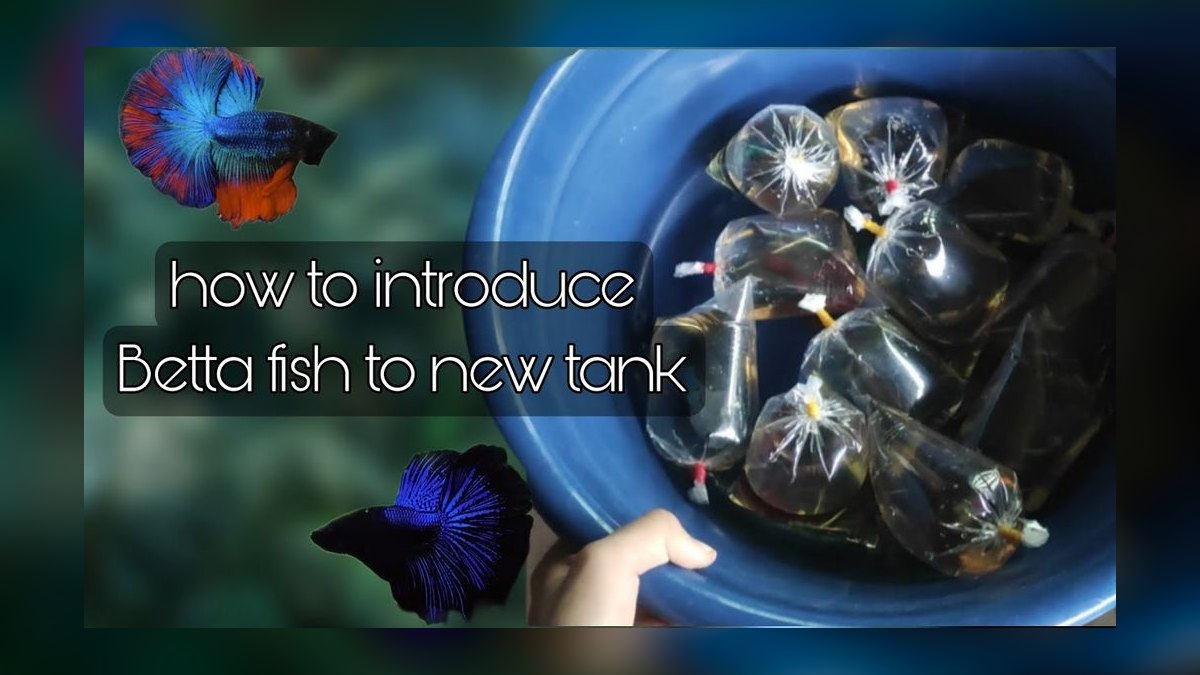
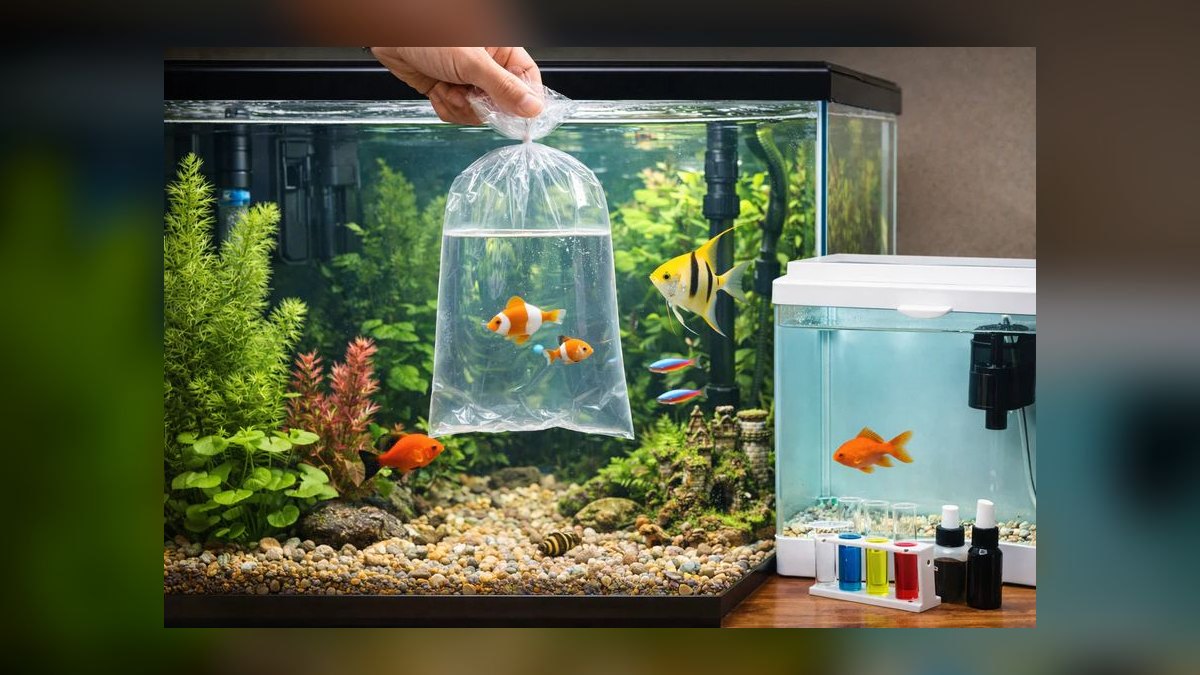
Step 6 — Acclimate to quarantine. Float the sealed bag 15 minutes for temperature. Then drip acclimate: airline tubing, a loose knot or a plastic drip valve, 2–4 drops per second, until the volume in the container has roughly tripled. That takes 45–60 minutes for a typical bag. The point is salinity and pH, not temperature — a bag that has been closed for six hours has accumulated CO2 and dropped in pH, and dumping that fish into pH 8.3 water causes an ammonia flash inside its own gills. Net the fish into quarantine. Never pour store water in.
Step 7 — Quarantine for four weeks minimum. Observe. Many reefkeepers run a prophylactic treatment regardless of symptoms, because ich and velvet are frequently subclinical on arrival. Copper at therapeutic level (typically 2.0–2.5 ppm for chelated copper products, verified with a copper test kit — not guessed) for 14 days, or hyposalinity at 1.009 specific gravity for at least three weeks, handles ich. Praziquantel handles flukes and internal worms. Never put copper anywhere near a display with invertebrates; it is lethal to them at a fraction of therapeutic dose and it binds to rock and leaches for years.
Step 8 — Transfer to display. Drip acclimate again if quarantine salinity differs (it will if you ran hypo — bring the fish back up slowly, over several hours to a day). Lights off or dimmed for the transfer, and for the rest of that day. Feed lightly the next morning.
Step 9 — Test daily for a week. Ammonia and nitrite every day for seven days after each addition. Any reading above zero means stop adding fish, do a water change, and feed less until it clears.
Step 10 — Wait two to four weeks, then repeat. Every addition restarts this clock.
Costs, timelines, and typical ranges
The realistic calendar from finished cycle to a fully stocked small reef is six to twelve months. That surprises people, so here is the arithmetic. Four weeks of quarantine per fish, plus two to four weeks of display observation between additions, means each fish or pair costs you roughly six to eight weeks of wall-clock time. A six-fish stocking list is therefore nine to twelve months if you run them strictly sequentially. Most people compress this by running quarantine in parallel — quarantining fish two and three while fish one settles into the display — which brings a six-fish list down to about four to six months. That parallelization is legitimate as long as the *display* additions stay spaced two to four weeks apart and the quarantine tanks are genuinely separate systems with separate equipment. Sharing a net between quarantine and display defeats the entire exercise.
Bioload budgeting: a common working rule for a reef with a skimmer and reasonable flow is roughly one inch of adult fish length per four to five gallons of *actual* water volume — which is display volume plus sump, minus about 10% for rock and sand displacement. A 40-gallon display with a 15-gallon sump running 10 gallons of water holds maybe 45 gallons actual, which suggests something like 9–11 inches of adult fish. That is two ocellaris clownfish at 3 inches each and a small goby or two, and it is genuinely full. This rule is crude and species-dependent — a 4-inch tang produces vastly more waste than a 4-inch pipefish and needs far more swimming volume — but it stops the most common overstocking error.
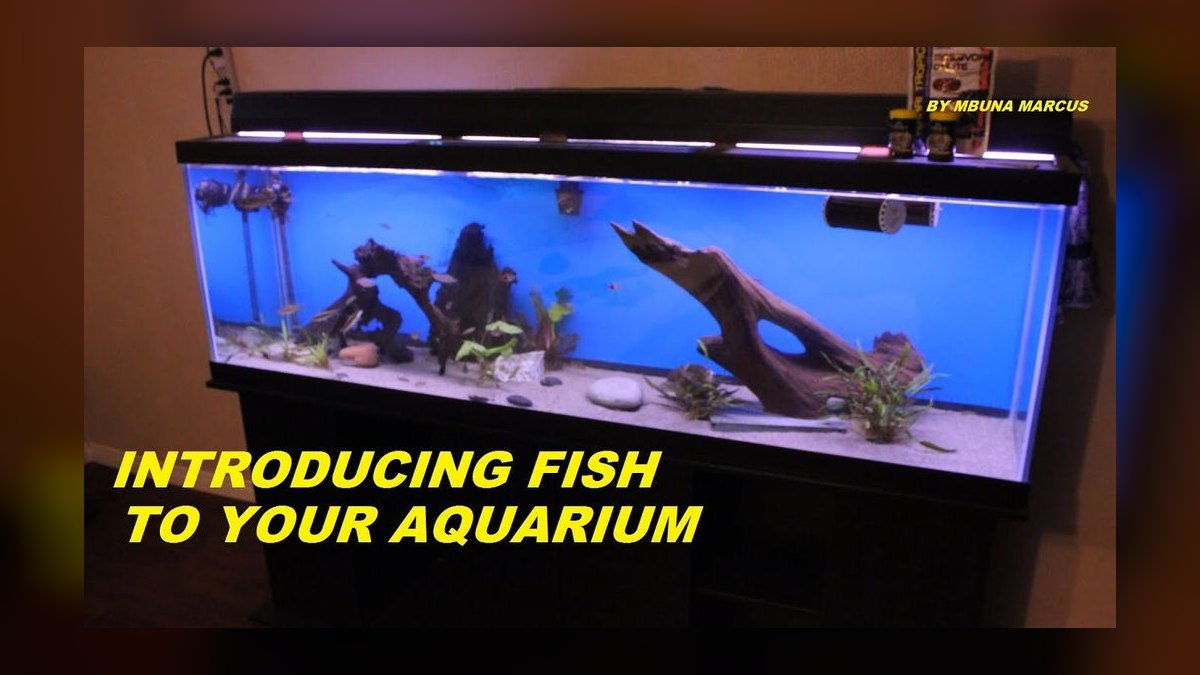
Equipment costs, in broad ranges: a basic quarantine setup — tank, heater, sponge filter, air pump, lid, PVC — runs roughly $60–150 new, less used. A reliable ammonia test kit is $10–20 and a refractometer $25–50; do not use a swing-arm hydrometer, they drift badly and a salinity error is one of the most common causes of acclimation death. Copper treatment products and a copper test kit together are usually $40–80. Against the cost of the fish themselves, and against a tank crash that takes out corals, this is cheap insurance.
Species-specific ranges worth knowing: ocellaris and percula clownfish are captive-bred, hardy, and inexpensive — the standard first fish for good reason. Small gobies and firefish are also durable and low-bioload. Tangs need large volumes and are notoriously ich-prone; they belong late in a stocking order and never in a small tank. Anthias need multiple small feedings daily. Mandarin dragonets require an established copepod population, which a newly cycled tank does not have — they are a month-nine fish at the earliest, and only in a system with a refugium producing pods.
Feeding volume during the early stocking phase: feed once daily, an amount consumed within about 30 seconds to a minute, with nothing settling uneaten into the rockwork. Uneaten food is the fastest route to an ammonia spike in a lightly-populated new tank, because there is no established detritivore population to process it yet.
Where reefkeepers get this wrong
Adding everything at once. The most common and most expensive error. A store visit ends with five fish because they were all on sale. The colony that handled 2 ppm/day now faces a load it cannot process, ammonia appears within 48 hours, and half the fish are dead inside a week. Add one or two, wait, repeat.
Skipping quarantine because "the store looked clean." Marine ich exists in a huge fraction of retail systems, often with shared water between tanks so a single infected arrival contaminates the whole store. A visually clean fish routinely carries a subclinical infection that erupts under the stress of a move. Once ich is in a reef display, you cannot treat it in place — copper kills the invertebrates — and the standard remedy is removing every fish for 76+ days of fallow while the display runs fishless. Four weeks of quarantine up front replaces eleven weeks of disaster recovery.
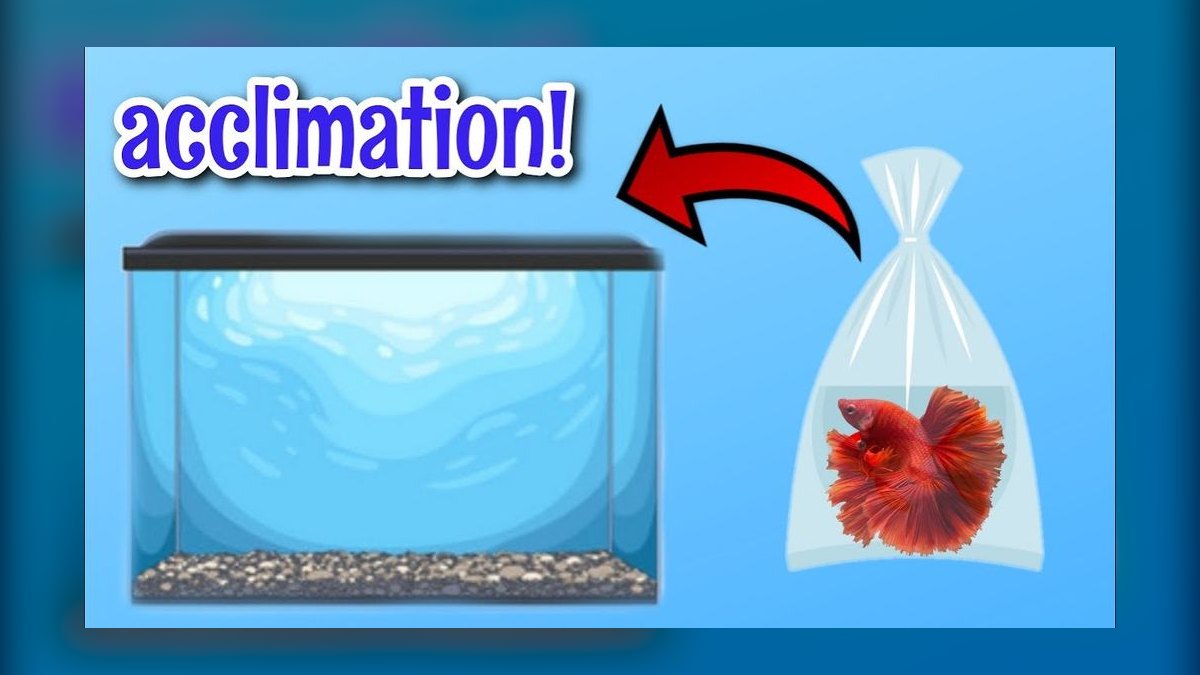
Confusing acclimation with time in the bucket. Drip acclimation exists to equalize salinity and pH gradually. It is not a health treatment, and it becomes actively harmful past about 90 minutes: ammonia accumulates in a small volume of still water with a fish in it, and as pH rises during the drip, the harmless ammonium in that water converts to toxic free ammonia. A three-hour drip can poison a fish that would have been fine at 50 minutes. Keep it under an hour, keep the container out of direct light, and use an airstone if the fish is large.
Trusting a strip test. Test strips commonly under-report ammonia in the 0.25 ppm range and are notoriously poor at nitrite in saltwater. If your only test says zero and your fish are gasping at the surface, believe the fish.
Adding a cleanup crew as the "first fish." Snails and hermits are frequently sold as the safe first inhabitants. They are not fish and they are not free — they add bioload, and more importantly, a newly cycled tank at week two often has too little algae and detritus to feed a full cleanup crew, so a large percentage starve within a month and their bodies then cause the ammonia spike you were avoiding. Add a small crew, scaled to actual visible algae, and grow it.
Chasing the diatom bloom with chemicals. The brown dusting at weeks two to four is normal in a newly cycled system and resolves on its own. Dosing products to fight it destabilizes a system that is simply young.
Topping off with saltwater instead of fresh. Evaporation removes water, not salt. Topping off with saltwater ratchets salinity upward day over day. This is a slow poisoning that people misdiagnose as disease.
Adding aggressive species early. Territory in a reef tank is claimed by whoever arrives first. Damselfish added as "starter fish" — an outdated practice from the fishless-cycling era — become entrenched bullies that make every later addition miserable and are extremely difficult to remove from rockwork. Introduce the least aggressive species first and the most aggressive last.
Decision framework: choosing what goes in and when
The order of introduction is a real decision with real consequences, and it turns on three axes: hardiness, aggression, and dietary specialization.
Hardiness governs *timing*. In months one through three, the tank's parameters swing most, so the first fish should be species that tolerate that: captive-bred clownfish, most gobies, firefish, cardinalfish, small blennies. Months four through six open up wrasses and dottybacks. Month six onward, once the microbial community is mature and coralline is spreading, you can consider tangs (in appropriately large systems), angels, and anthias. Month nine onward is the earliest honest window for pod-dependent specialists like mandarins.
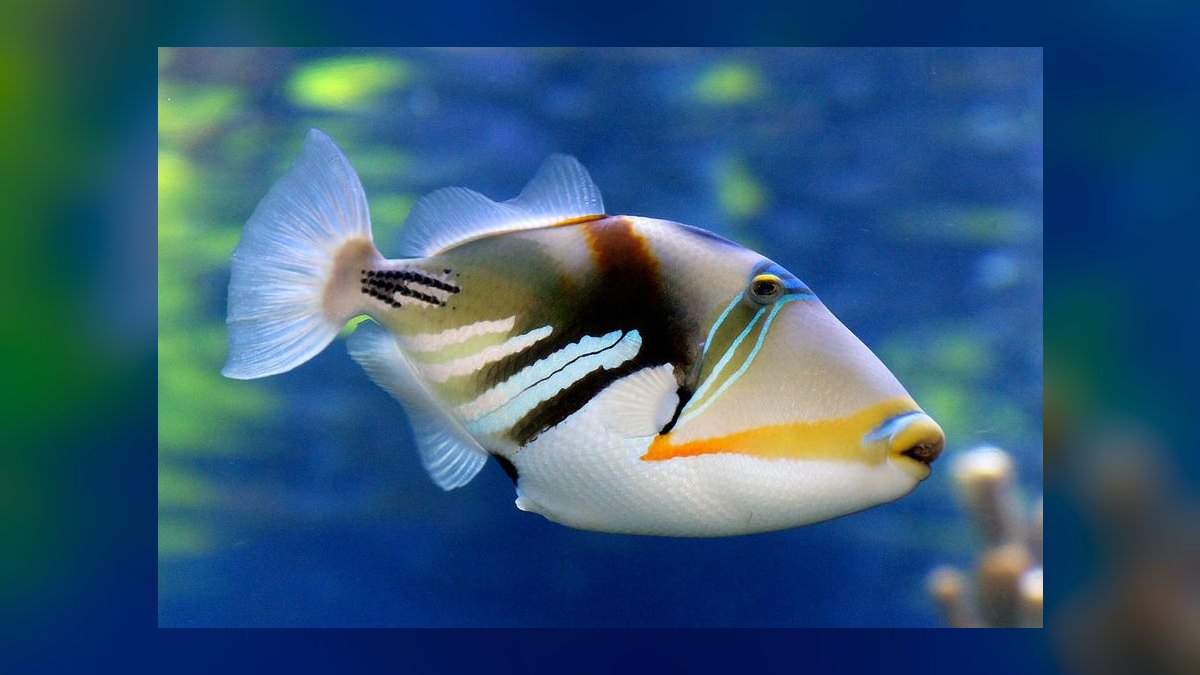
Aggression governs *sequence*. Rank your entire intended stocking list from least to most aggressive and introduce strictly in that order. If you must break the order — a fish becomes available that you cannot pass up — rearrange the rockwork on the day you add it. Disrupting established territories resets the social map and dramatically reduces the beating a newcomer takes.
Diet governs *feasibility*. Ask before buying: will this fish eat prepared frozen food? If the answer is "only live copepods" or "only live coral polyps," the newly cycled tank is the wrong environment and often the fish is the wrong purchase entirely.
There is one more axis for a reef specifically: reef safety. Many attractive fish eat corals, clams, or ornamental shrimp. Confirm reef compatibility before purchase, not after.
Related questions
How long after a cycle finishes should I wait before the first fish?
Seven to fourteen days after your second clean ammonia-dosing test. Use that window for a large water change to drop nitrate, to verify temperature and salinity hold steady over 24 hours, and to seed a quarantine sponge filter in your sump.
Can I add corals before fish in a newly cycled tank?
Yes, and many reefkeepers prefer it. Hardy soft corals and some LPS tolerate a young system well and add almost no bioload. Avoid SPS until nutrients and alkalinity have been stable for several months. Corals should still be dipped for pests before going in.
Do I still need quarantine if the fish is captive-bred?
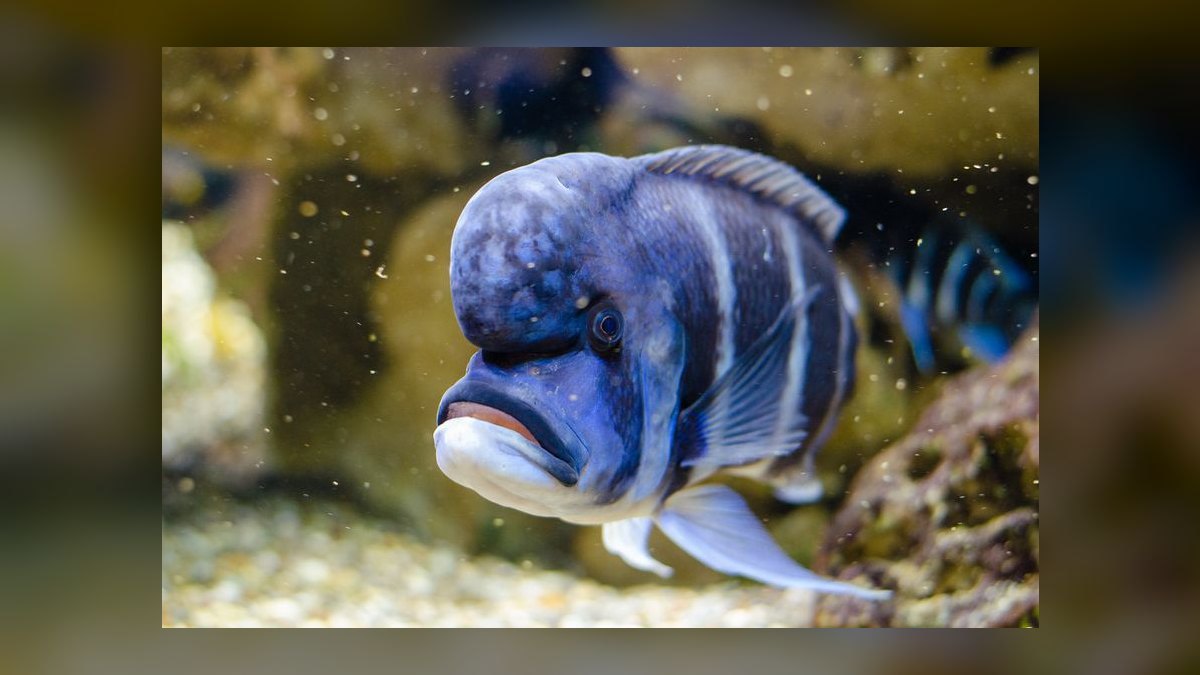
Yes, though the risk is lower. Captive-bred clownfish from a reputable breeder are unlikely to carry marine ich, but they can carry *Brooklynella* or bacterial infections, and they may have been housed with wild fish in the retail chain. Four weeks of observation still applies.
What ammonia reading is actually dangerous to a new fish?
Anything above zero warrants action. Sustained readings at 0.25 ppm cause gill damage and immune suppression; 0.5 ppm and above is acutely harmful, and toxicity rises sharply with higher pH and temperature — reef conditions of pH 8.3 and 78°F are near the worst case for a given total ammonia number.
FAQ
How many fish can I add at one time to a newly cycled reef tank?
One or two small fish, and no more, per addition. The nitrifying colony sized itself to the ammonia you dosed during cycling, and it needs two to four days to double in response to a new load. Adding one small fish is a load increase the colony absorbs invisibly; adding five is a load increase that produces measurable ammonia before the bacteria catch up.
Is drip acclimation better than floating the bag?
They do different jobs and you want both. Floating the sealed bag for 15 minutes equalizes temperature. Drip acclimation equalizes salinity and pH, which floating cannot do. Skip the drip and a fish moving from store water at 1.021 into your display at 1.026 experiences osmotic shock. Keep the total drip under about an hour.
What should the first fish in a reef tank be?
Captive-bred ocellaris or percula clownfish are the standard answer: hardy, readily available, they eat prepared food immediately, they are reef safe, and their moderate aggression sits comfortably in the middle of most stocking orders. Small gobies and firefish are equally good choices with even lower bioload.
Why did my ammonia spike after adding just one fish to a cycled tank?
Usually overfeeding rather than the fish itself. A new tank has no established detritivore or biofilm population to process uneaten food, so a pinch too much settles into the rock and decays. It can also mean the cycle was incompletely established — a single clean test can reflect ammonia binding to fresh rock rather than genuine biological conversion.
Can I skip quarantine if I dip the fish instead?
No. A freshwater dip or a formalin dip can knock parasites off the skin and gills temporarily, but neither touches the encysted stage of marine ich living in substrate or the tomonts that will hatch days later. Dips are a supplement to quarantine, never a replacement for the full four-week observation and treatment period.
Should I remove my cleanup crew or corals while quarantining new fish?
Neither — quarantine happens in a separate tank entirely, never in the display. That separation is the whole point: it lets you use copper and other invertebrate-lethal medications freely on the new arrival while the display, its corals, and its cleanup crew remain untouched and uncontaminated.
Sources
- https://www.reef2reef.com/
- https://reefbuilders.com/
- https://www.humblefish.com/
- https://www.advancedaquarist.com/
- https://www.liveaquaria.com/article/
- https://ocean.si.edu/
- https://www.noaa.gov/education/resource-collections/marine-life/coral-reef-ecosystems
- https://edis.ifas.ufl.edu/
- https://www.aza.org/
Related on PULSE
- How do I cycle a new saltwater aquarium from scratch?
- What are the best beginner corals for a new reef tank?
- How do I set up a saltwater quarantine tank?
- How do I treat marine ich without harming my corals?
- What water parameters should a reef tank hold, and how often should I test?
- How do I build a cleanup crew for a new reef tank?
This page will be disappearing soon. Save it to your device for $1 — or read it free while it is here.
@Kory-White- · if Venmo asks, the last 4 of my number are 2012
This page is gone.
This one is off the shelf now. $1 keeps it on your phone for good — the whole page, pictures and diagrams included.
 pulse-aquariumsTop 10 Automatic Fish Feeders for Vacation in 2027
 pulse-aquariumsTop 10 Pea Puffer Tank Setup 2027
 pulse-aquariumsTop 10 Protein Skimmers for Heavy-Bioload Marine Tanks in 2027
 pulse-aquariumsTop 10 Yo-Yo Loach Patterned Loaches 2027
 pulse-aquariumsBest salt mix for reef tanks in 2027
 pulse-aquariumsTop 10 Aquarium Thermometers (Digital and Stick-On) in 2027
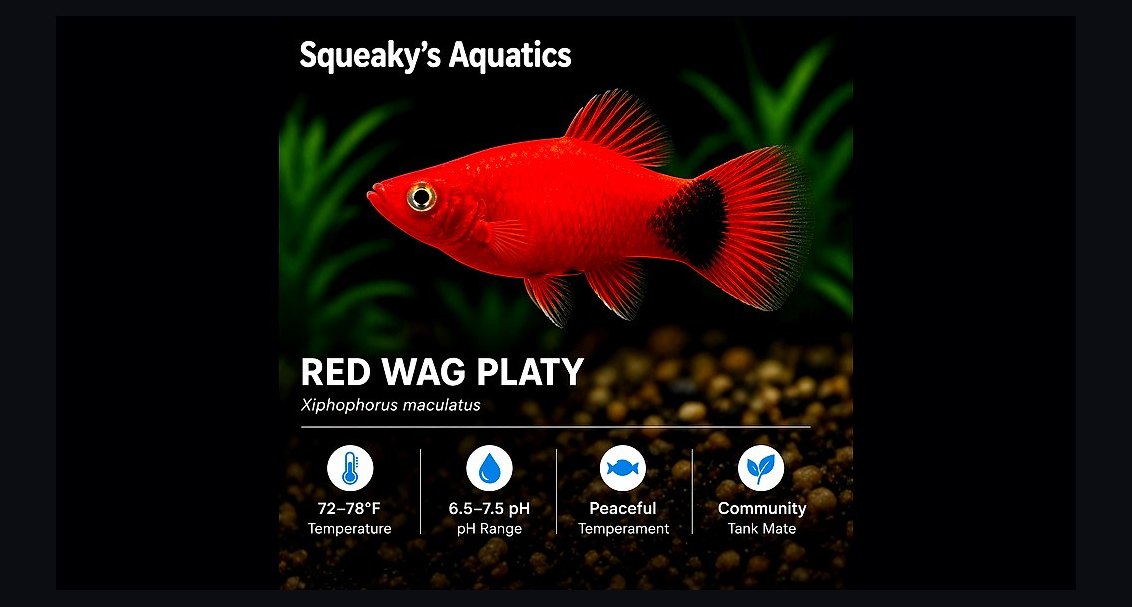 pulse-aquariumsTop 10 Platy Fish Color Morphs 2027
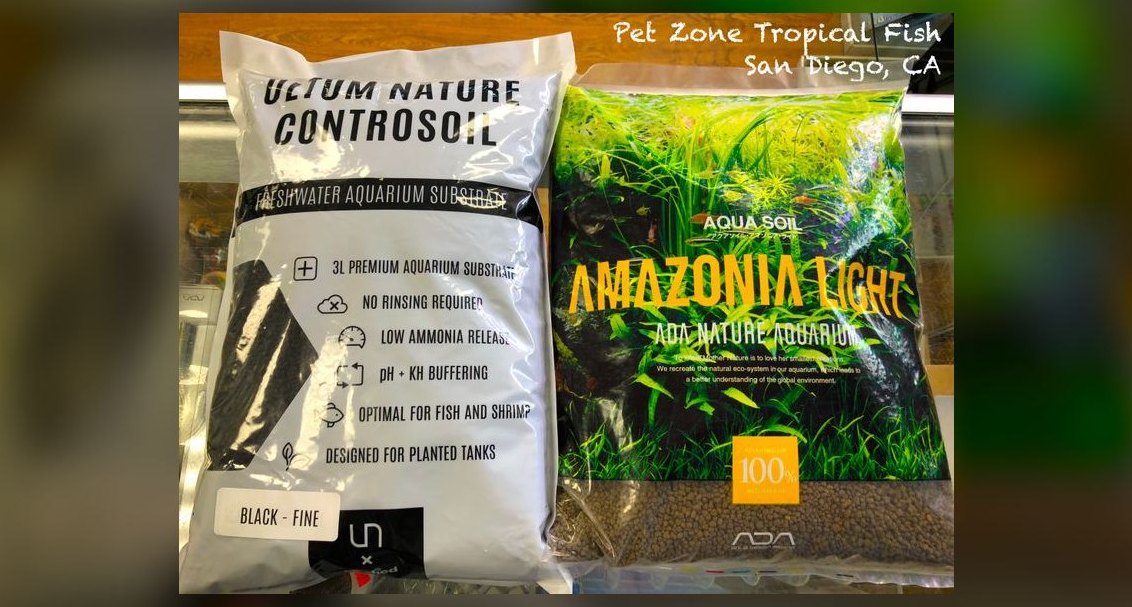 pulse-aquariumsTop 10 Substrate Brands for Dutch-Style Planted Aquariums in 2027
 pulse-aquariumsTop 10 Aquarium LED Lights for Planted Tanks in 2027
 pulse-aquariumsTop 10 South American Cichlids 2027