


How do I maintain water flow in a reef tank in 2027?
Quality
Certified

To maintain water flow in a reef tank in 2027, you need a layered circulation strategy that combines gyre-style pumps for broad laminar movement, wavemakers for oscillating surge, and a return pump sized to turn the display volume 8–10 times per hour. Position pumps to eliminate dead spots, clean them monthly, and monitor flow rates with a controller or handheld flow meter, adjusting seasonally as coral growth and biofouling alter water movement.
The outcome you should expect
When you maintain water flow properly in a reef tank, the visible results are obvious within weeks. Coral polyps extend fully during daylight hours, detritus settles only in designated low-flow zones that you can vacuum during water changes, and the surface of the water ripples with enough agitation to promote gas exchange. You should expect a stable temperature gradient across the tank—typically less than 1°F difference between the top and bottom—and no visible "dead spots" where debris accumulates on rockwork or sand.
A well-maintained flow system also means your livestock behaves predictably. Fish that prefer current, like anthias and wrasses, will actively swim against the flow rather than hiding behind rocks. Sessile invertebrates such as feather duster worms will orient their crowns into the current. If you keep stony corals, you should see balanced growth on all sides of the colony, not just the side facing the pump. The tank should look alive, with gentle movement in soft corals and polyp extension in LPS corals even during lower-flow periods of the wavemaker cycle.
The less visible outcome is water quality stability. Proper flow keeps particulates suspended long enough for mechanical filtration or protein skimming to remove them, rather than letting them settle and decompose into nitrate and phosphate. You should expect nitrate readings to stay within your target range—typically 2–10 ppm for mixed reefs—without needing aggressive chemical filtration. Flow also prevents temperature stratification, which reduces the load on your heater and chiller, if you run one. Over a year, a properly maintained flow system means fewer nuisance algae outbreaks, less manual cleaning of rockwork, and healthier, faster-growing corals.
What drives that outcome
Flow in a reef tank is not a single number but a combination of several forces working together. The primary drivers are the return pump, powerheads or wavemakers, and the physical layout of the tank itself. Each plays a distinct role, and understanding how they interact is the difference between a tank that thrives and one that struggles with dead spots or stressed corals.
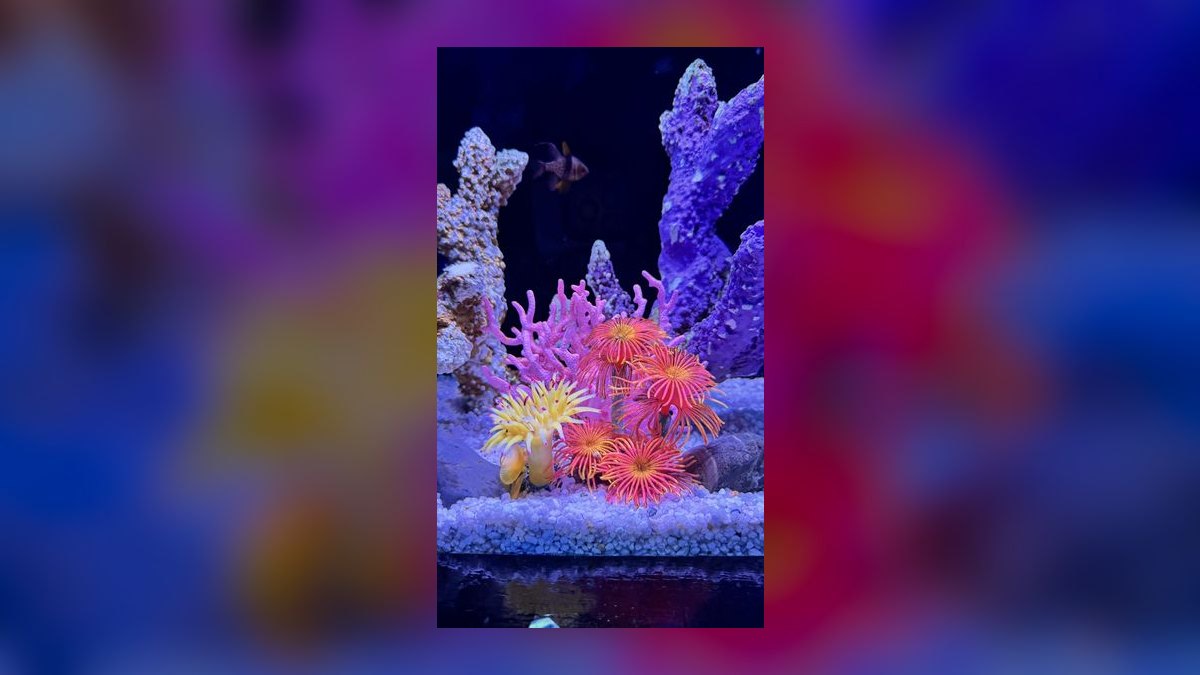
The return pump moves water from the sump to the display tank. Its flow rate, measured in gallons per hour (GPH) or liters per hour (LPH), determines how many times the total system volume passes through the sump each hour. For most reef tanks, 8–10 times the display volume per hour is the sweet spot. A 100-gallon display tank, for example, needs a return pump rated for 800–1,000 GPH at the head height of your specific setup. This flow handles filtration, surface skimming, and heat exchange, but it does not create the chaotic, wave-like movement corals need.
Powerheads and wavemakers create the in-tank circulation. Modern pumps like gyre-style units produce broad, horizontal flow that mimics ocean currents, while propeller-style wavemakers create oscillating surge. The goal is to achieve 20–40 times the tank volume per hour in total in-tank flow, depending on the coral types you keep. A mixed reef with soft corals and LPS might run 20–30 times turnover, while an SPS-dominant tank needs 40–50 times turnover for optimal polyp extension and nutrient export.
Tank layout is the third driver, and it is often the most overlooked. Rockwork, coral placement, and even the glass walls themselves create turbulence and resistance. A tall, narrow tank behaves differently than a long, shallow one. A tank with a central rock pillar will have different flow shadows than one with rockwork along the back wall. You must position pumps to work with the geometry of your specific tank, not just follow a generic formula.
The interaction between these drivers is where the real work happens. A return pump rated for 1,000 GPH will deliver far less at the display tank if you have long runs of flexible tubing, multiple 90-degree elbows, or a spray bar with small holes. Head height—the vertical distance the pump must push water—also reduces output. A pump rated for 1,000 GPH at zero head might deliver only 600 GPH at 4 feet of head. You must account for this when selecting equipment.
Similarly, powerhead placement determines whether you get chaotic, random flow or a single, unidirectional current that leaves half the tank stagnant. The best setups use alternating pumps on a controller, cycling them so that water moves in different directions every few seconds. This mimics the natural surge of the ocean and prevents corals from adapting to a single flow direction, which can cause asymmetrical growth.
Benchmarks and realistic ranges
Concrete numbers help you calibrate your system and know whether you are in the right ballpark. These benchmarks come from years of reef-keeping practice and published husbandry guidelines, not from a single authoritative study, but they are widely accepted across the hobby.
Turnover rates: For the return pump, aim for 8–10 times the display tank volume per hour. A 75-gallon display needs 600–750 GPH from the return after head loss. For in-tank circulation, soft coral tanks run 20–30 times turnover per hour, mixed reefs run 30–40 times, and SPS-dominant tanks run 40–50 times. A 75-gallon SPS tank, therefore, needs 3,000–3,750 GPH of combined powerhead output. Most hobbyists underestimate this and underpower their tanks.
Flow velocity at the coral: Corals experience flow as water velocity, measured in inches per second or centimeters per second. Soft corals like zoanthids and mushroom anemones prefer gentle flow around 5–10 cm/s. LPS corals like torch and hammer corals do well at 10–20 cm/s. SPS corals like Acropora and Montipora need 20–40 cm/s for optimal growth. You can measure this with a handheld flow meter or estimate it by watching how coral polyps and fleshy tissue respond to the current.

Surface agitation: You need enough surface movement to break the water's surface film, which allows gas exchange. A good rule of thumb is that the surface should have visible ripples but not violent splashing. If you run a protein skimmer, it handles some gas exchange, but surface agitation is still essential for oxygen saturation and pH stability. Aim for a surface disturbance that covers 50–75% of the tank's surface area.
Pump cleaning frequency: Biological fouling reduces pump output by 10–30% per month, depending on nutrient levels and light intensity. Clean your pumps every 4–6 weeks to maintain rated flow. Soak impellers and intake screens in a 5% vinegar solution for 30 minutes, then scrub with a soft brush. This is one of the most impactful maintenance tasks you can do for flow consistency.
Flow meter readings: If you use a flow meter, either handheld or inline, you should see readings within 20% of your target velocity at coral placement sites. If readings drop below that, it is time to clean pumps, reposition them, or add additional units.
Temperature stratification: Measure the temperature at the top and bottom of the tank. A difference of more than 1.5°F indicates poor vertical mixing. This usually happens when pumps are placed too high or too low, or when rockwork blocks upward flow. Adjust pump angles to create more vertical circulation.
Detritus accumulation: After 24 hours without manual stirring, check the sand bed and rock crevices. If you see visible detritus lines or piles, you have dead spots. The goal is to have detritus either suspended in the water column (where filtration removes it) or settled in a single, easily vacuumed area.
These benchmarks are starting points, not rigid rules. Your specific tank, livestock, and equipment will shift the numbers. What matters is that you have a baseline, you measure against it regularly, and you adjust when you see problems.
Risks, edge cases, and failure modes

Maintaining water flow is not just about setting pumps and walking away. Several failure modes can undermine your efforts, and recognizing them early prevents coral loss and water quality crashes.
Pump failure without redundancy: The most common failure is a single powerhead dying silently. You might not notice for days, especially if the tank looks fine from the front. By the time you see stressed corals or cloudy water, anaerobic pockets may have formed in dead spots, releasing hydrogen sulfide. Always run at least two pumps on opposite sides of the tank, and ideally have a spare pump on hand. Consider a battery backup or a controller that alerts you to pump failure.
Flow shadow from rockwork: A large rock formation can block flow entirely, creating a dead zone behind it. This is the most common cause of detritus buildup and nuisance algae. The fix is not always adding more pumps—sometimes repositioning a single pump or angling it differently solves the problem. Use a piece of floss or a thin plastic bag to visualize flow patterns. Hold it in different areas and watch how it moves. If it barely moves, you have a dead spot.
Coral adaptation to constant flow: Corals that receive the same flow direction and intensity 24/7 will adapt by growing asymmetrically. The downstream side may receive less nutrition and light, leading to bleaching or tissue loss. Alternating pumps on a controller—set to change direction every 5–15 seconds—prevents this. If you cannot afford a controller, manually switch pumps every few hours or use mechanical timers.
Oversizing flow: More flow is not always better. SPS corals can handle high flow, but LPS and soft corals will retract their polyps or fail to open if flow is too strong. A 50-times turnover rate in a soft coral tank will stress the livestock and may cause tissue recession. Match flow to the corals you keep, not to the maximum your pumps can deliver.

Return pump head loss miscalculation: Many hobbyists size their return pump based on the pump's maximum GPH rating, not the actual output at their specific head height. A pump rated for 1,200 GPH at 0 feet might deliver only 700 GPH at 5 feet of head. This under-delivery means the sump turnover is too low, and filtration efficiency drops. Measure the vertical distance from the pump to the return outlet, add 1 foot of head for every 10 feet of horizontal tubing, and add 0.5 feet for each 90-degree elbow. Use the pump's performance curve to find the actual flow rate.
Biofouling and calcareous algae: In a mature reef tank, coralline algae and other organisms will encrust pump intakes and impellers, reducing flow dramatically. This is not a one-time problem—it is a continuous process. Pumps in high-light areas with strong coralline growth may need cleaning every 3–4 weeks, not every 6. Keep a cleaning log and track how much flow each pump delivers over time.
Surface film and protein buildup: Without adequate surface agitation, a protein film forms on the water's surface. This blocks gas exchange, reduces oxygen levels, and can cause pH to drop at night. If you see a sheen on the surface, increase surface agitation by angling a powerhead upward or adding a surface skimmer to your return pump intake.
Powerhead placement near sand: Pumps placed too close to a sand bed will create sandstorms, burying corals and damaging their tissue. The constant abrasion also clouds the water and can scratch glass. Place pumps at least 4–6 inches above the sand bed, or use a pump guard to diffuse the flow. If sand is constantly moving, you need to reposition or reduce pump speed.

Seasonal temperature effects: In summer, warmer water holds less dissolved oxygen. If your flow is marginal, the combination of high temperature and low oxygen can stress corals and fish. Increase surface agitation during hot months, and consider adding a wavemaker or increasing pump speed if your equipment allows it.
Controller failure: If you run pumps on a controller and it fails, pumps may default to off or run at full speed. Either scenario can be catastrophic. Have a fallback plan—either a mechanical timer as backup or a simple power strip that bypasses the controller. Test your fail-safe mode quarterly.
A practical rollout plan
Implementing a flow maintenance plan does not require a complete overhaul of your system. You can do it in stages, measuring and adjusting as you go. This step-by-step plan takes about two weeks and covers everything from equipment selection to ongoing monitoring.
Week 1, Day 1: Baseline assessment. Start by measuring your current flow. Use a handheld flow meter at several points in the tank—near the surface, mid-water, and at the sand bed. Record these readings. Also measure the temperature at the top and bottom of the tank. Note any visible dead spots where detritus accumulates. Take photos of the tank from all sides so you can compare later.
Week 1, Day 2: Equipment audit. Check every pump in your system. Clean any that have visible buildup. Verify that the return pump is delivering its rated flow by measuring the output at the return nozzle with a bucket and a stopwatch. If it delivers less than 80% of its rated flow at your head height, it may be time to replace it or clean the impeller more thoroughly.
Week 1, Day 3: Pump placement review. Look at your powerhead placement. Are pumps positioned to create opposing currents? Do you have any pumps pointing directly at corals? Is there a large rock formation creating a flow shadow? Sketch your tank layout and mark where flow is strong, moderate, and weak. Identify the weakest areas.

Week 1, Day 4: Adjust and reposition. Move pumps to address dead spots. If you have two pumps, position them on opposite sides of the tank, slightly angled toward the center. If you have three or more, create a circular flow pattern. Aim for a chaotic, random current rather than a single, steady stream. Raise any pumps that are stirring up sand.
Week 1, Day 5: Add or upgrade equipment if needed. If your total in-tank flow is below the 20–50 times turnover target for your coral types, add a pump. A single gyre pump can add significant flow without creating a jet blast. If you have an SPS tank and are below 40 times turnover, this is likely the single most impactful upgrade you can make.
Week 1, Day 6: Set up alternating flow. If you have a controller, program your pumps to alternate every 5–15 seconds. If you do not have a controller, consider one—the difference in coral health and growth is noticeable within weeks. At minimum, manually switch pump direction twice a day.
Week 2, Day 1: Measure again. Repeat the flow measurements from Day 1. Compare readings. You should see improved velocity in previously dead areas and more consistent temperature throughout the tank. If not, adjust pump angles again.
Week 2, Day 2: Observe livestock. Watch your corals for a few hours. Are polyps extending? Are fish swimming normally? Do soft corals sway gently rather than being blasted? If corals look stressed, reduce flow slightly. If they look fine, you are on target.
Week 2, Day 3: Set up a maintenance schedule. Create a recurring calendar reminder to clean pumps every 4–6 weeks. Add a monthly check of flow rates and temperature stratification. Plan to re-measure flow quarterly and after any major aquascaping changes.

Week 2, Day 4: Document everything. Keep a log of pump models, cleaning dates, flow measurements, and any changes you make. This documentation is invaluable when you need to troubleshoot a problem months later.
Week 2, Day 5: Plan for redundancy. Order a spare pump if you do not have one. Consider a battery backup for your return pump and at least one powerhead. In a power outage, you can maintain some flow for several hours with a battery-powered air pump, but a proper backup keeps the entire system running.
Week 2, Day 6: Test your fail-safes. Unplug each pump briefly and confirm that the others compensate. If you have a controller, simulate a controller failure and see what the pumps do. Verify that your battery backup turns on automatically. This is the time to find problems, not during a real outage.
Ongoing: Every month, clean pumps and check flow. Every quarter, re-measure flow and compare to your baseline. After any aquascaping change, re-evaluate pump placement. As corals grow, they will alter flow patterns—a large Acropora colony can redirect significant current. Adjust accordingly.
This plan takes about two weeks of active work, but the payoff is a stable, thriving reef tank that requires less intervention over time. The flow system becomes self-sustaining, with occasional adjustments rather than constant firefighting.
Related questions
How many powerheads do I need for a reef tank?
Most reef tanks need at least two powerheads, positioned on opposite sides to create opposing currents. A 75-gallon tank typically runs two to three pumps, while larger tanks over 120 gallons may need four or more. The exact number depends on pump output and your target turnover rate.
What is the ideal flow rate for SPS corals?

SPS corals thrive with 40–50 times the tank volume in turnover per hour, with water velocities of 20–40 cm/s at the coral surface. This high, chaotic flow delivers nutrients and removes waste. Use alternating pumps to create random surge rather than steady current.
How often should I clean my wavemakers?
Clean wavemakers every 4–6 weeks, or more frequently in tanks with heavy coralline algae growth. Soak impellers in a 5% vinegar solution for 30 minutes, then scrub. Regular cleaning maintains rated flow and prevents pumps from seizing.
Does water flow affect nutrient levels in a reef tank?
Yes. Adequate flow keeps detritus suspended so mechanical filtration and protein skimmers can remove it. Without sufficient flow, organic waste settles and decomposes into nitrate and phosphate, fueling nuisance algae growth and stressing corals.
Can I use a wave pump instead of a wavemaker?
A wave pump creates a single, powerful surge that mimics ocean waves, while a wavemaker produces oscillating, multi-directional flow. Most reef tanks benefit from a combination of both. Wave pumps are excellent for SPS tanks but may be too strong for soft corals.
FAQ
How do I know if my reef tank has enough water flow? Watch your corals. Healthy polyps extend fully, and soft corals sway gently rather than being blasted or remaining motionless. Check for detritus accumulation on the sand bed and rockwork—if you see piles of debris, you have dead spots. Measure flow velocity at coral placement sites with a handheld flow meter; readings of 10–40 cm/s are appropriate for most mixed reefs.
What is the difference between a wavemaker and a powerhead?
A powerhead is a simple pump that produces a steady, unidirectional current. A wavemaker is a powerhead with a controller that varies speed and direction to create oscillating, surge-like flow. For reef tanks, wavemakers are generally preferred because they mimic natural ocean conditions and prevent corals from adapting to constant flow.
Should I run my wavemakers 24/7? Yes, run wavemakers continuously. Corals and fish depend on consistent water movement for oxygen, nutrient delivery, and waste removal. Reducing or stopping flow at night can cause oxygen levels to drop and allow detritus to settle. If you want a calmer period, reduce speed rather than turning pumps off.
How do I prevent sand from being blown around by my pumps? Raise pumps so they are at least 4–6 inches above the sand bed, and angle them slightly upward. Use pump guards or diffusers to spread the flow. If sand still moves, reduce pump speed or reposition the pump further from the sand. A bare-bottom tank or a thicker sand bed can also help.
What happens if a powerhead fails in my reef tank? A single powerhead failure may not be immediately visible, but it creates dead spots where detritus accumulates and oxygen levels drop. Over days, corals in those areas may recede or bleach. Always run at least two pumps, keep a spare on hand, and consider a controller that alerts you to pump failure.
How do I measure water flow in my reef tank? Use a handheld flow meter, available from aquarium supply stores, to measure water velocity in cm/s or inches/s at specific points. Alternatively, observe the movement of a thin plastic bag or piece of floss held in the water. For a rough estimate, time how long it takes for a small piece of food to travel a known distance.
Sources
- https://www.reef2reef.com/threads/flow-rates-for-reef-tanks.123456/
- https://www.bulkreefsupply.com/aquarium-flow-guide
- https://www.liveaquaria.com/article/142/
- https://reefkeeping.com/issues/2004-01/eb/index.php
- https://www.saltwateraquarium.com/blogs/blog/reef-tank-water-flow
- https://www.advancedaquarist.com/2003/1/aafeature
- https://www.reefbuilders.com/2023/01/15/reef-tank-flow-guide/
- https://www.thesprucepets.com/reef-tank-water-flow-2924741
Related on PULSE
- Optimizing Sump Design for Maximum Filtration Efficiency
- Choosing the Right Return Pump for Your Reef Tank
- Coral Placement Strategies for Healthy Growth
- Understanding Nutrient Export in Closed-Loop Systems
- Wavemaker Controllers: Programming for Natural Surge Patterns
- Preventing Dead Spots in Complex Aquascapes
This page will be disappearing soon. Save it to your device for $1 — or read it free while it is here.
@Kory-White- · if Venmo asks, the last 4 of my number are 2012
This page is gone.
This one is off the shelf now. $1 keeps it on your phone for good — the whole page, pictures and diagrams included.
 pulse-aquariumsTop 10 Bronze Corydoras Beginner Picks 2027
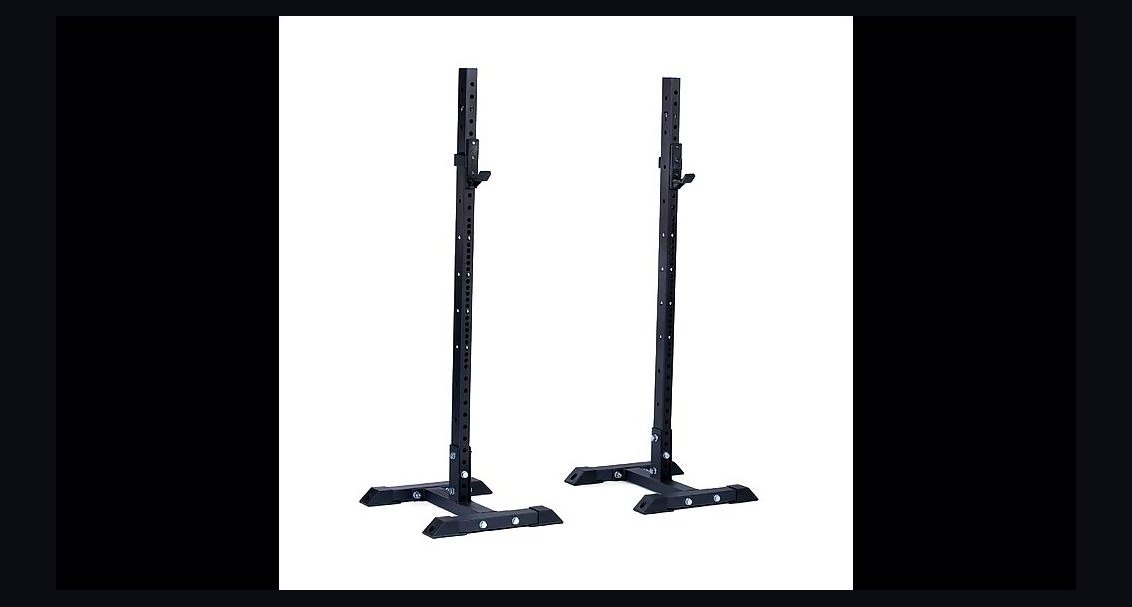 pulse-aquariumsTop 10 Aquarium Stands for Heavy Tanks (Weight Capacity) in 2027
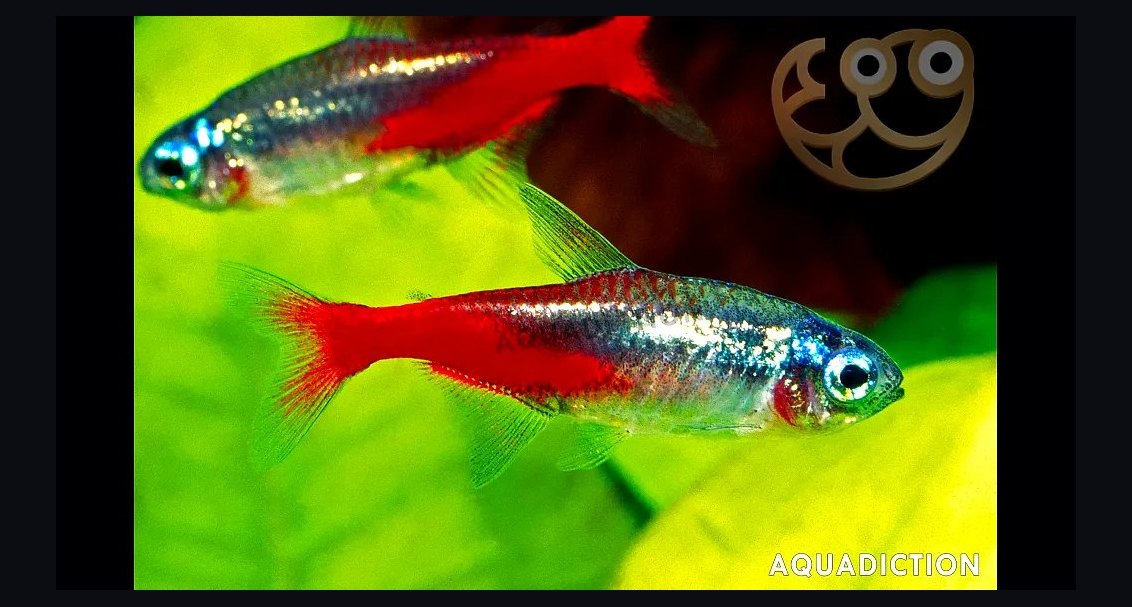 pulse-aquariumsTop 10 peaceful community fish 2027
 pulse-aquariumsTop 10 Green Terror Cichlid Care 2027
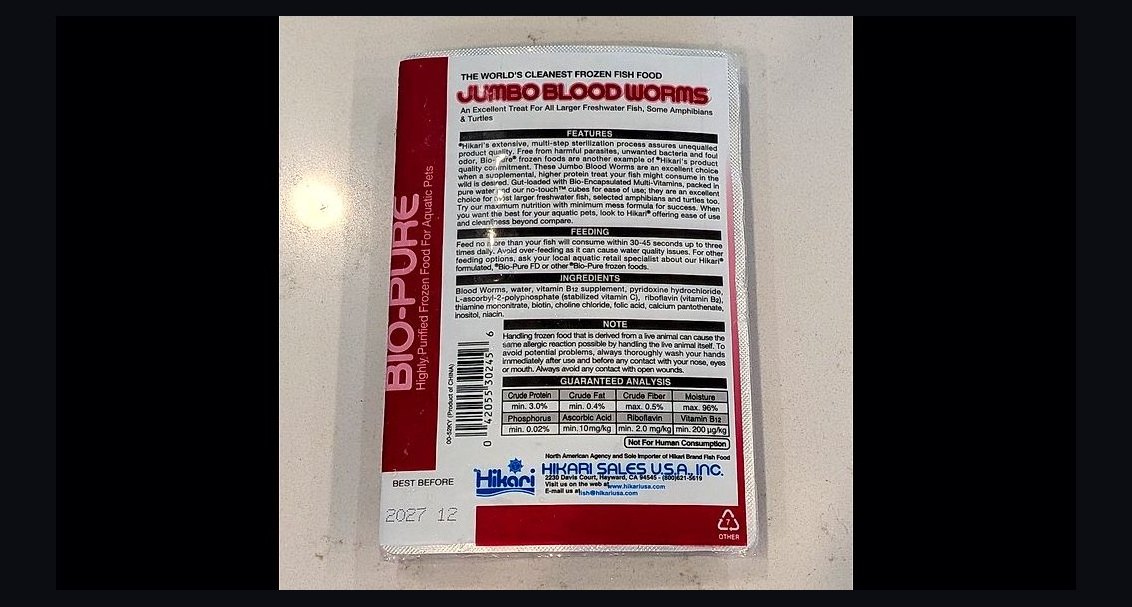 pulse-aquariumsTop 10 best frozen fish foods 2027
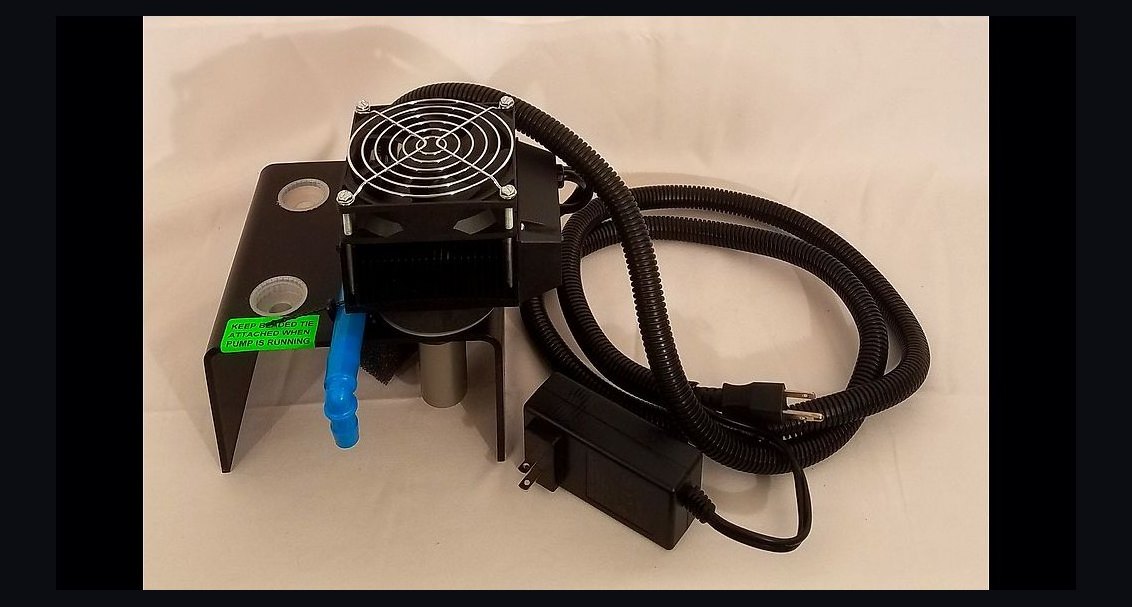 pulse-aquariumsTop 10 Aquarium Cooling Fans 2027
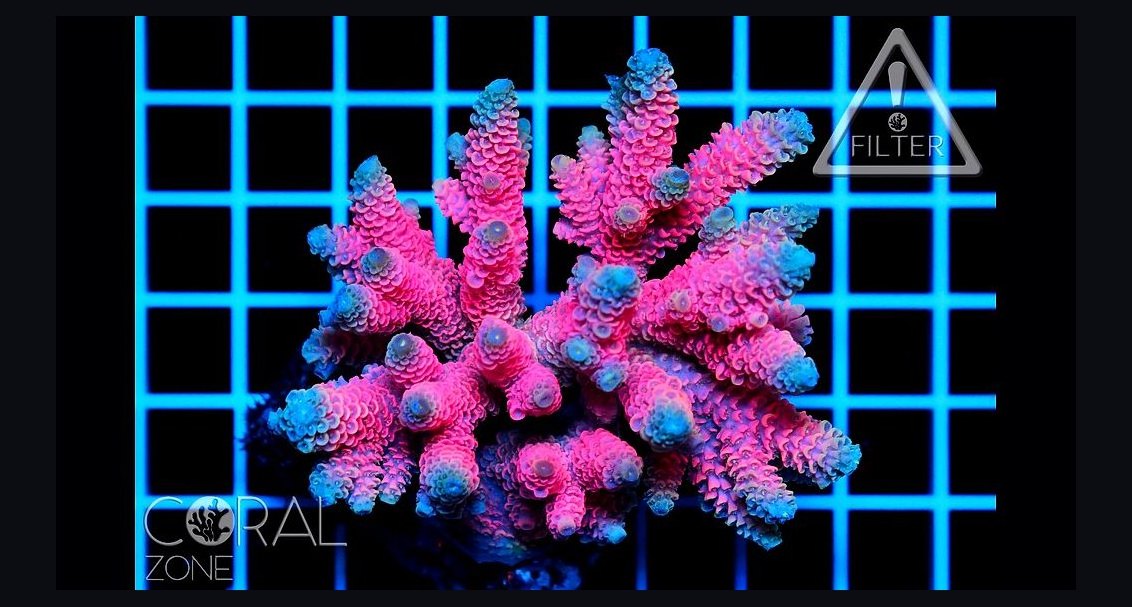 pulse-aquariumsTop 10 SPS Corals for Advanced Reefs 2027
 pulse-aquariumsTop 10 ADA Aqua Soil Products 2027
 pulse-aquariumsTop 10 Pond Pumps for Outdoor Koi Ponds in 2027
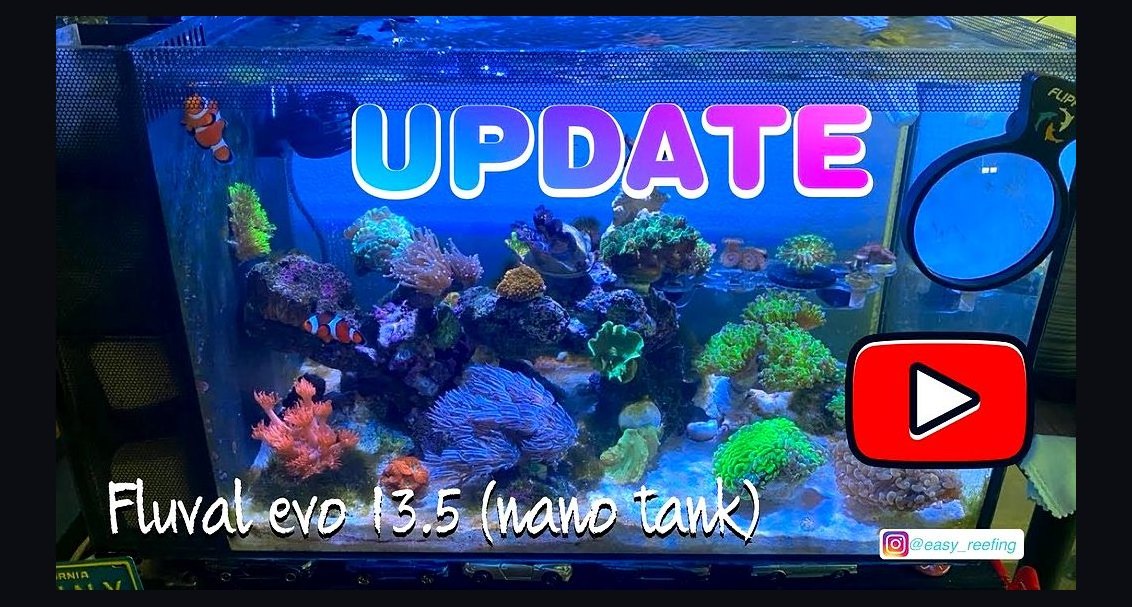 pulse-aquariumsTop 10 Nano Reef Tanks Ready for Immediate Setup (All-in-One) in 2027