
How do you calculate the right sump size for a 75-gallon display tank in 2027?
 Curated byKory White · Fractional CRO · Maryland
 PULSEKNOWLEDGE LIBRARY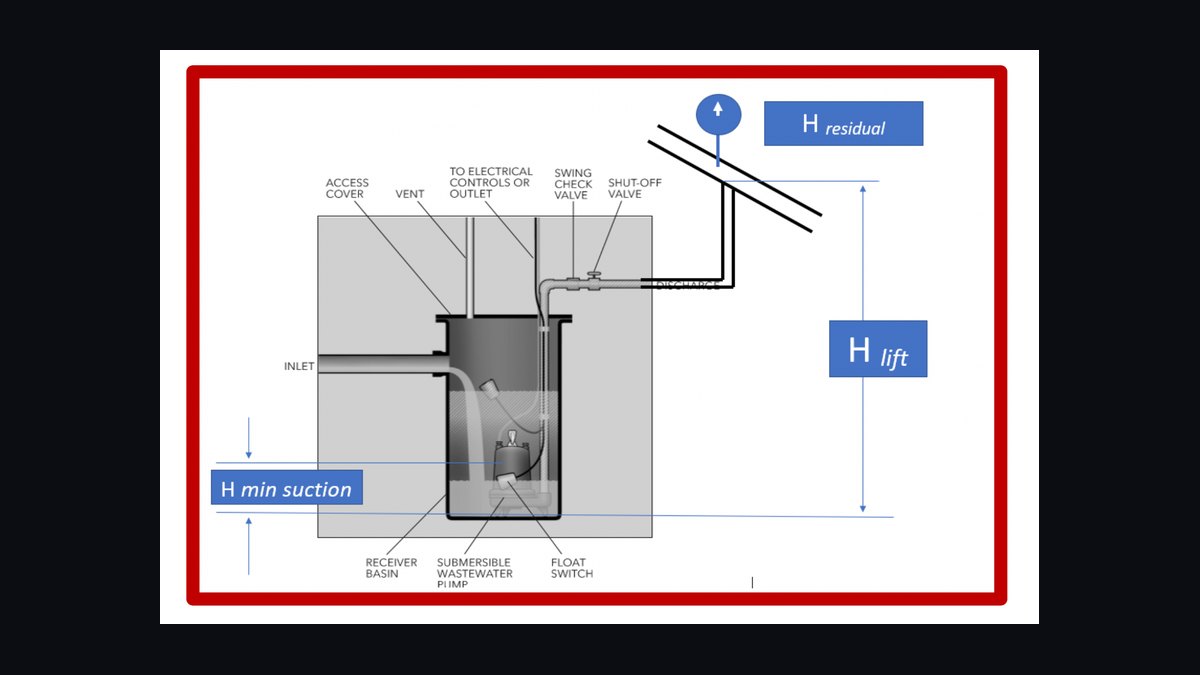
To calculate the right sump size for a 75-gallon display tank, target a total system volume of roughly 95–115 gallons, which means a sump in the 20–40 gallon range for most setups. Add 10–15% extra capacity for drain-down when the return pump stops, and confirm the sump fits your cabinet footprint and skimmer footprint before buying.
Comparing the two dominant approaches: minimal sump versus oversized sump
When you calculate the right sump size for a 75-gallon display tank, you are really choosing between two philosophies, and almost every real build lands somewhere between them. The first is the minimal or "equipment-first" sump: you size the sump to hold exactly the equipment you plan to run, plus a modest safety margin. The second is the oversized or "volume-first" sump: you deliberately push total system volume as high as the cabinet allows, accepting a bigger footprint and more water changes in exchange for stability.
The minimal approach typically lands at 20–25 gallons of actual water volume in the sump for a 75-gallon display. That is enough for a single 4-inch filter sock chamber, a skimmer rated for 75–100 gallons, a small refugium section, and a return pump chamber. The total system volume ends up around 95–100 gallons. The upside is a smaller cabinet footprint, cheaper salt mix per water change, and easier plumbing because the sump is shorter and the return run is simple. The downside is that a 20-gallon sump has very little buffer: if evaporation runs high, if a filter sock clogs, or if you lose power and 3–4 gallons drain back, the return chamber can run dry or the display can back-siphon further than expected.
The oversized approach targets 35–40 gallons of sump water volume, pushing total system volume to 110–115 gallons. That extra 15–20 gallons of water is the single cheapest stability upgrade available to a 75-gallon tank — it dilutes waste, slows parameter swings, and gives you room for a proper refugium with macroalgae, a larger skimmer body, and a media reactor or two. The trade-offs are real: a 40-gallon sump generally needs a cabinet with at least 30–36 inches of internal length and 16–18 inches of internal height, and it adds roughly 300–340 pounds of water weight to the stand, which many stock 75-gallon stands are not rated for without bracing.
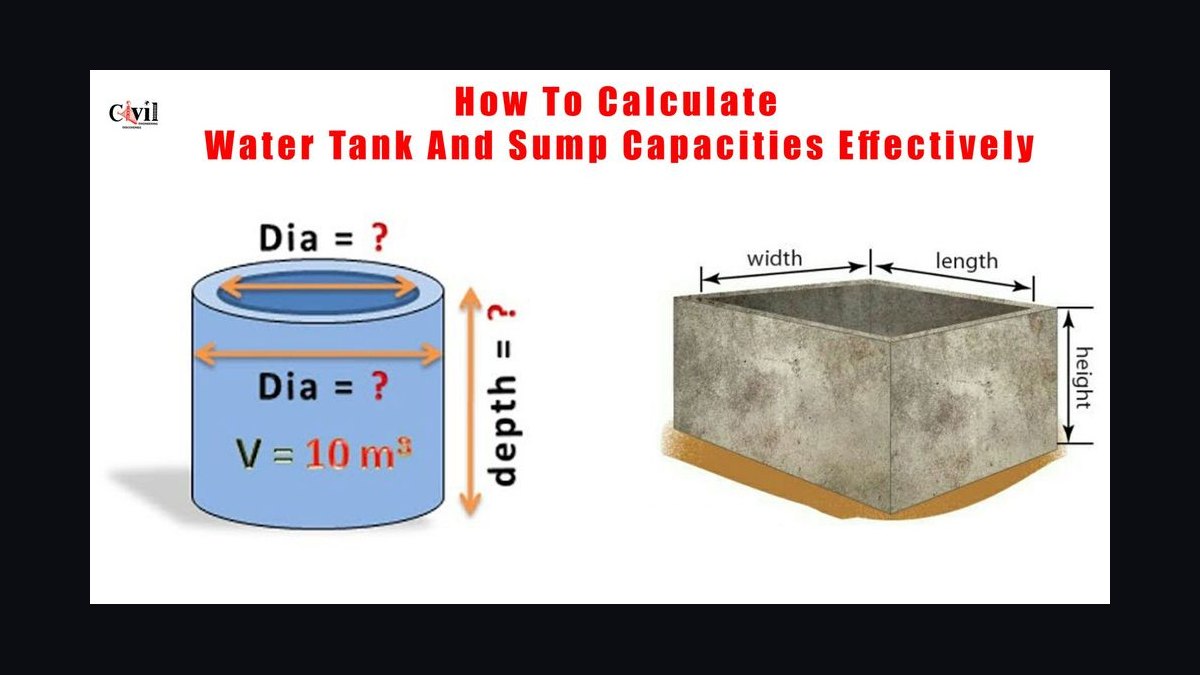
There is also a middle path that most experienced hobbyists actually build: a 29-gallon or 30-gallon sump. A standard 29-gallon tank is 30 inches long, 12 inches wide, and 18 inches tall, which fits under many 75-gallon stands and provides roughly 20–24 gallons of operating water after you account for baffle height and the return chamber running level. That is the sweet spot for the majority of 75-gallon builds because it gives you meaningful volume without demanding a custom stand or a custom sump.
The key insight is that sump size is not a single number — it is a range driven by four constraints: cabinet interior dimensions, skimmer footprint and height, drain-down volume, and the total system volume you want to achieve. You calculate the right size by finding the largest sump that satisfies all four, not by picking a number off a chart.
How to decide between them
The decision flow is straightforward once you frame it as a constraint-satisfaction problem rather than a preference. Start with the cabinet, because that is the hardest constraint to change. Measure the interior length, width, and height of the stand with the doors open and any center brace accounted for. Subtract at least 1 inch on each dimension for plumbing, cord routing, and the thickness of any foam pad or liner you plan to use. That gives you your maximum sump footprint.

Next, list your equipment and its physical dimensions. A skimmer rated for a 75-gallon tank is typically 6–9 inches in body diameter and 20–24 inches tall, which means the sump chamber it sits in needs to be at least 10 inches wide and the sump itself needs enough height that the skimmer cup can be removed — usually 24–26 inches of total clearance including the stand opening. If your cabinet has only 24 inches of internal height, a tall in-sump skimmer may not fit at all, which pushes you toward an external skimmer or a shorter sump with a different skimmer model.
Then calculate drain-down volume. When the return pump stops, water siphons from the display until the water level drops below the lowest point of the return nozzle or the overflow weir. For a typical 75-gallon tank with a corner overflow and a return line drilled near the top, that is usually 1–2 inches of display water, which is roughly 3–6 gallons. Add the water held in the plumbing above the water line — often another 1–2 gallons. Your sump must have enough empty volume above its operating water level to absorb that 4–8 gallons without overflowing onto the floor. This is the single most common mistake in sump sizing, and it is why an oversized sump with a low operating water level is safer than a small sump run nearly full.
Finally, decide how much total system volume you want. A common target is 1.25–1.5 times the display volume, so 94–113 gallons for a 75-gallon display. If you want to keep sensitive corals or a heavy fish load, push toward the higher end. If you run a simple fish-only tank with a canister-style maintenance routine, the lower end is fine.

The flow above is the order that matters. Most people do it backward — they buy a sump because it was on sale, then discover the skimmer does not fit or the drain-down floods the stand. Working cabinet-first, then equipment, then drain-down, then total volume eliminates that failure mode.
Concrete numbers behind each option
The numbers below are what you should actually write down before you buy anything. They are ranges, not absolutes, because tank brands and overflow styles vary, but they are close enough to plan a build around.
Display tank baseline. A standard 75-gallon tank is 48 inches long, 18 inches deep, and 21 inches tall. Actual water volume after rock, sand, and the water line sitting an inch below the rim is typically 60–68 gallons. Use 65 gallons as your working display volume for planning.
Sump footprint options. A standard 20-gallon long tank is 30 x 12 x 12 inches. A standard 29-gallon is 30 x 12 x 18 inches. A standard 40-gallon breeder is 36 x 18 x 16 inches. A 40-gallon long is 48 x 12 x 16 inches, which will not fit under most 75-gallon stands because the stand is only 48 inches long externally. Custom acrylic sumps are usually built to 30 x 14 x 16 or 36 x 16 x 16 for this tank size.
Operating water volume. Operating volume is not the tank's rated volume. If you run a 29-gallon sump with baffles set at 9 inches and a return chamber that runs at 7 inches, you are holding roughly 18–22 gallons. A 40-gallon breeder with 9-inch baffles holds roughly 24–28 gallons. A 20-gallon long with 8-inch baffles holds roughly 12–15 gallons. This is the number that matters for total system volume, not the sticker volume.
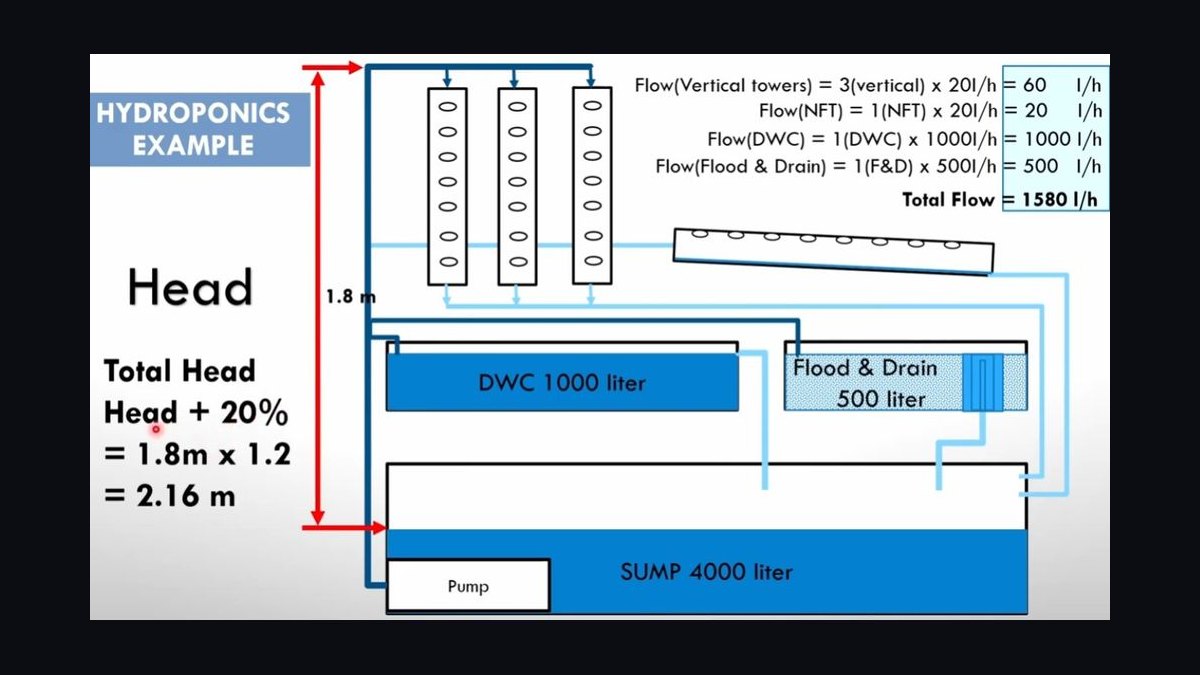
Total system volume. Display working volume plus sump operating volume plus water in plumbing and the overflow box (usually 2–4 gallons). So: 65 + 20 + 3 = 88 gallons for a 29-gallon sump. 65 + 26 + 3 = 94 gallons for a 40-gallon breeder. 65 + 14 + 3 = 82 gallons for a 20-gallon long. If your target is 1.25–1.5x display volume, you want 94–113 gallons, which means a 29-gallon sump is at the low end and a 40-gallon breeder is comfortably in range.

Drain-down volume. For a 75-gallon tank with a 48 x 18 footprint, one inch of water is 48 x 18 x 1 ÷ 231 = 3.7 gallons. Two inches is 7.5 gallons. Most setups drain 1–1.5 inches, so plan for 4–6 gallons from the display. Add 1–2 gallons for plumbing and the overflow box. Total drain-down: 5–8 gallons. Your sump needs that much empty space above the operating water line.
Freeboard calculation. If your sump is 16 inches tall internally and your baffles are set at 9 inches, you have 7 inches of freeboard. A 36 x 16 sump has 36 x 16 x 7 ÷ 231 = 17.5 gallons of freeboard — far more than the 5–8 gallons you need. A 30 x 12 sump with 9-inch baffles in a 12-inch tank has only 3 inches of freeboard: 30 x 12 x 3 ÷ 231 = 4.7 gallons, which is marginal. This is exactly why a taller sump (16–18 inches) is safer than a short one (12 inches) even when the footprint is the same.
Skimmer chamber sizing. Most in-sump skimmers need a chamber at least 1–2 inches wider than the skimmer body on each side to allow removal and adjustment. A skimmer with a 7-inch body needs a 10–11 inch wide chamber. If your sump is 12 inches wide internally, that leaves only 1–2 inches for baffles and the return chamber, which is too tight. A 14–16 inch wide sump is much more comfortable for a 75-gallon build.
Return chamber sizing. The return chamber holds the pump and the water level sensor. It should be large enough that the pump does not run dry between top-offs. A 6 x 10 inch chamber at 7 inches deep holds about 1.8 gallons, which gives you roughly 2–4 days of evaporation buffer in a typical setup. A 4 x 8 inch chamber holds under a gallon and will run dry in a day or two, which is a common cause of pump failure.
Weight. Water is 8.34 pounds per gallon. A 29-gallon sump holding 20 gallons adds about 167 pounds plus the tank and equipment, call it 200 pounds. A 40-gallon breeder holding 26 gallons adds about 217 pounds plus tank and equipment, call it 260 pounds. Combined with a 75-gallon display at roughly 700–800 pounds loaded, you are asking the stand to carry 900–1,060 pounds. Check your stand's rating; many particleboard 75-gallon stands are rated for the display only and need reinforcement for a large sump.
Turnover. Sump size also interacts with flow. A typical target is 3–5x display volume per hour through the sump, so 195–325 gallons per hour for a 75-gallon tank. A larger sump with more chambers can handle higher flow without microbubbles, but a small sump with a short return chamber may need a slower pump to avoid running the chamber dry. Match your return pump to the sump's return chamber volume, not just to the display size.
Implementation details and sequencing
Once you have your numbers, the build sequence matters as much as the sizing. Doing it out of order costs money and sometimes forces a rebuild.
Step one: verify the stand. Before buying any sump, measure the stand's interior and confirm it can carry the weight. If it is a stock 75-gallon stand with a center brace, the largest sump that fits through the doors is often 30 x 12 or 30 x 14. If the stand has a removable center brace or an open back, you can slide in a 36-inch sump. Reinforce the floor of the stand with a plywood sheet and a foam pad under the sump to prevent point loading on the glass.
Step two: choose the sump style. Three common styles: a simple three-chamber sump (drain/skimmer, refugium, return), a two-chamber sump (drain/skimmer, return) with a separate refugium, or a kit sump with a built-in filter sock holder and adjustable baffles. For a 75-gallon tank, a three-chamber 29-gallon or 40-gallon breeder is the most flexible. Kits are convenient but often have fixed baffle heights that may not match your drain-down needs.
Step three: set baffle heights. The first baffle (between drain and skimmer chamber) should be tall enough to keep the skimmer body submerged at its recommended depth — usually 8–10 inches. The second baffle (between skimmer and return) is usually 1–2 inches shorter to create a bubble trap. The return chamber water level is set by the last baffle, typically 6–8 inches. Lower baffles mean more freeboard and more drain-down safety, but less operating volume. This is the tuning knob you use to hit your total volume target.
Step four: plan the plumbing. The drain line should enter the sump above the water line or through a filter sock to reduce noise and salt creep. The return line should have a check valve or a siphon break hole drilled just below the water line to limit back-siphon. Size the drain for 1.5x your return flow to handle startup surges. A 1-inch drain handles roughly 600 gallons per hour by gravity, which is plenty for a 75-gallon tank.
Step five: test the drain-down. Fill the system, mark the operating water level in the return chamber, then shut off the return pump and watch. The water level in the sump will rise. If it comes within an inch of the sump rim, you need more freeboard — either lower the baffles or reduce the display water level. Do this test before you add livestock, and repeat it after you add rock and sand because displacement changes the numbers.
Step six: add top-off and safety. An auto top-off system is not optional on a sump this size; evaporation of 1–2 gallons per day will swing salinity noticeably in 90 gallons of water. Place the top-off sensor in the return chamber, not the display. Add a float switch as a backup to shut off the return pump if the sump level drops too low.
The sequencing above is the part most hobbyists skip. The drain-down test in particular catches the failure that ruins floors, and it takes fifteen minutes. Do it twice: once with a dry system and once after rock and sand are in, because the displacement changes how much water the display holds and therefore how much drains back.
Common sizing mistakes to avoid. First, sizing by sticker volume instead of operating volume — a 40-gallon sump rarely holds 40 gallons. Second, ignoring skimmer height clearance — measure the skimmer plus cup removal space against the stand opening. Third, running the sump too full — leave at least 2–3 inches of freeboard minimum, more if your display drains more than an inch. Fourth, forgetting the refugium needs light and therefore clearance above the sump. Fifth, using a sump so small that the return chamber empties before the top-off kicks in.
When to go custom. If your cabinet is an odd size, if you want a specific chamber layout, or if you need a sump taller than 18 inches to get enough freeboard in a short cabinet, a custom acrylic sump is worth the cost. Custom sumps for a 75-gallon tank typically run 30–36 inches long, 14–16 inches wide, and 16–18 inches tall, with baffles set to your exact skimmer depth. The advantage is that you calculate the size to fit your constraints rather than fitting your constraints to a stock tank.
Maintenance implications of size. A larger sump means larger water changes if you change a percentage of total volume, but it also means you can go longer between changes because parameters move slower. A 20-gallon sump on a 75-gallon display gives you about 85 gallons total; a 10% change is 8.5 gallons. A 40-gallon sump gives you about 95 gallons total; a 10% change is 9.5 gallons. The difference is small, but the stability difference is not — the larger system dilutes the same waste input across more water.
Related questions
Does the sump need to be a specific percentage of the display tank?
No fixed percentage exists, but 25–50% of display volume is the common working range. For a 75-gallon display, that is roughly 19–38 gallons of sump capacity. Most builds land at 29–40 gallons of sump tank, holding 18–28 gallons of operating water.
Can I use a 10-gallon sump on a 75-gallon tank?
Technically yes, but it is a poor choice. A 10-gallon sump holds only 6–8 gallons operating, leaving almost no room for a skimmer, and its freeboard is too small to absorb 5–8 gallons of drain-down safely. You would need a very low display water level and a small skimmer.
How do I know if my sump is too small?
Three signs: the return chamber runs dry between top-offs, the drain-down test brings water within an inch of the rim, or your skimmer does not fit with room to remove the cup. Any of these means you should size up or lower the operating water level.
Does a bigger sump mean less maintenance?
It means less frequent parameter swings and more forgiveness, but not less physical maintenance. You still clean the skimmer, change filter socks, and do water changes. A bigger sump mainly buys stability and equipment space, not free time.
What is the ideal sump height for a 75-gallon tank?
Aim for 16–18 inches of internal height. That gives enough room for a 9-inch baffle setting plus 7–9 inches of freeboard, which comfortably absorbs 5–8 gallons of drain-down while leaving space for a skimmer and refugium light.
FAQ
How do you calculate the right sump size for a 75-gallon display tank in 2027?
Measure your cabinet interior first, then subtract space for plumbing and equipment. Target 20–40 gallons of sump tank, which yields 18–28 gallons of operating water and a total system volume of 85–95 gallons. Confirm the sump's freeboard above the operating water line exceeds your drain-down volume of 5–8 gallons, and verify the skimmer fits with clearance to remove its cup.
What is the single most important number in sump sizing?
Drain-down volume. If your sump cannot absorb the water that siphons back when the return pump stops, you flood the floor. Calculate it as display length times width times the inches the water drops, divided by 231, plus 1–2 gallons for plumbing. For a 75-gallon tank that is typically 5–8 gallons, so you need at least that much freeboard.
Should the sump be as large as possible?
Not automatically. A larger sump improves stability and equipment space, but it also adds weight, cost, and water-change volume, and it may not fit your cabinet. The right size is the largest sump that fits your stand, holds your skimmer, and provides adequate freeboard — not the largest sump you can imagine.
How does sump size affect total system volume?
Total system volume equals display working volume plus sump operating volume plus plumbing volume. A 75-gallon display holds about 65 gallons working. A 29-gallon sump holds about 20 gallons operating. Add 3 gallons for plumbing and you get 88 gallons total, which is about 1.35x the display volume — a healthy target.
Can I run a sump without baffles?
You can, but you lose the ability to control water levels in separate chambers. Without baffles, the entire sump rises and falls with evaporation, which makes skimmer tuning difficult and reduces your effective freeboard. Baffles let you keep the skimmer chamber at a constant depth while the return chamber absorbs evaporation.
Does a refugium change the sump size calculation?
Yes. A refugium needs its own chamber with a stable water level, light above it, and enough volume to grow macroalgae — usually 5–10 gallons for a 75-gallon tank. If you want a refugium, add that volume to your sump target, which pushes you toward a 40-gallon breeder or a custom 36-inch sump rather than a 20-gallon long.
Sources
- Reef2Reef sump and refugium discussion forums: https://www.reef2reef.com
- Reef Builders equipment and sump guides: https://reefbuilders.com
- Bulk Reef Supply sump and plumbing tutorials: https://www.bulkreefsupply.com
- Marine Depot learning center (archived articles): https://www.marinedepot.com
- Advanced Aquarist sump design articles: https://www.advancedaquarist.com
- Practical Fishkeeping marine filtration guides: https://www.practicalfishkeeping.co.uk
- Reefkeeping Magazine sump and overflow articles: https://reefkeeping.com
Related on PULSE
- How to size a return pump for a 75-gallon reef tank
- Overflow box versus drilled drain: which is right for your build
- Auto top-off systems: sizing the reservoir to your evaporation rate
- Refugium design basics for small sumps
- Sump baffle layout: bubble traps, skimmer chambers, and return sections
- Stand reinforcement and weight planning for large sumps
This page will be disappearing soon. Save it to your device for $1 — or read it free while it is here.
@Kory-White- · if Venmo asks, the last 4 of my number are 2012
 pulse-recentTop 10 Water Conditioners 2026 — Best Overall + Best Value
 pulse-aquariumsTop 10 Species of Dwarf Cichlids for South American Biotopes in 2027
 pulse-aquariumsHow do you set up a shrimp-only aquarium?
 pulse-aquariumsTop 10 Corydoras Julii Varieties 2027
 pulse-recentTop 10 Zoanthid Coral Morphs for Reef Tanks in 2026
 pulse-aquariumsTop 10 Auto Top-Off Systems for Saltwater Tanks in 2027
 pulse-aquariumsTop 10 Protein Skimmers for Nano Reef Aquariums in 2027
 pulse-aquariumsHow do you remove ammonia from an aquarium quickly?
 pulse-aquariumsHow do you raise water hardness in a shrimp tank?
 pulse-aquariumsTop 10 Live Rock Types for Curing and Aquascaping in 2027