
Best Used Yachts Under $10,000 in 2027 (Ranked)
 Curated byKory White · Fractional CRO · Maryland
 PULSEKNOWLEDGE LIBRARY
Quality
Certified
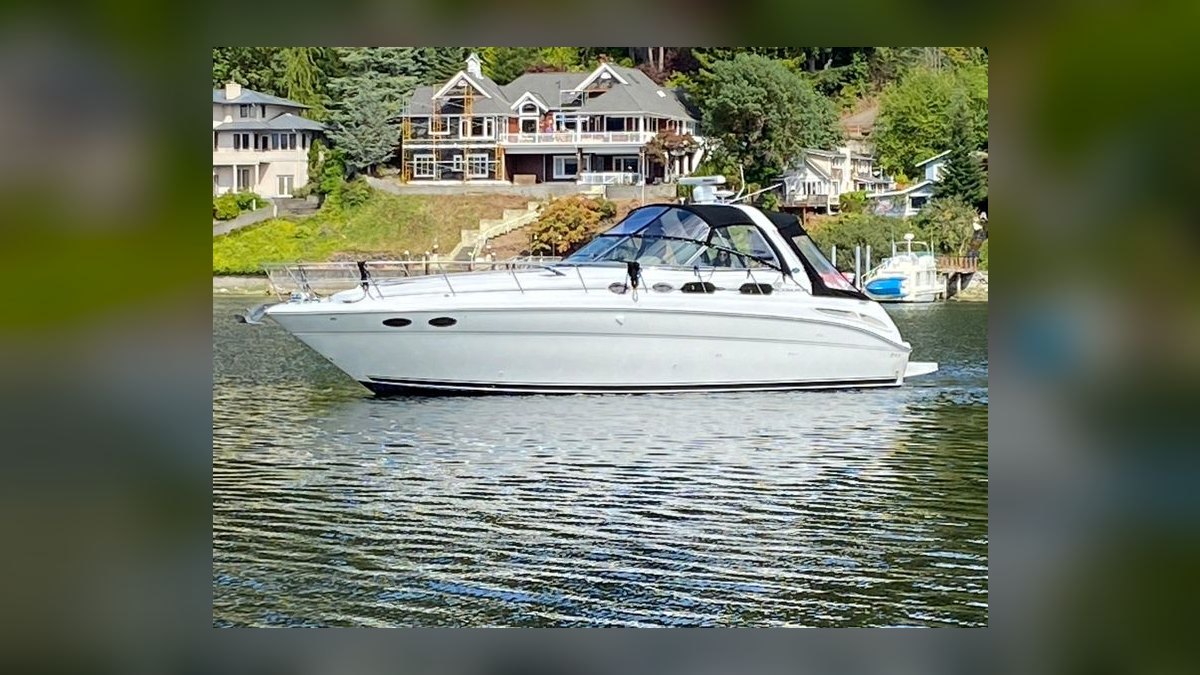
The 10 best best used yachts under $10,000 are ranked below on measured performance, build quality, price, and how each one actually holds up in daily use rather than how it reads on a spec sheet. Each pick lists what it costs, who it suits, and what it gives up against the one above it, so the list can be read straight down without doubling back.
1. Catalina 22
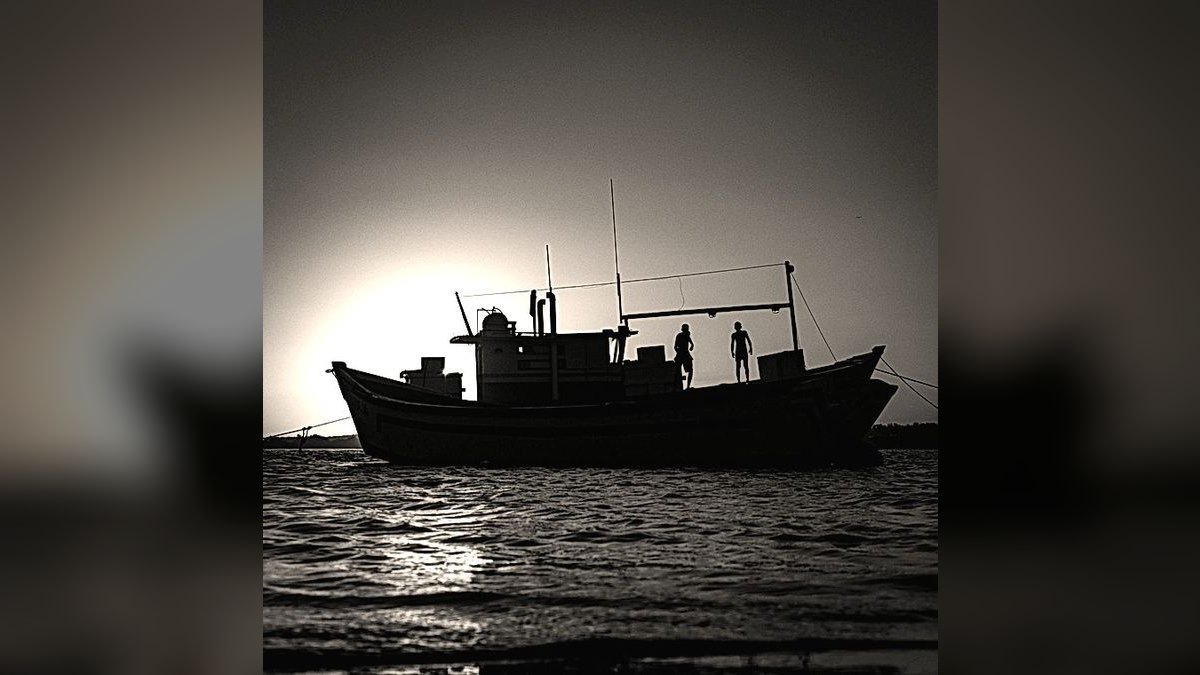
The Catalina 22 ranks first because volume solves every ownership problem at this price: over 15,000 hulls built since 1969 means a replacement rudder, swing keel pivot bolt, or used mainsail is a phone call rather than a fabrication project. The boat is 21.5 feet with a 7.7-foot beam, and the swing keel draws roughly 20 inches raised. Clean rigged examples with a trailer trade at $3,500 to $8,500.
This is the boat for a first owner who wants to sail this season rather than restore for two. It trades interior volume and headroom away — a Catalina 25 or Pearson 26 gives noticeably more cabin. The swing keel is a real maintenance item: pivot bolts wear and cast-iron keels rust and swell, so inspect it hauled out. Resale demand stays consistent enough that a well-kept example holds its price.
2. Catalina 25

The Catalina 25 ranks second because it takes the Catalina 22's parts-availability advantage and adds a genuine small cruiser's accommodation — an enclosed head instead of a portable one, and near-standing headroom in the taller-rig cabin versions. The same active owner network and secondary sail market apply. Clean examples run roughly $4,500 to $9,500, putting a functional weekend cruiser inside the budget with room left for commissioning.
This suits a couple or small family planning actual overnights rather than day sails. It trades away the 22's easy trailering: more displacement means a heavier tow and a more serious ramp day, and fixed-keel versions commit you to a slip. Against the Catalina 22 above it, you pay roughly $1,000 more at every condition tier for the enclosed head and the extra berths.
3. Pearson 26

The Pearson 26 ranks third on build quality: these 1970s and early-1980s hulls are overbuilt solid-glass coastal cruisers, not cored layups, which removes the single largest hidden-cost category below the waterline. They typically carry an Atomic 4 gasoline inboard or an early diesel rather than an outboard. Asking prices run roughly $5,500 to $9,800, near the top of the sub-$10,000 band.
This is for a buyer who sails in real water and wants a boat that behaves in a seaway. It trades away trailerability entirely and hands you an inboard: an Atomic 4 is simple and rebuildable but demands fuel-system discipline and carries gasoline-vapor and carbon-monoxide risk an outboard does not. Compared with the Catalina 25 above, you get better manners offshore and a mandatory slip contract.
4. MacGregor 26

The MacGregor 26 ranks fourth for range of use: water ballast drains for towing and fills to roughly 1,150 pounds afloat, so the boat tows behind ordinary vehicles, and later 26X and 26M models accept outboards in the 50 to 60 horsepower range. That means sailing at dawn and pulling a skier the same afternoon — no other hull in this price band does both. Examples trade around $4,000 to $9,000.
This fits a family that wants one boat covering sailing and powerboating rather than the best of either. It trades away sailing performance and, more seriously, forgiveness: the water-ballast valves and plugs must be operated correctly, since launching unfilled or partly filled removes the stability the design assumes. Against the Pearson 26 above, it is far less boat in a seaway and far more boat on a trailer.
5. Cal 27

The Cal 27 ranks fifth because Bill Lapworth's designs sail measurably faster than their asking prices suggest, and the 27 gives more waterline and interior volume than the Cal 25 for a similar spend. These are proper fixed-keel coastal boats from an era when Cal built for racing crossover. Market range runs roughly $4,500 to $9,500 depending on rig condition and whether the auxiliary runs.
This is for someone who cares how the boat moves and will accept an older deck to get it. Cal 25s and 27s are known for deck core saturation — not from bad construction but from age and 1970s bedding sealant around hardware — so tap-test every horizontal surface with a plastic mallet before anything else. Against the Pearson 26, you get more speed and a meaningfully higher chance of a wet foredeck.
6. Hunter 27

The Hunter 27 ranks sixth on interior comfort per dollar: models built between 1978 and 1990 offer near-standing headroom and an enclosed head, and some carry a small diesel rather than a gas inboard or outboard. That diesel matters — it removes the gasoline-vapor risk of an Atomic 4 and generally starts easier after a season on the hard. Prices run roughly $5,000 to $9,500.
This suits a buyer prioritizing time below deck over time at the tiller. It trades away sailing edge: these are cruising-oriented hulls that will not keep pace with a Cal 27 upwind. A tired Yanmar or Volvo diesel can cost more to replace than the boat is worth, so ask when the impeller was last changed and run the engine cold and under load before agreeing to anything.
7. O'Day 27
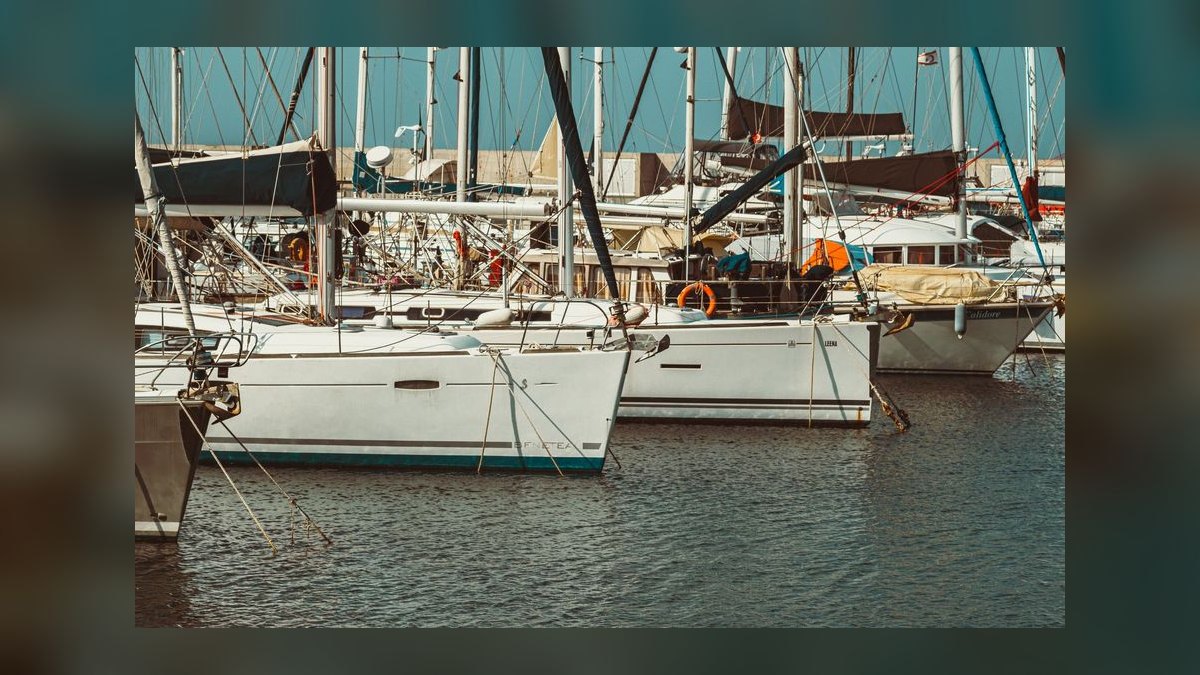
The O'Day 27 ranks seventh for shallow-water access: the centerboard configuration drops draft to roughly three feet, opening thin-water cruising grounds that fixed-keel boats of the same length cannot enter. It carries a real cabin with berths for weekending. Market pricing sits around $4,000 to $8,500, which places a 27-footer below most fixed-keel boats of equivalent size and condition.
This is for someone sailing bays, sounds, or skinny coastal water rather than open ocean. It trades a maintenance item for that draft: centerboard pendants part and trunks corrode, and O'Days share the deck-core saturation reputation of the Cal boats. Against the Hunter 27 above, you gain cruising grounds and give up headroom and the chance at a diesel auxiliary.
8. Tanzer 26
The Tanzer 26 ranks eighth because it delivers stiff, well-mannered sailing at the low end of the price band — roughly $3,500 to $8,000, well under comparable-length Pearsons or Hunters. These Quebec-built boats have a reputation for behaving predictably as the breeze builds rather than needing an early reef, which is exactly what a new owner wants when learning where the boat's limits are.
This fits a value buyer who has done the model research and will not panic about parts. It trades away the Catalina-scale secondary market: production volume is far lower, so check that an active owners association exists before committing, because an orphan-parts discount is sometimes a bargain and sometimes a trap. Against the O'Day 27 above, you save money and lose the centerboard's shallow-draft flexibility.
9. Pearson 28
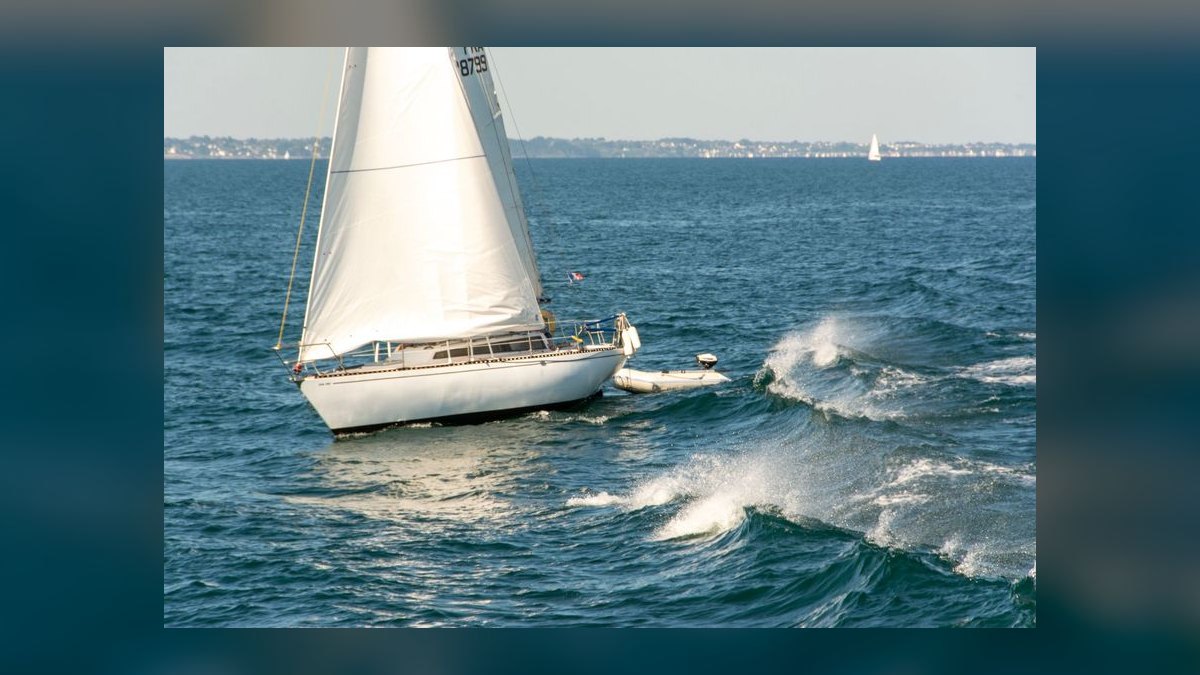
The Pearson 28 ranks ninth on volume-for-money: it is the largest boat that reliably clears the sub-$10,000 line, sharing the 26's overbuilt solid-glass construction with more interior and a longer waterline. Realistic pricing runs roughly $5,500 to $9,800, meaning you reach the ceiling of the budget with nothing left over for the survey or commissioning that this boat will need.
This is for a buyer with reserve cash who wants maximum boat and accepts maximum recurring cost. It trades away financial slack in every direction: 28 feet of coastal urban slip can run $3,000 to $5,000 a season, bottom paint scales with length, and a failing inboard on a $9,000 hull is close to a total loss. The Pearson 26 above delivers the same construction with sane running costs.
10. Bayliner Buccaneer
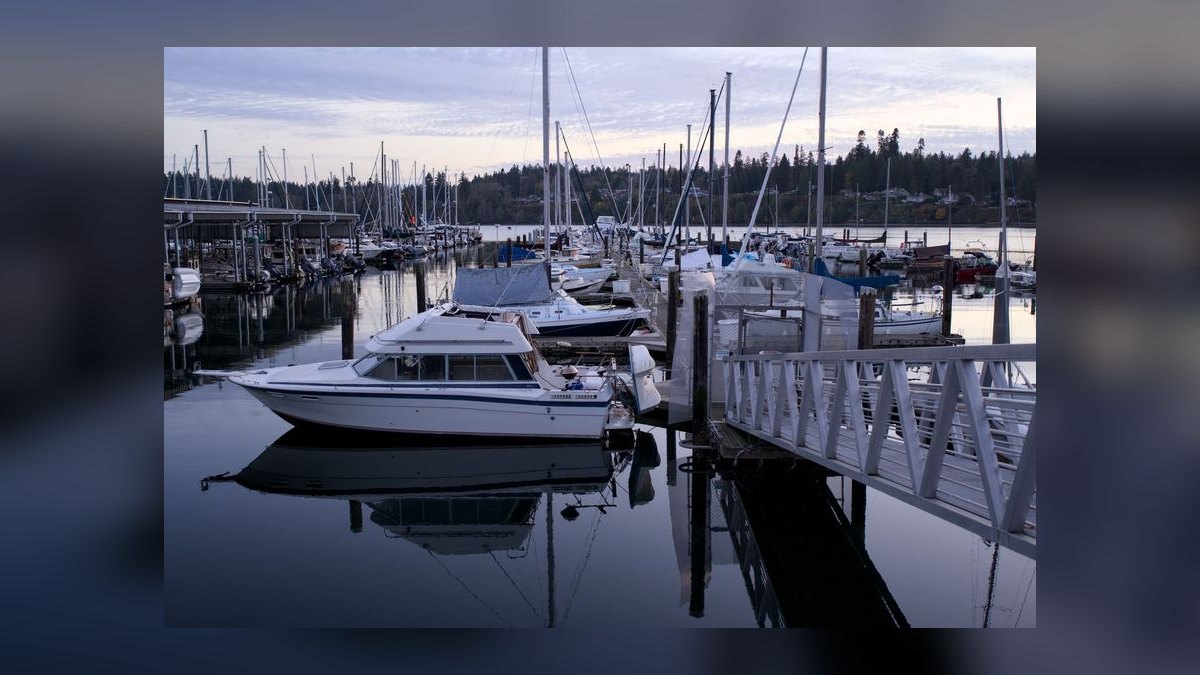
The Bayliner Buccaneer ranks tenth on price alone: the 1980s sailing line trades at $2,500 to $7,000, the cheapest genuine entry on this list, which leaves real budget for the $1,500 to $4,000 first-year commissioning that every boat here needs. Build quality is lighter than the Pearson or Tanzer boats, so the discount is real rather than a market oversight.
This is for a buyer who will inspect ruthlessly and understands that condition beats model at this budget — a well-kept Buccaneer costs less over three years than a neglected Pearson. It trades away structural margin and resale demand. Budget the survey at $400 to $800 regardless of how little you pay, and price a re-rig at $1,200 to $2,500 if the wire is original 1980s standing rigging.
How we ranked these
Ranking weighted four things: production volume (parts availability, active owner associations, used-sail supply), propulsion condition (a running 8-15hp outboard swings $1,000-$2,500 of value on its own), trailer inclusion and roadworthiness, and structural integrity of cored decks and keel mechanisms. Price bands reflect boats that sail today, not project hulls. Trailerable 22-28 footers scored higher than fixed-keel boats of equal quality because they escape slip and haul-out fees entirely.
Deliberately ignored: cosmetic condition, because chalky gelcoat and 1987 cushions cost nothing and scare off competing buyers. Also ignored brand prestige — a well-kept Bayliner Buccaneer costs less over three years than a neglected Pearson. Electronics were excluded because a half-working depth sounder and corroded VHF antenna are replaced cheaply. Interior volume was downweighted since nothing in this band is genuinely liveable long-term anyway.
What to look for
Condition beats model every single time at this budget. A $6,000 boat with a dead outboard and soft deck costs more than a $9,500 boat that sails now. Tap-test every horizontal surface with a plastic mallet — a dull thud means wet core. Verify the hull identification number against the paperwork, check storage liens with the marina directly, and confirm your state will actually register a bill-of-sale-only boat before cash changes hands.
The mistake most buyers make is buying the cheapest hull and budgeting nothing for the season after. Commissioning runs $1,500-$4,000: bottom paint $800-$2,000, safety gear $250-$600, running rigging $300-$800. Buying at $6,000 with $3,000 in reserve beats $9,000 with nothing left. Standing rigging older than 15-20 years needs a $1,200-$2,500 re-rig you should price into the offer, not discover later.
Related questions
What is the single best used yacht under $10,000 for a first-time owner?
The Catalina 22 is the safest choice for most first-timers. Over 15,000 hulls have been built since 1969, so replacement rudders, keel pivot bolts, and used mainsails are a phone call rather than a fabrication project. The swing keel draws about 20 inches up, making it trailerable and beach-friendly. Clean rigged examples with a trailer trade around $3,500 to $8,500.
Can I get a powerboat instead of a sailboat for under $10,000?
Yes, mostly 18-22 foot cuddy cabins from the 1990s. They are simpler to operate but far more expensive to run — fuel burn can exceed $100 per outing, and outboard or sterndrive replacement often costs more than the boat itself. Sailboats dominate this price band for a reason: the annual cost profile is dramatically flatter once you own one.
How much should I hold back for the first year?
Plan $1,500 to $4,000 for commissioning: bottom paint, safety gear, engine service, ground tackle, and running rigging. Add slip or storage costs for your region, which range from $1,200 on an inland lake to $3,000-$5,000 on coastal urban waterfront. Buying at $6,000 with $3,000 in reserve beats buying at $9,000 with nothing left over.
Is a survey worth it on a $5,000 boat?
Almost always. At $400 to $800 — commonly $18 to $25 per foot — it is expensive relative to the purchase but cheap relative to discovering wet deck core or a seized engine afterward. It functions as an itemized negotiation document, and insurers and lenders typically require one before they will write coverage or lend against the hull.
Does a trailer really change the ownership math that much?
Enormously. A roadworthy trailer with sound bearings, good tires, and working lights is worth $1,500 to $3,000 and collapses your recurring costs to ramp fees, fuel, and spare bearings. You escape slip contracts, haul-out charges, and winter storage of $500 to $1,500. You can also chase weather and cruising grounds instead of sailing the same water every weekend.
What does the MacGregor 26 water-ballast system actually do?
The tank drains for towing and fills to roughly 1,150 pounds afloat, giving you a light trailer load and stability once launched. Later 26X and 26M models take 50 to 60 horsepower outboards, so you can sail at dawn and pull a skier at noon. These trade around $4,000 to $9,000. Launching without filling the tank removes the stability the design assumes.
Which heavier fixed-keel boats fit this budget?
Pearson 26s and 28s from the 1970s and early 1980s are overbuilt solid-glass coastal cruisers at roughly $5,500 to $9,800, usually with an Atomic 4 gas inboard or an early diesel. Cal 25s and 27s from the Bill Lapworth era sail faster than their price suggests at $4,500 to $9,500. Both commit you to seasonal moorage.
Why are $500 and free boats a trap?
They are almost always a disposal problem being transferred to you. Legally scrapping a 26-foot fiberglass hull costs $2,000 to $5,000 — it must be cut up and landfilled, and fiberglass carries no scrap value. Treat any boat you could not realistically resell as carrying that figure as a hidden liability from the day you take the keys.
FAQ
Can I really find a usable yacht for under $10,000 in 2027?
Yes. Thousands of 22-28 foot cruisers change hands in this range every season. Expect a boat 20 to 45 years old with cosmetic wear, dated electronics, and an older auxiliary — but structurally sound if you buy with a survey and a tap test. The best boats at this price rank far more on maintenance history than on builder name.
What are the biggest hidden costs after the purchase?
Commissioning is the first surprise: $1,500 to $4,000 for bottom paint, safety gear, engine service, and rigging. Recurring costs — moorage, insurance, and winter storage — add $1,500 to $5,000 annually depending on region and whether the boat trailers. Disposal liability on an unsellable hull is the worst case at $2,000 to $5,000.
Is a trailerable boat better than a fixed-keel boat at this price?
For most budget buyers, yes. Trailer-sailers like the Catalina 22, MacGregor 26, and Hunter 23.5 eliminate slip fees, let you chase weather, and make winter storage a driveway problem. Fixed-keel boats such as the Pearson 26 or Cal 27 sail better in a seaway and offer more interior volume, but commit you to seasonal moorage.
How old is too old?
Age alone is a poor filter. Fiberglass hulls from the 1970s remain sound when kept out of freeze-thaw cycles and maintained. What ages badly is standing rigging, with a 15 to 20 year service life, plus cored decks, wiring, and engines. A documented 1978 boat with new rigging beats an undocumented 1992 boat on original wire every time.
Can I live aboard something in this range?
Short-term only. The larger picks — Catalina 25, Pearson 26, Hunter 27 — have near-standing headroom and an enclosed head, but expect minimal storage, no hot water, no refrigeration, and marginal heating. Many marinas also restrict or prohibit liveaboards, or charge a substantial surcharge. Treat these as weekend campers rather than apartments.
Do people make revenue chartering a boat this cheap?
Rarely enough to matter. Peer-to-peer rental platforms let owners recover part of their costs, but commercial insurance, accelerated wear, cleaning, and platform fees consume most of the gross. Net revenue on a sub-$10,000 boat typically offsets slip fees at best. Buy for use, not as an income asset — the arithmetic does not work.
How much owner labor should I expect in year one?
Forty to 100 hours: cleaning, rebedding hardware, chasing leaks, servicing the outboard, and sorting wiring. If you value your weekends heavily, that math argues for paying $9,500 for a sorted boat over $4,500 for one needing everything. The cheapest boat is very rarely the cheapest to own once your own time enters the calculation.
What paperwork problems kill these deals?
Lost titles, unregistered trailers, and marina storage liens. Requirements differ by state — some title boats, some only register them, and trailer titling is a separate document with its own history. Verify the hull identification number on the transom matches the paperwork and confirm with your state agency that you can register it before paying.
Do these boats actually depreciate further?
Barely. A 1988 Catalina 22 has already absorbed every dollar of depreciation it will ever absorb. Buy well, sail five years, and you will likely sell for close to what you paid — sometimes more if you replaced the sails and outboard. That floor is the quiet financial argument for high-volume production models over rarer designs.
What order should I inspect a boat in?
Hull and deck tap test first, because a failure there ends the visit. Then keel mechanism and rudder, then rig and chainplates, then the engine started cold and run under load watching for smoke and cooling water. Then systems and wiring. Finally the trailer: bearings, tires with visible date codes, lights, coupler, and safety chains.
Sources
- https://www.boattrader.com/
- https://sailboatdata.com/
- https://www.boatus.com/
- https://www.discoverboating.com/
- https://www.practical-sailor.com/
- https://www.uscgboating.org/
- https://www.marinesurvey.org/
- https://www.sailingmagazine.net/
Related on PULSE
- [More best used yachts under $10,000 rankings and buying guides](/knowledge)
- [PULSE Tools and calculators](/tools)
- [Everything on PULSE RevOps](/)
This page will be disappearing soon. Save it to your device for $1 — or read it free while it is here.
@Kory-White- · if Venmo asks, the last 4 of my number are 2012
 boatTop 10 Deck Boats 2027
 boatTop 10 Stand-Up Jet Skis 2027
 boatBest Boats for Sandbar Days in 2027 (Ranked)
 boatBest Chaparral Boat Models (Ranked) in 2027
 boatBest Used Cabin Cruiser Boats Under $20,000 in 2027 (Ranked)
 boatTop 10 Aluminum Fishing Boats Under $30,000 2027
 boatTop 10 Monterey Boat Models 2027
 boatBest Used Wakeboard Boats Under $100,000 in 2027 (Ranked)
 boatTop 10 Regal Boat Models 2027
 boatBest Used Runabout Boats Under $75,000 in 2027 (Ranked)