
What Are the Good and Bad Clauses in a Commercial Lease?
 Curated byKory White · Fractional CRO · Maryland
 PULSEKNOWLEDGE LIBRARY
A commercial lease is mostly landlord-favorable boilerplate; the clauses you negotiate decide whether you save or lose tens of thousands. Push for capped escalations, a CAM cap, defined renewal options, and a tenant-improvement allowance. Strike or limit personal guaranties, uncapped CPI or NNN pass-throughs, sole-discretion consents, and punitive holdover penalties before you sign.
The tenant-favorable clauses worth fighting for
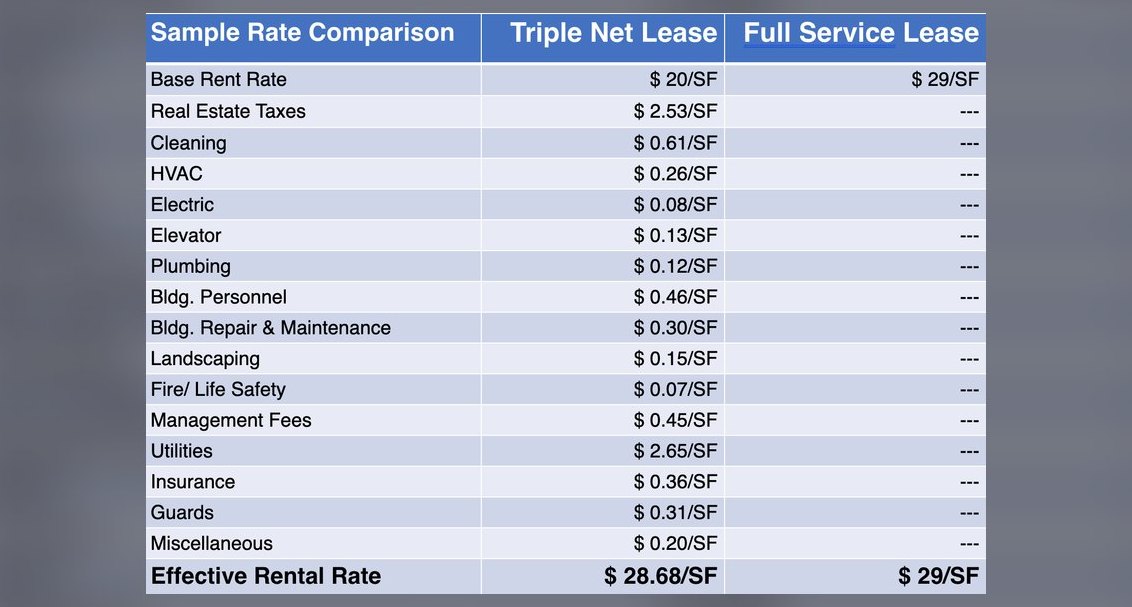
Roughly 80% of a commercial lease is standard language drafted to protect the building owner. The 20% you actually negotiate is where the money lives, and a handful of clauses do most of the work. Start with capped operating-expense escalations. Landlords prefer an open-ended pass-through where you pay your pro-rata share of whatever the building spends. Demand a controllable-expense cap of 3–5% per year, and specify whether it is cumulative or non-cumulative — non-cumulative is better for you because unused increase room doesn't roll forward. Carve out genuinely uncontrollable costs like property taxes, insurance, and snow removal so the cap bites on the discretionary spend: management fees, landscaping, and "administrative" markups.
Next, pin down the renewal option. A bare "option to renew at market rate" is nearly worthless, because the landlord effectively defines the market. Instead, structure it as a renewal at the lesser of fair-market value or prior rent plus a fixed bump, with fair-market value determined by third-party appraisal and a baseball-arbitration tiebreaker — each side submits a number and the arbitrator must pick one of them, which discourages extreme positions. Lock in at least one five-year option so you control whether you stay, not the landlord.

The tenant-improvement (TI) allowance is the biggest single concession in a soft market. Depending on the space condition and lease term, push for a range of $20–$80 per square foot, and structure it as a cash allowance you control rather than "landlord work" you don't oversee. Add language that any unused TI converts to free rent so the landlord can't simply pocket the difference. Pair TI with rent abatement: a common ask is one month free per year of term during buildout, and you want that abatement to be net of NNN charges — "free rent" that still bills you $12 per square foot in CAM isn't actually free. Finally, for retail, an exclusive-use clause bars the landlord from leasing to a direct competitor in the same center, and a co-tenancy clause lets you cut rent or exit if an anchor tenant goes dark, protecting you from paying full rent in a dying property.
The clauses that quietly bleed you
The dangerous clauses rarely announce themselves — they read as routine until they cost you real money. The worst is the personal guaranty, which pierces your LLC and puts personal assets on the line. If the landlord insists on one, negotiate a burn-off (or burn-down) guaranty that expires after 24–36 months of on-time payments, or a limited guaranty capped at six to twelve months of rent. A close cousin is the "good guy" guaranty, which keeps you personally liable for rent even after you vacate; limit it to a short window rather than accepting open-ended exposure.
Watch escalation language closely. "Rent increases by CPI annually" sounds fair until inflation runs 6–8%. Replace it with a fixed 2–3% bump, or a CPI-with-a-ceiling structure — indexed to CPI but never more than 3% and never less than 0%. Over a seven-year term, the difference between a fixed 3% and uncapped CPI can reach several dollars per square foot in the final year. Equally corrosive is a "landlord's sole discretion" consent clause covering assignment, subletting, alterations, and signage: under sole discretion the landlord can refuse for any reason or none. Insert "such consent not to be unreasonably withheld, conditioned, or delayed," and add a deemed-approval timeline where silence for 15 business days counts as yes.
Two more deserve a hard line. A holdover clause can charge 150–200% of base rent plus consequential damages if you stay even one day past the term — cap it at roughly 125% for the first 30–60 days and strike consequential and lost-profit damages entirely. And a relocation clause, common in multi-tenant office buildings, lets the landlord move you to "comparable" space at its expense; tighten the definition of comparable, require the landlord to pay all moving, buildout, stationery, and downtime costs, and demand 90–120 days' notice, or strike it outright for a flagship location.

The hidden trap inside gross-up and CAM math
Most tenants fixate on whether they have a CAM cap and never read the gross-up provision buried in the operating-expense section — and that omission can be expensive. A gross-up clause lets the landlord calculate your share of common-area costs as if the building were 95–100% occupied even when it is only partly leased. This cuts both ways. When the building is full, a gross-up actually protects you, because it prevents you from absorbing the fixed costs that empty units would otherwise leave uncovered. The danger appears when the building sits half-vacant and the landlord grosses up variable expenses to a hypothetical stabilized occupancy: you end up paying for services that absent tenants aren't contributing to, effectively subsidizing the landlord's leasing effort.
A poorly drafted gross-up can inflate your CAM bill by 20–40% in a lightly occupied building. The clause you want limits gross-ups to actual variable expenses incurred — snow removal, landscaping, parking-lot maintenance — and never applies to fixed costs like property taxes or insurance, which don't rise with occupancy anyway. Insist that the gross-up percentage use actual occupancy at the time of calculation rather than a projected or "stabilized" rate the landlord chooses.

The management-fee line is where gross-up damage compounds. Landlords often charge a percentage-based management or administrative fee and then calculate it on the grossed-up expense total, stacking one inflation on top of another. Strike or cap that management-fee gross-up specifically; on its own it can swing your CAM bill by $2–$5 per square foot per year. Finally, secure audit rights: the lease should let you inspect the landlord's books once a year, require repayment of any overcharge, and — if the audit uncovers an error above a threshold like 3–5% — make the landlord pay for the audit itself. Without audit rights, a cap is only as honest as the reconciliation statement you can't verify.
Use, exclusivity, and go-dark clauses in retail
The permitted-use clause looks like housekeeping but is among the most litigated provisions in commercial leasing. A narrow definition — "a retail store selling women's clothing" — can trap you: you may be barred from adding complementary product lines, shipping online orders from the premises, offering services alongside products, or subleasing to a tenant in a different category. Negotiate broad language such as "any lawful retail, wholesale, or service use," and add a rider permitting any purpose reasonably related to your primary business so a modest pivot doesn't require the landlord's blessing.

Exclusivity is the flip side. An exclusive-use clause that grants you the only coffee shop, or the only salon, in a center is a genuine competitive moat — but only if it's enforceable. Poorly drafted versions reduce the landlord's duty to "best efforts," which lets a competitor open across the corridor while the landlord shrugs. Demand that the landlord actively enforce exclusivity against other tenants, and build in automatic rent abatement if the exclusivity is breached, so the remedy is immediate rather than a lawsuit you have to fund.
Then there's the continuous-operations clause, which requires retail and restaurant tenants to stay open during set hours — often long days, seven days a week. A harsh version lets the landlord declare default and accelerate rent if you close even briefly, including for a plumbing emergency or a staffing gap. That's dangerous for seasonal businesses or a new location you're still testing. Negotiate room for reasonable closures — up to 30 consecutive days for repairs and 60 for renovations — without penalty. For multi-tenant spaces, secure a genuine go-dark right: the ability to cease operating permanently if the location becomes unprofitable, keeping rent current but avoiding accelerated liability, with only a 6–12 month notice period. Without it, you can be forced to operate at a loss for the full term or buy out the lease at a premium.

The negotiation levers that actually move clauses
Clauses change when you have leverage and use it in the right sequence. The single biggest lever is the Letter of Intent (LOI). Lock every economic and protective term — base rent, escalation cap, TI allowance, free rent, guaranty limits, renewal structure — in the LOI before attorneys draft the lease. Landlords concede far more at the LOI stage, when the deal is still fluid, than during redline, where every change reads as a fight. A clean LOI becomes the yardstick the lease redline must match.
Market conditions set the ceiling on what you can ask for. When submarket vacancy climbs above roughly 10%, you're in a tenant's market and can push hard for caps, larger TI, and abatement; in a tight market you concentrate on the protective clauses that cost the landlord nothing today. Term length is its own lever — a seven-year commitment commands more TI and free rent than a three-year deal, because the landlord amortizes concessions over a longer guaranteed income stream. Tenant credit matters too: a strong balance sheet or a creditworthy use is often enough to drop or shrink a personal guaranty.
Two practical moves amplify all of this. A tenant-rep broker typically costs you nothing because the landlord pays the commission out of the deal, and a good one knows which concessions this specific landlord has granted before. And written market data wins arguments — cite published submarket vacancy and asking-rent reports from firms like CBRE or JLL in your counters, because a landlord will discount your opinion but has a harder time dismissing a comparable in writing.
What a clean lease versus a toxic lease really costs
Put numbers on it. Take a 5,000-square-foot office at $30 per square foot base rent plus $12 per square foot NNN on a five-year term. The toxic version carries uncapped CPI escalations averaging about 5% a year, uncapped CAM rising roughly 6% a year, a full personal guaranty, and a 175% holdover penalty. The clean version has a 3% fixed escalation, a 4% controllable-CAM cap, a burn-off guaranty, three months of free rent net of NNN, and a $40-per-square-foot TI allowance. Page one shows the same headline rent — the clauses are the entire difference.

Add up the swing. Three months of free rent works out to roughly 3 × $30 ÷ 12 × 5,000 square feet, about $37,500 you never pay. The TI allowance is $40 × 5,000, or $200,000 of buildout the landlord funds instead of you. The escalation delta compounds: by year five, the fixed-3% path can run about $2.50 per square foot below the uncapped-CPI path, roughly $12,500 cheaper that year alone. The CAM cap does similar work, saving something like $1.50–$3 per square foot by year five, or $7,500–$15,000 in the final year.
Stacked together, the clean lease is worth well into six figures across the term — and that's before you count the tail risk you eliminated by capping the holdover and limiting the guaranty. The lesson is blunt: you have maximum leverage before you sign and essentially none afterward, so the time to strike or cap the bad clauses and pin down the good ones is during the LOI and redline, not after the ink dries.

Related questions
How do I negotiate exclusive-use and co-tenancy clauses?
Define the exclusive narrowly enough to be enforceable but broad enough to cover your real product mix, require the landlord to actively enforce it against other tenants, and attach automatic rent abatement if it's breached. Tie co-tenancy to named anchors so you can reduce rent or exit if they go dark.
What is a burn-off personal guaranty?
It's a guaranty that expires once you've met a condition — commonly 24–36 months of on-time payments — after which your personal liability ends and only the entity remains on the hook. It gives the landlord early-term security while protecting you from full-term personal exposure. Always prefer it to an unlimited guaranty.
Should I hire a tenant-rep broker?
Usually yes, because the landlord typically pays the commission out of the deal, so representation costs you little or nothing directly. A tenant-rep broker sources comparable rents, knows a landlord's past concessions, and negotiates the LOI where the biggest wins happen. The value they recover in concessions generally exceeds any cost.
How much TI allowance can I realistically ask for?
It depends on market softness, space condition, and term length, but ranges of roughly $20–$80 per square foot are common, with longer terms commanding more. Structure it as a cash allowance you control and convert any unused portion to free rent so the landlord can't retain the difference.
FAQ
What is a tenant-favorable renewal option? A renewal option lets you extend the lease for a set period, usually three to five years, at a predetermined rent or a capped fair-market rate. It protects you from being forced out or hit with a large rent spike at expiration. Favor language capping the increase at a reasonable percentage and defining fair-market value through third-party appraisal.
Why is the operating-expense cap so important? Operating expenses passed through as NNN or CAM charges can swing sharply year to year. A cap — commonly 3–5% on controllable costs — prevents the landlord from passing on unexpected spikes in maintenance, management fees, and administrative markups. Without one, your total occupancy cost can rise unpredictably even when your base rent stays flat.
What makes a "good guy" guarantee a bad clause for tenants? A "good guy" guarantee keeps you personally liable for rent even after you vacate the space, which can trap you paying for months you no longer occupy. It's common in smaller leases, but you should negotiate to limit it to a short window, such as 30–60 days after surrender, or remove it entirely.
How does an exclusive-use clause benefit tenants? It prevents the landlord from leasing other space in the property to a business that directly competes with yours — for example, granting a café an exclusive on coffee sales. That protects your customer base and can be a real competitive edge, but it must be narrowly defined and actively enforceable to avoid loopholes.
What is a sublease clause, and why should tenants care? A sublease clause lets you rent part or all of your space to another business if you need to downsize or relocate. Landlords often demand broad approval rights or a cut of any sublease profit. Negotiate for subleasing with consent that can't be unreasonably withheld and no profit-sharing on the rent you collect.
Why is the maintenance-responsibility clause often a trap? Many leases push all interior repairs onto the tenant, including major HVAC, plumbing, and electrical failures that can cost thousands with no warning. Push for language that limits your obligation to routine upkeep and caps your share of major system repairs above a defined threshold, with capital replacements remaining the landlord's responsibility.
Sources
- https://www.cbre.com/insights
- https://www.jll.com/en-us/insights
- https://www.cushmanwakefield.com/en/insights
- https://www.boma.org
- https://www.naiop.org/research-and-publications/
- https://www.irem.org
- https://www.sba.gov/business-guide/manage-your-business/buy-lease-commercial-space
- https://www.nolo.com/legal-encyclopedia/commercial-leases
Related on PULSE
- [How Do I Negotiate Exclusive-Use and Co-Tenancy Clauses?](/knowledge/bo0022)
- [How Do I Get a Commercial Lease With Bad or Thin Credit?](/knowledge/bo0120)
- [How Do I Avoid a Bad Anchor-Tenant Situation in Retail?](/knowledge/bo0071)
- [What Is the Complete Commercial Lease Negotiation Checklist?](/knowledge/bo0235)
- [How Do I Negotiate My First Commercial Lease as a New Business Owner?](/knowledge/bo0119)
- [How Do I Negotiate Parking in a Commercial Lease?](/knowledge/bo0093)
This page will be disappearing soon. Save it to your device for $1 — or read it free while it is here.
@Kory-White- · if Venmo asks, the last 4 of my number are 2012
 buildoutsAre Triple Net (NNN) Leases Negotiable?
 boHow Do I Get Tenant Improvement Money on a Lease Renewal?
 pulse-buildoutsHow much does Buildouts cost in 2027?
 pulse-buildoutsWhat is the best way to approach Buildouts in 2027?
 pulse-buildoutsTop 10 Buildouts strategies for 2027
 pulse-buildoutsWhat are the most common mistakes in Buildouts in 2027?
 pulse-buildoutsTop 10 best Buildouts options in 2027
 pulse-buildoutsHow much does a 5,000 sq ft quick-service restaurant buildout cost in 2027?
 pulse-recentWhat is the average landlord construction allowance per square foot for a retail buildout in 2027?
 buildoutsHow Do I Negotiate a Dollar Cap on My Personal Guarantee?