
How Do I Avoid Getting Screwed by My Landlord on a Buildout?
 Curated byKory White · Fractional CRO · Maryland
 PULSEKNOWLEDGE LIBRARY
Make the landlord fund the buildout through a written tenant improvement allowance, cap their construction management fee at 1–3%, and force competitive contractor bidding with open-book pricing. Demand free rent plus build-period abatement, add a delivery deadline with a per-day penalty, and lock every dollar and exclusion inside the work letter before you sign.
The TI allowance is smaller than it looks
Landlords quote the tenant improvement (TI) allowance as a headline number to make the deal feel generous, then quietly shrink what it actually covers. Your first job is to understand what you are really being offered before you anchor the whole negotiation to a figure that will not stretch across your buildout.
Know the market range so you are not negotiating against yourself. In a decent market on a five-year lease, a second-generation space — one already built out for a prior tenant — commonly supports roughly $40–$80 per square foot of TI, while a cold shell that needs everything (walls, HVAC distribution, electrical, ceilings) pushes toward $60–$120 per square foot. These are negotiable, not gifts. If your submarket is soft or you are signing a longer term, the number should climb, because the landlord amortizes the allowance across the lease and a longer lease funds a bigger allowance. Tie a multi-year deal's allowance to a modest annual escalator (around 3%) so inflation does not erode its buying power by year five.

The critical distinction is "allowance" versus "turnkey." In a turnkey deal, the landlord builds to an agreed plan and eats any overage; in an allowance deal, you eat everything above the number. If your buildout costs $95 per square foot and the allowance is $60, you are writing a personal check for $35 per square foot. On a 5,000-square-foot space that is a $175,000 surprise. Whenever you can define the scope precisely, push for turnkey on that defined scope so the risk of overage sits with the party controlling the contractor.
Watch the exclusions buried in the work letter. Many allowances cover hard construction only and quietly exclude soft costs — architectural and engineering fees, permits, data cabling, and your furniture, fixtures, and equipment (FF&E). Negotiate the right to apply unused TI dollars to those soft costs, and even to convert leftover allowance into free rent, often called a "TI burn-down." Finally, kill the use-it-or-lose-it clawback: if you must draw the allowance inside a tight window or forfeit it, you lose leverage. Ask for 9–12 months to draw and the right to redeploy anything left over.

The landlord marks up everything they touch
This is where landlords skim, and it is almost always hidden inside the construction mechanics rather than the rent number you were focused on. The single most common skim is the construction management (CM) or coordination fee — a percentage the landlord charges for "overseeing" the project. They will quote 4–5%, sometimes as high as 10–15% in aggressive markets. Cap it at 1–3%, and cap the actual dollar amount too, so a large buildout does not turn their oversight into a windfall. Where possible, restrict the fee so it applies only to hard costs, never to soft costs like permits and design.
The captive general contractor is the next trap. If the landlord forces you to use their in-house GC, you have zero price discipline — they set the number and you pay it. Insist on the right to competitively bid the general contractor among at least three qualified firms, or to bring your own contractor subject to the landlord's approval "not to be unreasonably withheld." Competitive bidding on a mid-size buildout routinely moves the number 10–20%, which is often the single largest saving available to you.

Then pin down the contractor's overhead and profit (O&P). Make it a fixed, disclosed percentage up front — commonly 10% overhead and 5% profit — rather than a moving target smeared across line items you cannot audit. Watch, too, for a general conditions markup (temporary power, dumpsters, portable toilets, site supervision) that can run 10–20%; ask for an itemized list and cap it around 5–8% of the total.
Finally, demand open-book pricing: the contractual right to see actual subcontractor bids and invoices. A landlord who refuses an open book is telling you exactly why they want it closed. And scrutinize vague allowance line items inside the buildout itself — a "$5 per square foot flooring allowance" means you pay the entire difference the moment you choose tile over builder-grade carpet. Get every such line specified to your real finishes before you sign, and reject soft language like "building-standard finishes" or "landlord's sole discretion" that lets the landlord charge extra for basic items.

Change orders and delays quietly drain the budget
A clean budget bleeds out through change orders, and a clean schedule bleeds cash through delays. Both need to be nailed down in the work letter, not left to good faith.
The rule is simple: no verbal change orders, ever. Every change to the scope requires a signed, priced change order *before* the work proceeds. "We'll true it up at the end" is how a $200,000 buildout becomes a $260,000 invoice you never approved. Require that tenant-requested changes get a written price within a fixed window — say five business days — and that landlord- or code-driven changes carry no cost or schedule impact to you. Where you have unused TI, apply it to approved changes first before any out-of-pocket spend.

Delays are the mirror image. If permitting, base-building work, or the landlord's own GC runs late, your rent commencement date should push out day-for-day, and a per-day penalty should convert that delay into bonus free rent for you. Add a hard outside date — for example, 90 days past the target delivery — that lets you terminate the lease and recover your deposits if the space still is not ready. And read the force majeure clause carefully: do not accept language that excuses every landlord delay for weather, labor, or "circumstances beyond control" while still starting your rent clock. The clause should cut both ways or not exist at all.
Who actually owns what you paid to build
You pay for the buildout, and in most leases the improvements become the landlord's property at lease end. That is normal and usually fine — the fight is not over ownership, it is over whether you *also* get stuck paying to tear it out.
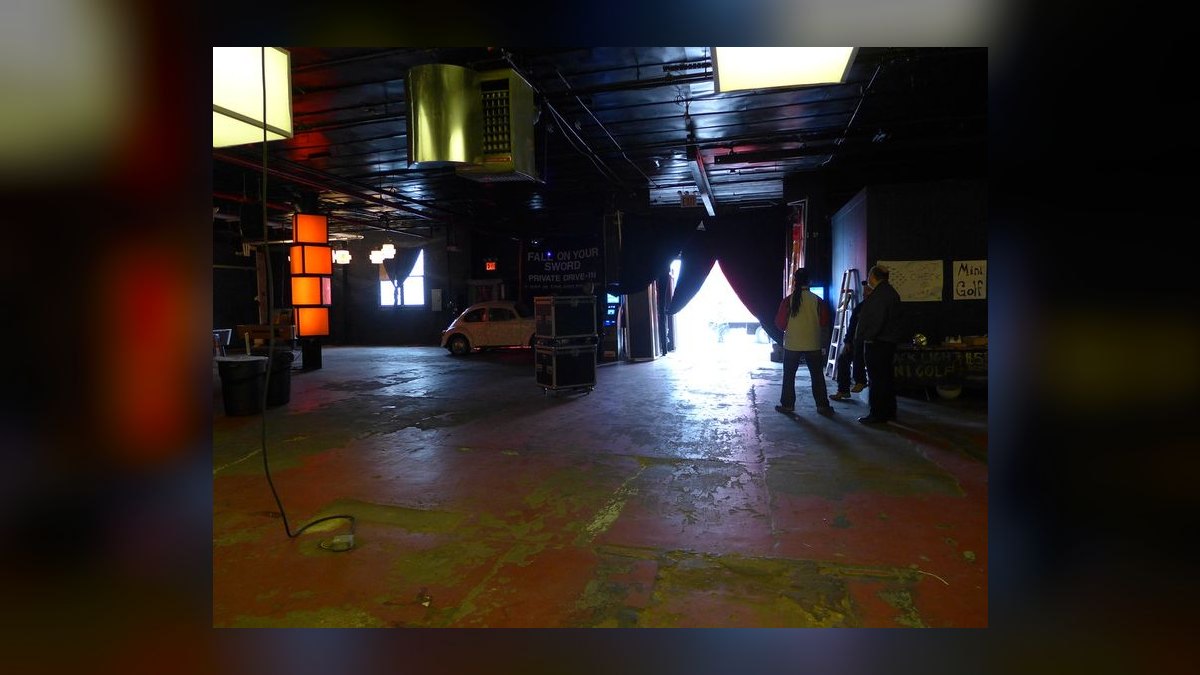
Negotiate an explicit no-restoration obligation: at surrender you should not be required to return the space to base-building condition. Restoration — demolishing your walls, ripping out cabling, patching the shell — can cost $10–$30 per square foot at move-out, a bill that lands right when you are least able to absorb it. The cleanest surrender standard to write in is "broom-clean, normal wear and tear excepted, no restoration of approved alterations."
Separate your removable property from the landlord's fixtures. Your trade fixtures, FF&E, signage, and any supplemental HVAC you funded should remain yours to remove, while general improvements convert to the landlord. Spell this out; ambiguity here defaults in the landlord's favor, and a vague clause can be read to trap equipment you fully intended to take with you.

For specialized, expensive installations — a commercial kitchen, a server room, a lab — consider negotiating a removal or reimbursement right. If you install high-value equipment and leave after, say, year three of a five-year lease, you can push for the landlord to pay a share of the unamortized cost (a 50–75% reimbursement is an aggressive but real ask) rather than simply inheriting your investment for free. The stronger your credit and the tighter the market, the more of this you can win.
The exit traps that outlive the buildout
The buildout fight does not end at move-in — the exit clauses can undo everything you saved on the front end. The holdover penalty is the sharpest. If you stay a single day past lease end, many leases charge 150–200% of base rent plus consequential damages (the landlord's claimed losses from a delayed next tenant). Negotiate the holdover down to 125–150% and strike consequential damages entirely, or the tail of a lease dispute can cost more than a quarter of the buildout you just paid for.

If you signed a personal guaranty, tie it to a "good-guy clause" that releases you personally once you vacate, hand back the keys, and pay through a defined notice period. Without it, the money you spent building out the space rides on your personal balance sheet indefinitely, long after the business has moved on. And strike or tightly cap any landlord relocation right — a clause letting them move you to another space in the building can strand a custom buildout you paid six figures to create.
Two structural exits are worth negotiating up front because they cost nothing to ask for. A sublease-with-buildout-credit provision lets an incoming subtenant tap your remaining prorated TI to reconfigure the space, which keeps your buildout from becoming a liability if your needs change. And a buyout option — a fixed early-termination fee of roughly 6–12 months of rent — gives you a clean exit instead of paying rent on a space you cannot use while the landlord re-lets it, with your improvements, to someone else.

Your negotiation playbook, in order
Sequence is leverage. The single biggest mistake tenants make is falling in love with a space and *then* negotiating — by that point the landlord knows you are committed and every concession gets harder. Lock the economics before you fall in love with the address.
Start by hiring a tenant-representation broker. In commercial leasing the landlord customarily pays the tenant rep's commission, which means your representation costs you nothing and routinely returns multiples of its value in concessions. A good rep at a firm like CBRE, JLL, or Cushman & Wakefield can tell you the true market TI and free-rent for your exact submarket, so you are not guessing against a professional who negotiates these deals daily.

On free rent, a defensible ask is at least one month of free rent per year of term — five months on a five-year deal — layered *on top of* a separate build-period rent abatement so you are not paying rent on a space you physically cannot occupy while it is under construction. Then work down the chain: turnkey or a strong allowance, a capped CM fee with competitive bidding, the free-rent package, a delivery deadline with teeth, and clean surrender and exit terms. Sign only once the work letter itself is fully locked — because the lease can look tenant-friendly while the work letter quietly gives it all back.
Related questions
Should I take a bigger TI allowance or more free rent?
It depends on your cash position. A bigger TI allowance reduces out-of-pocket buildout spend now; more free rent improves ongoing cash flow. If your buildout is expensive and capital is tight, weight the allowance. If the space is close to move-in ready, take the free rent.
What is a fair construction management fee?
Landlords quote 4–5% (sometimes far higher), but a fair, defensible range is 1–3% of hard construction costs, with a dollar cap so a large project does not become a windfall. Push to exclude soft costs like permits and design from the fee base entirely.
Can I use my own contractor instead of the landlord's?
Often yes. Negotiate the right to competitively bid the general contractor among at least three qualified firms, or to bring your own subject to landlord approval "not unreasonably withheld." This is the strongest single defense against inflated captive-contractor pricing.
What is a good-guy clause?
A good-guy clause releases a personal guarantor from further liability once the tenant vacates, returns the keys, and pays rent through a defined notice period. It caps your personal exposure so a failed lease does not follow you indefinitely after you leave in good standing.
Who pays for a buildout, the landlord or the tenant?
Typically both: the landlord funds a tenant improvement allowance and the tenant covers overages. In turnkey deals the landlord funds the full defined scope. The real negotiation is the size of the allowance and who eats the cost above it.
FAQ
What is the most important thing to negotiate in a buildout? The tenant improvement allowance — get the landlord funding as much of the construction as possible, and get every dollar and every exclusion written into the work letter, not the marketing flyer. The allowance is where the largest single sum of money changes hands, so it deserves the most leverage.
How can I avoid hidden costs during a buildout? Never sign a work letter that lets the landlord mark up your costs. Cap the construction management fee at 1–3%, require open-book pricing so you can audit subcontractor bids and invoices, and force competitive general-contractor bidding. A landlord who refuses an open book is telling you why they want it closed.
What should I watch out for in a work letter? Vague language like "standard improvements," "building-standard finishes," or "landlord's sole discretion." These clauses let the landlord charge extra for basic items and stall your change orders. Get specific descriptions of materials, finishes, and quantities, and pin every allowance line item to your actual needs before signing.
How do I handle change orders without getting overcharged? Get every change in writing and priced before any work begins, and never approve a verbal change. Require the landlord to price tenant-requested changes within a fixed window (about five business days), and make landlord- or code-driven changes cost- and schedule-neutral to you.
What happens if the buildout is delivered late? With the right clause, a late landlord pays for it. Your rent commencement date should push out day-for-day, a per-day penalty should convert the delay into bonus free rent, and a hard outside date (say 90 days late) should let you terminate and recover deposits. Without these, you pay rent on an unfinished shell.
How bad is the holdover penalty and can I lower it? Holdover often runs 150–200% of base rent plus consequential damages — brutal if a lease dispute drags past your end date. Negotiate it down to 125–150% and strike consequential damages, so overstaying by days does not cost you a chunk of the buildout you just paid for.
Sources
- CBRE — https://www.cbre.com/insights
- JLL — https://www.jll.com/en-us/insights
- Cushman & Wakefield — https://www.cushmanwakefield.com/en/united-states/insights
- NAIOP (Commercial Real Estate Development Association) — https://www.naiop.org
- BOMA International — https://www.boma.org
- U.S. Small Business Administration — https://www.sba.gov/business-guide/manage-your-business/buy-lease-commercial-space
- Nolo — https://www.nolo.com/legal-encyclopedia/commercial-leases
- Colliers — https://www.colliers.com/en/research
Related on PULSE
- [How Do I Avoid Getting Screwed on a Ground-Up Build-to-Suit?](/knowledge/bo0082)
- [How Do I Read a Landlord Work Letter So I Don't Get Screwed?](/knowledge/bo0160)
- [How Do I Avoid Getting Overcharged on Utilities in a Lease?](/knowledge/bo0092)
- [How Do I Avoid Getting Stuck Restoring the Space at Move-Out?](/knowledge/bo0061)
- [What Is an Estoppel Certificate and How Do I Avoid Getting Trapped by One?](/knowledge/bo0017)
- [How Do I Negotiate a Cannabis Dispensary Lease Without Getting Gouged?](/knowledge/bo0116)
This page will be disappearing soon. Save it to your device for $1 — or read it free while it is here.
@Kory-White- · if Venmo asks, the last 4 of my number are 2012
 buildoutsHow Do I Negotiate Free Rent and a Rent-Abatement Period?
 buildoutsHow Do I Budget a Data Center or Colocation Buildout?
 buildoutsHow Do I Budget a Martial Arts Dojo Buildout?
 buildoutsHow Do I Budget a Church or Worship Space Buildout?
 buildoutsHow Do I Budget a Chiropractic Clinic Buildout?
 buildoutsHow Do I Negotiate a Lease and Buildout for a Tattoo Studio?
 buildoutsHow Do I Budget a Pickleball Facility Buildout?
 buildoutsHow Do I Budget an Ice Cream or Gelato Shop Buildout?
 buildoutsHow Do I Budget a Florist Shop With a Walk-In Cooler Buildout?
 buildoutsHow Do I Budget a Coffee Shop or Cafe Buildout?