
How Do I Get Paid for the Buildout I Leave Behind?
 Curated byKory White · Fractional CRO · Maryland
 PULSEKNOWLEDGE LIBRARY
Classify everything you install as removable "trade fixtures" you keep, then negotiate your exit economics into the lease at signing: waive or cap the restoration clause, add a buyout formula for unamortized improvements, and secure assignment rights so a successor pays key money. Done right, a $60,000 make-good bill becomes $0 plus a five-figure check.
Trade fixtures versus improvements — the line that decides everything
The single distinction that determines what you keep, what you forfeit, and what you can sell is the legal difference between a trade fixture and a tenant improvement. Trade fixtures are items you install to run your business that can be removed without structural damage: walk-in coolers, kitchen hoods on quick-disconnects, dental and medical equipment, server racks, removable shelving, exterior signage, and specialty light fixtures. You own them, and absent a lease term saying otherwise, you take them when you leave. Tenant improvements are anything permanently affixed to the building — drywall, flooring, dropped ceilings, built-in casework, plumbing rough-in, and HVAC ductwork. These typically become the landlord's property at lease end because the law presumes affixed items merge into the real estate.
The trap sits in that presumption. If you never spell out ownership, a dispute at move-out defaults against the tenant, and a $200,000 dental package can be deemed "part of the realty" and left behind for nothing. The fix is documentary and cheap: attach a written trade-fixtures schedule as a lease exhibit that lists, line by line, every removable item you intend to keep. Define the category liberally — an item mounted on a quick-disconnect or bolted to a slab is far easier to defend as removable than one tiled or framed in. Photograph each installation on the day it goes in, and keep the invoices. A one-page exhibit signed at inception is worth more than any argument you can make years later when the landlord already has your build in hand and every incentive to keep it.
Practitioners in restaurant, medical, dental, veterinary, and lab space carry the highest exposure here because their equipment is both expensive and semi-permanent — a grease-trap connection or a nitrous line reads as "affixed" to an untrained eye. Spelling out the removal method in the schedule ("Tenant may disconnect and remove the hood assembly and make-up air unit, patching connections") converts a gray-area asset into a clearly reserved one. The equipment often represents $50,000 to $300,000 of value; the exhibit costs an hour of an attorney's time.
Kill or cap the restoration clause before you sign
The restoration clause — also called the make-good or surrender-condition clause — is where landlords double-dip. You pay to build the space, then you pay again to demolish it back to a white box or shell at move-out. On a built-out 4,000-square-foot medical suite, that make-good bill commonly runs $15,000 to $60,000, money you spend to hand the landlord a blank room they may re-lease to a similar tenant who wants exactly the buildout you just destroyed. It is the single most overlooked line in a commercial lease, and it is fully negotiable at signing and nearly impossible to fix at exit.
Attack it in a fixed order of preference. First, try to delete it: "Tenant shall surrender the premises in as-is condition, reasonable wear and tear excepted." Second, if the landlord insists on some restoration right, cap it — limit the obligation to a defined dollar amount, or to removing only your trade fixtures rather than your improvements. Third, ask for a no-restoration or surrender letter: many landlords genuinely want your buildout intact for the next tenant, so a written confirmation that improvements stay and you owe nothing to remove them costs them nothing and saves you tens of thousands. Fourth, carve out normal wear and pre-existing conditions so you are never charged for the prior tenant's damage or for ordinary aging of finishes you installed.
The economics are stark. A waived restoration clause on that same 4,000-square-foot suite eliminates a $30,000 to $60,000 exit cost outright. The negotiating leverage is highest before you sign, when the landlord wants you in the space and you have not yet spent a dollar improving their asset. Once you have built out, every restoration obligation becomes pure downside — you cannot renegotiate a clause the landlord already holds over you. Read this clause first, negotiate it hardest, and never treat it as boilerplate.
Get paid three ways for what you cannot take
The improvements bolted into the building still carry real cash value, and there are three distinct channels for capturing it. The first is a direct landlord buyout. If your buildout — a hood system, grease trap, exam rooms, a reinforced lab floor — is worth more to the next tenant than an empty shell, sell it to the landlord at depreciated cost. For restaurant or medical space this commonly lands in the $20,000 to $100,000-plus range, because the landlord avoids both demolition expense and the construction subsidy they would otherwise pay a new tenant to rebuild what you already installed.
The second channel is key money from a successor tenant. When you assign the lease or sublease to a similar-use operator, that tenant pays a lump sum to step into a turnkey space rather than build from scratch. A former restaurant frequently fetches a premium from another restaurateur for the existing hood, plumbing, and grease infrastructure; the payment typically runs $5 to $25 per square foot depending on the buildout's condition and market demand. This path is common in retail and food service but works for specialized office space too — labs, medical suites, and tech-heavy environments with raised floors or heavy power all command it.

The third channel is unamortized tenant-improvement reimbursement. If you exit early under a buyout, or the landlord terminates the lease, demand reimbursement of the portion of your buildout investment not yet recovered over the term. A $200,000 improvement package on a ten-year lease amortizes at roughly $20,000 per year; leave in year seven and the unamortized balance is about $60,000 that you can legitimately claim. The governing principle across all three channels is that second-generation space has genuine market value — you should never hand a fully functional build to a landlord for free simply because the lease clock ran out.
Negotiate a buildout-buyout clause at lease inception
The most reliable way to get paid is to bake a buildout-buyout clause into the original lease rather than improvising one when you are already planning to leave. This clause sets a predetermined valuation formula for your improvements, which removes the guesswork and the leverage imbalance that otherwise favors the landlord at exit. It converts a vague "maybe they'll pay me" into a contractual right.
The mechanics center on a depreciation schedule for each major buildout component. A $200,000 improvement package might depreciate straight-line over the lease term, so leaving after seven years of a ten-year lease entitles you to roughly $60,000 for the remaining value. Some clauses instead use a declining-percentage method — full value in year one, dropping a fixed percentage annually — while others tie valuation to the remaining term or to a third-party appraisal at exit. Whichever method you choose, define it precisely so there is nothing to argue about later.
Four elements make the clause enforceable and worth having. Specify the valuation method — straight-line, accelerated, or appraisal-based. Define the trigger events so the clause covers voluntary departure, non-renewal, and early termination with or without cause. Negotiate payment timing so you are paid within 30 to 60 days of vacating, not conditioned on the landlord first finding a new tenant, which could take a year. And set caps and floors: a minimum payout, say $25,000, protects against a token offer, while a maximum gives the landlord predictability and makes the clause easier to accept.
Expect the response to vary by landlord. Class A owners in major metros are accustomed to these clauses and negotiate them routinely; smaller landlords and owners in tight markets resist harder. A workable compromise is a shared-appreciation model where you collect 50 to 70 percent of residual value and the landlord keeps the balance as compensation for their re-leasing risk. Even a partial formula beats the default, which pays you nothing.
Structure cash-for-keys or a TI credit at lease end
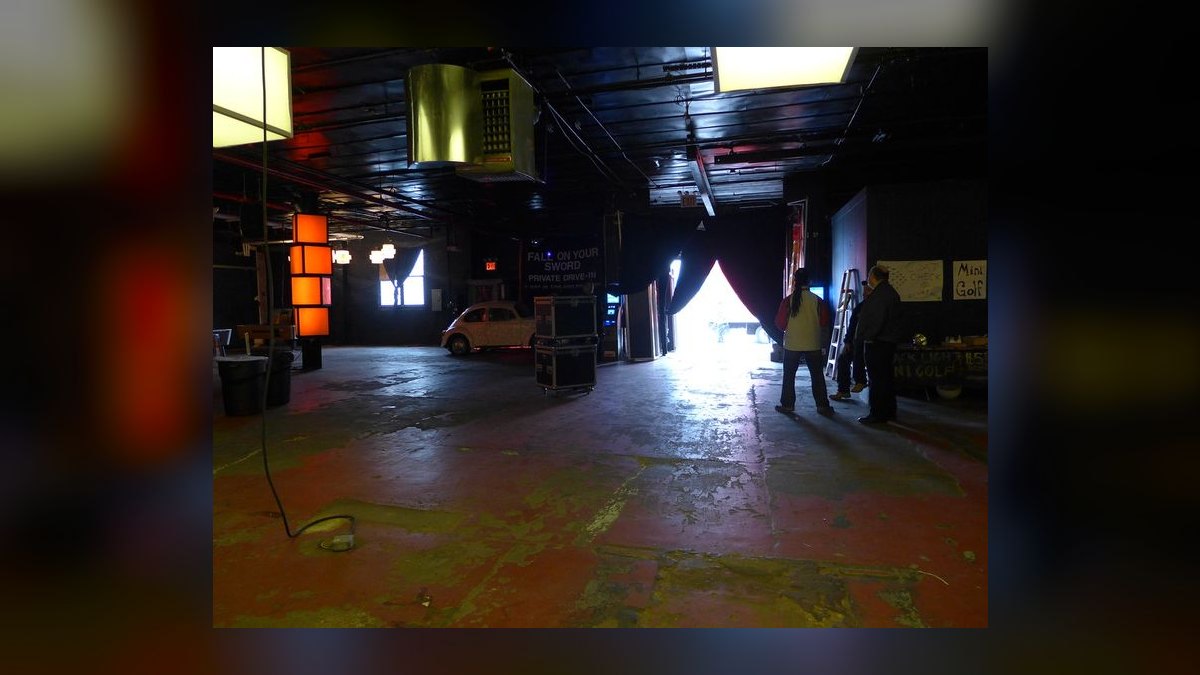
If you missed the chance to negotiate a buyout clause up front, you still hold leverage at expiration — especially when your buildout is high quality and the landlord wants to avoid a dark, empty space. This is where a cash-for-keys agreement or a tenant-improvement credit does the work. Approach the landlord 6 to 12 months before lease end with a straightforward proposal: leave the buildout in place, saving them demolition and new-construction cost, in exchange for a cash payment or rent abatement.
The approach works best under specific conditions. It lands hardest when your buildout is generic and reusable — open floor plans, standard electrical, drop ceilings that fit any tenant — or, conversely, when it includes expensive, hard-to-replicate features like elevated HVAC, reinforced floors, or specialty plumbing that a new tenant would pay dearly to add. High-vacancy markets tilt everything in your favor, because a landlord staring at months of downtime is far more willing to write a check to keep a functional space occupied and turnkey.

Ask for a defined, realistic range. Two to six months of your current rent as a one-time cash payment is a reasonable target, or a rent credit equal to the landlord's avoided demolition cost, which typically runs $15 to $40 per square foot. In a soft market, a 5,000-square-foot space might secure $20,000 to $80,000. Justify the number with photographs of the buildout's condition and, where the value is large, a professional appraisal so you are negotiating from documented worth rather than a round guess.
Avoid one specific trap: never accept a free-rent period that extends past your lease end in lieu of payment. That structure delays your move-out, creates legal ambiguity about your surrender obligations, and can drift into holdover territory. Insist instead on a clean one-time payment or a credit applied to your final months' rent, so the deal closes cleanly and your exit date stays fixed.
Use a sublease or assignment to monetize the build
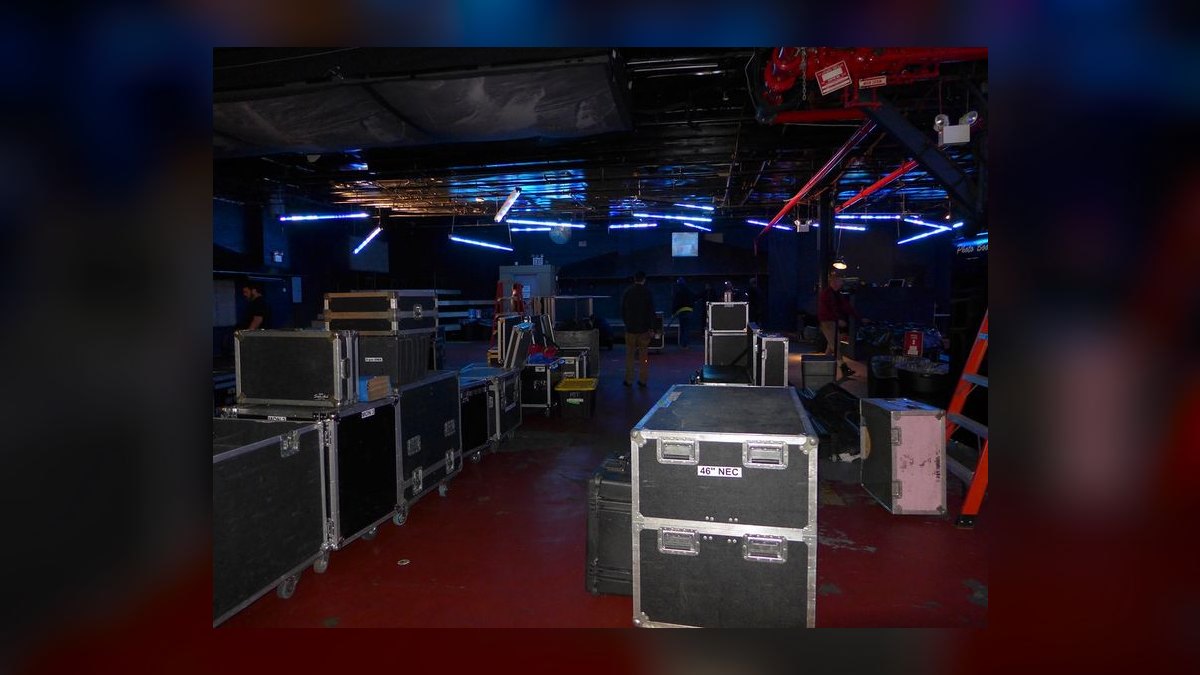
A less obvious but highly effective path is to sell your buildout value through a sublease or lease assignment. It works because the incoming tenant inherits functioning improvements without spending capital on construction, and they will frequently pay for that head start. You negotiate a key-money payment — a lump sum for the right to take over your space and its build — commonly in the $5 to $25 per square foot range, scaling with the buildout's condition and how tight the local market is for that use.
The legal choke point is landlord consent. Your lease almost certainly requires it for any sublease or assignment, so the term you fight for at signing is "consent not to be unreasonably withheld, conditioned, or delayed." That single phrase converts a landlord veto into a reviewable standard. If a landlord then blocks a qualified subtenant who would have paid you for the build, you can argue they are unreasonably impairing your ability to recover value — leverage you simply do not have under an unqualified consent clause. Make sure the sublease document explicitly transfers ownership of the trade fixtures and improvements to the subtenant, so you are not left carrying a future restoration liability on equipment you no longer control.

This path fails when the buildout is too idiosyncratic to have value to anyone else. A law firm's warren of private offices, built-in shelving, and a secured server room may be worth nothing to a generic tenant, and forcing it on a subtenant just transfers a demolition problem. In that case, pivot: instead of trying to sell the build, negotiate a restoration waiver so you at least do not pay to remove it. A landlord may well agree if the improvements are neutral enough to save them their own demolition cost, turning a dead asset into a cost you avoid rather than a check you collect.
Document everything to win the move-out fight
The tenant who keeps records wins the security-deposit and restoration dispute, full stop. Start at the beginning: photograph the space at move-in and again at every installation. Move-in photos prove the condition you inherited, so you are never charged for the prior tenant's damage; install photos prove what you added and establish your trade-fixture ownership. Keep every buildout invoice, contract, and permit — these substantiate both ownership for removal purposes and unamortized value for any buyout or reimbursement claim, and a depreciation schedule built from them strengthens the number you put on the table.

Manage the timeline as carefully as the paperwork. Send written move-out notice on the exact schedule the lease requires, because a missed notice can trigger automatic renewal or holdover penalties that cost far more than the improvements are worth. Holdover rent commonly runs 150 to 200 percent of your base rent, so an exit that drifts a month while you arrange a handoff can erase your entire recovery. Cap holdover terms at signing so an overrun does not become a penalty. Conduct a joint walkthrough with the landlord at surrender and obtain a signed surrender acceptance confirming the condition and that nothing further is owed — that signature ends the dispute before it starts.
Finally, hold the landlord to the deposit-return deadline. Most leases and state statutes require the security deposit be returned within roughly 30 to 45 days of surrender, with any deductions itemized in writing. If the return is late or the deductions are vague, your dated photographs, invoices, and signed surrender acceptance are precisely the evidence that gets the deposit back and defeats a padded restoration charge. Documentation is not busywork — it is the leverage that makes every clause you negotiated at signing actually enforceable at exit.
Related questions
What counts as "reasonable wear and tear" at surrender?
Ordinary aging from normal use — faded paint, minor carpet wear, small nail holes — not damage or alterations. A well-drafted surrender clause excepts wear and tear so you are not charged for the natural deterioration of finishes you installed, only for actual damage beyond normal business use.
Can the landlord force me to remove improvements I paid for?
Only if the lease says so. A restoration or make-good clause can require you to demolish your own buildout at exit. Delete, cap, or waive it at signing; without such a clause, improvements typically stay and you owe nothing to remove them.
How is unamortized tenant improvement value calculated?
Take your total buildout cost, spread it straight-line across the lease term, and subtract the years already used. A $200,000 build on a ten-year lease amortizes at about $20,000 annually, so exiting in year seven leaves roughly $60,000 unamortized and claimable under a buyout or early-termination clause.
Does landlord consent to a sublease have to be reasonable?
Only if your lease says "consent not unreasonably withheld." Without that phrase, many landlords hold an absolute veto. With it, an unjustified refusal that blocks a paying subtenant becomes challengeable, preserving your ability to collect key money for the buildout.
FAQ
What is a trade fixture and why does it matter for getting paid?
A trade fixture is business equipment you install that stays your removable property — shelving, specialized machinery, custom lighting, coolers. Classifying buildout elements as trade fixtures in a lease exhibit lets you retain ownership, take them at exit, or sell them, instead of forfeiting them to the landlord as part of the building.
How do I negotiate payment for leaving my buildout?
Address it in the lease at signing, not at move-out. Include a buyout clause with a formula based on the remaining useful life of the improvements — often 50 to 100 percent of your unamortized cost — and define trigger events, payment timing within 30 to 60 days, and a minimum floor.
What if my landlord refuses to pay for the buildout I leave?
That is common in tight markets. Protect yourself by ensuring the lease lets you remove all trade fixtures at your expense, then sell them to the next tenant or a third party, often for 20 to 60 percent of original cost, rather than abandoning them for nothing.
Can I get paid for permanent improvements like walls or HVAC?
Permanent improvements usually belong to the landlord unless you negotiated a buyout clause or improvement allowance. You can seek a surrender-value payment for a portion of the unamortized cost — commonly 10 to 40 percent, varying widely by market and lease terms — but it must be negotiated, not assumed.
What's the best way to document my buildout costs for future payment?
Keep every invoice, contract, and permit for each item installed, and photograph the space at move-in and at each installation. A professional appraisal at install plus a depreciation schedule strengthens your claim and can support a buyout worth 50 to 80 percent of your total investment.
Is it better to remove my buildout or leave it for payment?
It depends on removal cost versus the landlord's needs. Removing and reselling equipment yourself can yield 30 to 70 percent of value; leaving it for a negotiated buyout might get 40 to 90 percent when the space is desirable to a successor. Always compare removal expense against the offer.
Sources
- https://www.cbre.com/insights
- https://www.jll.com/en-us/insights
- https://www.cushmanwakefield.com/en/insights
- https://www.naiop.org/research-and-publications/
- https://www.boma.org/
- https://www.irem.org/resources
- https://www.nolo.com/legal-encyclopedia/commercial-real-estate-leases
- https://www.uslegal.com/trade-fixtures/
Related on PULSE
- [How Do I Save on Buildout by Taking a Second-Generation Restaurant Space?](/knowledge/bo0233)
- [How Do I Budget a Funeral Home Buildout?](/knowledge/bo0220)
- [How Do I Budget an Ambulatory Surgery Center Buildout?](/knowledge/bo0219)
This page will be disappearing soon. Save it to your device for $1 — or read it free while it is here.
@Kory-White- · if Venmo asks, the last 4 of my number are 2012
 pulse-recentHow Do I Calculate My Real Cost When the Landlord Funds the Buildout in 2027?
 buildoutsWhat Is a Tenant Improvement Loan and Should I Use One?
 buildoutsHow Do I Negotiate a Tenant Improvement Allowance for a Warehouse?
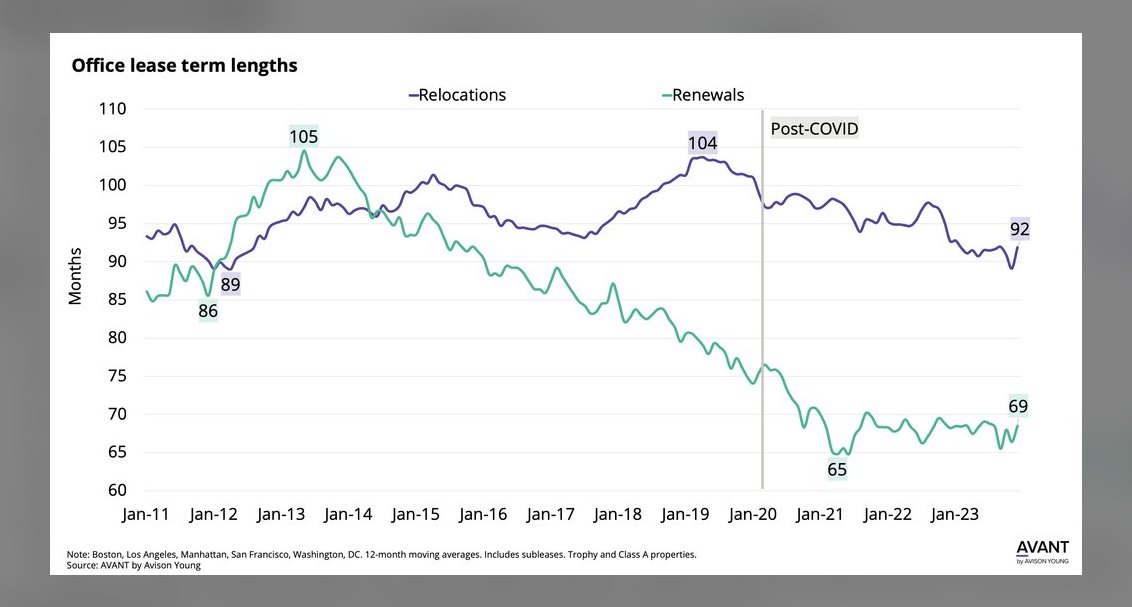 pulse-recentHow much longer does my lease term need to be before a landlord will fund 100% of my buildout instead of a partial allowance in 2027?
 pulse-recentHow do I sequence the concrete steps for a buildout so I don't run out of cash in 2027?
 pulse-recentWhat interest rate does a landlord typically charge when amortizing my TI allowance into rent in 2027?
 buildoutsDo I Need a Grease Interceptor, and What Does It Cost?
 pulse-recentHow do I legally document my landlord's required buildout improvements before signing in 2027?
 pulse-recentHow do I budget a landlord-funded buildout when the TI allowance only covers half the cost in 2027?
 buildoutsMy Use Clause Is Too Narrow — How Do I Broaden It?