
How Do I Budget a Restaurant Buildout Without Overspending?
 Curated byKory White · Fractional CRO · Maryland
 PULSEKNOWLEDGE LIBRARY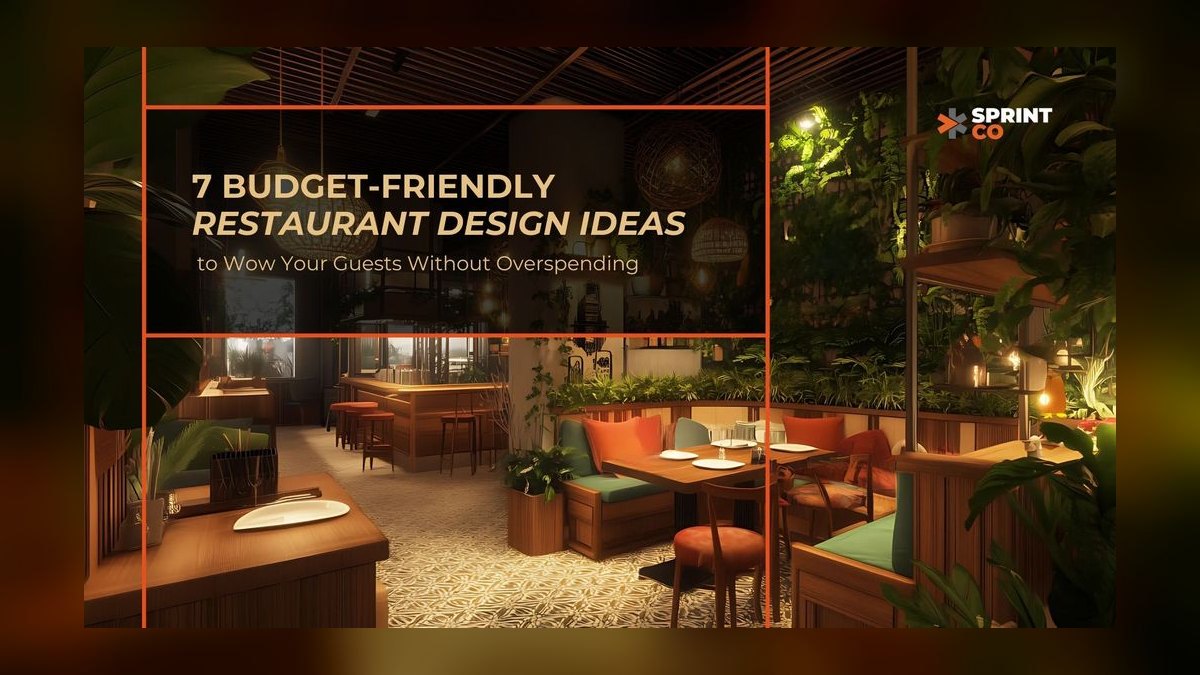
Budget a restaurant buildout at roughly $150–$400 per square foot for a standard sit-down concept, and control overspending by negotiating a tenant-improvement allowance ($30–$80/sq ft), locking a fixed-price contract, carrying a 10–15% contingency, and choosing a second-generation space that already has the hood, grease trap, and utilities.
What a realistic per-square-foot budget looks like
The honest answer is that "restaurant buildout cost" is a range, not a number, and the range is wide because the space you start with matters more than the concept you finish with. For a standard full-service, sit-down restaurant, budget $150–$400 per square foot all-in. A quick-service or limited-menu concept with a small kitchen can land lower; a high-end kitchen with an elaborate hood line, extensive refrigeration, and custom finishes can push $250–$600 per square foot. On a 2,500-square-foot space, that spread means a realistic total anywhere from $375,000 to well over $1,000,000.
Two variables move you within that range more than anything else. First is the condition of the space: a raw "gray shell" or "vanilla shell" with no kitchen infrastructure sits at the high end because you are paying to bring in gas, power, water, ventilation, and drainage from scratch. Second is your local labor and permitting market — the same drawings cost dramatically more in a dense coastal city with slow inspections than in a mid-size metro. Never anchor your budget to a single number you read online. Anchor it to line-item bids from contractors who have built restaurants in your specific city, because those two variables are baked into their numbers and not into a national average.

Where the money actually goes
Buildouts blow budgets in predictable places, so know the breakdown before you start attacking line items. Roughly, a restaurant build splits into a handful of major buckets, and the two most expensive ones live behind the walls where you can't see them.
The kitchen and equipment typically consume 30–40% of the budget — this is the single costliest zone per square foot. Hood and exhaust systems, walk-in coolers and freezers, the cooking line, and a code-compliant grease interceptor stack up fast. Mechanical, electrical, and plumbing (MEP) takes another 20–30%: HVAC sized to handle kitchen heat load, electrical service that can carry ranges and dish machines, gas lines, and plumbing. A space with undersized electrical or no gas service is where surprise five-figure costs appear.

The remaining buckets are more forgiving. Finishes and FF&E (furniture, fixtures, and equipment) run 15–25% and are where concept ambition runs wild — flooring, seating, the bar, lighting, and décor. This is where you can value-engineer hardest without hurting operations. Front-of-house and restrooms are 10–15%, and ADA-compliant restrooms are non-negotiable and often a hidden cost in older buildings. Soft costs — architect, engineer, permits, expediter, design — add another 10–15%, and permits alone can run from a few thousand dollars to $50,000 depending on the jurisdiction. On top of all of it, carry a 10–15% contingency as a separate line.
The takeaway from the breakdown is strategic: the two buckets you must not cheap out on — kitchen and MEP — are also the two you can barely see when you tour a space. That's why site selection, not finish selection, is your biggest budget lever.

Site selection is the biggest lever
The cheapest dollar you'll ever save is the one you don't spend because you picked the right space. Before you fall in love with a location, evaluate it as an infrastructure question first and a real-estate question second.
Hunt for a second-generation restaurant space — a location that was previously a restaurant. It already has the hood, grease trap, gas service, walk-in refrigeration, floor drains, and code-compliant restrooms. Those are the most expensive and time-consuming systems to install, and inheriting them can cut your kitchen build by a large margin and shave months off your timeline. The catch is that inherited systems may be undersized or out of code for your concept, so have a contractor inspect them before you assume the savings are real. Sometimes a former sandwich shop's electrical panel won't carry a full-service kitchen, and the "free" infrastructure needs an upgrade anyway.

Avoid the vanilla-shell trap. A landlord may market a raw space with attractively low rent, but if you're spending a large sum to bring in gas, three-phase power, ventilation, and sewer capacity, the "cheap" rent is a mirage — the total occupancy cost is higher than a pricier second-generation space. Confirm utility capacity in writing before you sign. Get the landlord to document available electrical amperage, gas line size, and water and sewer capacity as part of the lease. Discovering after signing that you need a transformer upgrade or a new sewer tap is a classic budget killer, and by then you have no leverage.
Negotiating the lease to fund your build
The lease is a construction-budget document as much as a rent document, and the tenant-improvement allowance is the most underused cost lever in the whole process. Tenant-rep brokers negotiate these on every deal, and you should treat the landlord's first offer as an opening bid, never a ceiling.

A tenant-improvement (TI) allowance is money the landlord contributes toward your buildout, usually expressed per square foot. Typical ranges run $30–$80 per square foot, higher in competitive markets or for strong-credit tenants. On a 2,500-square-foot space, an allowance in that range directly offsets a meaningful slice of your hard costs — money that comes off your out-of-pocket total. Pay close attention to *how* it's paid. Reimbursement after completion ties up your cash until you finish and submit lien waivers; progress draws during construction protect your cash flow. Landlord-managed TI means the landlord controls the build, which is sometimes slower and padded; tenant-managed TI with reimbursement gives you control but requires you to float the money. Some landlords offer "extra" TI amortized into your rent at interest — treat that as a loan and compare it against a real construction loan before accepting it.
Negotiate free rent during construction on top of TI. Restaurants take months to build out, and paying rent on a space you can't yet operate is pure bleed — often several thousand dollars a month for a construction site. A rent-abatement period of three to six months during buildout keeps that money in your project instead of the landlord's pocket. Finally, read the strings: some allowances are clawed back if you default early, and many expire if you don't draw them within a set window after signing.

Controlling the build with contract discipline
Once the lease is signed and construction starts, overspending comes from loose contracts and scope creep. The single best cost control is a complete, permit-ready set of plans before anyone picks up a tool, because every decision you defer becomes a change order at a premium.
Get competitive bids and lock the scope. Put the project out to at least three licensed commercial general contractors with restaurant experience, and give each one the identical scope so the bids are truly comparable. A wide spread between bids usually means someone misread the drawings — information you want before signing, not after. On contract structure, a fixed-price (lump-sum) contract shifts overrun risk to the GC but tends to include padding for unknowns; a guaranteed maximum price (GMP) contract caps your exposure while sharing any savings. Avoid open-ended cost-plus contracts, which have no ceiling and reward overruns. Require a detailed schedule of values so you can see exactly what each trade costs and catch padding line by line.

Protect the downstream, too. Make change orders require written approval before work proceeds — verbal "while we're in here" requests are how budgets quietly double. Hold 5–10% retainage until punch-list items are done, so the crew has a financial reason to actually finish. Value-engineer the *finishes*, never the *systems*: save on décor, custom millwork, and imported tile, but do not cut corners on the hood, refrigeration, or HVAC, because those failures cost you revenue and health-code citations. In slow-permitting cities, a permit expediter's fee can pay for itself in saved rent by getting you open weeks sooner.
Building the contingency and phasing spend
Carry a 10–15% contingency on top of your hard-cost estimate — higher, toward 20%, for older buildings or aggressive timelines. This isn't a luxury line; it's the buffer that keeps one bad surprise from stalling the entire project mid-build. Buildouts routinely uncover old wiring, failing plumbing, undersized grease traps, and code-required upgrades, and a contingency is what lets you absorb those without renegotiating your whole loan. Treat the contingency as untouchable until a genuine surprise appears — don't let it quietly fund a nicer bar.

You can also stage spending to protect cash. Leasing equipment like walk-ins, ranges, and POS systems instead of buying outright preserves capital for the fixed buildout, though you pay more over time. Opening with a tighter menu means you don't over-build kitchen capacity you won't use in year one — you can always add a station later. And phasing the dining room, finishing the essential seating first and deferring a patio or private room, lets you open and generate revenue sooner. The goal is to spend the minimum required to open a profitable, code-compliant operation, then reinvest earnings into the build's second phase rather than borrowing for all of it up front.
Where budgets get ambushed
Overruns rarely come from the line items you planned for — they come from what's hidden behind the walls and under the floor. Budget defensively for the usual ambush costs, and get a code review from a contractor or architect *before* you sign, so you learn about these while you still have negotiating leverage.

The recurring surprises are grease interceptor and plumbing work in a non-restaurant space, which can require a new grease trap, additional floor drains, and a larger water line; HVAC and make-up air, because commercial hoods require make-up air units to replace exhausted air, and an undersized existing system often needs full replacement; and electrical service upgrades, because ranges, walk-ins, and dish machines can exceed an existing panel's amperage, forcing a service upgrade and new circuits. The most expensive category is code and ADA compliance: pulling a permit in an older building can trigger restroom upgrades, ramps, fire-sprinkler additions, and energy-code work — sometimes across the whole suite, not just the area you're renovating. What the landlord calls "turnkey" and what you call "ready to cook" are frequently very different documents. The single decision that avoids most of this is choosing a second-generation space where the hood, drains, and service already exist and merely need verification.
Related questions
How much cheaper is a second-generation restaurant space?
It varies, but inheriting the hood, grease trap, drains, gas service, and refrigeration — the most expensive infrastructure — can meaningfully reduce your kitchen build and cut months off the timeline. Verify the systems are correctly sized and in code for your concept before assuming the savings hold.
Should I sign a fixed-price or GMP construction contract?
Fixed-price shifts overrun risk to the GC but includes padding for unknowns; a guaranteed maximum price caps your exposure while sharing savings and shows you a transparent schedule of values. Avoid open-ended cost-plus. For restaurants with many unknowns, GMP with a solid contingency often balances risk best.
How long a rent-free buildout period should I negotiate?
Aim for three to six months of rent abatement during construction, since that is roughly how long a full buildout takes. You're paying nothing to operate a construction site, and every month of free rent keeps money in your buildout budget instead of the landlord's pocket.
Is leasing kitchen equipment smarter than buying?
Leasing preserves capital for the fixed, unrecoverable buildout costs and spreads equipment expense over time, which helps cash flow at opening. You pay more over the full term, so lease to protect launch liquidity, then reassess buying key items outright once the restaurant is stable and generating cash.
FAQ
What does a restaurant buildout actually cost per square foot? For a standard sit-down concept, budgets commonly land in the $150–$400 per square foot range, with full-service kitchens pushing toward the high end and quick-service or limited-menu spots coming in lower. Custom finishes and heavy mechanical work drive it higher. Your real number depends on the space's existing condition, your local labor market, and how much kitchen equipment you're installing. Get line-item bids before committing to any single figure.
Is it cheaper to take over an existing restaurant space? Usually yes — a second-generation space that already has hoods, grease traps, and plumbing can save a large share of the most expensive infrastructure. The catch is that inherited systems may be undersized or out of code for your concept, so inspect them before assuming savings. Occasionally a clean shell with a generous tenant-improvement allowance ends up cheaper than retrofitting someone else's bad layout. Have a contractor walk the space first.
What's a tenant-improvement allowance and how does it affect my budget? A TI allowance is money the landlord contributes toward your buildout, typically expressed as a per-square-foot amount. It directly offsets your out-of-pocket construction cost, so negotiating it is one of the highest-leverage things you can do on a lease. Read how it's paid — reimbursement after completion versus draws during construction changes your cash-flow needs significantly. Never assume the first offer is the ceiling; TI is negotiable.
How much should I hold back as a contingency? Plan on 10–15% of your construction budget, and lean toward 20% for older buildings or tight timelines. Buildouts routinely uncover surprises — old wiring, failing plumbing, code upgrades — so a contingency reserve is essential rather than optional. If you don't spend it, great; if you do, you've avoided stalling the project mid-build. Treat the contingency as untouchable until a genuine surprise appears.
What are the biggest line items that blow restaurant budgets? Kitchen equipment, HVAC and ventilation, plumbing, and electrical service tend to be the costliest and most surprise-prone categories, because they live behind the walls where you can't inspect them on a tour. Permitting delays and code-required upgrades quietly inflate the total. Finishes and décor get the attention, but the systems are where overspending usually happens. Prioritize bids and inspections on the mechanical systems first.
Should I get multiple contractor bids before budgeting? Yes — comparing several detailed, line-item bids is the most reliable way to set a realistic budget and spot outliers. Bids that vary widely often reveal different assumptions about scope, materials, or what's included, which is information you want before signing. Cheapest isn't always best; weigh the contractor's restaurant experience and references too. Use the bids to build your number, not just to pick a name.
Sources
- https://www.rsmeans.com
- https://www.gordian.com
- https://restaurant.org
- https://www.cbre.com
- https://www.jll.com
- https://www.cushmanwakefield.com
- https://www.naiop.org
- https://www.boma.org
- https://www.sba.gov
Related on PULSE
- [How Do I Budget a Sushi Restaurant Buildout?](/knowledge/bo0165)
- [How Do I Save on Buildout by Taking a Second-Generation Restaurant Space?](/knowledge/bo0233)
- [How Do I Negotiate a Cannabis Dispensary Lease Without Getting Gouged?](/knowledge/bo0116)
- [How Do I Do a Sale-Leaseback Without Getting Burned?](/knowledge/bo0042)
- [How Do I Get Out of a Commercial Lease Early Without Paying a Fortune?](/knowledge/bo0010)
- [How Do I Budget a Funeral Home Buildout?](/knowledge/bo0220)
Recently Added — Related
- [How Do I Budget a Cleanroom or Lab Buildout?](/knowledge/bo0196)
- [How Do I Budget a Comic, Game, or Hobby Store Buildout?](/knowledge/bo0212)
This page will be disappearing soon. Save it to your device for $1 — or read it free while it is here.
@Kory-White- · if Venmo asks, the last 4 of my number are 2012
 buildoutsHow Do I Budget a Comic, Game, or Hobby Store Buildout?
 buildoutsHow Do I Budget a Florist Shop With a Walk-In Cooler Buildout?
 buildoutsHow Do I Budget a Gym or Fitness Studio Buildout?
 buildoutsHow Do I Budget a Distillery Buildout?
 buildoutsHow Do I Budget a Cold Storage Warehouse Buildout?
 buildoutsHow Do I Budget a Chiropractic Clinic Buildout?
 buildoutsHow Do I Negotiate a Lease and Buildout for a Tattoo Studio?
 buildoutsHow Do I Budget and Site a Self-Storage Facility?
 buildoutsHow Do I Budget a Coffee Roastery Buildout?
 buildoutsHow Do I Budget a Commissary or Shared Kitchen Buildout?