
How Do I Phase Rent to Match My Ramp-Up Revenue?
 Curated byKory White · Fractional CRO · Maryland
 PULSEKNOWLEDGE LIBRARY
Phase rent by tying your obligation to when revenue arrives, not when you sign. Stack three tools: negotiate abated (free) rent during buildout and early ramp, layer stepped rent that opens low and climbs as you mature, and add percentage rent so the landlord shares your ramp-up risk.
The three levers that reshape rent around cash
Phasing rent is about reshaping the *timing* and the *shape* of your payments so the meter follows your cash instead of the lease-signing date. Three instruments do almost all of the work, and the real skill is stacking them rather than choosing one.
Free (abated) rent is a window at the front of the term where you pay little or no base rent — sometimes zero base, occasionally with reduced operating expenses too. It exists to cover the buildout and the first ramp months, exactly when revenue sits closest to zero. A common rule of thumb is roughly one free month per year of term: three to six months free on a five-year deal, and up to twelve months on a ten-year deal, with more available in soft, tenant-favorable markets where landlords are competing to fill space.

Stepped (graduated) rent keeps you paying throughout the term but opens the base rate low and escalates it on a fixed schedule. Steps arrive either as flat-dollar bumps — often $1 to $2 per square foot per year — or as fixed percentages, typically 2.5% to 3.5% annually. The point is to front-load affordability into your lean early years — say $20 per square foot in year one climbing to $28 by year five — instead of a flat rate that crushes you before you have built the revenue to carry it.
Percentage rent ties part of your payment to actual sales. You accept a reduced base rent plus a percentage of gross sales above a threshold called the breakpoint. It is most common in retail, often at 5% to 8% of sales over a natural breakpoint, and it is the purest form of risk-sharing: a slow month costs you less rent, a strong month costs more, and the landlord's upside is bolted directly to your performance.
The winning structure usually combines all three — free rent for the fit-out and first ramp months, a low stepped base that grows into your maturity, and, if your early sales are lumpy or seasonal, a percentage component so a single soft quarter does not break the lease.

Run the real numbers on net effective rent
Phasing only helps if the *total* deal economics work, so never negotiate on the headline number alone — always compute the net effective rent (NER). NER is the total rent you actually pay across the entire term, net of every concession, divided by the term length and the square footage. It is the single figure that lets you compare offers honestly, and it is the figure landlords themselves negotiate against internally.
Concessions move NER dramatically. A quoted face rate of $28 per square foot with six months free and a $50-per-square-foot tenant improvement allowance can carry a lower true cost than a $24 quote with no concessions at all, because the free months and the landlord-funded buildout both erase real dollars you would otherwise spend. That is why comparing face rates across competing spaces is a trap — you are comparing marketing numbers, not economics.

A few working principles for the model:
- Trade face rate for concessions when you are cash-constrained. Free rent and a fat improvement allowance preserve early cash even if the headline rate ticks up. During ramp, cash today is worth far more than a slightly lower average rate over the term.
- Model your ramp explicitly. Lay your projected monthly revenue against the proposed rent schedule and confirm rent never exceeds a sustainable share of sales. A common retail target is keeping rent at or under 8% to 12% of gross sales at *every* point in the schedule, not just at maturity.
- Compare deals on NER, not face rate. Two spaces with identical $26 quotes can differ by several dollars of NER once you fold in free months, escalators, and improvement dollars. The one with the lower NER is genuinely cheaper, full stop.

Bringing an NER model to the table also changes the negotiation dynamic. When you can show the landlord that a higher face rate with more free rent nets them the same or better, you make it easy for them to say yes to the structure that protects your cash. Everyone signs on the economics rather than the optics, and you walk out with the phasing you actually needed.
How not to get clawed back by the fine print
Rent phasing is full of clauses that *look* like concessions but quietly reclaim the money later. The structure only protects you if the surrounding language does not undo it, so read the fine print with these traps in mind.
Deferred rent disguised as free rent. "Abated" months that are really *deferred* — repaid later, or repaid in full the moment you default — are not a concession, they are a loan. Insist that abated rent is truly forgiven, not quietly added to the back end of the term.

The recapture-on-default clause. Many leases let the landlord reclaim every dollar of granted free rent and improvement allowance if you ever default. Negotiate to limit any recapture to the *unamortized* portion of the concession, not the entire amount, so a single late stumble does not detonate years of granted value.
Operating expenses during "free" rent. Free *base* rent under a triple-net (NNN) structure often still leaves you paying common area maintenance (CAM), property taxes, and insurance. Clarify precisely what is abated, and push to abate operating costs during the fit-out period too, when the space produces nothing.

Breakpoint games in percentage rent. An artificially *low* breakpoint makes you hit percentage rent far too early, converting a risk-share into a surcharge. Demand a natural breakpoint — base rent divided by the percentage rate — and audit the sales-reporting definitions so nothing gets counted twice.
Escalators that outrun your ramp. A low start paired with a 5%-plus annual step can overtake your revenue growth within a couple of years. Cap escalations at 2.5% to 3.5%, or tie them to fixed dollar amounts you can forecast.
Rent commencement tied to signing. If the clock starts at lease execution instead of at delivery, you pay for a space you cannot yet use. Tie commencement to delivery of the space plus a defined fixture period.

Use improvement allowance and commencement timing as cash tools
Two structural levers preserve ramp-stage cash well beyond the rent schedule itself, and each deserves as much attention as the base rate.
The first is the tenant improvement (TI) allowance — money the landlord contributes toward your buildout, commonly $30 to $100-plus per square foot depending on use, market, and how much work the space needs. Getting the landlord to fund construction means you are not draining the cash you need for inventory, staff, and marketing during the exact months when revenue is weakest. When cash is tight, it is often smart to negotiate *extra* allowance and amortize it back into rent. You are effectively financing the buildout at the landlord's cost of capital, which usually beats burning your own working capital or taking on higher-cost debt.

The second lever is the rent-commencement date. Anchor it to certificate of occupancy plus a 30-to-90-day fixture and stocking period, not to lease signing. If the landlord's own improvement work runs late, your free-rent clock should not be burning while you physically cannot open the doors. A late, well-defined commencement date can be worth more to a ramping business than a lower face rent, because every additional pre-opening month at zero rent is a month you keep your cash.
Used together, a strong improvement allowance and a delayed commencement date attack the ramp problem from both sides: one keeps buildout costs off your books, the other keeps the rent meter switched off until the space can actually generate the sales that pay for it. Neither shows up in a face-rate quote, which is exactly why they are so often left on the table by tenants who negotiate on the headline number.

Calculate the phase-in schedule from a rent-to-revenue ratio
Work backward from a defensible rent-to-revenue ratio rather than guessing at step amounts. Most retail and service businesses target rent at roughly 6% to 10% of gross revenue; restaurants often run 8% to 12%; high-margin professional offices can comfortably absorb less. Pick the ceiling ratio appropriate to your model and treat it as a hard cap the rent schedule must never cross during the lean early months.
Then build a *conservative* month-by-month revenue ramp — not your pitch-deck hockey stick, but a number you would still hit if the opening quarter disappoints. Multiply each month's projected revenue by your target percentage, and you have the maximum rent you can carry in that window. Size each free-rent month and each step so the scheduled rent stays under that line the entire way up. If a proposed step pushes rent above the cap in, say, month fourteen, you either stretch the abatement, flatten the escalator, or move the step later — the schedule bends to the ramp, not the reverse.
A simple, persuasive way to structure the ask: list projected monthly revenue for years one through three, apply your target percentage, and bring that one-page model to the negotiation. Landlords concede far more readily to a tenant who shows the math than to one who simply asks for "a break." You are reframing abatement as risk management for both sides — a tenant who survives ramp-up is a tenant who renews, and a renewing tenant is worth more to a landlord than a few months of early rent extracted from a business that then fails and leaves the space dark.

When phasing isn't the right move
Phased rent solves a *timing* mismatch — it does not fix a deal you cannot afford even at maturity. If your stabilized rent still blows past 10% to 12% of realistic revenue once you are fully ramped, phasing just buys you a slow-motion problem instead of runway. In that situation, push on the *size* of the obligation instead: negotiate a smaller footprint, a shorter initial term with renewal options, or a co-tenancy or kick-out clause that lets you exit cleanly if sales never reach the threshold that justifies the space.
Phasing also makes less sense for businesses with near-instant revenue. An established franchise relocating an existing book of business, or a service firm moving a full client roster into a new suite, has no real ramp to match — a flat rate plus a modest improvement package is simpler, and often cheaper over the full term, than an elaborate abatement-plus-percentage structure. The discipline is to match the tool to the actual ramp: heavy phasing for a genuine standing start, light structure for revenue that arrives on day one. Reaching for a complex phased deal when you don't need one just hands the landlord more clauses to load, and more places for a clawback to hide.
Related questions
How much free rent is standard on a commercial lease?
Roughly one free month per year of term is a common benchmark — three to six months on a five-year deal, up to twelve on a ten-year deal. Soft, tenant-favorable markets push those numbers higher, while tight markets shrink them.
What is a natural breakpoint in percentage rent?
It is the sales threshold above which percentage rent kicks in, calculated as base rent divided by the percentage rate. A natural breakpoint keeps the structure fair; an artificially low one forces you into overage payments before your sales justify them.
Should I take a higher improvement allowance or lower rent?
When cash is tight during ramp, a higher improvement allowance usually wins — it keeps construction costs off your working capital when you need it most. Amortizing extra allowance into rent finances the buildout at the landlord's cost of capital, often cheaper than your alternatives.
Does phased rent mean I pay less overall?
Not necessarily. Phasing shifts *when* you pay, not always *how much* — landlords frequently recover early concessions through higher rent later. Always compute net effective rent across the full term so you know the true total cost before you sign.
When should I bring in a broker or attorney?
For any structure combining abatement, steps, and percentage rent, professional help usually pays for itself. A tenant-rep broker benchmarks realistic concessions in your market, and a real estate attorney catches recapture and calculation traps that the interacting clauses tend to hide.
FAQ
What's the difference between free rent and stepped rent? Free rent (a rent abatement) is a period at the start of your lease where you pay little or no base rent, buying breathing room while revenue is near zero. Stepped rent keeps you paying throughout but starts the base rate low and bumps it on a set schedule as your business matures. Many phased deals combine the two — abate the opening months, then step up from there.
Will a landlord actually agree to phase my rent? It depends on the market, the landlord, and how strong your overall deal looks. Landlords are more open to concessions when space is harder to lease, when you sign a longer term, or when you bring solid financials or a guarantor. Frame it as protecting their tenant from failing early rather than as a discount, and you will get a better hearing.
How does percentage rent work in a phased structure? Percentage rent ties part of your payment to actual sales, so the landlord earns more as you ramp and less while you are still building. It is usually paired with a lower base rent and a breakpoint — a sales threshold above which the percentage kicks in — which naturally aligns the rent obligation with when revenue actually arrives.
Is phased rent the same as a lower total rent? Not necessarily. Phasing shifts when you pay rather than guaranteeing you pay less overall, and landlords frequently recover early concessions through higher rent later in the term. Run the numbers across the full lease using net effective rent, not just the opening months, so you understand the true total cost.
What should I watch out for in the fine print? Look closely at how abated rent is treated if you default — some leases make you repay every "free" month through a recapture or clawback clause. Also check whether step increases are fixed amounts or open-ended, and how percentage rent is calculated and audited. The structure only protects you if the surrounding terms don't quietly undo it.
Should I get a broker or attorney involved? For a phased structure with abatement, steps, and percentage rent, professional help is usually worth it because the interactions between clauses are easy to misjudge. A tenant-rep broker can benchmark realistic concessions in your market, and a real estate attorney can catch recapture and calculation traps. Weigh their cost against the size and length of the lease you're signing.
Sources
- https://www.cbre.com/insights
- https://www.jll.com/en-us/insights
- https://www.cushmanwakefield.com/en/united-states/insights
- https://www.naiop.org/research-and-publications
- https://www.irem.org/learning/knowledge-base
- https://www.boma.org
- https://www.sba.gov/business-guide/manage-your-business/buy-lease-commercial-space
- https://www.nolo.com/legal-encyclopedia/commercial-real-estate-leases
Related on PULSE
- [How Do I Phase a Buildout to Spend Less Cash Up Front?](/knowledge/bo0032)
- [How Do I Structure Rent for a Seasonal Business?](/knowledge/bo0230)
- [How Do I Get Utilities Delivered Before My Rent Clock Starts?](/knowledge/bo0128)
- [How Do I Negotiate a Tenant Allowance Into Lower Rent Instead?](/knowledge/bo0134)
- [How Do I Get Rent Relief When My Business Is Struggling?](/knowledge/bo0122)
- [How Do I Renegotiate a Lease Mid-Term When I Can't Afford the Rent?](/knowledge/bo0121)
This page will be disappearing soon. Save it to your device for $1 — or read it free while it is here.
@Kory-White- · if Venmo asks, the last 4 of my number are 2012
 buildoutsHow Do I Structure Rent for a Seasonal Business?
 pulse-recentHow much does a landlord-funded tenant improvement allowance typically cover per square foot in 2027?
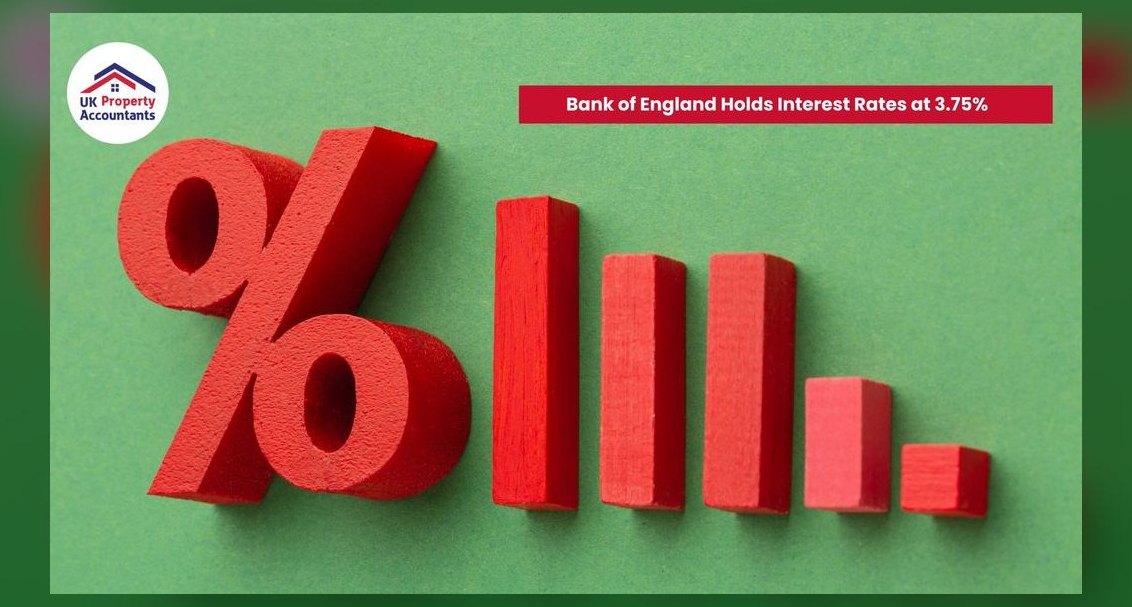 pulse-recentWhat interest rate do landlords typically charge when they amortize a TI allowance into rent instead of paying it as cash in 2027?
 buildoutsInstitutional vs Mom-and-Pop Landlord: How Do I Negotiate Each?
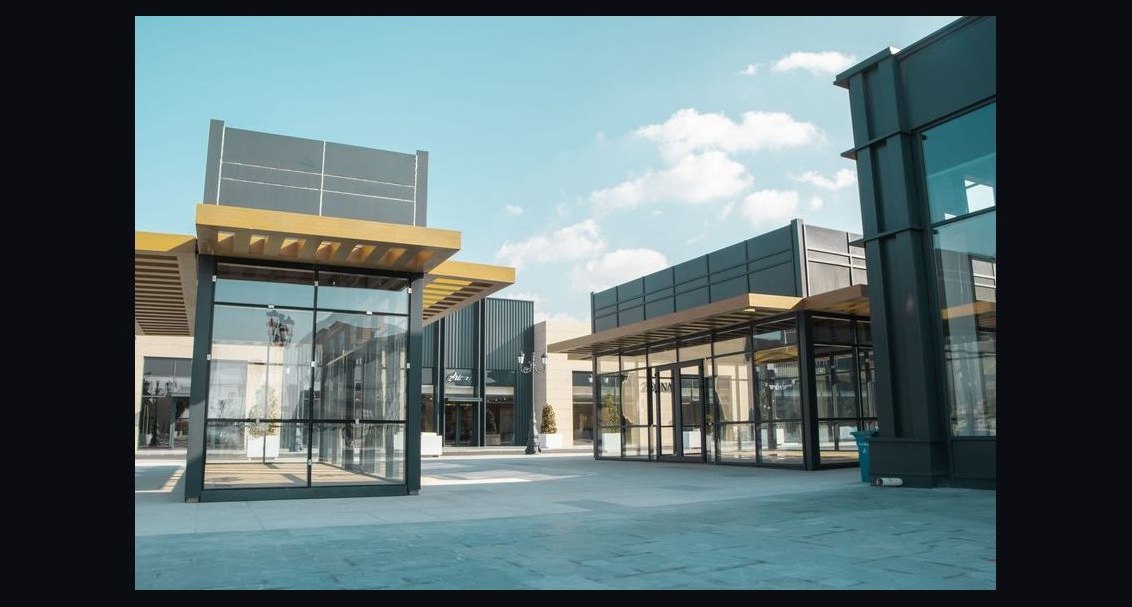 pulse-recentHow much does a landlord typically mark up rent per square foot to fully fund a turnkey buildout instead of giving me a TI allowance in 2027?
 pulse-recentWhat interest rate should I expect if the landlord amortizes my TI allowance into rent instead of paying it upfront in 2027?
 buildoutsHow Do I Negotiate Exclusive-Use and Co-Tenancy Clauses?
 pulse-recentHow do I calculate a realistic landlord-funded buildout budget for a retail space in 2027?
 buildoutsWhat Happens to My Lease in an Eminent Domain / Condemnation?
 pulse-recentHow much does a 10,000 SF medical office buildout cost per square foot in 2027?