
What Do I Do With a Landlord Who Won't Make Repairs?
 Curated byKory White · Fractional CRO · Maryland
 PULSEKNOWLEDGE LIBRARY
Document everything in writing, then use the remedy your lease and state law allow — repair-and-deduct, rent withholding into escrow, or a constructive-eviction exit — rather than just suffering. Send a certified written demand with a reasonable cure period, and never stop paying rent loosely; route withheld rent to escrow to keep leverage.
Read your lease before you do anything else
Your remedy is dictated by the lease, so start there. In a residential tenancy, an implied warranty of habitability makes the landlord responsible for keeping the unit safe and livable — heat, water, working plumbing, structural soundness, and freedom from vermin — regardless of what the lease says. Commercial leases are different and far more one-sided: they shift a great deal of repair and maintenance duty onto the tenant, and there is usually no implied warranty of habitability to fall back on.
Open the lease and find three sections. First, the repair and maintenance clause: it should divide responsibility, typically assigning the roof, foundation, structure, exterior walls, and building systems (HVAC, electrical, plumbing to the point of entry) to the landlord, and interior fixtures and cosmetic upkeep to the tenant. Second, the default and cure clause: it tells you how much written notice the landlord is entitled to and how long they have to cure before you can act — often 14 to 30 days for ordinary defects, "promptly" or 24 to 48 hours for emergencies. Third, the remedies clause, which may grant or bar self-help, offset, and abatement.
If the repair is genuinely the landlord's obligation under the lease, you have leverage. If the lease makes it your obligation, no remedy against the landlord exists, and you simply fix it yourself. Do not skip this step — tenants who withhold rent over a repair the lease made *their* responsibility hand the landlord a clean eviction. Match the defect to the duty first, then choose the remedy that fits.
Build a paper trail that actually wins
Every remedy below rests on proof that you demanded the repair and the landlord failed to act. Build that record before you spend a dollar or withhold a cent.
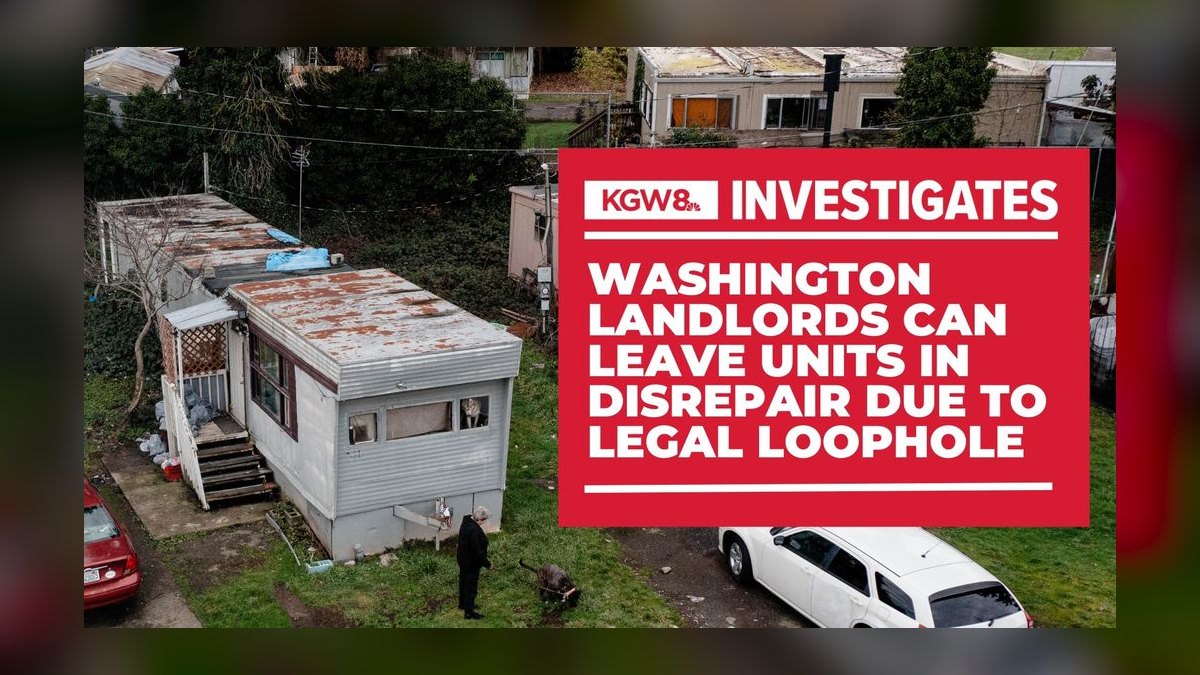
Send written notice by certified mail with return receipt requested. Email alone is weaker evidence and easier for a landlord to claim they never saw. In the letter, state the specific defect, cite the lease section (or the habitability statute) that makes it the landlord's duty, describe the harm — to your health, your family, your inventory, or your business operations — and set a clear, dated cure deadline that matches what the lease or state law requires.
Alongside the letter, keep:
- Dated photos and video of the defect and of any damage it caused — water-stained drywall, spoiled refrigerated stock, a buckled floor.
- Two or three contractor estimates, which later prove any repair cost you incur was reasonable rather than gold-plated.
- Records of business or living impact — closed days, lost revenue, hotel nights, medical visits — because these support a damages claim.
- A follow-up demand if the first deadline lapses, restating the breach and naming the remedy you intend to use next.

A landlord who ignores a documented, certified demand has handed you leverage; a court will read that silence as a breach. Without the paper trail, every remedy that follows gets slower, weaker, and riskier. The paperwork is not busywork — it is the foundation the rest of your case stands on.
Repair-and-deduct: the fastest money-saving move
When your lease has a self-help clause or your state's repair-and-deduct statute applies, this is usually the cleanest fix. You hire a contractor, pay the invoice, and offset the cost against your next rent. On a $2,000 water-heater replacement the landlord owed but refused, that is $2,000 taken straight off the rent you owe — not a reimbursement check you chase for months and may never see.
Do it carefully, because sloppy self-help can flip you into the defaulting party:
- Confirm the right exists. Either the lease grants offset, or your state statute permits it. California's Civil Code § 1942, for example, lets a residential tenant repair and deduct after giving the landlord reasonable notice — but caps the deduction at one month's rent and limits its use to twice in any 12-month period. Other states set flat-dollar caps or half-a-month limits; some, like Texas, have no repair-and-deduct statute at all, leaving you to rely purely on lease terms and common-law remedies.
- Give the required notice and cure window first, exactly as the lease or statute specifies. Acting before the window closes usually voids the remedy.
- Use a licensed, insured contractor. Keep itemized invoices and lien waivers, and keep the repair scope reasonable and necessary — courts will not back a luxury upgrade dressed up as a necessary fix.
- Send a written notice of offset with the paid invoice attached, stating you are deducting the specific amount from your next rent payment.
Watch the caps. If the repair exceeds the statutory or lease limit — say a $6,000 furnace against a one-month-rent cap of $2,500 — you cannot deduct the whole thing at once. Spread the deduction across successive months if the rules allow, send a fresh written offset notice each time, and consider escrow or a lawsuit for the balance. Repair-and-deduct is powerful precisely because it is fast and self-executing, but that same speed punishes anyone who skips the notice, blows the cap, or over-repairs.

Rent escrow: withhold with leverage, not with risk
When the lease bars self-help, when the defect is too large or dangerous to fix yourself, or when your state routes tenants through the courts, the play is to withhold rent into escrow — never into your own pocket.
The distinction is everything. A tenant who simply stops paying looks like a deadbeat and gets evicted. A tenant who deposits full rent into a neutral account each month is demonstrably ready, willing, and able to pay — they are only refusing to hand the money over until the landlord performs. That posture strips the landlord of an easy nonpayment eviction and puts the pressure back where it belongs.
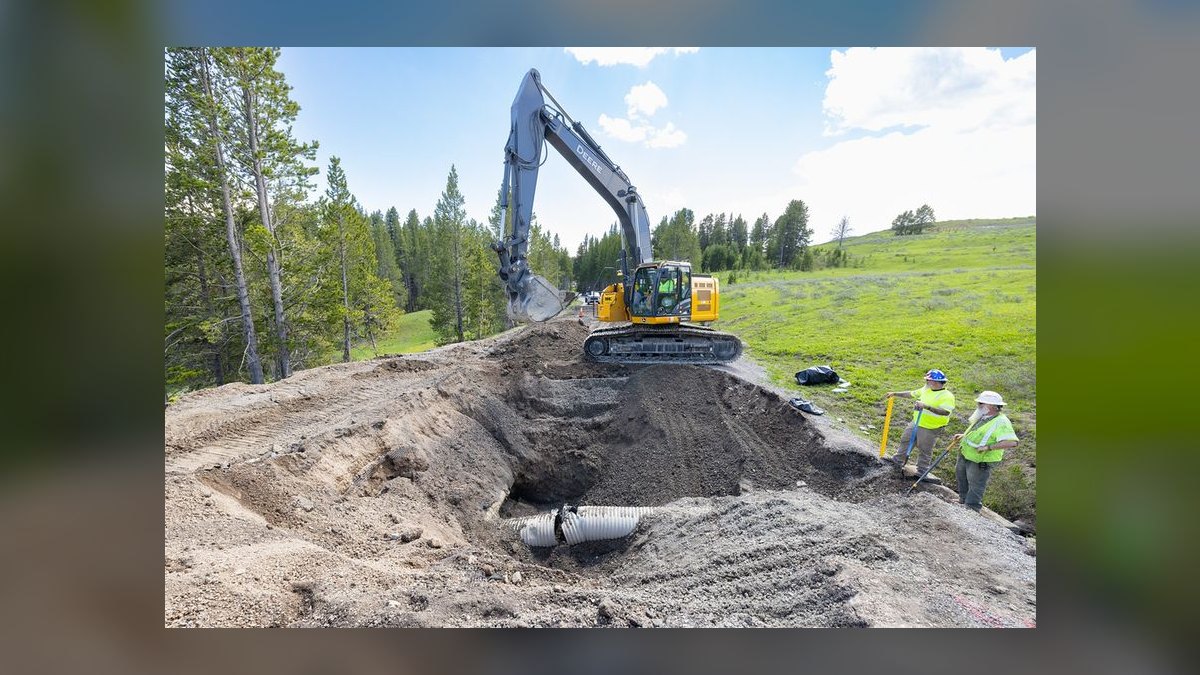
The mechanics vary by state but generally look like this:
- File a petition in your local housing or small-claims court and pay rent into the court registry, or, where allowed, into a separate attorney trust account. Notify the landlord in writing.
- Prove the defect is serious — one that affects health or safety, such as no heat in winter, no running water, active leaks, electrical hazards, or mold. Cosmetic complaints like peeling paint rarely qualify.
- The court orders an inspection and sets a repair timeline, often 10 to 30 days. If the landlord makes the repairs, the escrowed funds are released to them. If they do not, the court may return the money to you, order abatement, or direct the landlord to cover alternative housing.
- Illinois, for instance, requires written notice and a 14-day cure period before a tenant can pursue certain repair remedies; New York generally routes habitability disputes through housing court rather than unilateral withholding.
Two rules keep this safe. First, follow your jurisdiction's procedure exactly — pay into escrow *as ordered*, not on your own improvised schedule, or you forfeit the protection. Second, keep documenting: photos, certified-mail receipts, and every email, because the judge will demand proof of your good-faith effort before ruling in your favor. Escrow buys you time and leverage without the eviction risk that raw withholding invites.
Escalation: abatement, damages, specific performance, and the exit
If the landlord still refuses after demand, self-help, or escrow, you have heavier tools — and one final exit.
Rent abatement is a reduction in rent for the period the premises were impaired or partly unusable. It can be negotiated into a settlement or ordered by a court, and it compensates you for the diminished value of what you were paying for. If a storefront's HVAC failed for two summer months, an abatement recognizes you were paying full rent for a space you could barely use.

Damages let you recover the concrete losses the unrepaired defect caused — lost profits, spoiled inventory, ruined equipment, business-interruption costs, or in a residential context, medical bills and temporary lodging. This is where your business-impact records earn their keep. Small-claims court handles modest amounts without a lawyer; larger or documented losses may justify a full civil suit.
Specific performance is a court order compelling the landlord to actually make the repair. It is most useful for structural or systemic problems only the owner can fix — a failing roof, a foundation issue, a building-wide system — where money alone does not solve the problem.

Constructive eviction is the exit. When the landlord's failure to repair renders the space unfit for its intended use — no heat in a restaurant, a collapsed ceiling, sewage backup, a failed roof over warehouse stock — you may be able to terminate the lease and walk away without further liability. Courts generally require three things: the defect was genuinely serious, you gave written notice and a reasonable chance to cure, and you actually vacated within a reasonable time after the condition arose (often weeks, not months). Standards differ by state — some, like Florida, demand a higher showing of the landlord's fault, while others treat a single severe health hazard as enough. Because leaving *wrongly* converts you from the aggrieved party into the defaulter on the hook for the remaining rent, get a tenant attorney or legal-aid clinic to review before you vacate, and send a final certified letter stating you are terminating for constructive eviction.
A commercial real-estate attorney typically bills a few hundred dollars an hour, and a sharp demand letter on firm letterhead often moves a stubborn landlord faster than months of do-it-yourself pressure. For high-stakes or complex disputes, that fee usually pays for itself.
Don't get screwed: lease clauses that quietly disarm you
Landlords pre-load leases with clauses designed to strip these remedies before a dispute ever starts. Know them, negotiate them out before signing, and work around them if you are already stuck.

- "No offset / no deduction" clauses bar repair-and-deduct outright, forcing you toward escrow and the courts. Strike this at signing if you can.
- Independent-covenants clauses declare your duty to pay rent independent of the landlord's duty to repair — meaning you must keep paying even while they breach. Counter with escrow deposits and a specific-performance action rather than raw withholding.
- Waiver of constructive eviction clauses try to sign away your exit. Refuse them; they remove your most powerful last resort.
- Short cure-notice requirements shrink the window in which you must act. Follow them to the letter — one missed step can void an otherwise valid remedy.
- Sole-remedy and damages-waiver clauses cap what you can recover. Narrow their scope during negotiation so a single defect cannot wipe out your claim.
The proactive fix, on every new lease, is to negotiate in a landlord-default clause with a defined cure period and explicit self-help and offset rights, plus a rent-abatement provision covering any period the space is unusable. Those two additions convert you from powerless to protected, and cost nothing but a few minutes of negotiation before you sign. The best time to win a repair dispute is before it exists — at the drafting table.
Related questions
What if it's an emergency like no heat or a burst pipe?
Emergencies compress every timeline. Most leases and statutes require only "prompt" action — often 24 to 48 hours — before you can act. Notify the landlord immediately by phone and follow up in writing, then, if allowed, use emergency repair-and-deduct. Document the hazard and any resulting damage thoroughly for reimbursement.
Can I just stop paying rent until repairs are done?
No — not loosely. Simply withholding rent hands the landlord a straightforward nonpayment eviction. If you are going to withhold, do it into a court registry or attorney escrow account so you demonstrate you can pay, following your state's exact procedure. Paying nothing at all is the classic trap.
Does reporting to a housing inspector help?
Often, yes. A code-enforcement inspection creates an independent official record of the defect and can compel repairs through citations and fines, adding pressure at little cost to you. Many states also prohibit landlords from retaliating against tenants who report violations, though you should document your complaint and its timing.
Do commercial tenants get the same protections as residential ones?
Generally no. Residential tenants usually enjoy an implied warranty of habitability and statutory repair remedies. Commercial tenants typically have neither and must rely almost entirely on the lease's negotiated repair, default, and remedy clauses. That makes reading — and improving — the lease far more critical for a business tenant.
FAQ
Can I withhold rent if my landlord won't fix something? In many states you can, but almost always by paying the rent into a court-held escrow account rather than keeping it, and only after written notice and a reasonable cure period. The rules vary widely, so check your state's landlord-tenant code or a local tenant-rights organization before acting, and never simply stop paying.
What is repair-and-deduct and how does it work? Repair-and-deduct lets you hire a licensed contractor to fix a serious, essential problem and subtract the cost from your next rent payment, usually up to a statutory cap such as one month's rent. Send written notice first, keep every receipt and lien waiver, and reserve it for repairs affecting health, safety, or habitability.
How long does a landlord have to make a repair before I can act? It depends on urgency. Emergencies like no heat, no water, or a gas leak often require action within 24 to 48 hours; ordinary repairs commonly allow 14 to 30 days. Your lease or state statute may set exact figures, so always put your request in writing with a clear, dated deadline.
What is constructive eviction and when can I use it? Constructive eviction applies when the landlord's failure to repair makes the space unfit for its intended use, letting you terminate the lease and leave without penalty. You must prove the defect was serious, that you gave written notice and time to cure, and that you vacated within a reasonable period. Get legal advice before leaving.
Do I need a lawyer to force repairs? Not always. Many disputes resolve through certified written demands, code-enforcement complaints, or small-claims court without counsel. But if the defect is complex, the damages are large, or the lease is commercial and heavily one-sided, a tenant attorney or legal-aid clinic can prevent costly procedural mistakes that void your remedies.
Can I sue my landlord for not making repairs? Yes. You can sue for damages such as rent overpayment, property damage, spoiled inventory, or medical costs from unsafe conditions, often in small-claims court for modest sums. Bring documented evidence of your written requests, the landlord's refusal, and your losses — cases succeed far more often when proper notice procedures were followed first.
Sources
- https://www.nolo.com/legal-encyclopedia/tenant-rights-repairs-30172.html
- https://www.law.cornell.edu/wex/warranty_of_habitability
- https://leginfo.legislature.ca.gov/faces/codes_displaySection.xhtml?lawCode=CIV§ionNum=1942
- https://www.findlaw.com/realestate/landlord-tenant-law/repairs-maintenance-and-entry-into-rental-property.html
- https://www.hud.gov/topics/rental_assistance/tenantrights
- https://www.americanbar.org/groups/legal_services/flh-home/flh-real-estate/
- https://www.consumerfinance.gov/coronavirus/mortgage-and-housing-assistance/renter-protections/
- https://www.usa.gov/housing-repairs
Related on PULSE
- [How Do I Protect My Security Deposit From a Landlord Who Won't Return It?](/knowledge/bo0049)
- [How Do I Get Key Money or a Reverse Premium From a Landlord?](/knowledge/bo0225)
- [How Do I Protect Myself If My Landlord Goes Bankrupt?](/knowledge/bo0232)
- [Institutional vs Mom-and-Pop Landlord: How Do I Negotiate Each?](/knowledge/bo0222)
- [How Do I Finance a Buildout: TI Loan vs Landlord vs Cash?](/knowledge/bo0185)
- [How Do I Read a Landlord Work Letter So I Don't Get Screwed?](/knowledge/bo0160)
This page will be disappearing soon. Save it to your device for $1 — or read it free while it is here.
@Kory-White- · if Venmo asks, the last 4 of my number are 2012
 pulse-recentHow do I calculate a fair landlord fund contribution for my buildout in 2027?
 pulse-recentHow do I calculate a realistic landlord-funded buildout budget for a retail space in 2027?
 buildoutsInstitutional vs Mom-and-Pop Landlord: How Do I Negotiate Each?
 buildoutsWhat Hidden Fees Show Up in Commercial Leases?
 boHow Do I Get Tenant Improvement Money on a Lease Renewal?
 pulse-recentWhat is the average cost of a landlord-funded tenant improvement allowance in 2027?
 pulse-recentWhat percentage of total buildout costs does a landlord typically fund versus what I pay out of pocket in 2027?
 buildoutsAs-Is vs Warm Shell vs Turnkey: Which Delivery Saves Me the Most?
 pulse-recentHow much should I budget for the landlord's cost to fund my buildout in 2027?
 pulse-recentHow do I insure landlord-installed HVAC and electrical systems separately from my own buildout equipment in 2027?