
How Do I Budget a Coffee Shop or Cafe Buildout?
 Curated byKory White · Fractional CRO · Maryland
 PULSEKNOWLEDGE LIBRARY
Budget $80–$250 per square foot for a cafe buildout, landing a typical 1,200–1,800 sq ft shop at $150,000–$350,000 before equipment. Negotiate a landlord tenant-improvement allowance of $30–$80/sq ft before signing, then add equipment ($60,000–$150,000), soft costs (10–20%), and a 10–15% contingency on top.
The real cost stack — where every dollar goes
A cafe buildout is not one number; it is a stack of categories, each with its own traps. Budget them separately rather than trusting a single lump estimate, because the categories fail independently and one runaway line can swallow the others.
Construction / buildout: $80–$250/sq ft. The wide range reflects the starting condition of the space. A second-generation restaurant space that already has plumbing, a grease trap, and a hood can come in near $80–$120/sq ft. A raw "vanilla shell" or a former retail box with no food infrastructure pushes to $180–$250/sq ft because you are building every system from scratch.
Equipment: $60,000–$150,000. A commercial espresso machine alone runs $8,000–$25,000; grinders cost $1,500–$4,000 each and you typically need two or three; refrigeration lands at $10,000–$25,000; a POS and back-office setup runs $5,000–$12,000; and smallwares plus furniture add $15,000–$40,000. These numbers assume new or certified-refurbished core brewing gear — the one place you should not cut corners.
Soft costs: 10–20% of the project. This bucket covers the architect or designer ($5,000–$25,000), permits and impact fees ($3,000–$20,000+ depending on your city), the security deposit, and first-and-last-month rent. Soft costs feel invisible until they aren't, and they rarely qualify for TI reimbursement.
Contingency: 10–15%. Buildouts uncover surprises behind every wall — outdated wiring, a cracked drain line, a code upgrade triggered the moment you pull a permit. Budget for them deliberately or they will budget for you at the worst possible time.
On a 1,500 sq ft specialty cafe, a realistic all-in figure is $200,000–$400,000: roughly $180,000–$300,000 in construction, $80,000–$120,000 in equipment, plus soft costs and contingency — less whatever tenant-improvement allowance you negotiate out of the landlord.
MEP is the budget killer — plan for it
Mechanical, electrical, and plumbing (MEP) is where cafe buildouts hemorrhage money, because coffee equipment is far more demanding than its compact footprint suggests. MEP alone can run $40–$80/sq ft, and it is the category most likely to detonate a budget after you have already signed.
Plumbing and water filtration. An espresso machine needs a dedicated, filtered water line, and hard water destroys boilers, so a reverse-osmosis or multi-stage filtration system ($1,500–$6,000) is non-negotiable. The plumbing rough-in for a three-group machine alone runs $3,000–$8,000 before the machine itself. On top of that, code typically requires floor drains, a three-compartment sink, a handwash sink within 25 feet of the espresso bar, and a mop sink — each one is a separate plumbing run with its own labor cost.
Electrical. A two-group espresso machine often needs a dedicated 220V circuit; add a dedicated 20-amp line for the grinder, GFCI-protected outlets near every water source, refrigeration, water heaters, and lighting, and you are frequently staring at a panel upgrade of $5,000–$15,000. The coffee-specific electrical alone can add $1,500–$4,000 beyond the panel work.
HVAC and ventilation. Even without cooking, you need adequate cooling for the heat load thrown off by equipment and packed morning crowds. If you cook hot food, a Type I grease hood and exhaust system runs $15,000–$40,000 and triggers make-up-air requirements plus a fire-suppression system ($1,500–$3,500).
The money move: push as much MEP as possible onto the landlord's TI allowance and demand that the lease specify the utilities and capacities the landlord delivers — panel size, water service, gas line, and grease-trap presence. Discovering after signing that you need a new $20,000 grease interceptor is exactly how first-time budgets blow up.
Second-generation space versus vanilla shell
The single fastest way to cut a cafe budget nearly in half is to lease a space that already had food service in it. The starting condition of the space is the biggest swing factor in the whole project, and it is decided the moment you sign a lease — so choose deliberately.
Second-generation restaurant or cafe space comes with an existing grease trap, hood, floor drains, and plumbing rough-ins, and sometimes usable equipment. Buildout costs can drop to $80–$140/sq ft because you inherit food infrastructure worth tens of thousands of dollars that you would otherwise pay to install from zero. Permitting also tends to move faster because the space was already approved for food use.
A vanilla shell — a former retail or office box — gives you four walls, a bathroom, and basic electrical, and nothing else. You build *everything*: every drain, the hood, the panel upgrade, and the grease interceptor. That is why vanilla shells run $180–$250/sq ft and carry longer permitting timelines.
The trade-off is real: second-generation spaces sometimes come with old, non-compliant equipment or an awkward layout that does not fit your concept, and you may still gut portions of it. But even when you gut a second-gen space, the existing plumbing and gas infrastructure is the expensive part, and inheriting it is a massive head start. When you brief a broker, ask specifically for second-generation food space rather than generic retail — it is the highest-leverage sourcing decision you will make.
Negotiate the TI allowance before you sign
The tenant-improvement (TI) allowance is the landlord's cash contribution to your buildout, and it is pure negotiating leverage that you hold only once — before you put your signature on the lease. Treat it as the central financial event of the entire project.
TI allowance: $30–$80/sq ft. In tenant-favorable markets and on longer lease terms, push toward the top of the range or beyond. On 1,500 sq ft at $50/sq ft, that is $75,000 off your number; at $80/sq ft it is $120,000. Present a phased buildout plan showing the landlord you will be open and paying rent sooner — that story is what convinces them to write a bigger check.
Free rent / rent abatement: 2–6 months. Abatement covers the buildout period when you have zero revenue but still owe rent, and it is often easier to win than cash TI while being just as valuable to your runway. Use it to absorb the permitting-and-construction dead zone.
Define the delivery condition in writing. Get the lease to specify a "warm shell" or "white box" delivery — landlord provides HVAC, restrooms, a defined electrical capacity, and a sealed, code-compliant shell. A vague "as-is" delivery means you pay for every deficiency you later discover.
Understand the TI disbursement terms. Confirm whether the allowance is reimbursed after completion (meaning you front all the cash and wait), paid progressively against draws, and whether any unused TI converts into additional free rent. A generous allowance you cannot actually draw is not worth much.
Phase the buildout to preserve cash
A deliberate phasing strategy can reduce your upfront capital outlay by 20–30% without pushing back your opening day. The principle is simple: build only what you need to legally serve a paying customer first, then let revenue fund the rest.
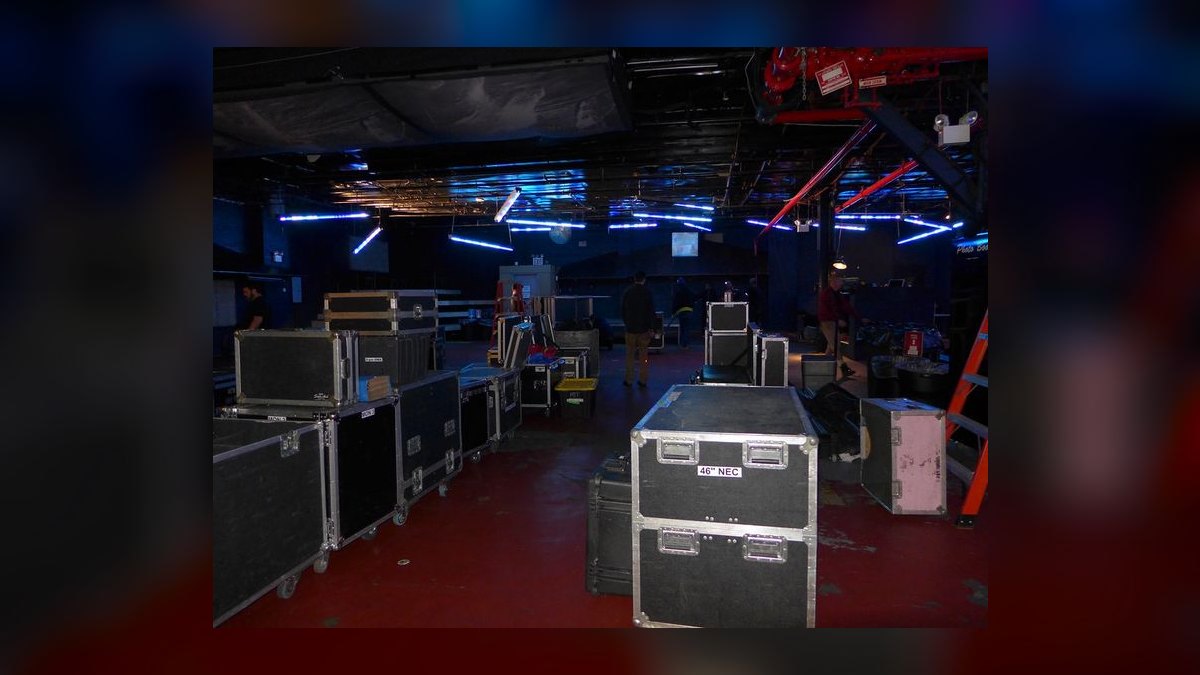
Phase 1 — essential for opening (60–70% of the buildout). Plumbing, electrical, the hood system, flooring, and the front counter or bar. This is the work that gets you brewing and selling drinks. Secure a landlord TI allowance targeted specifically at these Phase 1 essentials; most landlords will write a $50–$80/sq ft check when a phased plan shows them you will open and start paying rent sooner.
Phase 2 — months three to six. Seating-area finishes, accent lighting, shelving, and restroom upgrades. If you open with a grab-and-go model, these can wait without hurting sales.
Phase 3 — year one to two. An outdoor patio, a secondary prep area, or a small roasting setup — added only when revenue clearly supports the spend. As a real-world benchmark, a 1,400 sq ft cafe opened for roughly $185,000 by deferring a $22,000 patio and $18,000 in custom millwork to year two.
Also weigh equipment leasing for your espresso machine and grinder ($300–$800/month) instead of paying $25,000–$40,000 upfront. Leasing frees $20,000–$35,000 of capital to redeploy into the buildout itself, where TI cannot help you, and preserves cash for the contingency you will inevitably need.
The permitting and inspection timeline that eats your budget
Permitting is the silent budget killer in coffee-shop buildouts, and it is measured in time as much as in dollars. A typical cafe requires five to eight separate permits: building, electrical, plumbing, mechanical, health department, fire marshal, and sometimes signage. Total permit fees run $2,000–$8,000 depending on the city, but the real cost is the delay — a three-month permitting slip can cost $15,000–$30,000 in rent on an empty space plus contractor standby fees.
Several concrete moves cut this risk. Hire an expediter ($1,500–$4,000) who knows your local health department's specific coffee-shop requirements — they will flag traps like handwash-sink placement (which must be within 25 feet of the espresso machine) and easily-overlooked mop-sink requirements before they become expensive rework. Complete your health-department plan review before construction starts — a $500–$1,000 fee that saves you from ripping out improperly placed sinks or drains after the fact.
Plan the calendar realistically: budget four to eight weeks for plan review and eight to sixteen weeks for construction, then hold a 10–15% contingency ($15,000–$50,000) for permit-driven change orders. The classic avoidable disaster is a hood system installed just inches too close to a combustible wall, forcing a five-figure fire-suppression retrofit — the kind of problem a $200 pre-construction consult with the fire marshal catches for free.
Don't get screwed: the pre-lease checklist
Most cafe budget disasters trace back to signing a lease before knowing the space's real condition. Do this work before you commit a dollar. Walk the space with a licensed contractor and get a real buildout estimate for *that specific space*, not a per-square-foot guess off a spreadsheet. Confirm utility capacity — electrical panel size, water service, gas line, and grease-trap or interceptor presence — and get every figure written into the lease. Check zoning and use permits so the address actually allows food service, has adequate parking, and, if you want it, permits outdoor seating. Verify the permitting timeline with the city, because a three-to-six-month approval process is rent you pay with no revenue, so negotiate free rent to cover it. Finally, budget a 10–15% contingency and refuse to touch it until something breaks behind a wall — and on a buildout, something always does.
Related questions
How much does a commercial espresso machine cost?
A two-group commercial espresso machine typically runs $8,000–$25,000, and you will also need two to three grinders at $1,500–$4,000 each. Buy new or certified-refurbished from a tech, since used commercial machines often hide expensive boiler and valve repairs.
What is a tenant-improvement (TI) allowance?
It is the landlord's cash contribution toward your buildout, typically $30–$80/sq ft, negotiated before you sign the lease. It can offset MEP, construction, and finishes. If a landlord won't offer cash TI, push instead for rent abatement or a longer free-rent period.
How long does a cafe buildout take?
Expect four to eight months from lease signing to opening, covering design, permits, construction, and inspections. A turnkey second-generation space can open in about three months, while custom builds in a vanilla shell often stretch longer, mostly because of city permitting and plan-review delays.
Is a second-generation restaurant space really cheaper?
Yes — meaningfully. Inheriting an existing grease trap, hood, floor drains, and plumbing can drop buildout costs to $80–$140/sq ft versus $180–$250/sq ft for a vanilla shell. The plumbing and gas infrastructure is the expensive part, so inheriting it is a large head start.
FAQ
What's the biggest hidden cost in a coffee shop buildout? Plumbing, electrical, and HVAC for the espresso bar and sink area. Running a filtered water line, a drain, and a dedicated 220V circuit for commercial equipment can add $15,000–$30,000 on its own — often more than the equipment it serves.
How much should I set aside for permits and professional fees? Permits, architectural drawings, engineering, and plan-check fees typically run 5–15% of the total buildout budget. On a $150,000 buildout, that's roughly $7,500–$22,500, depending on your city's requirements and how many trade permits your scope triggers.
Can I save money by buying used equipment? Yes, but mainly for shelving, tables, and refrigerators. Espresso machines and grinders should be new or fully refurbished by a certified tech, because used commercial machines frequently hide costly boiler and valve repairs. Budget $20,000–$50,000 for new core brewing equipment.
What's a realistic timeline from lease signing to opening day? Plan for four to eight months, including design, permits, construction, and inspections. A fast-tracked turnkey space might open in three months, but custom builds routinely run longer because of city approvals and health-department plan review.
How much contingency should I plan for? Set aside at least 15–20% of the total buildout budget for surprises like structural issues, code upgrades, or material delays. On a $200,000 budget, that's roughly $30,000–$40,000 held in reserve and untouched until something actually breaks.
Do I need a tenant-improvement allowance from the landlord? Negotiate it upfront — landlords often offer $30–$80 per square foot in TI, which can cover a large slice of your buildout. If they won't offer cash, ask for rent abatement or a longer free-rent period instead; both preserve your opening runway.
Sources
- https://www.rsmeans.com/
- https://www.cbre.com/insights
- https://www.jll.com/en-us/insights
- https://www.cushmanwakefield.com/en/united-states/insights
- https://www.naiop.org/research-and-publications/
- https://sca.coffee/
- https://www.sba.gov/business-guide/manage-your-business/manage-your-finances
- https://www.uschamber.com/co/start
Related on PULSE
- [How Do I Budget a Coffee Roastery Buildout?](/knowledge/bo0167)
- [How Do I Budget a Florist Shop With a Walk-In Cooler Buildout?](/knowledge/bo0201)
- [How Do I Budget a Print or Sign Shop Buildout?](/knowledge/bo0171)
- [How Do I Budget a Makerspace or Woodworking Shop Buildout?](/knowledge/bo0180)
- [How Do I Budget a Pizza Shop Buildout?](/knowledge/bo0164)
- [How Do I Budget an Ice Cream or Gelato Shop Buildout?](/knowledge/bo0162)
This page will be disappearing soon. Save it to your device for $1 — or read it free while it is here.
@Kory-White- · if Venmo asks, the last 4 of my number are 2012
 buildoutsHow Do I Budget a Salon or Spa Buildout?
 buildoutsBase Building vs Tenant Work: What Am I Actually On the Hook For?
 buildoutsHow Do I Cap My Pro-Rata Share Increases?
 buildoutsWhat Does ADA Restroom and Path-of-Travel Work Cost in a Buildout?
 buildoutsWho Pays for the Demising Wall Between Tenant Spaces?
 buildoutsHow Do I Avoid Paying for Vacant-Space Costs in CAM?
 buildoutsHow Do I Read a Landlord Work Letter So I Don't Get Screwed?
 buildoutsDo I Need a Grease Interceptor, and What Does It Cost?
 buildoutsHow Do I Negotiate a Most-Favored-Tenant Clause?
 buildoutsHow Do I Budget a Light Manufacturing Buildout?