
How Do I Negotiate a Lease and Buildout for an Auto Repair Shop?
 Curated byKory White · Fractional CRO · Maryland
 PULSEKNOWLEDGE LIBRARY
Negotiate an auto repair lease by first completing a Phase I environmental assessment, then securing a landlord indemnity for pre-existing contamination, targeting a 7-10 year term with 3-6 months free rent, and pushing for a $20-$50 per square foot tenant improvement allowance directed at reinforced slab work, lifts, and an oil/water separator — the buildout typically runs $50-$150 per square foot depending on bay count and equipment.
The numbers you should expect
An auto repair shop buildout is one of the most capital-intensive commercial fit-outs you can undertake. The cost per square foot ranges from $50 to $150, but that wide band depends on how many bays you install, whether you do bodywork, and the condition of the existing slab. For a typical 3,000-square-foot shop with four bays, expect a total buildout cost between $150,000 and $450,000 before you turn a single wrench.
The single largest line item is the reinforced concrete pad for lifts. A standard warehouse slab is typically 4 to 6 inches thick with light mesh reinforcement — that will crack under the point load of a two-post lift rated for 10,000 pounds. You need a minimum 6-inch slab with #4 rebar on 12-inch centers for each lift pad, which runs $5,000 to $15,000 per lift. If you install four lifts, that's $20,000 to $60,000 in foundation work alone.

Lifts themselves range from $3,000 to $8,000 for a two-post asymmetric lift to $8,000 to $20,000 for a four-post alignment lift with rolling jacks. Installation adds $1,500 to $3,000 per lift for electrical routing, hydraulic line runs, and anchoring. A shop doing tire and brake work can get by with two-post lifts, but a shop offering alignments needs a four-post lift with a built-in slip plate.
The oil/water separator is a non-negotiable code requirement for any shop with floor drains. These systems separate petroleum-based fluids from wastewater before discharge, and they cost $5,000 to $20,000 depending on capacity and local environmental regulations. Some municipalities require a sand-and-oil interceptor with a 1,000-gallon holding tank, which pushes the cost to the upper end. Skipping this is an instant code violation that can trigger fines of $10,000 per day.
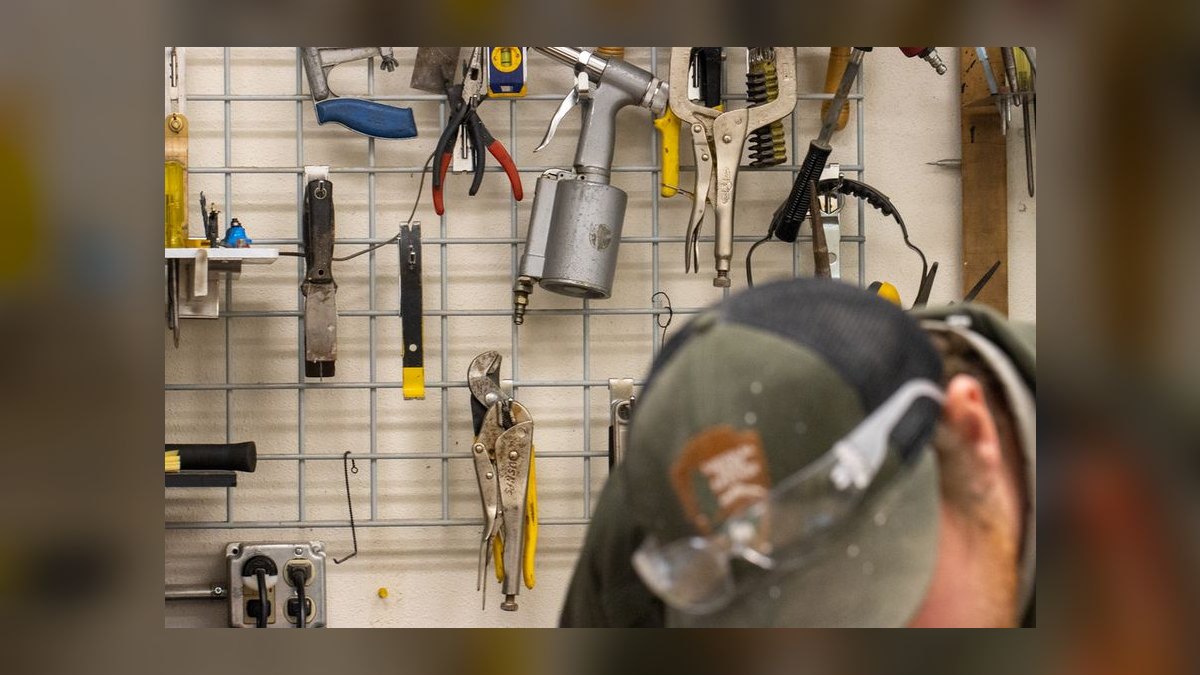
Compressed air systems for a multi-bay shop run $5,000 to $15,000. You need a properly sized rotary screw compressor (5 to 10 horsepower), a refrigerated air dryer to remove moisture, and hard-piped copper or aluminum distribution lines to each bay. Undersizing the compressor is a common mistake — a 5-horsepower unit cannot keep up with two impact wrenches running simultaneously.
HVAC make-up air and vehicle exhaust extraction systems cost $10 to $25 per square foot. Repair shops require 0.5 to 1.0 air changes per hour for worker safety, and carbon monoxide from running engines must be vented directly outside. A ceiling-mounted hose reel system with a 4-inch duct per bay costs $3,000 to $6,000 per bay installed.
If you do bodywork or painting, a CARB- and EPA-compliant paint booth costs $20,000 to $100,000. The lower end covers a downdraft booth for a single vehicle, while the upper end includes a crossdraft booth with bake ovens and solvent capture systems. You also need a hazardous waste storage area with secondary containment, which adds $2,000 to $5,000 for spill pallets and ventilation.
What drives those numbers
The cost structure for an auto repair buildout is driven by three factors: environmental compliance, structural engineering, and equipment permanence. Environmental compliance alone can account for 15 to 25 percent of total buildout costs because auto shops generate hazardous waste — used oil, solvents, brake dust, and coolant — that must be contained and disposed of under RCRA regulations. The oil/water separator, paint booth filtration, and hazardous waste storage are not optional; they are code requirements enforced by municipal building departments and state environmental agencies.
Structural engineering costs are driven by the point loads of vehicle lifts. A two-post lift exerts 5,000 to 10,000 pounds on each column base, and a four-post lift can exert 12,000 pounds per post. A standard 4-inch slab with wire mesh has a load capacity of roughly 3,000 pounds per square foot — adequate for storage but not for lifts. You need a structural engineer to certify the slab design, which adds $2,000 to $5,000 in engineering fees. If the existing slab is too thin, you must cut it out and re-pour with 6-inch reinforced concrete at $8 to $12 per square foot.
Equipment permanence drives the lease negotiation because lifts, exhaust systems, and fluid handling equipment are bolted to the floor and hard-piped. You cannot take them with you when you move. This means your leverage shifts dramatically after lease signing — the landlord knows you have $200,000 in improvements that cannot be removed. That is why you must negotiate a long initial term of 7 to 10 years with renewal options, a tenant improvement allowance that covers the slab and drains, and a restoration cap that lets you leave the lifts in place at lease end.
Lease, TI allowance, and negotiation levers
The lease for an auto repair shop is a triple net commercial lease, meaning you pay base rent plus your proportional share of property taxes, insurance, and common area maintenance. Base rent for industrial space suitable for auto repair ranges from $8 to $20 per square foot annually depending on market. In a secondary market like Phoenix or Atlanta, expect $10 to $14 per square foot; in a primary market like Los Angeles or New York, expect $18 to $25 per square foot.
The tenant improvement allowance is your primary negotiation lever. Landlords typically offer $15 to $30 per square foot for standard retail space, but auto repair requires $40 to $80 per square foot because of the slab work, electrical upgrades, and environmental systems. Present a detailed buildout budget showing the gap between the standard allowance and your actual costs, then ask for one of three solutions: a higher TI allowance, additional rent abatement during construction, or amortization of excess costs over the lease term.
A common negotiation strategy is to request $50 per square foot in TI allowance plus 4 to 6 months of free rent during buildout. If the landlord cannot meet the full TI amount, ask for a combination of $30 per square foot upfront plus a rent abatement of 3 months. The abatement gives you cash flow relief when you are paying contractors but not yet generating revenue. Some landlords will amortize the remaining buildout cost over the lease term at 6 to 8 percent interest, meaning you repay the cost in monthly installments over 5 to 10 years.
Rent escalation is another critical lever. Most commercial leases include 3 percent annual rent increases, but auto repair margins typically run 8 to 12 percent net profit — a 4 percent escalation can eat half your profit growth. Negotiate a cap of 2 to 3 percent annual increases, or tie escalation to the Consumer Price Index with a maximum of 3 percent. In markets where landlords push for 4 to 5 percent, show them your projected profit and loss statement to demonstrate that aggressive rent hikes make the location unviable.
The use clause must explicitly permit auto repair, fluid changes, tire work, and if relevant, bodywork and painting. Many landlords and property CC&Rs restrict "noxious uses" that generate odors, noise, or hazardous waste. If the use clause is vague, the landlord can later claim your operation violates the lease and force you to stop certain activities. Get the use clause reviewed by a commercial real estate attorney who understands auto repair operations.

The restoration clause at lease end is a hidden cost trap. Standard leases require you to remove all improvements and restore the space to its original condition. For an auto repair shop, that means cutting out lifts, re-pouring the slab, removing exhaust systems, and capping floor drains — a cost of $30,000 to $100,000. Negotiate a restoration cap of $10,000 or negotiate the right to leave all improvements in place. The landlord benefits from retaining a built-out auto shop for the next tenant, so this is a reasonable ask.
Assignment and sublease rights are critical because your buildout is specialized. Negotiate that landlord approval for assignment "shall not be unreasonably withheld" and that you can assign to a qualified auto repair operator without landlord consent if they meet minimum financial requirements — typically $500,000 net worth or two years of operating history. This preserves your ability to sell the business as a going concern.
Sequencing the buildout
The buildout for an auto repair shop must follow a strict sequence because each trade depends on the previous one. Starting in the wrong order wastes time and money — for example, installing lifts before the oil/water separator means you cannot pour the floor drains correctly.
Step one is environmental remediation and slab preparation. If your Phase II environmental assessment found contamination, the landlord must remediate before you build. This can take 30 to 90 days depending on the contaminant and regulatory agency. Simultaneously, a structural engineer inspects the existing slab and designs the reinforced lift pads. If the slab needs to be cut and re-poured, that happens now.
Step two is rough-in work: plumbing for floor drains and the oil/water separator, electrical conduit for lift motors and shop equipment, and compressed air piping in the slab or walls. This phase takes 2 to 4 weeks and costs $15,000 to $30,000 for a typical four-bay shop. The oil/water separator must be installed and inspected by the local building department before any concrete is poured over the drains.

Step three is the slab pour for lift pads and any new concrete work. The concrete must cure for 7 to 14 days before lifts can be anchored. During this cure time, you can install overhead systems — exhaust extraction hoses, compressed air drops, and lighting.
Step four is lift installation and mechanical systems. Lifts are delivered and anchored to the cured concrete, then connected to hydraulic and electrical lines. The compressed air system is pressurized and tested for leaks. The HVAC make-up air unit is installed on the roof or exterior wall, and ductwork is run to each bay.
Step five is finishing work: bay doors, interior walls for the office and waiting area, paint, flooring in customer areas, and signage. This phase takes 2 to 4 weeks and costs $20,000 to $50,000 depending on the quality of finishes.
Step six is equipment staging and final inspections. You move in toolboxes, tire machines, alignment racks, and diagnostic equipment. The fire marshal inspects the exhaust system and fire extinguishers. The environmental agency inspects the oil/water separator and hazardous waste storage. Only after all inspections pass can you open for business.
Related questions
What is the typical tenant improvement allowance for an auto repair shop?
Most landlords offer $15 to $30 per square foot for standard retail, but auto repair shops require $40 to $80 per square foot due to slab reinforcement, lifts, and environmental systems. Negotiate a combination of TI allowance and rent abatement to close the gap.
How long should an auto repair shop lease be?
Aim for an initial term of 7 to 10 years with two to three 5-year renewal options. Your buildout investment of $150,000 to $450,000 requires a long term to recoup costs, and short leases give the landlord leverage at renewal.
What environmental assessments do I need before signing?
A Phase I Environmental Site Assessment costs $2,000 to $5,000 and is non-negotiable. If the site ever held a gas station, dry cleaner, or prior auto use, require a Phase II with soil borings costing $5,000 to $25,000.
Can I negotiate rent abatement during buildout?
Yes, request 3 to 6 months of free rent while you construct the shop. Landlords often grant this for multi-year leases because they want the space improved and occupied. Combine it with a TI allowance for maximum cash flow relief.
What is a restoration cap and why do I need one?
A restoration cap limits how much you must pay to remove improvements at lease end. Without it, you could owe $30,000 to $100,000 to cut out lifts and re-pour the slab. Negotiate a cap of $10,000 or the right to leave improvements in place.
FAQ
What is the biggest mistake auto repair shop owners make when negotiating a lease? Treating the lease like a simple real estate deal and ignoring environmental liability. Many leases make the tenant responsible for all contamination, even from prior tenants. A Phase I assessment and landlord indemnity for pre-existing contamination are non-negotiable protections.
How much does a Phase II environmental assessment cost? A Phase II with soil borings and groundwater sampling costs $5,000 to $25,000 depending on the number of sampling points and laboratory analysis required. This is the landlord's cost if contamination is suspected — do not pay for it yourself.
What NNN expenses should I expect for an auto repair shop? Triple net expenses typically add $4 to $8 per square foot annually for taxes, insurance, and common area maintenance. Negotiate a cap on annual increases of 3 to 5 percent and an audit right to verify charges like snow removal that may not apply to your space.
Can I install lifts in a space with a standard 4-inch slab? No. A standard 4-inch slab will crack under a lift's point load. You need a minimum 6-inch reinforced slab with #4 rebar on 12-inch centers for each lift pad. Budget $5,000 to $15,000 per lift for foundation work.
What happens if I need to leave the lease early? Without a termination clause, you are liable for the remaining rent. Negotiate a "go-dark" clause allowing early termination with a penalty of 3 to 6 months' rent if the business fails to meet revenue thresholds. This is cheaper than being locked into a 10-year lease on a failing shop.
Do I need a commercial real estate attorney for an auto repair lease? Yes. Auto repair leases involve environmental indemnity, use clauses, restoration obligations, and specialized buildout terms that a general business attorney may not understand. Budget $3,000 to $8,000 for legal review and negotiation.
Sources
- ASTM E1527-21 Standard Practice for Phase I Environmental Site Assessments — diligence scope and standards
- U.S. Environmental Protection Agency, Underground Storage Tanks and Operator Liability Guidance
- California Air Resources Board, Automotive Refinishing and Solvent Regulations
- CBRE Industrial and Automotive Tenant Real Estate Trends Report
- RSMeans Building Construction Cost Data 2024 — slab, lift pad, drainage, and HVAC unit costs
- Cushman & Wakefield Tenant Representation Guide for Industrial and Auto Leases
- NAIOP Commercial Development Cost Benchmarks Report
- International Code Council, International Building Code Requirements for Vehicle Repair Garages
- U.S. Small Business Administration, Commercial Lease Negotiation Guide for Auto Repair Businesses
Related on PULSE
- [Who Pays for HVAC Repair and Replacement in a Commercial Lease?](/knowledge/bo0023)
- [How Do I Negotiate a Lease and Buildout for a Vape or Smoke Shop?](/knowledge/bo0211)
- [How Do I Budget a Florist Shop With a Walk-In Cooler Buildout?](/knowledge/bo0201)
- [How Do I Budget a Print or Sign Shop Buildout?](/knowledge/bo0171)
- [How Do I Budget a Makerspace or Woodworking Shop Buildout?](/knowledge/bo0180)
- [How Do I Budget a Pizza Shop Buildout?](/knowledge/bo0164)
This page will be disappearing soon. Save it to your device for $1 — or read it free while it is here.
@Kory-White- · if Venmo asks, the last 4 of my number are 2012
 buildoutsHow Do I Negotiate a Lease and Buildout for Cannabis Cultivation?
 buildoutsHow Do I Negotiate a Lease and Buildout for Doggy Daycare or Boarding?
 buildoutsHow Do I Budget a Makerspace or Woodworking Shop Buildout?
 buildoutsHow Do I Budget a Family Entertainment Center or Mini-Golf Buildout?
 buildoutsHow Do I Budget an Indoor Golf or Golf-Simulator Buildout?
 buildoutsHow Do I Negotiate a Lease and Buildout for a Pharmacy?
 buildoutsHow Do I Budget a Gym or Fitness Studio Buildout?
 buildoutsHow Do I Budget a Light Manufacturing Buildout?
 buildoutsHow Do I Budget a Comic, Game, or Hobby Store Buildout?
 buildoutsHow Do I Budget a Distillery Buildout?