
How Do I Negotiate a Lease and Buildout for a Pharmacy?
 Curated byKory White · Fractional CRO · Maryland
 PULSEKNOWLEDGE LIBRARY
Negotiate a pharmacy lease before you sign, because a pharmacy is a high-build, low-mobility tenant that becomes stuck the moment the vault is bolted down. Extract a tenant-improvement allowance of $40–$100 per square foot, four to eight months of free rent through buildout and licensing, and landlord-owned clean-room HVAC in writing.
What makes a pharmacy buildout different from ordinary retail
A pharmacy is part retail store and part regulated medical facility, and the regulated half is where almost all of the budget hides. A typical independent or compounding pharmacy runs 1,500–3,000 square feet, and total buildout lands at $150–$350 per square foot — but that blended number disguises the real story. The retail floor, front-of-house shelving, and point-of-sale area are cheap and conventional. The cost centers that blow up a construction budget are the ones a general contractor without healthcare experience will underprice: controlled-substance security, dedicated clean-room HVAC, pharmacy casework, and the redundant electrical loads that keep refrigeration and automation alive.
Before you tour a single space, price the five drivers so you know what "cheap rent in a bad shell" actually costs you. Controlled-substance security runs $15,000–$70,000 — a DEA-spec safe or vault for Schedule II–V drugs, a monitored intrusion alarm, motion sensors, and cameras with retained footage; some states mandate vault specifications by statute. The compounding clean room, if you build one, runs $30,000–$150,000 and is the single biggest variable in the entire project. Pharmacy casework and workflow runs $25,000–$80,000 — the dispensing counter, will-call shelving, refrigerated drug storage, and a patient-consultation area many state boards require. HVAC and electrical run $25,000–$80,000 for drug-stability temperature and humidity control plus the power for refrigeration, automation, and the clean room. General construction, ADA compliance, and finishes run $40,000–$120,000 — sealed flooring, an ADA restroom, and the retail front.
The most important decision you make before negotiating anything is your service model, because it swings the budget by six figures. If you are not compounding, you can strip $30,000–$150,000 out of the plan by skipping the clean room entirely. Decide dispensing-only versus sterile/hazardous compounding before you size the space, because that decision drives your square footage, your HVAC tonnage, your electrical service, and ultimately how much tenant improvement you need to negotiate out of the landlord.
How to negotiate the lease so you don't get screwed
The landlord's leverage peaks the day before you sign and collapses the day after. Once your vault is bolted to the slab and your clean room is built out to ISO classification, you are not relocating for a decade — the sunk capital makes you the stickiest tenant in the center. That stickiness is exactly why every concession has to be front-loaded into the letter of intent and the lease itself. Nothing gets easier to negotiate after you've committed the buildout.
Start with the tenant-improvement (TI) allowance. A pharmacy committing to a 7–10 year term should command $40–$100 per square foot in TI on a heavy medical buildout. Anything materially less means your rent is quietly financing permanent improvements to the landlord's asset — the vault anchor points, the upgraded electrical service, the clean-room shell all stay with the building when you leave. Next, **demand free rent through buildout *and* licensing. Construction plus the state board of pharmacy inspection and DEA registration commonly runs 4–8 months before you fill a single prescription, so negotiate 4–8 months of abated rent** and don't let the landlord scope the free period to construction alone. You cannot bill an insurer from an unlicensed shell.
Put the base-building systems on the landlord in writing: roof, structure, main electrical service, and especially the HVAC units serving your clean room. A failed rooftop unit that takes a USP 800 room out of pressure compliance is an existential event — you cannot legally compound until it's restored — so you never want to own that equipment under a sloppy triple-net clause. Cap and audit the NNN/CAM. Triple-net charges for taxes, insurance, and common-area maintenance can add $6–$18 per square foot on top of base rent; negotiate a 3–5% annual cap on controllable CAM and reserve the contractual right to audit the landlord's reconciliation statement.
Then lock the protective clauses. Secure an exclusive-use clause so the landlord cannot lease to a competing pharmacy in the same center. Strip or cap the restoration clause — leases routinely require you to rip out the vault, clean room, and casework and hand back a "vanilla shell," a five- to six-figure exit cost; strike it or cap your restoration liability at a fixed dollar figure. Finally, negotiate assignment and sublease rights, because pharmacies get acquired constantly and you want to sell the business as a going concern, not surrender it to a landlord's consent veto.
The security and compliance costs people underestimate
Pharmacy security is not a smoke detector and a good deadbolt — it is a regulated system the DEA and your state board can shut you down for getting wrong. Contractors and first-time owners routinely underbudget it because they price it like a jewelry store rather than a licensed dispensing facility, and inspectors do not grade on effort.
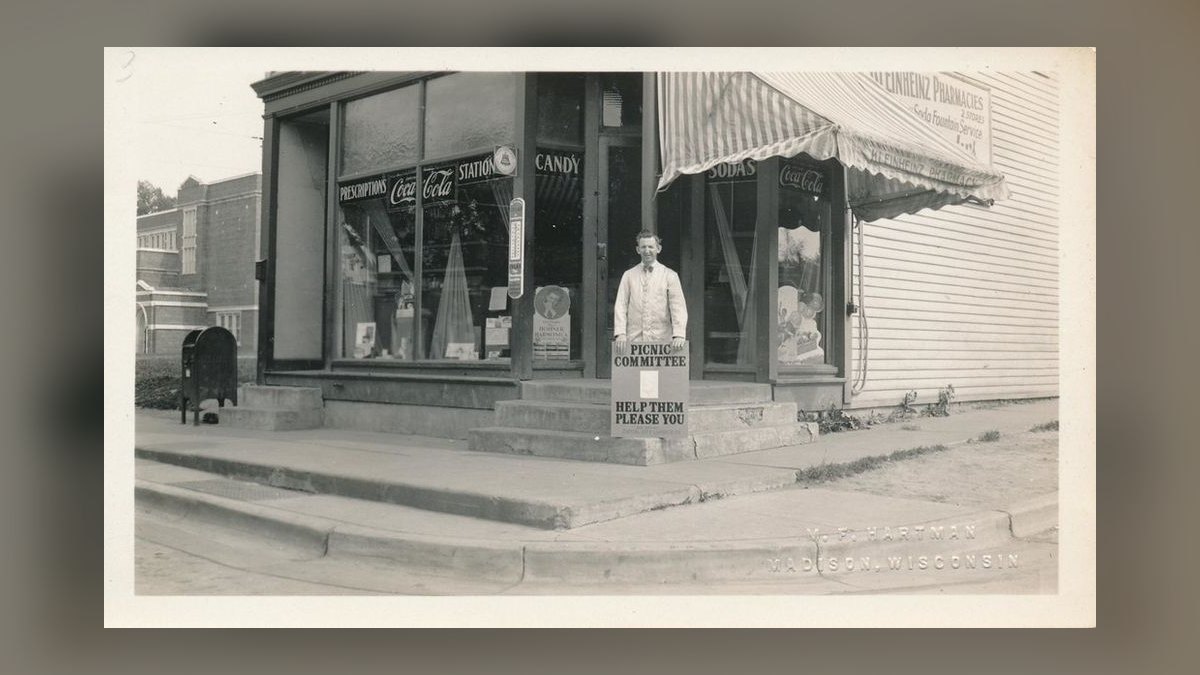
Controlled-substance storage runs $5,000–$30,000 or more. Schedule II drugs typically require a substantially constructed, bolted-down safe or vault, and some states publish minimum specifications for steel gauge and lock rating; when specs conflict, build to the strictest applicable standard. A monitored alarm and camera system runs $10,000–$40,000 — intrusion detection, motion sensors, and cameras covering the dispensing area, the vault, and every entrance, with footage retention that satisfies your board's retention window. Monthly monitoring is a recurring operating cost, not a one-time capital line, so model it in your pro forma. Access control runs $3,000–$15,000 for keypad or badge entry restricting the dispensing area to licensed staff with audit logs. Temperature monitoring runs $2,000–$8,000 for logged, alarmed refrigeration and room-temperature tracking that protects drug stability and reassures inspectors.
On top of all of it, carry a 10–15% contingency. Pharmacy buildouts reliably surface inspector-mandated changes late in the process — a relocated hand sink, an upgraded anteroom pressure cascade, an added camera angle over the will-call bins, a second exit alarm. Those changes arrive after the general contractor has already priced the job, and the contingency is the difference between absorbing a punch-list item quietly and watching an unfunded change order delay your license by weeks. A delayed license means more pre-revenue rent, which is the single most common way a well-capitalized pharmacy still opens underwater.
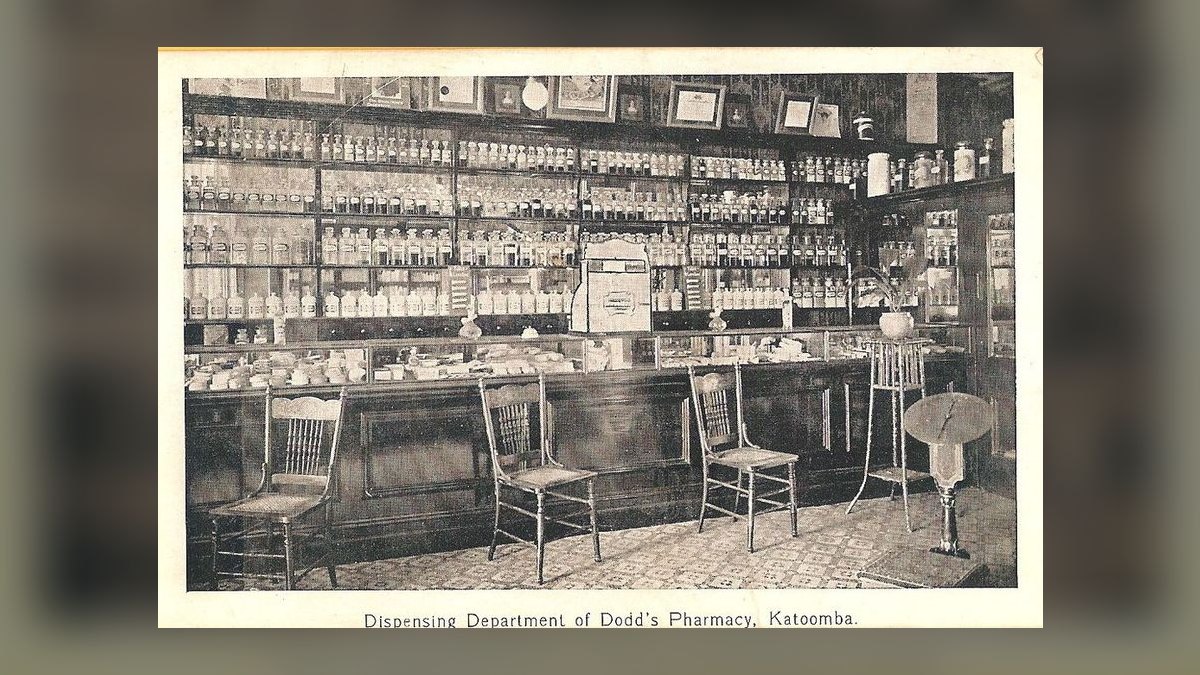
Phasing, financing, and protecting cash
A pharmacy's capital is front-loaded and its revenue ramps slowly, because you build a patient base one script at a time and load insurance contracts and payer credentialing over months. That mismatch means cash protection is not optional — it is the strategy. The clean room is the one major line you can legitimately phase. Open as a dispensing pharmacy first, prove the prescription volume and the referral flow, then build the USP 797/800 compounding room once a compounding contract or a physician referral pipeline actually justifies the $30,000–$150,000 spend. Phasing turns a speculative six-figure bet into a demand-driven one.
Buy refrigeration, shelving, and casework reconditioned where a warranty exists — it can shave $15,000–$40,000 off the equipment budget — but never cut corners on the vault or the monitored alarm, because a security failure is a license failure, and no equipment savings survives a suspended DEA registration. Finance the real-property-like assets with an SBA 504 or 7(a) loan, which suits the long-lived nature of a clean room and vault, and consider equipment leasing for automation you expect to upgrade within a few years. Above all, treat the state board inspection and DEA registration timeline as part of your pre-revenue burn — that is precisely why the 4–8 months of abated rent you negotiated up front is the line item that decides whether you open with a cash cushion or open already behind. The abatement you win at the LOI stage is functionally working capital you don't have to borrow.
Negotiate a narrow use clause and real exclusivity protection
Your lease must include a narrow, pharmacy-specific use clause that stops the landlord from leasing to another pharmacy — including a grocery-store pharmacy counter, a big-box retailer with a dispensing window, or a mail-order pickup location — within a defined radius, typically 1–3 miles for a standalone strip center. Without it, a national chain can open next door and siphon your prescription traffic while the landlord collects rent from both of you. Push for a primary-use restriction that also bars any tenant whose pharmacy sales would exceed roughly 10–15% of that tenant's total store revenue, which closes the "we're a grocery store that happens to fill scripts" loophole. This is a standard commercial ask, not an unreasonable one.
If the landlord balks, trade rather than surrender. Offer a sunset clause — exclusivity expires after ten years, or once you hit a defined annual base-rent threshold — so the landlord keeps long-term flexibility while you keep protection through the vulnerable early years. Document exclusivity in the lease rider itself, not a side letter, because a side letter can evaporate when the property sells and the new owner claims it never bound them. Anything you rely on to protect a six-figure buildout belongs inside the recorded lease.
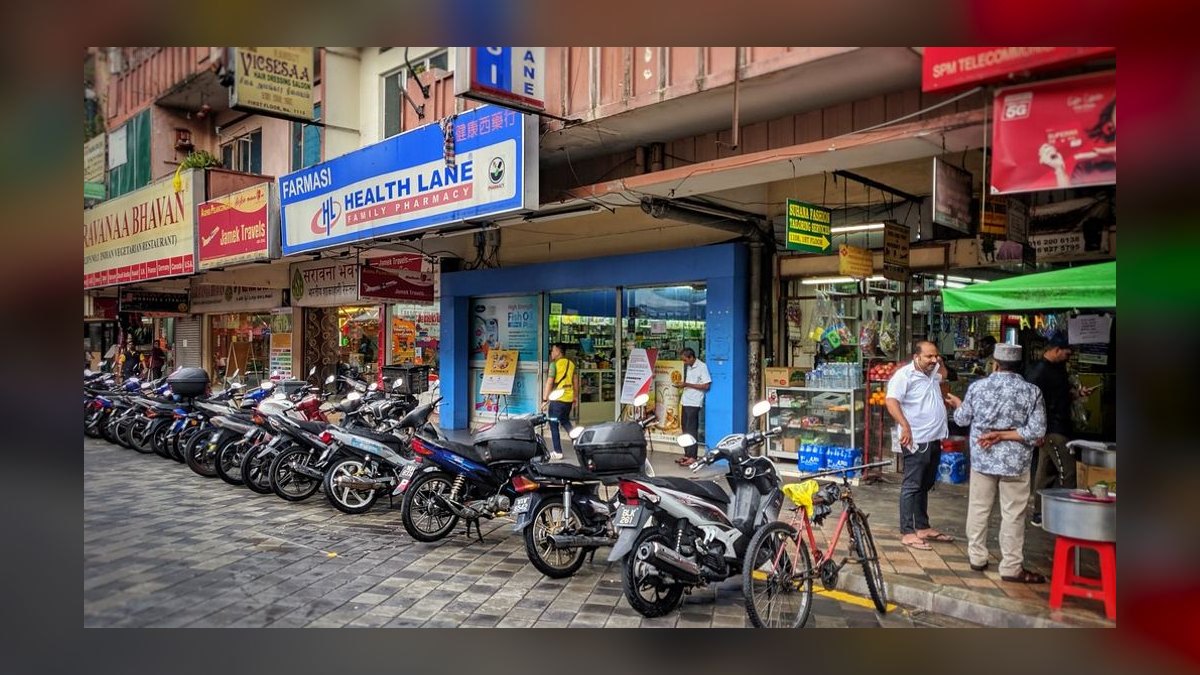
Build in an exit before you build out
Pharmacy buildouts are capital-intensive and the spaces are notoriously hard to re-lease, so you do not want to be trapped paying a decade of rent on a dead asset. Negotiate a go-dark provision that lets you cease continuous operation and, ideally, terminate after 12–24 months if the pharmacy fails — from low volume, a lost insurance contract, a license issue, or a regulatory change. Landlords resist, so expect a counter: a dark-period fee of 50–75% of base rent for the remainder of the term, or an obligation to keep paying until a replacement tenant is found. Push hardest for a penalty-free termination right when the closure is pharmacy-specific — loss of a major payer contract, a Medicare or Medicaid audit outcome, or a supplier disruption you didn't cause.
Complement the go-dark right with the assignment and sublease rights from the lease-negotiation stage, because your most likely exit isn't going dark — it's selling the pharmacy to a buyer who wants to keep operating. A tight consent standard ("consent not to be unreasonably withheld, conditioned, or delayed") keeps the landlord from using the assignment clause as a veto on your sale. Finally, budget $5,000–$20,000 for a commercial real-estate attorney and a lease consultant before you sign anything. On a lease that governs a high-six-figure buildout and ten-plus years of occupancy, professional review is the cheapest insurance you will buy, and it routinely pays for itself in a single clause the landlord would otherwise have kept.
Related questions
How much tenant-improvement allowance should a pharmacy expect?
On a 7–10 year term, target $40–$100 per square foot. Because a pharmacy carries specialized HVAC, security, and heavy electrical loads, actual buildout can exceed the allowance — so pair the TI with rent abatement to close the gap rather than accepting the landlord's first number.
Do I need a clean room if I only dispense?
No. Sterile and hazardous compounding under USP 797/800 requires an ISO-classified clean room with dedicated HVAC, costing $30,000–$150,000. A dispensing-only pharmacy skips it entirely. Decide your service model first, then phase the clean room in later only when compounding volume justifies the spend.
Who should own the rooftop HVAC in a pharmacy lease?
The landlord, in writing. A rooftop unit serving your compounding clean room is life-or-death for compliance — if it fails and pressure cascade drops, you legally cannot compound. Never accept that equipment as your repair-and-replace obligation under a generic triple-net clause.
How long does a pharmacy lease and buildout take?
Plan for 3–6 months of lease negotiation and 4–8 months of construction plus licensing. The state board inspection and DEA registration sit on the critical path after construction, which is why rent abatement should cover buildout *and* the licensing window, not construction alone.
FAQ
What is a typical tenant-improvement allowance for a pharmacy buildout? Landlords commonly offer $30–$80 per square foot, but a heavy pharmacy buildout — specialized HVAC, vault security, and heavy electrical — can run $100–$200 per square foot in real cost. You'll usually need to negotiate a higher TI, or a blend of allowance plus rent abatement, to cover the gap on a long term.
How long does a pharmacy lease negotiation usually take? Expect 3–6 months from initial offer to signed lease. Pharmacy-specific requirements — drive-through windows, secure controlled-substance storage, and board-of-pharmacy facility rules — extend both the negotiation and the construction that follows. Rushing invites costly oversights in exactly the clauses that protect a six-figure buildout, so plan a deliberate process.
Can I negotiate rent abatement during the buildout period? Yes. 3–6 months is common while construction is underway, but since a pharmacy buildout plus licensing can take 4–8 months, push for abatement covering the full period plus a short ramp-up. Landlords often grant it in exchange for a longer term, typically 10–15 years.
What are the most important lease clauses for a pharmacy? Prioritize exclusivity (no competing pharmacy in the center), co-tenancy (rent relief if anchor tenants leave), and assignment rights (so you can sell the pharmacy later). Also cap CAM increases at 3–5% annually and pin rooftop HVAC ownership on the landlord to protect your clean-room compliance.
How much should I budget for legal and consulting fees? Roughly $5,000–$20,000 for a commercial real-estate attorney and a lease consultant, depending on complexity. On a lease governing a high-cost buildout and a decade-plus term, that fee is a fraction of what a single bad clause can cost you, making professional review a straightforwardly worthwhile investment.
What happens if I need to break the lease early? Early-termination rights are rare in pharmacy leases because the spaces are hard to re-lease. Negotiate a buyout formula (often 6–12 months of rent), a go-dark provision, or a sublease right up front. Aim for a clear, capped exit tied to pharmacy-specific triggers rather than open-ended liability.
Sources
- https://www.cbre.com/insights (CBRE — healthcare and medical real estate leasing and construction research)
- https://www.us.jll.com/en/trends-and-insights (JLL — medical office and tenant-improvement cost insights)
- https://www.cushmanwakefield.com/en/insights (Cushman & Wakefield — healthcare real estate and net-lease advisory)
- https://www.rsmeans.com (RSMeans by Gordian — medical and clean-room construction unit cost data)
- https://www.boma.org (BOMA International — net-lease, CAM, and base-building system responsibility standards)
- https://www.usp.org/compounding (U.S. Pharmacopeia — Chapters 797 and 800 sterile and hazardous compounding requirements)
- https://www.deadiversion.usdoj.gov (U.S. Drug Enforcement Administration — controlled-substance security and registration)
- https://nabp.pharmacy (National Association of Boards of Pharmacy — state licensing, inspection, and facility standards)
- https://www.sba.gov/funding-programs/loans (U.S. Small Business Administration — 504 and 7(a) loan programs)
Related on PULSE
- [How Do I Negotiate a Build-to-Suit Lease Rate (Cost x Cap)?](/knowledge/bo0224)
- [How Do I Negotiate My Lease When the Building Is Being Sold?](/knowledge/bo0221)
- [How Do I Negotiate a Lease and Buildout for a Vape or Smoke Shop?](/knowledge/bo0211)
- [How Do I Negotiate a Lease and Buildout for a Cigar or Hookah Lounge?](/knowledge/bo0210)
- [How Do I Negotiate a Lease and Buildout for Cannabis Cultivation?](/knowledge/bo0197)
- [How Do I Negotiate a Lease and Buildout for a Private or Charter School?](/knowledge/bo0190)
This page will be disappearing soon. Save it to your device for $1 — or read it free while it is here.
@Kory-White- · if Venmo asks, the last 4 of my number are 2012
 buildoutsHow Do I Budget a Physical Therapy Clinic Buildout?
 buildoutsHow Do I Budget and Site a Self-Storage Facility?
 buildoutsHow Do I Budget a Car Wash Site Buildout?
 buildoutsHow Do I Budget a Nightclub Buildout?
 buildoutsHow Do I Budget a Makerspace or Woodworking Shop Buildout?
 buildoutsHow Do I Budget an Orthodontics or Oral-Surgery Office Buildout?
 buildoutsHow Do I Budget an Industrial Laundry Buildout?
 buildoutsHow Do I Budget an Ice Cream or Gelato Shop Buildout?
 buildoutsHow Do I Budget a Commissary or Shared Kitchen Buildout?
 buildoutsHow Do I Budget a Bookstore-Cafe Buildout?