
How Do I Negotiate a Lease and Buildout for a Tattoo Studio?
 Curated byKory White · Fractional CRO · Maryland
 PULSEKNOWLEDGE LIBRARY
Make zoning and health-department approval a written lease contingency before spending a dollar—body-art use is restricted or banned in many commercial zones. Budget roughly $60–$150 per square foot for an 800–2,000 sq ft studio, with cost concentrated in sinks and sterilization, then negotiate free rent, a TI allowance, and a short term with renewal options.
Why zoning and use approval come before any other move
A tattoo studio's number-one lease killer is not cost—it is permission. Many municipalities restrict body-art establishments to specific commercial zones, impose distance buffers from schools, churches, parks, or other studios, or require a special-use or conditional-use permit that must clear a planning board. A landlord eager to fill a vacancy will tell you "it should be fine." That reassurance is worthless the moment the planning department says no after you have already signed.
Protect yourself with a written zoning-and-use contingency in both the letter of intent and the lease itself. It should let you walk away—with your deposit refunded in full—if the use is not permitted as-of-right, or if a required special-use permit is denied or attached to conditions you cannot meet. Without that clause, you can be locked into rent on a space you legally cannot operate in, paying month after month for a mistake that a single paragraph would have prevented.
Beyond city zoning, check three more layers before you commit anything. First, confirm the certificate of occupancy allows your intended use, and that a change-of-use permit, if one is needed, is realistically obtainable rather than a rubber stamp you assume. Second, read the landlord's own restrictions carefully: shopping-center leases and recorded CC&Rs (covenants, conditions, and restrictions) frequently prohibit tattoo, vape, smoke-shop, and similar uses regardless of what city zoning permits, so you need written landlord consent to the specific body-art use at that exact address. Third, pull the local body-art facility code from the health department before you design anything, because it dictates your sinks, surfaces, sterilization area, and ventilation—the exact items that drive your buildout budget.
Verifying all four layers early costs a few phone calls and, at most, a $500–$2,000 feasibility study or a short consultation with a local land-use attorney. Skipping them can cost a year of rent on a space you can never legally open. Treat this diligence as the cheapest insurance you will ever buy, and do it before you sign, not after.
Where the buildout money actually goes
A tattoo studio is a comparatively light buildout—far cheaper than a restaurant or medical office—because the cost concentrates in infection control and finish quality, not heavy mechanicals or kitchen equipment. For a typical 800–2,000 sq ft studio, plan on roughly $60–$150 per square foot, and price these five buckets separately so you can negotiate each one with your contractor and your landlord instead of accepting a single opaque number.
Plumbing and sinks: $8,000–$25,000. Health codes typically require a dedicated hand-wash sink accessible to each work station, a separate sink for instrument cleaning, and a janitorial or mop sink. Running new supply and drain lines into raw space is usually the single priciest mechanical item, which is exactly why a space previously built out as a salon, spa, or medical use can save you real money—the rough-ins may already exist.
Sterilization and infection control: $5,000–$20,000. This covers an autoclave (roughly $2,000–$8,000), an instrument-processing area with a physical dirty-to-clean separation, sharps disposal, ultrasonic cleaning, and covered, cleanable storage. Buy the sterilization and sharps-handling equipment new to guarantee it passes inspection—used gear here is a false economy that can fail you on inspection day.
Surfaces and finishes: $8,000–$25,000. Non-porous, sealed, washable flooring and wall surfaces in the work and sterilization areas are code-mandated, and they are the literal difference between passing and failing the health inspection. Do not economize with porous materials that will fail, then have to be torn out and redone—that is the most expensive kind of savings.
Station partitions and layout: $10,000–$40,000. Semi-private or fully private rooms let you charge premium rates and attract stronger artists, but they add cost and require proper task lighting and durable, cleanable furnishings. Match the partition spend to your pricing model rather than building rooms you cannot fill.
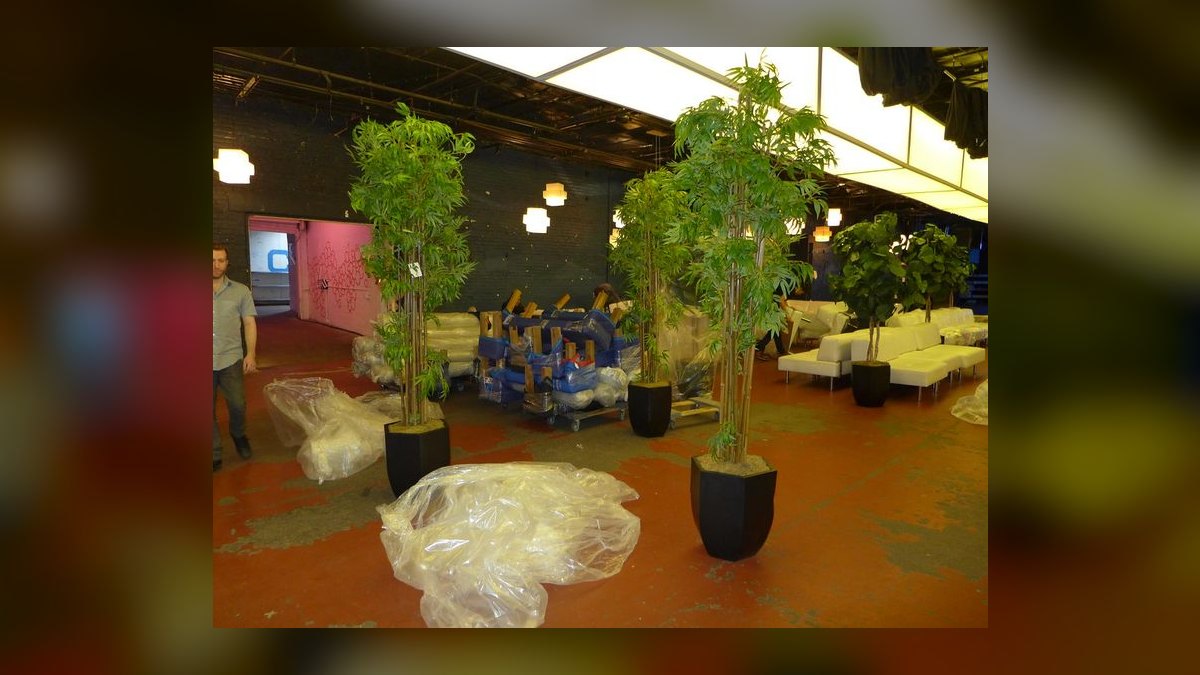
HVAC, electrical, lighting, and front-of-house: $15,000–$50,000. Adequate ventilation, dedicated circuits for stations and autoclaves, quality task lighting, a reception and waiting area, an ADA-compliant restroom, and the storefront itself all live here. This bucket varies most with the condition of the space you inherit.
On top of hard costs, soft costs—design, permits, health-department plan review, and the special-use application—run about 15–25% of hard cost. Budget a further 10–15% contingency on top of that for the inevitable health-department punch list: a relocated sink, an upgraded surface, an added hand-washing station. Inspectors almost always find something, and the studios that budget for it open on schedule while the ones that don't stall out of cash.
How to structure the lease so it favors you
A landlord knows tattoo use is hard to place, and may try to extract premium rent or push infrastructure costs onto you to compensate for perceived risk—worries about traffic, sanitation, or a shifting tenant mix. But your leverage is real: you are a long-term, low-impact tenant who pays reliably, and the landlord genuinely struggles to fill the space with this use. Use that leverage deliberately across seven terms rather than accepting the first draft they hand you.
Push for a TI (tenant improvement) allowance. Even on a light buildout, ask for $15–$40 per square foot on a multi-year term. A landlord who wants the use placed should contribute to the sinks and sealed surfaces that stay with the building long after your lease ends.
Get free rent for buildout and permitting. Ask for 3–6 months of abated rent to cover construction, health-department plan review, and the special-use process, since you cannot generate a dollar of revenue during that window. Tie the rent-commencement date to your certificate of occupancy, not to lease signing.
Keep the initial term short with options. A 3–5 year initial term plus two 3–5 year renewal options caps your downside if the location underperforms while protecting your spot if it thrives. Avoid a ten-year first commitment on a discretionary-traffic business you have not yet proven at this address.
Negotiate a personal-guaranty burn-off. Landlords often demand a personal guaranty. Negotiate it to burn off after 12–24 months of on-time payment, or cap it to a fixed number of months' rent so your personal exposure is bounded rather than open-ended for the full term.
Cap and audit CAM. On a triple-net (NNN) lease, common-area maintenance and tax pass-throughs can add $4–$12 per square foot. Cap controllable CAM increases at 3–5% annually, ask for a base-year structure, and reserve the written right to audit the landlord's charges each year.
Strip or cap the restoration clause. Returning the space to "vanilla shell"—removing sinks, partitions, and sealed flooring—can cost $10,000–$30,000 at lease end. Strike the clause or cap it, and ideally leave the plumbing in place for the next tenant so you are not paying to demolish infrastructure the landlord will want anyway.
Lock an exclusive-use clause. Bar a competing tattoo or body-art shop in the same center or strip so a neighbor cannot undercut you on the same foot traffic you helped attract.
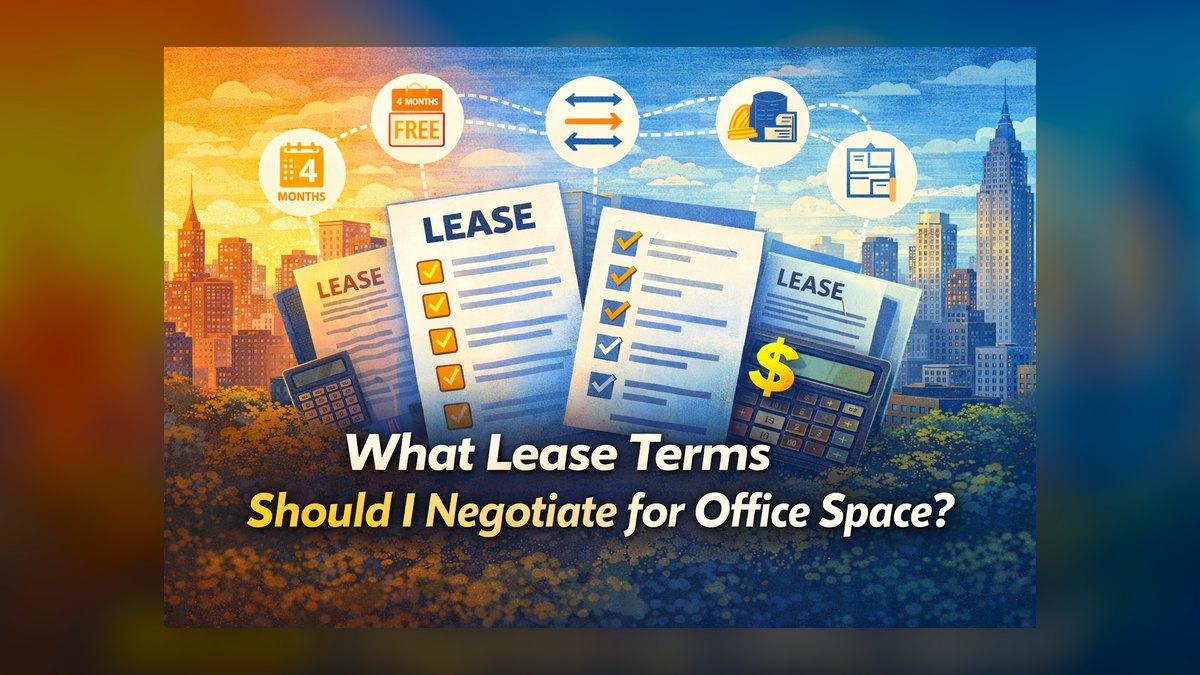
One tension worth naming: landlords wary of the use often prefer longer terms to offset their risk. You can trade a slightly longer initial term for a more generous TI allowance—a 7-year lease might secure $20–$40 per square foot versus $10–$20 for a 3-year term—but only take that trade if the location is genuinely proven. If the landlord stays hesitant, propose a shorter 2-year trial with a renewal option, giving them a low-risk way to test the use while keeping your own exposure small.
Phasing your cash and building for the eventual exit
A tattoo studio's economics reward a lean opening funded largely from revenue rather than debt. Open with only the number of stations you can realistically keep busy—partitions and chairs are cheap and fast to add once artist demand proves out, so resist the urge to overbuild on day one. Buy used where compliance allows: tattoo chairs, stools, storage, and reception furnishings routinely sell at 30–50% off from closing studios, while you buy the autoclave, sharps handling, and infection-control gear new to guarantee it passes inspection.

Because the buildout is light, you can often self-fund it or use a modest equipment loan or line of credit rather than a large construction loan, which keeps you flexible and keeps any personal guaranty smaller. If you do need outside financing, an SBA-backed loan can cover both buildout and equipment, and getting multiple contractor bids helps you show both the landlord and the lender realistic, defensible numbers instead of a guess.
Design with the exit in mind from the very first sketch. Keeping the plumbing and sealed surfaces in place not only avoids restoration cost but can make the space attractive to a future salon, med-spa, or service tenant—which quietly strengthens your hand when you negotiate a renewal, a rent reset, or an early termination. A space that is easy for the landlord to re-let is a space where you hold negotiating power, so the infrastructure you install today for compliance becomes leverage you can spend years from now.
Common lease traps that quietly inflate cost
Several clauses can raise your effective rent without ever touching the base number, so read the full lease, not just the summary term sheet a broker emails you. Percentage rent, where you pay a slice of revenue above a threshold, is common in retail leases but punishing for a service business with lower margins—negotiate to cap it or exclude it entirely. Use clauses that restrict hours or client types (for example, no walk-ins after 9 PM) can quietly break your business model, so make sure the permitted-use language actually matches how you intend to operate.
Watch the mechanics of pass-throughs too. Uncapped NNN charges can spike, and tattoo studios draw more water and power than typical retail, so a cap plus a base-year structure matters more here than for a low-utility tenant. Avoid "most favored nation" style clauses that force your rent to track increases granted to other tenants. Confirm you have the signage rights you need—a window decal or exterior sign—without extra fees, because visibility drives the walk-in traffic that is a meaningful share of a new studio's revenue.
Finally, make the landlord's cooperation explicit in writing. Because your permits require health-department inspections, add a clause that the landlord must reasonably cooperate with permit applications and not delay inspections. Consider negotiating a "turnkey" arrangement in which the landlord delivers basic infrastructure—plumbing rough-ins, an electrical-panel upgrade—while you handle finishes. Getting these terms in the signed document is far cheaper than litigating them after you have already opened and discovered the gap.
Related questions
How long does the special-use permit process usually take?
It varies widely by jurisdiction, but conditional- or special-use permits that go before a planning board commonly add anywhere from one to several months. Plan that timeline into your free-rent window so you are not paying full rent while waiting for approval to legally open your doors.
Is it cheaper to take over a former salon or medical space?
Often yes. Spaces previously built out for salon, spa, or medical use frequently already have the extra plumbing, sinks, and sealed surfaces a tattoo studio needs, which can cut the priciest mechanical work and reduce how much TI allowance you must negotiate to make the numbers work.
Do I need a broker to negotiate a tattoo studio lease?
It helps, especially one who knows medical or creative-use spaces rather than pure retail. A good broker knows which landlords are flexible on use restrictions and negotiates TI and abatement for you. The landlord typically pays the broker's commission, so your out-of-pocket cost is usually minimal.
What size studio should I start with?
Most single- to small-team studios open in roughly 800–2,000 sq ft. Start with only the stations you can keep booked, since adding partitions and chairs later is cheap and fast, while paying rent on empty square footage from day one is a steady, avoidable drain on a new business.
FAQ
What is the single most important thing to get in writing before signing? A zoning-and-use contingency that makes the lease conditional on written confirmation that body-art use is permitted by local zoning and by the property's covenants. Without it, you can be locked into a space you cannot legally operate in. Get it into the lease before you pay any deposit—this term is non-negotiable.
How much tenant-improvement allowance should I ask for? For a tattoo studio, aim for roughly $15–$40 per square foot, and up to $50 in strong markets or on longer terms. You need it for plumbing, ventilation, and electrical for autoclaves and stations. If the space is raw, push for the higher end; if it was already built out for salon or medical use, you may need less.
What is a fair lease term? Landlords often want five to ten years, but negotiate a three-to-five-year initial term with renewal options—two 3-to-5-year options is a common target. You want enough time to recoup your buildout, but not so long that a new, unproven location traps you. Renewal options let you stay if it works.
Can I cap NNN (triple-net) expenses? Yes. Negotiate a cap on annual increases in controllable expenses, usually 3–5% per year, and ask for a base-year structure so you only pay increases above the first year. Because studios use more water and power than typical retail, uncapped NNN can meaningfully raise your effective rent over the term.
What if the landlord will not offer a full TI allowance? If the allowance is low, negotiate rent abatement—typically two to six months of free rent—to offset your out-of-pocket buildout. You can also propose a landlord-funded buildout loan repaid over the term, though that is less common. Always bring multiple contractor bids to anchor the conversation in realistic numbers.
Should I remove everything at the end of the lease? Not if you can avoid it. Restoration to vanilla shell can cost $10,000–$30,000. Try to strike or cap the restoration clause, and leave the plumbing and sealed surfaces in place—doing so lowers your exit cost and makes the space more attractive to a future salon or service tenant.
Sources
- https://www.cbre.com/insights — CBRE retail and small-shop leasing and build-out cost research.
- https://www.us.jll.com/en/trends-and-insights — JLL retail tenant-improvement and fit-out cost guidance.
- https://www.cushmanwakefield.com/en/insights — Cushman & Wakefield retail leasing advisory and use-restriction briefs.
- https://www.gordian.com/products/rsmeans-data/ — RSMeans (Gordian) commercial interior and plumbing unit-cost data.
- https://www.naiop.org/research-and-publications/ — NAIOP lease economics and tenant-improvement research.
- https://www.boma.org — BOMA International net-lease, CAM, and lease-standard resources.
- https://www.safepiercing.org — Association of Professional Piercers infection-control and facility guidance.
- https://www.cdc.gov/infection-control/hcp/ — CDC guidance on sterilization and infection control.
- https://www.sba.gov/funding-programs/loans — U.S. Small Business Administration loan and financing guidance.
Related on PULSE
- [How Do I Budget a Dance Studio Buildout?](/knowledge/bo0179)
- [How Do I Budget a Yoga or Pilates Studio Buildout?](/knowledge/bo0177)
- [How Do I Budget a Recording or Photography Studio Buildout?](/knowledge/bo0153)
- [How Do I Budget a Gym or Fitness Studio Buildout?](/knowledge/bo0111)
- [How Do I Negotiate a Build-to-Suit Lease Rate (Cost x Cap)?](/knowledge/bo0224)
- [How Do I Negotiate My Lease When the Building Is Being Sold?](/knowledge/bo0221)
This page will be disappearing soon. Save it to your device for $1 — or read it free while it is here.
@Kory-White- · if Venmo asks, the last 4 of my number are 2012
 buildoutsHow Do I Budget a Garden Center or Nursery Buildout?
 buildoutsHow Do I Budget a Makerspace or Woodworking Shop Buildout?
 buildoutsHow Do I Budget a Brewery or Taproom Buildout?
 buildoutsHow Do I Budget a Med Spa Buildout?
 buildoutsHow Do I Budget a Butcher Shop or Meat Market Buildout?
 buildoutsHow Do I Negotiate a Lease and Buildout for Cannabis Cultivation?
 buildoutsHow Do I Negotiate a Lease and Buildout for an Urgent Care?
 buildoutsHow Do I Budget a Warehouse or Industrial Buildout?
 buildoutsHow Do I Budget a Bookstore-Cafe Buildout?
 buildoutsHow Do I Budget a Martial Arts Dojo Buildout?