
How Do I Budget an Arcade or Barcade Buildout?
 Curated byKory White · Fractional CRO · Maryland
 PULSEKNOWLEDGE LIBRARY
Budget $120–$300 per square foot for an arcade or barcade buildout — roughly $480,000 to $1.8M on a typical 4,000–6,000 sq ft space before you buy a single game. You are stacking a liquor-licensed kitchen and bar on a power-hungry gaming floor, so electrical capacity, ventilation, and grease infrastructure — not decor — drive the number.
Why a barcade costs so much more than a plain bar
A barcade is effectively two capital-intensive businesses sharing one slab, and the budget has to respect both halves independently. A plain neighborhood bar builds out at roughly $60–$120 per square foot; layering a dense gaming floor on top pushes you into $120–$300 per square foot. The gap comes from infrastructure a normal bar never touches: a much larger electrical service, two to three times the HVAC tonnage, distributed audio-visual systems, cashless card readers, and floor power drops scattered across the room.
The two sides compete for the same money without subsidizing each other. The kitchen and bar alone can run $130,000–$350,000 once you add a commercial hood, walk-in cooler, draft system, and three-compartment sink. The gaming side then demands its own electrical distribution, networking, and machines on top of that. Because the systems don't share much, you can't value-engineer one to fund the other — you simply have to pay for both.
Operators who budget "a bar plus a few games" underprice the project by six figures, then discover the shortfall mid-construction when the electrician quotes a service upgrade. The disciplined move is to treat the arcade floor and the food-and-beverage operation as two separate line-item budgets that happen to sit under one roof, and reconcile them only at the contingency stage. That separation forces you to size each system honestly instead of averaging them into a single optimistic per-foot number that undercounts both.
Electrical service is the line that surprises everyone
Electrical capacity is the single most underestimated cost and the item most likely to blow your schedule. A vintage cabinet draws only 100–300 watts, but modern redemption games, ticket dispensers, and VR rigs pull far more, and the aggregate load is what matters. A 40-machine floor combined with a full kitchen, bar refrigeration, and upsized HVAC can demand a 400–600 amp service in a building delivered with 200 — a mismatch that is common in converted retail and restaurant spaces.
Plan the electrical budget in three buckets. First, the service upgrade to 400–600 amps runs $25,000–$80,000, and climbs sharply if the utility has to set a new transformer — which also adds months of lead time you cannot compress. Second, dedicated gaming circuits and floor boxes cost $15,000–$40,000; you cannot run 40 cabinets off a handful of wall outlets, so you need home-run circuits and conveniently placed floor power to avoid extension-cord chaos across a public floor. Third, an optional generator or UPS for POS and security adds $10,000–$30,000 so a brief outage doesn't kill your card system or drop live transactions.
The critical move is timing: get the electrical scoped and priced *before* you sign the lease. If the utility transformer becomes the pacing item, no amount of construction speed recovers the schedule, and you may be paying rent on a space you legally cannot open. Ask the utility for a written service-availability letter and a transformer lead-time estimate during due diligence, not after the buildout starts.
What the gaming floor itself costs
The machines are a separate capital line from the buildout, and how you acquire them changes both your upfront number and your ongoing cash flow. Buying used classic cabinets — Pac-Man, Street Fighter, and similar — runs $1,500–$4,000 each, so a 40-machine floor of classics lands around $60,000–$160,000. Modern redemption and ticket games cost $8,000–$25,000 each, and pinball machines run $5,000–$15,000. A balanced 30–50 machine floor totals roughly $200,000–$600,000 to own outright.
Leasing changes the math. Operators typically lease machines at $150–$500 per machine per month on three-to-five-year terms and handle maintenance, dropping your upfront cost to almost nothing but taking a 40–50% revenue split. Revenue-share arrangements — common for claw machines and prize games — install equipment free in exchange for 60–70% of the take. A practical hedge for a new barcade is to *own* about 20 low-maintenance nostalgia classics and *lease or revenue-share* 20 modern games, keeping upfront machine spend under $80,000 while offloading the maintenance risk of the finicky redemption units.
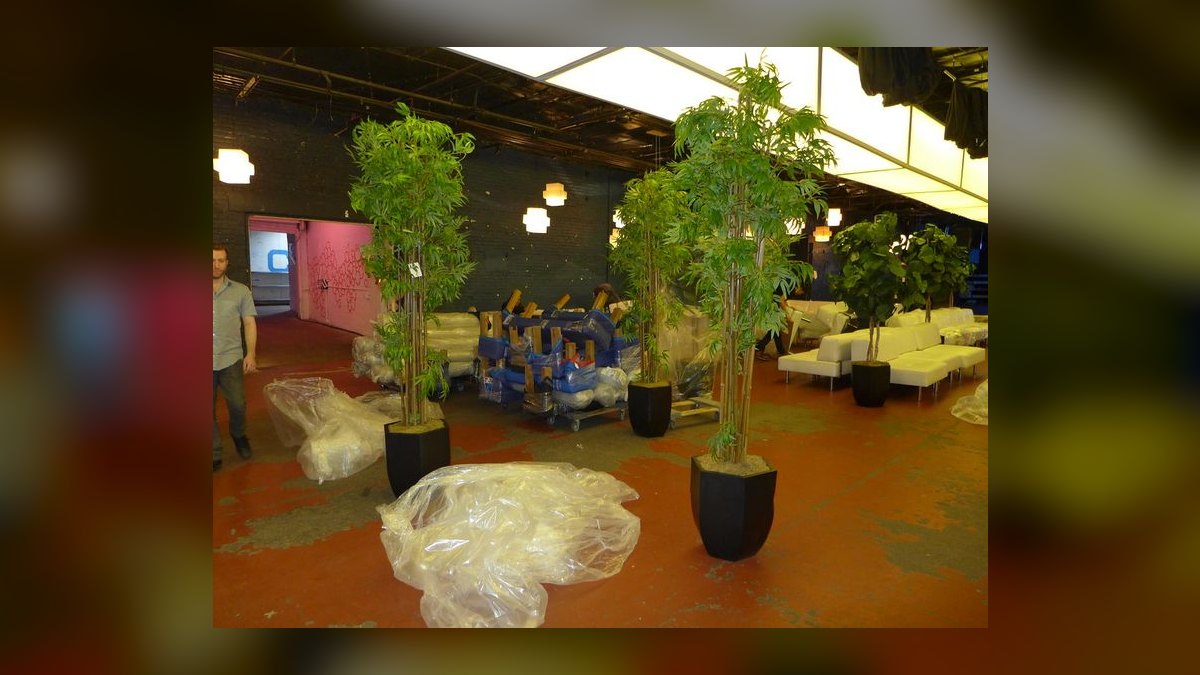
Beyond the games themselves, budget the connective tissue that makes the floor feel like a venue rather than a warehouse. Distributed sound, video walls, projector zones, and LED feature lighting run $30,000–$120,000, and the cashless card and redemption system from a vendor such as Embed, Intercard, or Sacoa costs $20,000–$60,000 for a mid-size floor on its own. Factor networking and cabling too — modern floors run on a small IT backbone, and pulling data plus power to every cabinet position is real labor that estimators frequently leave off the first draft.
The kitchen, bar, and the hood decision
The food-and-beverage side carries its own substantial buildout, and one design decision dominates it: the hood. If you serve grease-cooked food — burgers, fried appetizers, anything on a flat-top or fryer — you need a Type I hood with fire suppression, make-up air, and a grease interceptor, which runs $80,000–$200,000+ all-in. If you can hold your menu to non-grease cooking, a Type II hood saves you tens of thousands. Design the menu and the hood together, early, because retrofitting from Type II to Type I later means reopening the ceiling, the roof penetration, and the make-up air system.
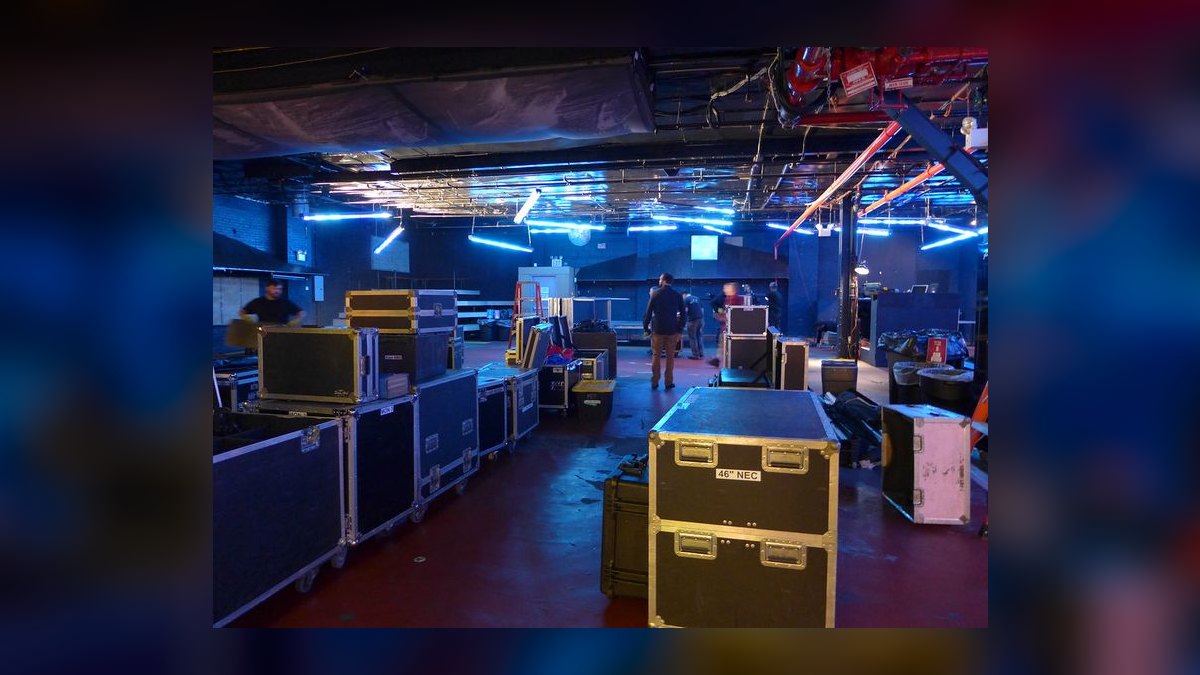
The bar is its own package: a draft system with glycol lines, a walk-in cooler at $12,000–$30,000, a three-compartment sink, ice machines, back bar, and POS total $60,000–$150,000. The grease interceptor deserves special attention — an exterior in-ground unit can run $10,000–$40,000 installed, and it is genuinely building infrastructure rather than tenant decor, which makes it a strong candidate to push onto the landlord.
Two structural items hide inside the kitchen budget. Floor loading matters because a walk-in cooler and heavy redemption cabinets concentrate weight; confirm the slab and any second-floor structure can carry it before you sign. And HVAC must handle a packed gaming floor plus kitchen heat, which typically means new or upsized systems at $15–$30 per square foot and two to three times the tonnage of a comparable plain bar. Undersize either and you get an uncomfortable room in month one and an expensive change order in month two.
Make the landlord fund the infrastructure
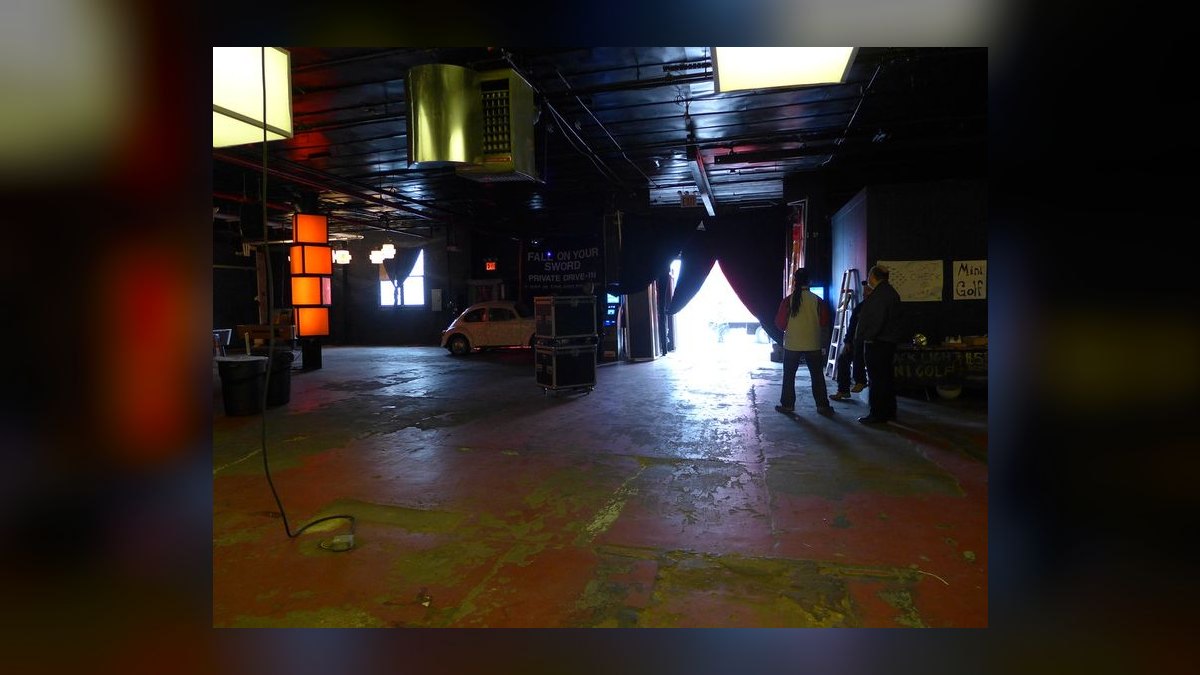
A barcade drives valuable nighttime traffic to a shopping center, so use that leverage in the lease. The highest-return negotiation is delivery condition: push the landlord to deliver a vanilla or warm shell with slab, demised walls, an HVAC stub, a grease waste line, and adequate base electrical service. Then treat the grease interceptor and electrical service upgrade as base-building work, not tenant improvement — they are permanent building infrastructure that outlasts your tenancy. If the landlord won't fund them in cash, amortize the cost into rent at 6–9% rather than paying out of pocket.
Ask for a real TI allowance of $50–$90 per square foot, typical for entertainment and F&B deals and sometimes higher to land a magnet tenant. Anything above the allowance, request that the landlord fund and amortize. On operating costs, negotiate a 3–5% cap on controllable CAM, exclude roof, parking, and structural replacement, and keep an audit right — large-footprint entertainment tenants get overcharged on CAM precisely because of their square footage.
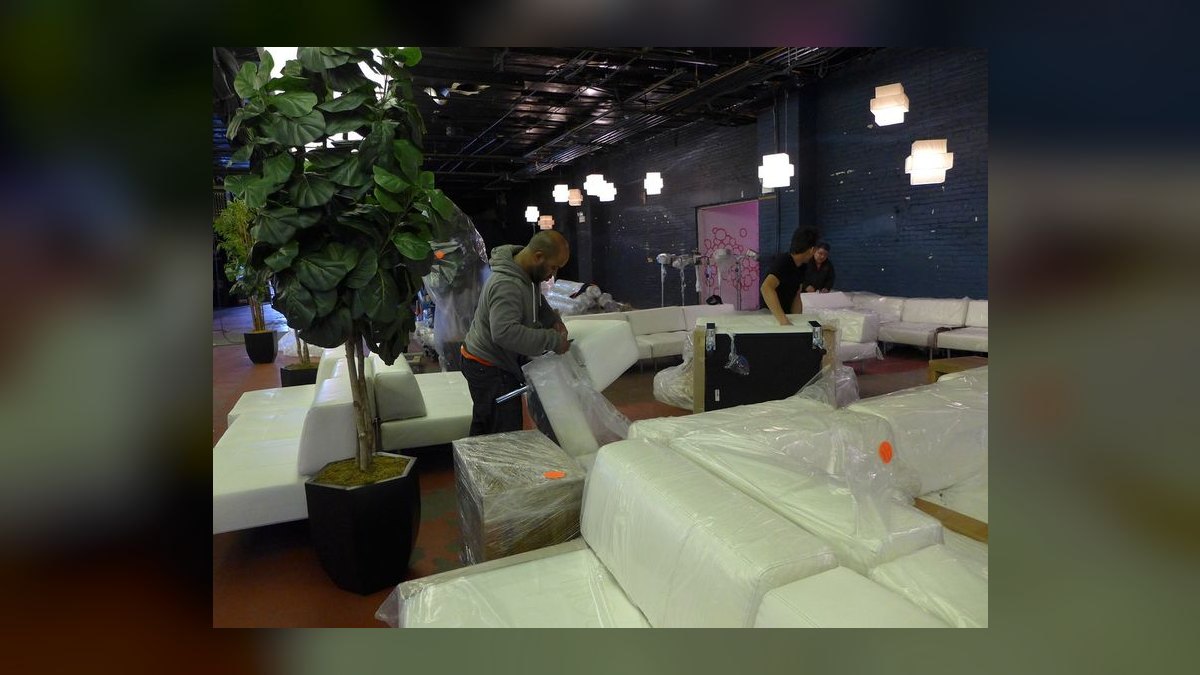
Protect your equipment and your exit. Your games, card systems, and most bar equipment are trade fixtures you own — spell that out so the landlord can't claim your six-figure game floor, and strike or cap any restoration clause that would force you to rip out the hood and grease line when you leave. Because a barcade takes 4–8 months to build and license, negotiate 4–8 months of free rent covering construction plus a short ramp; never pay rent on a space stuck in permitting. Before any of this, confirm in writing that the lease permits both arcade/amusement use and on-premise liquor, and that no co-tenant holds an exclusive that blocks your concept — a single restrictive-use clause in the landlord's standard form can void the entire idea after you've spent on design.
Hidden costs that quietly blow the budget
Beyond the headline electrical and hood numbers, several items routinely add $40,000–$120,000 if you don't plan for them. Sound isolation is first — games, music, and crowds generate noise complaints, and acoustic treatment, ceiling baffles, and door seals cost $20,000–$60,000, far cheaper than a lawsuit or a noise-ordinance shutdown. Flooring is second: standard bar hardwood or tile won't survive constant foot traffic, spilled drinks, and rolling game carts, so commercial-grade vinyl or sealed slip-resistant concrete at $8–$18 per square foot adds $32,000–$108,000 on a 4,000 sq ft floor.
Restrooms and ADA compliance is third and often shocking to first-timers. A bar and entertainment use triggers fixture counts based on occupant load, and a code-compliant restroom build runs $30,000–$80,000. Fourth, fire suppression and egress rules get stricter when you combine cooking grease with dense electronics — additional fire-rated walls or doors along egress paths can add $5,000–$20,000 beyond the hood suppression system.
Finally, budget a 12–15% contingency on hard costs as a non-negotiable line, and hold a 3–6 month working-capital reserve to cover payroll and utilities while the business ramps. Skipping the reserve is how well-built barcades still fail in month two: the doors open, the crowd hasn't found you yet, and there's no cash to bridge the gap between opening night and steady weekend traffic.
Soft costs and a realistic 5,000 sq ft budget
Soft costs — design, engineering, permits, legal, and licensing — typically run 15–25% of your hard budget, or $150,000–$250,000 on a $1M project. Architect and MEP engineering land at 8–12% of hard costs (roughly $20,000–$60,000 for a 4,000–6,000 sq ft space), building permits and plan-check fees run $5,000–$25,000, and the health department, fire marshal, and liquor-authority review timelines can stretch the schedule by months. A liquor license ranges from about $10,000 for beer/wine in a low-demand area to $150,000+ for full liquor in a major city where licenses are capped and brokered, plus $2,000–$5,000 in legal filing. Don't skimp on a specialized entertainment architect — a poor floor layout can cut game capacity 15–25%, directly reducing revenue for the life of the lease.
A realistic 5,000 sq ft barcade buildout, excluding games, breaks down roughly as: electrical service and distribution $40,000–$120,000; Type I hood, grease interceptor, and kitchen $90,000–$220,000; bar, walk-in, draft, and POS $70,000–$150,000; A/V and card system $40,000–$120,000; HVAC upgrade $75,000–$150,000; restrooms and ADA $40,000–$80,000; acoustics $25,000–$60,000; flooring, finishes, and seating $120,000–$300,000; design, engineering, and permits $80,000–$180,000; and contingency $80,000–$200,000. That subtotal is roughly $660,000–$1.6M in buildout, plus $200,000–$600,000 for games — which is exactly why every dollar of landlord-funded infrastructure is worth fighting for at the LOI stage.
Related questions
How much should I put in contingency?
Hold 12–15% of hard costs as construction contingency and a separate 3–6 month working-capital reserve for payroll and utilities during ramp. Barcades hit surprises in electrical, grease, and permitting, and utility transformer lead times can stall opening for months while rent accrues.
Should I buy or lease my arcade machines?
Buy low-maintenance nostalgia classics ($1,500–$4,000 used) to keep upfront costs down and margins high, and lease or revenue-share the finicky modern redemption games. A blended fleet can hold machine spend under $80,000 upfront while offloading repair risk to the operator or distributor.
What's the cost difference between a Type I and Type II hood?
A Type I hood with fire suppression, make-up air, and a grease interceptor runs $80,000–$200,000+ and is required for grease cooking. A Type II hood for non-grease cooking saves tens of thousands. Design your menu around the hood you can afford before construction begins.
How long does a barcade buildout take?
Plan 4–8 months of construction and licensing, and negotiate free rent to cover it plus a short ramp. Liquor-license review, fire-marshal sign-off, and utility electrical work are the usual pacing items — permitting delays, not construction speed, most often extend the schedule.
Can I convert a former restaurant to save money?
Often yes — an existing grease line, hood, and higher electrical service cut major costs. But verify the actual service amperage, hood type, and grease-interceptor condition; a dark restaurant frequently lacks the 400–600 amp capacity a gaming floor needs, which erases the perceived savings.
FAQ
What is the single biggest cost driver in an arcade or barcade buildout? Electrical and HVAC infrastructure for the gaming floor. A dense layout of 40–60 machines plus a bar and kitchen can require a 400–600 amp service upgrade costing $25,000–$80,000, and more if the utility must set a new transformer — which also adds months of lead time you cannot compress.
How much should I set aside for the arcade machines themselves? Modern redemption games run $8,000–$25,000 each and used classics $1,500–$4,000. For a 30–50 machine floor, budget $200,000–$600,000 to own outright, or lease and revenue-share to cut upfront cost in exchange for a 40–70% revenue split and offloaded maintenance.
Do I need a separate budget for the bar and kitchen? Yes. The bar (draft, walk-in, POS) runs $60,000–$150,000, and a full commercial kitchen with a Type I hood and grease interceptor adds $80,000–$200,000+. Treat food-and-beverage as its own line item, entirely separate from the gaming floor and its electrical infrastructure.
What permits and licenses should I expect to pay for? A liquor license ranges from about $10,000 to $150,000+ depending on state and market, since many areas cap and broker licenses. Building permits, health-department approvals, and amusement-device licenses add another $10,000–$40,000, plus legal filing and background-check fees.
How does the buildout timeline affect my budget? Construction and licensing take 4–8 months, and delays add carrying costs like rent, insurance, and loan interest. Negotiate free rent covering construction plus a ramp, and build a 2–4 month schedule contingency so permitting delays don't force you to pay rent on a closed space.
What hidden costs do first-time owners miss most? Sound isolation ($20,000–$60,000), heavy-traffic flooring, ADA restroom fixture counts ($30,000–$80,000), grease interceptors, and a robust dual POS for games and bar. Many also forget a 3–6 month working-capital reserve to cover payroll and utilities while revenue ramps.
Sources
- CBRE — U.S. retail research on entertainment and F&B lease terms and TI allowance benchmarks (https://www.cbre.com/insights)
- JLL — retail and experiential tenant trends, warm-shell delivery and magnet-tenant TI structures (https://www.jll.com/en/trends-and-insights)
- Cushman & Wakefield — restaurant and entertainment buildout cost and lease guidance (https://www.cushmanwakefield.com/en/insights)
- Gordian RSMeans — building construction cost data for electrical service, HVAC, restroom, and kitchen pricing (https://www.rsmeans.com)
- NFPA 96 — Standard for Ventilation Control and Fire Protection of Commercial Cooking Operations (https://www.nfpa.org)
- NAIOP — commercial real estate research on tenant-improvement and capital-cost trends (https://www.naiop.org/research-and-publications)
- BOMA International — operating expense standards, CAM caps, and audit-right practice (https://www.boma.org)
- U.S. Small Business Administration — startup cost planning and working-capital guidance (https://www.sba.gov)
Related on PULSE
- [How Do I Budget a VR Arcade or Laser Tag Buildout?](/knowledge/bo0205)
- [How Do I Budget a Funeral Home Buildout?](/knowledge/bo0220)
- [How Do I Budget an Ambulatory Surgery Center Buildout?](/knowledge/bo0219)
- [How Do I Budget an Imaging Center (MRI/CT) Buildout?](/knowledge/bo0218)
- [How Do I Budget a Dialysis or Infusion Center Buildout?](/knowledge/bo0217)
- [How Do I Budget a Physical Therapy Clinic Buildout?](/knowledge/bo0216)
This page will be disappearing soon. Save it to your device for $1 — or read it free while it is here.
@Kory-White- · if Venmo asks, the last 4 of my number are 2012
 buildoutsHow Do I Budget a Coffee Shop or Cafe Buildout?
 buildoutsHow Do I Budget a Chiropractic Clinic Buildout?
 buildoutsHow Do I Budget a Light Manufacturing Buildout?
 buildoutsHow Do I Budget a Pickleball Facility Buildout?
 buildoutsHow Do I Budget a Dance Studio Buildout?
 buildoutsHow Do I Budget a Micro-Cinema or Screening-Room Buildout?
 buildoutsHow Do I Budget a Brewery or Taproom Buildout?
 buildoutsHow Do I Negotiate the Landlord's Construction-Management Fee Down?
 buildoutsHow Do I Negotiate a Food Hall Stall Lease and Buildout?
 buildoutsHow Do I Budget an Imaging Center (MRI/CT) Buildout?