
How Do I Negotiate a Lease and Buildout for a Vape or Smoke Shop?
 Curated byKory White · Fractional CRO · Maryland
 PULSEKNOWLEDGE LIBRARY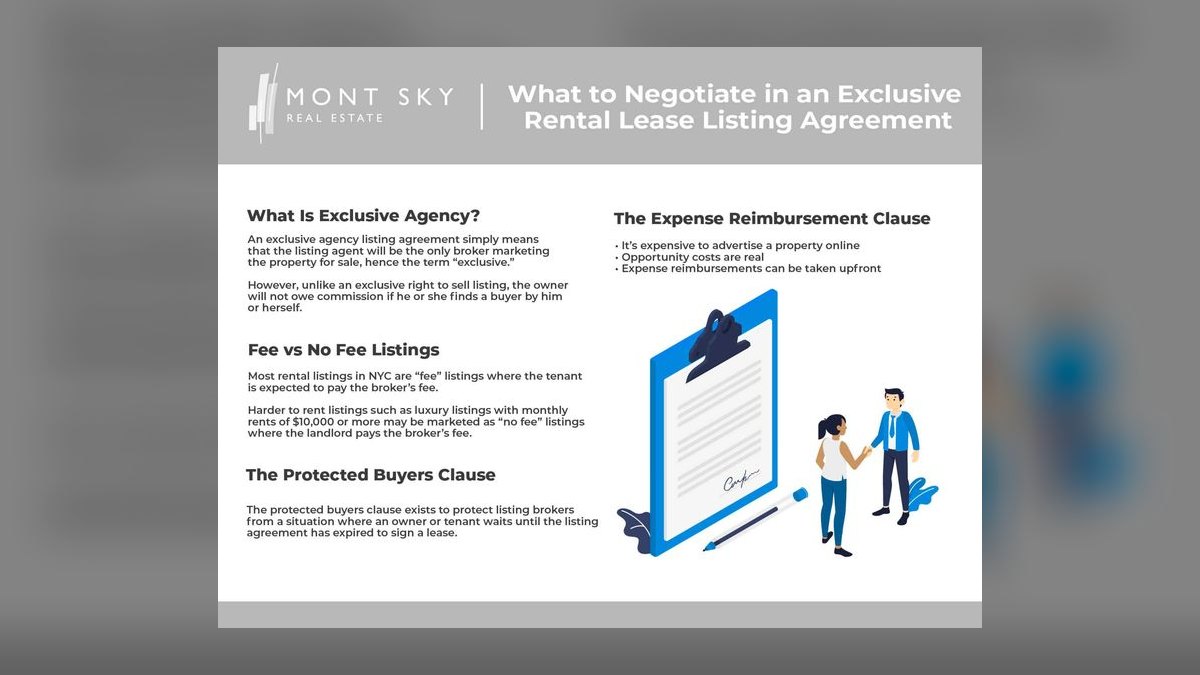
Negotiate a vape or smoke shop lease as a regulated retail use, not a generic store — the clauses that make or break you all hinge on that single distinction. Make the landlord confirm in writing that the space is zoned for tobacco, vapor, and hemp/CBD retail before you sign, insist on a broadly written permitted-use clause that names every product line you sell, and tie the lease to a licensing contingency so you can walk if the city denies your retail permits. The other high-leverage moves are free rent during buildout and licensing, a short and capped personal guaranty, an expense cap on the triple-net (NNN) charges, and an exclusivity clause that keeps a competitor out of your center.
Commercial landlords know this use is regulatorily fragile, so their standard lease is written to protect them if you fail — which means the burden is on you to rewrite it in your favor before signing. The good news is that a smoke shop buildout is comparatively light (you are merchandising, not manufacturing), so most of your negotiating energy should go into the lease language rather than the construction budget. This guide walks the exact clauses to fight for, the buildout cost drivers to plan around, and the traps that quietly sink first-time owners.
What Makes a Vape or Smoke Shop Lease Different From Standard Retail?
A standard retail lease assumes a "clean" use — apparel, gifts, a service counter — that any landlord and any insurer is comfortable with. A vape or smoke shop breaks that assumption on three fronts: the use is heavily regulated at the state and municipal level, the product mix (especially hemp-derived and CBD items) sits in shifting legal territory, and the category carries elevated theft and insurance exposure. Because of that, the landlord's boilerplate lease will often contain language that quietly pushes all of the regulatory risk onto you, from "you warrant your use is legal" clauses to restoration obligations that assume you will not survive the term.
The practical consequence is that you cannot treat the landlord's first draft as a starting formality. Every fragile point in your business — zoning approval, license timing, product legality, insurability — needs to be addressed explicitly in the lease, or the landlord's silence will be read against you later. Think of the lease as your primary risk-management document, not just a rent agreement. Getting the framing right also helps in adjacent trades; the same discipline applies whether you are outfitting a shop like the ones covered in PULSE's auto repair buildout guide or a specialty retail concept, because the underlying negotiation muscles are identical.
How Do I Get the Zoning and Permitted-Use Clauses Right?
Zoning is the first place a smoke shop deal dies, and it should die there rather than after you have paid for a buildout. Many municipalities restrict tobacco and vape retail by distance from schools, parks, churches, or other tobacco retailers, and some cap the total number of licenses in a district. Before you sign anything, get a written zoning verification letter from the city that names your specific use — not a verbal "should be fine" from a leasing agent. Then make the landlord warrant in the lease that the property is legally zoned for tobacco, vapor, and hemp/CBD retail, and pair that warranty with your own zoning-verification contingency that lets you terminate and recover your deposit if the confirmation does not come through.
The permitted-use clause is the second landmine. Landlords like narrow use clauses, and a clause that says "tobacco sales only" can be turned against you the moment your best margins come from hemp, CBD, glass, or accessories. Insist the use clause name every product line explicitly. If hemp/CBD is your revenue driver, it must appear by name, because a landlord who later dislikes the category can otherwise claim you breached a "tobacco only" use. Broad, named, and written down — that is the standard.
What Drives the Buildout Cost for a Smoke Shop?
A vape or smoke shop is one of the lighter retail buildouts because you are displaying and securing inventory rather than cooking, fabricating, or treating. The cost is concentrated in a handful of predictable line items, and knowing them lets you scope a realistic budget and negotiate a tenant-improvement (TI) allowance against real numbers. The biggest driver is secure display fixtures: lockable glass cases for high-value, high-theft items like devices and premium glass, plus a back-bar wall system behind the counter. Second is security — cameras, a monitored alarm, and often a roll-down gate — because smoke shops are robbery targets and both landlords and insurers frequently require it.
The single largest swing factor is whether you allow on-site sampling. If customers vape or smoke in the store, most jurisdictions require dedicated exhaust and make-up air, which is a real mechanical project. If you prohibit sampling, you avoid that system entirely and your buildout drops meaningfully. The rest is ordinary retail finish work — lighting, flooring, a feature wall — and a point-of-sale system with integrated age/ID verification that logs your compliance checks. Always take a second-generation retail space (a former store with existing systems) over a raw shell when you can; it removes the most expensive surprises. Owners scoping a fixture-heavy or refrigerated concept can cross-reference PULSE's florist walk-in cooler buildout breakdown for how specialized equipment reshapes a budget.
Which Lease Clauses Protect Me From Regulatory Risk?
Regulatory exposure is the defining risk of this business, so the lease has to give you exits and caps that a normal retailer would not need. The most important is the license contingency / kick-out clause: make the lease contingent on you obtaining your retail tobacco and vape licenses within a defined window, with the right to terminate and recover your deposit if the city denies you. Licensing delays are common, and you do not want to pay rent on a dark store while you wait — or be locked in if approval never comes. Pair that with free rent (abatement) covering both the buildout period and the licensing gap.
Beyond timing, protect against category-level shocks. Several states and cities have enacted flavor bans and other restrictions that can materially cut a smoke shop's revenue overnight. Negotiate a regulatory termination right that lets you exit if a ban or new restriction materially damages your product category, and keep your personal guaranty short and capped — ideally a "good guy guaranty" that releases you once you give notice and surrender the space clean, rather than an open-ended full-term guaranty. Add an exclusivity clause barring the landlord from leasing to a competing smoke shop in the same center, and cap the NNN/CAM pass-throughs with an audit right so the landlord cannot claw back your concessions through inflated operating expenses.
How Should I Negotiate Free Rent, TI Allowance, and the Guaranty?
Free rent is usually the highest-value concession you can win, because it costs the landlord nothing out of pocket and directly cushions your riskiest phase. Ask for abatement that spans your construction period plus the licensing gap, and frame it as the thing that lets you open successfully rather than a discount. Landlords facing a vacant unit are frequently willing to trade months of free rent for a signed tenant, especially in a soft corridor. Present it alongside a written buildout timeline so the request looks disciplined rather than opportunistic.
On the TI allowance, the standard retail figure is usually calculated for generic finishes, so bring an itemized buildout budget that shows your secure fixtures, security, and (if applicable) ventilation. Landlords will often increase the allowance when the alternative is a dark, unrented space — and you should push for the TI as a cash allowance you control, not landlord-managed construction, so you own the contractors and timeline. If they resist the full amount, propose amortizing your overage into rent credits over the first couple of years. Finally, treat the guaranty as a negotiation of its own: cap your exposure, convert to a good-guy structure, and never sign an open-ended personal guaranty on a use this regulatorily exposed. The same "trade term length for concessions" logic that works in PULSE's print and sign shop buildout guide applies here — a longer commitment is your currency for better economics.
What Are the Biggest Traps Landlords Set for Smoke Shops?
The first trap is the "legal use" dodge — a clause making you solely responsible for ensuring your use is legal, which the landlord points to the moment the city objects. Counter it by making the landlord warrant the zoning and by keeping your own verification contingency. The second is the restoration / demolition clause: landlords assume smoke shops will fail and try to make you rip out security walls and case anchors and "restore to base building" at the end. Cap restoration at a fixed dollar amount or strike it, because open-ended restoration obligations can erase your deposit and then some.
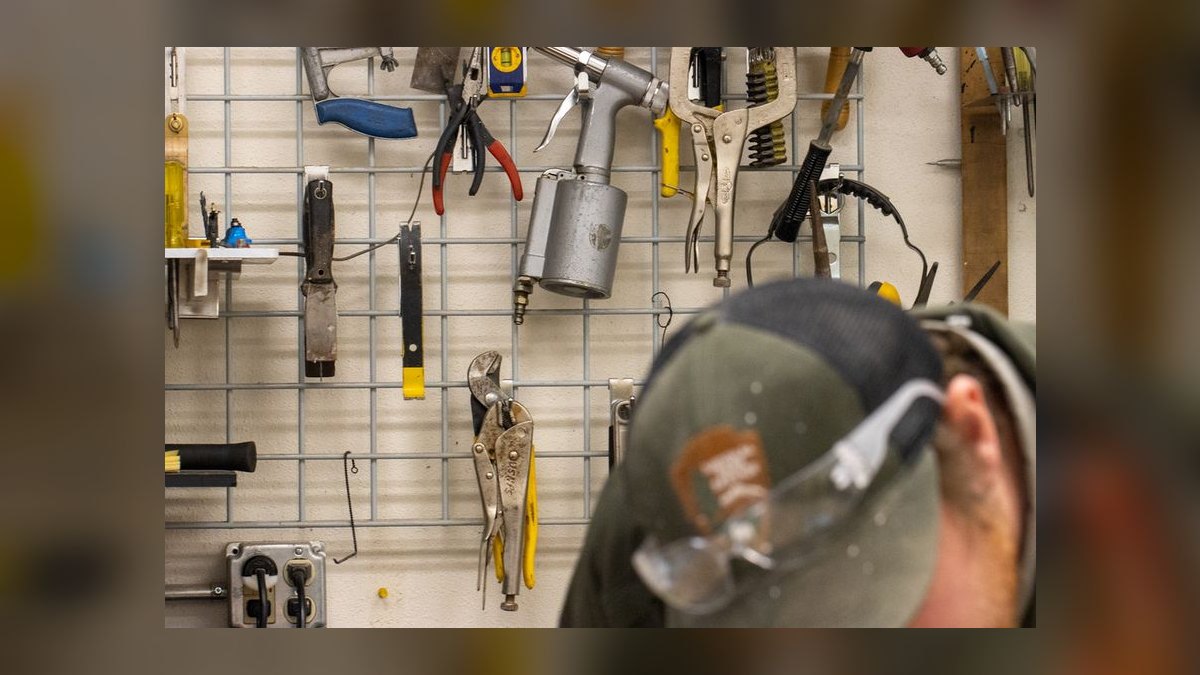
The third cluster is economic. Uncapped CAM/NNN is where landlords quietly claw back the free rent they "gave" you, so demand a cap and an audit right. Percentage rent creeps into premium-corridor deals — if you cannot refuse it, set a high breakpoint so it rarely triggers on your thin margins. And insurance is a genuine gotcha: some standard commercial general liability policies exclude vapor products, so confirm your carrier actually covers your product mix before you sign a lease that requires coverage you may not be able to obtain affordably. Treat each of these as a line-item negotiation, the same way an owner would approach the equipment-and-code tradeoffs in PULSE's makerspace buildout guide.
Related questions
Do I need a special license to open a vape or smoke shop?
Yes — most jurisdictions require a retail tobacco license, and vape/e-cigarette sales often need a separate permit. Some states also license hemp/CBD retail. Confirm every required permit before signing, and tie your lease to obtaining them.
Should I allow customers to sample products in the store?
Only if you plan for it. On-site sampling usually triggers code-required exhaust and make-up air, which adds significant buildout cost. Many owners prohibit sampling specifically to avoid that mechanical system and simplify both the buildout and the lease.
How long should my initial lease term be?
Long enough to recoup your buildout but short enough to preserve flexibility given regulatory risk. Pair a moderate initial term with renewal options at capped increases, and never accept a term so long it outlives your ability to exit a category shock.
What is a "good guy guaranty" and why does it matter?
It is a personal guaranty that releases you once you give proper notice and surrender the space clean and current. For a regulatorily fragile use like a smoke shop, it caps your downside far better than an open-ended full-term guaranty.
Can a competitor open next to me in the same center?
Only if you let them. Negotiate a written exclusivity clause barring the landlord from leasing to a competing smoke shop in your center. In a thin market, one competitor next door can split your customer base in half.
FAQ
How do I keep the landlord from blaming me if the city shuts my use down? Shift the burden with two mechanisms working together: a landlord warranty that the property is zoned for your specific use, and your own zoning-verification and license contingency that lets you terminate and recover your deposit. Do not accept a lease that makes you solely responsible for the legality of a use the landlord is renting to you.
What should my permitted-use clause actually say? It should name every product line you sell — tobacco, vapor/e-cigarette, hemp-derived and CBD products, glass, and accessories — rather than a narrow "tobacco only" description. If hemp or CBD drives your margins, it must appear by name, or a landlord who later dislikes the category can claim you breached the permitted use.
Is free rent or a bigger TI allowance the better thing to push for? Push for both, but prioritize free rent that spans your buildout and licensing gap, because it directly protects your riskiest cash-flow window and costs the landlord nothing out of pocket. Use an itemized buildout budget to justify a larger TI allowance as your second ask, ideally structured as a cash allowance you control.
How do I handle triple-net (NNN) and CAM charges? Cap the annual increase on controllable operating expenses, secure an audit right so you can verify what you are billed, and watch for a "base year" arrangement on taxes so you only absorb increases after year one. Uncapped CAM is the most common way landlords recover concessions they appear to have granted.
What buildout requirements are unique to a smoke shop? Secure, lockable display fixtures for high-theft items; a monitored alarm and camera system that insurers and landlords often require; an ID-scanning point-of-sale that logs age verification; and — only if you allow on-site sampling — a dedicated exhaust and make-up air system. Prohibiting sampling removes the most expensive mechanical requirement.
How do I protect myself against a flavor ban or new regulation? Keep your personal guaranty short and capped, and negotiate a regulatory termination right that lets you exit if a ban or restriction materially damages your product category. Because these rules can change quickly, your lease needs an exit valve that a normal retail tenant would never require.
Should I take a raw shell or a second-generation space? Take second-generation retail whenever you can. A former store with existing lighting, HVAC, restrooms, and storefront systems removes the most expensive and unpredictable surprises, letting you spend your capital on secure fixtures and security rather than base building systems.
Can I get renewal options and a right of first refusal on the space next door? Yes, and you should. Negotiate renewal options at capped increases so you control your future rent, and a right of first refusal on adjacent suites so you can expand — and so a competitor cannot move in beside you. Both are standard asks a prepared tenant can win.
Sources
- CBRE — Retail research and tenant representation
- JLL — Retail leasing and tenant improvement insights
- Cushman & Wakefield — Retail advisory and lease negotiation
- Gordian (RSMeans) — Commercial construction cost data
- BOMA International — Operating expense and CAM standards
- National Association of Tobacco Outlets (NATO)
- Vapor Technology Association — Regulatory tracking
- ICSC — Retail lease and industry benchmarks
- U.S. Small Business Administration — Leasing business space
Related on PULSE
- [How Do I Negotiate a Lease and Buildout for an Auto Repair Shop?](/knowledge/bo0113)
- [Can I negotiate a lease that converts my buildout allowance into equity in the building?](/knowledge/bo0315)
- [How do I negotiate a lease that allows me to recoup buildout value upon sublease](/knowledge/bo0288)
- [How Do I Negotiate a Lease and Buildout for a Daycare?](/knowledge/bo0115)
- [How Do I Negotiate a Lease and Buildout for a Tattoo Studio?](/knowledge/bo0139)
- [How Do I Negotiate a Lease and Buildout for a Private or Charter School?](/knowledge/bo0190)
This page will be disappearing soon. Save it to your device for $1 — or read it free while it is here.
@Kory-White- · if Venmo asks, the last 4 of my number are 2012
 buildoutsHow Do I Budget a Car Wash Site Buildout?
 buildoutsHow Do I Budget and Site a Self-Storage Facility?
 buildoutsHow Do I Budget a VR Arcade or Laser Tag Buildout?
 buildoutsHow Do I Budget a Pet Grooming Buildout?
 buildoutsHow Do I Budget a Makerspace or Woodworking Shop Buildout?
 buildoutsHow Do I Budget a Gym or Fitness Studio Buildout?
 buildoutsHow Do I Negotiate a Lease and Buildout for a Tattoo Studio?
 buildoutsHow Do I Negotiate a Lease and Buildout for an Urgent Care?
 buildoutsHow Do I Budget a Garden Center or Nursery Buildout?
 buildoutsHow Do I Budget an Optometry Office With an On-Site Lab?