
How Do I Budget a Dialysis or Infusion Center Buildout?
 Curated byKory White · Fractional CRO · Maryland
 PULSEKNOWLEDGE LIBRARY
Budgeting a dialysis or infusion center buildout requires understanding that these are not standard medical office fit-outs—they are complex, utility-intensive facilities with specialized infrastructure demands. Dialysis centers typically cost $150–$300 per square foot, while infusion centers range from $120–$250 per square foot, with the primary cost drivers being water treatment systems, medical-grade plumbing, specialized HVAC, and regulatory compliance. The single most effective cost-saving strategy is to lease a second-generation medical space with existing water treatment infrastructure, which can reduce costs by $60–$120 per square foot compared to building from raw shell space.
What Specific Infrastructure Drives Dialysis Center Buildout Costs?
The most significant cost driver in dialysis center construction is the water treatment system, which includes a reverse osmosis (RO) plant, carbon tanks, water softeners, and a distribution loop that runs $120,000–$350,000 installed for a 12–20 chair clinic. This system requires a dedicated water treatment room of 200–400 square feet with floor drains, backflow prevention, and compliance with AAMI/ISO 23500 water quality standards. Additionally, each dialysis station needs dedicated hot and cold water lines, chemical-resistant drain piping, and a 60–100 amp electrical circuit for the dialysis machine, meaning a 20-chair clinic may require 1,200–2,000 amps of electrical service—double what a typical medical office needs. The plumbing infrastructure alone, including saw-cutting the slab for drain runs at $3,500–$9,000 per run and installing seamless epoxy or sheet-vinyl flooring at $8–$16 per square foot, can account for 25–35% of total project costs.
Beyond water and plumbing, dialysis centers require medical-grade electrical systems with isolated, surge-protected power at each chair, emergency backup power with a 50–150 kW generator costing $25,000–$60,000 installed, and HVAC systems with MERV 13+ filtration and cooling sized at 350–450 square feet per ton to handle equipment heat loads. The electrical, emergency power, and nurse-call systems alone can run $120,000–$300,000 for a typical 8,000–10,000 square foot clinic.
How Does an Infusion Center Buildout Differ in Cost and Requirements?
Infusion centers generally cost less than dialysis centers—$120–$250 per square foot—because they do not require the extensive water treatment infrastructure of dialysis. However, they have their own expensive requirements, particularly if the center compounds hazardous drugs such as chemotherapy agents. A USP-800 compliant hazardous drug compounding room requires a negative-pressure anteroom, a biosafety cabinet, and specialized HVAC monitoring, adding $60,000–$200,000 in containment, ventilation, and compliance costs. Even non-compounding infusion suites need individual oxygen and suction at each chair, comfortable HVAC with good filtration, and private or semi-private bays for immunocompromised patients.
The electrical demands for infusion centers are generally lower than dialysis, but they still require medical-grade power, nurse-call systems, and emergency backup power. HVAC is a major cost driver, requiring medical-grade systems with 8–12 air changes per hour, HEPA filtration, and precise temperature/humidity control (68–75°F, 30–60% relative humidity), adding $30,000–$80,000 to the mechanical budget. The single most expensive item in an infusion center is often the USP-800 compounding room, which requires ISO Class 5 (Class 100) air quality and specialized ventilation, gowning areas, and pass-throughs costing $40,000–$90,000 for a 100–200 square foot room.
What Regulatory and Permitting Costs Should I Anticipate?
Dialysis centers face the strictest regulatory environment of any outpatient medical use. Beyond AAMI/ISO 23500 water standards, you need CMS Conditions for Coverage compliance, which mandates specific room sizes (minimum 120 square feet per dialysis station), handwashing sinks within 20 feet of each chair, and a dedicated isolation room for hepatitis B patients. State health department plan reviews can take 4–8 months and cost $5,000–$20,000 in permit fees alone. Many states also require a Certificate of Need (CON) for dialysis centers, which can add 2–12 months before you ever break ground, so confirming CON status before signing a lease is critical.
Infusion centers must comply with ASHP or Joint Commission standards for medication preparation, requiring a cleanroom with ISO Class 5 air quality for hazardous drug compounding. Both uses need fire sprinkler system upgrades (often to NFPA 13 standards) and egress modifications that add $15,000–$40,000 to the budget. Soft costs—including architectural/engineering fees (8–12% of construction), commissioning and validation of water systems ($15,000–$40,000), and legal/permitting expenses—typically add 18–25% to the hard construction budget. For a 3,000–5,000 square foot center, total soft costs can reach $100,000–$250,000 before construction begins.
How Can I Build a Defensible Bottom-Up Budget?
Building a bottom-up budget from actual line items allows you to defend your numbers to lenders, landlords, and investors. For a 15-chair, 8,000 square foot dialysis center in second-generation medical space, here are the typical cost ranges:
- General conditions/supervision: $60,000–$120,000 (7–10% of hard cost)
- Demolition: $4–$9 per square foot = $32,000–$72,000
- Framing, drywall, doors, finishes: $30–$55 per square foot = $240,000–$440,000
- Water treatment room and RO plant: $120,000–$350,000
- Plumbing for chair drains, sinks, distribution loop: $120,000–$300,000
- HVAC and exhaust: $80,000–$220,000
- Electrical, isolated power, emergency power, nurse-call: $120,000–$300,000
- Seamless flooring: $8–$16 per square foot = $64,000–$128,000
- Permits, design, engineering, state licensure prep: $60,000–$160,000
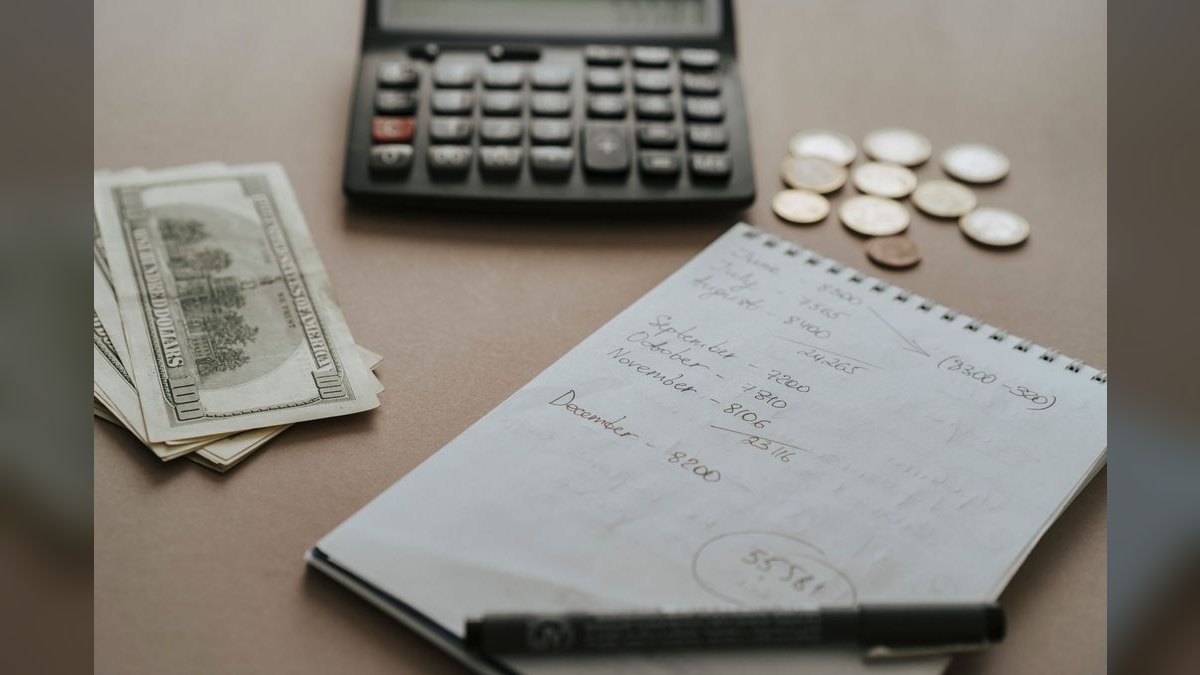
This lands hard cost around $900,000–$2,000,000, or $112–$250 per square foot, before stations. Dialysis stations (chair plus machine) run $25,000–$45,000 each, so 15 stations add another $375,000–$675,000 in equipment financed separately. Hold a 12–18% contingency—these projects find conditions behind every wall, and a failed water-quality validation can stall your opening for weeks.
What Negotiation Strategies Protect My Budget?
The most critical negotiation lever is the tenant improvement (TI) allowance from the landlord. A landlord touting $50 per square foot TI on a use that costs $150–$300 per square foot is offering you a fraction of the real cost. Negotiate the allowance up to $75–$120 per square foot in exchange for a longer term (10–15 years is normal for dialysis), insist it pays as reimbursement against paid invoices, and if any portion is amortized, treat that as an 8–10% loan and price it into your rent comparison. Demand the right to apply unused allowance to your first months' rent rather than forfeiting it.

The utility capacity ambush is another major risk. Require the landlord to confirm, in a delivery exhibit, the available water service size, sanitary main capacity, and electrical service amperage to your suite—and put the cost of any shortfall on the landlord as a base-building item. Owners who skip this discover during permitting that they are paying to bring a new electrical service or water tap to the building, costing $100,000 or more. Negotiate a 6–9 month rent-free buildout and survey window, because if you only get 90 days you will pay rent for months on a clinic that cannot legally open until the state surveyor signs off.
What Timeline and Cash Flow Considerations Matter?
A dialysis or infusion buildout runs 16–28 weeks of construction after permits, longer than most medical fit-outs because of the water plant, USP rooms, and the state survey that gates your opening. Permitting and any Certificate of Need (CON) process can add 2–12 months before you ever break ground. Every week empty burns rent: an 8,000 square foot suite at $32 per square foot annual costs roughly $4,900 per week sitting dark. Finance equipment separately from the construction loan, and keep a 15% liquid contingency outside the loan for the water-validation and survey punch-list items that always appear.

Bid three general contractors with documented dialysis or USP-800 infusion experience, get a fixed-price (stipulated sum) contract, cap change-order markup at 10–15%, hold 10% retainage until water-quality validation passes, and never release final payment before your state survey and licensure inspection clear. Experienced developers allocate 15–25% contingency for these buildouts—double the typical 10% for general medical offices—to cover unexpected structural modifications, utility company connection fees ($10,000–$30,000), and change orders during construction.
FAQ
What hidden infrastructure costs should I plan for? Beyond the obvious water treatment room, budget for electrical panel upgrades ($50,000–$120,000 for a 20-chair clinic), medical-grade HVAC with HEPA filtration ($30,000–$80,000), and emergency backup generators ($25,000–$60,000 installed).
Do I need a Certificate of Need (CON) for a dialysis center? Many states require a CON for dialysis centers, which can add 2–12 months to the pre-construction timeline. Confirm CON status before signing a lease to avoid paying rent on a facility you cannot open.
What is the difference in cost between new construction and second-generation space? Building from raw shell can cost $60–$120 per square foot more than retrofitting existing medical space with water treatment infrastructure already in place, making second-generation space a significant cost-saving opportunity.
How much contingency should I hold for a dialysis or infusion buildout? Experienced developers allocate 15–25% contingency, double the typical 10% for general medical offices, to cover unexpected structural modifications, utility connection fees, and water-validation punch list items.
What regulatory standards apply to dialysis center water systems? Dialysis centers must comply with AAMI/ISO 23500 standards for water quality, requiring reverse osmosis systems, carbon tanks, water softeners, and a recirculating distribution loop with chemical-resistant piping.
What are the soft costs I should budget for beyond construction? Soft costs including architectural/engineering fees (8–12% of construction), water system commissioning ($15,000–$40,000), and legal/permitting expenses typically add 18–25% to the hard construction budget.
Sources
- AAMI / ISO 23500, "Water for Hemodialysis and Related Therapies" standards
- USP General Chapters <797> and <800>, "Pharmaceutical Compounding — Sterile and Hazardous Drugs"
- Facility Guidelines Institute (FGI), "Guidelines for Design and Construction of Outpatient Facilities" (2022 edition)
- CMS Conditions for Coverage for End-Stage Renal Disease Facilities
- RSMeans / Gordian, "Building Construction Costs With RSMeans Data — Healthcare Occupancy"
- CBRE, "U.S. Healthcare Real Estate: Outpatient and Dialysis Cost Trends"
- JLL, "Healthcare and Life Sciences Fit-Out Cost Guide"
- NAIOP, "Medical Tenant Improvement and Specialty Use Allowance Benchmarks"
Related on PULSE
- [How Do I Budget an Ambulatory Surgery Center Buildout?](/knowledge/bo0219)
- [How Do I Budget an Imaging Center (MRI/CT) Buildout?](/knowledge/bo0218)
- [How Do I Budget a Garden Center or Nursery Buildout?](/knowledge/bo0202)
- [How Do I Budget a Family Entertainment Center or Mini-Golf Buildout?](/knowledge/bo0204)
- [How Do I Budget a Data Center or Colocation Buildout?](/knowledge/bo0195)
This page will be disappearing soon. Save it to your device for $1 — or read it free while it is here.
@Kory-White- · if Venmo asks, the last 4 of my number are 2012
 buildoutsHow Do I Budget a Bookstore-Cafe Buildout?
 buildoutsHow Do I Budget a Vertical Farm or Indoor Ag Buildout?
 buildoutsHow Do I Get a Right of First Refusal on the Space Next Door?
 buildoutsHow Do I Budget a Sushi Restaurant Buildout?
 buildoutsHow Do I Budget a Family Entertainment Center or Mini-Golf Buildout?
 buildoutsHow Do I Budget an IV Therapy or Wellness Clinic Buildout?
 buildoutsHow Do I Budget a Data Center or Colocation Buildout?
 buildoutsHow Do I Budget a Distillery Buildout?
 buildoutsHow Do I Budget a Trampoline Park Buildout?
 buildoutsHow Do I Budget a Physical Therapy Clinic Buildout?