


How do I get the landlord to pay for structural upgrades like HVAC or roof repairs in 2027?
Quality
Certified
Structural upgrades like HVAC and roof repairs are the landlord's obligation in most commercial leases, because they own the building's capital assets. Get it in writing before signing: an explicit clause assigning roof, HVAC, and structural repairs to the landlord, plus a capital-repair cap. If a system fails mid-lease, send written notice citing the clause and escalate.
Why the capital-versus-maintenance line decides who pays
The single most important distinction in any lease is capital repair versus routine maintenance, and blurring it is how tenants end up paying for the landlord's building. Capital assets — the roof membrane, the HVAC compressor, the plumbing stack, the electrical panel, the structural frame — belong to the landlord, and replacing them when they fail is their obligation. Routine maintenance — changing filters, cleaning drains, patching drywall, resetting a tripped breaker — typically falls to the tenant.
The trouble is that many leases collapse this line into a single vague sentence: "Tenant shall maintain the premises in good repair and condition." That phrase is a trap. A landlord's attorney will read "maintain in good repair" to include replacing a dead compressor or a failing roof section, because those are technically repairs needed to keep the premises in good condition. You signed up to change filters; you got a bill for a new rooftop unit.
Kill the ambiguity with explicit allocation language. Insert a clause that reads, in substance: "Landlord shall be responsible for all capital repairs and replacements to the roof, HVAC system, plumbing, electrical systems, foundation, and structural components serving the premises." Then define capital repair by dollar threshold — any single repair or replacement exceeding a stated amount per occurrence flips to the landlord. A definition plus an allocation clause together leave no room for a creative reinterpretation later. Without both, you are one compressor failure away from a five-figure surprise that the lease says, on its face, is yours.

How commercial leases differ from what most tenants assume
Most tenants walk into a lease negotiation carrying residential instincts, and those instincts are wrong for commercial space. In residential law, the implied warranty of habitability does heavy lifting: landlords must keep units livable, and remedies like rent withholding and repair-and-deduct are statutorily protected in most states. Commercial tenants have far fewer of these built-in protections. Courts generally treat commercial parties as sophisticated actors who can bargain for themselves, so the lease document — not a statute — governs almost everything. Only a handful of states extend anything like a habitability doctrine to commercial leases, and even then it is narrow.
That has a hard practical consequence: whatever you fail to negotiate into the lease, you generally cannot recover through default legal protection later. The lease is close to the whole story.
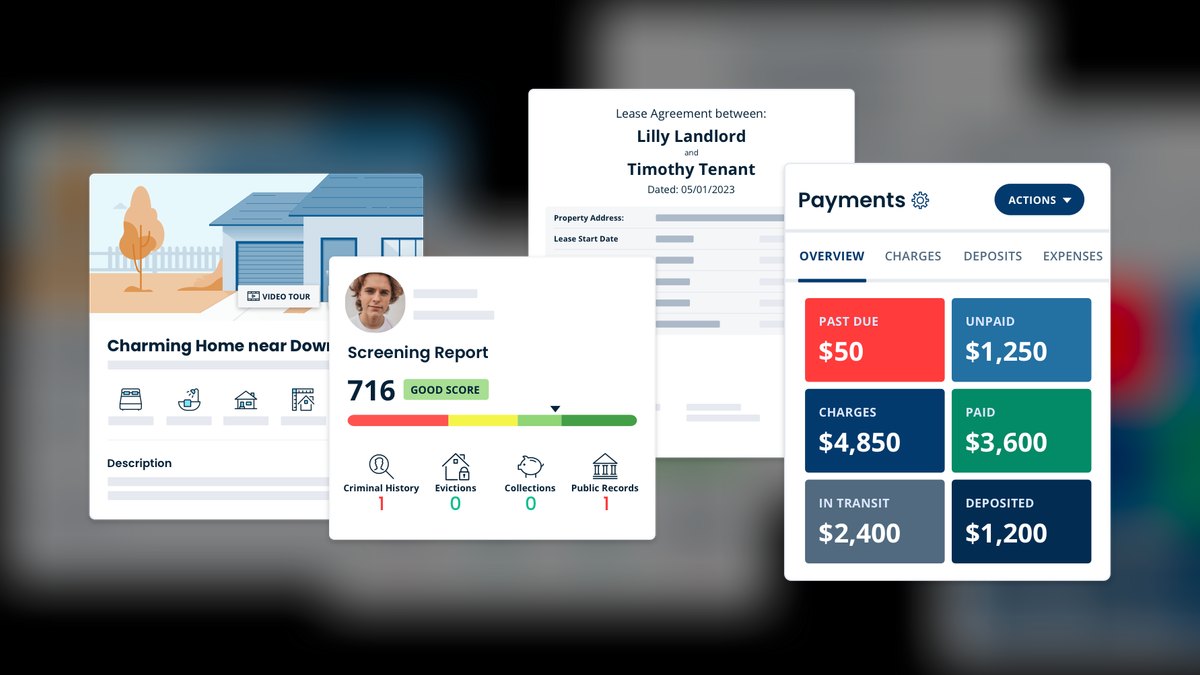
Lease structure also shapes the fight. In a gross lease, the tenant pays a flat rent and the landlord absorbs operating costs and typically capital repairs — friendlier to the tenant on structural items. In a triple-net (NNN) lease, the tenant pays rent plus taxes, insurance, and maintenance, and landlords often try to fold roof and HVAC capital costs into that "maintenance" bucket. NNN does not automatically mean you owe capital replacements — that depends on the specific repair clause — but it is where the aggressive cost-shifting lives. A "modified gross" or "full-service" lease sits between the two. Read which structure you are in before you argue about a single system, because the structure sets the default everyone is negotiating against.
Negotiating the HVAC clause specifically
HVAC is the most common battleground because the numbers are large and the failure is dramatic. A single rooftop unit runs into the thousands installed, and a full system replacement for a mid-size space can reach into the tens of thousands. Landlords like to reclassify HVAC upkeep as an "operating expense" the tenant funds. Push back on four fronts.
First, demand a maintenance history before signing. Commercial HVAC units typically last 15–20 years. Ask for records of annual inspections and past repairs. If the landlord can't produce them, or the unit is near the top of that age range, treat it as end-of-life and price the risk accordingly.
Second, negotiate a replacement commitment. Get the landlord to agree in writing that if the unit fails during your term, they will repair or replace it within a defined window — often 30 to 60 days, faster in extreme weather. Some landlords will fund a new unit through a tenant-improvement (TI) allowance in exchange for a longer lease term; that can be a fair trade if the term works for you.

Third, cap your exposure. If you accept responsibility for minor service, cap your annual HVAC spend at a set figure and shift everything above it to the landlord. This is a standard office-lease compromise and it protects you from a single catastrophic repair swallowing a year of budget.
Fourth, use a comfort standard. Require the landlord to keep HVAC capable of maintaining comfortable working conditions — a defined temperature band such as roughly 68–72°F during business hours. If the system physically cannot hold that range, the clause makes the shortfall the landlord's problem rather than a subjective dispute.
Getting roof repairs and replacement covered
The roof is the landlord's responsibility in nearly every commercial lease, yet leaks and deterioration still generate disputes because landlords stall, hoping you will absorb a temporary patch. A full commercial roof replacement can run into the tens of thousands, so the incentive to delay is real. Protect yourself on four points.
Inspect before you sign. Hire a licensed roofer to assess condition and estimate remaining service life. If the roof has less than about five years left, make replacement a condition of signing, or negotiate a rent abatement that offsets the eventual cost across your term. Inheriting a near-dead roof without a plan is inheriting a liability.
Attach the roof warranty. Require the landlord to provide a copy of the existing manufacturer or installer warranty and to keep it in force. Many commercial roof warranties are voided by unauthorized repairs, so specify that if the warranty lapses during your term, the landlord renews it at their cost.
Define emergency and consequential damage. A leak rarely damages only the roof — it ruins inventory, equipment, and interior finishes. Spell out that the landlord pays for both the roof repair and the resulting interior damage, so they can't later reframe an active leak as tenant "wear and tear."
Invoke quiet enjoyment. A persistent leak that disrupts operations can breach the covenant of quiet enjoyment implied in most leases. Depending on your lease language and state law, that breach may unlock remedies — abatement, repair-and-deduct, or termination — if the landlord ignores a reasonable cure period. The leverage is real because the roof protects the landlord's own asset; letting it fail devalues their building, not just your space.
Using the repair-and-deduct strategy correctly
When a landlord flatly refuses to fix a covered system, repair-and-deduct is the most direct remedy — but it is also the easiest to get wrong, and getting it wrong can get you evicted. This remedy is well established in residential law and far shakier in commercial leases; some leases prohibit it outright and some states don't recognize it for commercial tenants. Confirm your lease permits it and your state allows it before you touch a rent payment.
Run it as a disciplined sequence. Send written notice by certified mail describing the failure precisely — "HVAC non-functional, interior temperature exceeds the lease's comfort standard" — and citing the exact clause that obligates the landlord. Give a reasonable deadline matched to urgency: 48 hours for an active roof leak during rain, 14 to 30 days for a slower failure. Obtain at least two licensed-contractor quotes and select the lowest qualified bid so the amount is defensible. Notify the landlord in writing of your intent to hire the contractor and deduct the cost, enclosing the quote and timeline. Only proceed if the landlord fails to respond or refuses, then deduct the exact documented amount from your next rent, attaching the paid invoice.

The caveats matter as much as the steps. Never deduct without proper notice — a landlord can treat the shortfall as nonpayment and move to evict. Never deduct more than about one month's rent without court involvement, since a large self-help deduction can trigger a default clause. And consult a commercial real estate attorney before executing, because a botched repair-and-deduct converts a landlord's breach into your default.
Building the capital-repair cap into the lease
The strongest single protection you can negotiate is a capital-repair cap — a dollar threshold above which the landlord pays. Request language in the substance of: "Landlord shall be responsible for all costs of repairing or replacing the roof, HVAC system, plumbing, electrical, and structural components of the Building, except that Tenant shall bear the first $[amount] of any single repair or replacement to any such system; any cost exceeding $[amount] shall be borne solely by Landlord."
Set the cap to your space. A small office can accept a modest per-occurrence threshold — enough to cover a thermostat swap or a small patch while pushing a compressor or roof section to the landlord. Larger footprints justify a higher cap. Pair the cap with the maintenance-history disclosure: if the HVAC is near end-of-life, argue the cap down, because failure is imminent and you shouldn't pre-fund a replacement the landlord already owes.

Landlords accept caps more readily than tenants expect, because a cap gives them a clean budget line and limits their exposure to nuisance small-dollar claims. They already own the big-ticket systems, so capping the small stuff costs them little. If a landlord flatly refuses to cap or even to define "capital repair," treat it as a signal — they may be hiding a known problem and want the flexibility to argue every invoice.
Escalating through building codes and health regulations
When the lease and direct negotiation stall, your local government can become your most effective ally. Most jurisdictions require commercial buildings to maintain functional climate control and weather-tight roofs to satisfy minimum safety and sanitation standards, and enforcement carries real teeth. File a formal complaint with municipal code enforcement or the health department, and an inspector's citation creates an official record of the violation.
That record shifts the leverage decisively. The landlord now faces potential fines, a legal order to remediate, and in serious cases jeopardy to the certificate of occupancy — which can make the space unrentable to anyone. The tactic works especially well where climate control or a dry interior is tied to the tenant's own licensing: food-service kitchens, medical and dental offices, and labs often cannot legally operate outside required conditions, so a failed system becomes a code problem the landlord cannot ignore. Mold from a chronic roof leak triggers health-code exposure on top of lease breach. Document the failure, file the complaint, and let the citation do the negotiating you couldn't.
Structuring the written demand letter

Your written demand is the document a judge or arbitrator reads first, so make it specific and professional. Quote the exact lease clause that assigns the repair to the landlord. Attach a licensed contractor's written estimate — a quote, not an invoice, so it reads as good-faith notice rather than a self-help deduction already executed. State a reasonable deadline, typically 14 to 30 days, tightened for genuine emergencies.
Then name your intended remedies plainly: that if the repair is not completed by the deadline you intend to exercise available legal remedies, which may include repairing and deducting, paying rent into an escrow account, pursuing injunctive relief, or terminating for uninhabitability where your lease and state law allow. Keep a copy of the letter and the delivery confirmation. That paper trail — dated notice, cited clause, contractor estimate, proof of delivery — is what separates a tenant enforcing the lease from a tenant who simply stopped paying, and it is often what ends the dispute before it reaches court.
Knowing when to walk away
Some buildings are not worth the fight, and recognizing that before you sign saves years of conflict. Walk if the HVAC or roof is beyond its useful life and the landlord refuses to replace it up front — you'll spend the entire term litigating repairs. Walk if the landlord insists on a lease that makes you responsible for "all repairs, replacements, and improvements," which is a blank check written against your bank account. Walk if the building has a documented history of leaks, mold, or system failures and the landlord won't share inspection reports, because you're buying their liability. And walk if the landlord refuses to define "capital repair" or set any cap — that refusal usually means they intend to contest every bill.
A cooperative landlord in a sound building is worth a somewhat higher rent; a combative landlord in a marginal building costs far more in downtime, spoiled inventory, and legal fees than the rent ever saved you. If the landlord is already fighting over a filter change during the honeymoon of lease negotiation, picture the fight when the roof actually fails.
Related questions
Does a triple-net lease automatically make me pay for a new roof?
No. NNN means you pay taxes, insurance, and maintenance, but whether "maintenance" includes capital replacement depends entirely on the repair clause. Negotiate explicit language excluding roof, HVAC, and structural replacements, plus a capital cap, so NNN doesn't quietly become an ownership-cost transfer.
How long can a landlord take to fix a broken HVAC system?
The lease governs. If it sets a cure period, that controls; otherwise "reasonable time" applies, judged by urgency. A failure in extreme heat may demand action within days, a minor degradation within weeks. Written notice with a stated deadline starts the clock and preserves your remedies.
Can I terminate my lease if the roof keeps leaking?
Possibly, if the leak breaches quiet enjoyment or a specific repair covenant and the landlord ignores proper notice and a cure period. Termination for uninhabitability is easier when your lease spells it out. Document everything and get legal advice before walking, since wrongful termination exposes you to liability.
What's the difference between a TI allowance and a landlord repair?

A tenant-improvement allowance funds space customization you requested, often amortized into rent. A landlord repair restores a building system the landlord already owns and owes. Don't let a landlord reframe an owed capital repair as a TI "gift" that lengthens your term or raises your rent.
Should I get a lawyer before signing a commercial lease?
For anything beyond a short, low-value term, yes. A commercial real estate attorney costs a fraction of one disputed roof or HVAC replacement and catches the vague "maintain in good repair" language that shifts capital costs to you. The review pays for itself the first time a major system fails.
FAQ
What if the lease says I'm responsible for all repairs, even capital ones? That is a triple-net obligation pushed too far. You should not accept responsibility for structural or capital replacements, since a single roof or HVAC job can cost more than a year of savings on rent. Renegotiate the clause, cap your exposure, or walk away.
Can I withhold rent if the landlord won't fix the HVAC? Sometimes, but only after proper written notice and a reasonable cure period, and only if your lease and state law permit it. Rent withholding is primarily a residential remedy; commercial tenants have fewer statutory protections and some leases prohibit it outright. Consult an attorney before withholding a dollar.

How do I prove the HVAC is the landlord's responsibility? Start with the "landlord's obligations" clause, which usually lists structural components, roof, and major building systems. If the lease is vague, rely on its overall allocation of capital versus maintenance and any applicable local commercial landlord-tenant law. Clear drafting at signing avoids this dispute entirely.
What's a typical capital-repair cap amount? It scales with the space. A small office often sets a modest per-occurrence threshold covering minor fixes, while larger footprints negotiate higher caps. Set it too high and you're effectively funding the landlord's asset; too low and the landlord may balk. Match it to the systems' age and condition.
Does the landlord have to provide a maintenance history before I sign? No law requires it, but you can make disclosure a condition of signing. If the landlord refuses, assume the roof and HVAC are poorly maintained and negotiate accordingly — a lower rent, a replacement commitment, or a tighter cap. Missing records are themselves a warning sign.
What if the landlord says repairs are included in the rent but then charges me? That's a potential breach of the lease. Document the promise and the charge, send a written demand for reimbursement citing the relevant clause, and if the landlord refuses, weigh legal action or termination for breach. Verbal assurances are worth little — get the repair allocation in the written lease.
Sources
- https://www.boma.org/
- https://www.ashrae.org/
- https://www.nrca.net/
- https://www.nar.realtor/
- https://www.law.cornell.edu/wex/landlord-tenant_law
- https://www.energy.gov/eere/buildings/commercial-buildings
- https://www.sba.gov/business-guide/manage-your-business/buy-lease-commercial-space
- https://www.nolo.com/legal-encyclopedia/commercial-leases
Related on PULSE
- How Do I Get the Landlord to Pay for the HVAC or Roof?
- How do I avoid paying for structural upgrades the landlord should cover to bring the space to code?
- Can I require the landlord to pre-purchase long-lead items like elevators or HVAC units?
- What Do I Do With a Landlord Who Won't Make Repairs?
- Who Pays for Code-Required Upgrades in a Buildout?
- Who Pays for HVAC Repair and Replacement in a Commercial Lease?
This page will be disappearing soon. Save it to your device for $1 — or read it free while it is here.
@Kory-White- · if Venmo asks, the last 4 of my number are 2012
This page is gone.
This one is off the shelf now. $1 keeps it on your phone for good — the whole page, pictures and diagrams included.
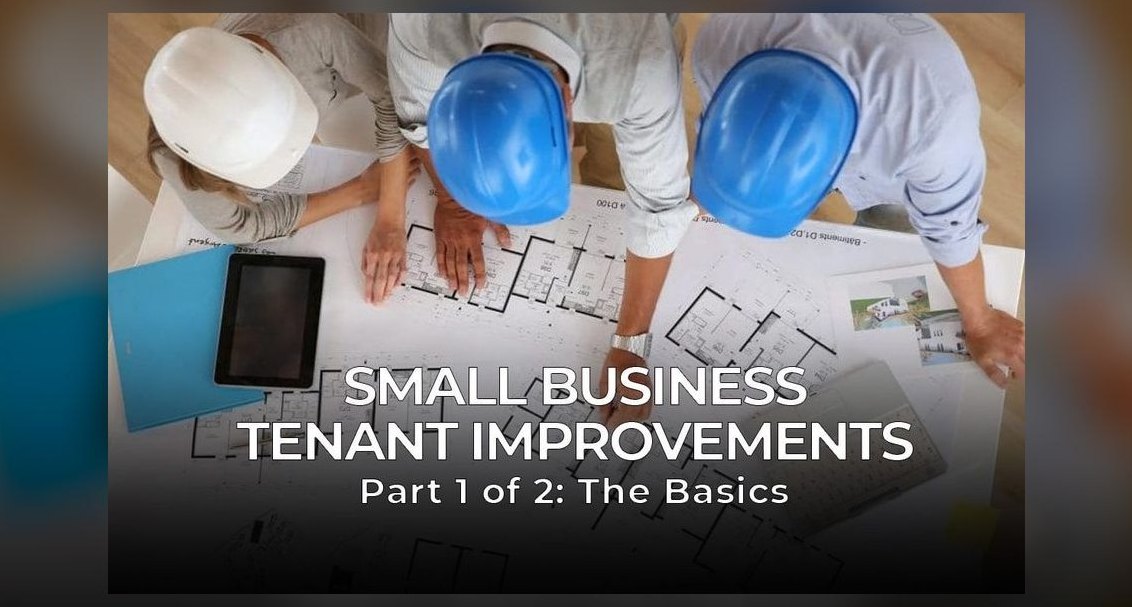 boHow Do I Get Tenant Improvement Money on a Lease Renewal in 2026?
 boShould I negotiate a rent-free period during the entire buildout duration including punch list in 2027
 boCan I deduct unused TI allowance from my first year's rent payments in 2027?
 boShould I accept an allowance that depreciates over lease years or get it all upfront in 2027?
 boWhat are the tax implications of taking TI cash versus amortized rent in 2027?
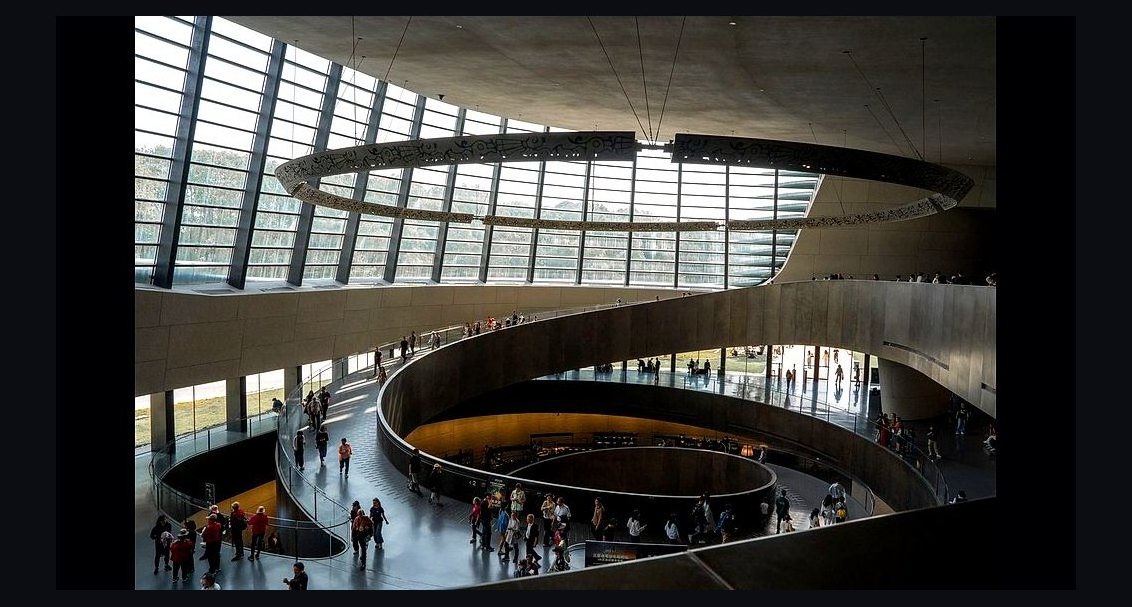 boHow do I structure a redevelopment deal where the tenant pays for the building skin in 2027
 boWhat's the average cost to run new electrical for a private server room buildout in 2027?
 boShould I negotiate a penalty for the landlord if their preferred GC misses the occupancy deadline in 2027
 boCan I lock in my TI allowance amount in 2027 dollars to protect against inflation
 pulse-buildoutsTop 10 best Buildouts options in 2027