


How Do I Calculate My Real Cost When the Landlord Funds the Buildout in 2027?
Quality
Certified

Your real cost isn't the buildout price tag — it's the rent premium the landlord charges to recover it. To calculate it, take the Tenant Improvement Allowance divided into your lease term, apply the landlord's amortization rate (usually 8-12% simple interest), and compare that embedded monthly charge against what you'd pay financing the same buildout yourself through a bank or contractor.
Options compared (turnkey vs. allowance vs. as-is)
When a landlord offers to fund a commercial buildout, you're almost always choosing between three structures, and each one hides your real cost differently. Understanding which one you're being offered — and what it actually Funds — is the first step before you can Calculate anything.
Turnkey buildout. The landlord manages the entire construction process, hires the general contractor, selects finishes within a defined budget, and delivers a finished space. You never see itemized costs. The risk here is that the landlord has no incentive to control spend efficiently because they're recovering it through rent regardless — and you have zero visibility into whether $85/sq ft of work actually cost $85/sq ft or $60/sq ft with a $25 markup baked in. Turnkey deals tend to run 15-25% more expensive than allowance deals for identical scope, because the landlord's construction management fee, general contractor relationship, and lack of competitive bidding all get folded into what becomes your amortized rent. The upside: less time and risk on your plate, and a single point of accountability if something goes wrong before occupancy.
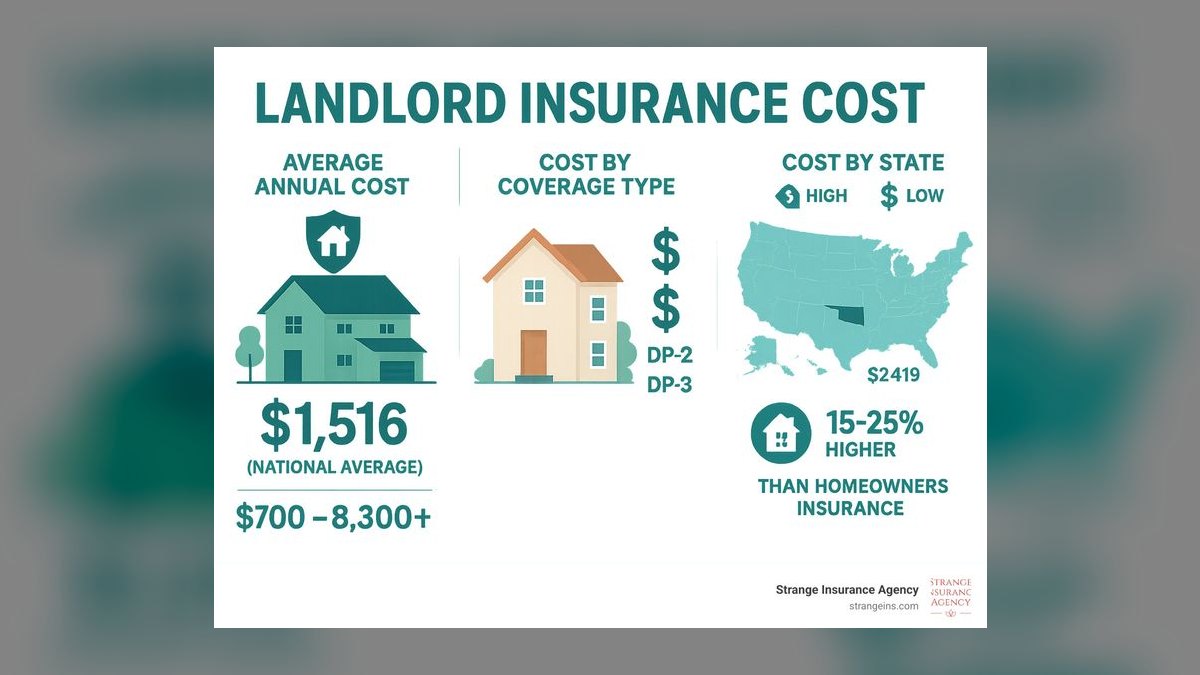
Tenant Improvement Allowance (TIA). The landlord commits a fixed dollar figure — commonly expressed as dollars per square foot, ranging roughly $20-$50/sq ft for a light retail refresh, $50-$100/sq ft for a standard office build-out, and $100-$150+/sq ft for a heavy medical, lab, or restaurant build with plumbing and HVAC work — and you hire and manage the contractor yourself. Any amount you spend above the allowance comes out of pocket immediately or gets rolled into rent as "over-allowance" amortization at whatever rate is written into the lease. This structure gives you the most control over vendor selection and cost, but it also means you carry the construction risk: overruns, delay penalties, and change orders land on you, not the landlord.
As-is / cash allowance credit. The landlord gives you a flat cash credit against rent or due at occupancy, with zero involvement in construction. You Calculate your real cost the same way you would any capital project: total buildout spend minus the credit, financed however you choose. This is the cleanest option to model because there's no amortization trick sitting between you and the number — but landlords typically offer smaller totals here because they're giving up the ability to recapture the space's improvements if you default or vacate early.
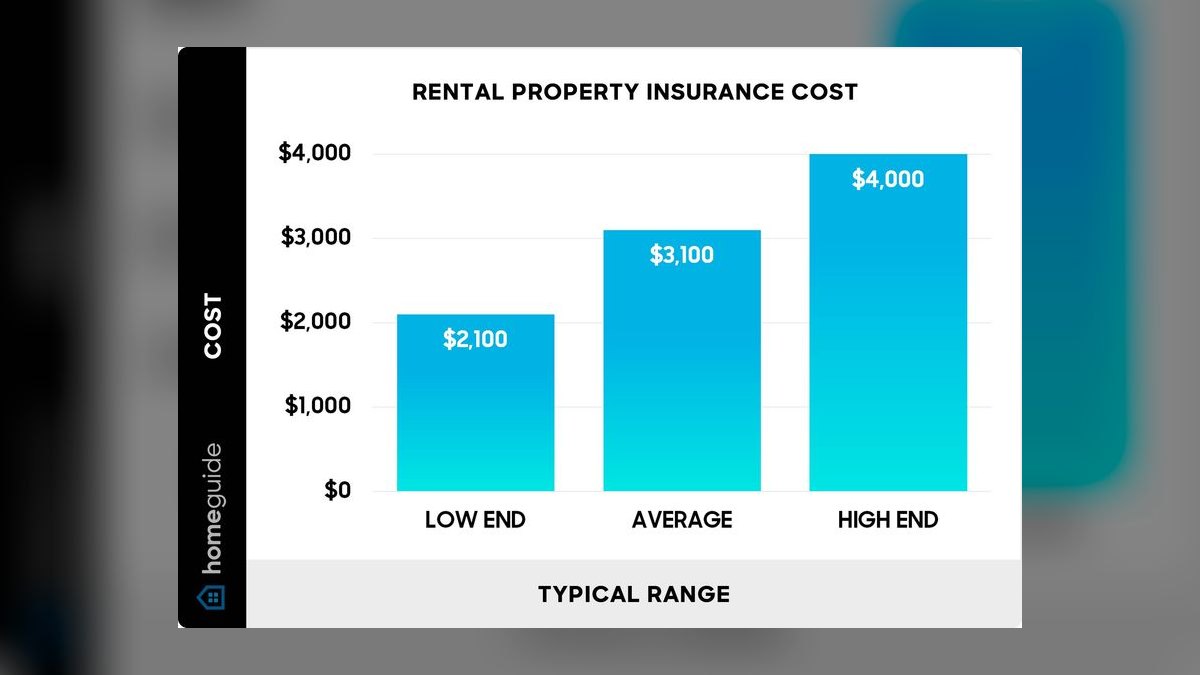
The trap across all three is treating the headline number — "landlord will fund $75/sq ft" — as a gift. It is a loan. The landlord is a commercial lender in this transaction, and your job is to find the effective interest rate they're charging you through the rent structure, then decide whether that rate beats what a bank, SBA loan, or equipment financing company would charge you directly in 2027's rate environment.
How to choose (mermaid)
The decision usually comes down to three questions in sequence: how much control do you need over the contractor and finishes, how much cash do you have available today, and what's the landlord's amortization rate relative to your cost of capital elsewhere.

Walk through it in order. First, if you have a specific contractor relationship, proprietary buildout specs (a restaurant kitchen layout, a lab cleanroom, a franchise brand standard), or simply don't trust the landlord's GC to hit your timeline, push for a TIA rather than turnkey — you keep the checkbook. If you're a first-time tenant with no construction experience and limited bandwidth, turnkey removes a huge operational burden even at a cost premium.
Second, run the amortization rate the landlord is charging against what you'd actually pay to borrow the same amount from a bank, SBA 504/7(a) loan, or equipment lender in 2027. Landlord amortization rates on TI allowances commonly run 8-12%, sometimes higher for smaller or riskier tenants, because the landlord is taking on the same default risk a bank would but often without requiring the same personal guarantees or credit underwriting depth. If your business credit qualifies you for a 7-9% bank rate, self-funding and negotiating a straight rent discount (no allowance, lower base rent) can be cheaper than accepting the landlord's embedded financing.

Third, model what the rent increase looks like across the full lease term, not just year one. A landlord recovering $60/sq ft over a 7-year term at 10% amortization adds meaningfully more to your monthly rent than the same allowance amortized over a 10-year term — longer terms dilute the payment but extend how long you're locked into paying it, including through renewal option periods where the increase can compound into the new base rate.
Concrete cost and timeline numbers
To actually Calculate the number, use this sequence with your specific lease terms:
Step 1 — Get the raw allowance and rate. Say the landlord offers $70/sq ft on a 5,000 sq ft commercial space, amortized at 10% over a 7-year (84-month) term. Total allowance = $350,000.
Step 2 — Calculate the amortized monthly payment. Using a standard loan amortization formula on $350,000 at 10% annual over 84 months, the monthly payment works out to roughly $5,800/month, or about $69,600/year — added directly on top of your negotiated base rent. Over the full 7-year term, you repay approximately $487,000 against a $350,000 improvement, meaning the effective financing cost is about $137,000, or roughly 39% of the original allowance.

Step 3 — Compare to self-financing. If that same $350,000 were financed through an SBA loan or bank line at 8% over 7 years, the monthly payment drops to roughly $5,460/month — about $340/month less, or roughly $28,500 saved over the full term. That gap is your real cost of accepting landlord financing versus outside financing, and it's the number that should drive your negotiation, not the headline allowance figure.
Step 4 — Add timeline cost. Landlord-funded turnkey buildouts in 2027 for a standard commercial office or retail space typically run 90-150 days from lease signing to substantial completion, depending on permitting backlog in the local jurisdiction and whether HVAC, electrical, or plumbing work requires inspection sign-off. Every month of delay before you can open is a month of revenue you don't generate but often still owe partial or full base rent on — many leases include a "rent commencement" clause tied to a fixed date regardless of construction delays, not to actual delivery. Build a penalty or rent-abatement clause into the lease for landlord-caused delays past an agreed completion date; without one, construction slippage becomes an invisible cost that never shows up in your buildout math but absolutely hits your P&L.

Step 5 — Account for over-allowance change orders. Real buildouts run over budget more often than not — plan on a 10-20% contingency. If the $350,000 allowance covers only $320,000 of actual finished scope and change orders push the project to $390,000, that $40,000 overage typically gets billed to you directly at signing or amortized at the same (or a worse) rate as the base allowance. Negotiate the over-allowance rate in the letter of intent before you sign, not after the overage happens — landlords have far less leverage to demand a punitive rate before the lease is executed than after you're already committed to the space.
Contract and handoff details (mermaid)
The commercial lease document is where your real cost either gets locked in fairly or gets buried in language you won't notice until year three. Four clauses matter most.
Amortization schedule disclosure. Insist the lease exhibit spells out the exact rate, term, and monthly add-on dollar figure — not just "landlord shall amortize the allowance over the lease term at a commercially reasonable rate." Vague language like that lets the landlord set the rate unilaterally later, often well above market. Get the number in writing before signing.

Ownership and removal terms. Improvements funded by the landlord typically become the landlord's real property at completion — meaning if you vacate early or default, you walk away with nothing for money that was, in effect, still yours through amortized rent. Some leases include a "tenant improvement forfeiture" clause requiring you to keep paying the remaining amortized balance even after move-out. Read for this specifically; it's one of the most common places tenants get surprised.
Punch list and completion sign-off. Handoff should require a formal punch list walkthrough with both parties present, a defined cure period (commonly 15-30 days) for the landlord's contractor to fix deficiencies, and a clause preventing rent commencement from starting until substantial completion is certified — not just when construction is "mostly done."
Early termination and buildout clawback. If you might exit the lease early — business sale, relocation, downsizing — check whether the landlord can demand immediate repayment of the unamortized allowance balance as a lump sum. This is common and can turn a manageable monthly cost into a five- or six-figure surprise bill triggered by an early exit.

Before signing, request a redline of the exhibit that shows the allowance disbursement schedule tied to construction draws (typically released in 2-4 installments tied to inspection milestones, not paid as one lump sum), so you can verify the money is actually funding your buildout and not sitting with the landlord earning interest while your contractor waits on payment.
Related questions
What's a reasonable TI allowance for a small commercial retail space in 2027?
For light retail with minimal mechanical work, $20-$50/sq ft is typical; heavier build-outs with plumbing or HVAC changes push into the $75-$125/sq ft range depending on market and building class.
Can I negotiate the landlord's amortization rate?
Yes — it's one of the most negotiable terms in the lease. Landlords often start high (10-14%) expecting pushback; comparable bank financing rates are useful leverage to cite directly.
What happens to the buildout if I don't renew my lease?
Improvements typically remain the landlord's property under most commercial leases unless you negotiated a removal or salvage clause upfront — get this in writing before construction starts.
Is a rent credit better than a TI allowance?

A straight rent credit gives you full control and no amortization markup, but landlords usually offer smaller totals for cash credits than for allowances they can recapture through ownership of the improvements.
FAQ
How do I calculate my real cost when the landlord funds the buildout? Divide the allowance by the lease term at the landlord's stated amortization rate to get your added monthly rent, then compare that total repayment to what outside financing would cost for the same buildout amount.
What does "the landlord funds the buildout" actually mean in a lease? It means the landlord advances capital for construction — via a Tenant Improvement Allowance, turnkey delivery, or cash credit — and recovers that cost by folding it into your rent over the lease term rather than requiring payment upfront.

Is landlord buildout financing ever actually free? No. Even when marketed as a "free buildout," the cost is embedded in a higher base rent or a longer required lease term; there is no commercial landlord absorbing that capital cost without recovering it.
What's a typical amortization rate landlords charge on a TI allowance? Commonly 8-12% simple interest over the lease term, though it varies by tenant creditworthiness, market conditions, and how much leverage you have in negotiations.
Should I get my own contractor quote before accepting the landlord's turnkey offer? Yes — always get an independent bid for the same scope of work. It's the only way to know whether the turnkey price embeds a markup you'd avoid by managing the buildout yourself under an allowance structure.
What if my buildout costs more than the allowance covers? You'll owe the difference either as a lump sum at completion or amortized into rent at a rate you should negotiate in the letter of intent, before committing to the lease.
Sources
- https://www.naiop.org
- https://www.boma.org
- https://www.sba.gov
- https://www.crexi.com
- https://www.loopnet.com
- https://www.commercialsearch.com
- https://www.jll.com
- https://www.cbre.com
Related on PULSE
- How much should I budget per square foot for a commercial office build-out?
- What's the difference between gross lease and triple net lease costs?
- How do I negotiate a tenant improvement allowance before signing a lease?
- What financing options exist besides landlord-funded buildouts?
- How long does commercial permitting typically take before construction can start?
This page will be disappearing soon. Save it to your device for $1 — or read it free while it is here.
@Kory-White- · if Venmo asks, the last 4 of my number are 2012
This page is gone.
This one is off the shelf now. $1 keeps it on your phone for good — the whole page, pictures and diagrams included.
 buildoutsHow Do I Avoid Getting Stuck Restoring the Space at Move-Out in 2027?
 pulse-recentHow much should I budget for the landlord's cost to fund my buildout in 2027?
 buildoutsHow Do I Get Out of a Personal Guarantee When I Sell My Business in 2027?
 pulse-recentHow do I insure landlord-installed HVAC and electrical systems separately from my own buildout equipment in 2027?
 buildoutsHow Do I Get a Commercial Lease With Bad or Thin Credit in 2027?
 buildoutsHow Do I Avoid Getting Screwed on a Ground-Up Build-to-Suit in 2027?
 pulse-recentHow Do I Budget a Buildout Step by Step for a Retail Space in 2027?
 buildoutsHow Do I Phase a Buildout to Spend Less Cash Up Front in 2027?
 buildoutsHow Do I Negotiate a Build-to-Suit Lease Rate (Cost x Cap) in 2027?
 pulse-recentHow do I create a step-by-step buildout plan when the landlord only provides a shell space in 2027?