


How do I insure landlord-installed HVAC and electrical systems separately from my own buildout equipment in 2027?
Quality
Certified
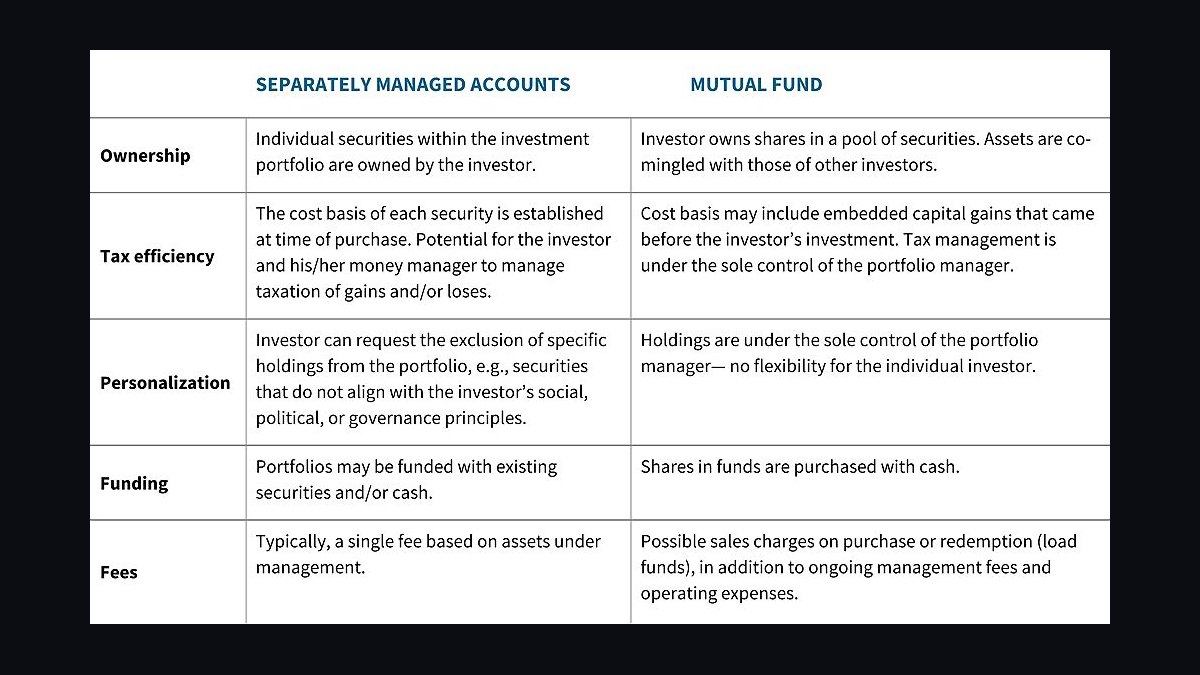
To insure landlord-installed HVAC and electrical systems separately from your own buildout equipment in 2027, review your lease to confirm which party carries property insurance on the base building systems, then ask the landlord for a copy of their policy declarations or a certificate of insurance showing coverage limits. Your own business personal property policy or tenant improvements and betterments coverage should protect equipment you installed, while the landlord's property policy covers their systems. A licensed commercial insurance broker can structure this split correctly before you sign.
The commercial deal in plain terms
Every commercial lease contains an insurance clause, but few tenants read it carefully enough to understand who insures what. The distinction between landlord-installed HVAC and electrical systems versus your own buildout equipment is not a minor technicality—it determines which policy responds when a rooftop unit fails, a fire damages the electrical room, or a burst pipe destroys the workstations you paid to install.
Landlord-installed systems are the base building infrastructure: the main electrical panels, feeders, distribution wiring, rooftop HVAC units that serve the common areas or the shell, and any mechanical equipment that existed before your lease began or that the landlord agrees to provide as part of the base building. Your buildout equipment includes the interior partitions, ceiling grids, lighting fixtures you purchased, supplemental HVAC units you added for server rooms or conference areas, specialized electrical runs for your equipment, and all the finishes and fixtures that make the space usable for your specific operation.
The insurance marketplace in 2027 continues to harden for commercial property, particularly in coastal markets and areas prone to wildfire or severe convective storms. Premiums for commercial property insurance have risen at double-digit rates in many regions over the past several years, and carriers have tightened sublimits for mechanical breakdown, ordinance and law coverage, and service interruption. This makes the division of responsibility between landlord and tenant policies more consequential than ever—gaps in coverage can leave you paying out of pocket for a replacement HVAC unit that costs $40,000 to $120,000 depending on tonnage and efficiency requirements.
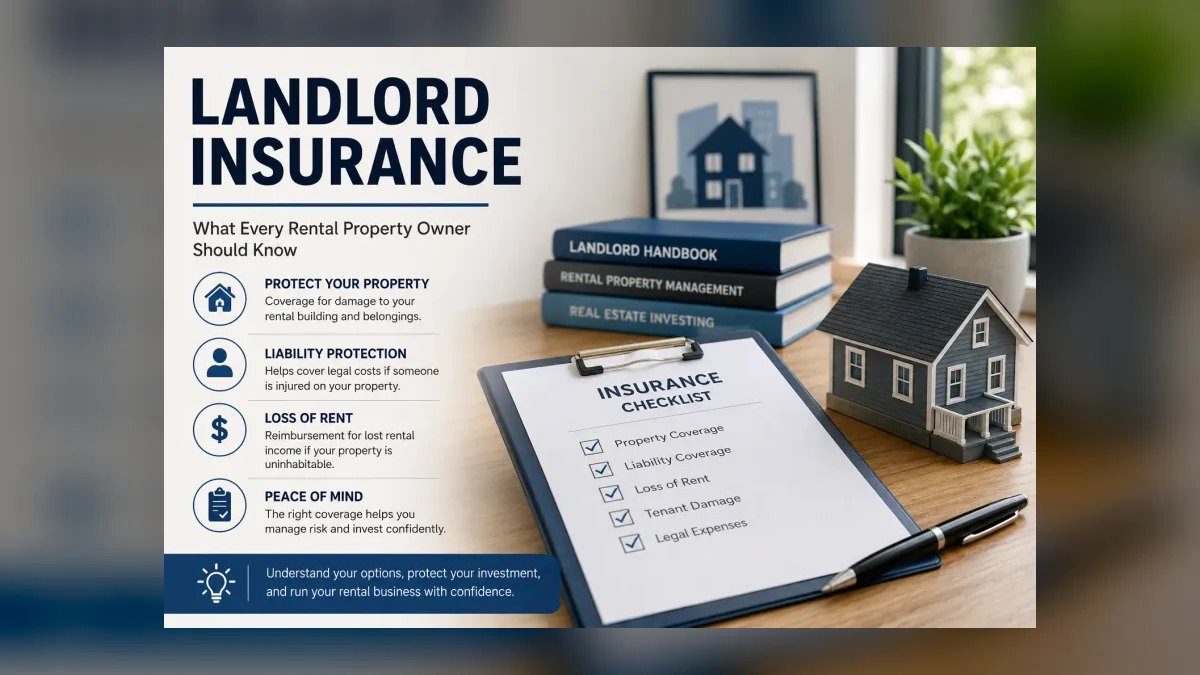
The lease itself typically assigns responsibility through the insurance and indemnification provisions. Most commercial leases require the landlord to insure the building structure and base building systems, while the tenant insures their personal property, trade fixtures, and leasehold improvements. However, the precise boundary line varies. Some leases make the tenant responsible for all HVAC systems serving their premises, even if the units were installed by the landlord. Others treat the HVAC as landlord property but require the tenant to maintain it. Understanding which regime applies to your specific lease is the first step in structuring your insurance program.
The question of insuring separately also touches on the concept of insurable interest. You cannot purchase insurance on property you do not own or have a contractual obligation to insure. If the lease makes the landlord responsible for the rooftop HVAC units, you cannot simply add them to your policy—you lack an insurable interest unless the lease transfers that responsibility to you. Conversely, the landlord cannot insure your tenant improvements if the lease makes those your responsibility. The lease's allocation of risk determines which party has the insurable interest, and your broker will need to see the relevant lease provisions before placing coverage.
The practical workflow begins before lease execution. Request the landlord's current insurance specifications, which typically appear as a schedule in the lease or as an exhibit. This document lists the types and limits of insurance each party must carry, the additional insured requirements, and the notice provisions. A typical specification might require the tenant to carry commercial general liability of $1 million per occurrence and $2 million aggregate, property insurance on their own contents and improvements, and workers' compensation as required by statute. The landlord usually carries property insurance on the building, including the base building systems, with limits equal to full replacement cost.
How the buildout process flows

The buildout process creates a unique insurance gap that many tenants discover only after a loss. During construction, the space is neither fully the landlord's responsibility nor fully yours. Contractors are installing equipment, running electrical circuits, and modifying the landlord's base building systems. If a fire occurs during construction, the question of which policy responds depends on the contracts in place and the insurance certificates exchanged before work began.
The first juncture is the lease execution date, when your insurance obligations typically become effective. Most leases require you to deliver certificates of insurance within five to ten business days of execution, naming the landlord as an additional insured on your liability policy. If you fail to deliver these certificates, the landlord may withhold possession or treat your failure as a default. This timing matters because your buildout contractor will also need to provide certificates before they can begin work, and coordinating these requirements takes time.
The second juncture is the pre-construction phase, when you select a general contractor and finalize the scope of work. Your contractor carries commercial general liability and workers' compensation, but their property coverage for the work in progress is limited. Builder's risk insurance, also called course of construction coverage, protects the project during construction. Some landlords require tenants to purchase builder's risk for the entire project value, including the landlord's base building systems that might be affected by the work. Others maintain their own builder's risk or rely on their property policy's construction endorsement. Your lease will specify which approach applies.

The third juncture is the construction phase itself. As contractors install your buildout equipment, the line between landlord property and tenant property blurs. A new electrical subpanel you pay for becomes part of the building's electrical system once installed. A supplemental HVAC unit serving your server room is your equipment, but it connects to the landlord's electrical infrastructure. During this phase, the contractor's liability policy covers damage they cause, but the property coverage for the work itself depends on the builder's risk arrangement. If you are relying on the landlord's property policy to cover the building during construction, confirm that the policy includes coverage for tenant improvements under construction.
The fourth juncture is substantial completion and the certificate of occupancy. At this point, your permanent insurance program must be fully active. Your business personal property policy covers your furniture, equipment, and inventory. Your tenant improvements and betterments coverage protects the improvements you made to the leased space—the walls, ceilings, flooring, lighting, and specialized systems you installed. The landlord's property policy covers the base building, including the landlord-installed HVAC and electrical systems. If the lease makes you responsible for maintaining or replacing landlord-installed systems, you may need additional coverage or a contractual liability endorsement.
The fifth juncture is ongoing operations, when the distinction between landlord and tenant property becomes operational rather than legal. If a rooftop HVAC unit fails and the lease makes the landlord responsible for replacement, the landlord's property policy or equipment breakdown coverage responds. If your supplemental HVAC unit fails, your equipment breakdown coverage or business personal property policy responds. The challenge is knowing which systems fall into which category and documenting that understanding before a loss occurs.
Costs per square foot, timelines, and ranges
Insurance costs for commercial tenants vary widely based on location, occupancy type, claims history, and the specific coverage requirements in your lease. For 2027 planning purposes, a tenant insuring their own buildout equipment and business personal property should budget $0.50 to $2.00 per square foot annually for property coverage, depending on the value of the contents and improvements. A 10,000 square foot office with $500,000 in tenant improvements and $300,000 in business personal property might pay $1,500 to $6,000 annually for property coverage alone, before liability and other required policies.
The landlord's insurance costs for the base building, including HVAC and electrical systems, are typically passed through to tenants as part of operating expenses. These costs appear in your annual operating expense reconciliation and can range from $0.75 to $2.50 per square foot depending on the building's location, construction type, and loss history. In 2027, buildings in wildfire-prone areas of California, hurricane-exposed coastal zones, or tornado-prone regions of the Southeast face significantly higher premiums, and those costs flow through to tenants.
Equipment breakdown coverage, formerly called boiler and machinery insurance, deserves specific attention when you have landlord-installed HVAC and electrical systems. This coverage protects against mechanical failure, electrical arcing, and other breakdowns that standard property policies exclude. A typical equipment breakdown policy costs $500 to $2,000 annually for a small to mid-sized commercial tenant, depending on the value and complexity of the insured equipment. If the landlord's property policy includes equipment breakdown coverage for the base building systems, you may not need separate coverage for those systems—but you should confirm this in writing.
The cost of insuring your buildout equipment during construction follows a different schedule. Builder's risk insurance typically costs 1% to 4% of the total construction value for the duration of the project. A $500,000 buildout would carry builder's risk premiums of $5,000 to $20,000 for a project lasting three to six months. Some landlords include builder's risk in their property program and charge the tenant through the construction allowance or a separate line item. Others require the tenant to purchase it independently. The lease's construction provisions will specify which approach applies.
Your tenant improvements and betterments coverage requires a specific valuation approach. Unlike business personal property, which is valued at replacement cost or actual cash value, tenant improvements and betterments are typically valued based on the unamortized portion of your investment. If you spent $150,000 on improvements for a five-year lease, and a fire destroys those improvements in year three, your coverage would typically pay the remaining two years of unamortized value, or $60,000. This valuation method reflects the fact that you have already received some benefit from the improvements and that the landlord may rebuild them under their own policy.

The timeline for placing your insurance program typically spans four to six weeks before lease execution. Your broker needs time to obtain quotes, review the lease's insurance requirements, and bind coverage. If you are adding landlord-installed systems to your policy because the lease assigns that responsibility to you, the underwriter will need details about the equipment—age, condition, maintenance records, and replacement cost. This information should come from the landlord's engineering reports or a pre-lease condition assessment.
Where budgets and schedules slip
The most common insurance gap in commercial leasing involves the distinction between the building's electrical system and the equipment that connects to it. Your buildout may include a new electrical subpanel, dedicated circuits for specialized equipment, and wiring for data centers or production lines. Once installed, these components become part of the building's electrical infrastructure, but your lease may not clearly state whether they are landlord property or tenant property. If a fire originates in your subpanel and the landlord's policy denies coverage because the subpanel was a tenant installation, you face a significant uninsured loss.
The second common slip involves HVAC units that serve your space but sit on the roof or in a mechanical room. A landlord may install a dedicated HVAC unit for your premises as part of the lease deal, but the lease may require you to maintain and eventually replace that unit. If you do not insure it under your property policy or equipment breakdown coverage, you are self-insuring a $30,000 to $100,000 asset. The lease's maintenance and replacement provisions will tell you which party bears this risk, but many tenants fail to read those provisions carefully enough to understand the insurance implications.
The third slip involves the certificate of insurance process. Landlords typically require tenants to name them as additional insureds on liability policies, but the property coverage requirements are often less clear. Some landlords require tenants to waive subrogation against the landlord, which means your property insurer cannot pursue the landlord for damages they caused. This waiver is standard in commercial leases, but it affects how claims are handled. If the landlord's maintenance worker causes a fire that damages your buildout equipment, your insurer pays your claim but cannot recover from the landlord, which may affect your future premiums.

The fourth slip involves the gap between the landlord's property policy and your tenant improvements coverage. The landlord's policy covers the building structure, including the base building HVAC and electrical systems. Your tenant improvements coverage protects the improvements you made to the space. But some improvements—like a new electrical panel or a supplemental HVAC unit—could be classified either way. If the landlord's policy excludes tenant-installed systems and your policy excludes landlord-installed systems, a loss involving those systems falls into the gap. A pre-loss agreement about classification, documented in writing, prevents this problem.
The fifth slip involves the buildout period itself. If you are constructing improvements before your lease begins, your business personal property policy may not cover the construction project. Builder's risk insurance fills this gap, but many tenants assume their contractor's policy covers everything. The contractor's policy covers their liability for damage they cause, but it does not cover your investment in the project. If a fire destroys a half-finished buildout, the contractor's liability policy only responds if the contractor was negligent. Builder's risk covers the loss regardless of fault.
The sixth slip involves the failure to update coverage as your buildout progresses. If you initially insured $200,000 in tenant improvements but your final buildout costs reached $300,000, your coverage is inadequate. Most property policies automatically adjust for inflation, but they do not automatically adjust for construction cost overruns. You should review your coverage limits at substantial completion and adjust them to reflect actual construction costs. The same applies to business personal property—if you purchase new equipment during the lease term, your coverage limits should increase accordingly.
To avoid these slips, take three concrete steps. First, obtain a written allocation of insurable interests from your broker, identifying which systems are covered by the landlord's policy and which are covered by yours. Second, review the lease's insurance requirements with your broker before signing, not after, to identify any coverage you cannot obtain or that carries unexpected costs. Third, document the condition and value of landlord-installed systems at lease inception with photographs and engineering reports, so you have a baseline for claims and for negotiating responsibility for replacements.
Decision framework

The decision framework for insuring landlord-installed HVAC and electrical systems separately from your own buildout equipment depends on the lease structure, the physical configuration of the systems, and your risk tolerance. Working through each decision point helps you avoid both over-insuring and under-insuring.
The first decision point is the lease's allocation of responsibility for the HVAC and electrical systems. Read the maintenance, repair, and replacement provisions carefully. A lease that requires the landlord to repair and replace the base building HVAC makes the landlord responsible for insuring those systems. A lease that requires the tenant to maintain and replace the HVAC serving their premises, even if the landlord installed it, shifts the insurance burden to the tenant. Some leases split the difference—the landlord replaces the unit, but the tenant pays for routine maintenance and repairs. In that case, the landlord's property policy covers the unit itself, but you may want business interruption coverage that responds if the unit fails and your operations cease.
The second decision point is the physical configuration of the electrical systems. The main electrical service, panels, and feeders are almost always landlord property, covered by the landlord's property policy. The question is where the tenant's responsibility begins. Some leases draw the line at the main breaker, making everything downstream the tenant's responsibility. Others draw the line at the point where the electrical service enters the tenant's premises. If your buildout includes new subpanels, dedicated circuits, or specialized wiring, those are typically your property and should be covered under your tenant improvements and betterments coverage or as part of your business personal property.

The third decision point is the age and condition of the landlord-installed systems. Older HVAC units and electrical panels are more likely to fail, and standard property policies exclude mechanical breakdown. If the landlord's property policy does not include equipment breakdown coverage, you face a coverage gap for a loss that is not caused by fire, wind, or another covered peril. Equipment breakdown coverage is relatively inexpensive—typically $500 to $2,000 annually for a small to mid-sized tenant—and fills this gap. If the landlord refuses to add equipment breakdown coverage to their policy, consider purchasing it on your own policy for the systems you are responsible for maintaining.
The fourth decision point is the value of your buildout equipment and tenant improvements. Your tenant improvements and betterments coverage should equal the actual cost of your improvements, not the amount of the landlord's allowance. If you spent $200,000 on improvements but the landlord contributed only $50,000, your coverage should reflect the full $200,000 replacement cost, not just your out-of-pocket portion. The same logic applies to business personal property—insure the full replacement cost of your equipment, furniture, and inventory, not the depreciated value.
The fifth decision point is the coordination of deductibles and sublimits. If the landlord's property policy has a $100,000 deductible for HVAC losses, and a $60,000 HVAC unit fails, the landlord may decide not to file a claim and instead pass the cost through to tenants as an operating expense. Your lease should specify how these costs are handled. Some leases require the landlord to insure base building systems with no deductible pass-through to tenants. Others allow the landlord to pass through the deductible as an operating expense. Understanding this provision helps you budget for potential assessments.
The sixth decision point is the documentation of your coverage program. Your broker should provide a coverage summary that clearly states which systems are covered by which policy, the limits and deductibles for each, and the process for filing a claim. This summary should be reviewed annually and whenever you make significant changes to your buildout or equipment. A coverage summary that is clear and current prevents disputes with the landlord and ensures that you know which policy responds when a loss occurs.
Related questions
What is tenant improvements and betterments insurance?

Tenant improvements and betterments insurance covers improvements you make to a leased space that become part of the building. It pays the unamortized value of your investment if a covered loss destroys those improvements. This coverage is typically included in business property policies or available as an endorsement.
Does the landlord's property insurance cover my buildout equipment?
Generally no. The landlord's property policy covers the building structure and base building systems, not your tenant improvements, trade fixtures, or business personal property. Your own property policy covers those items. Review your lease to confirm the exact allocation of insurance responsibility.
What is equipment breakdown coverage and do I need it?
Equipment breakdown coverage protects against mechanical failure, electrical arcing, and other breakdowns excluded from standard property policies. If you are responsible for HVAC or electrical systems, this coverage is recommended. It typically costs $500 to $2,000 annually for small to mid-sized tenants.
How do I prove I have adequate insurance to my landlord?
Your broker provides a certificate of insurance naming the landlord as an additional insured or certificate holder. The certificate lists your coverage types and limits. Most leases require delivery within five to ten business days of lease execution and annually thereafter.
What happens if I do not insure my buildout equipment?
If a covered loss destroys your uninsured buildout equipment, you bear the full replacement cost. The landlord's policy will not cover your property. You may also face lease default if you fail to maintain required insurance, potentially triggering penalties or lease termination.
FAQ
What is the difference between landlord-installed and tenant-installed systems for insurance purposes?
Landlord-installed systems are part of the base building and typically covered by the landlord's property policy. Tenant-installed systems are your property and covered by your policy. The lease determines this classification. Some systems, like supplemental HVAC units you add, are clearly tenant property. Others, like electrical subpanels, may be ambiguous.
Can I add the landlord's HVAC and electrical systems to my insurance policy?
Only if the lease makes you responsible for those systems. You need an insurable interest, meaning you would suffer a financial loss if the systems are damaged. If the lease requires you to repair or replace landlord-installed systems, you have an insurable interest and can cover them under your policy.
What is a waiver of subrogation and why does it matter?
A waiver of subrogation prevents your insurance company from pursuing the landlord for damages they caused. Most commercial leases require tenants to waive subrogation against the landlord. This means your insurer pays your claim but cannot recover from the landlord, which may affect your future premiums.
How does builder's risk insurance differ from my permanent property policy?
Builder's risk insurance covers construction projects, including materials, equipment, and work in progress. It is typically purchased for the duration of the buildout and expires when the project is substantially complete. Your permanent property policy takes over at that point.
What should I do if the landlord's insurance is inadequate?
Request a copy of the landlord's policy declarations or certificate of insurance to verify coverage. If the landlord's coverage is inadequate, you may need to purchase additional coverage on your own policy or negotiate for the landlord to increase their limits before lease execution.
How often should I review my insurance coverage during the lease term?
Review your coverage annually and whenever you make significant changes to your buildout or equipment. Your coverage limits should reflect actual construction costs and equipment values. A mid-lease review with your broker helps identify gaps and adjust limits.
Sources
- https://www.iii.org/article/what-covered-business-insurance-policy
- https://www.irmi.com/term/insurance-definitions/tenant-improvements-and-betterments
- https://www.nar.realtor/commercial-real-estate
- https://www.sba.gov/business-guides/manage-your-business/lease-commercial-space
- https://www.score.org/resource/article/how-negotiate-commercial-lease
- https://www.americanbar.org/groups/real_property_trust_estate/resources/commercial_leasing/
- https://www.nolo.com/legal-encyclopedia/commercial-lease-security-deposits.html
- https://www.irs.gov/businesses/small-businesses-self-employed/rent-and-lease-expenses
- https://www.cbre.com/insights/reports/us-real-estate-market-outlook-2027
Related on PULSE
- How to Structure Tenant Improvements and Betterments Coverage
- Equipment Breakdown Insurance: What Commercial Tenants Need to Know
- Understanding Certificate of Insurance Requirements in Commercial Leases
- Builder's Risk Coverage During Your Buildout Process
- How to Handle Insurance Claims for Landlord-Installed Systems
- Lease Insurance Clauses: A Negotiation Guide for Tenants
This page will be disappearing soon. Save it to your device for $1 — or read it free while it is here.
@Kory-White- · if Venmo asks, the last 4 of my number are 2012
This page is gone.
This one is off the shelf now. $1 keeps it on your phone for good — the whole page, pictures and diagrams included.
 buildoutsHow Do I Budget a Salon or Spa Buildout in 2027?
 buildoutsHow Do I Get the Early-Occupancy (Fixturing) Period Free in 2027?
 buildoutsWhat Is a Relocation Clause and Why Is It Dangerous in 2027?
 buildoutsHow Do I Negotiate Co-Working or Flex-Space Terms in 2026?
 buildoutsHow Do I Avoid Paying for Vacant-Space Costs in CAM in 2027?
 buildoutsHow Do I Get a Personal-Guarantee Burn-Down Schedule in 2027?
 buildoutsShould I Use a Tenant-Rep Broker, and Who Pays Them in 2027?
 buildoutsHow Do I Dispute a CAM True-Up Bill I Disagree With in 2027?
 buildoutsBase Building vs Tenant Work: What Am I Actually On the Hook For?
 buildoutsHow Do I Terminate a Lease After a Fire or Casualty in 2027?