
Top 10 Off-Road SUVs 2027 — Best Overall + Best Value
 Curated byKory White · Fractional CRO · Maryland
 PULSEKNOWLEDGE LIBRARY
The 10 best off-road suvs 2027 are ranked below on measured performance, build quality, price, and how each one actually holds up in daily use rather than how it reads on a spec sheet. Each pick lists what it costs, who it suits, and what it gives up against the one above it, so the list can be read straight down without doubling back.
1. Jeep Wrangler Rubicon
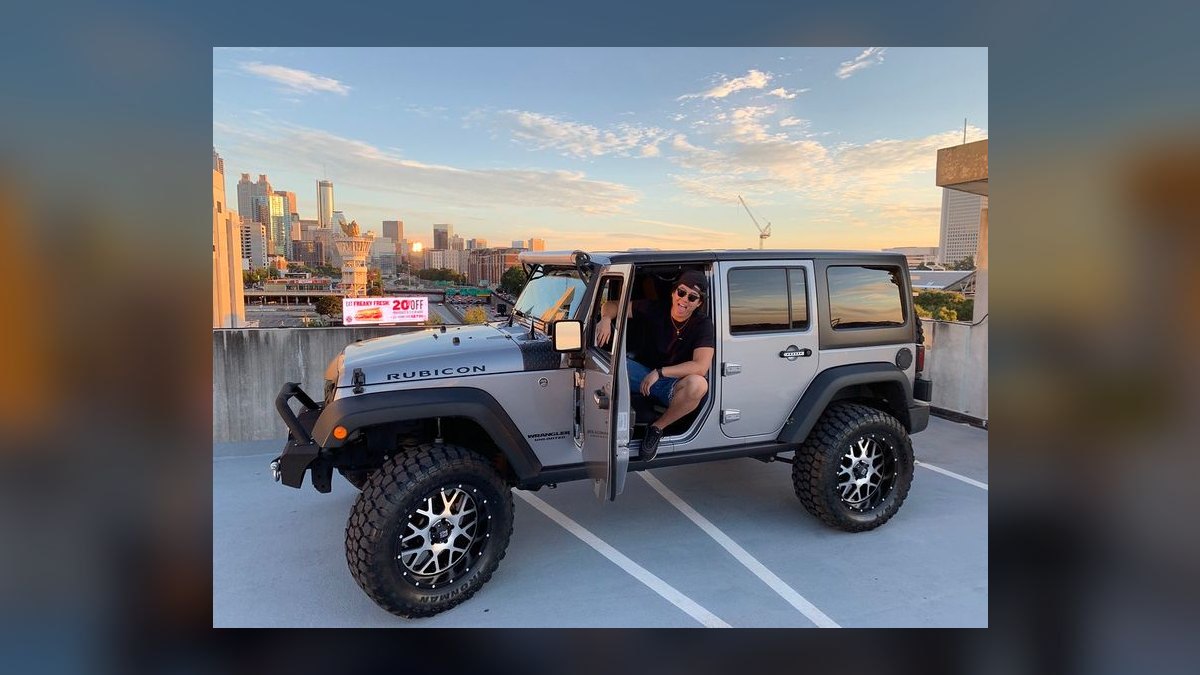
The Wrangler Rubicon is the benchmark for off-road capability, earning the Best Overall spot with its solid Dana 44 axles, two electronic lockers, and disconnecting sway bar. Its 3.6-liter V6 makes 285 horsepower, and it offers 10.8 inches of ground clearance with 33-inch tires. The body-on-frame chassis is built for abuse, and its starting MSRP of $41,635 undercuts most rivals. No other vehicle offers this level of trail-readiness straight from the factory.
This is for hardcore rock crawlers and modders who want the most capable platform out of the box. It trades away on-road comfort, with a bouncy ride and high wind noise at highway speeds. Compared to the Ford Bronco Badlands below, the Wrangler offers superior aftermarket depth and solid-axle articulation, but the Bronco is more composed on pavement. Choose the Jeep if your weekends involve rocks, not long highway slogs.
2. Ford Bronco Badlands
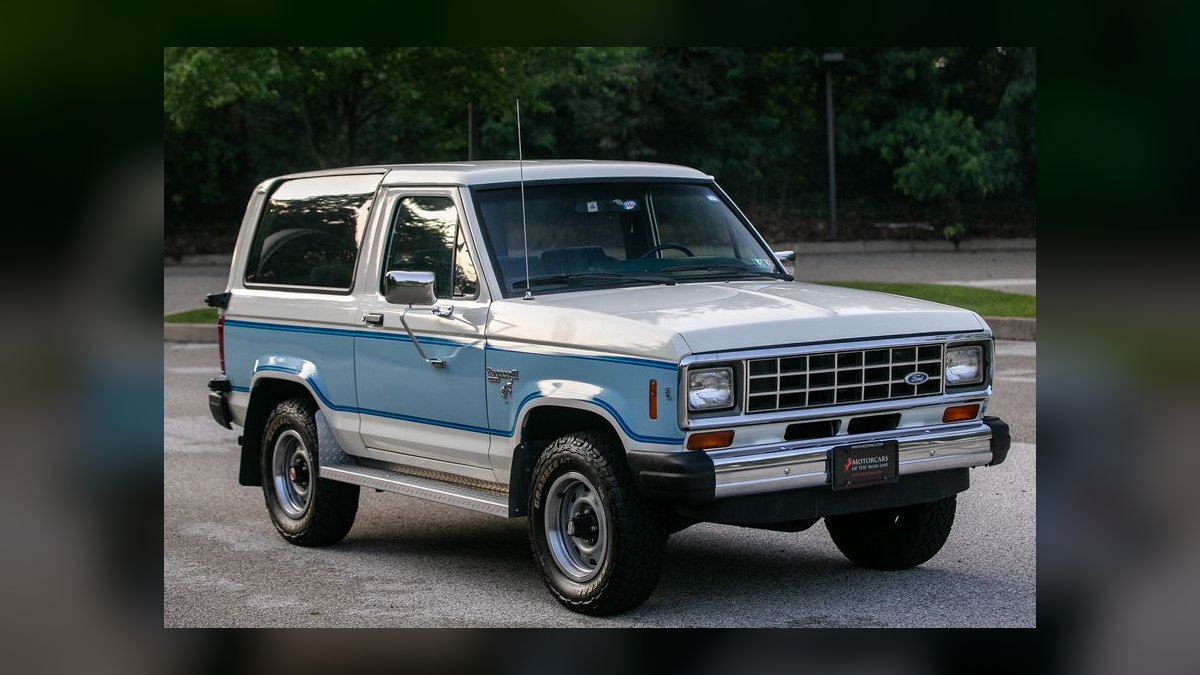
The Bronco Badlands ranks second because it delivers Wrangler-rivaling capability with a more livable on-road demeanor. Its 2.7-liter EcoBoost V6 produces 330 horsepower and 415 lb-ft, and the Sasquatch package adds front and rear lockers, 35-inch tires, and 11.5 inches of clearance. The independent front suspension provides a smoother, more planted ride than the solid-axle Jeep. G.O.A.T. terrain modes and a front trail camera make technical lines easier to navigate.
This is for buyers who want serious trail hardware without sacrificing daily comfort and modern tech. It trades away some aftermarket depth and solid-axle articulation compared to the Wrangler above. The Bronco is the better choice if you drive long distances to the trailhead and value a quieter cabin. Its EcoBoost engines prefer premium fuel, and its reliability history is shorter than Toyota's, but the driving experience is superior.
3. Toyota Land Cruiser
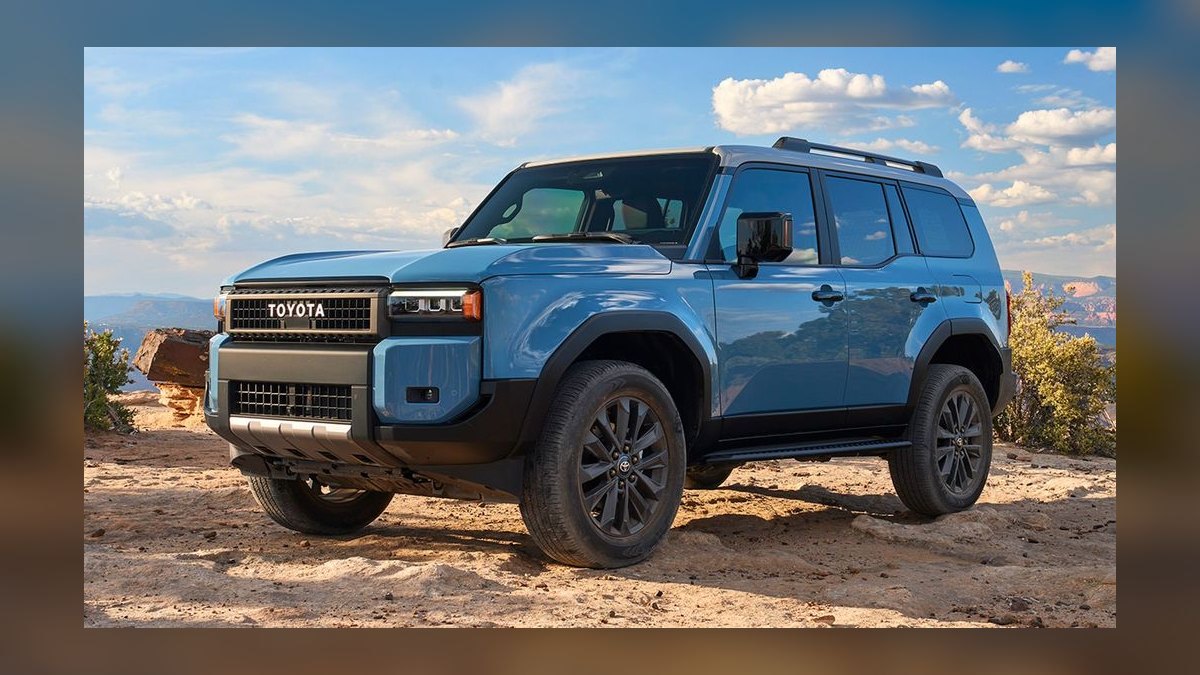
The Land Cruiser ranks third for its legendary durability and modern hybrid powertrain, making it the ultimate overlanding choice. Its i-FORCE MAX hybrid system combines a 2.4-liter turbo four with an electric motor for 326 horsepower and 465 lb-ft of torque. Full-time four-wheel drive with a two-speed transfer case and locking center differential provide serious traction, while CRAWL Control and Multi-Terrain Select handle technical terrain.
This is for overlanders who prioritize reliability over maximum articulation, as its 8.3 inches of ground clearance trails the Jeep and Bronco. It trades away some rock-crawling ability for bulletproof durability and instant hybrid torque. Compared to the Land Rover Defender below, the Land Cruiser offers lower ownership costs and better long-term dependability, but the Defender provides more luxury and air-suspension clearance. Choose this for remote, high-mileage expeditions where getting stuck is not an option.
4. Land Rover Defender 110
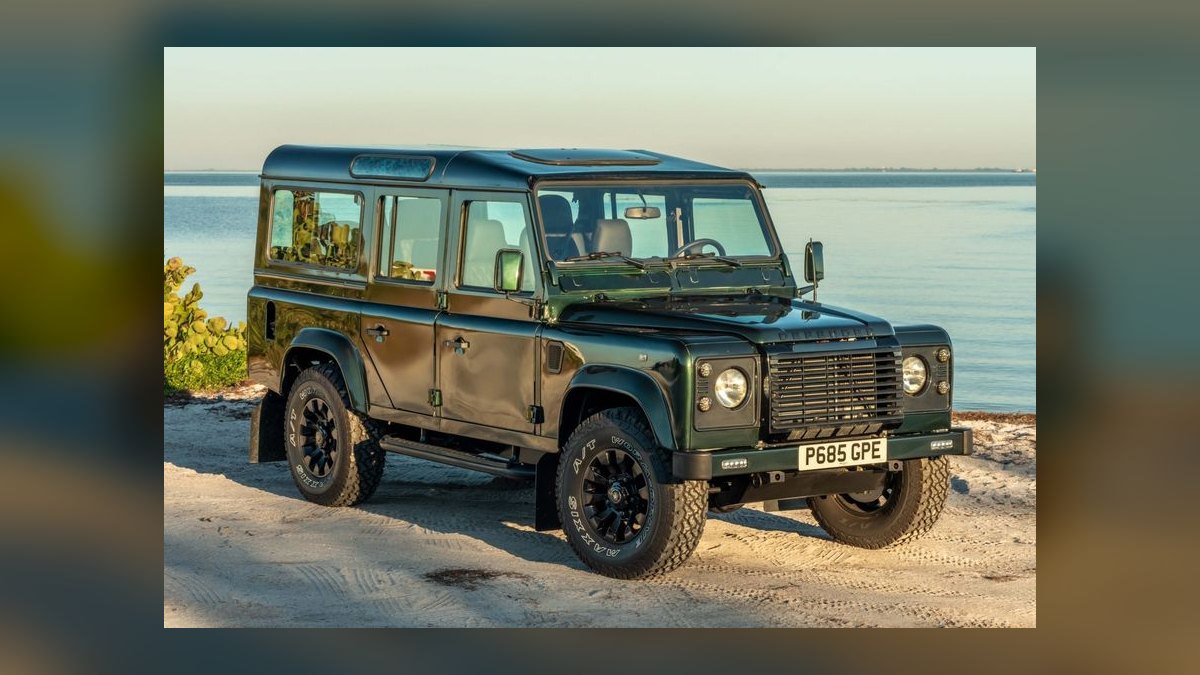
The Defender 110 ranks fourth because it is the most refined way to cross genuinely rough country without sacrificing comfort. With available air suspension, it clears 11.6 inches and wades through 35 inches of water, figures that embarrass most rivals. The base P300 turbocharged four makes 296 horsepower, with inline-six and V8 options available. Terrain Response 2 automatically tunes the drivetrain for sand, mud, rocks, or snow, and Wade Sensing tracks water depth in real time.
This is for luxury overlanders who want capability without giving up a quiet, premium cabin. It trades away long-term reliability and repair costs, which are real concerns with Land Rover ownership. Compared to the Lexus GX 550 Overtrail below, the Defender offers better wading depth and a more modern interior, but the Lexus provides Toyota-derived durability. Pricing climbs steeply with the must-have air suspension, so be prepared for a significant investment.
5. Lexus GX 550 Overtrail
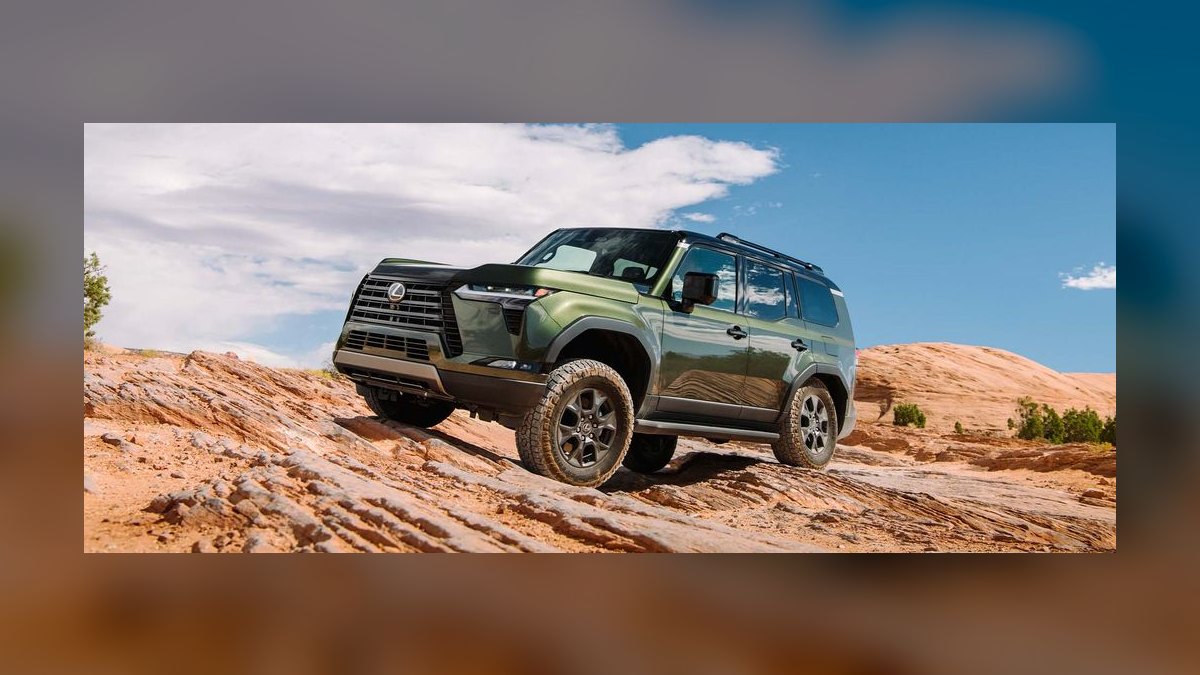
The GX 550 Overtrail ranks fifth for combining Land Cruiser toughness with Lexus refinement and a stronger engine. Its twin-turbo 3.4-liter V6 produces 349 horsepower and 479 lb-ft, paired with a 10-speed automatic and full-time four-wheel drive. The Overtrail trim adds a one-inch lift for 9.84 inches of clearance, an electronic locking rear differential, and E-KDSS adjustable stabilizer bars for impressive articulation.
This is for buyers who want Toyota-derived durability wrapped in a plush, well-built cabin. It trades away a modest 26-degree approach angle and premium running costs, including a thirsty V6. Compared to the Land Rover Defender above, the GX offers better reliability and a stronger tow rating, but the Defender has superior wading depth and a more modern infotainment system. Choose this if you want luxury capability without the Land Rover ownership headaches.
6. Toyota 4Runner TRD Pro
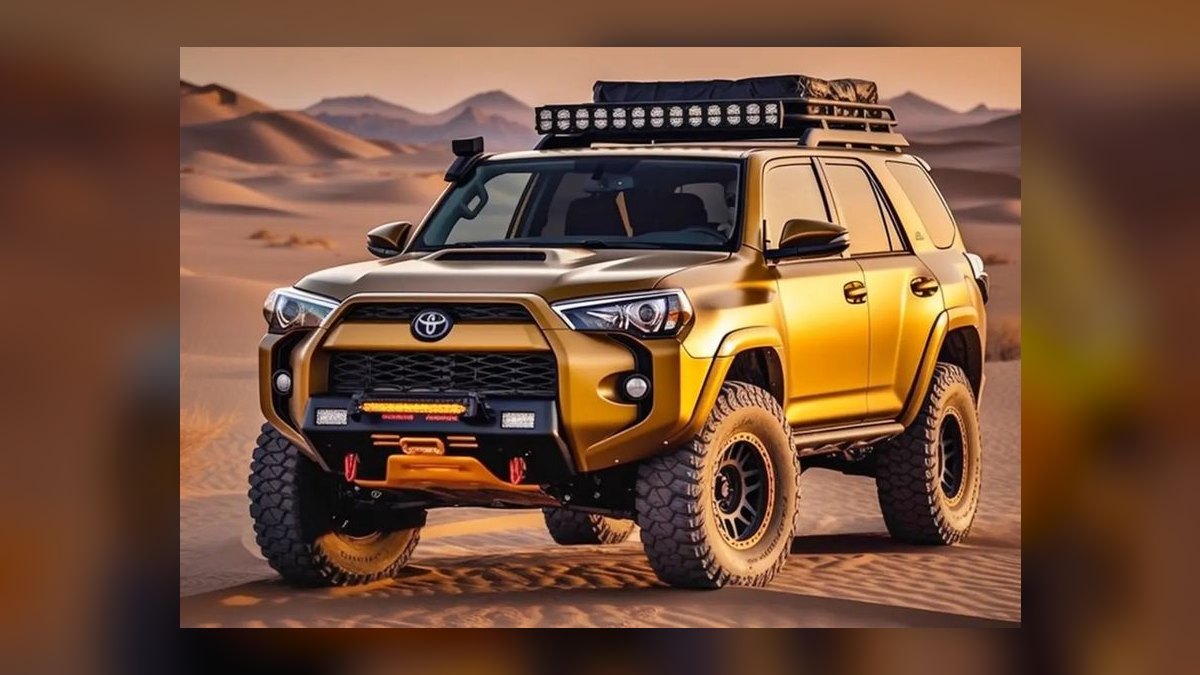
The 4Runner TRD Pro ranks sixth for bringing a proven nameplate into the turbo-hybrid era with modern power and capability. Its 2.4-liter i-FORCE MAX hybrid makes 326 horsepower and 465 lb-ft, with 10.1 inches of ground clearance and a part-time four-wheel-drive system with low range. An electronic locking rear differential and disconnecting sway bar boost technical ability, while FOX internal-bypass shocks handle high-speed desert running and slow rock crawling.
This is for dedicated trail drivers who want a proven, fixable platform with a huge enthusiast following and strong resale value. It trades away cargo space due to the hybrid battery and carries a steep TRD Pro price. Compared to the Ineos Grenadier below, the 4Runner offers a more established dealer network and better on-road manners, but the Grenadier provides more hardcore hardware with three lockers. Choose this for a modernized icon that rewards long-term ownership.
7. Ineos Grenadier
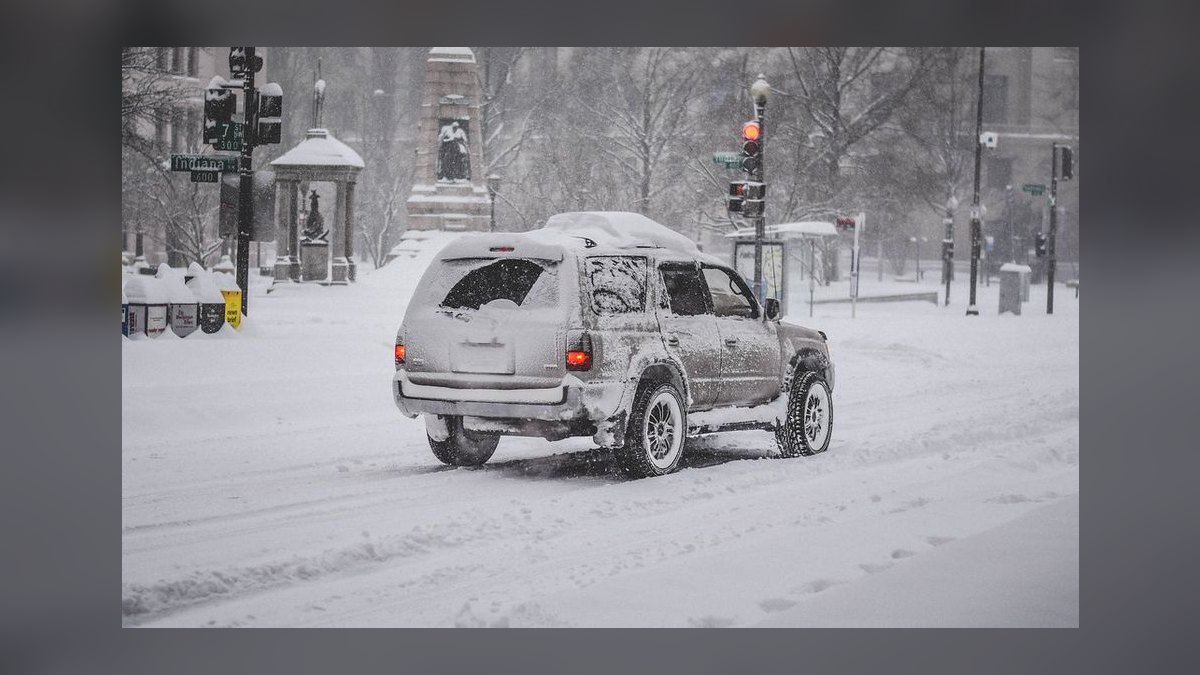
The Grenadier ranks seventh for its no-nonsense, mechanical approach to off-roading, built like the old-school Defender that Land Rover stopped making. It uses a BMW-sourced turbocharged 3.0-liter inline-six making 282 horsepower and 332 lb-ft, with an eight-speed automatic and full-time four-wheel drive. The Trialmaster trim adds front and rear lockers, giving it three diff locks total, along with 10.5 inches of clearance and 31 inches of wading depth.
This is for hardcore expedition buyers who prize raw mechanical capability over polish and comfort. It trades away a thin U.S. service and parts network, as well as crude on-road manners and unusual steering feel. Compared to the Toyota 4Runner TRD Pro above, the Grenadier offers superior locking hardware and a heavier-duty chassis, but the 4Runner has better dealer support and resale value.
8. Jeep Grand Cherokee 4xe Trailhawk
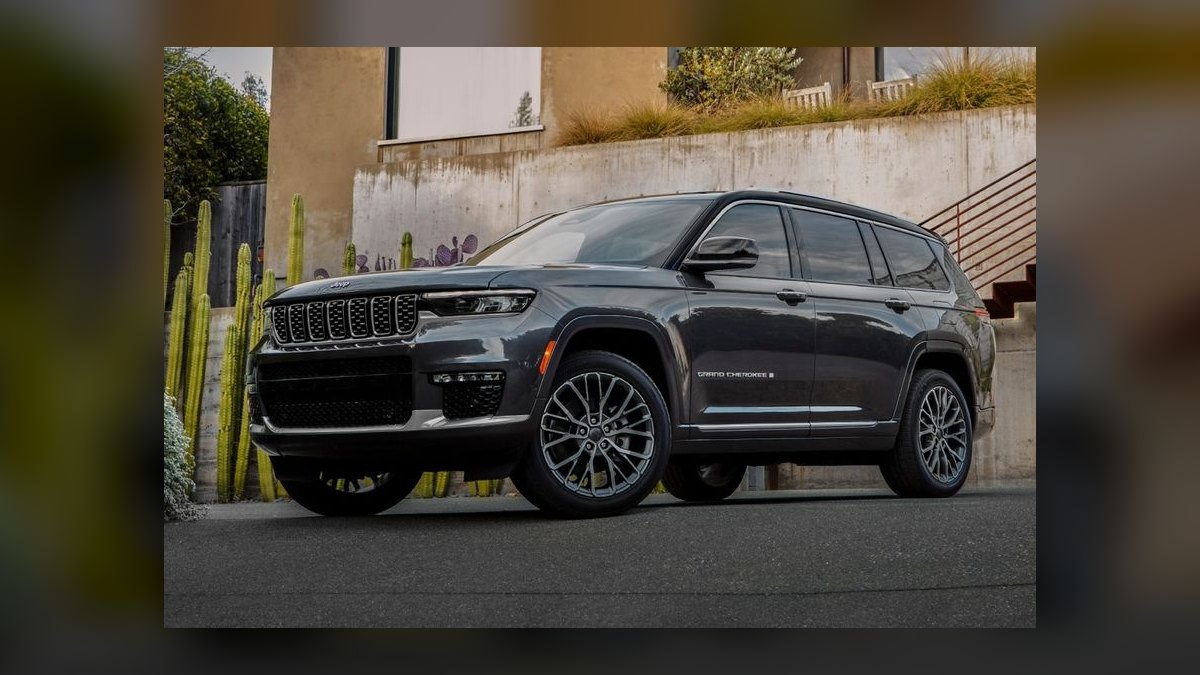
The Grand Cherokee 4xe Trailhawk ranks eighth for offering genuine trail capability alongside plug-in hybrid efficiency for daily commuting. Its 2.0-liter turbo plug-in hybrid produces 375 horsepower and 470 lb-ft, with around 25 miles of electric-only range. Quadra-Drive II 4x4 includes a two-speed transfer case with a 2.72:1 low range and an electronic limited-slip rear differential. Quadra-Lift air suspension raises ground clearance to 10.9 inches, rivaling dedicated off-roaders.
This is for families who want one vehicle to commute on electrons and crawl on weekends without sacrificing comfort. It trades away agility on tight trails due to its weight, and the plug-in hybrid complexity raises long-term repair concerns. Compared to the Subaru Outback Wilderness below, the Grand Cherokee offers superior ground clearance and low-range gearing, but the Subaru is far more affordable and simpler.
9. Subaru Outback Wilderness
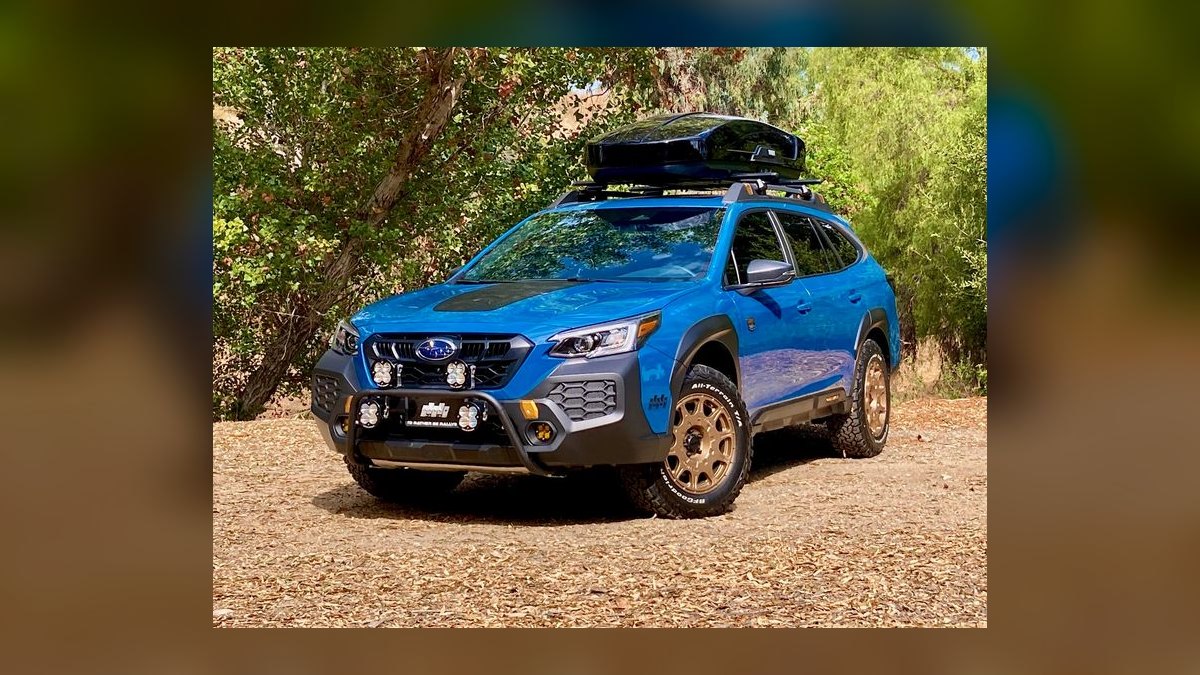
The Outback Wilderness earns the Best Value spot at a starting MSRP of $39,900, offering serious all-weather and light-trail capability for thousands less than body-on-frame rivals. Its turbocharged 2.4-liter boxer engine makes 260 horsepower and 277 lb-ft, sent through standard symmetrical all-wheel drive. Wilderness tuning lifts ground clearance to 9.5 inches, more than the Land Cruiser, with a 20-degree approach angle.
This is for budget buyers who want all-weather, light-trail capability without truck running costs or hardcore hardware. It trades away low range and locking differentials, limiting its ability in deep mud and rock crawling. Compared to the Ford Bronco Sport Badlands below, the Outback offers more ground clearance and a more comfortable cabin, but the Bronco Sport has a lower entry price. Choose this for unbeatable capability-per-dollar for the majority who never need a locker.
10. Ford Bronco Sport Badlands
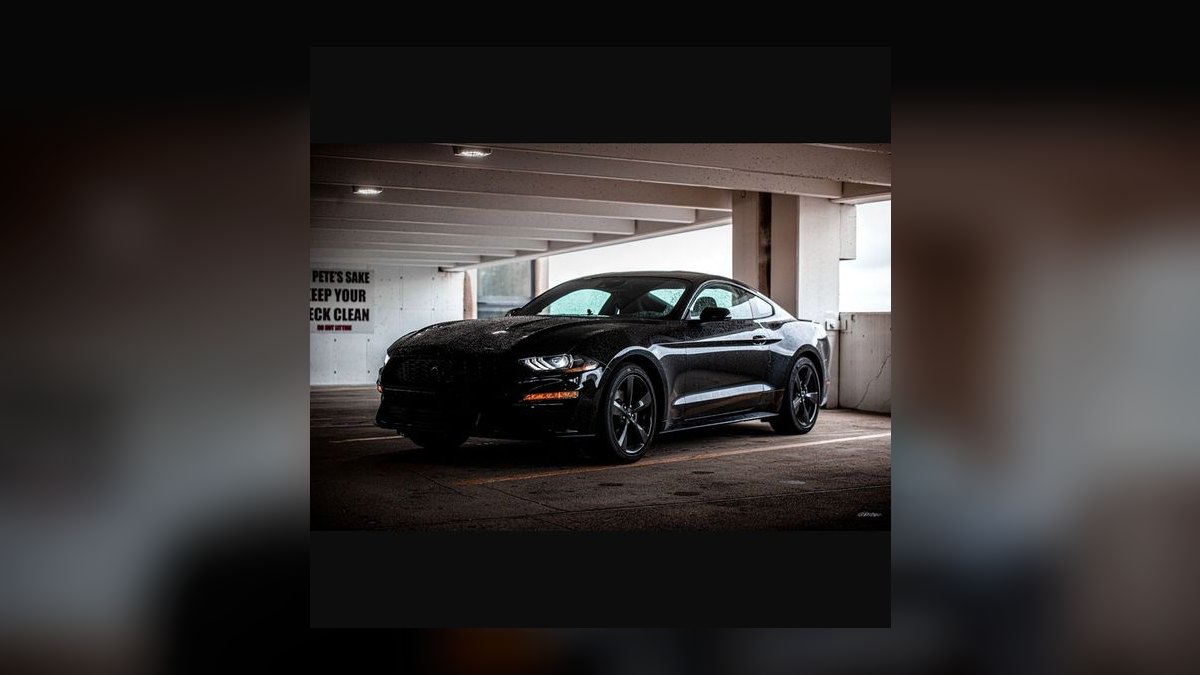
The Bronco Sport Badlands ranks tenth as the most affordable way to get a Bronco badge and real terrain modes, starting at $37,265. Its 2.0-liter EcoBoost makes 250 horsepower and 280 lb-ft, paired with an Advanced 4x4 system featuring a twin-clutch rear drive unit that mimics a locking differential. Standard clearance is 7.8 inches, rising to 8.8 inches with the Sasquatch package and its 235/65R17 all-terrains. Seven G.O.A.T. modes cover sand, mud, and rock-crawl settings.
This is for crossover buyers who want trail style and snow confidence on a tight budget, with easy daily manners and compact size. It trades away hardcore capability due to unibody construction and modest clearance, limiting it to light-duty trails. Compared to the Subaru Outback Wilderness above, the Bronco Sport offers a lower price and more terrain modes, but the Subaru provides more ground clearance and a more refined ride.
How we ranked these
We scored each SUV against six weighted criteria: off-road capability and hardware (30%), durability and reliability (20%), value (15%), on-road livability (15%), aftermarket and mods (10%), and tech (10%). Data came from Car and Driver, MotorTrend, Edmunds, TFLoffroad, Four Wheeler, and Kelley Blue Book, using only real, currently sold trims and verified figures.
We deliberately ignored brand prestige, subjective styling, and unverified marketing claims. We also excluded any hypothetical or rumored trims and did not factor in dealer markups or regional incentives. Our focus stayed on measurable, repeatable attributes that directly affect real-world trail performance and long-term ownership satisfaction.
What to look for
What actually matters is matching hardware to your intended terrain. Lockers and low range are non-negotiable for rock crawling, while ground clearance and approach angles dominate overlanding. For daily drivers, independent suspension and on-road comfort outweigh solid axles. Tires are the most critical upgrade—they affect traction, clearance, and ride more than any other component.
The biggest mistake is overbuying capability. Most buyers never need three lockers or 35-inch tires, yet they pay a premium for hardware that hurts fuel economy and ride quality. Conversely, some underestimate the need for low range on steep descents. Assess your real trails, not aspirational ones, and prioritize reliability and running costs over headline specs.
Related questions
What is the best off-road SUV for rock crawling?
The Jeep Wrangler Rubicon is the top choice for rock crawling due to its solid Dana 44 axles, two electronic lockers, disconnecting sway bar, and 10.8 inches of ground clearance. Its short wheelbase and massive aftermarket support make it the most capable out-of-the-box crawler.
Which off-road SUV has the best on-road ride?
The Ford Bronco Badlands offers the best on-road ride among serious off-roaders, thanks to its independent front suspension. It feels more carlike and planted than the solid-axle Wrangler, while still providing front and rear lockers and excellent trail capability.
What is the most reliable off-road SUV?
Toyota models like the Land Cruiser and 4Runner are renowned for reliability, often exceeding 300,000 miles with proper maintenance. The Land Cruiser's hybrid powertrain and full-time 4WD, combined with Toyota's build quality, make it the top pick for long-term durability.
What is the best value off-road SUV?
The Subaru Outback Wilderness is the best value, starting at $39,900. It offers 9.5 inches of clearance, standard AWD, and turbo power for thousands less than body-on-frame rivals. It handles snow and light trails exceptionally well, though it lacks low range and lockers.
Which off-road SUV has the best towing capacity?
The Lexus GX 550 Overtrail leads with a 9,096-pound tow rating, thanks to its twin-turbo V6. This makes it a versatile choice for those who need to haul trailers or equipment while still enjoying serious off-road capability.
What is the best off-road SUV for overlanding?
The Toyota Land Cruiser is ideal for overlanding due to its legendary reliability, hybrid torque, and full-time 4WD with locking center diff. Its 8.3-inch clearance is modest, but CRAWL Control and Multi-Terrain Select handle technical terrain, and it's built for long expeditions.
Which off-road SUV has the most aftermarket support?
The Jeep Wrangler has the deepest aftermarket of any vehicle, with endless options for lifts, armor, axles, and bumpers. The Ford Bronco is a close second. This makes both platforms highly customizable for any off-road need.
What is the most affordable off-road SUV with lockers?
The Ford Bronco Badlands, starting at $51,975, offers available front and rear lockers. For a lower price, the Jeep Wrangler Rubicon starts at $41,635 but climbs to upper-$50K with the Rubicon trim. The Bronco Sport Badlands at $37,265 has a twin-clutch rear unit that mimics a locker but isn't a true locker.
FAQ
What is the best overall off-road SUV for 2027?
The Jeep Wrangler Rubicon is our Best Overall pick, starting at $41,635. It features solid axles, two electronic lockers, a disconnecting sway bar, and 10.8 inches of clearance. Its unmatched aftermarket and out-of-the-box capability make it the benchmark for hardcore off-roading.
What is the best value off-road SUV for 2027?
The Subaru Outback Wilderness is our Best Value at $39,900. It provides 9.5 inches of clearance, standard AWD, and a turbocharged engine. It's perfect for all-weather and light-trail use, offering serious capability for thousands less than traditional 4x4s.
How important are locking differentials for off-roading?
Locking differentials are the biggest capability multiplier. A true locker sends power to both wheels on an axle, providing traction that brake-based systems can't match on technical terrain. They're essential for rock crawling and deep mud, but not necessary for light trails.
Do I need low-range gearing?
Low-range gearing is crucial for slow, controlled crawling on steep or rocky terrain. It multiplies torque and allows precise throttle control. Without it, descents can be sketchy and climbs may lack control. For light off-roading, it's not essential, but for serious trails, it's a must.
What ground clearance do I need?
For light trails and snow, 8-9 inches is adequate. For moderate rock crawling, aim for 10 inches or more. The Wrangler Rubicon offers 10.8 inches, while the Bronco Badlands has 11.5-11.6 inches. More clearance helps avoid underbody damage on obstacles.
Are solid axles better than independent suspension for off-road?
Solid axles provide maximum articulation and durability, ideal for hardcore rock crawling. Independent front suspension (IFS) offers a smoother on-road ride and better steering precision. Choose based on your primary use: solid axles for extreme trails, IFS for daily driving with occasional off-road.
How much does tire choice affect off-road performance?
Tires are the most critical component. A capable rig on street tires will get stuck, while a modest vehicle on quality all-terrains can handle surprising terrain. Invest in good tires first; they improve traction, clearance, and ride quality more than any other upgrade.
What is the best off-road SUV for families?
The Jeep Grand Cherokee 4xe Trailhawk is excellent for families, offering 10.9 inches of air-suspension clearance, a plug-in hybrid with 25 miles of EV range, and a comfortable cabin. It combines trail capability with daily practicality, though it's heavy and complex.
Which off-road SUV has the highest wading depth?
The Land Rover Defender 110 leads with a 35-inch wading depth, thanks to its air suspension and sealed electrical components. This makes it ideal for water crossings, a feature that sets it apart from most rivals.
What is the most luxurious off-road SUV?
The Land Rover Defender 110 and Lexus GX 550 Overtrail are top contenders. The Defender offers a refined, quiet cabin and Terrain Response 2, while the GX provides Lexus luxury with Toyota durability. Both are capable but come with premium price tags.
Sources
- https://www.caranddriver.com/jeep/wrangler
- https://www.motortrend.com/cars/ford/bronco
- https://www.edmunds.com/toyota/land-cruiser/
- https://www.tfloffroad.com/
- https://www.fourwheeler.com/
- https://www.kbb.com/
- https://www.edmunds.com/subaru/outback/
- https://www.motortrend.com/cars/toyota/4runner-trd-pro
Related on PULSE
- [More off-road suvs 2027 rankings and buying guides](/knowledge)
- [PULSE Tools and calculators](/tools)
- [Everything on PULSE RevOps](/)
 pulse-aquariumsTop 10 Canister Filters 2027
 aqTop 10 Hang-On-Back Aquarium Filters 2027
 pulse-reviewsTop 10 Cabin Cruiser Boats 2027
 pulse-aquariumsTop 10 Aquarium Filters 2027
 pulse-moviesTop 10 Movies on Max 2027
 pulse-moviesTop 10 Movies on Netflix 2027
 pulse-moviesTop 10 Fantasy Movies of All Time in 2027
 pulse-moviesTop 10 Documentaries of All Time in 2027
 pulse-moviesTop 10 Superhero Movies of All Time in 2027
 pulse-moviesTop 10 Romance Movies of All Time in 2027