
Top 10 JDM Sports Cars 1995 — Best Overall + Best Value
 Curated byKory White · Fractional CRO · Maryland
 PULSEKNOWLEDGE LIBRARY
The 10 best jdm sports cars 1995 are ranked below on measured performance, build quality, price, and how each one actually holds up in daily use rather than how it reads on a spec sheet. Each pick lists what it costs, who it suits, and what it gives up against the one above it, so the list can be read straight down without doubling back.
1. Mazda RX-7 FD3S
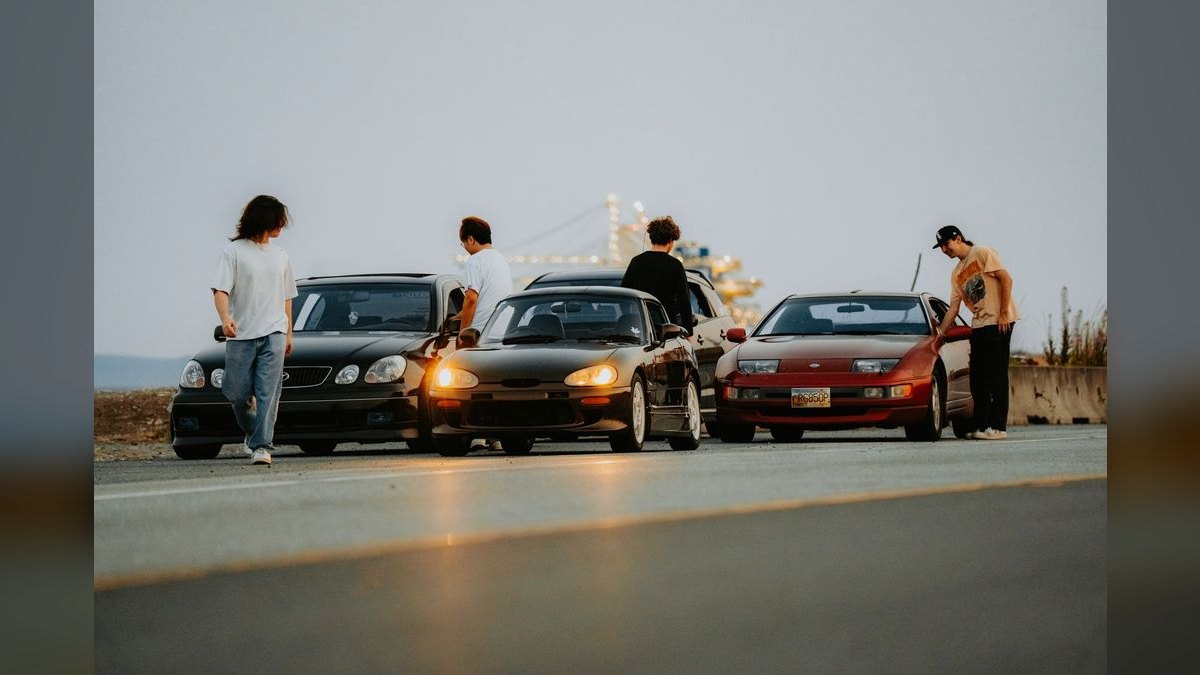
The Mazda RX-7 FD3S ranks first as the best overall 1995 JDM sports car due to its singular rotary character and exotic feel. Its 1.3-liter 13B-REW sequential twin-turbo rotary made 255 hp in a roughly 2,800-lb body, delivering telepathic handling and near-perfect balance. With only about 500 sold in its final U.S. year, survivors are scarce, and Hagerty now values excellent examples near $57,000, with top cars trading between $80,000 and $140,000.
This car is for the purist who prioritizes a featherlight, exotic driving experience over everyday practicality. It trades away reliability and low maintenance costs, as apex-seal wear and fragile sequential turbo plumbing demand a careful owner. Compared to the Toyota Supra Turbo below, the RX-7 is lighter and more agile but less of a straight-line tuner platform, making it the more special, driver-focused choice for collectors seeking an appreciating asset.
2. Toyota Supra Turbo A80
The Toyota Supra Turbo A80 ranks second because its 3.0-liter 2JZ-GTE inline-six offers legendary, near-limitless tuning potential that defines the 1995 JDM era. Factory-rated at 320 hp and 315 lb-ft, it hits 0-60 in roughly 4.9 seconds through a 6-speed Getrag manual. The closed-deck 2JZ block reliably handles four-figure horsepower, a reputation cemented by drag racers and pop culture.
This car suits the tuner and GT buyer who wants bulletproof big-power capability with daily usability. It trades away the RX-7's darty agility for a heavier, more comfortable grand-touring ride. Compared to the Mazda above, the Supra is the financially explosive icon with stronger straight-line potential, but it lacks the rotary's exotic lightness, making it the choice for those prioritizing engine robustness and collector appreciation over chassis purity.
3. Nissan Skyline GT-R V-Spec R33
The Nissan Skyline GT-R V-Spec R33 ranks third for its technological tour-de-force AWD system and motorsport pedigree, making it a giant-killer in any condition. Its 2.6-liter RB26DETT twin-turbo straight-six carried a gentlemen's-agreement 276 hp rating, widely believed underrated, driving all four wheels via ATTESA E-TS and Super-HICAS. Now import-eligible under the 25-year rule, it achieves 0-60 in about 5.0 seconds.
This car is for the enthusiast who wants all-weather traction and a legendary tuning engine with WRC-derived mystique. It trades away simplicity and light weight, as the AWD system and right-hand-drive import logistics add cost and complexity. Compared to the Supra above, the GT-R offers superior grip and a more advanced chassis, but it is heavier and less refined as a daily driver, appealing to those who value technological capability over raw rear-drive drama.
4. Acura NSX NA1
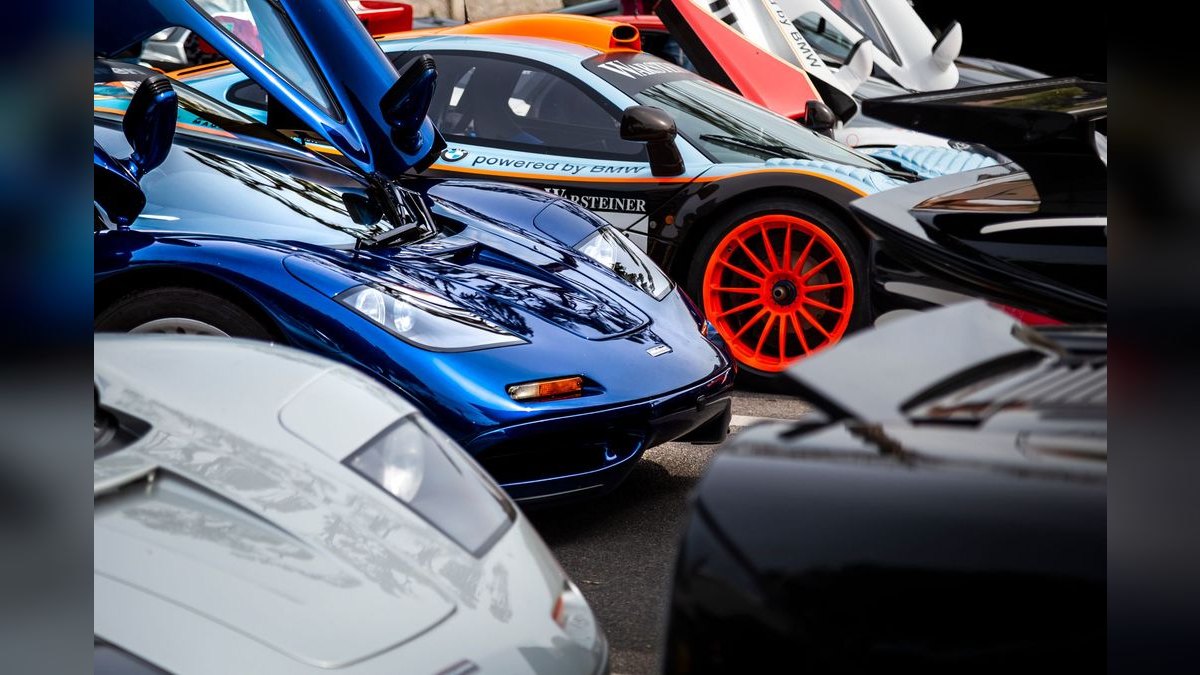
The Acura NSX NA1 ranks fourth because it proves an exotic supercar can be reliable, usable, and razor-sharp, with Honda's all-aluminum construction and VTEC engineering. Its 3.0-liter C30A V6 makes 270 hp at 7,100 rpm, achieving 0-60 in about 4.7 seconds through a 5-speed manual. Developed with Ayrton Senna, it offers forgiving manners and precise handling, with 1995 introducing the NSX-T targa.
This car is for the buyer who wants everyday-usable exotic engineering without the temperament of a turbocharged rival. It trades away the raw power of the Skyline GT-R for a lighter, more balanced mid-engine chassis and bulletproof Honda reliability. Compared to the R33 above, the NSX is more expensive and less powerful, but it delivers a more intimate, driver-focused experience and superior build quality, appealing to collectors seeking a blue-chip, timeless supercar.
5. Nissan 300ZX Twin Turbo Z32

The Nissan 300ZX Twin Turbo Z32 ranks fifth for its high-tech grand-touring capability, blending smooth twin-turbo V6 power with aerodynamic styling. Its 3.0-liter VG30DETT produces 300 hp and 283 lb-ft, achieving 0-60 near 5.3 seconds with Super-HICAS four-wheel steering. A genuine 155-mph machine, it aged into a clean-lined classic, with 1995 near the end of its U.S. run.
This car is for the GT buyer who wants a muscular, refined cruiser with effortless power and timeless looks. It trades away the NSX's razor-sharp agility for a heavier, softer ride, and its cramped, complex engine bay is famously difficult to service. Compared to the Acura above, the 300ZX offers more torque and a more accessible price, but it lacks the exotic pedigree and daily reliability, making it a strong value pick for those prioritizing comfort and classic presence.
6. Mitsubishi 3000GT VR-4
The Mitsubishi 3000GT VR-4 ranks sixth because it was the era's technology showcase, packing every feature into a blisteringly capable AWD flagship. Its 3.0-liter 6G72 twin-turbo V6 makes 320 hp and 315 lb-ft, routed through a 6-speed manual and full-time all-wheel drive, with all-wheel steering, active aero, and electronic suspension. The rebadged Dodge Stealth R/T Twin Turbo shares the hardware.
This car is for the gadget lover who wants all-weather grip and cutting-edge tech in a single package. It trades away simplicity and light weight, as the heavy, complex mechanicals and aging electronics are costly to maintain. Compared to the 300ZX above, the VR-4 offers superior traction and more features, but it is heavier and less refined, making it a value pick for those who prioritize all-conditions capability over the Z32's smoother GT character.
7. Toyota MR2 Turbo SW20
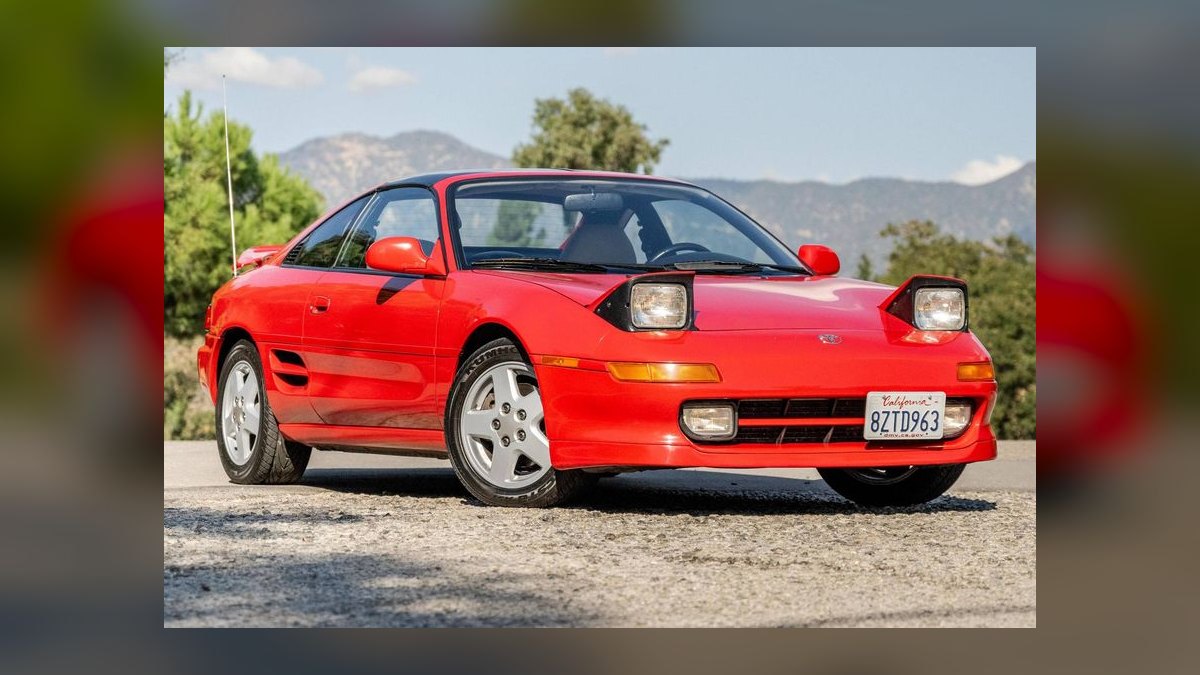
The Toyota MR2 Turbo SW20 ranks seventh for delivering mid-engine thrills at a fraction of supercar prices, with a tunable turbo four and balanced chassis. Its 2.0-liter 3S-GTE makes 200 hp and 200 lb-ft, achieving 0-60 in roughly 5.9 to 6.4 seconds through a 5-speed manual. Revised later cars tamed the early snap-oversteer reputation into rewarding handling. Just 265 MR2s reached the U.S.
This car is for the driver who wants exotic mid-engine layout and balance on a budget, without the complexity of the 3000GT VR-4. It trades away the VR-4's all-weather grip and tech for a lighter, more engaging rear-drive experience, though cabin and cargo space are limited. Compared to the Mitsubishi above, the MR2 is less powerful but more agile and reliable, appealing to purists who value driving purity and affordability over gadgetry and AWD traction.
8. Subaru Impreza WRX STI Version II
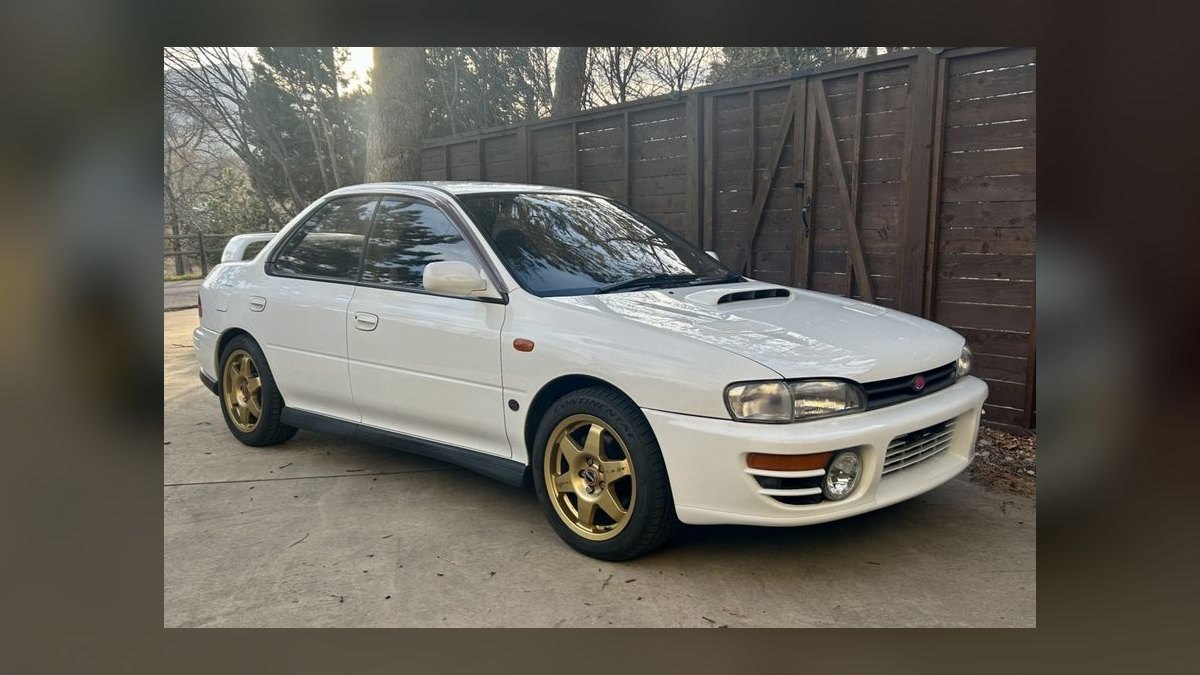
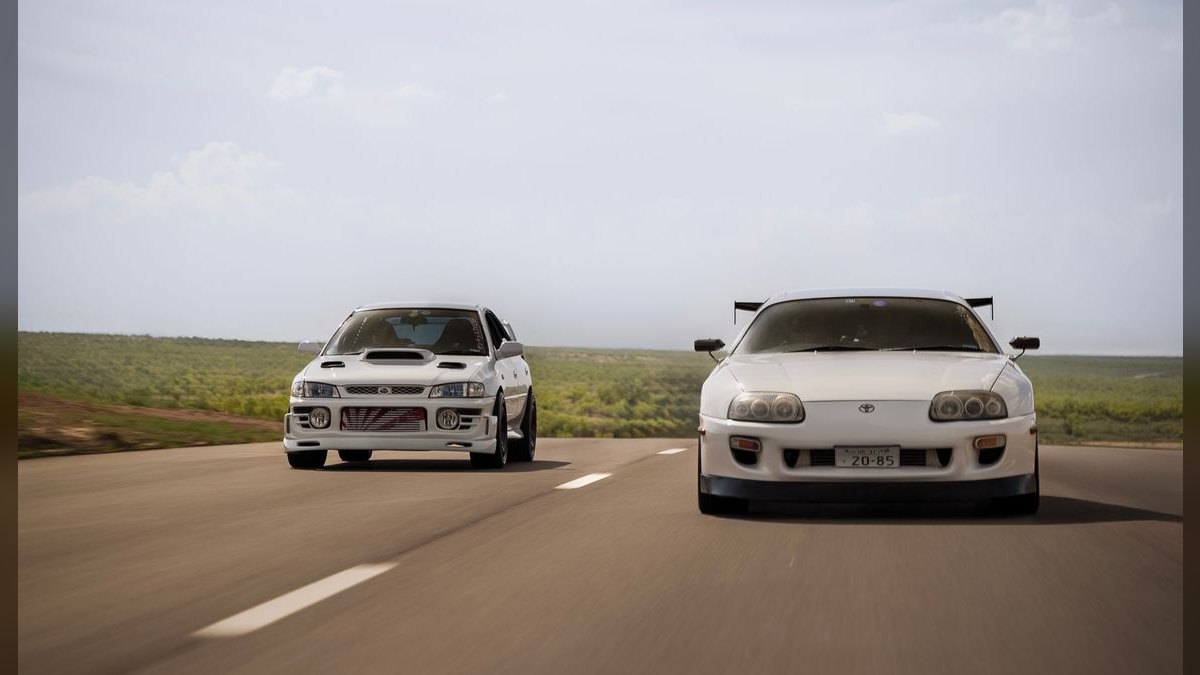
The Subaru Impreza WRX STI Version II ranks eighth for bringing World Rally Championship technology to the street, with savage all-weather capability and a legendary turbo flat-four. Its 2.0-liter EJ20 makes around 271 hp, driving all four wheels through a close-ratio 5-speed, achieving 0-60 in roughly 4.8 to 5.1 seconds. Light and boxy, it became a rally and tuner legend, now import-eligible under the 25-year rule.
This car is for the rally fan who wants four-door practicality and all-weather attack, with huge aftermarket support. It trades away the MR2's mid-engine balance and exotic feel for AWD traction and WRC pedigree, but right-hand drive and import effort are required.
9. Nissan 240SX S14
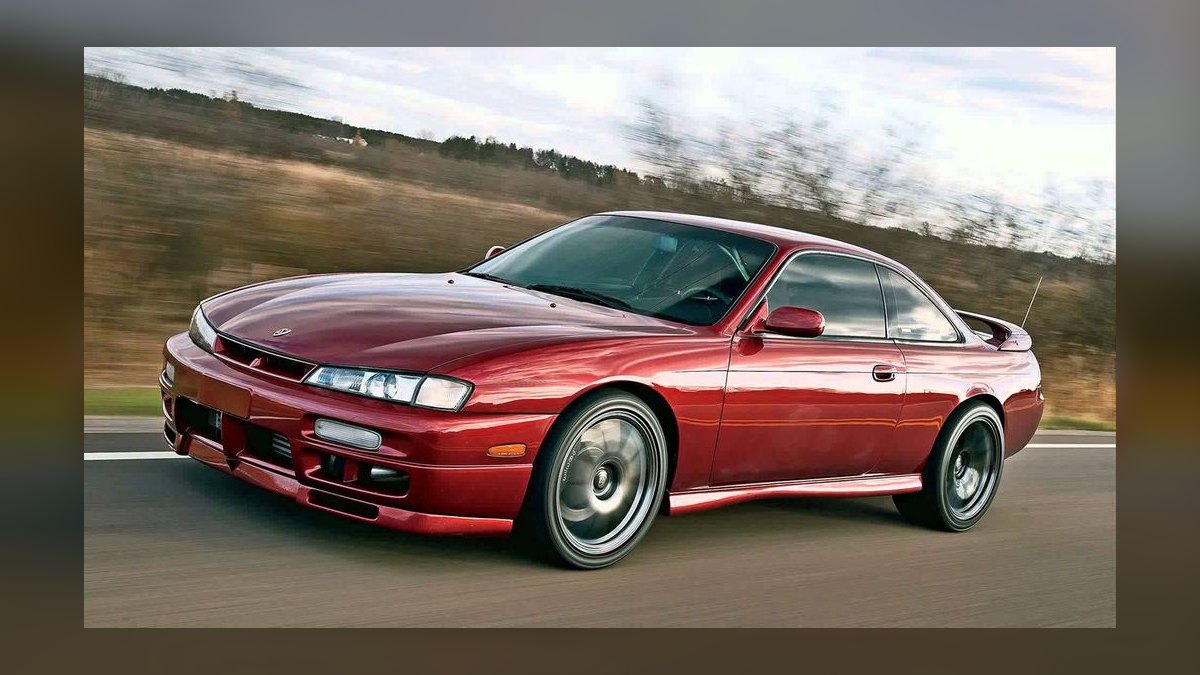
The Nissan 240SX S14 ranks ninth as the best value pick, offering a perfectly balanced rear-drive chassis and endless tuning potential at an affordable price. Its 2.4-liter KA24DE makes 155 hp and 160 lb-ft to the rear wheels, modest on paper, but the near-ideal weight distribution makes it a drift and tuner icon. It serves as the canvas for SR20DET swaps from its JDM Silvia twin.
This car is for the budget builder who wants an affordable entry into JDM ownership and a blank canvas for modifications. It trades away the WRX STI's all-wheel-drive grip and rally pedigree for a lighter, more balanced rear-drive platform, though stock output is modest. Compared to the Subaru above, the 240SX is cheaper and easier to work on, but it lacks the STI's factory performance, making it a project car rather than a turn-key performer.
10. Mazda MX-5 Miata NA
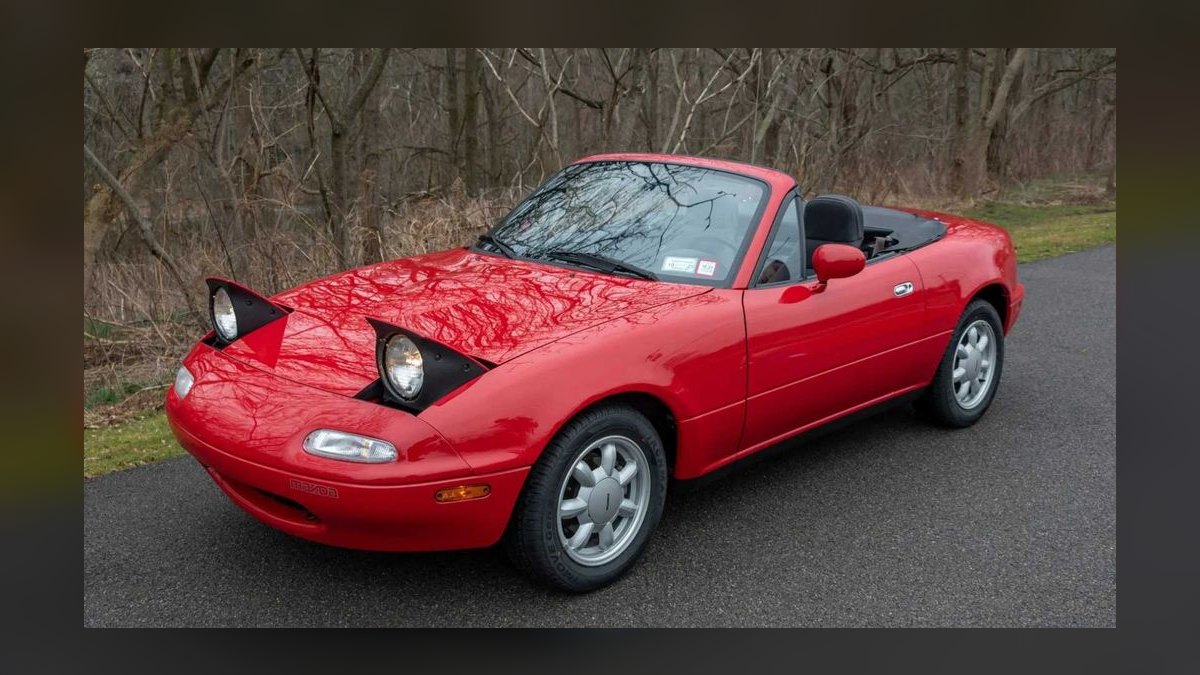
The Mazda MX-5 Miata NA ranks tenth for proving that pure, lightweight driving joy matters more than outright power, with a featherweight chassis and bulletproof reliability. Its 1.8-liter twin-cam four makes 128 hp and 110 lb-ft, driving the rear wheels through a slick 5-speed for a tossable experience. At roughly 2,300 lb, it rewards momentum and precision, making it the most usable car here.
This car is for the driver who values simplicity, low running costs, and joyful handling over straight-line speed or collector upside. It trades away the 240SX's tuning potential and drift culture for a more focused, pure roadster experience, though it has less power and cargo space. Compared to the Nissan above, the Miata is more reliable and cheaper to maintain, but it lacks the S14's modding ceiling, making it the sensible, smile-inducing choice for everyday driving.
How we ranked these
We ranked each car by weighting performance and tuning potential at 25%, driving character at 25%, icon status and legacy at 15%, reliability at 15%, value when new at 10%, and collectibility today at 10%. Data came from period road tests, Hagerty valuations, auction results, and manufacturer specs.
We deliberately ignored subjective nostalgia and pop-culture fame beyond their measurable impact on values. We also excluded rarity for its own sake, preferring cars with genuine driving merit. We did not penalize cars for being JDM-only, since import eligibility is now a key factor in their modern appeal.
What to look for
When choosing between these, focus on mechanical health, rust, and maintenance history over cosmetic condition. For rotary RX-7s, a compression test is mandatory. For turbo cars, verify turbo health and boost leaks. Check for accident damage and frame straightness. Imported R33 GT-Rs and WRX STIs require careful inspection of underbody rust and import paperwork.
The biggest mistake buyers make is chasing showroom perfection on a driver-grade car, overpaying for original radios or factory wheels that don't affect drivability. Instead, prioritize a clean, documented, lightly modified example. Heavily tuned cars are often worth less and hide expensive problems. Rust is the single biggest killer—check rear arches, floor pans, and frame rails thoroughly.
Related questions
What made the Mazda RX-7 FD3S the best overall 1995 JDM sports car?
The FD3S combined a featherlight 2,800-lb chassis with a unique sequential twin-turbo rotary engine, delivering telepathic handling and an exotic feel. Its final U.S. model year saw only about 500 cars sold, making survivors scarce. Values have soared over 360% in a decade, with excellent examples now trading between $80,000 and $140,000.
Why is the Nissan 240SX S14 considered the best value?
At roughly $19,000 new, the S14 offered a perfectly balanced rear-drive chassis and endless tuning potential, making it the most attainable JDM icon. Its modest 155-hp KA24DE engine was a blank canvas for SR20DET swaps, and clean examples remain relatively affordable, with the market averaging near $19,700 today.
How does the Toyota Supra Turbo A80 compare to the RX-7?
The Supra is heavier and less agile than the RX-7, but its 2JZ-GTE engine is legendary for handling four-figure horsepower reliably. It offers more comfort and daily usability, and its pop-culture fame has driven values to nearly $100,000 for clean manual cars. The RX-7 is lighter and more exotic-feeling, but the Supra is the tuner's holy grail.
What are the pros and cons of the Nissan Skyline GT-R R33?
The R33 GT-R offers all-weather traction via ATTESA E-TS AWD and a legendary RB26DETT engine, with a motorsport pedigree that earned it the 'Godzilla' nickname. However, it was never sold in the U.S., so buyers must navigate import logistics and right-hand drive. Clean examples now trade from $40,000 to over $80,000.
Is the Acura NSX worth its high price?
The NSX is the most expensive car on this list, but it offers everyday-usable exotic engineering with Honda reliability. Its all-aluminum chassis and VTEC V6, developed with Ayrton Senna, provide razor handling and a screaming 7,100-rpm redline. Clean first-gen examples range from the $70,000s into six figures, making it a blue-chip collector investment.
What should I look for when buying a 1995 JDM sports car today?
Check for rust, especially on rear arches and frame rails. Verify import legality for JDM-only models like the R33 GT-R. For RX-7s, a compression test is mandatory to assess apex seal health. Look for maintenance history, particularly timing components and turbo health. A clean, documented, lightly modified car is worth far more than a heavily tuned project.
Which 1995 JDM car is easiest to live with daily?
The Mazda MX-5 Miata is the cheapest and simplest to own, with bulletproof reliability and low running costs. The Acura NSX also offers Honda reliability but with higher maintenance costs. The Miata's featherweight 2,300-lb chassis and slick shifter make it a joy every day, despite its modest 128 hp.
FAQ
Which 1995 JDM car was the best overall?
The Mazda RX-7 (FD3S) earns it for blending an exotic-feeling chassis, the unique sequential twin-turbo 13B rotary, genuine rarity in its final U.S. year, and the strongest appreciation of the group.
Which 1995 JDM car was the best value?
The Nissan 240SX (S14). It delivered a perfectly balanced rear-drive chassis and a tuning-friendly platform for under $20,000 new, and it remains the most attainable entry into JDM ownership.
Were these cars really making more power than advertised?
Many were. Japan's gentlemen's agreement capped factory claims at 276 hp, so the Skyline GT-R, WRX STI, and others were widely believed to make more than their listed figures.
Which 1995 JDM cars can I import to the U.S. now?
The Nissan Skyline GT-R R33 and Subaru Impreza WRX STI (GC8) were JDM-only and are now eligible under the 25-year import rule, along with other Japan-market trims not sold here originally.
Why have these cars appreciated so much?
A combination of nostalgia, the 25-year import rule unlocking forbidden-fruit models, pop-culture fame, and finite low-mileage survivors. The FD RX-7 alone is up over 360% in a decade.
Which one is the easiest to live with daily?
The Mazda MX-5 Miata and Acura NSX top the reliability charts, with the Miata being the cheapest and simplest to own of the entire list.
What is the biggest mistake buyers make with these cars?
Chasing showroom perfection on a driver-grade car can cost more than it returns. Original radios and factory wheels rarely affect drivability or long-term value. Focus on rust, maintenance history, and mechanical health instead of minor cosmetic period mods.
How important is rust when buying a 1995 JDM car?
Rust is the single biggest killer of survivors. Check rear arches, floor pans, frame rails, and around the windshield. Imported cars from snowy regions need extra scrutiny. Surface rust can be treated, but structural rust is a deal-breaker.
Are modified examples worth less?
Yes, a clean, documented, lightly modified or stock car is worth far more than a boost-cranked project. Verify the build quality and reversibility. Many of these cars were tuned and tracked hard, so a well-maintained example is a safer investment.
What is the 25-year import rule?
It allows vehicles that are at least 25 years old to be imported into the U.S. without meeting federal safety and emissions standards. This rule has made JDM-only models like the R33 GT-R and GC8 WRX STI legal to import, increasing their availability and desirability.
Sources
- https://www.hagerty.com/valuation-tools
- https://bringatrailer.com/
- https://www.classic.com/
- https://en.wikipedia.org/wiki/Mazda_RX-7
- https://en.wikipedia.org/wiki/Toyota_Supra
- https://en.wikipedia.org/wiki/Nissan_Skyline_GT-R
- https://en.wikipedia.org/wiki/Acura_NSX
- https://en.wikipedia.org/wiki/Nissan_300ZX
- https://en.wikipedia.org/wiki/Mitsubishi_3000GT
- https://en.wikipedia.org/wiki/Toyota_MR2
Related on PULSE
- [More jdm sports cars 1995 rankings and buying guides](/knowledge)
- [PULSE Tools and calculators](/tools)
- [Everything on PULSE RevOps](/)
 pulse-aquariumsTop 10 Canister Filters 2027
 aqTop 10 Hang-On-Back Aquarium Filters 2027
 pulse-reviewsTop 10 Cabin Cruiser Boats 2027
 pulse-aquariumsTop 10 Aquarium Filters 2027
 pulse-moviesTop 10 Movies on Max 2027
 pulse-moviesTop 10 Movies on Netflix 2027
 pulse-moviesTop 10 Fantasy Movies of All Time in 2027
 pulse-moviesTop 10 Documentaries of All Time in 2027
 pulse-moviesTop 10 Superhero Movies of All Time in 2027
 pulse-moviesTop 10 Romance Movies of All Time in 2027