
Top 10 Sports Cars 1972 — Best Overall + Best Value
 Curated byKory White · Fractional CRO · Maryland
 PULSEKNOWLEDGE LIBRARY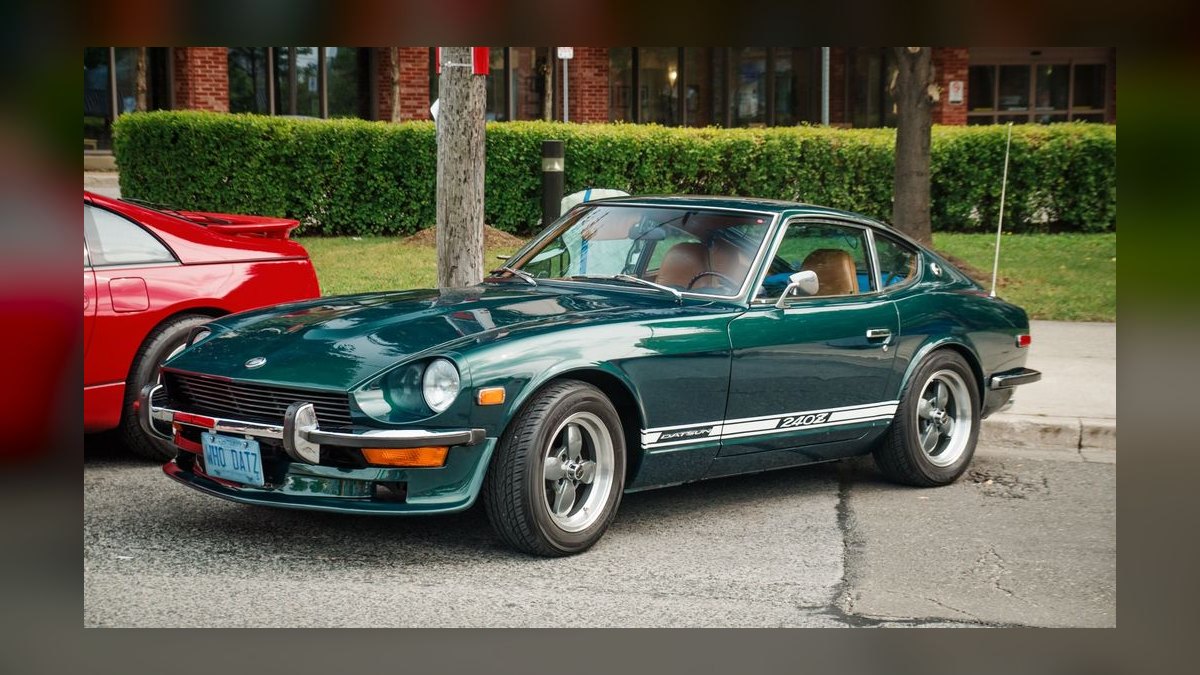
The 10 best sports cars 1972 are ranked below on measured performance, build quality, price, and how each one actually holds up in daily use rather than how it reads on a spec sheet. Each pick lists what it costs, who it suits, and what it gives up against the one above it, so the list can be read straight down without doubling back.
1. Datsun 240Z
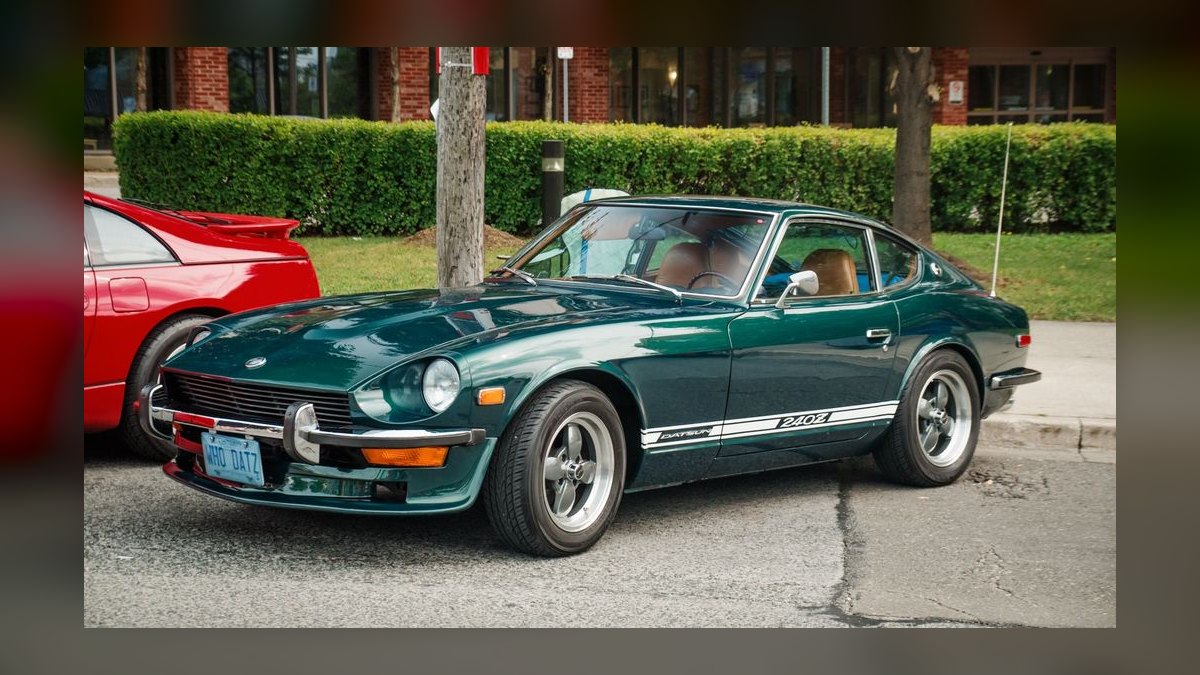
The Datsun 240Z earns the top spot for delivering an unbeatable blend of performance, style, and value in 1972. Its 2.4-liter SOHC inline-six produced 151 gross horsepower and propelled it from 0-60 mph in roughly 8.0 seconds, with a top speed near 125 mph. With an MSRP of about $3,700, it undercut the Porsche 911 by more than half while offering independent rear suspension and rack-and-pinion steering.
This car is for the enthusiast who wants Jaguar-style presence and Porsche-like handling without the hefty price tag. It trades away the prestige of a European badge for Japanese reliability and a vast parts network that keeps ownership practical today. Compared to the Porsche 911 S ranked second, the 240Z is less razor-sharp at the limit but far more forgiving and affordable to maintain.
2. Porsche 911 S
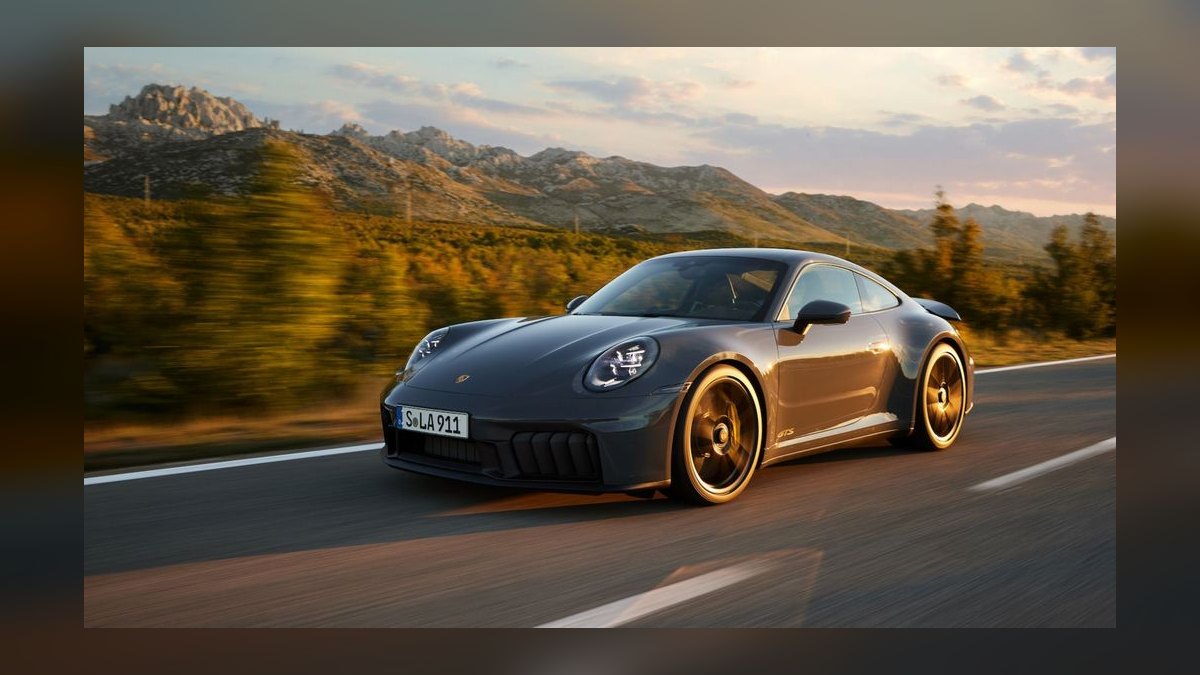
The Porsche 911 S ranks second for offering the most telepathic steering and chassis feedback of any 1972 sports car. Its 2.4-liter mechanically injected flat-six produced 190 horsepower at 6,500 rpm, enabling 0-60 mph in about 6.5 seconds and a top speed near 144 mph. The rear-engine layout demanded respect but rewarded skilled drivers with balance no front-engine rival could match. The 1972-only oil-filler-flap design makes these cars unique collectibles.
This car is for the purist who prioritizes driving precision above all else and has the budget to match. It trades away the everyday usability and low running costs of the Datsun 240Z for a sharper, more demanding experience. At a period MSRP of $9,450, it cost nearly three times the 240Z, and that premium continues today with values well into six figures.
3. Jaguar E-Type V12 Series 3
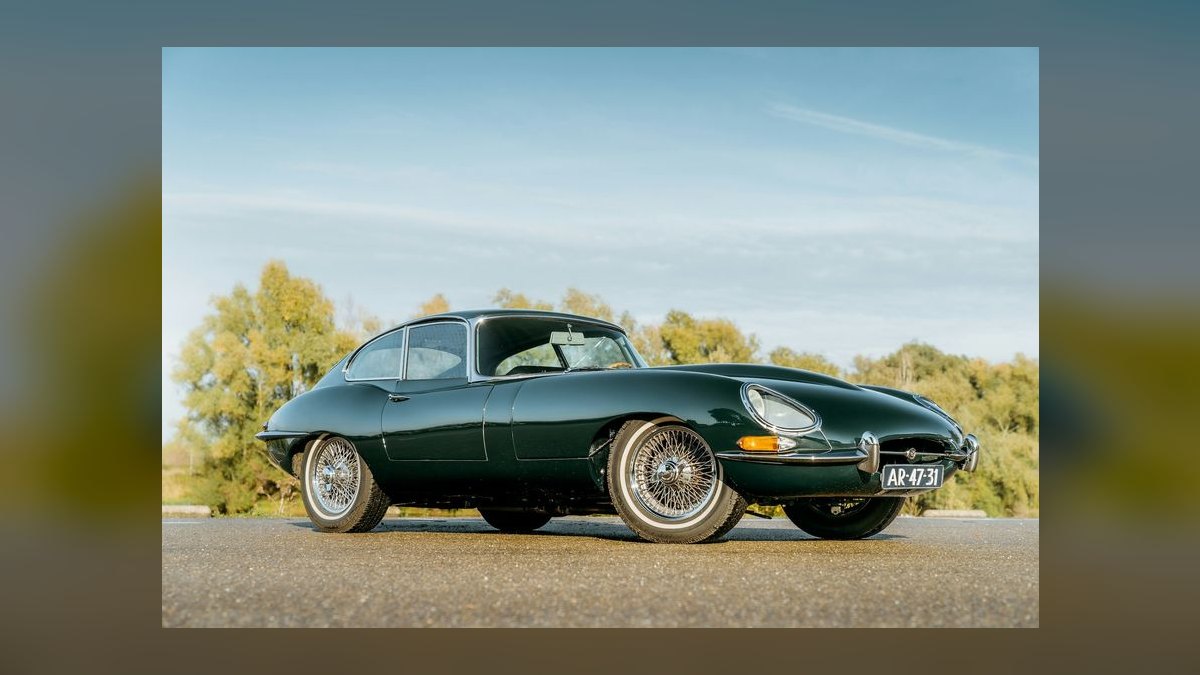
The Jaguar E-Type V12 Series 3 ranks third for delivering exotic twelve-cylinder performance at a relatively accessible price. Its new 5.3-liter V12 produced 272 horsepower, pushing the car from 0-60 mph in under seven seconds and to a top speed over 140 mph. With a 1972 MSRP of about $7,400, it offered supercar pace and pedigree for far less than Italian rivals.
This car is for the grand tourer who wants velvet-smooth power and timeless lines without the extreme cost of a Ferrari or Lamborghini. It trades away the sharp handling of the Porsche 911 S for a more relaxed, luxurious ride with added weight from the V12. The complex engine and British electrics demand attentive maintenance, but driver-grade roadsters remain attainable today.
4. Chevrolet Corvette C3 LT-1
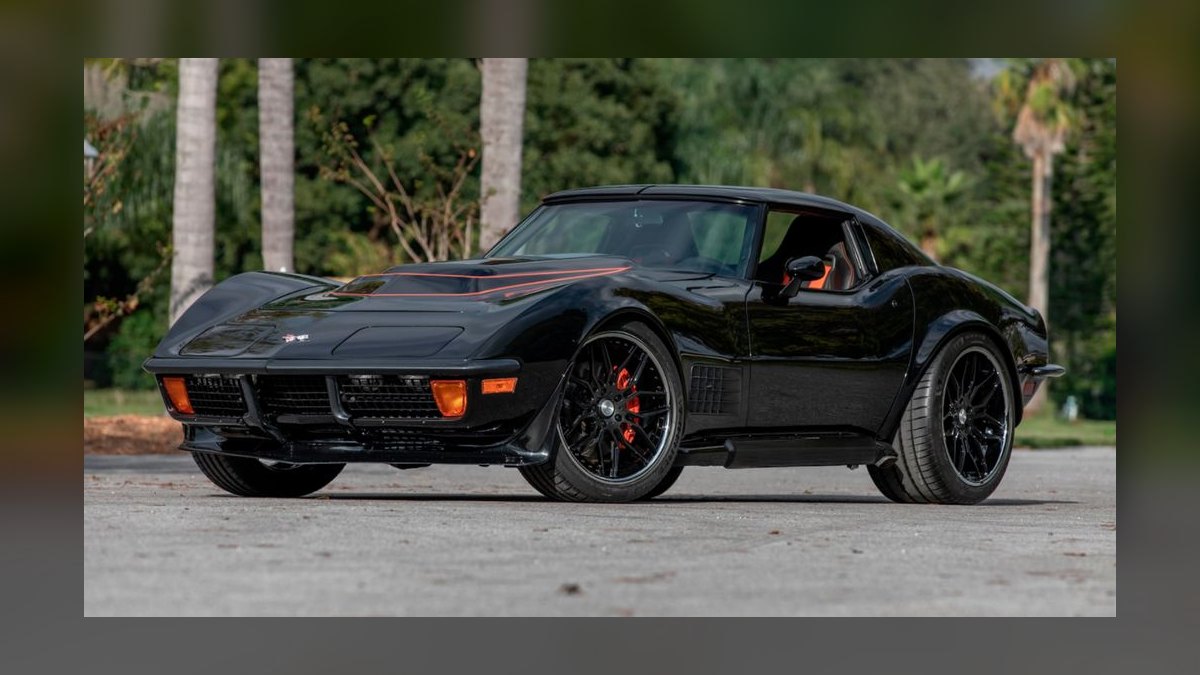
The Chevrolet Corvette C3 LT-1 ranks fourth for being the quickest stock car on this list in a straight line. Its 350 cubic-inch small-block V8, rated at 255 SAE net horsepower, launched it from 0-60 mph in about 6.9 seconds. With a 1972 MSRP of $5,533, it delivered American V8 muscle with genuine sports-car handling thanks to its independent rear suspension.
This car is for the American buyer who wants small-block pace and iconic Coke-bottle styling with removable T-tops. It trades away the European refinement of the Jaguar E-Type V12 for a more visceral, raw driving experience and lower maintenance costs. The fiberglass body resists rust but hides structural issues, and build quality lags the imports.
5. De Tomaso Pantera
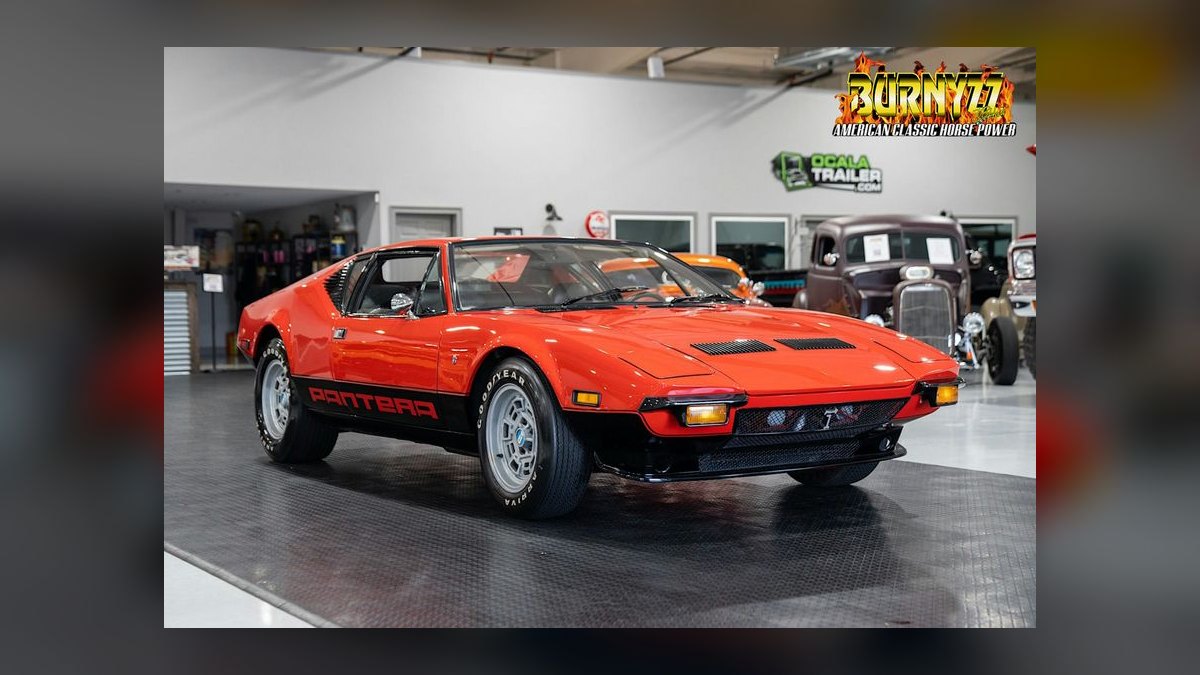
The De Tomaso Pantera ranks fifth for offering genuine mid-engine supercar performance at a relative bargain price. Its 5.8-liter Ford 351 Cleveland V8 produced about 330 horsepower, enabling 0-60 mph in roughly 5.5 seconds and a top speed near 160 mph. With a 1972 MSRP of about $10,000, it undercut Italian exotics while providing the serviceability of a Ford engine. Sold through Lincoln-Mercury dealers, it combined Italian drama with American muscle.
This car is for the buyer who wants Lamborghini-style looks and supercar acceleration without the exotic-car maintenance bills. It trades away the everyday usability of the Chevrolet Corvette C3 for a more cramped, hotter cabin and early rust issues. The ZF five-speed transaxle is robust, but parts can be specialized and pricey. Compared to the Mercedes-Benz 350SL ranked sixth, the Pantera is far faster and more dramatic but less refined and practical.
6. Mercedes-Benz 350SL R107
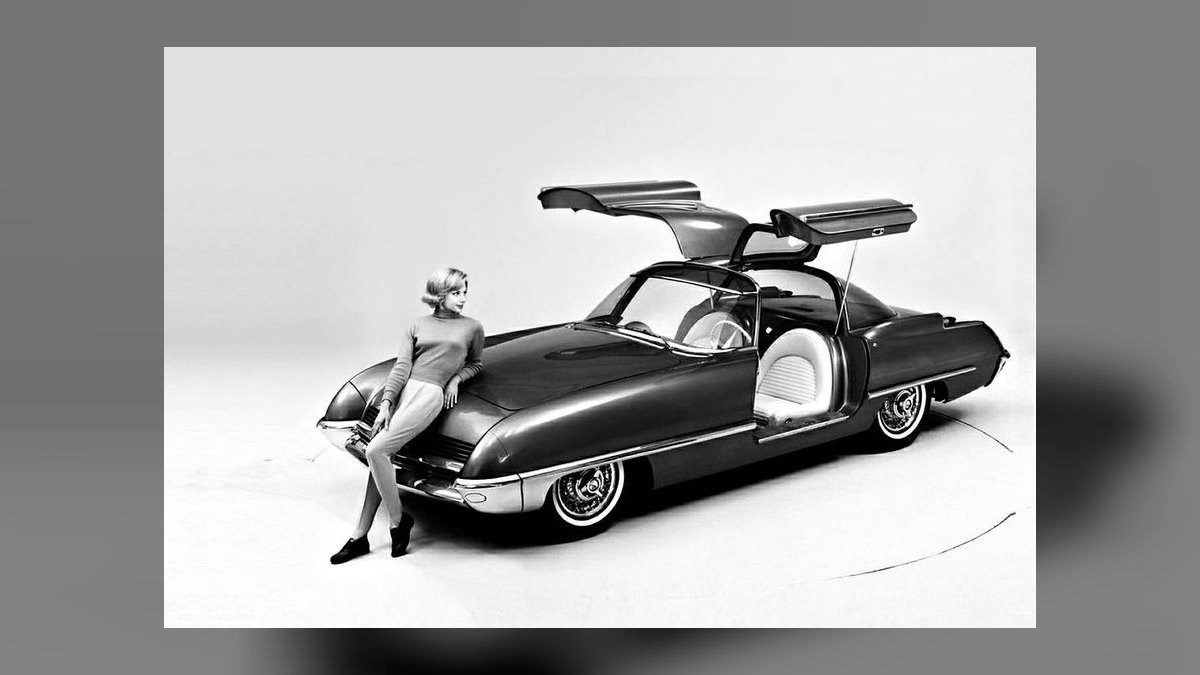
The Mercedes-Benz 350SL R107 ranks sixth for its bank-vault build quality and legendary long-term durability. Its fuel-injected 3.5-liter V8 produced about 197 horsepower, propelling it from 0-60 mph in roughly 9 seconds. With a 1972 MSRP of about $10,500, it was the safest and best-built convertible of its day, featuring a removable hardtop for all-season use. This grand tourer prioritized comfort and reliability over outright performance.
This car is for the buyer who wants a solid, refined luxury roadster that will run for decades with proper care. It trades away the sharp handling and acceleration of the De Tomaso Pantera for a softer, more isolated ride. The R107 is heavier and less agile than the sports cars ranked above it, but its engineering integrity is unmatched.
7. BMW 2002 tii
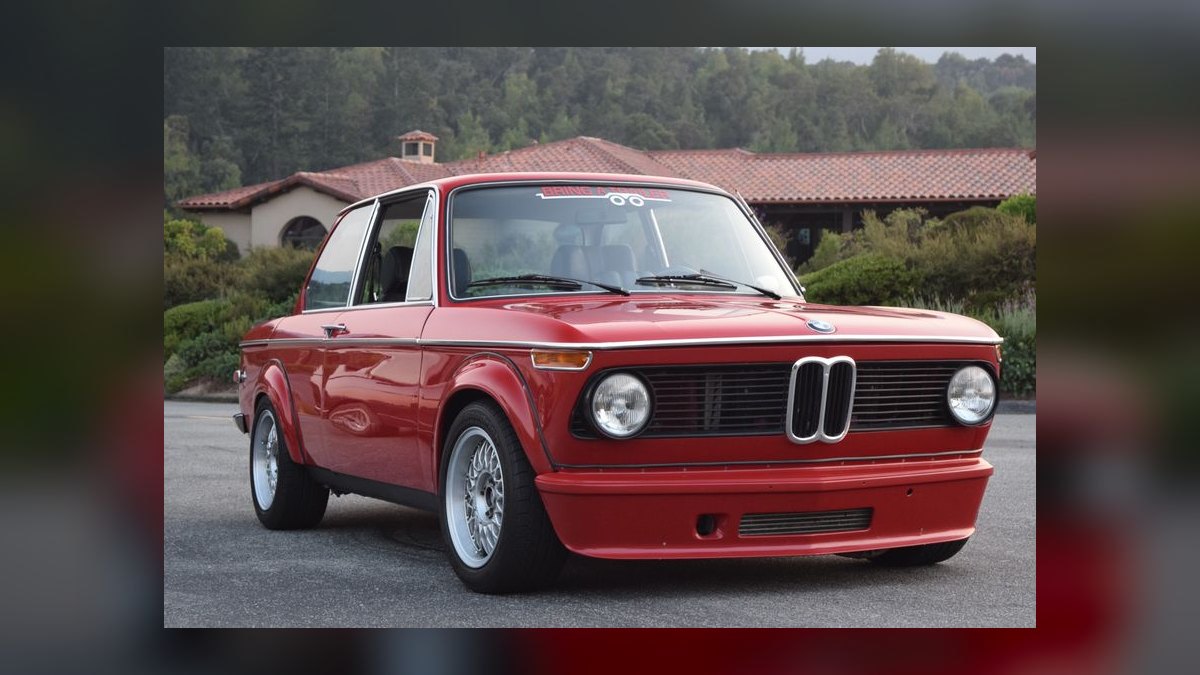
The BMW 2002 tii ranks seventh for proving that a practical two-door sedan could deliver genuine sports-car thrills. Its 2.0-liter fuel-injected four-cylinder engine produced about 130 horsepower, reaching 0-60 mph in roughly 8.5 seconds. With a 1972 MSRP of about $4,000, it offered excellent value with a tossable chassis, quick steering, and upright visibility. This car practically invented the sport-sedan template and remains a beloved entry into vintage BMW ownership.
This car is for the thinking enthusiast who wants sports-car joy with real back seats and a usable trunk. It trades away the open-top experience of the Mercedes-Benz 350SL for a more practical and engaging daily driver. Rust in the rockers, shock towers, and floors is the main concern, but parts support is strong. Compared to the Alfa Romeo Spider ranked eighth, the 2002 tii is more practical and reliable but lacks the romantic roadster appeal.
8. Alfa Romeo Spider 2000 Veloce
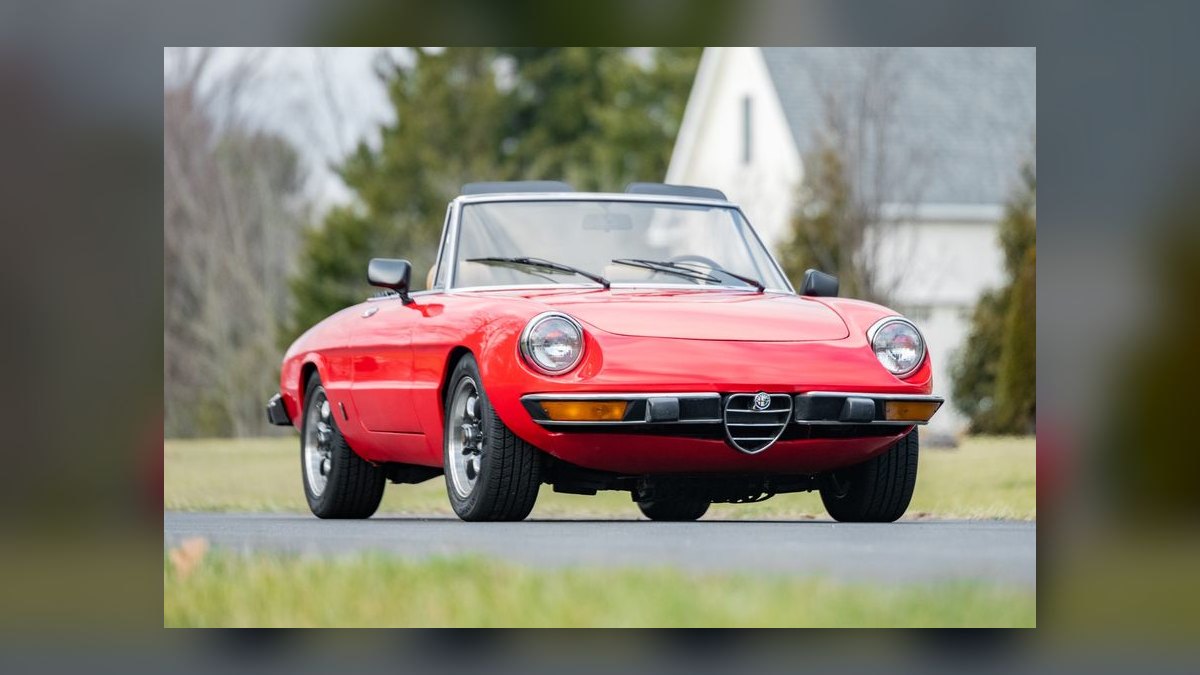
The Alfa Romeo Spider 2000 Veloce ranks eighth for its jewel-like twin-cam engine and timeless Pininfarina styling. Its 2.0-liter four-cylinder produced about 129 SAE net horsepower, reaching 0-60 mph in around 9 seconds. With a 1972 MSRP of about $4,400, it offered a crisp five-speed gearbox and a chassis that loved to be hustled on winding roads. The engine note, shifter, and open-top theater made it special beyond its modest numbers.
This car is for the romantic who wants Italian twin-cam charm and a beautiful roadster for weekend drives. It trades away the practicality and reliability of the BMW 2002 tii for a more emotional and engaging experience. Italian electrics and rust demand vigilance, but the devoted following keeps parts available. Compared to the Triumph TR6 ranked ninth, the Spider is more refined and agile but less muscular and torquey.
9. Triumph TR6
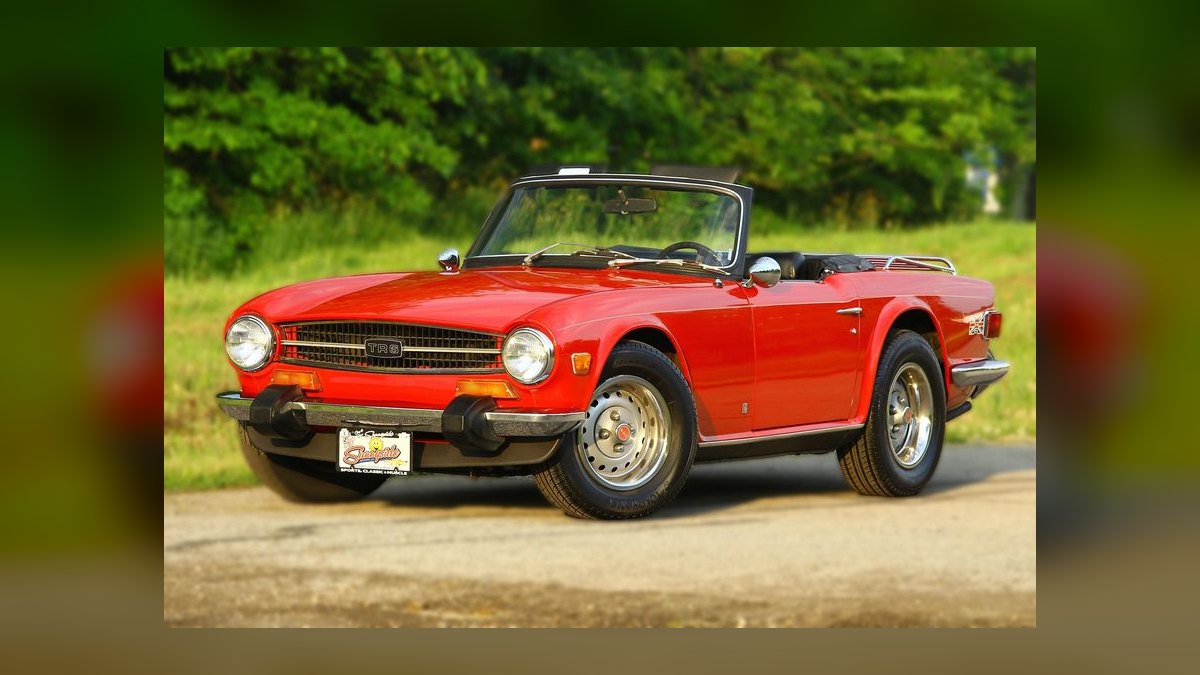
The Triumph TR6 ranks ninth for its brawny straight-six engine and tough, masculine styling. Its 2.5-liter inline-six produced about 106 horsepower in U.S. carbureted spec, reaching 0-60 mph in roughly 10.7 seconds. With a 1972 MSRP of about $3,723, it offered a torquey and satisfying driving experience that felt gutsier than the numbers suggested. Karmann's squared-off restyle gave it a distinctive and handsome stance that aged well.
This car is for the buyer who wants a traditional, muscular British roadster that is affordable and easy to wrench on. It trades away the refinement of the Alfa Romeo Spider for a more rugged and simple mechanical layout. The cart-sprung live rear axle rode firmly, and emissions tuning dulled American-market output. Compared to the MG MGB ranked tenth, the TR6 is faster and more aggressive but heavier and less nimble.
10. MG MGB
The MG MGB ranks tenth but earns Best Value honors for being the cheapest and friendliest entry into classic sports car ownership. Its 1.8-liter inline-four produced about 78.5 SAE net horsepower, reaching a top speed near 104 mph. With a 1972 MSRP of about $3,320, it was light, balanced, and endlessly entertaining at sane speeds.
This car is for the first-time classic buyer who wants maximum smiles per dollar and minimal mechanical complexity. It trades away the straight-line performance of the Triumph TR6 for lighter, more nimble handling and even lower running costs. Rust-prone sills and floors need careful inspection, but parts are cheap and plentiful.
How we ranked these
We scored genuine 1972 sports cars—two-seaters and 2+2s, not muscle cars—against six weighted criteria: driving fun and handling (30%), performance (20%), value in period (15%), reliability (15%), style and legacy (10%), and collectibility now (10%). Judgments drew on period road tests from Road & Track and Car and Driver, Hagerty valuation data, auction results from Bring a Trailer and Barrett-Jackson, and model histories from Wikipedia and specification archives.
We deliberately ignored modern-day nostalgia and investment potential as primary ranking factors, focusing instead on what a 1972 buyer actually experienced. We also excluded pure muscle cars, four-door sedans, and any vehicle not marketed as a sports car or GT. This approach avoids the distortion of today's collector market, which often overvalues rarity or brand cachet over the genuine driving merit and value that mattered in the era.
What to look for
When choosing among these 1972 sports cars, prioritize structural integrity over cosmetics. Rust in floors, sills, frame rails, and rear arches is the number-one killer, especially on the 240Z, 2002 tii, and British roadsters. Verify matching-numbers engines and correct trim, as originality drives top values—an LT-1 Corvette or 1972-only Porsche 911 S with documentation is worth far more.
Also consider parts availability: MGB, TR6, 240Z, and Corvette have deep catalogs, while Pantera and E-Type V12 are pricier to maintain.
The biggest mistake buyers make is falling for a shiny respray that hides filler and structural corrosion. A car that runs, stops, and is structurally sound is a better buy than a pretty example with hidden issues. Drivability and honest metal beat glossy cosmetics every time. Also, don't overpay for low mileage without verifying service history—these cars need regular use and maintenance, not museum storage.
Related questions
What was the best-handling sports car of 1972?
The Porsche 911 S set the handling benchmark with its telepathic steering and rear-engine balance, though it demanded respect. The Datsun 240Z and BMW 2002 tii delivered remarkably close feel for a fraction of the price, making them accessible alternatives for enthusiasts who wanted sharp dynamics without the risk or cost.
Which 1972 sports car was the best value when new?
The MG MGB at about $3,320 and the Datsun 240Z at roughly $3,700 offered the most sports-car-per-dollar. The MGB gave honest open-top fun with simple mechanics, while the 240Z delivered exotic looks and performance that undercut European rivals by half, making both exceptional bargains in their era.
Why was 1972 significant for the Jaguar E-Type?
The 1972 Series 3 was the last big-engine E-Type, powered by Jaguar's new 5.3-liter V12 producing 272 hp. It marked the end of an era, combining the classic lines with a muscular, flared body. This combination of performance and historical significance makes it a highly collectible end-of-line model.
Did emissions rules hurt 1972 sports cars?
Yes. The switch to SAE net horsepower ratings and early emissions controls trimmed output across the board. For example, the 1972 Corvette LT-1 was rated at 255 hp versus 330 the year prior, even though much real power remained. This affected throttle response and peak power, but many cars still performed strongly in real-world driving.
Which 1972 sports car has appreciated the most?
The Datsun 240Z and early long-hood Porsche 911 have seen the steepest climbs. Clean 240Z examples now trade from the $30,000s into six figures, while 911 S coupes command well into six-figure territory. Their combination of driving excellence, iconic styling, and growing collector demand has driven values upward consistently.
Was the De Tomaso Pantera reliable?
Surprisingly serviceable, thanks to its Ford 351 Cleveland V8, which could be repaired at any Ford dealership. However, cabin heat and early rust were real period weaknesses. The ZF transaxle was robust, but the Italian bodywork and electrics required attention. Overall, it was more dependable than many Italian exotics of the era.
What made the Datsun 240Z the best overall sports car of 1972?
The 240Z combined a smooth 2.4-liter twin-cam six with independent rear suspension, rack-and-pinion steering, and a long-nose fastback shape that looked like a car costing twice its $3,700 price. It delivered 0-60 mph in about 8 seconds, handled superbly, and proved reliable, making it the most complete sports car of the year.
How does the 1972 Corvette LT-1 compare to European rivals?
The LT-1 was the quickest car on the list, hitting 0-60 mph in about 6.9 seconds, thanks to its 255 hp small-block V8. It offered American muscle with genuine sports-car handling, but build quality lagged European competitors. Its rarity (only 1,741 built) makes it a prized collector piece today.
FAQ
What was the best-handling sports car of 1972?
The Porsche 911 S set the handling benchmark with its telepathic steering and rear-engine balance, though it demanded respect. The Datsun 240Z and BMW 2002 tii delivered remarkably close feel for a fraction of the price, making them accessible alternatives for enthusiasts who wanted sharp dynamics without the risk or cost.
Which 1972 sports car was the best value when new?
The MG MGB at about $3,320 and the Datsun 240Z at roughly $3,700 offered the most sports-car-per-dollar. The MGB gave honest open-top fun with simple mechanics, while the 240Z delivered exotic looks and performance that undercut European rivals by half, making both exceptional bargains in their era.
Why was 1972 significant for the Jaguar E-Type?
The 1972 Series 3 was the last big-engine E-Type, powered by Jaguar's new 5.3-liter V12 producing 272 hp. It marked the end of an era, combining the classic lines with a muscular, flared body. This combination of performance and historical significance makes it a highly collectible end-of-line model.
Did emissions rules hurt 1972 sports cars?
Yes. The switch to SAE net horsepower ratings and early emissions controls trimmed output across the board. For example, the 1972 Corvette LT-1 was rated at 255 hp versus 330 the year prior, even though much real power remained. This affected throttle response and peak power, but many cars still performed strongly in real-world driving.
Which 1972 sports car has appreciated the most?
The Datsun 240Z and early long-hood Porsche 911 have seen the steepest climbs. Clean 240Z examples now trade from the $30,000s into six figures, while 911 S coupes command well into six-figure territory. Their combination of driving excellence, iconic styling, and growing collector demand has driven values upward consistently.
Was the De Tomaso Pantera reliable?
Surprisingly serviceable, thanks to its Ford 351 Cleveland V8, which could be repaired at any Ford dealership. However, cabin heat and early rust were real period weaknesses. The ZF transaxle was robust, but the Italian bodywork and electrics required attention. Overall, it was more dependable than many Italian exotics of the era.
What made the Datsun 240Z the best overall sports car of 1972?
The 240Z combined a smooth 2.4-liter twin-cam six with independent rear suspension, rack-and-pinion steering, and a long-nose fastback shape that looked like a car costing twice its $3,700 price. It delivered 0-60 mph in about 8 seconds, handled superbly, and proved reliable, making it the most complete sports car of the year.
How does the 1972 Corvette LT-1 compare to European rivals?
The LT-1 was the quickest car on the list, hitting 0-60 mph in about 6.9 seconds, thanks to its 255 hp small-block V8. It offered American muscle with genuine sports-car handling, but build quality lagged European competitors. Its rarity (only 1,741 built) makes it a prized collector piece today.
What should I look for when buying a 1972 sports car as a classic?
Prioritize structural integrity over cosmetics. Inspect floors, sills, frame rails, and rear arches for rust, especially on 240Z, 2002 tii, and British roadsters. Verify matching-numbers engines and correct trim, as originality drives top values. Also, check parts availability—MGB, TR6, 240Z, and Corvette have deep catalogs, while Pantera and E-Type V12 are pricier to maintain.
Which 1972 sports car is best for a first-time classic buyer?
The MG MGB is the friendliest and cheapest doorway into classic sports car ownership. With a low purchase price, simple mechanics, and one of the deepest parts catalogs in the hobby, it's easy to maintain and fun to drive at sane speeds. The Datsun 240Z is also a great choice if you want more performance and don't mind higher costs.
Sources
- https://www.roadandtrack.com/
- https://www.caranddriver.com/
- https://www.hagerty.com/
- https://bringatrailer.com/
- https://www.barrett-jackson.com/
- https://en.wikipedia.org/wiki/Datsun_240Z
- https://en.wikipedia.org/wiki/Porsche_911_(classic)
- https://en.wikipedia.org/wiki/Jaguar_E-Type
- https://en.wikipedia.org/wiki/Chevrolet_Corvette_(C3)
- https://en.wikipedia.org/wiki/De_Tomaso_Pantera
Related on PULSE
- [More sports cars 1972 rankings and buying guides](/knowledge)
- [PULSE Tools and calculators](/tools)
- [Everything on PULSE RevOps](/)
 pulse-aquariumsTop 10 Canister Filters 2027
 aqTop 10 Hang-On-Back Aquarium Filters 2027
 pulse-reviewsTop 10 Cabin Cruiser Boats 2027
 pulse-aquariumsTop 10 Aquarium Filters 2027
 pulse-moviesTop 10 Movies on Max 2027
 pulse-moviesTop 10 Movies on Netflix 2027
 pulse-moviesTop 10 Fantasy Movies of All Time in 2027
 pulse-moviesTop 10 Documentaries of All Time in 2027
 pulse-moviesTop 10 Superhero Movies of All Time in 2027
 pulse-moviesTop 10 Romance Movies of All Time in 2027