
Top 10 Sports Cars 1968 — Best Overall + Best Value
 Curated byKory White · Fractional CRO · Maryland
 PULSEKNOWLEDGE LIBRARY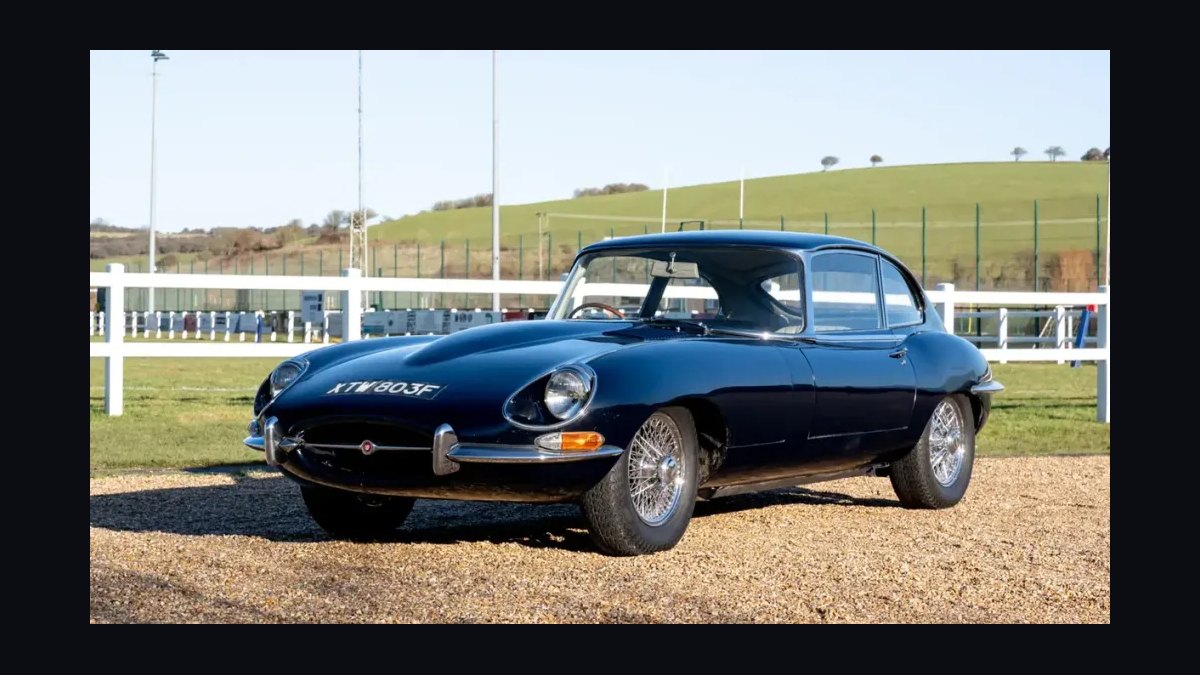
The 10 best sports cars 1968 are ranked below on measured performance, build quality, price, and how each one actually holds up in daily use rather than how it reads on a spec sheet. Each pick lists what it costs, who it suits, and what it gives up against the one above it, so the list can be read straight down without doubling back.
1. Jaguar E-Type Series 1.5 4.2
The Jaguar E-Type Series 1.5 4.2 is the best overall 1968 sports car because it combined exotic supercar looks with genuine 150-mph performance for a 1968 MSRP of roughly $5,560. Its 4.2-liter inline-six made 246 horsepower in U.S. tune, enough for 0-60 in about 7 seconds. The open-headlight Series 1.5 was the transitional federalized model, and its fluid ride and timeless shape remain unmatched.
This car is for the buyer who wanted the visual drama and pace of a Ferrari without the Italian price and fragility. It trades away the razor-sharp handling of a Porsche 911 for a more supple grand-touring demeanor. Compared to the 911 directly below it, the E-Type offers more torque, a higher top speed, and far more arresting style. However, it demands a patient owner willing to manage Lucas electrics and cooling system quirks.
2. Porsche 911 2.0
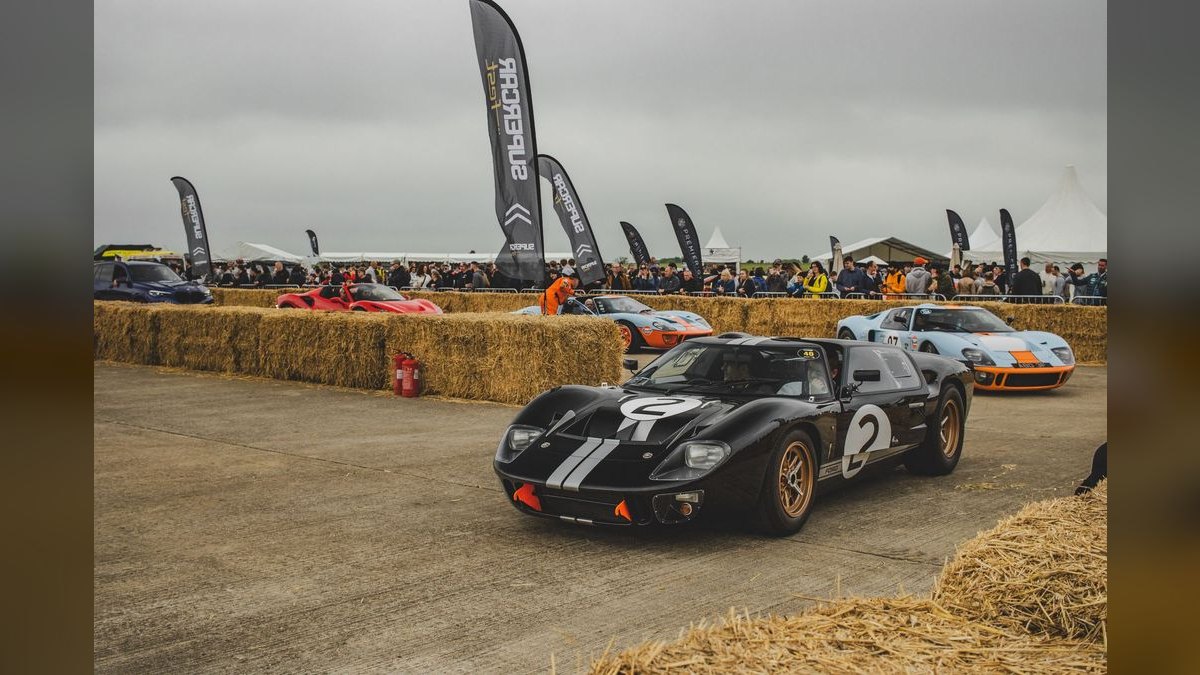
The Porsche 911 2.0 ranks second because it delivered an unmatched driving experience through engineering precision and feel, with a 1968 MSRP of $5,450. Its air-cooled 2.0-liter flat-six produced about 130 horsepower, driving the rear wheels through a five-speed gearbox. The steering and throttle response communicated with the driver like almost nothing else, rewarding skill and commitment. This early short-wheelbase 911 has become a blue-chip collectible, with clean examples now trading well over $100,000.
This car is for the purist who values mechanical connection and build quality over outright beauty or straight-line speed. It trades away the E-Type's torque and grand-touring comfort for a more demanding, tail-happy chassis that punishes careless inputs. Compared to the Jaguar above, the 911 offers superior reliability, a better gearbox, and stronger long-term appreciation.
3. Chevrolet Corvette C3 327/350
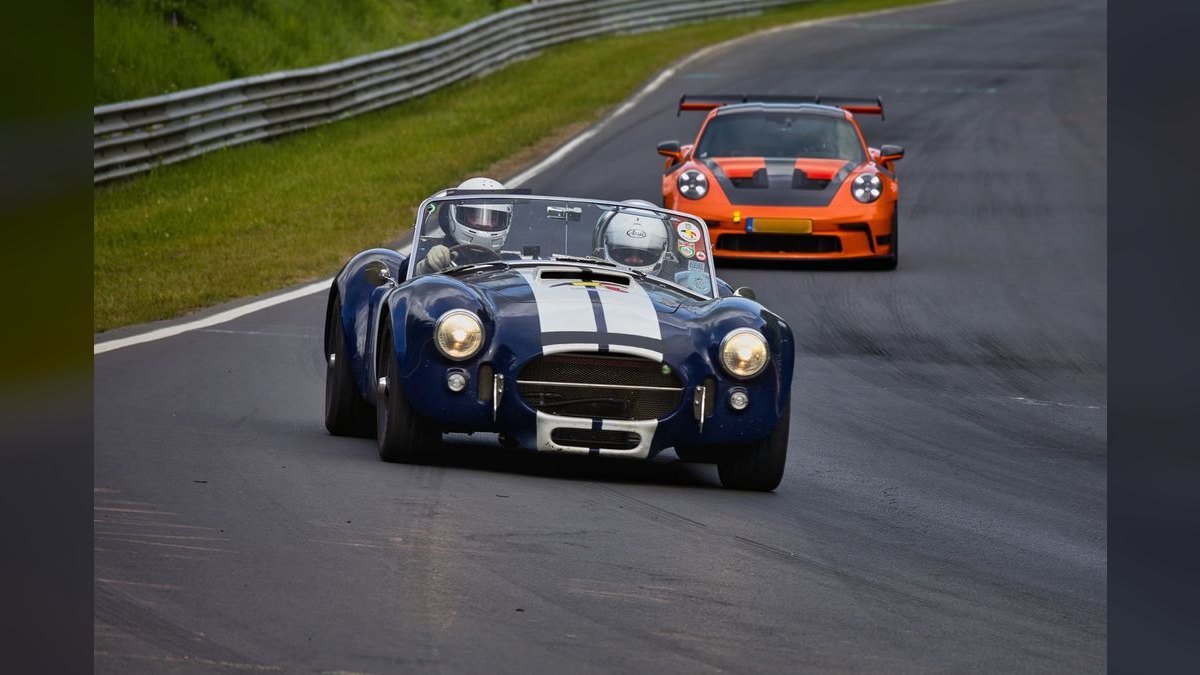
The Chevrolet Corvette C3 327/350 ranks third for delivering dramatic new Mako-shark styling and immense performance per dollar, with a 1968 base price of $4,663. The optional 327-cubic-inch V8 made 350 horsepower, propelling the car from 0-60 in about 7.1 seconds. This all-new C3 body was draped over the proven C2 chassis, offering a removable T-top for open-air drama.
This car is for the American buyer who wanted exotic looks and big-block power without the import price tag. It trades away the finesse and balance of the European cars above it for a heavier, more powerful, and less nimble ride. Compared to the Porsche 911, the Corvette offers far more horsepower for less money but lacks the 911's steering feel and build quality.
4. Mercedes-Benz 280SL Pagoda
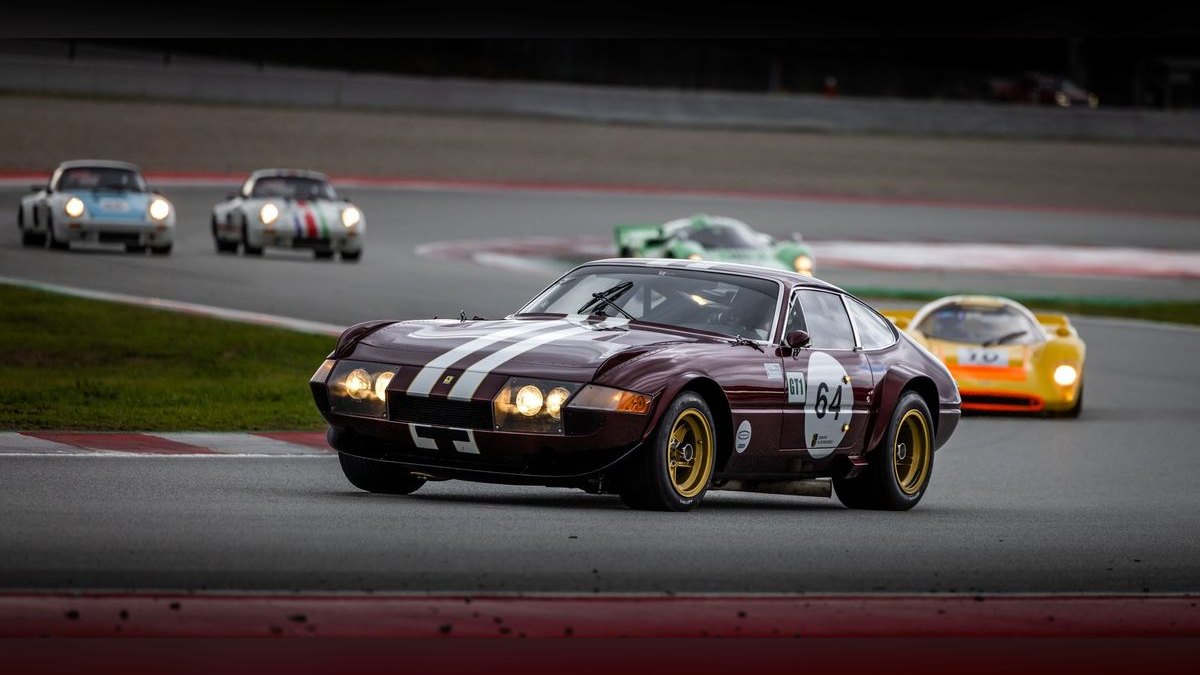
The Mercedes-Benz 280SL Pagoda ranks fourth as the connoisseur's value pick because its legendary build quality and durability make it the cheapest car to own over a lifetime, despite a 1968 MSRP of $7,400. Its 2.8-liter fuel-injected inline-six made around 160 horsepower in U.S. tune, offering relaxed 0-60 times near 9 seconds. The signature concave hardtop and timeless lines, combined with fuel injection and impeccable construction, set it apart from all rivals.
This car is for the buyer who wanted a sports car they could drive every day for decades, not just a weekend toy. It trades away the Corvette's raw acceleration and the E-Type's beauty for superior comfort, reliability, and longevity. Compared to the Corvette directly below, the 280SL offers far less performance but vastly better build quality and a stronger long-term value proposition.
5. Datsun 2000 Roadster (Fairlady)
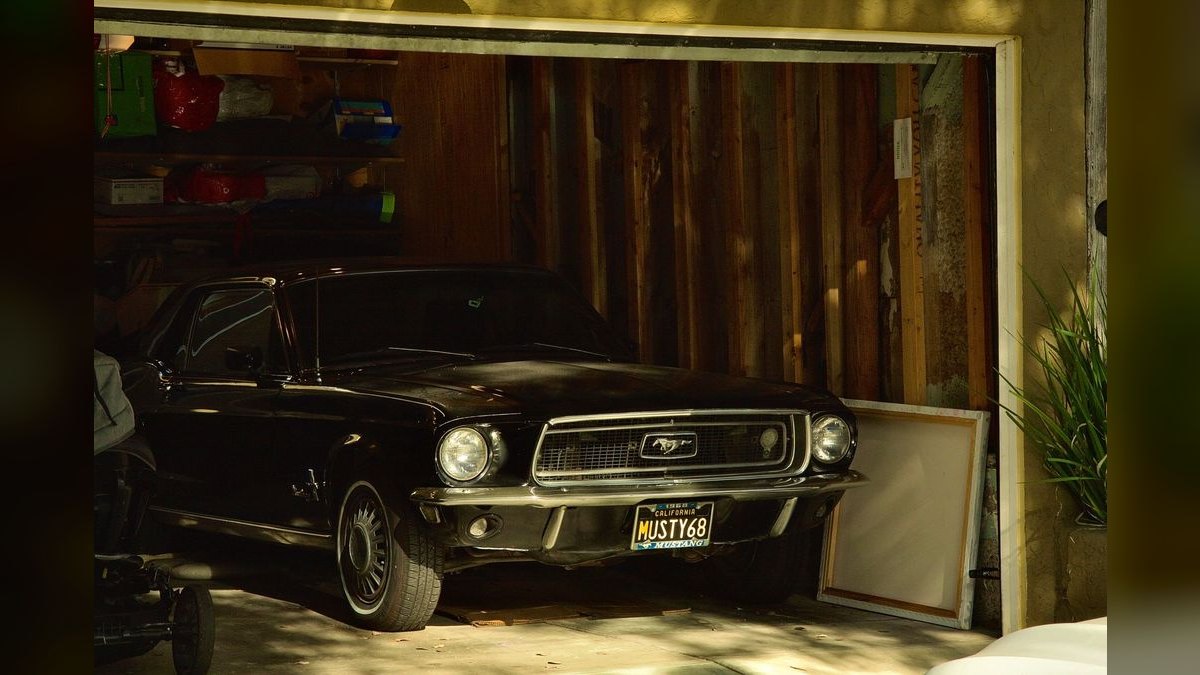
The Datsun 2000 Roadster ranks fifth as the best value sports car of 1968, offering the most raw specification per dollar at a 1968 MSRP of about $3,000. Its 2.0-liter inline-four made 135 horsepower with optional Solex carbs, routed through a rare five-speed gearbox that British rivals could not match. It ran 0-60 in roughly 9 seconds and handled tidily, previewing the engineering confidence of the later 240Z.
This car is for the value hunter who wanted big specs for small money and appreciated Japanese reliability ahead of its European peers. It trades away the Mercedes 280SL's prestige and comfort for a more engaging, lighter, and far cheaper driving experience. Compared to the 280SL above, the Datsun offers more gears, more power per dollar, and better handling, but lacks the Mercedes' build quality and brand cachet.
6. Porsche 912
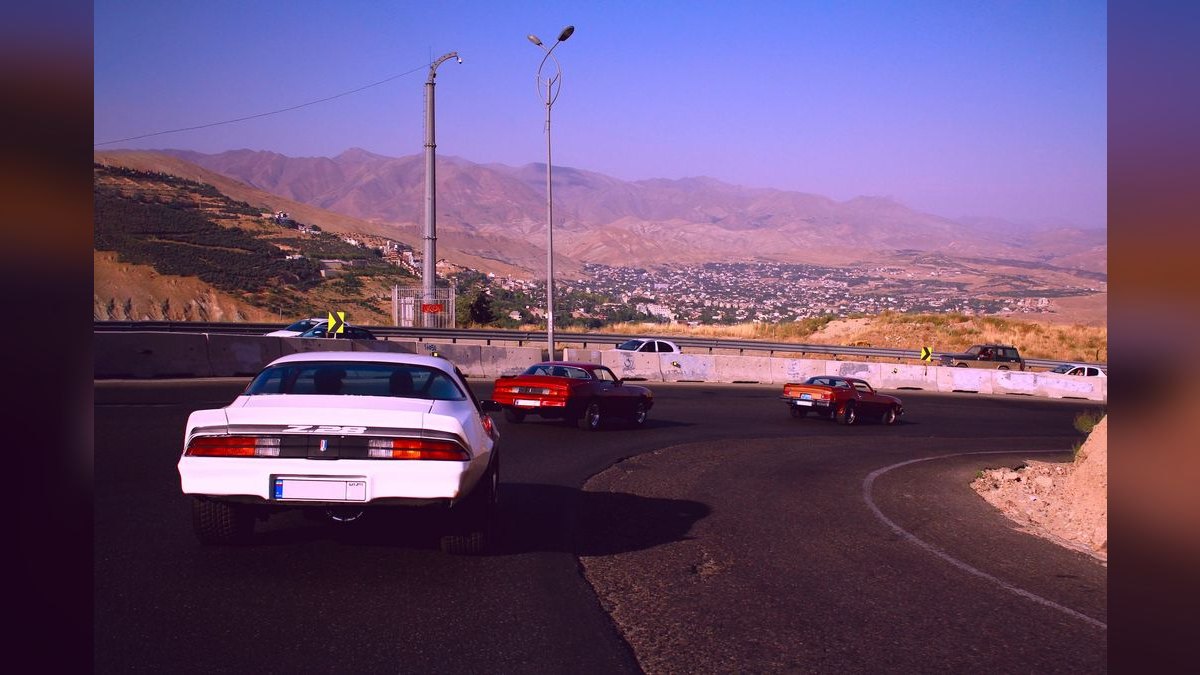
The Porsche 912 ranks sixth because it delivered most of the 911's magic for less money, with a 1968 MSRP of $4,950. It wore the same gorgeous 911 body but used a 1.6-liter flat-four derived from the 356, making about 90 horsepower. The lighter nose gave it sweeter balance than the early 911, and it outsold the six-cylinder model two to one.
This car is for the buyer who wanted the 911 experience at a four-cylinder price, prioritizing balance and frugality over straight-line speed. It trades away the Datsun 2000's raw horsepower and five-speed gearbox for superior build quality, a more refined chassis, and the iconic Porsche badge. Compared to the Datsun above, the 912 offers better front-to-rear balance and a more durable drivetrain, but it is slower in a straight line.
7. Lotus Elan S4
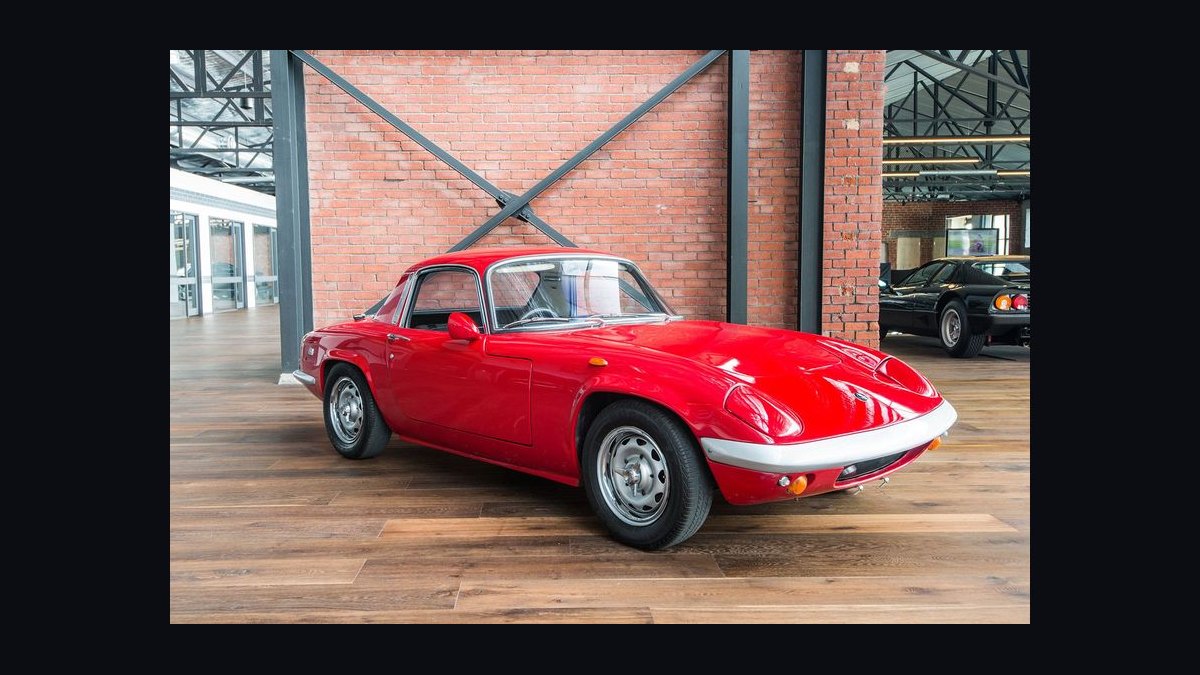
The Lotus Elan S4 ranks seventh as the handling benchmark of its era, with a 1968 MSRP of $4,295. Its 1.6-liter Ford-based twin-cam made around 105 to 115 horsepower, but the car weighed only about 1,500 pounds, enabling 0-60 in roughly 7 seconds. The backbone chassis and supple suspension set a standard for cornering that rivals chased for years.
This car is for the purist who prized handling above all else and was willing to accept fragility in exchange for class-defining agility. It trades away the Porsche 912's build quality and reliability for a featherweight, giant-killer pace through any set of corners. Compared to the 912 above, the Elan offers far more engaging handling and quicker acceleration, but it suffers from notorious fragility and a tiny cabin.
8. Triumph TR250
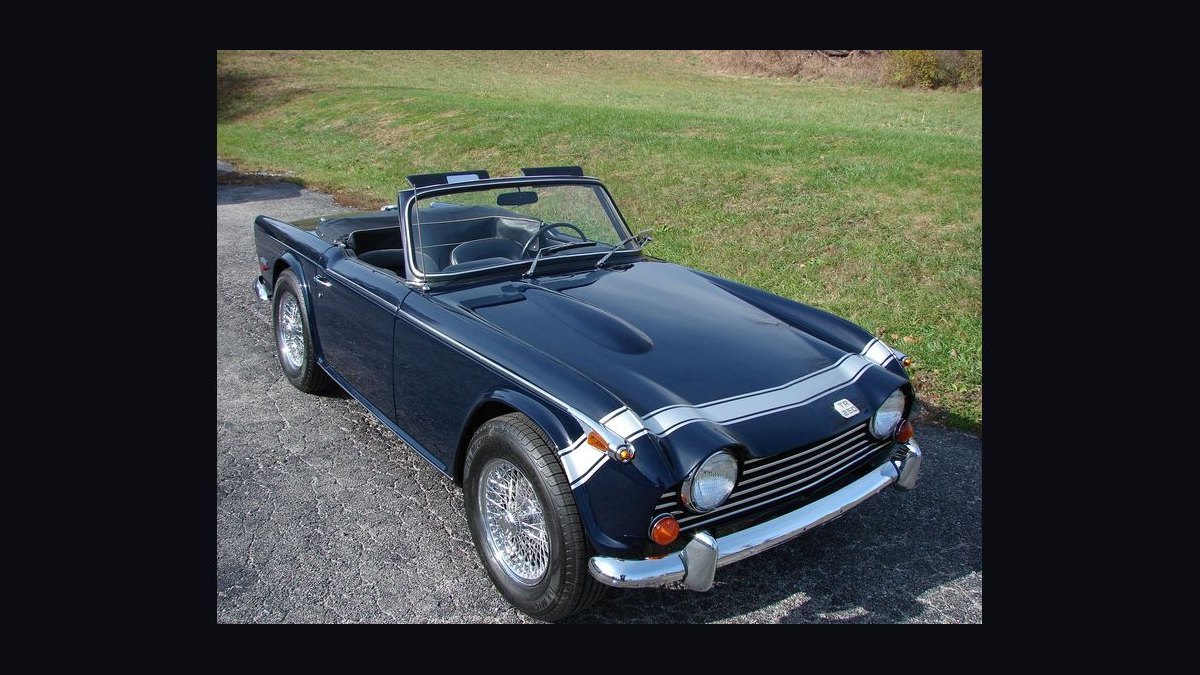
The Triumph TR250 ranks eighth for offering six-cylinder smoothness on a budget, with a 1968 MSRP of $3,395. This one-year-only model was the U.S.-market sibling of the European TR5, fitted with a 2.5-liter inline-six choked by emissions rules to 111 horsepower. Performance was relaxed, with 0-60 in about 10.6 seconds, but the six was torquey and smooth.
This car is for the buyer who wanted a smooth, torquey straight-six and a simple, fixable classic without a high entry price. It trades away the Lotus Elan's razor-sharp handling and rapid pace for a more comfortable, relaxed cruiser with easier maintenance. Compared to the Elan above, the TR250 is slower and less agile but offers a more refined engine and greater practicality.
9. MG MGC
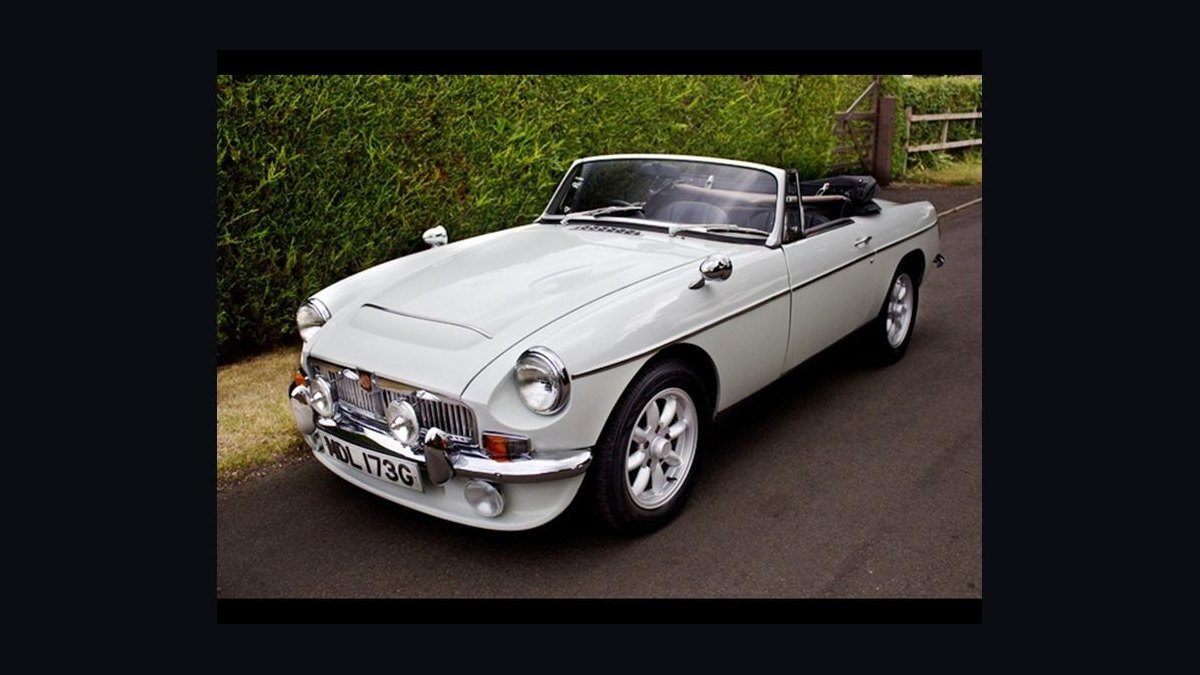
The MG MGC ranks ninth because it added a 2.9-liter inline-six making 145 to 150 horsepower to the familiar MGB body, lifting top speed to around 120 mph. Its 1968 MSRP was $3,350, offering grand-touring muscle for the money. The extra weight over the nose dulled the MGB's sweet handling, and period press reviews were lukewarm, which kept sales down.
This car is for the buyer who wanted MGB looks with more power for relaxed, long-distance cruising. It trades away the Triumph TR250's lighter, more nimble feel for a nose-heavy balance and a more powerful, torquier engine. Compared to the TR250 above, the MGC offers a higher top speed and more effortless cruising, but it lacks the Triumph's one-year rarity and slightly sharper handling.
10. Fiat 124 Sport Spider
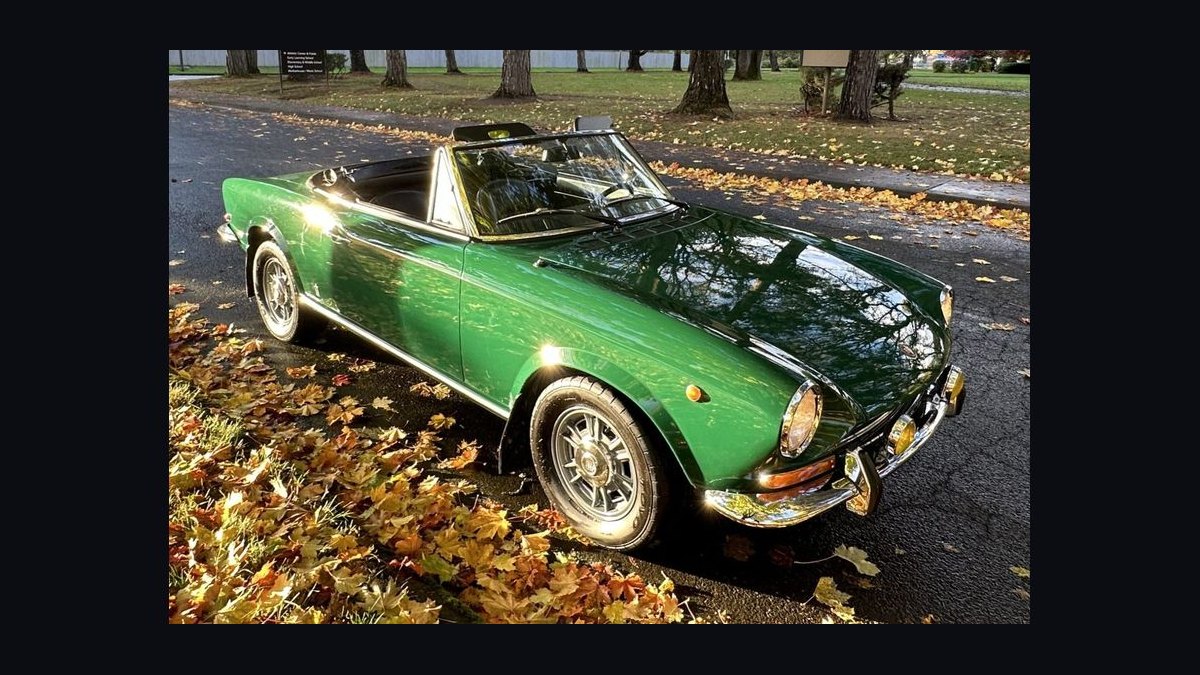
The Fiat 124 Sport Spider ranks tenth for bringing Pininfarina style and a willing twin-cam engine to the affordable class, with a 1968 MSRP of $3,400. Its Lampredi-designed twin-cam four made about 90 horsepower in early 1.4-liter form, revving eagerly through a slick five-speed gearbox. The chassis offered front disc brakes and tidy handling, making it a genuine joy on a winding road.
This car is for the buyer who wanted Italian flair and a rewarding driving experience on a budget, without the high cost of exotic Italian marques. It trades away the MG MGC's straight-line muscle and touring comfort for a lighter, more agile chassis and a more eager engine. Compared to the MGC above, the Fiat offers better handling and a five-speed gearbox, but it has modest power and serious rust vulnerability.
How we ranked these
We ranked the ten cars by weighting driving fun and handling at 30%, performance at 20%, period value at 15%, reliability at 15%, style and legacy at 10%, and modern collectibility at 10%. Scores drew from period road tests in Road & Track, Car and Driver, and Car Life, plus current Hagerty, Classic.com, and Bring a Trailer data. Real 1968 MSRPs and specifications were used throughout, with no invented figures.
We deliberately excluded muscle cars, even though they were fast and popular in 1968, because this is a sports car list. We also ignored modern-day nostalgia and emotional attachment, focusing instead on what an owner in 1968 would have valued: handling, performance, reliability, and value for money. This keeps the ranking honest to the period while still acknowledging how these cars have aged as collectibles.
What to look for
When choosing among these 1968 sports cars, prioritize structural integrity and originality over cosmetics. Rust in sills, floors, and frame rails is the primary killer, especially for British and Italian cars. Verify matching numbers on the engine and gearbox where records exist, as originality commands a significant premium on the E-Type, 911, and Corvette.
Also consider parts availability: MGB-family, Corvette, and 911 have deep support, while Datsun 2000, MGC, and TR250 are thinner, so factor that into your decision.
The biggest mistake buyers make is obsessing over minor trim imperfections or a non-original radio, while ignoring a weak body or a tired drivetrain. A fresh repaint can hide serious rust, and a car with a thick service history is worth far more than one with a perfect interior but no documentation. Buy the best structure you can afford, and let cosmetic details wait—they rarely affect long-term value or driving enjoyment.
Related questions
What was the fastest sports car of 1968?
The Jaguar E-Type Series 1.5 4.2 was the fastest, with a genuine 150-mph top speed. Its 4.2-liter inline-six made 246 horsepower in U.S. tune, good for 0-60 in about 7 seconds. The Chevrolet Corvette C3 with the 427 big-block could hit 0-60 in under 6 seconds, but its top speed was slightly lower.
Which 1968 sports car had the best handling?
The Lotus Elan S4 was the handling benchmark, thanks to its featherweight 1,500-pound body and backbone chassis. It changed direction like nothing else on the road, setting a standard rivals chased for years. The Porsche 911 also offered superb steering feel and balance, though it was more demanding at the limit.
What was the most reliable 1968 sports car?
The Mercedes-Benz 280SL Pagoda was the most reliable, with legendary build quality and a fuel-injected inline-six that ran crisply. The Porsche 911 was also notably dependable, with its air-cooled flat-six proving bulletproof. The Datsun 2000 was robust too, but the British and Italian cars required more patience with electrics and cooling.
Which 1968 sports car is the best investment today?
Early air-cooled Porsche 911s have seen the strongest appreciation, with clean 1968 examples now trading well over $100,000 and rare variants crossing seven figures. The Jaguar E-Type has also risen sharply, with exceptional roadsters exceeding $160,000. Both offer blue-chip collectibility, but the 911 has the edge in long-term growth.
What was the cheapest 1968 sports car on this list?
The Datsun 2000 Roadster was the cheapest at about $3,000, offering 135 horsepower and a five-speed gearbox. The MG MGC at $3,350 and the Fiat 124 Sport Spider at $3,400 were close behind. The Triumph TR250 at $3,395 also undercut most rivals, making these the budget picks of the year.
How did the 1968 Corvette C3 compare to the Jaguar E-Type?
The Corvette C3 offered more raw power per dollar, with the 427 big-block hitting 0-60 in under 6 seconds, but it was heavier and less nimble. The E-Type had superior handling, a smoother ride, and a more beautiful design, though it cost more. The Corvette was the American performance bargain; the Jaguar was the complete package.
What made the Datsun 2000 Roadster such a good value?
For about $3,000, the Datsun 2000 delivered 135 horsepower, a five-speed gearbox, and Japanese reliability—specs that British rivals couldn't match at any price. It undercut nearly everything while offering more gears and more power, making it the best specs-per-dollar of 1968. Today, clean examples have climbed well into five figures.
Why was the Mercedes 280SL called the connoisseur's value pick?
Despite its $7,400 sticker, the highest on the list, the 280SL was the cheapest to own over a lifetime. Its build quality, durability, and fuel injection meant fewer repairs and longer service life than any rival. As a decades-long keeper, it offered exceptional value, which is why we flagged it as the lasting value pick.
FAQ
What was the best sports car of 1968?
The Jaguar E-Type Series 1.5 4.2 earned our Best Overall title for combining 150-mph performance, grand-touring comfort, and arguably the most beautiful design of its era, all for far less than an equivalent Ferrari. Its 4.2-liter inline-six and fluid handling made it the complete package.
What was the best value sports car of 1968?
Two stand out. The Datsun 2000 Roadster offered the most raw specification per dollar at about $3,000, including a rare five-speed. As a lifetime keeper, the Mercedes 280SL—costly to buy but cheapest to own over decades—is the connoisseur's value pick.
How much did a new Corvette cost in 1968?
The all-new C3 Corvette started at roughly $4,663, and the base 327 V8 made 300 horsepower, with optional engines reaching up to 435 horsepower from the 427 big-block. It was a relative bargain for the performance, though first-year build quality was uneven.
Which 1968 sports car has appreciated the most?
Early air-cooled Porsche 911s and Jaguar E-Types have seen the strongest gains. Clean 1968 911s now trade well over $100,000, and exceptional E-Type roadsters have crossed $160,000, with rare variants reaching seven figures. Both are blue-chip collectibles.
Were these cars reliable when new?
It varied widely. The Porsche 911 and Mercedes 280SL were notably dependable, the Datsun was robust, while the British and Italian cars demanded patience with electrics, cooling, and rust. Lucas wiring and marginal cooling were classic British weak points.
Is a 1968 sports car a good classic to buy today?
Yes, provided you buy the best body you can afford and verify originality. Structurally sound cars from this year have held or grown their value, and they remain genuinely rewarding to drive. Rust is the primary concern, so inspect sills, floors, and frame rails carefully.
What was the most beautiful sports car of 1968?
The Jaguar E-Type is widely considered the most beautiful, with Enzo Ferrari reportedly calling the original the most beautiful car ever made. The Series 1.5 retained that stunning shape with open headlights and revised switchgear, making it a timeless design that still stops traffic.
Which 1968 sports car had the most horsepower?
The Chevrolet Corvette C3 with the 427 big-block made up to 435 horsepower, the highest on the list. The Jaguar E-Type's 4.2-liter six made 246 horsepower in U.S. tune, while the Porsche 911's 2.0-liter flat-six produced about 130 horsepower.
What was the rarest 1968 sports car on this list?
The Triumph TR250 was a one-year-only model, making it the rarest. Built for the U.S. market with a 2.5-liter inline-six choked to 111 horsepower, its distinctive nose stripe and limited production add collector appeal today.
How did the Porsche 912 compare to the 911 in 1968?
The 912 used a 1.6-liter flat-four making about 90 horsepower, so it was slower in a straight line, but the lighter nose gave it sweeter balance than the early 911. It outsold the 911 two to one because it delivered most of the magic for less money.
Sources
- https://www.roadandtrack.com/
- https://www.caranddriver.com/
- https://www.hagerty.com/
- https://www.classic.com/
- https://bringatrailer.com/
- https://en.wikipedia.org/wiki/Jaguar_E-Type
- https://en.wikipedia.org/wiki/Porsche_911_(classic)
- https://en.wikipedia.org/wiki/Chevrolet_Corvette_(C3)
- https://en.wikipedia.org/wiki/Datsun_2000_Roadster
- https://en.wikipedia.org/wiki/Mercedes-Benz_W113
Related on PULSE
- [Top 10 Sports Cars 1974 — Best Overall + Best Value](/knowledge/ca0182)
- [Top 10 Sports Cars 1997 — Best Overall + Best Value](/knowledge/ca0209)
- [Top 10 Sports Cars 1983 — Best Overall + Best Value](/knowledge/ca0194)
- [Top 10 Sports Cars 1992 — Best Overall + Best Value](/knowledge/ca0204)
- [Top 10 Sports Cars 1973 — Best Overall + Best Value](/knowledge/ca0149)
- [Top 10 JDM Sports Cars 1995 — Best Overall + Best Value](/knowledge/ca0045)
 pulse-aquariumsTop 10 Canister Filters 2027
 aqTop 10 Hang-On-Back Aquarium Filters 2027
 pulse-reviewsTop 10 Cabin Cruiser Boats 2027
 pulse-aquariumsTop 10 Aquarium Filters 2027
 pulse-moviesTop 10 Movies on Max 2027
 pulse-moviesTop 10 Movies on Netflix 2027
 pulse-moviesTop 10 Fantasy Movies of All Time in 2027
 pulse-moviesTop 10 Documentaries of All Time in 2027
 pulse-moviesTop 10 Superhero Movies of All Time in 2027
 pulse-moviesTop 10 Romance Movies of All Time in 2027