
Top 10 Sports Cars 1996 — Best Overall + Best Value
 Curated byKory White · Fractional CRO · Maryland
 PULSEKNOWLEDGE LIBRARY
The 10 best sports cars 1996 are ranked below on measured performance, build quality, price, and how each one actually holds up in daily use rather than how it reads on a spec sheet. Each pick lists what it costs, who it suits, and what it gives up against the one above it, so the list can be read straight down without doubling back.
1. Porsche 911 (993) Turbo
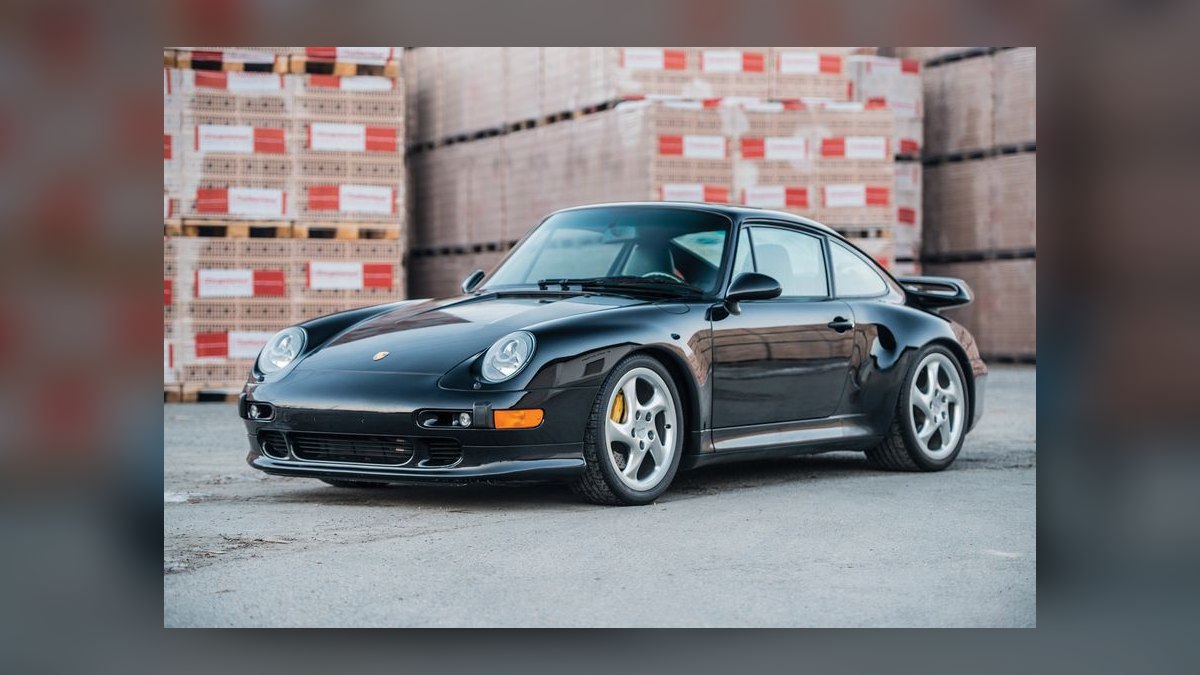
The 993 Turbo earns the top spot as the most complete and now most valuable sports car of 1996. Its 3.6-liter twin-turbocharged flat-six produced 400 horsepower, routed through all-wheel drive, and launched it to 60 mph in about 4.4 seconds. It was the first 911 Turbo with AWD and twin turbos, taming the old widow-maker reputation while retaining the last air-cooled engine.
This is for the buyer who wanted one car to do everything brilliantly, from daily commuting to weekend track duty. It trades away the raw, unfiltered feedback of a lighter rear-drive machine for immense all-weather traction and everyday usability. Compared to the Acura NSX-T below, it offers far more power and collector cachet but at a significantly higher entry price, both then and now. Its build quality and durability shame most exotics of the era.
2. Acura NSX-T
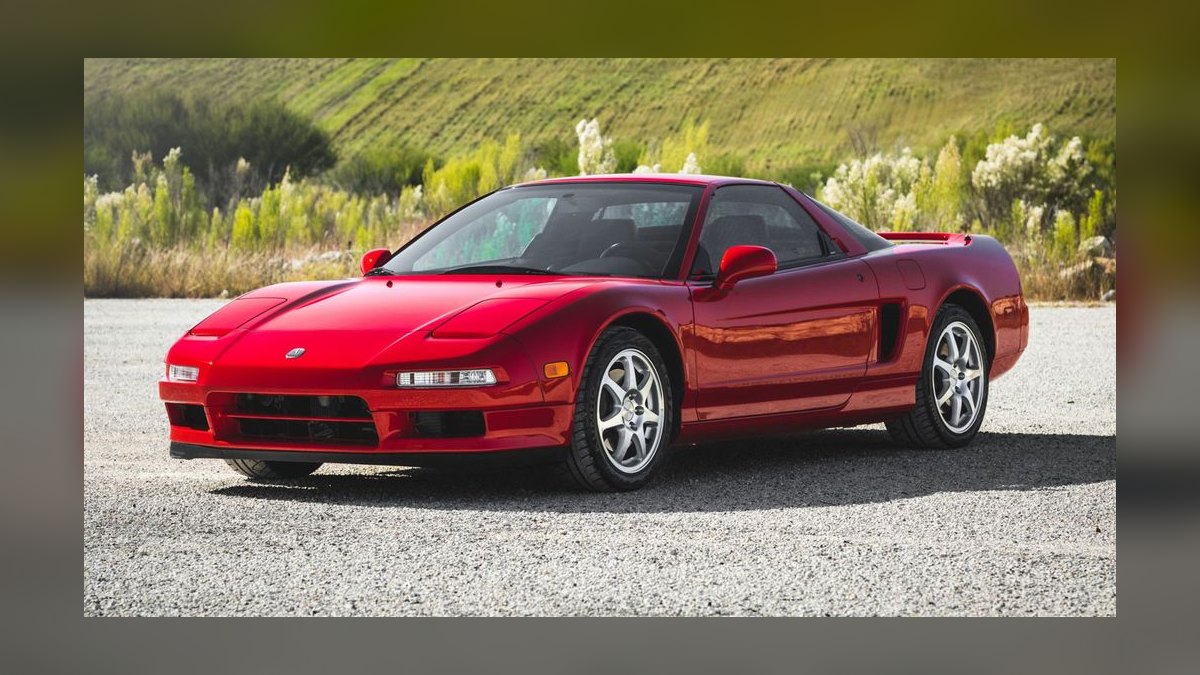
The NSX-T ranks second for delivering exotic-car balance with Honda-grade reliability, making it the thinking enthusiast's pick. Its 3.0-liter VTEC V6 made 270 horsepower, sent to the rear wheels, and propelled it to 60 mph in roughly 5.2 seconds. The targa-top design added open-air appeal without the chassis wobble, and the mid-engine layout taught the supercar world about livability.
This is for the driver who wanted an everyday exotic without the drama, trading raw power for bulletproof dependability and a slick manual shifter. Compared to the Porsche 911 Turbo above, it is down on horsepower and collector appreciation but offers a more engaging, rev-happy character and far lower running costs. Its VTEC engine loves to rev, and the cabin remains a pleasant place to spend time. It is a quiet, honest performer that has aged gracefully.
3. Dodge Viper GTS
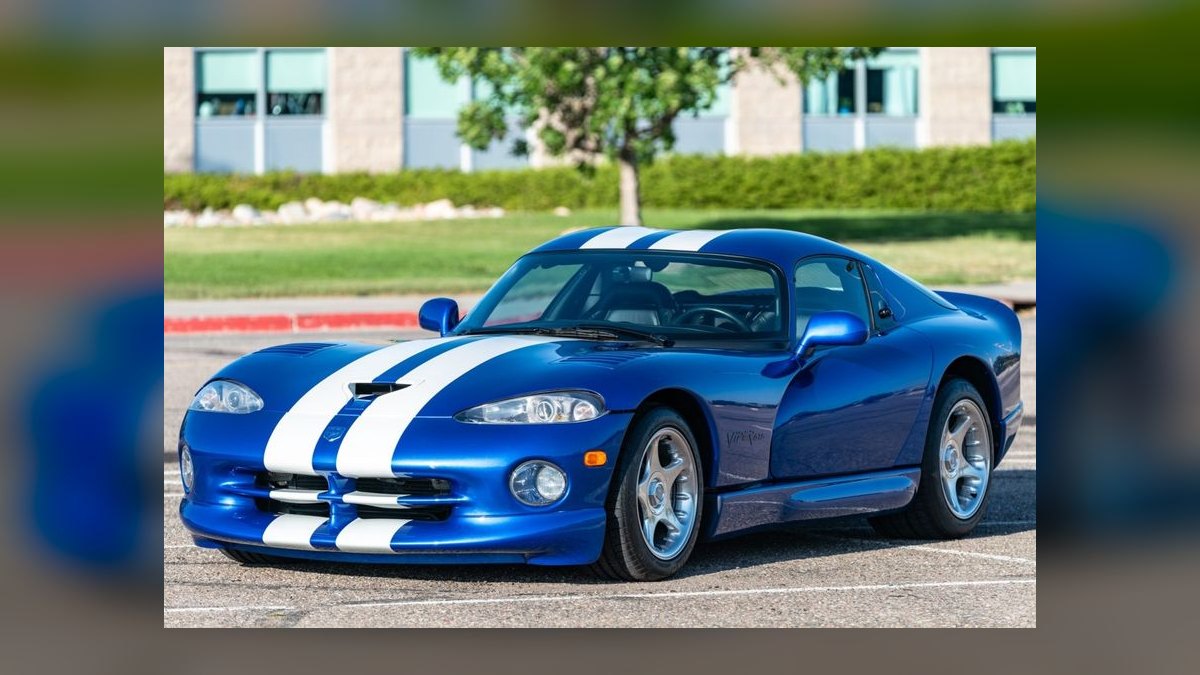
The Viper GTS ranks third as the headline debut of 1996, a raw and iconic American supercar. Its 8.0-liter V10 produced a massive 450 horsepower and 490 lb-ft of torque, driving the rear wheels through a six-speed manual to 60 mph in about 4.0 to 4.5 seconds. The blue-with-white-stripes double-bubble roofline was instantly recognizable, and only 1,166 were built for the model year.
This is for the buyer who wanted maximum drama and a bedroom-poster shape, trading away everyday comfort and refinement for sheer brute force. Compared to the Acura NSX-T above, it offers far more power and a more aggressive presence but is crude in ergonomics and brutal in cabin heat. It demands respect at the limit, with unforgiving handling that rewards skilled drivers. Its massive torque and unforgettable V10 soundtrack make it a genuine modern classic.
4. Chevrolet Corvette C4 Grand Sport
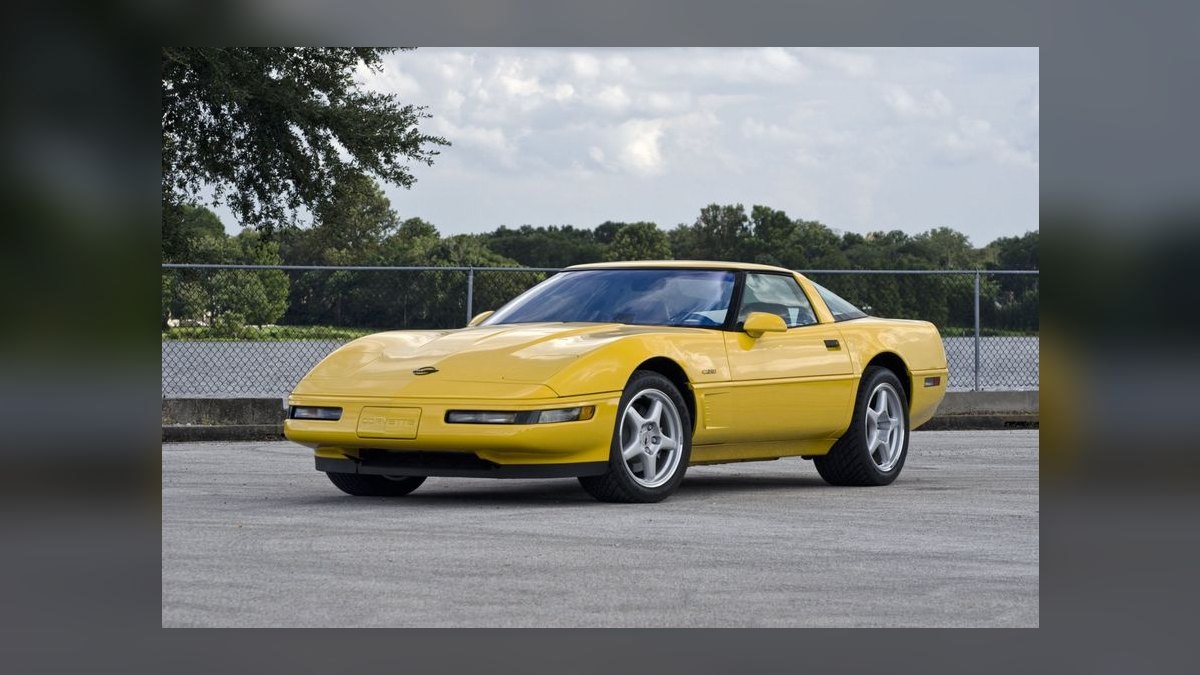
The C4 Grand Sport ranks fourth as the most collectible American sports car of 1996, a fitting send-off for the final C4 generation. Its LT4 V8 made 330 horsepower, the most potent small-block in C4 history, pushing it to 60 mph in about 4.9 seconds through a six-speed manual. Only 1,000 were built, split between 810 coupes and 190 convertibles, with the unmistakable Admiral Blue livery and white center stripe.
This is for the buyer who wanted a rare, limited-edition American performance car with real investment potential. It trades away the exotic badge and mid-engine balance of the NSX-T for a more traditional front-engine layout and a dated C4 interior. The LT4 engine provides strong thrust, but the cabin feels cramped and the shifter is notchy. Its 1,000-unit production guarantees rarity, and pristine convertibles can reach into the $80,000s.
5. Toyota Supra Turbo (A80)
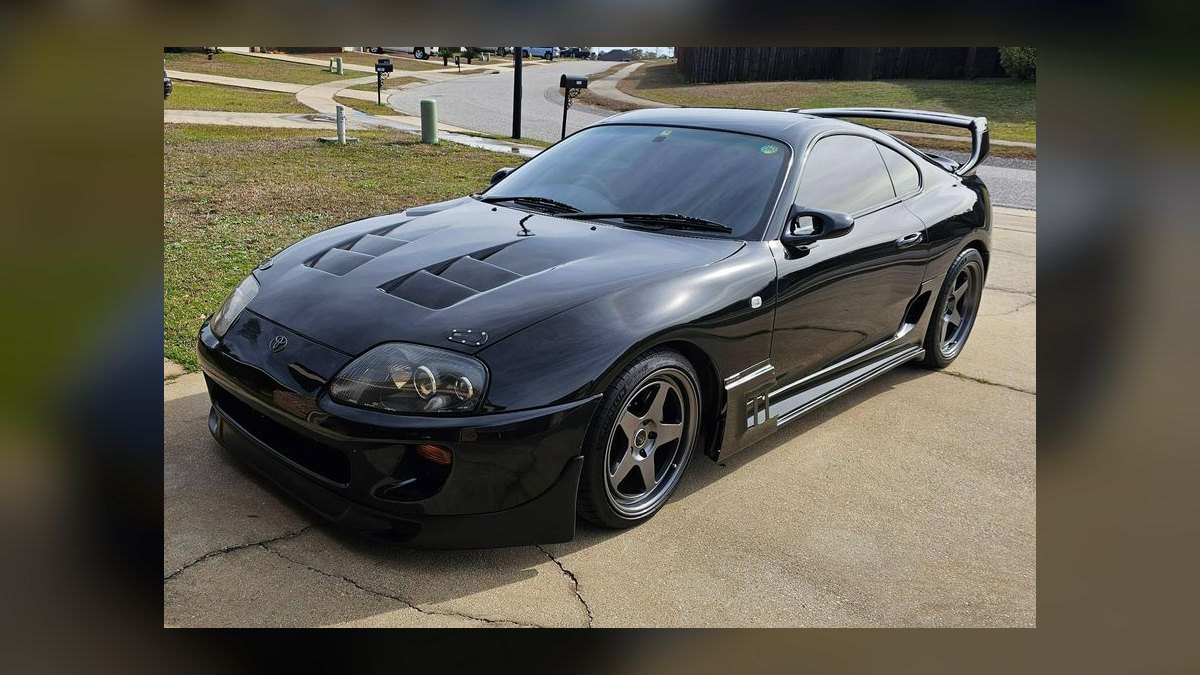
The Supra Turbo ranks fifth as the definitive JDM legend, a car whose reputation has soared far beyond its stock performance. Its 2JZ-GTE 3.0-liter twin-turbo inline-six made 320 horsepower in U.S. trim, driving the rear wheels through a six-speed Getrag manual to 60 mph in about 5.0 seconds. The iron-block engine proved nearly limitless in tuning headroom, and that reputation, plus a starring movie role, sent values into orbit.
This is for the buyer who wanted the most coveted Japanese sports car of its era, trading away stock power compared to the Viper GTS for immense aftermarket potential. The six-speed manual is the configuration collectors chase, and rear-drive balance offers serious driving engagement. Clean, unmodified examples are now extremely scarce, driving prices to six figures. It is a genuine grail car for enthusiasts who value tuning capability and cultural weight.
6. Nissan 300ZX Twin Turbo (Z32)
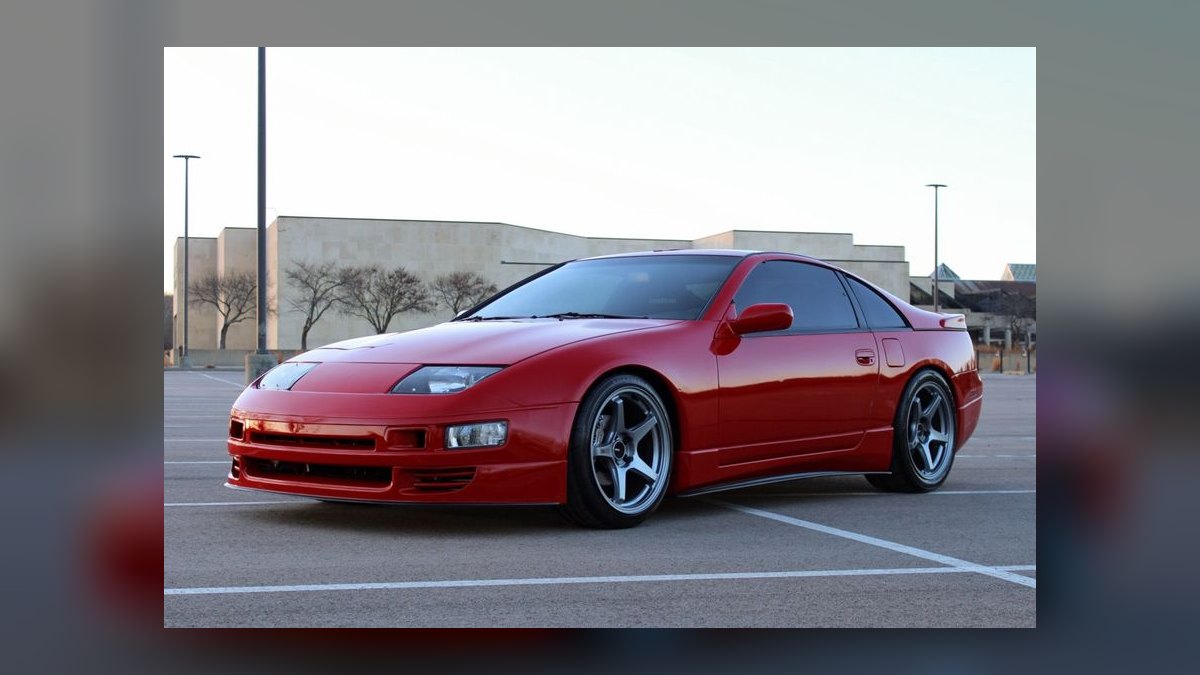
The 300ZX Twin Turbo ranks sixth as a refined GT swan song, the final U.S. year for the Z32. Its 3.0-liter twin-turbo V6 made 300 horsepower and 283 lb-ft of torque, driving the rear wheels with a smooth, fast, surprisingly modern experience. It featured four-wheel steering on some trims and a cabin that felt a generation ahead of its rivals.
This is for the buyer who wanted a polished, technically rich grand tourer rather than a raw track weapon. It trades away the Supra's tuning legend and extreme value appreciation for a more comfortable, everyday-usable package. The cramped engine bay makes maintenance a chore, and it is heavier and softer than the purist picks. It is an underrated send-off that finally gets the collector respect it earned, offering strong performance and advanced tech for the money.
7. BMW M3 (E36)
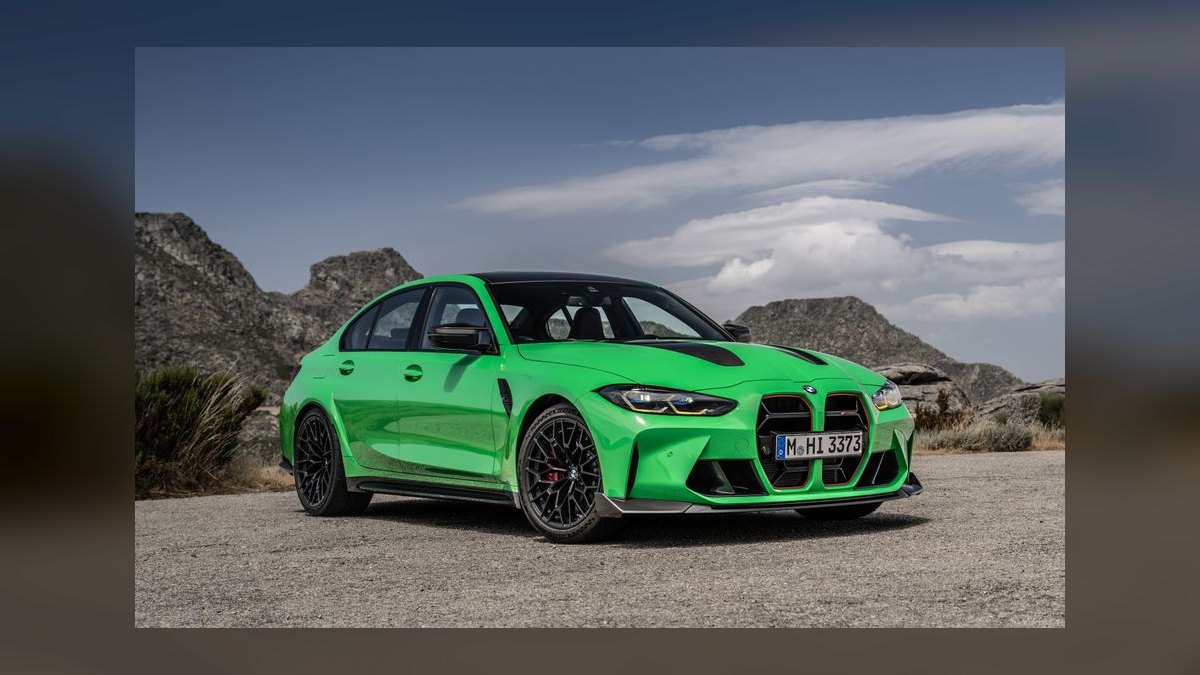
The E36 M3 ranks seventh for bringing genuine sports car ability to a practical, four-season package. The U.S. car used a 3.2-liter inline-six making 240 horsepower, driving the rear wheels and running 0-60 in roughly 6.0 seconds. Available as a coupe, sedan, and convertible, it was the daily-driver enthusiast's answer, with sublime chassis balance and steering feel. With a 1996 MSRP of $36,000-plus, values have firmed up nicely as enthusiasts rediscover its analog charm.
This is for the driver who wanted a usable everyday sports car that could handle commuting, road trips, and weekend back roads. It trades away the straight-line punch of the 300ZX Twin Turbo for a more balanced, communicative chassis and a silky inline-six with a broad powerband. The U.S. engine was detuned versus the European version, and cooling-system and trim age points are known issues.
8. Ford Mustang SVT Cobra
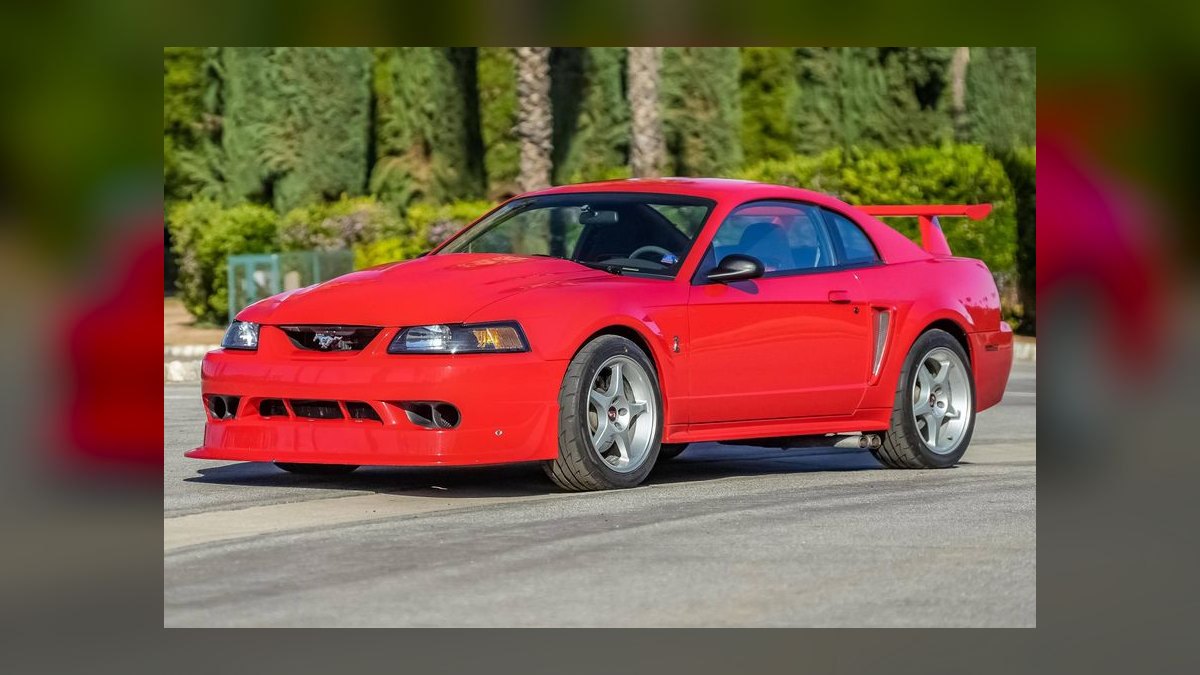
The SVT Cobra ranks eighth as the accessible American performance pick of 1996, a milestone first-year modular Cobra. Ford retired the old 5.0 pushrod V8 and dropped a new 4.6-liter DOHC 32-valve modular V8, hand-assembled in Romeo, Michigan, making 305 horsepower and 300 lb-ft. It sent power to the rear wheels through a five-speed manual, bringing a more sophisticated, free-revving character to the Mustang line.
This is for the buyer who wanted attainable, hand-built muscle without the exotic price tag. It trades away the balanced chassis and refinement of the BMW M3 for a more raw, American muscle-car experience with a live rear axle. The interior plastics feel low-rent, but the hand-assembled SVT pedigree and strong aftermarket support make it a compelling entry point.
9. Mitsubishi 3000GT VR-4
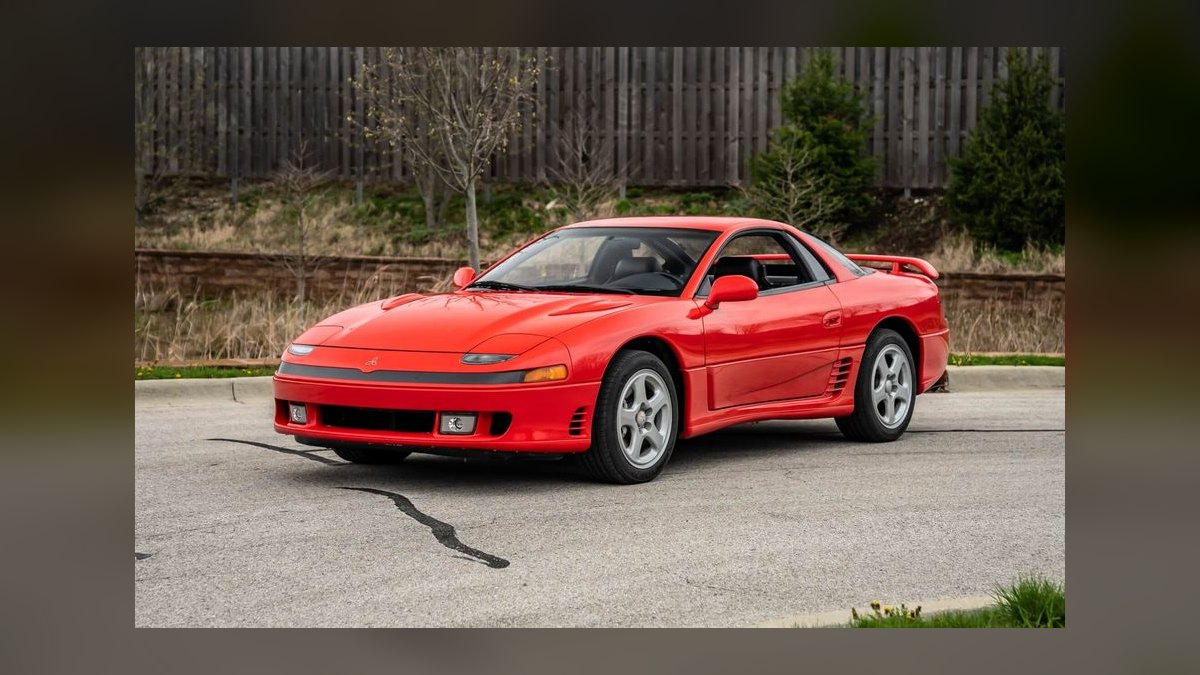
The 3000GT VR-4 ranks ninth as the technology flagship of 1996, a kitchen-sink performance car loaded with era-defining features. Its 3.0-liter twin-turbo V6 made 320 horsepower, driving all four wheels through a six-speed manual to 60 mph in about 5.0 seconds. It piled on all-wheel steering, active aero, and adjustable exhaust, making it one of the most complex cars of the era.
This is for the buyer who wanted a tech-laden, all-weather rocket that could handle any conditions. It trades away the purity and lightness of the Ford Mustang SVT Cobra for immense all-weather grip and a host of gadgets. The complexity makes it heavy and fiddly to own, with repairs that can be costly. It is less pure than the lighter rear-drive picks but delivers serious all-weather pace and rising collector interest as clean examples disappear.
10. Mazda MX-5 Miata
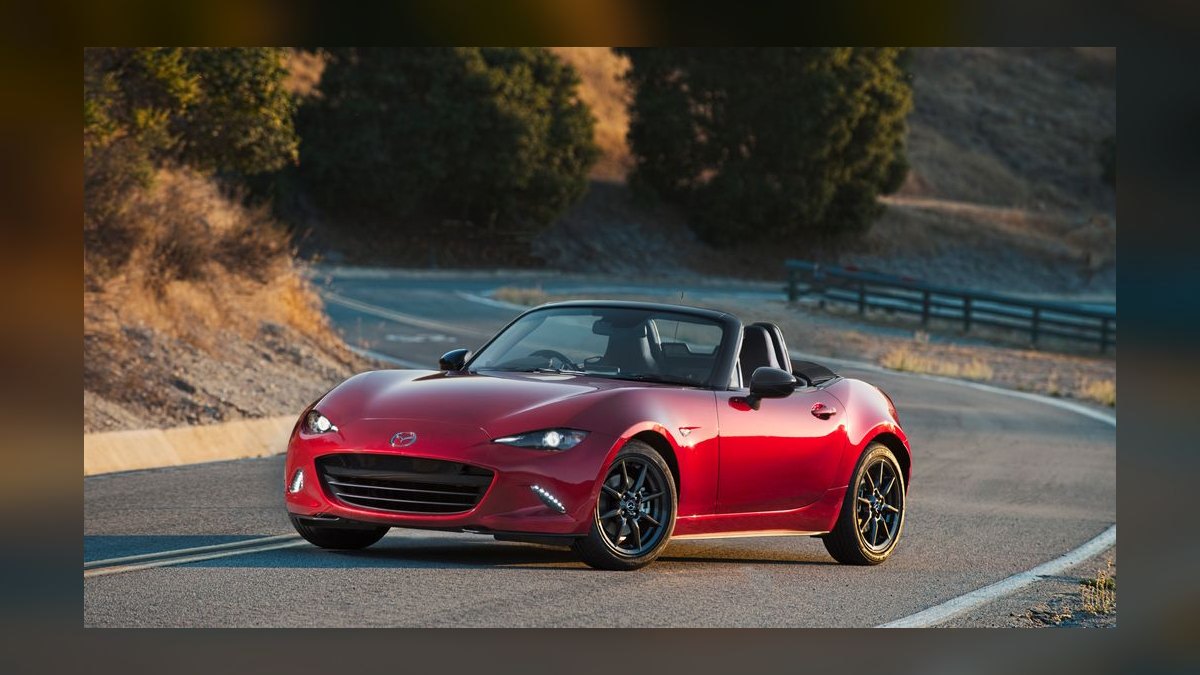
The MX-5 Miata ranks tenth as the clear Best Value of 1996, proving that lightness and balance beat horsepower for pure driving joy. Its 1.8-liter twin-cam four made 133 horsepower, driving the rear wheels through one of the great shifters, and ran 0-60 in about 8.4 seconds. Light, balanced, and endlessly tossable, it delivered more smiles per dollar than anything else here.
This is for the buyer who wanted the most fun-per-dollar of any 1996 sports car, trading away straight-line speed for perfect rear-drive balance and a magical shifter. Compared to the Mitsubishi 3000GT VR-4 above, it is far less powerful and complex but offers a more intimate, connected driving experience. It is cheap to buy, run, and fix, and the small cabin and limited cargo room are minor trade-offs.
How we ranked these
We ranked each 1996 contender across six weighted factors: driving fun and handling (30%), performance (20%), value in period (15%), reliability (15%), legacy (10%), and collectibility now (10%). We leaned on period road tests from Car and Driver and Road & Track, plus modern auction data from Hagerty, Bring a Trailer, Classic.com, and Mecum/Barrett-Jackson. This balanced the car's original intent with its current collector standing.
We deliberately ignored modern-day practicality, fuel economy, and daily-driver comfort. We also excluded any car that was not sold new in the United States for 1996, and we skipped limited-production race homologation specials that never reached showrooms. The focus stayed on cars a buyer could actually purchase from a dealer that year, ranked on the experience they delivered then and the legacy they hold now.
What to look for
When choosing between these, the real differentiators are condition, originality, and service history. A documented, unmodified example of any of these will always out-perform a modified or neglected one, especially for the Supra, 300ZX, and 3000GT, where tuning can hide expensive damage. Verify timing belt service on the Supra, NSX, 300ZX, and 3000GT, and check for turbo wear on the forced-induction cars. For the Grand Sport, Viper GTS, and 993 Turbo, matching numbers and full records are critical.
The mistake most buyers make is chasing the cheapest example instead of the best one. A $30,000 Supra with a blown head gasket and a hacked harness will cost more than a $60,000 clean car. Similarly, buyers often overpay for low-mileage garage queens without verifying that rubber, hoses, and seals are fresh. These are mechanical items, cheaply addressed, and rarely the difference between a good car and a bad one.
Bones and history matter far more than a tired shift knob.
Related questions
What made the Porsche 993 Turbo the best overall sports car of 1996?
The 993 Turbo combined a 400-horsepower twin-turbo flat-six with all-wheel drive, hitting 60 mph in about 4.4 seconds. It was the last air-cooled 911 Turbo, blending supercar performance with everyday usability. Its build quality and durability shamed most exotics, and its values have since soared past $200,000, making it a blue-chip collectible.
Why was the Mazda MX-5 Miata the best value sports car of 1996?
At $18,450, the Miata delivered more pure driving joy per dollar than anything else. Its 133-horsepower engine and perfect rear-drive balance made it endlessly tossable, and its reliability and low running costs made it a smart buy. Special editions like the M-Edition now command real money, proving its lasting appeal.
How does the 1996 Dodge Viper GTS compare to the Porsche 993 Turbo?
The Viper GTS was raw, loud, and unfiltered, with a 450-horsepower V10 and a sub-4.5-second 0-60 time. The 993 Turbo was more refined and usable, with all-wheel drive and a higher price. Both are now collectible, but the Porsche offers more everyday capability, while the Viper delivers maximum drama.
What should I look for when buying a 1996 Toyota Supra Turbo?
Check the timing belt service history, as the 2JZ-GTE is an interference engine. Look for boost leaks, smoke on spool, and oil-starvation history. Original, unmodified examples command a premium, so verify the car hasn't been hacked. A clean manual Turbo can easily clear $100,000 at auction.
Is the 1996 Corvette C4 Grand Sport a good investment?
Yes, with only 1,000 built, it's instantly collectible. The LT4 V8 made 330 horsepower, and the Admiral Blue livery is iconic. Values range from $40,000 to $70,000, with convertibles reaching the $80,000s. Documentation and matching numbers are crucial, as with any low-production car.
What are the common problems with the 1996 Mitsubishi 3000GT VR-4?
The VR-4's complexity is its main issue. The all-wheel steering, active aero, and adjustable exhaust can fail, and the cramped engine bay makes repairs costly. Check for turbo wear, boost leaks, and electrical gremlins. Clean examples are climbing in value, but maintenance history is essential.
How does the 1996 BMW M3 compare to the Acura NSX-T?
The M3 is more practical and affordable, with a 240-horsepower inline-six and sublime chassis balance. The NSX-T is a mid-engine exotic with 270 horsepower and bulletproof reliability, but it costs more. Both are usable daily, but the M3 is the better value, while the NSX offers exotic cachet.
What is the best 1996 sports car for a first-time classic car buyer?
The Mazda MX-5 Miata is the best choice. It's affordable, reliable, and cheap to maintain. Its simple mechanics and huge aftermarket support make it easy to own. The BMW M3 is also a good option if you need more practicality, but the Miata offers the purest driving experience for the money.
FAQ
What was the best overall sports car of 1996?
The Porsche 911 (993) Turbo earns it — the last air-cooled, twin-turbo, all-wheel-drive 911, blending 400 hp, everyday usability, and now blue-chip collector status.
What was the best value sports car of 1996?
The Mazda MX-5 Miata, at roughly $18,450, delivered more driving joy per dollar than anything else and remains affordable while special editions appreciate.
Which 1996 sports cars have appreciated the most?
The Toyota Supra Turbo, Dodge Viper GTS, Corvette C4 Grand Sport, Porsche 993 Turbo, and Nissan 300ZX Twin Turbo have all climbed sharply, with several now trading at multiples of their original stickers.
Was 1996 really a special year for sports cars?
Yes — it brought the new Viper GTS coupe, the brand-new BMW Z3 roadster, and the final C4 Corvette including the rare Grand Sport, all in one model year.
Which 1996 sports car is the easiest to own today?
The Acura NSX-T and BMW M3 are the most usable, pairing real performance with reliability and parts availability that exotics of the era could not match.
Did the Miata's low power hurt its ranking?
Not for value — its lightness and balance made it the most fun-per-dollar car here, even if its 0-60 time trailed the turbo crowd by a wide margin.
What should I check when buying a 1996 Nissan 300ZX Twin Turbo?
Verify the timing belt service, as it's an interference engine. Check for turbo wear, boost leaks, and oil-starvation history. The engine bay is cramped, so maintenance records are crucial. Clean, unmodified examples are becoming scarce and are starting to climb in value.
How much is a 1996 Dodge Viper GTS worth today?
Strong GTS coupes trade well over $100,000, with a Mecum example reaching $148,000. Only 1,166 were built for 1996, and the iconic blue-with-white-stripes livery is highly sought after. Condition, mileage, and originality are the main factors.
Is the 1996 Ford Mustang SVT Cobra a good investment?
It's an accessible entry point into 1990s performance. The 305-horsepower DOHC V8 was a milestone, and clean examples are drawing interest. It's not as valuable as the Supra or Viper, but it offers a lower-cost way into the era's sports car market.
What is the difference between the 1996 Corvette C4 and the Grand Sport?
The Grand Sport was a special package on the final C4, adding the LT4 V8 with 330 horsepower, a six-speed manual, and the Admiral Blue with white stripe and red hash marks. Only 1,000 were built, making it far more collectible than a standard C4.
Sources
- https://bringatrailer.com/listing/1996-dodge-viper-gts-17/
- https://www.hotcars.com/1996-chevrolet-corvette-c4-grand-sport-prices-specs-and-features/
- https://www.autoevolution.com/news/38k-mile-a80-toyota-supra-turbo-ready-to-make-someone-a-red-king-of-the-1990s-158127.html
- https://www.autoevolution.com/cars/porsche-911-turbo-993-1995.html
- https://www.pcarmarket.com/auction/bid/1995-bmw-m3-coupe/
- https://www.autoevolution.com/news/mitsubishi-3000gt-vr-4-remembering-one-of-the-most-underrated-gts-ever-built-238607.html
- https://www.topspeed.com/next-mazda-mx-5-miata/
- https://www.carscoops.com/2021/11/this-pristine-1998-acura-nsx-t-is-a-true-sports-car-great/
Related on PULSE
- [Top 10 Sports Cars 1974 — Best Overall + Best Value](/knowledge/ca0182)
- [Top 10 Sports Cars 1997 — Best Overall + Best Value](/knowledge/ca0209)
- [Top 10 Sports Cars 1983 — Best Overall + Best Value](/knowledge/ca0194)
- [Top 10 Sports Cars 1992 — Best Overall + Best Value](/knowledge/ca0204)
- [Top 10 Sports Cars 1973 — Best Overall + Best Value](/knowledge/ca0149)
- [Top 10 JDM Sports Cars 1995 — Best Overall + Best Value](/knowledge/ca0045)
 pulse-aquariumsTop 10 Canister Filters 2027
 aqTop 10 Hang-On-Back Aquarium Filters 2027
 pulse-reviewsTop 10 Cabin Cruiser Boats 2027
 pulse-aquariumsTop 10 Aquarium Filters 2027
 pulse-moviesTop 10 Movies on Max 2027
 pulse-moviesTop 10 Movies on Netflix 2027
 pulse-moviesTop 10 Fantasy Movies of All Time in 2027
 pulse-moviesTop 10 Documentaries of All Time in 2027
 pulse-moviesTop 10 Superhero Movies of All Time in 2027
 pulse-moviesTop 10 Romance Movies of All Time in 2027