
Top 10 Full-Size Sedans 2026 — Best Overall + Best Value
 Curated byKory White · Fractional CRO · Maryland
 PULSEKNOWLEDGE LIBRARY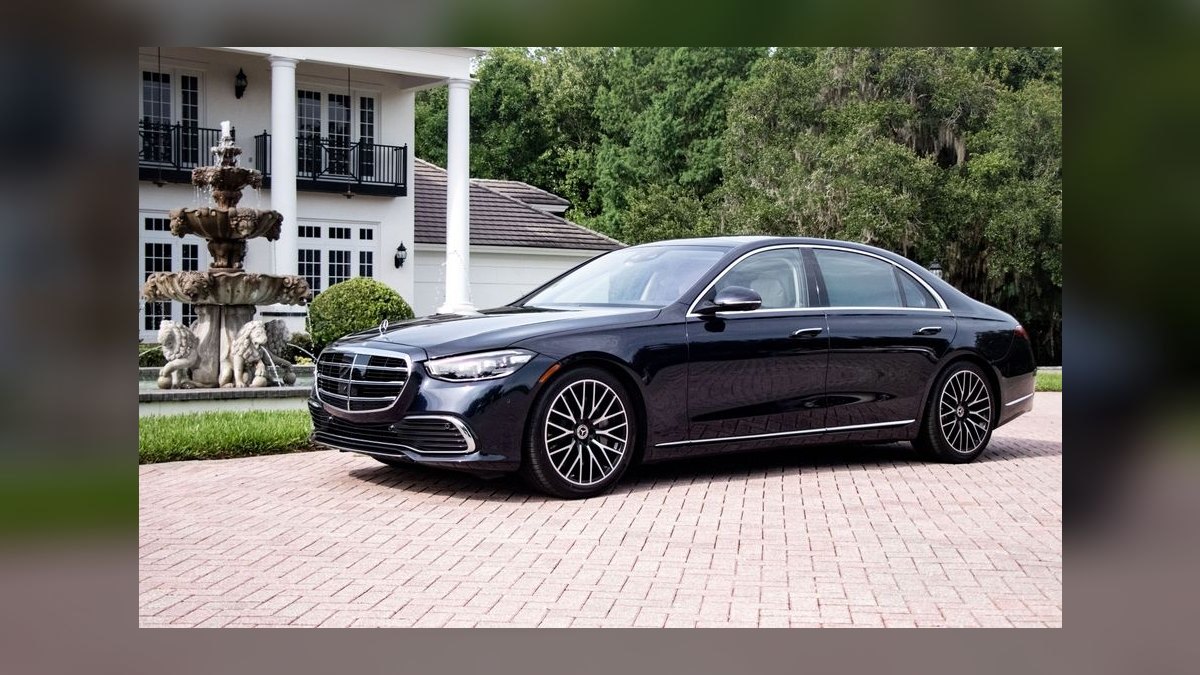
The 10 best full-size sedans 2026 are ranked below on measured performance, build quality, price, and how each one actually holds up in daily use rather than how it reads on a spec sheet. Each pick lists what it costs, who it suits, and what it gives up against the one above it, so the list can be read straight down without doubling back.
1. Mercedes-Benz S-Class

The 2026 Mercedes-Benz S-Class ranks first because it remains the definitive benchmark for full-size luxury sedans, winning on ride isolation, rear-seat comfort, and material quality. The S 500's 3.0-liter turbo inline-six with 48-volt mild hybrid tech produces 429 hp, while the S 580's 4.0-liter twin-turbo V8 makes 496 hp and 516 lb-ft.
This is for buyers who demand the absolute pinnacle of comfort and prestige and are willing to pay a starting price of $118,900, which climbs fast with options. It trades away driver engagement and simplicity for a complex tech suite with a steep learning curve. Compared to the Genesis G90 below, the S-Class offers superior brand cachet and ride refinement, but the G90 delivers comparable rear-seat luxury for tens of thousands less.
2. Toyota Crown

The Toyota Crown ranks second as the Best Value pick because it delivers hybrid efficiency, standard all-wheel drive, and genuine comfort for less than half the price of flagship rivals. Starting at $41,640, the base hybrid makes 236 hp and earns up to 42 mpg combined, while the Hybrid Max variant produces 340 hp and 400 lb-ft at about 30 mpg.
This is for mainstream buyers who want luxury-adjacent comfort and low running costs without a six-figure price tag. It trades away true flagship cabin materials and rear-seat drama for exceptional fuel economy and value. Compared to the Mercedes-Benz S-Class above, the Crown is far less opulent and powerful, but it offers a more practical, efficient, and affordable ownership experience. For those prioritizing cost per mile and everyday usability, the Crown is the clear winner.
3. Genesis G90

The Genesis G90 ranks third because it undercuts German flagships while matching much of their substance, offering flagship-grade luxury for a lower price. Its 3.5-liter twin-turbo V6 makes 375 hp, while the e-Supercharged version adds a 48-volt electric supercharger for 409 hp and 405 lb-ft. Standard AWD and adaptive air suspension deliver a hushed, composed ride, and the rear seat offers reclining and massaging chairs that rival cars costing far more.
This is for buyers who want near-S-Class comfort without the badge premium, starting at $91,800. It trades away resale value and dealer network breadth compared to Mercedes and BMW, but a long warranty sweetens the deal. Compared to the Toyota Crown above, the G90 offers vastly superior luxury and performance but at more than double the price and with worse fuel economy. For those who value substance over prestige, the G90 is the smart-luxury flagship.
4. BMW 7 Series

The BMW 7 Series ranks fourth because it uniquely balances limousine comfort with genuine driver appeal, making it the engaging choice in the flagship class. The 740i's 3.0-liter turbo inline-six with mild hybrid makes 375 hp, while the 760i xDrive's 4.4-liter twin-turbo V8 produces 536 hp and 553 lb-ft for a 4.2-second 0-60 mph run.
This is for buyers who want a flagship that rewards the driver as much as the passengers, starting at $98,800. It trades away the S-Class's serene ride for sharper handling, and its bold styling divides opinion. Compared to the Genesis G90 above, the 7 Series offers more power and a larger trunk but costs more and has a less opulent rear seat. If driving engagement matters more than ultimate comfort, the 7 Series is the superior pick.
5. Audi A8

The Audi A8 ranks fifth as the quiet over-achiever of the flagship set, offering understated, tech-forward luxury with a flawless ride. The 55 TFSI's 3.0-liter turbo V6 with mild-hybrid assist makes 335 hp and 369 lb-ft, while the S8 steps up to a 563-hp twin-turbo V8. Standard quattro AWD and available predictive air suspension that scans the road ahead deliver an exceptionally smooth ride.
This is for buyers who want luxury without shouting about it, starting at $94,500. It trades away the rear-seat drama of the S-Class and the brand visibility of rivals, but offers a beautifully finished cabin and subtle design. Compared to the BMW 7 Series above, the A8 is less engaging to drive but more serene and refined. For those who prioritize a quiet, composed, and discreet flagship, the A8 is the strongest choice.
6. Lexus LS

The Lexus LS ranks sixth because it delivers Japanese craftsmanship and legendary reliability at a relative bargain for the flagship class. The LS 500's 3.5-liter twin-turbo V6 makes 416 hp and 442 lb-ft, while the LS 500h hybrid pairs a V6 with electric motors for 354 hp and up to 28 mpg combined. Standard rear-drive or available AWD delivers a hushed ride, and it seats five with a 17-cubic-foot trunk.
This is for buyers who prioritize long-term ownership cost and serenity over brand prestige, starting at $80,910. It trades away infotainment sophistication and rear-seat space compared to German rivals, but offers superior reliability and lower maintenance. Compared to the Audi A8 above, the LS is less tech-forward but more durable and cheaper to own. For those who value peace of mind and hand-crafted details, the LS is the reliability-first flagship.
7. Cadillac CT5
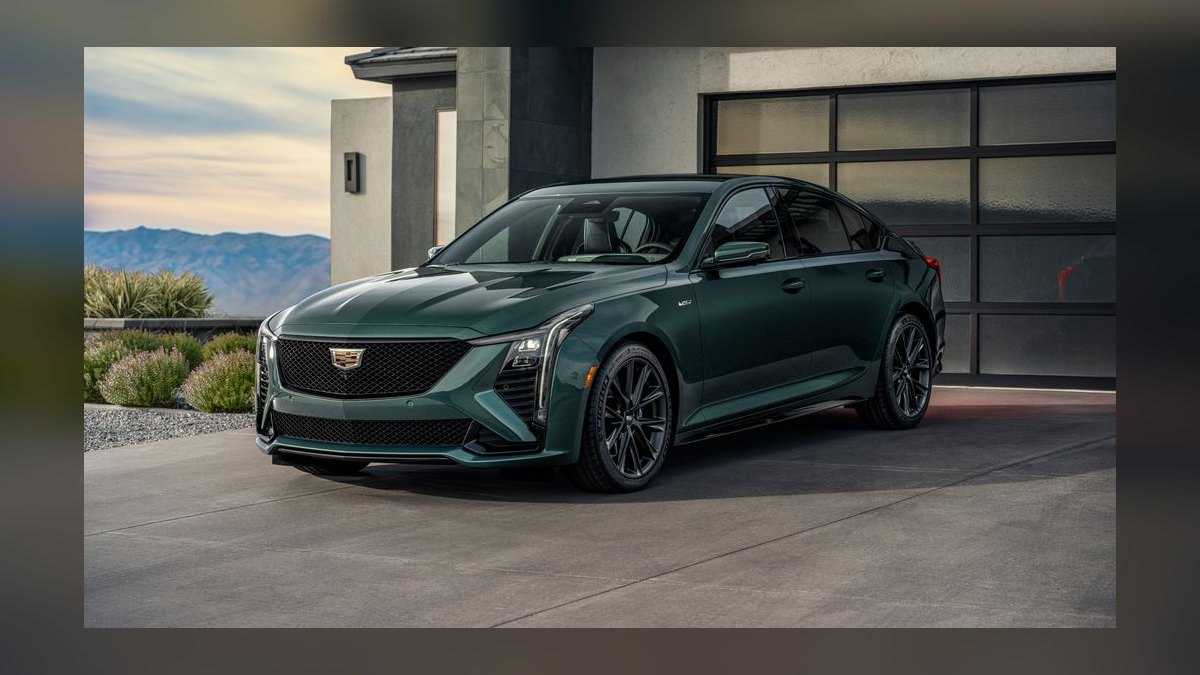
The Cadillac CT5 ranks seventh because it offers American luxury with athletic intent at a reachable price, starting at $45,295. The base 2.0-liter turbo four makes 237 hp, the 3.0-liter twin-turbo V6 makes 360 hp, and the high-performance CT5-V Blackwing unleashes a supercharged 668-hp V8 with an available manual. Standard rear-drive or available AWD delivers strong pace, and it seats five with an 11.9-cubic-foot trunk.
This is for buyers who want a value-luxury sedan with a genuine performance ceiling, but it is smaller than the true full-size flagships. It trades away rear-seat space and base interior materials for engaging handling and a low entry price. Compared to the Lexus LS above, the CT5 is less opulent but far more athletic and much cheaper. For those who want a sporty, well-priced American sedan, the CT5 is the value-luxury pick.
8. Genesis G80
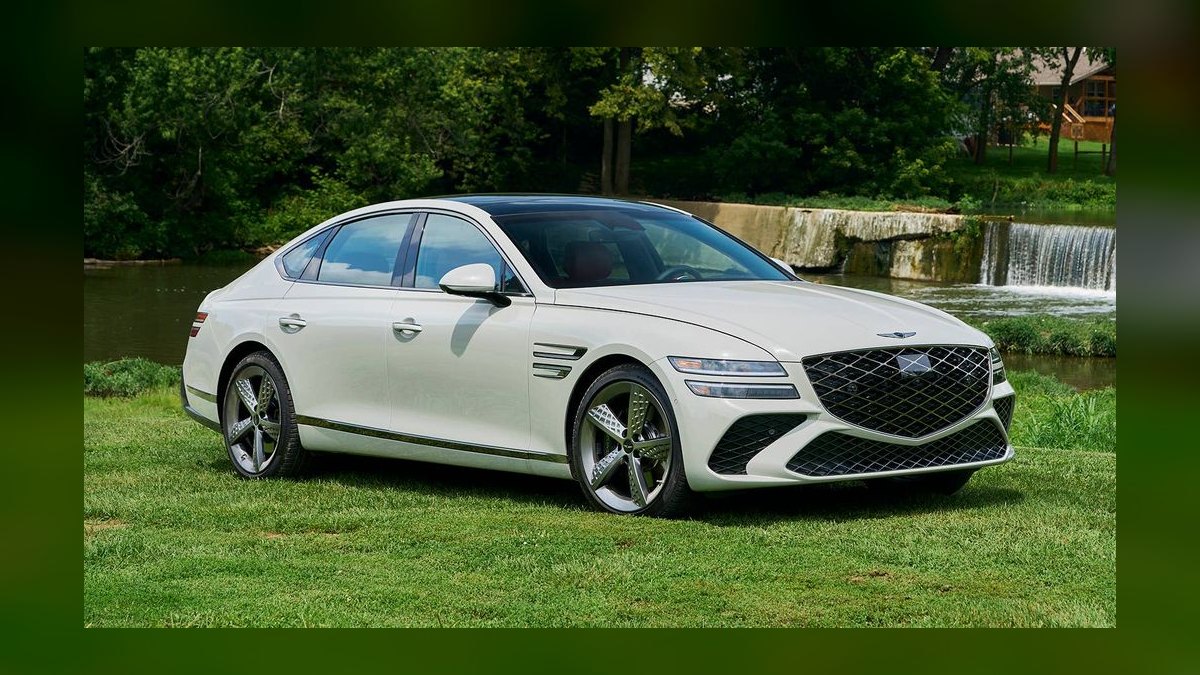
The Genesis G80 ranks eighth because it delivers a remarkable amount of car for the money, slotting below the G90 with a lavish equipment list. The 2.5-liter turbo four makes 300 hp, while the 3.5-liter twin-turbo V6 produces 375 hp and 391 lb-ft; an all-electric Electrified G80 is also offered. Standard rear-drive or available AWD provides smooth pace, and it seats five with a 13.1-cubic-foot trunk.
This is for buyers who want mid-luxury space and features per dollar, starting at $58,150. It trades away the G90's flagship presence and German resale value, but offers a more upscale cabin than similarly priced rivals. Compared to the Cadillac CT5 above, the G80 is more luxurious and spacious but less performance-oriented. For those who prioritize value and standard features, the G80 is the mid-luxury pick.
9. Dodge Charger
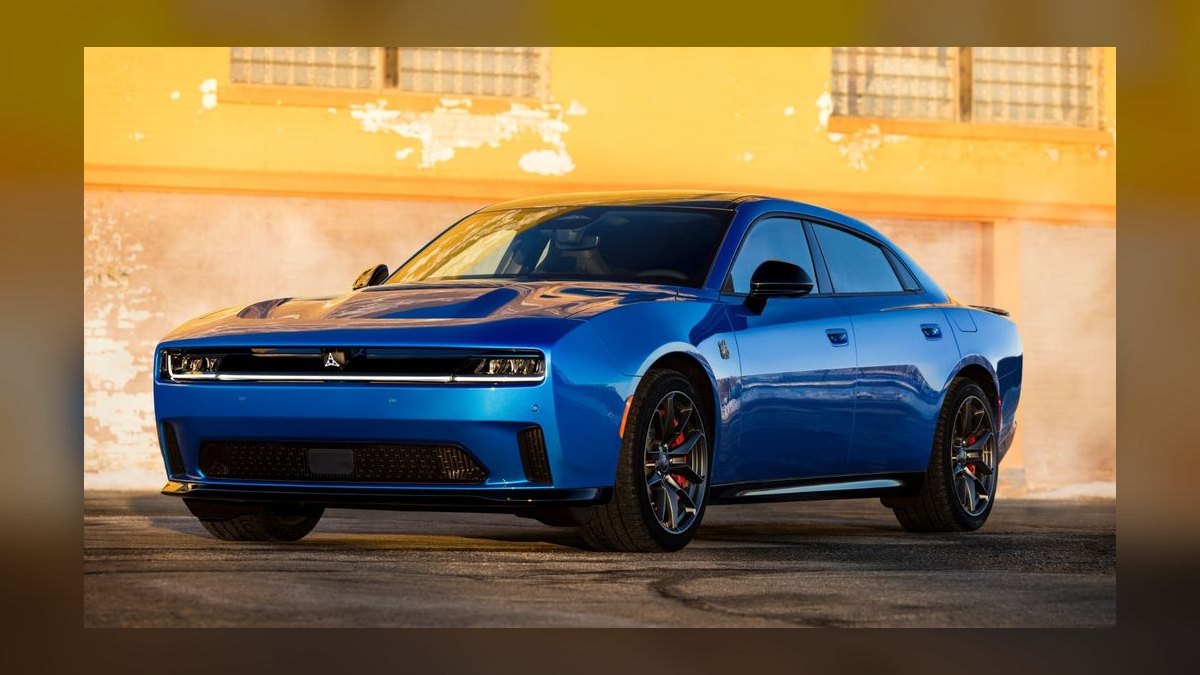
The Dodge Charger ranks ninth because it carries the muscle-sedan torch into a new era, offering bold styling and serious horsepower in both electric and gas forms. The Charger Daytona EV makes 496 hp in the R/T and 670 hp in the Scat Pack, while the returning Sixpack gas models use a 3.0-liter twin-turbo inline-six making up to 550 hp.
This is for buyers who want presence and power over flagship refinement, starting at $45,995. It trades away comfort-first luxury and EV range for outright performance and a bold look. Compared to the Genesis G80 above, the Charger is less refined but far more powerful and distinctive. For those who prioritize horsepower and attitude, the Charger is the muscle-sedan pick.
10. Lexus ES
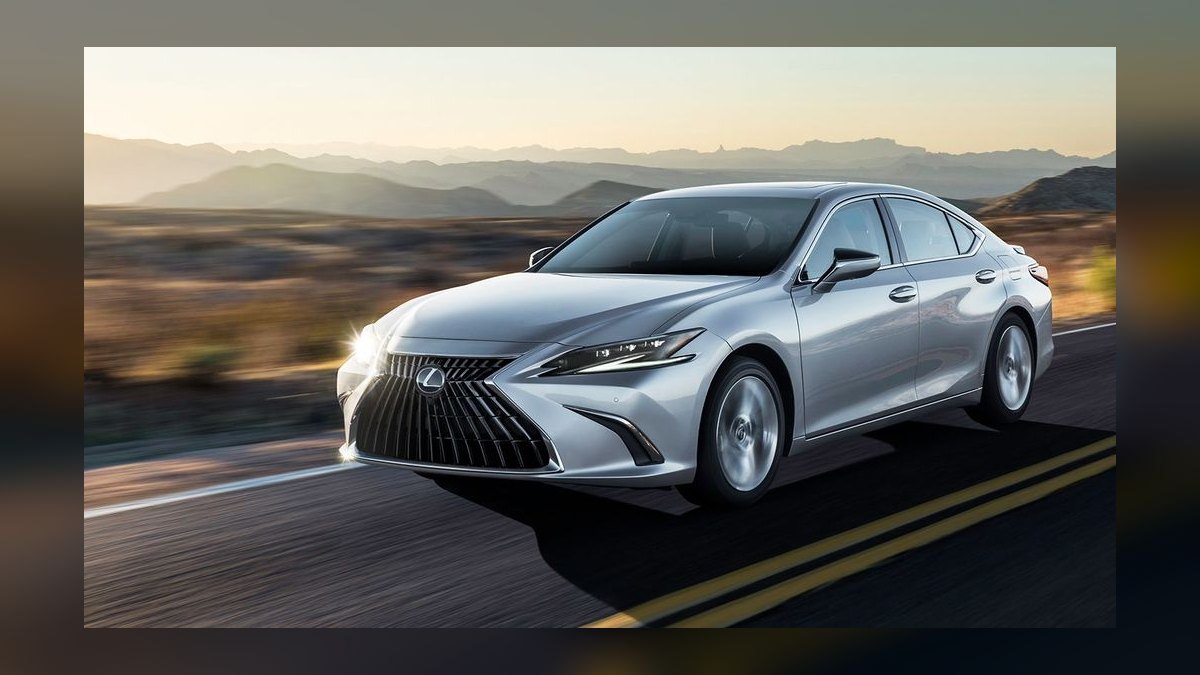
The Lexus ES ranks tenth because it earns the final slot as a near-full-size sedan that proves the comfort sedan survives, just in fewer forms. The ES 350 makes 302 hp, while the ES 300h hybrid hits up to 44 mpg combined. Standard front-drive or available AWD and a smooth, quiet cabin deliver flagship serenity in a slightly smaller body. It seats five, holds 16.7 cubic feet of trunk, and offers Lexus reliability and a hushed ride.
This is for buyers who want a near-flagship sedan with efficiency and low ownership cost, starting at $43,090. It trades away the size and rear-drive feel of true full-size flagships, but offers excellent fuel economy and dependability. Compared to the Dodge Charger above, the ES is far quieter and more efficient but lacks any performance pretensions. For those who prioritize comfort and efficiency, the ES is the efficient comfort pick.
How we ranked these
We weighted each sedan against what large-car shoppers consistently want, leaning on published data from Car and Driver, MotorTrend, Edmunds, Kelley Blue Book, U.S. News, the IIHS, and the EPA. The weighting: ride comfort and quietness (25%), interior space and quality (20%), powertrain and efficiency (15%), tech and features (15%), safety ratings (15%), and price-to-value (10%).
A sedan that nails luxury but bleeds money at trade-in, or wins on space but rides harshly, drops fast. The winners balance comfort, quality, and cost.
We deliberately ignored marketing hype around screen inch counts, peak horsepower, and badge prestige. A 30-hp difference is invisible at legal speeds, while ride quality, reliability, and depreciation shape ownership far more. We also excluded discontinued models and any vehicle without confirmed 2026 model-year specs. The segment has shrunk dramatically, so we stretched into near-full-size and electrified variants to provide a useful Top 10, but we prioritized genuine comfort-first sedans over performance outliers.
What to look for
When choosing between these, focus on ride comfort and quietness above all—this class sells on serenity. Test the ride over rough pavement and listen for road noise; the S-Class, G90, and LS lead here. If you'll be chauffeured or carry adults often, check rear legroom, recline, and available massage. Hybrids like the Crown and ES 300h cut fuel costs dramatically, while V8s in the S-Class, 7 Series, and CT5-V trade economy for muscle.
German flagships depreciate hard; Lexus, Toyota, and Genesis hold value better and cost less to maintain.
The mistake most buyers make is fixating on headline horsepower or screen size. A 30-hp difference is invisible at legal speeds, and big screens impress but driver-assist quality and an intuitive interface matter more day to day. Another error is ignoring total ownership cost—resale value, maintenance, and insurance. The S-Class may be the benchmark, but if you don't need the badge, the G90 or LS delivers 90% of the experience for tens of thousands less.
Buy on ride quality, reliability, and total cost, not prestige.
Related questions
What is the best full-size sedan for 2026?
The Mercedes-Benz S-Class is the best overall full-size sedan for 2026, starting around $118,900. It wins on ride isolation, rear-seat luxury, and up to 496 hp in the S 580. No rival fully matches its combination of comfort, quietness, and opulent interior, making it the benchmark all others chase.
What is the best value full-size sedan for 2026?
The Toyota Crown is the best value pick, starting near $41,640. It's a hybrid-only sedan with up to 42 mpg combined, standard all-wheel drive, and genuine comfort for less than half the price of German flagships. It offers a 12.3-inch touchscreen and full safety suite as standard.
Which full-size sedan has the most power?
The Dodge Charger Daytona Scat Pack tops the list at 670 hp in electric form, with the Cadillac CT5-V Blackwing close behind at a supercharged 668-hp V8. The BMW 760i xDrive offers 536 hp, and the Mercedes S 580 delivers 496 hp from its twin-turbo V8.
Which full-size sedan is the most reliable?
The Lexus LS and Lexus ES lead on reliability and lower ownership cost, while the Toyota Crown brings the same dependability to a more affordable price. These models are known for legendary durability, quiet rides, and lower maintenance costs compared to German rivals.
Should I buy a hybrid full-size sedan?
If you drive many miles, the Toyota Crown (up to 42 mpg) and Lexus ES 300h (up to 44 mpg) cut fuel costs sharply. Buyers focused on flagship luxury may prefer the gas or mild-hybrid flagships like the S-Class or 7 Series, which prioritize power and refinement over efficiency.
Is the full-size sedan segment dying?
It has shrunk dramatically as buyers shifted to SUVs, and many nameplates were discontinued. A true Top 10 now stretches into electrified and near-full-size variants, but comfort-first sedans still exist. The field is more polarized between mainstream and ultra-luxury than it once was.
What should I look for when buying a full-size sedan?
Focus on ride comfort and quietness, rear-seat comfort, powertrain efficiency, and resale value. Test the ride over rough pavement and listen for road noise. Hybrids like the Crown cut fuel costs, while German flagships depreciate hard. Screen inch counts and peak horsepower matter less than marketing implies.
FAQ
Which full-size sedan is the best overall for 2026?
The Mercedes-Benz S-Class earns our top spot for unmatched ride isolation, a lavish rear-seat lounge, and up to 496 hp in the S 580. It starts around $118,900 and remains the benchmark for big-sedan luxury that no rival fully matches.
What is the best value full-size sedan?
The Toyota Crown starting near $41,640 offers up to 42 mpg combined, standard all-wheel drive, and strong equipment for less than half the price of the German flagships. It's the value champion for buyers who want luxury-adjacent comfort and hybrid efficiency.
Is the full-size sedan segment dying?
It has shrunk dramatically as buyers shifted to SUVs, and many nameplates were discontinued. A true Top 10 now stretches into electrified and near-full-size variants, but comfort-first sedans still exist. The field is more polarized between mainstream and ultra-luxury than it once was.
Which full-size sedan is the most reliable?
The Lexus LS and Lexus ES lead on reliability and lower ownership cost, while the Toyota Crown brings the same dependability to a more affordable price. These models are known for legendary durability, quiet rides, and lower maintenance costs compared to German rivals.
Which full-size sedan has the most power?
The Dodge Charger Daytona Scat Pack tops the list at 670 hp in electric form, with the Cadillac CT5-V Blackwing close behind at a supercharged 668-hp V8. The BMW 760i xDrive offers 536 hp, and the Mercedes S 580 delivers 496 hp from its twin-turbo V8.
Should I buy a hybrid full-size sedan?
If you drive many miles, the Toyota Crown (up to 42 mpg) and Lexus ES 300h (up to 44 mpg) cut fuel costs sharply. Buyers focused on flagship luxury may prefer the gas or mild-hybrid flagships like the S-Class or 7 Series, which prioritize power and refinement over efficiency.
What is the starting price of the Genesis G90?
The 2026 Genesis G90 starts at $91,800, undercutting the German flagships while matching much of their substance. It offers a 3.5-liter twin-turbo V6 with up to 409 hp and 405 lb-ft, standard AWD, and adaptive air suspension for a hushed, composed ride.
How much trunk space does the BMW 7 Series have?
The 2026 BMW 7 Series holds about 18.4 cu ft of trunk space, which is large for the class. It also offers a theatrical available 31.3-inch rear theater screen and a crystal-trimmed cabin, making it a top choice for rear-seat entertainment.
What is the fuel economy of the Toyota Crown?
The 2026 Toyota Crown earns up to 42 mpg combined with its base hybrid powertrain, which makes 236 hp and comes with standard all-wheel drive. The Hybrid Max version delivers 340 hp and 400 lb-ft but drops to about 30 mpg combined.
What is the starting price of the Lexus ES?
The 2026 Lexus ES starts at $43,090. It offers the ES 350 with 302 hp and the ES 300h hybrid with up to 44 mpg combined. It's a near-full-size sedan that delivers flagship serenity in a slightly smaller body, with strong reliability and low ownership cost.
Sources
- https://www.caranddriver.com
- https://www.motortrend.com
- https://www.edmunds.com
- https://www.kbb.com
- https://www.usnews.com/cars
- https://www.iihs.org
- https://www.fueleconomy.gov
- https://www.mercedes-benz.com
- https://www.toyota.com
- https://www.genesis.com
Related on PULSE
- [More full-size sedans 2026 rankings and buying guides](/knowledge)
- [PULSE Tools and calculators](/tools)
- [Everything on PULSE RevOps](/)
@Kory-White- · if Venmo asks, the last 4 of my number are 2012
 pulse-aquariumsTop 10 Canister Filters 2027
 aqTop 10 Hang-On-Back Aquarium Filters 2027
 pulse-reviewsTop 10 Cabin Cruiser Boats 2027
 pulse-aquariumsTop 10 Aquarium Filters 2027
 pulse-moviesTop 10 Movies on Max 2027
 pulse-moviesTop 10 Movies on Netflix 2027
 pulse-moviesTop 10 Fantasy Movies of All Time in 2027
 pulse-moviesTop 10 Documentaries of All Time in 2027
 pulse-moviesTop 10 Superhero Movies of All Time in 2027
 pulse-moviesTop 10 Romance Movies of All Time in 2027