
Best Cars for Camping and Car-Sleeping in 2027
 Curated byKory White · Fractional CRO · Maryland
 PULSEKNOWLEDGE LIBRARY
Quality
Certified
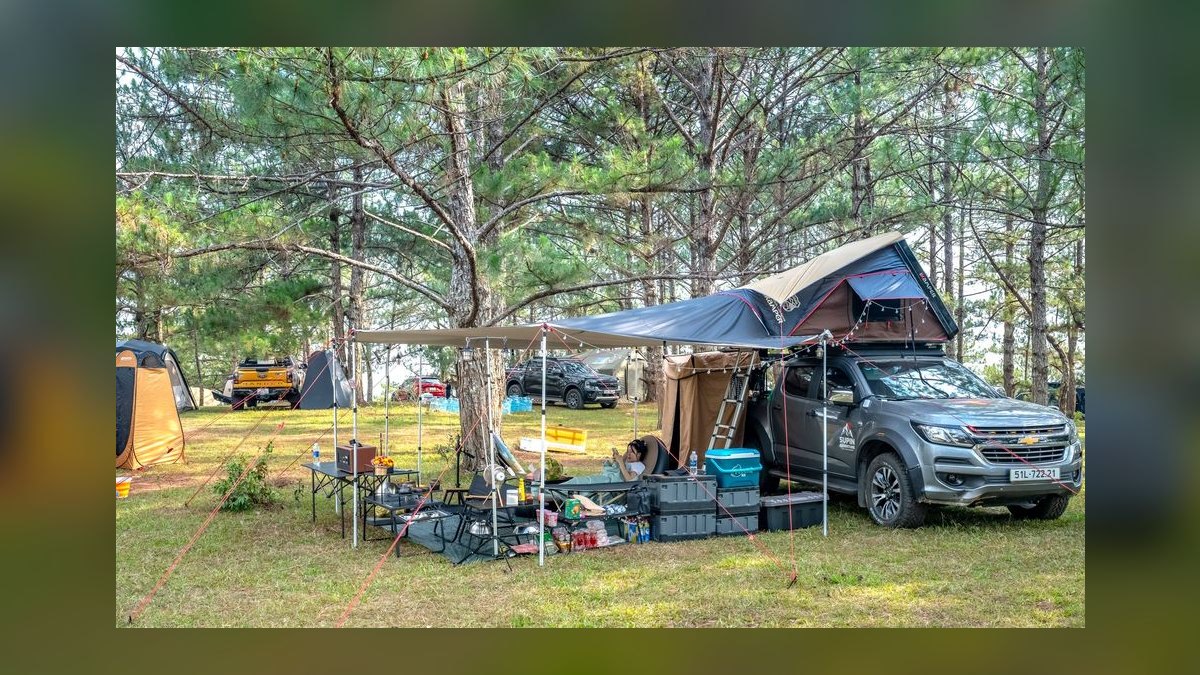
The best 2027 camping and car-sleeping vehicles combine at least 70 inches of flat cargo floor, seats that fold level, and available all-wheel drive. Subaru's Outback and Forester, Toyota's RAV4, 4Runner and Sienna, Honda's Odyssey and CR-V, plus the Wrangler, Bronco and Telluride all qualify — pick by sleeping length first.
What sleeping in a car actually demands from a vehicle
Most buyers shop crossovers by cargo volume in cubic feet, which is close to useless for car-sleeping. Cubic feet is a bag-of-groceries measurement; a bed is a *linear* measurement. What matters is the continuous flat length from the back of the folded front seats to the closed liftgate, the width between the wheel wells, and whether the folded seatbacks sit level with the cargo floor or slope downhill toward the tailgate.
The practical floor is roughly 70 inches of usable length for anyone under about 5'10", and 72–76 inches for a six-foot adult who wants to lie fully extended. Taller sleepers should target 76–80 inches, which in practice means a wagon, a minivan, or a mid-size three-row SUV rather than a compact crossover. Width between the wheel arches typically runs 40–45 inches in compact SUVs — enough for one adult on a 25-inch pad, tight for two unless you're in a minivan or a three-row.
Flatness is the specification nobody publishes. Manufacturers advertise "fold-flat" rear seats that in reality fold to a 5–15 degree slope, with a step where the seatback meets the cargo deck. Sleeping on that slope for eight hours is the difference between waking up rested and waking up with your feet numb. Minivans dodge the problem entirely because the third row folds *into* a well in the floor rather than on top of it, and the second row either removes or slides forward. That's why the Odyssey and Sienna keep showing up on lists dominated by rugged SUVs — they're the only vehicles here with a genuinely level, uninterrupted deck.
Then there's the vertical dimension. Sit-up headroom over the sleeping surface determines whether you can dress, cook on a tailgate, or read without crawling. Boxy shapes — Forester, 4Runner, Wrangler, Bronco, and the smaller Soul and HR-V — trade some sleeping length for meaningfully more headroom. A wagon like the Outback flips that trade: long floor, low ceiling.

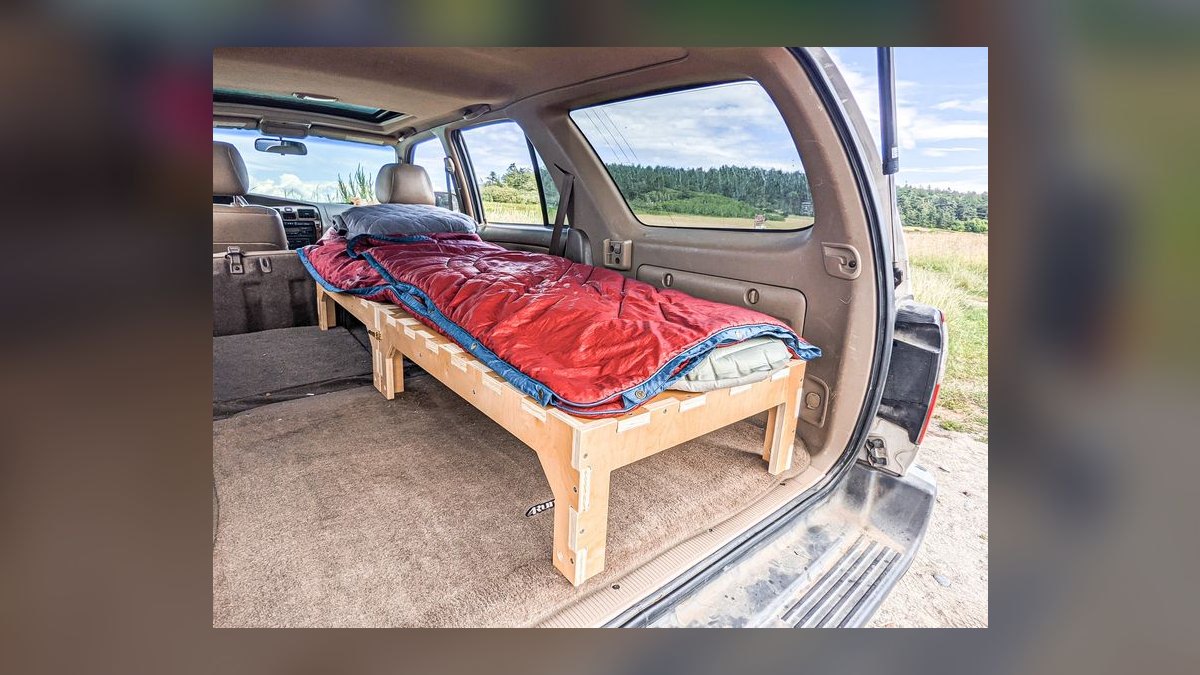
The adjacent skill worth borrowing here is the one van-lifers and overlanders have already solved. A cheap 2x2 plywood platform with folding legs eliminates seat slope, creates dry storage underneath, and turns a mediocre cargo floor into a good bed. Once you accept that a $60 platform fixes flatness, the vehicle criteria shift toward things you *can't* retrofit: overall length, ground clearance, drivetrain, and the electrical system that runs your fan all night.
The step-by-step process for picking and outfitting one
Work in order — measuring last is how people end up with a vehicle they can't sleep in.
Step one: measure yourself, not the car. Lie on the floor at home with a sleeping pad and a pillow. Measure heel to crown, add four inches. That number is your minimum floor length. Most adults land between 68 and 78 inches.

Step two: measure candidate vehicles at the dealership with a tape measure, not a spec sheet. Fold the rear seats, slide the front seats fully forward, and measure from the back of the front seatbacks to the inside of the closed liftgate. Manufacturer cargo-length figures are frequently measured to the *open* tailgate or at floor level under an angled hatch glass, which overstates usable sleeping space by four to eight inches. Also measure wheel-well-to-wheel-well width and the height from cargo floor to headliner at the midpoint.
Step three: check the slope. Put a phone with a level app on the folded seatback and on the cargo deck. Note the angle and the step height. Anything over about 10 degrees or a step over two inches needs a platform.
Step four: match capability to your actual campsites. Paved and gravel state-park campgrounds ask nothing of a vehicle. Forest-service roads with washouts want 8+ inches of clearance and all-wheel drive. Rutted, rocky trails want a two-speed transfer case, lockers, and 9–11 inches. Be honest — most car campers never leave gravel, and buying a body-on-frame SUV for gravel costs you fuel economy, ride comfort, and about a thousand dollars a year in running costs.
Step five: solve airflow and condensation before you solve comfort. Two adults exhale roughly a liter of water vapor overnight; sealed inside a car, that lands on the glass and on your sleeping bag. Cracked windows with bug-mesh covers plus rain deflectors is the standard fix, and a small 12V fan moving air across the cabin does more for sleep quality than any mattress upgrade.
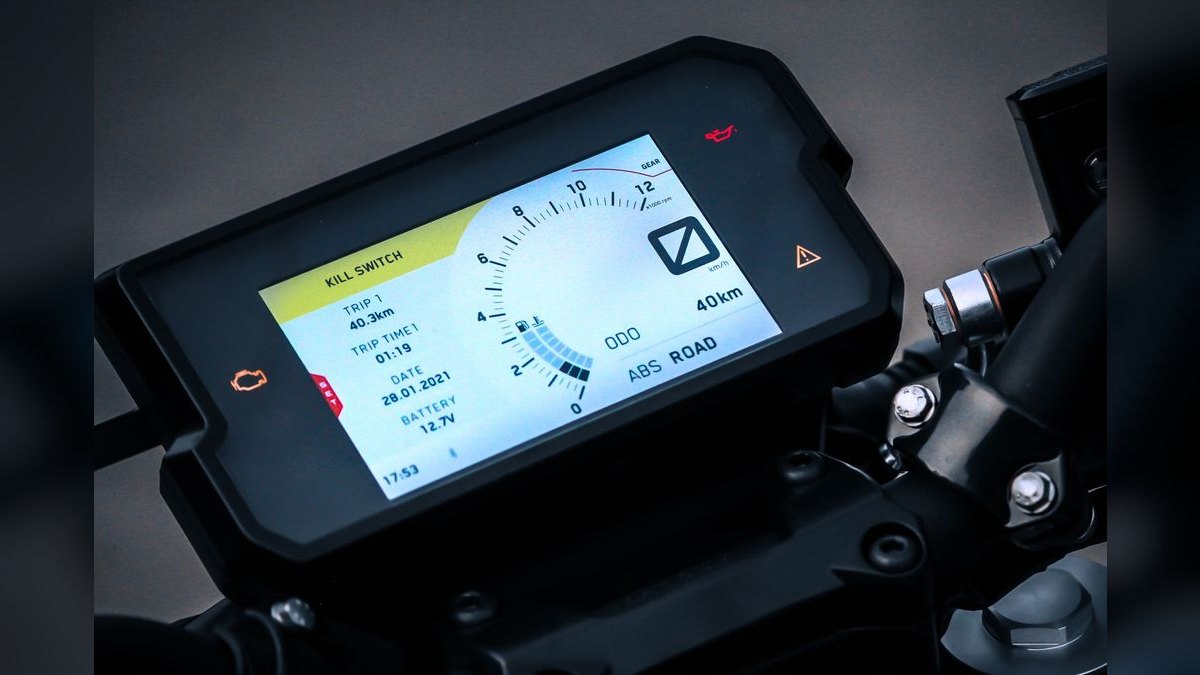
Step six: audit the power system. Count 12V sockets, check for a 110V household outlet and its wattage rating, and confirm whether outlets stay live with the ignition off — many cut power after 30–60 minutes. Hybrids and plug-in hybrids are quietly the best car-camping powertrains available because they can run climate control overnight by cycling the engine briefly instead of idling continuously.
Step seven: build or buy the sleep platform, then test in the driveway before driving four hours to find out the pad slides off at 2 a.m.
Costs, clearance figures, and the specs that separate the contenders
Here is where the 2026–2027 field actually lands, using manufacturer figures. Treat every price as a starting MSRP before destination and dealer markup, and verify current numbers before you sign anything — pricing moves quarterly.
Subaru Outback — roughly $30,000 to start, 75.7 cubic feet with the seats down, 8.7 inches of ground clearance, standard symmetrical all-wheel drive. The cargo floor runs near 75 inches and stays close to level. Roof rails come standard and accept a rooftop tent, kayak, or box. The wagon body gives it more usable sleeping length than taller crossovers with shorter wheelbases, which is the whole argument for it.

Subaru Forester — about $29,695, 74.4 cubic feet, same 8.7 inches of clearance and standard AWD. Slightly less length than the Outback, noticeably more headroom because of the upright greenhouse. If you change clothes inside the vehicle regularly, that headroom is worth more than the two extra inches of floor.
Toyota RAV4 — around $30,645, 69.8 cubic feet, AWD available, TRD Off-Road trim adds clearance and tires. Sixty-forty split seats fold to a flat floor. Under about 5'8" you'll sleep flat; taller and you're sliding front seats forward or going diagonal. Certain trims offer a 1,500-watt inverter, which is enough for a small induction burner or a CPAP machine.
Honda CR-V — roughly $31,450, 76.5 cubic feet, AWD available. One of the flattest and longest floors in the compact class, with a well-finished cabin that makes it pleasant to sit out weather in.

Honda Odyssey — about $42,220, 144.9 cubic feet, front-wheel drive only. Third row folds into the floor, second row slides or removes, and the result is a flat enclosed space over eight feet long. Two adults sleep stretched out with room for gear. The catch is drivetrain: gravel and pavement only.
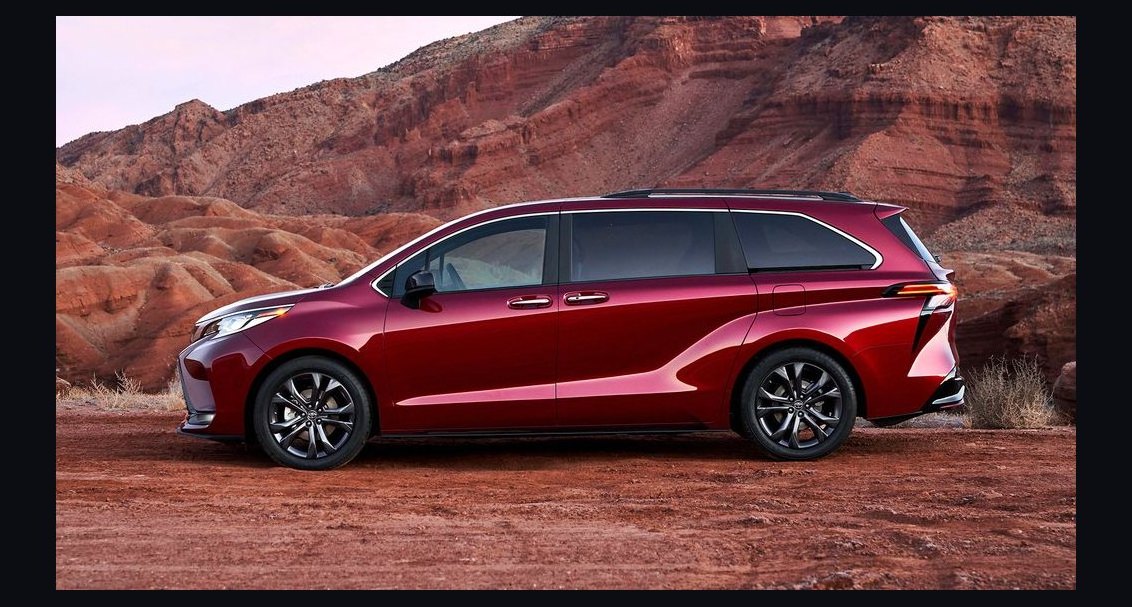
Toyota Sienna — roughly $39,185, 101 cubic feet, standard hybrid returning about 36 mpg combined, AWD available. It's the compromise pick between Odyssey space and Outback capability, and the hybrid system running accessories without idling is a genuine overnight advantage.
Toyota 4Runner — around $42,000, roughly 89 cubic feet, 9-plus inches of clearance, body-on-frame with an available two-speed transfer case. The available slide-out cargo deck doubles as a bed base or camp kitchen. The power rear window is the best ventilation feature on any vehicle in this group.
Kia Telluride — about $39,190, 87 cubic feet, AWD available, three rows that fold to a long flat deck near eight feet. The X-Pro trim adds clearance and all-terrain tires. Best family option here.

Jeep Wrangler four-door — roughly $33,990, 67.4 cubic feet, up to 10.8 inches of clearance, solid axles, available lockers, removable top and doors. Shortest floor of the group; greatest trail access by a wide margin.
Ford Bronco four-door — around $40,000, roughly 77 cubic feet, up to 11.6 inches of clearance, removable roof and doors, available auxiliary switches for wiring lights and fridges.
Budget the whole system, not the vehicle. A foam or inflatable pad runs $80–$300. A plywood platform costs $60–$150 in materials, or $400–$1,200 for a bolt-in commercial kit. Window mesh and rain deflectors together are typically $50–$200. A 12V fan is $30–$100. A portable compressor fridge — the single biggest quality-of-life upgrade after the bed itself — starts near $500 and climbs past $1,200. A rooftop tent adds $1,000–$4,000 plus a permanent fuel-economy penalty of roughly one to three mpg from the drag, which is worth pricing over a year of driving.
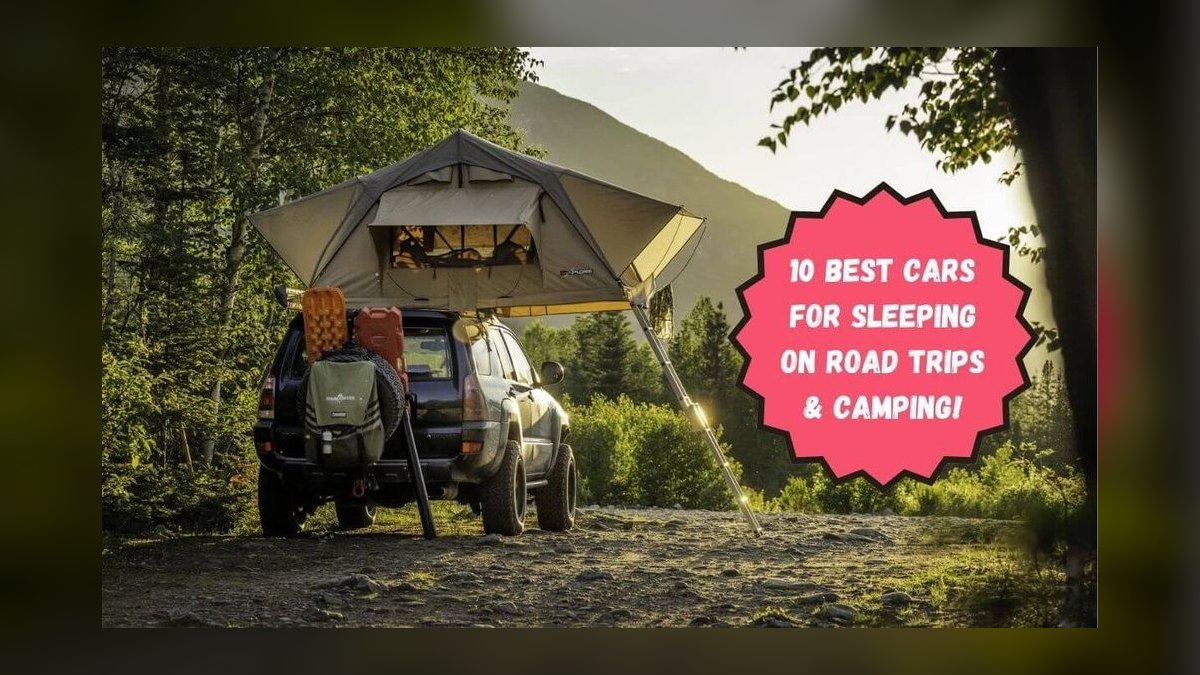
Running costs matter more than the sticker over a three-year horizon. A body-on-frame SUV averaging 18 mpg versus a hybrid crossover at 38 mpg is a difference of roughly $1,000–$1,500 per year at 12,000 miles. If your camping is mostly weekend gravel-road trips, the crossover pays for its own gear budget.
Where campers get this wrong
Buying on cargo volume. A 100-cubic-foot number sold by a tall, short-wheelbase SUV can be worse to sleep in than a 76-cubic-foot wagon. Volume rewards height; sleeping rewards length. Read the linear dimension or measure it yourself.
Trusting "fold-flat" marketing. Almost nothing folds truly flat. Assume a slope and budget for a platform, and you'll never be disappointed.
Overbuying capability. The Wrangler and Bronco are extraordinary machines and the wrong answer for someone whose campsites are all reachable in a Camry. You pay for that clearance in fuel, noise, ride quality, and — with removable tops — wind and water intrusion you'll be chasing for years.
Ignoring condensation. New car campers seal every window against bugs and cold, then wake to soaked bedding and streaming glass. Cross-ventilation is non-negotiable, even at 35 degrees. Two windows cracked on opposite corners is the minimum.
Idling for climate control. It burns roughly a half-gallon per hour, it's illegal or restricted in many jurisdictions and most national forest campgrounds, and carbon monoxide accumulation around a running exhaust is a genuine hazard, particularly in snow where the tailpipe can be blocked. This is the single most dangerous common mistake in car-sleeping. Use a hybrid's engine-cycling behavior, a battery-powered fan, or better bedding — never a continuously idling engine with people asleep inside.
Skipping the legality question. Sleeping in a vehicle is prohibited in a large share of municipalities, on many city streets, and at most highway rest areas beyond a posted limit. Rules on national forest dispersed camping, BLM land, and private lots vary enormously. Check before you arrive, not at 1 a.m. with a flashlight in the window.
Forgetting the resale math. Heavy permanent modifications — drilled roof racks, cut panels, hard-wired electrical — reduce resale on a vehicle that otherwise holds value well. Bolt-in and removable beats drilled and glued, especially on RAV4s, CR-Vs, and Subarus where strong resale is a large share of the ownership case. Fleet buyers and rental operators apply the same logic for the same reason: modifications that can't be reversed destroy remarketing revenue at auction, which is exactly why factory-reversible upfits dominate commercial vans.

Testing nothing before the trip. Every experienced car camper has a story about discovering at midnight that the pad doesn't fit, the platform rattles, or the dome light won't turn off. One driveway night solves all three.
Decision framework: matching the vehicle to how you actually camp
Start from the trip you take most often, not the trip you imagine.
If you camp at established campgrounds on pavement or maintained gravel, and you want the most comfortable bed for the money, the minivans win outright and it isn't close. The Odyssey's flat eight-foot floor and the Sienna's hybrid efficiency plus available AWD deliver sleeping comfort that no SUV at the price matches. The social penalty is a minivan; the practical reward is a bedroom.

If you want one vehicle that daily-drives well, reaches forest-service roads, and sleeps two comfortably, the Outback is the default answer and has been for two decades. The Forester is the same answer for people who value headroom over length. The RAV4 and CR-V are the reliability-and-resale plays, and the CR-V has the better floor of the two.
If your campsites require actual four-wheel drive — rock, deep ruts, water crossings, snow-covered forest roads — the 4Runner, Wrangler, and Bronco are the honest choices, in that order for interior usability and in roughly the reverse order for extreme capability. Accept that you're trading sleeping length and fuel economy for access.
If you're camping with kids, the Telluride's three folding rows give you a long flat deck plus seats for the drive there, which the two-row crossovers can't do simultaneously.
And if the budget is tight, don't overlook boxy small cars. A Kia Soul or Honda HR-V gives you a surprisingly usable, upright interior for well under the price of anything above, and with a platform and a good pad, one adult sleeps fine. The neighboring category worth pricing is a used cargo van or a Transit Connect-style small commercial van — the interior length is unmatched, and because the market prices them as work vehicles rather than lifestyle vehicles, the dollar-per-usable-inch is the best available. The trade is no back seats and no pretense of a family car.
Related questions
Can I sleep in a sedan or hatchback?
One adult under about 5'10" can, with the rear seats folded. Cargo length typically runs 60–70 inches with a step where the seats fold, and headroom under a sloping hatch is minimal. It works for an emergency night; it's poor as a routine setup.
Do hybrids and EVs make better camping vehicles?
Hybrids are excellent — they run climate control overnight by cycling the engine briefly rather than idling continuously, and they carry useful inverters. EVs offer the same climate benefit with more capacity, but charging near remote campsites remains sparse and battery packaging often eats floor height.
How much ground clearance do I really need?
Maintained gravel and mild dirt: 7–8 inches. Rutted forest-service roads: 8.5–9 inches. Rock, deep ruts, and water crossings: 9-plus with a two-speed transfer case. Most crossovers deliver 7–8.5; truck-based SUVs exceed 9. Tires matter nearly as much as clearance.
Is a rooftop tent better than sleeping inside?
It's more comfortable and frees the cargo area, but it costs $1,000–$4,000, permanently reduces fuel economy through drag, adds setup time in weather, and requires climbing down for a bathroom trip at 3 a.m. Sleeping inside is faster, cheaper, and stealthier.
FAQ
What is the minimum cargo length for sleeping comfortably?
For an adult up to six feet, target at least 72 inches of continuous flat length with the seats folded; 76–80 inches for taller sleepers. Measure from the back of the front seats to the closed tailgate yourself, because published cargo-length figures often measure to the open liftgate and overstate usable space.
Do I actually need all-wheel drive?
Only if you regularly drive unpaved forest roads, snow, or mud. Most developed campgrounds are reachable with front-wheel drive and good all-season tires. AWD adds purchase cost, weight, and a fuel-economy penalty, so buy it for conditions you genuinely encounter rather than conditions you picture.
How do I make a sloped cargo floor flat?
Build or buy a sleeping platform. A plywood deck on folding legs runs $60–$150 in materials and adds dry storage beneath; commercial bolt-in kits run $400–$1,200. Foam blocks and leveling wedges are the cheap interim fix. Model-specific owner forums usually have proven dimensions already worked out.
Is it safe to run the engine for heat while sleeping?
No. Carbon monoxide can accumulate around a running vehicle, and a tailpipe blocked by snow or brush makes that far worse. Idling also burns roughly a half-gallon per hour and is restricted in many places. Use better bedding, a 12V fan, or a hybrid's engine-cycling climate mode instead.
How do I stop condensation on the windows overnight?
Cross-ventilate. Crack two windows on opposite corners, cover them with bug mesh, and fit rain deflectors so you can leave them open in weather. A small 12V fan moving air across the cabin is the single most effective addition. Avoid breathing directly toward glass and keep damp gear outside the sleeping area.
Is sleeping in your car legal?
It depends entirely on jurisdiction. Many cities prohibit it on public streets, most rest areas cap overnight stays, and rules for national forest dispersed camping and BLM land vary by district. Check the specific land manager or municipality before you arrive rather than after someone knocks on the glass.
Sources
- https://www.subaru.com/vehicles/outback
- https://www.toyota.com/rav4/
- https://automobiles.honda.com/odyssey
- https://www.kia.com/us/en/telluride
- https://www.jeep.com/wrangler.html
- https://www.ford.com/suvs/bronco/
- https://www.edmunds.com/
- https://www.caranddriver.com/
- https://www.kbb.com/
- https://www.fs.usda.gov/visit/know-before-you-go
Related on PULSE
- [Top 10 Performance Electric Cars in 2027](/knowledge/ca0993)
- [Top 10 Long-Range Electric Cars in 2027](/knowledge/ca0991)
- [Top 10 High-Performance Muscle Cars in 2027](/knowledge/ca0985)
- [Top 10 Sports Cars Under $100,000 in 2027](/knowledge/ca0979)
- [Best Used Hybrid Cars Under $35,000 in 2027 (Ranked)](/knowledge/ca0952)
- [Best Used Luxury Cars Under $35,000 in 2027 (Ranked)](/knowledge/ca0950)
This page will be disappearing soon. Save it to your device for $1 — or read it free while it is here.
@Kory-White- · if Venmo asks, the last 4 of my number are 2012
 pulse-carsBest Hyundai Ioniq 5 Model Years (Ranked) in 2027
 pulse-carsTop 10 Hybrid Minivans 2027 — Best Overall + Best Value
 pulse-carsBest Mercedes-Benz CLA Model Years (Ranked) in 2027
 pulse-carsBest Mazda RX-8 Model Years (Ranked) in 2027
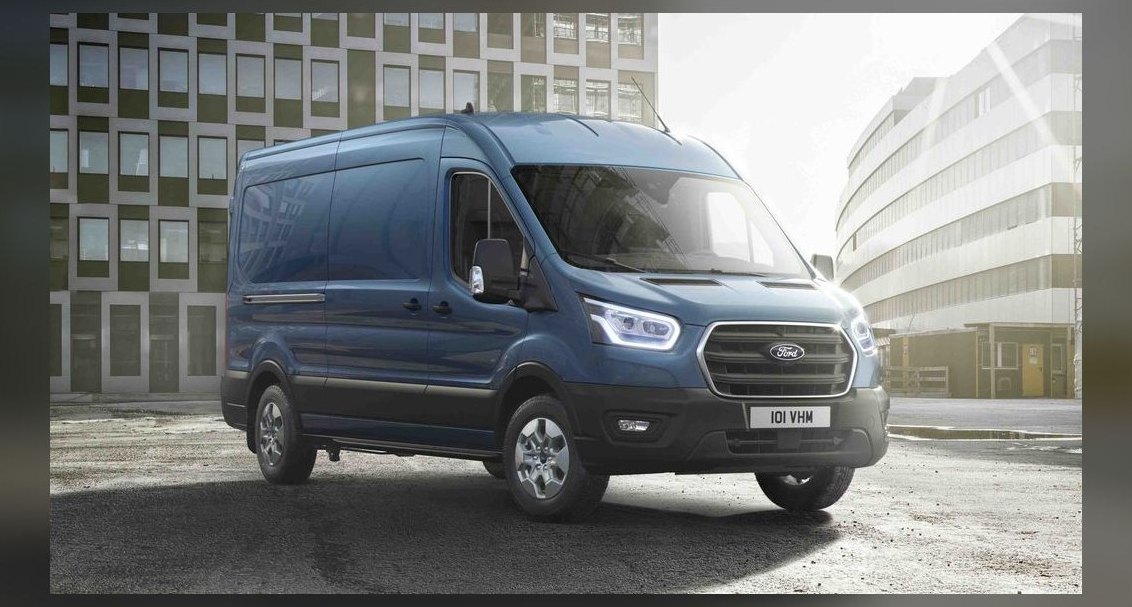 pulse-carsTop 10 Cargo Vans 2027 — Best Overall + Best Value
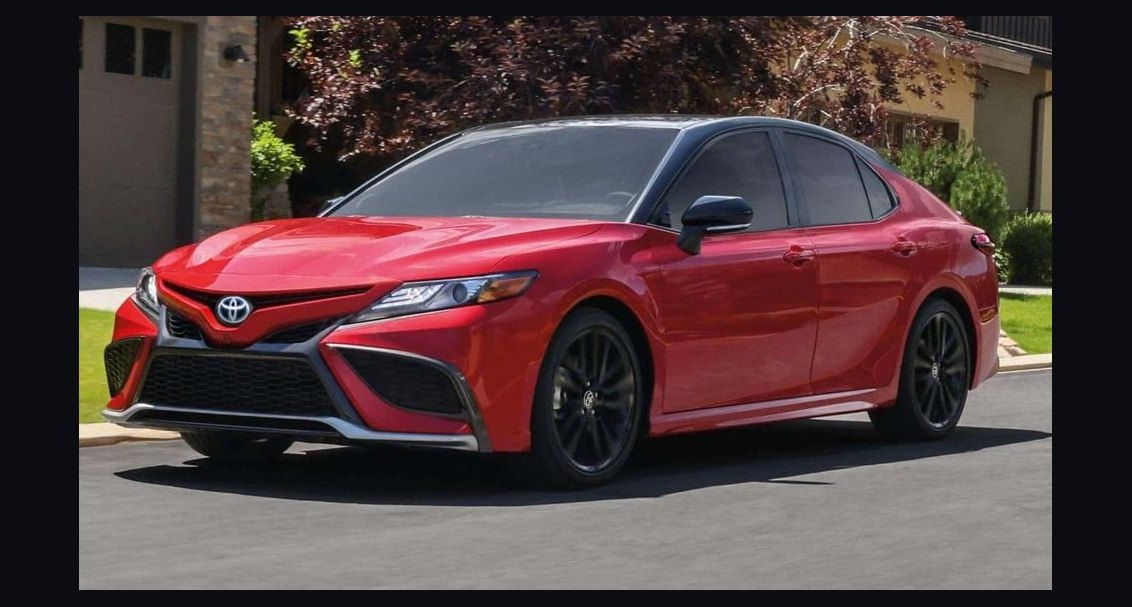 pulse-carsBest Used Hybrid Cars Under $40,000 in 2027 (Ranked)
 pulse-carsTop 10 Hot Hatchbacks 2027 — Best Overall + Best Value
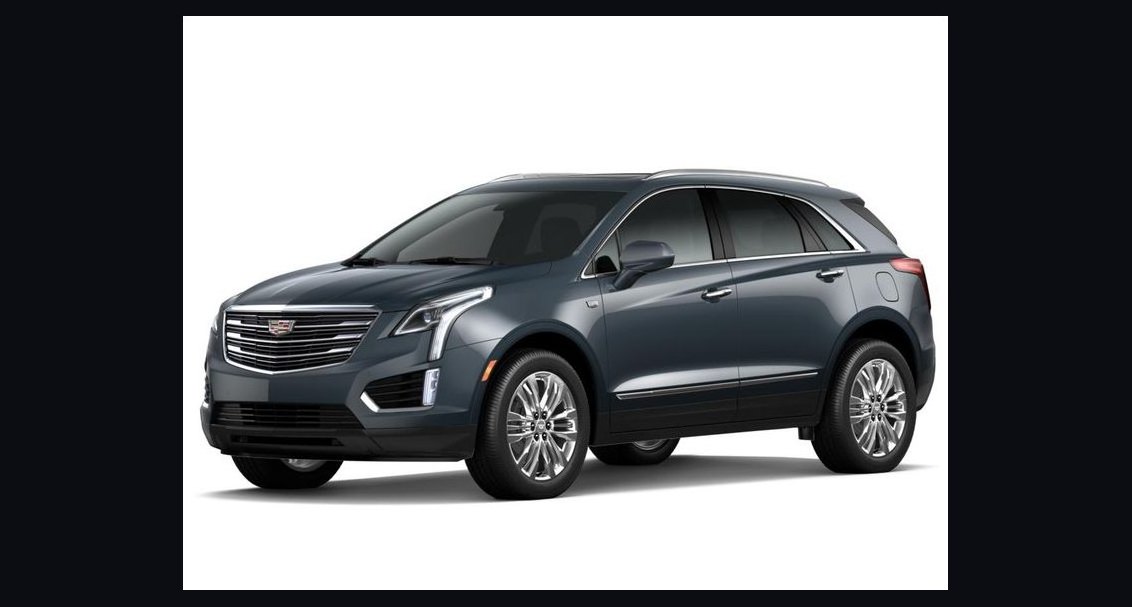 pulse-carsBest Cadillac XT5 Model Years (Ranked) in 2027
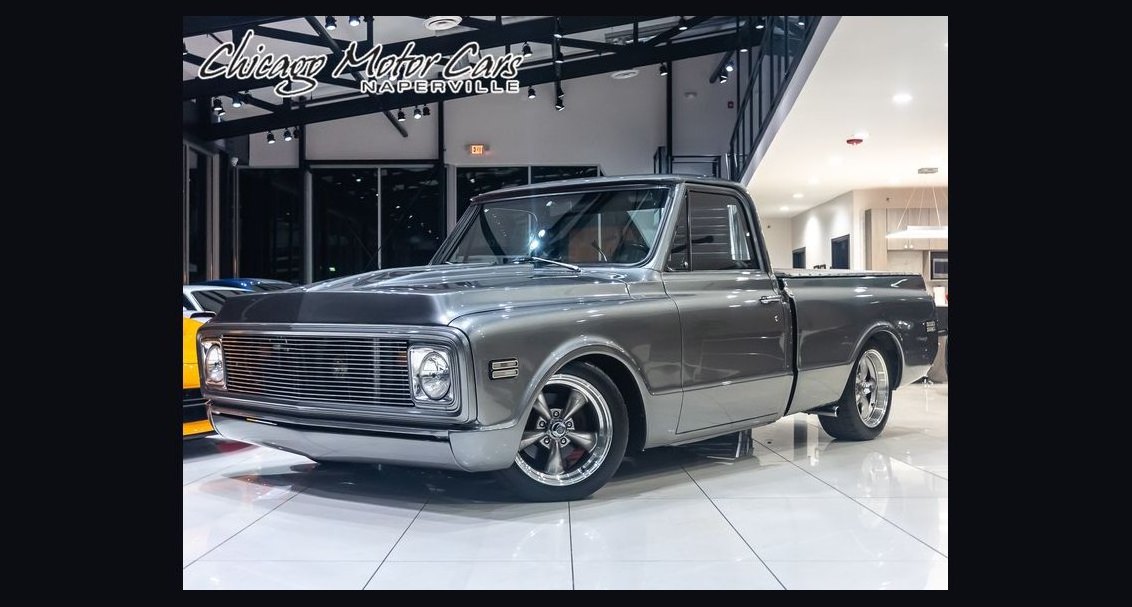 pulse-carsTop 10 Pickup Trucks 1969 — Best Overall + Best Value
 pulse-carsBest Used Off-Road SUVs Under $30,000 in 2027 (Ranked)