
Best Cadillac Models in 2027
 Curated byKory White · Fractional CRO · Maryland
 PULSEKNOWLEDGE LIBRARY
The best Cadillac in 2027 is the LYRIQ, an electric mid-size SUV with roughly 300-plus miles of range, a 33-inch curved display, and a starting price near $60,000. The CT4 is the value pick near $37,000, the Escalade remains the full-size default near $87,000, and the CT5-V Blackwing leads performance.
The electric bench versus the gas bench
Cadillac in 2027 is not one lineup — it is two, running in parallel, and almost every buying decision starts with which bench you shop from. The electric side now spans five distinct vehicles: the OPTIQ compact crossover near $54,000, the LYRIQ mid-size SUV near $60,000, the VISTIQ three-row near $78,000, the ESCALADE IQ full-size near $130,000, and the hand-built CELESTIQ flagship near $340,000. Every one of them rides on GM's Ultium architecture, which means shared battery chemistry, shared 400-volt (and in the large vehicles, 800-volt-capable) charging behavior, and a shared interior design language built around a very wide curved display. Cross-shopping inside the EV bench is genuinely easy because the driving experience is consistent — you are mostly picking a footprint and a battery size.
The gas bench is smaller and more specialized. The CT4 compact sedan starts near $37,000 with a 2.0-liter turbo four making roughly 237 horsepower. The CT5 mid-size sedan starts near $42,000 with the same base engine and an available 3.0-liter twin-turbo V6 around 360 horsepower. The CT4-V near $48,000 steps up to a 2.7-liter turbo four near 325 horsepower. Above those sit the V-Series Blackwings, with the CT5-V Blackwing near $95,000 carrying a supercharged 6.2-liter V8 at roughly 668 horsepower and an available six-speed manual. And then the gas Escalade near $87,000, with its 6.2-liter V8 around 420 horsepower or an available 3.0-liter Duramax diesel near 277 horsepower and heavy torque.
The two benches do not compete on the same terms. The EV bench wins on refinement, running cost, and cabin technology. The gas bench wins on refueling flexibility, towing under load, and — in the Blackwing's case — a driving character that no electric sedan currently replicates. What makes the 2027 lineup unusual among luxury brands is that Cadillac has not yet forced the choice. Both benches are current, both are being sold in volume, and neither is a run-out product you should be scared of on residual grounds alone.
There is a third consideration most shoppers underweight: model overlap. The VISTIQ and the gas Escalade both seat seven-ish people and both offer Super Cruise, but they differ by roughly $9,000 in starting price and by an entire refueling paradigm. The LYRIQ and the CT5 are priced within about $18,000 of each other yet share almost nothing beyond a badge. Cadillac's 2027 range is wide enough that two shoppers with identical budgets can end up in completely different vehicles depending on where they park at night.
How to decide between them
The decision tree is shorter than the model count suggests, because two questions eliminate most of the lineup immediately. First: can you charge where you sleep? Home charging is the single variable that most changes ownership economics and satisfaction with any of the IQ-suffixed models. Without it, an EV in this class becomes a public-charging exercise, and the ESCALADE IQ's roughly 200-kWh battery in particular is expensive and slow to fill on public infrastructure at retail rates. Second: what is the largest thing you routinely carry, tow, or seat? That answers footprint before it answers powertrain.
Work the tree honestly rather than aspirationally. A buyer who tows a boat six weekends a year and charges in a shared apartment garage should not be steered into an ESCALADE IQ because it is the newer vehicle — the gas Escalade's 6.2-liter V8 and roughly 8,000-pound tow rating handles that use case with fewer compromises and no range-collapse-under-load math. Conversely, a suburban commuter with a garage outlet and a 40-mile round trip is buying gasoline for no reason if they land on a CT5 instead of a LYRIQ.
The one branch worth slowing down on is the three-row question. Third rows are not equivalent. The VISTIQ's third row is genuinely usable for adults on short trips; the gas Escalade's is usable on long ones, and the extended-length variants add real cargo volume behind row three. If your third row is occupied twice a month by children, the VISTIQ is the smarter buy. If it is occupied weekly by adults with luggage, the full-size vehicles earn their premium.
Budget discipline matters more here than in most luxury lineups because Cadillac's option ladder is steep. An Escalade that starts near $87,000 crosses six figures quickly once you add the Platinum trim, the 55-inch curved display setup, and the upgraded AKG audio. The same is true of the LYRIQ, where the jump from the rear-drive Tech trim to the dual-motor Sport trim near 500 horsepower adds meaningful cost. Decide your ceiling before you configure, not after.
Concrete numbers behind each option
Here is where the choices become quantitative rather than aesthetic. On the EV side, the OPTIQ pairs a roughly 85-kWh battery with a standard dual-motor all-wheel-drive setup near 300 horsepower and an EPA-estimated 300 miles of range. The LYRIQ steps to roughly 102 kWh, with the rear-drive Tech trim rated at an EPA-estimated 300-plus miles and the dual-motor Sport trim making about 500 horsepower — the range-versus-power trade is explicit and you pick a side. The VISTIQ carries roughly 100 kWh, makes around 615 horsepower in dual-motor form, and still lands an EPA-estimated 300-plus miles while seating up to seven. The ESCALADE IQ's roughly 200-kWh pack supports an EPA-estimated 450-plus miles and around 750 horsepower in Velocity Max, plus vehicle-to-home power export. The CELESTIQ sits near 111 kWh, roughly 655 horsepower, and an EPA-estimated 300 miles.
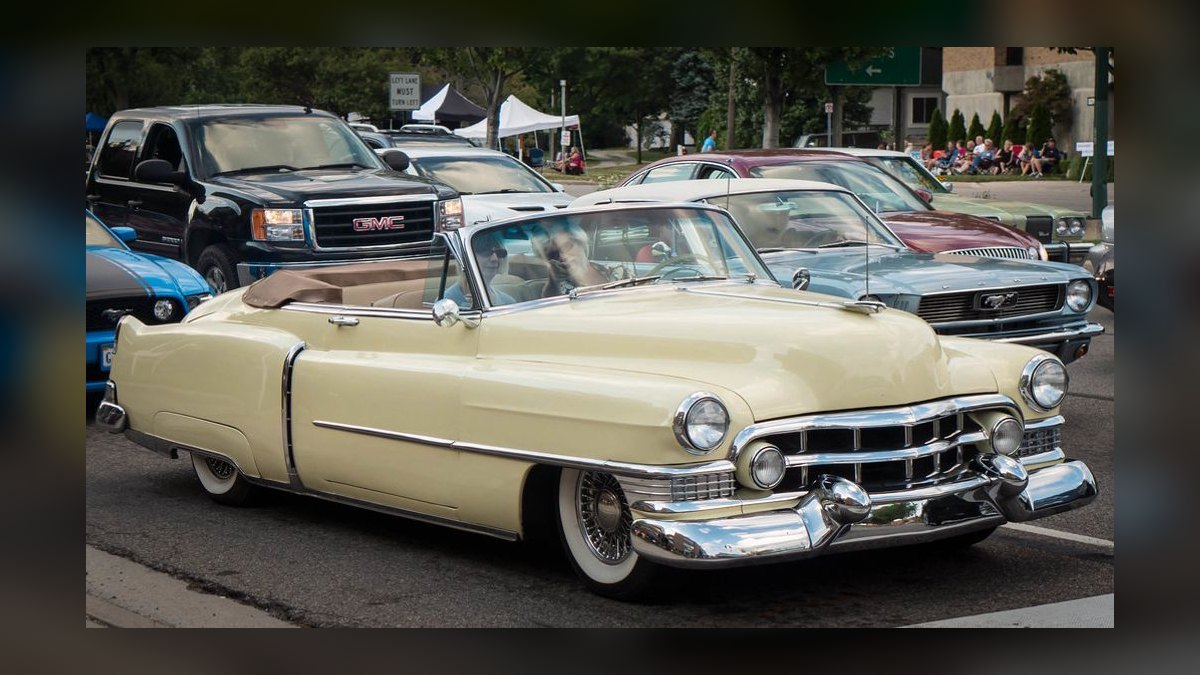
Read those numbers as a curve, not a ranking. Range per dollar peaks in the middle of the lineup. The OPTIQ delivers roughly 300 miles for about $54,000; the ESCALADE IQ delivers roughly 450 miles for about $130,000. You are paying a large premium for the last 150 miles, and you are paying it mostly because that battery also has to move a much heavier vehicle. If range anxiety is your driver, the LYRIQ and VISTIQ are the efficient answers. If capability is your driver, the ESCALADE IQ's number is a byproduct of its size, not a feature you bought directly.
On the gas side the numbers tell a different story. The CT4's 2.0-liter turbo four at roughly 237 horsepower in a compact rear-drive sedan is quick enough for real roads and cheap enough at about $37,000 that it undercuts most German compact sport sedans outright. The CT4-V's 2.7-liter turbo four at roughly 325 horsepower near $48,000 is arguably the best power-per-dollar step in the entire lineup — you gain roughly 88 horsepower and sharper suspension tuning for about $11,000. The CT5 at about $42,000 buys you interior room and long-distance composure rather than speed, unless you specify the 3.0-liter twin-turbo V6 near 360 horsepower.

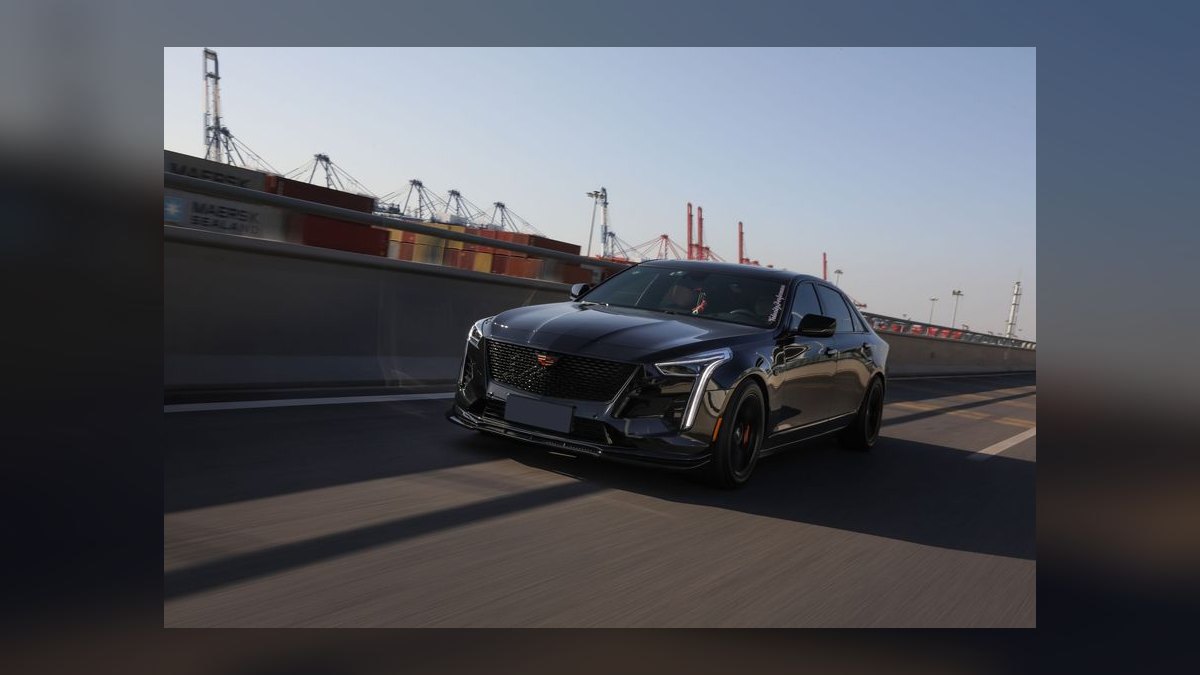
The CT5-V Blackwing's numbers deserve their own paragraph because they are increasingly rare in the market. A supercharged 6.2-liter V8 producing roughly 668 horsepower, a sub-four-second run to 60 mph, and an available six-speed manual, all near $95,000. Compare that with the German super-sedans it targets: the Cadillac generally undercuts them on price while offering a transmission choice they no longer make. Whatever your view on manual gearboxes, the supply of them at this power level is finite, and that has an effect on how these cars will be valued a decade out.
Running costs diverge sharply and should be modeled before signing. The gas Escalade's 6.2-liter V8 is thirsty by any standard; the Duramax diesel option trades some horsepower — roughly 277 versus 420 — for meaningfully better highway economy and strong low-end torque, which is why it is the quiet enthusiast pick for people who actually drive long distances. On the EV side, home charging at typical residential electricity rates makes per-mile energy cost a fraction of gasoline, but insurance and tire costs on a 750-horsepower full-size electric SUV are not trivial. Build the whole cost stack, not just the fuel line.
One more number that shapes the decision: charging speed. DC fast charging on the LYRIQ adds meaningful range in around ten minutes at a capable station, and the ESCALADE IQ can add hundreds of miles in a short session. But those figures assume a healthy high-power charger, a preconditioned battery, and a reasonable state of charge to start. Real-world road-trip planning should be built around conservative assumptions, not peak-rate marketing figures.
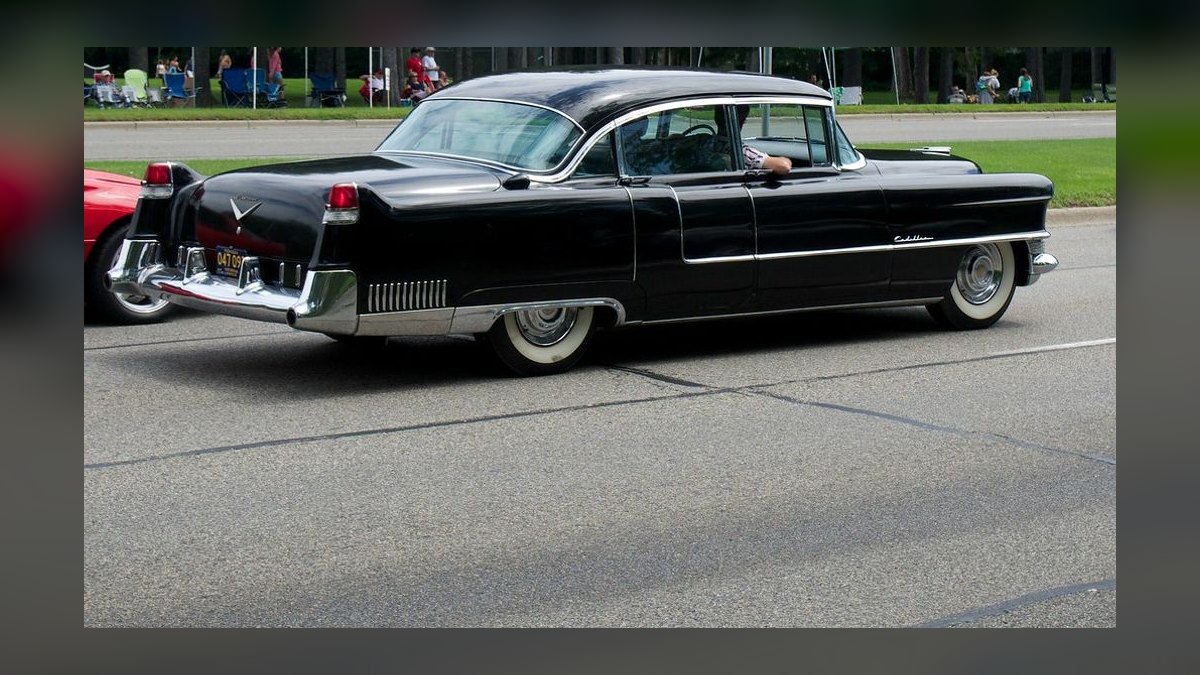
Cross-shopping and what the rivals do differently
No one buys a Cadillac in a vacuum, and the honest comparisons sharpen the picture. The LYRIQ's natural rivals are the BMW iX, the Audi Q8 e-tron, and the Genesis Electrified GV70. Against those, the LYRIQ typically wins on interior space and screen real estate and usually on price. It does not always win on brand-adjacent things — dealer experience, software update cadence, and charging-network integration vary, and those matter more in EV ownership than they ever did with combustion cars.
The CT5 lines up against the BMW 3 Series and Mercedes-Benz C-Class. It is a larger car than both, with more rear-seat room, and it starts lower. What the Germans still offer is a broader engine and trim ladder and, in many markets, stronger residual values. The counterpoint is Super Cruise: Cadillac's hands-free highway system on mapped roads remains one of the best-executed driver-assistance implementations available, and it is standard or available across a wide swath of the lineup rather than locked behind a single flagship.
The Escalade's competitive set is the Lincoln Navigator, the Jeep Grand Wagoneer, and — in the used and near-luxury space — the loaded GMC Yukon Denali, which shares meaningful hardware. That last comparison is the one shoppers should run seriously. A top-trim Yukon Denali Ultimate delivers a large fraction of the Escalade's capability and technology for less money. What the Escalade adds is styling distinction, the specific interior execution, and badge value — real things, but worth naming explicitly rather than assuming.
The ESCALADE IQ has almost no direct rival, which is both its strength and its risk. There is no other full-size, three-row, ultra-luxury electric SUV with this combination of range and space. That means no price pressure from a competitor, and it means resale value is harder to predict because there is no comparable vehicle to anchor against. Early adopters in a category of one should expect more depreciation volatility than the segment's gas equivalents, where decades of transaction data set clear expectations.
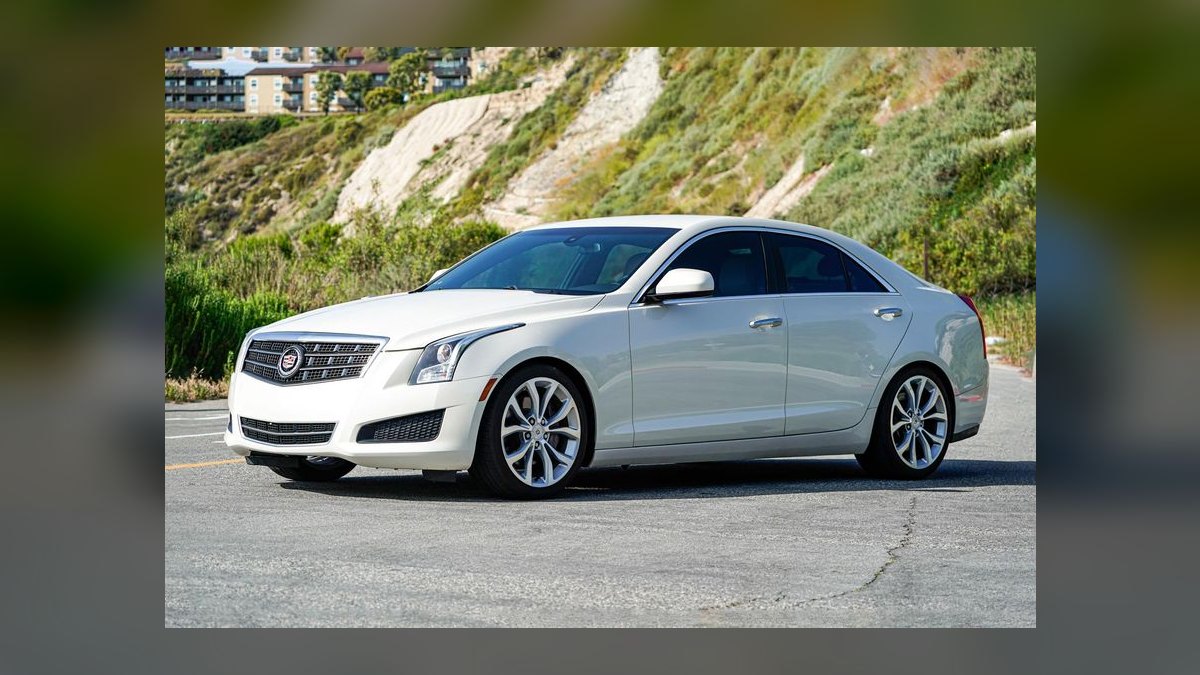
Adjacent to all of this is the used-Cadillac question, which reshapes the value calculus entirely. Buyers priced out of a new CT5-V Blackwing near $95,000 should look at earlier Blackwing model years and at the outgoing CTS-V and ATS-V generations, where the same supercharged-V8 character exists at a fraction of the cost. Similarly, an early LYRIQ makes a compelling used EV precisely because the first model years took the steepest depreciation. If your goal is the Cadillac experience rather than a new-car warranty, the used market frequently offers better answers than the new-car lineup does.
Ordering, options, and how to sequence the purchase
Sequencing a Cadillac purchase in 2027 rewards patience and punishes improvisation, because the option packages interact and the highest-value content is often bundled rather than standalone. Work in a fixed order: confirm the powertrain decision, then the trim, then the electrical and charging infrastructure, then the individual options, then the financing structure. Doing infrastructure last is the most common expensive mistake — a buyer takes delivery of a LYRIQ and only then discovers their panel needs an upgrade before a Level 2 charger can be installed.
On the EV side, the infrastructure step is not optional. Get a licensed electrician to assess your panel capacity before you sign anything. A Level 2 install can be inexpensive if your panel has headroom and the run to the parking spot is short, and considerably more if it does not. Ask specifically about the amperage the charger will be wired for, because a modest circuit will meaningfully slow overnight replenishment on a large battery like the ESCALADE IQ's roughly 200-kWh pack.
Trim selection deserves scrutiny because the mid-trims usually carry the best content-per-dollar. On the LYRIQ, the question is whether the dual-motor Sport trim's roughly 500 horsepower is worth its cost and its range penalty against the rear-drive Tech trim's 300-plus miles. For most buyers in most climates, the answer is no — unless you live somewhere that all-wheel drive is a genuine seasonal requirement, in which case it stops being a performance question. On the Escalade, the calculus is inverted: much of what makes the Escalade feel like an Escalade lives in the upper trims, so a base-trim Escalade is frequently the worst value in the lineup. Either commit to a well-equipped one or move to a loaded Yukon Denali and keep the difference.
Factory order versus dealer stock is a real trade in this lineup. Ordering gets you the exact configuration, which matters most on cars where a single option — the manual transmission on a CT5-V Blackwing, a specific interior on a VISTIQ — defines the ownership. Dealer stock gets you immediate delivery and, periodically, better incentives on units that have been sitting. If you are flexible on color and one or two options, working stock can save real money. If you are not flexible, order and wait, and get the expected build window in writing.

Financing and lease structure deserve one deliberate pass, especially on the EV side where incentive eligibility, residual assumptions, and manufacturer-supported lease programs can move the effective cost by thousands. Compare a lease and a purchase on total outlay over your actual expected ownership period rather than on monthly payment, and check current federal and state incentive rules at the time of purchase rather than relying on what was true a year earlier — these programs change, and they change with little notice.
Finally, test drive the exact configuration you intend to buy, not a proxy. Suspension tuning, wheel and tire packages, and even trim-specific seat designs change the character of these cars substantially. A CT4 on the base setup and a CT4-V on the performance setup ride and steer differently enough that driving one tells you relatively little about the other. Budget an hour, drive a route that includes real pavement rather than a smooth dealer loop, and bring whoever else will be riding in it.
Related questions
Which Cadillac holds value best in 2027?
Established gas models with long transaction histories — the Escalade in particular — have the most predictable residuals. New-category electrics like the ESCALADE IQ have less data behind them, so depreciation is harder to forecast. Manual-transmission Blackwings are a niche exception with unusual enthusiast demand.
Is Super Cruise worth paying for?
For high-mileage highway drivers, yes. It is a hands-free system on mapped highways and remains among the best-executed driver-assistance implementations available. For a short urban commute where mapped-highway coverage rarely applies, the value drops sharply and the money is better spent elsewhere.
Should I wait for a newer Cadillac EV instead?
Waiting is reasonable only if a specific announced feature matters to you. The 2027 EV bench is broad enough — compact through full-size and flagship — that most needs are already covered. Perpetual waiting costs you years of ownership for incremental gains.
What is the cheapest way into a Cadillac?
The CT4 near $37,000 is the lowest new-vehicle entry point and a genuinely rewarding rear-drive sedan. Used, the entry point falls dramatically — earlier CT5s, XT-series crossovers, and first-year LYRIQs deliver most of the experience at a substantially lower cost.
FAQ
Is the LYRIQ really the best overall Cadillac in 2027?
For most buyers, yes. It balances an EPA-estimated 300-plus miles of range, a quiet and well-finished cabin, and a 33-inch curved display at a starting price near $60,000. Nothing else in the lineup does daily-driver duty as well at that price. The CT4 wins on value and the Escalade on capability, but the LYRIQ is the best all-around pick.
How does the CT4 compare with German compact sport sedans?
The CT4 is a rear-drive sport sedan starting near $37,000, which undercuts most German rivals meaningfully. It steers with real feel and rides firmly without harshness. The cabin is snug and interior materials do not top the class, but per dollar it delivers more driving engagement than nearly anything else Cadillac sells.
Is the CELESTIQ worth roughly $340,000?
The CELESTIQ is a hand-built flagship with extensive customization, a pillar-to-pillar display near 55 inches, a smart-glass roof with per-seat tint adjustment, roughly 655 horsepower, and an EPA-estimated 300 miles of range. Value at that price is subjective. It is a statement aimed at Rolls-Royce and Bentley buyers, not a practical purchase.
Does the gas Escalade still make sense in 2027?
Yes, for buyers who tow heavily, drive long distances without reliable charging, or simply want the 6.2-liter V8. It starts near $87,000, seats up to eight, and offers Super Cruise plus available AKG audio. Fuel economy is poor; the Duramax diesel option near 277 horsepower is the sensible answer for high-mileage drivers.
What real-world range should I expect from the ESCALADE IQ?
The EPA estimate is 450-plus miles from a roughly 200-kWh battery. Real-world results vary substantially with speed, temperature, load, and towing. Plan road trips on conservative assumptions rather than the peak figure, and remember that towing reduces electric range far more sharply than it reduces gasoline range.
Which Cadillac is best for performance drivers?
The CT5-V Blackwing, with a supercharged 6.2-liter V8 near 668 horsepower, sub-four-second acceleration to 60 mph, and an available six-speed manual, starting near $95,000. The CT4-V near $48,000 with roughly 325 horsepower is the value alternative for drivers who want sharpness without flagship pricing.
Sources
- https://www.cadillac.com/
- https://www.fueleconomy.gov/
- https://www.caranddriver.com/cadillac
- https://www.motortrend.com/cars/cadillac/
- https://www.edmunds.com/cadillac/
- https://www.kbb.com/cadillac/
- https://www.consumerreports.org/cars/cadillac/
- https://www.nhtsa.gov/
- https://www.iihs.org/ratings
Related on PULSE
- [Best Cadillac CT4 Model Years (Ranked)](/knowledge/ca0562)
- [Best Cadillac XT4 Model Years (Ranked)](/knowledge/ca0563)
- [Best Cadillac XT6 Model Years (Ranked)](/knowledge/ca0564)
- [Best Cadillac CTS Model Years (Ranked)](/knowledge/ca0565)
- [Best Cadillac ATS Model Years (Ranked)](/knowledge/ca0566)
- [Best Cadillac SRX Model Years (Ranked)](/knowledge/ca0567)
This page will be disappearing soon. Save it to your device for $1 — or read it free while it is here.
@Kory-White- · if Venmo asks, the last 4 of my number are 2012
 pulse-carsBest Hyundai Ioniq 5 Model Years (Ranked) in 2027
 pulse-carsTop 10 Sports Cars 2027 — Best Overall + Best Value
 pulse-carsBest Used Coupes Under $40,000 in 2027 (Ranked)
 pulse-carsTop 10 SUVs 2010 — Best Overall + Best Value
 pulse-carsTop 10 Cargo Vans 2027 — Best Overall + Best Value
 pulse-carsBest Chevrolet Caprice Model Years (Ranked) in 2027
 pulse-carsBest Volkswagen GTI Generations (Ranked) in 2027
 pulse-carsTop 10 Mid-Size Sedans 2027 — Best Overall + Best Value
 pulse-carsBest Mercedes-Benz CLA Model Years (Ranked) in 2027
 pulse-carsTop 10 Electric Sedans 2024 — Best Overall + Best Value