
Best Convertibles Under $50,000 in 2027
 Curated byKory White · Fractional CRO · Maryland
 PULSEKNOWLEDGE LIBRARY
The best convertible under $50,000 in 2027 is the Mazda MX-5 Miata from roughly $30,500 — nothing else delivers as much steering feel per dollar. For power and four seats, the Ford Mustang GT Convertible near $48,000 pairs a 480-horsepower V8 with a usable back seat. City buyers should shortlist the Mini Cooper S Convertible.
The two archetypes that split this segment
Every convertible under $50,000 falls into one of two camps, and picking the wrong camp is the single most expensive mistake buyers make in this bracket. Camp one is the lightweight two-seat roadster, defined almost entirely by the Mazda MX-5 Miata. Camp two is the four-seat power convertible, defined by the Ford Mustang and Chevrolet Camaro. Everything else on the market — the Mini Cooper S Convertible, the Fiat 500e Cabrio, the various hot-hatch-derived droptops — sits somewhere on the spectrum between them, borrowing traits from both.
The roadster camp optimizes for mass. The MX-5 weighs roughly 2,350 pounds, which is several hundred pounds lighter than almost anything else you can buy new with a folding roof. That number drives everything downstream: smaller brakes are adequate, skinnier tires generate enough grip, a 181-horsepower 2.0-liter four-cylinder feels genuinely brisk, and fuel economy lands near 34 mpg combined. The car is not fast in a straight line by modern standards — a well-equipped family crossover will beat it to 60 mph — but it changes direction with a fidelity nothing else in the price range approaches. The manual gearbox has a throw measured in inches and is widely considered the best shifter available at any price, including cars costing five times as much.
The power-convertible camp optimizes for event. A Mustang GT Convertible gives you a 5.0-liter V8 making 480 horsepower, a mid-four-second 0-60 run, four seats that adults can actually occupy for a lunch trip, and a trunk that survives a grocery run with the top down. The Camaro answers with a 6.2-liter LT1 rated at 455 horsepower in 2SS trim and a chassis most reviewers rate as the sharper of the two, though its rearward visibility is genuinely poor. These cars weigh 3,800 to 4,000 pounds. They do not dance. They arrive.

The practical consequence: if your honest use case is a weekend car for two people on a good road, the roadster camp wins on every axis that matters and costs $18,000 less. If your honest use case involves passengers, highway miles, or the specific pleasure of a V8 at part throttle with the roof down, the roadster camp will frustrate you within a month. Buyers who split the difference tend to land on the Mini Cooper S Convertible — 189 horsepower, front-wheel drive, a vestigial back seat, roughly 30 mpg combined, and about $37,900 — which is competent at everything and exceptional at nothing except parking.
There is a third, smaller camp worth naming: the electric droptop. The Fiat 500e Cabrio, with a 117-horsepower motor and roughly 149 miles of range at about $34,000 before incentives, is the only meaningful entry. It is not a driver's car. It is a city appliance that happens to open, and for a certain buyer — dense urban parking, short trips, no garage charging anxiety — that is precisely the right tool.
How to decide between them
The decision is not really about the cars. It is about an honest audit of how the car will be used in its first eighteen months, which is when the depreciation curve is steepest and buyer's remorse is most expensive to unwind.

Start with seat count, because it is binary and it eliminates half the market instantly. If you will ever need to carry a third person, the MX-5 in any trim — base, Club, or RF — is disqualified. There is no back seat. Not a small one; none. The Mini's rear bench is real but cramped enough that adults will decline a second trip. Only the Mustang and Camaro offer rear seats that function for adults over short distances.
Second, audit roof mechanism, and test it in person before signing anything. This is the control you will touch more than the steering wheel on a nice day. The MX-5 soft top unlatches and flips back one-handed from the driver's seat in under three seconds, without moving the car or pressing a button — it is the best roof design in the industry and a genuine reason to buy the car. The MX-5 RF's power hardtop takes about 13 seconds and preserves the coupe buttresses, buying you quieter highway cruising and better security for roughly $4,000 more and about 100 pounds. The Mustang's power roof stows in about seven seconds. The Camaro's takes closer to 20 and can operate at low speed. The Mini's takes about 18 seconds and includes a sliding "sunroof mode" that opens partially at any speed — an underrated feature for buyers in hot climates or heavy traffic.
Third, audit climate. Rear-wheel drive plus low ground clearance plus 3,800 pounds of Mustang is a genuinely poor snow package regardless of traction control sophistication. If you live somewhere with four real seasons and one parking space, either budget for a dedicated set of winter tires — realistically $800 to $1,400 mounted on their own wheels — or shortlist the front-wheel-drive Mini, which handles cold weather materially better.

Fourth, audit running cost, which diverges more than the sticker prices suggest. A Mustang GT at roughly 18 mpg combined driven 10,000 miles a year burns about 555 gallons. The MX-5 at 34 mpg burns about 294. At $3.50 a gallon that is a difference near $915 annually, and insurance on a V8 pony car typically runs higher than on a two-seat roadster with modest power, particularly for drivers under 30.
Fifth, and most overlooked: audit storage and ownership logistics. Soft tops degrade under UV and freeze-thaw cycling. A car garaged year-round will hold its roof for a decade; one parked on a street in Phoenix or Minneapolis may need a replacement top in five to seven years, which is a $1,500 to $3,000 job depending on whether the rear glass is heated. That cost never appears on a comparison spreadsheet but it is real, and it is the strongest practical argument for the retractable hardtop MX-5 RF over the soft-top base car for buyers without covered parking.
Concrete numbers behind each option
Prices below reflect base MSRP positioning and vary by region, dealer markup, and market conditions. Treat them as the shape of the field rather than quotes.
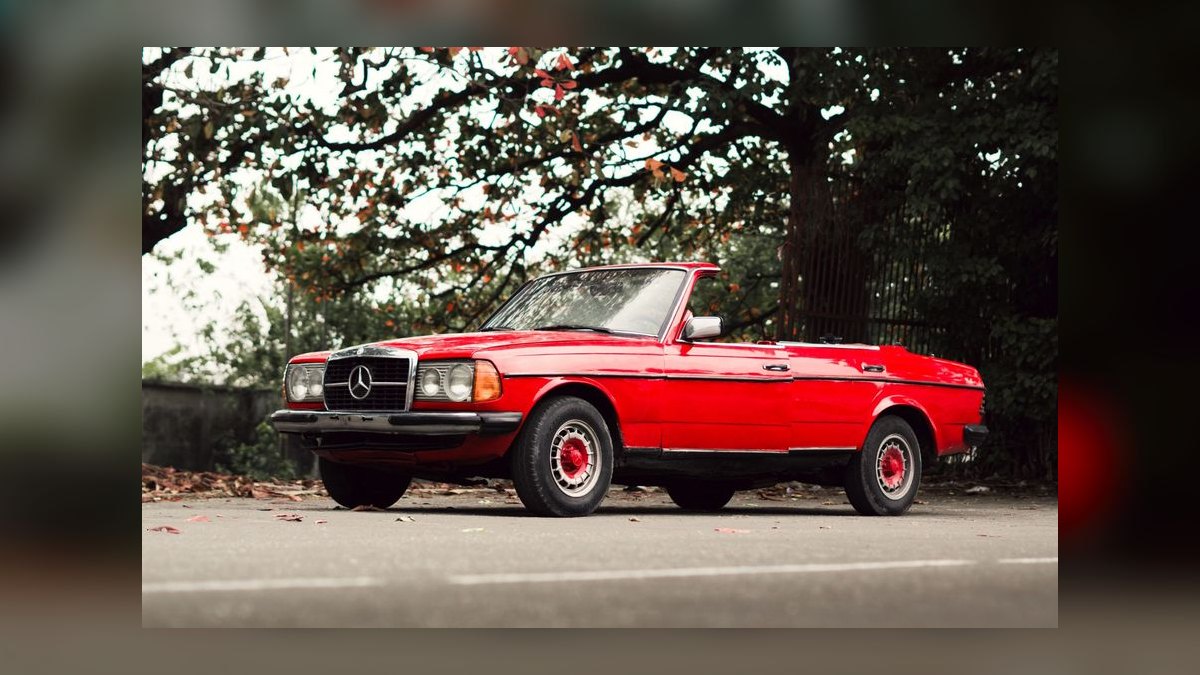
Mazda MX-5 Miata, from about $30,500. Roughly 2,350 pounds. A 181-horsepower 2.0-liter naturally aspirated four revving to 7,500 rpm, six-speed manual standard, automatic optional. Near 34 mpg combined. Two seats, no rear bench, a trunk that fits a weekend bag for two if you pack thoughtfully. Resale is the strongest in the segment by a wide margin — the MX-5 has held value better than almost any affordable sports car for three decades running, and three-year retention in the 70 to 80 percent range is typical.
Mazda MX-5 Miata Club, from about $33,200. Same engine, same weight class, but adds a limited-slip differential, Bilstein dampers, and a front shock-tower brace on manual cars. For roughly $2,700 over base you get hardware upgrades that would cost more than that to retrofit, and they measurably change turn-in response and corner-exit traction. If you intend to autocross, run track days, or simply drive hard on switchbacks, this is the trim to buy and the single best value decision available anywhere on this list.
Mazda MX-5 Miata RF, from about $34,500. Power retractable hardtop, roughly 13 seconds to cycle, about 100 pounds heavier than the soft top. Same 181-horsepower engine and the same excellent manual. Buys quieter highway cruising, better security in a city, and a roof that will not need replacing in seven years. Costs you the last few percent of roadster purity and the three-second one-handed roof flip.

Ford Mustang EcoBoost Convertible, from about $37,500. A 315-horsepower 2.3-liter turbo four, mid-five-second 0-60, near 25 mpg combined. Four seats, modern digital cockpit, identical bodywork to the GT. This is the sensible Mustang and it is genuinely underrated — you keep the presence, the seat count, and the roof mechanism while cutting fuel and insurance costs meaningfully.
Mini Cooper S Convertible, from about $37,900. A 189-horsepower 2.0-liter turbo four, front-wheel drive, near 30 mpg combined, roughly 18-second roof cycle with sunroof mode. The most usable urban convertible here. Depreciation is the weak point — Minis typically land in the 45 to 55 percent three-year retention band, notably behind the MX-5.
Volkswagen-derived hot-hatch cabriolets, roughly $39,500 where offered. A 241-horsepower turbo four driving the front wheels, manual or dual-clutch, low six-second 0-60, four usable seats. Availability of open-top Golf variants has been inconsistent across markets and model years, so verify current-year availability with a dealer before building a shortlist around one.
Chevrolet Camaro Convertible, from about $43,500 for the turbo-four trim, with V8 2SS trims sitting near the ceiling. The 6.2-liter LT1 makes 455 horsepower and runs 0-60 in about four seconds. Better handling balance than the Mustang by most accounts; worse outward visibility by every account. Note that Camaro availability has been in flux — confirm current production status for the 2027 model year rather than assuming it.

Mini John Cooper Works Convertible, from about $45,500. The 2.0-liter turbo pushed to 228 horsepower, sport suspension, uprated brakes, roughly six-second 0-60. Firm ride, small rear seats, enormous character.
Ford Mustang GT Convertible, from about $48,000. The 5.0-liter Coyote V8 at 480 horsepower, six-speed manual standard with a 10-speed automatic optional, mid-four-second 0-60, roughly seven-second power roof. Four seats, real trunk. Three-year value retention typically lands in the 55 to 65 percent range — respectable for a V8 car.
Fiat 500e Cabrio, from about $34,000 before incentives. A 117-horsepower motor, roughly 149 miles of range, partial-retracting cloth roof. Tight turning circle, silent operation, city-scoped. Range makes it a second car for most households, not a only car.
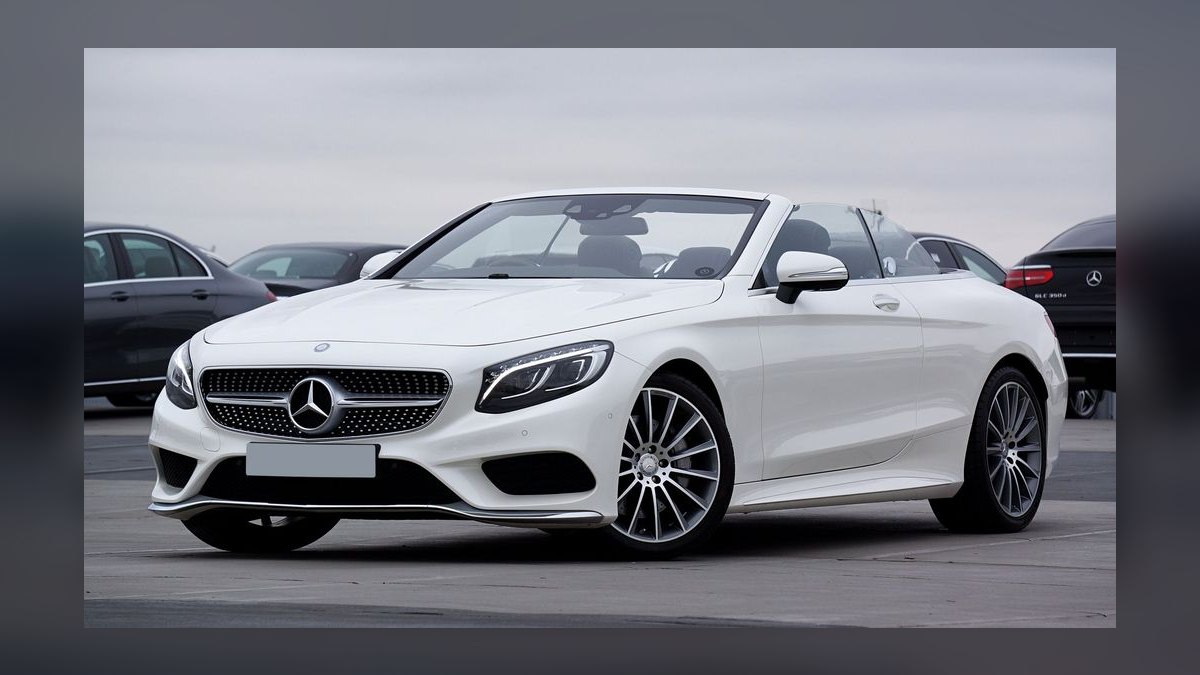
The pattern worth noticing: the price spread from cheapest to most expensive is about $17,500, but the performance spread is enormous and non-linear. You pay roughly 57 percent more to move from an MX-5 to a Mustang GT and get 165 percent more horsepower — but you also give up 40 percent of your fuel economy and every ounce of the lightness that makes the Miata special. There is no dominant option. There is only a match or a mismatch to your use case.
Buying sequence, negotiation, and the first year
Ordering matters. Buyers who follow this sequence consistently pay less and regret less than buyers who start at a dealership on a Saturday.
Step one — drive two cars from opposite camps back to back, same day. Not the same week; the same afternoon. Memory of steering weight and roof noise decays fast. The most informative pairing is an MX-5 and a Mustang GT, because they are maximally different and the contrast will resolve your priorities faster than any amount of reading. Insist on driving with the top both up and down, and on a highway stretch — wind buffeting and roof noise at 70 mph are the two things that turn a delightful test drive into a car you stop taking out.
Step two — cycle the roof yourself, three times, in the lot. Sales staff will do it for you. Decline. You need to know how the latch feels, whether you can reach it comfortably from the seat, and how much of a production it is. If a roof feels like a chore in a showroom, it will feel like an obstacle at a trailhead in March.
Step three — time the purchase against seasonality. Convertible demand is strongly seasonal in most of North America and Europe. Inventory sits in November through February and moves in April through July. The practical effect is a meaningfully softer negotiation in the off-season, particularly on outgoing-model-year units a dealer is carrying floorplan cost on. If your timeline is flexible, shopping a droptop in December is one of the few genuinely free discounts in car buying.
Step four — separate the price negotiation from the finance and add-on conversation. Settle the out-the-door vehicle number first, in writing, then discuss financing. Arrive with a pre-approval from a credit union so the dealer's finance offer competes against a real number rather than against nothing. Decline dealer-installed appearance packages and paint sealants on the spot; they carry the highest margin in the transaction and add nothing a $40 bottle of sealant does not.

Step five — budget the first-year extras before you sign, not after. For a rear-drive convertible in a snow climate: winter tires and wheels, $800 to $1,400. A quality fitted car cover if parking outside, $150 to $400. A wind deflector for the two-seaters, which meaningfully reduces cabin turbulence above 50 mph, roughly $200 to $500. For track-curious MX-5 Club buyers: a set of performance-oriented pads and fresh high-temp brake fluid before the first event, roughly $300 to $600. None of these are optional in practice; all of them are invisible at signing.
Step six — plan the exit at the entrance. The resale spread in this segment is wide enough to be worth designing around. A three-year-old MX-5 retaining 70 to 80 percent versus a comparable Mini retaining 45 to 55 percent is a difference of thousands of dollars on cars that started within $8,000 of each other. Color and transmission compound this: on enthusiast cars, manual transmissions and non-white, non-silver paint hold value noticeably better on the used market, which inverts the conventional wisdom that applies to commuter sedans.
Adjacent paths worth pricing before you commit
Two neighboring options routinely beat a new convertible for buyers who have not considered them.

The used market one tier up. A $50,000 new-car budget buys a substantially more capable convertible if you shop three-year-old inventory. The depreciation curve on premium droptops is steep — luxury convertibles from German and British makers commonly shed 45 to 55 percent of value in three years, which puts cars that stickered near $90,000 inside a $50,000 budget. The trade-off is real and should not be waved away: out-of-warranty repair on a complex power roof mechanism, adaptive dampers, or a turbocharged V8 can run into four figures quickly, and convertible-specific components — roof hydraulics, drainage channels, rear glass defroster elements — are among the least pleasant repairs to face. The rule of thumb that holds up: buy used premium only with a documented service history and a pre-purchase inspection from an independent specialist, and budget an annual maintenance reserve of roughly $1,500 to $2,500 rather than the $400 to $700 a new MX-5 will ask for.
The targa and removable-panel alternative. If what you actually want is sky above your head rather than a fully open cabin, targa tops and removable roof panels deliver most of the sensation with far less mechanical complexity, better structural rigidity, and no fabric to replace. The MX-5 RF is functionally the segment's answer here. Jeep and Bronco owners arrive at a similar place from a completely different direction — the open-air SUV has quietly absorbed a meaningful share of the buyers who would have bought a convertible two decades ago, and for households that need one vehicle to do everything, it is a defensible answer that no traditional roadster can match.
Worth noting how the segment is trending: the affordable convertible market has contracted sharply. Twenty years ago the sub-$50,000 bracket held a dozen distinct models from nearly every mainstream manufacturer. Today it holds a handful, and several of those have uncertain production futures as manufacturers redirect capital toward electrification and crossovers. The Fiat 500e Cabrio is the visible edge of where the segment goes next: small, electric, urban, and sold on charm rather than lap times. Whether a genuine electric successor to the lightweight roadster arrives is an open question — battery mass is fundamentally hostile to the 2,350-pound formula that makes the MX-5 work — and that scarcity argument is a legitimate factor in buying one now rather than waiting.
Related questions
Is the MX-5 Club worth the premium over the base MX-5?
For anyone who will drive hard on back roads, autocross, or attend track days, yes. Roughly $2,700 buys a limited-slip differential, Bilstein dampers, and a shock-tower brace — hardware that costs more to retrofit and measurably improves turn-in and corner-exit traction. For pure boulevard cruising, the base car is fine.
Can a convertible be a household's only car?
The Mustang and Camaro can, with four seats and a real trunk, provided you add winter tires in a snow climate. The MX-5 and the Fiat 500e realistically cannot — two seats and minimal cargo space, or limited range, make them second cars for most households.
How much does replacing a convertible soft top cost?
Typically $1,500 to $3,000 installed, depending on material and whether the rear window includes a heating element. Cars garaged year-round often go a decade without needing one; cars parked outdoors in extreme sun or freeze-thaw climates may need replacement in five to seven years.
Does a manual transmission help resale on these cars?
On enthusiast convertibles, yes — noticeably. Manual MX-5s and Mustang GTs command a premium on the used market because the buyer pool for those specific cars skews toward drivers who want the third pedal. The inverse is true for mainstream commuter vehicles.
Are power hardtops less reliable than soft tops?
They have more failure points — motors, hydraulics, sensors, and latches — but modern implementations are generally durable. The practical difference is repair cost: a soft-top issue is often fabric or a cable, while a hardtop fault can involve a motor or control module and cost several times as much.
FAQ
Which convertible under $50,000 is best for a first-time sports car buyer?
The Mazda MX-5 Miata, in base or Club trim. Its power level is low enough to be forgiving while you build skill, its balance is neutral and communicative rather than snappy, insurance is affordable, and resale is strong enough that if the car turns out not to suit you, exiting is inexpensive. Very few first cars punish mistakes as gently.
Do any convertibles under $50,000 offer all-wheel drive?
Not meaningfully in this bracket in 2027. The roadsters and pony cars are rear-wheel drive, the Mini is front-wheel drive, and the Fiat 500e is front-driven. If all-weather traction is a hard requirement, the practical answer is a front-wheel-drive convertible plus winter tires, or shifting to an open-air SUV like a Wrangler or Bronco.
How much rear-seat space do the four-seat convertibles actually have?
Enough for adults on short trips and genuinely fine for children. The Mustang and Camaro rear benches are usable for a lunch run or an airport drop but tight for anything over an hour, particularly with the top up where headroom is constrained by the folded roof stack. Treat them as occasional seats, not commuting seats.
Is a convertible noticeably less safe than a coupe?
Modern convertibles include reinforced A-pillars and pop-up rollover protection behind the seats, and they are engineered to the same crash standards as their fixed-roof siblings. The real differences are practical rather than structural: worse outward visibility with the top up, and higher theft and vandalism exposure with a fabric roof in urban parking.
What is the cheapest way into open-top driving in 2027?
The used market. A well-maintained previous-generation MX-5 or a used Mini Convertible can be found well under half the price of a new equivalent, and the MX-5 in particular has a deep parts supply, strong independent specialist network, and an enthusiast community that keeps maintenance knowledge accessible. Budget for a pre-purchase inspection and a roof condition check.
Should I wait for more electric convertibles?
Probably not, if you want a driver's car. Battery mass runs directly counter to the lightweight formula that makes affordable roadsters compelling, and no manufacturer has publicly committed to a mass-market lightweight electric roadster at this price point. The Fiat 500e Cabrio shows the near-term shape of electric droptops: small, urban, and range-limited.
Sources
- https://www.mazdausa.com/vehicles/mx-5-miata
- https://www.ford.com/cars/mustang/
- https://www.chevrolet.com/performance/camaro
- https://www.miniusa.com/model/convertible.html
- https://www.fueleconomy.gov/
- https://www.iihs.org/ratings
- https://www.edmunds.com/car-reviews/
- https://www.caranddriver.com/mazda/mx-5-miata
- https://www.kbb.com/car-values/
Related on PULSE
- [Top 10 Convertibles Under $50,000 in 2027](/knowledge/ca0989)
- [Best Used Convertibles Under $50,000 in 2027 (Ranked)](/knowledge/ca0855)
- [Best Used Convertibles Under $40,000 in 2027 (Ranked)](/knowledge/ca0835)
- [Best Used Convertibles Under $35,000 in 2027 (Ranked)](/knowledge/ca0955)
- [Best Used Convertibles Under $30,000 in 2027 (Ranked)](/knowledge/ca0815)
- [Best Used Convertibles Under $25,000 in 2027 (Ranked)](/knowledge/ca0795)
This page will be disappearing soon. Save it to your device for $1 — or read it free while it is here.
@Kory-White- · if Venmo asks, the last 4 of my number are 2012
 pulse-carsBest Used Coupes Under $40,000 in 2027 (Ranked)
 pulse-carsBest Acura NSX Generations (Ranked) in 2027
 pulse-carsTop 10 Mid-Size Sedans 2027 — Best Overall + Best Value
 pulse-carsTop 10 Sports Cars 1989 — Best Overall + Best Value
 pulse-carsBest Chevrolet Equinox Model Years (Ranked) in 2027
 pulse-carsTop 10 Luxury Pickup Trucks 2026 — Best Overall + Best Value
 pulse-carsTop 10 Hybrid Minivans in 2027
 pulse-carsBest Ford Escape Model Years (Ranked) in 2027
 pulse-carsBest Hyundai Ioniq 5 Model Years (Ranked) in 2027
 pulse-carsBest Nissan Titan Model Years (Ranked) in 2027