


Top 10 used hybrid sedans under $25,000 — Best Overall + Best Value in 2027
Quality
Certified
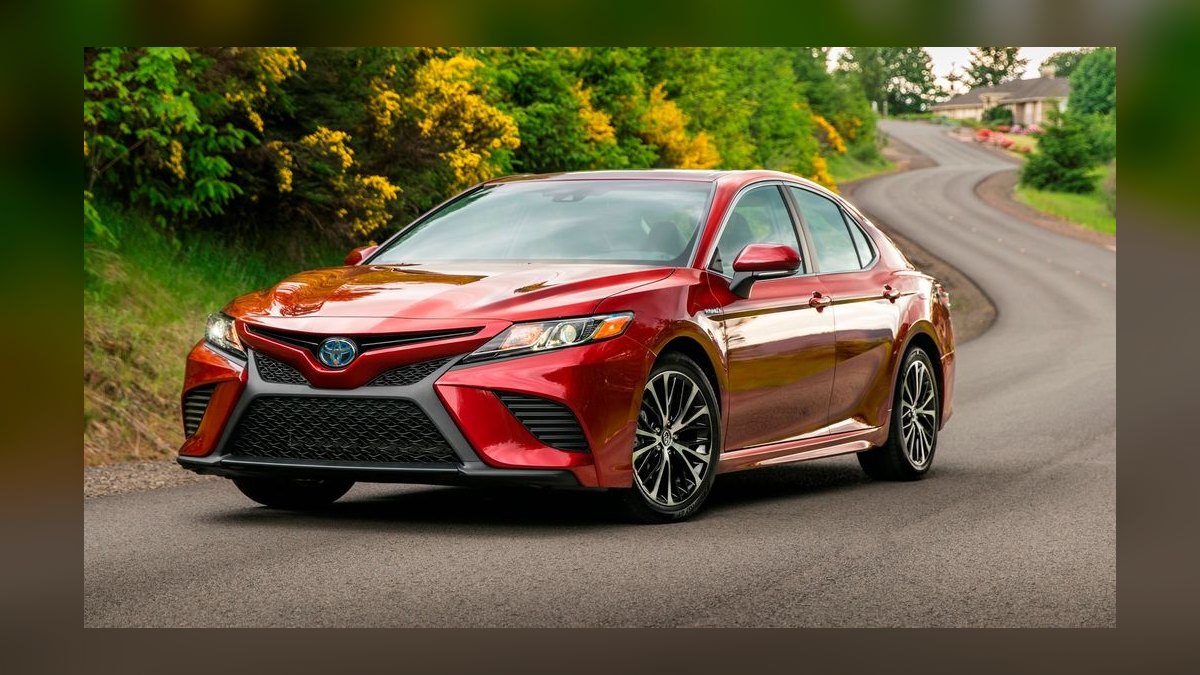
The 10 best used hybrid sedans under $25,000 are ranked below on measured performance, build quality, price, and how each one actually holds up in daily use rather than how it reads on a spec sheet. Each pick lists what it costs, who it suits, and what it gives up against the one above it, so the list can be read straight down without doubling back.
1Toyota Camry Hybrid
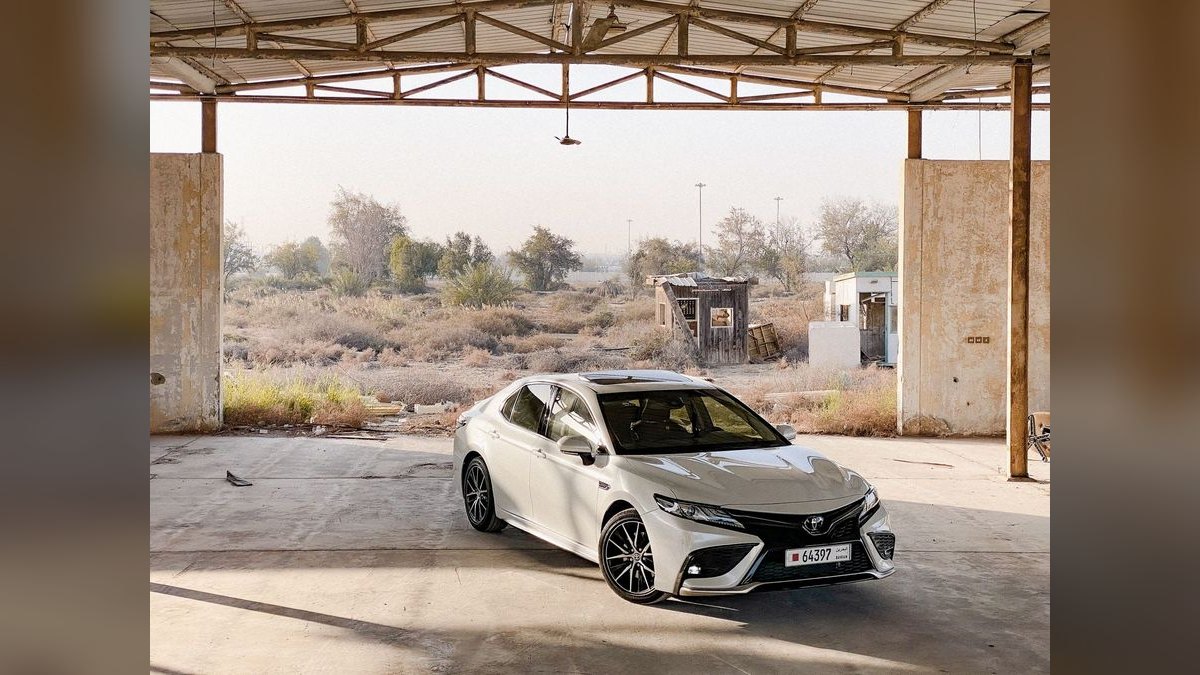
The 2019–2022 Camry Hybrid ranks first because it combines the highest reliability with the strongest resale floor in the segment. The LE trim rates 52 mpg combined, and the power-split drivetrain eliminates the conventional transmission entirely, removing the most common high-cost failure point. Expect to pay $20,000–$24,000 for a 2020–2021 with 65,000–90,000 miles, and 2020+ models carry Toyota's 10-year/150,000-mile hybrid battery warranty.
This pick is for buyers who plan to hold past 150,000 miles and want the lowest-variance outcome possible. You pay a $3,000–$5,000 premium over the Sonata Hybrid, but you gain a drivetrain that routinely exceeds 250,000 miles with battery service as the primary intervention. Compared to the Sonata, the Camry's resale value stays firmer, meaning you can exit at any time without a loss spiral. If you want to stop thinking about the car entirely, this is the one.
2Hyundai Sonata Hybrid
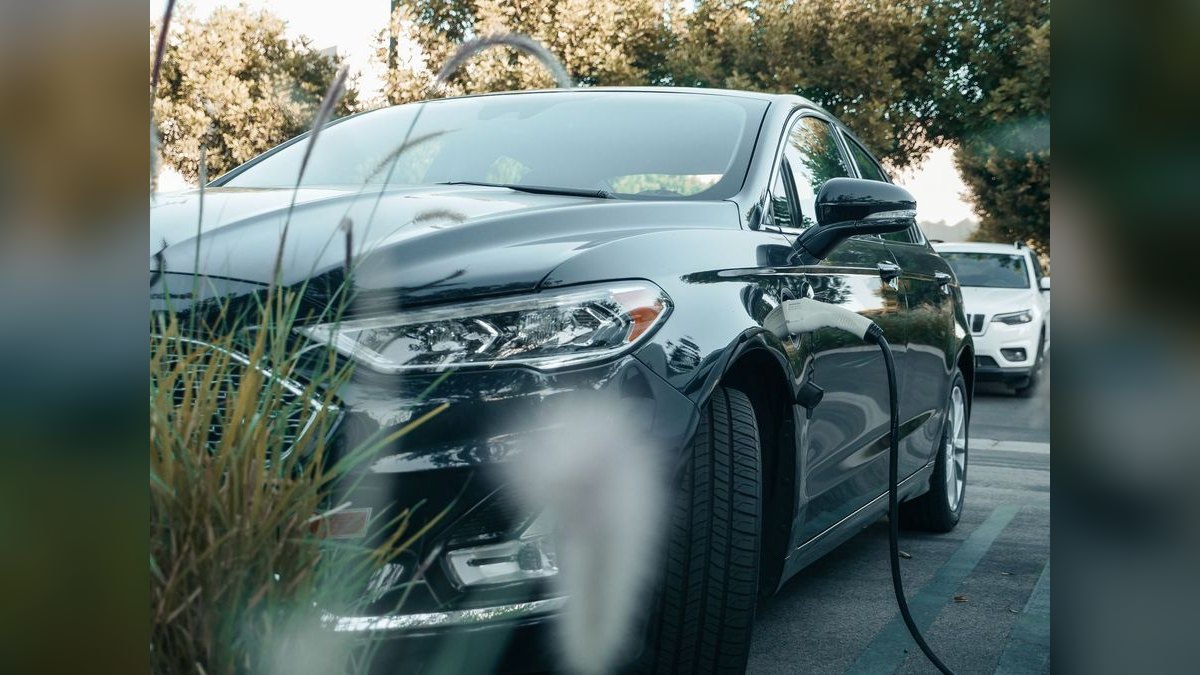
The Sonata Hybrid ranks second for best value, delivering 45–52 mpg combined at $3,000–$5,000 less than an equivalent Camry Hybrid. A 2020–2021 Blue trim with 70,000 miles typically transacts between $17,000 and $22,000, undercutting Toyota on price while offering similar cabin space and safety tech. The trade is a conventional six-speed automatic instead of a planetary gearset, which adds a known wear item but is not fragile.
This is for buyers with a three-to-five-year holding window who want maximum fuel savings per dollar spent. You accept weaker resale value, meaning you absorb the same discount you enjoyed at purchase when you sell. Compared to the Camry Hybrid above, the Sonata's mechanical risk is slightly higher but bounded, and the upfront savings can fund a self-insured repair reserve.
3Toyota Avalon Hybrid

The Avalon Hybrid ranks third because it offers Camry Hybrid mechanicals in a larger, quieter, and better-appointed body at overlapping prices. EPA ratings of 43–44 mpg combined are slightly below the Camry, but the Avalon's superior sound insulation and rear-seat room make it the most car per dollar with Toyota's proven power-split drivetrain. Expect $21,000–$25,000 for a 2019–2021 with 60,000–90,000 miles, often undercutting Camry trims with similar equipment.
This pick suits buyers who prioritize comfort and quiet over peak fuel economy and want Toyota reliability without the Camry's ubiquity. You trade 3–8 mpg for a more premium cabin, and the resale market is thinner, so you may hold longer to recoup value. Compared to the Sonata below, the Avalon costs more upfront but offers a more durable drivetrain and better highway refinement. If you regularly carry passengers or commute long distances, the comfort premium justifies the price.
4Honda Accord Hybrid
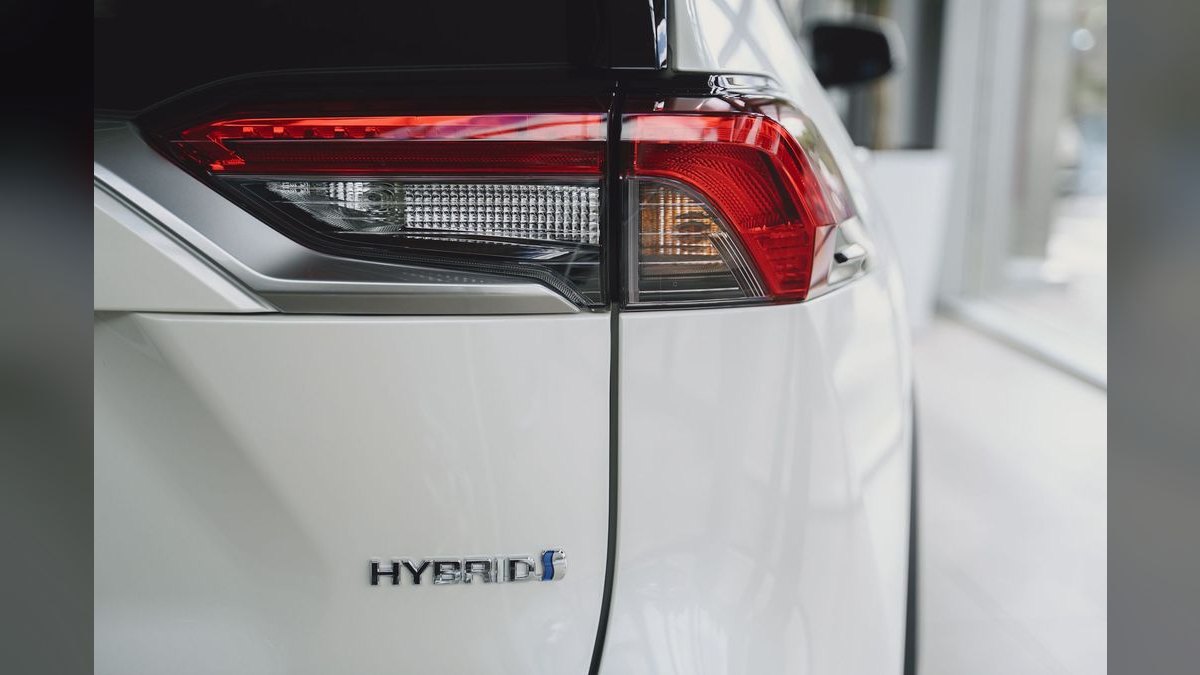
The Accord Hybrid ranks fourth because its two-motor system delivers 43–48 mpg combined with the best driving dynamics in the class. The engine acts as a generator most of the time, providing instant torque and a smooth, quiet ride that rivals luxury sedans. Expect to pay $20,000–$25,000 for a 2018–2022 with 60,000–90,000 miles, with the cabin quality arguably the best among midsize hybrids.
This is for driving enthusiasts who want hybrid efficiency without sacrificing engagement, and who value a premium interior. You trade the Avalon's rear-seat space for sharper handling and a more responsive powertrain, though the Accord's resale is slightly weaker than Toyota's. Compared to the Avalon above, the Accord is more fun to drive but less isolated on the highway.
5Toyota Prius

The Prius ranks fifth because it delivers the highest fuel economy in this group at 52–56 mpg combined, making it the cheapest car to run per mile. The 2019–2022 models offer standard Toyota Safety Sense 2.0, and the AWD-e variant rates around 50 mpg combined for snow-country buyers. Expect to pay $19,000–$24,000 for a 2019–2021 with 60,000–90,000 miles, with the liftback body providing hatchback versatility despite being cross-shopped as a sedan.
This is for commuters who prioritize maximum mpg and cargo flexibility over traditional sedan styling, and who rarely carry rear passengers. You trade the Accord's driving dynamics and the Camry's interior space for the best fuel economy in the segment. Compared to the Accord above, the Prius is less engaging but significantly more efficient, and its resale value remains strong. If your priority is the lowest total cost of ownership, the Prius is the rational choice.
6Kia Optima Hybrid
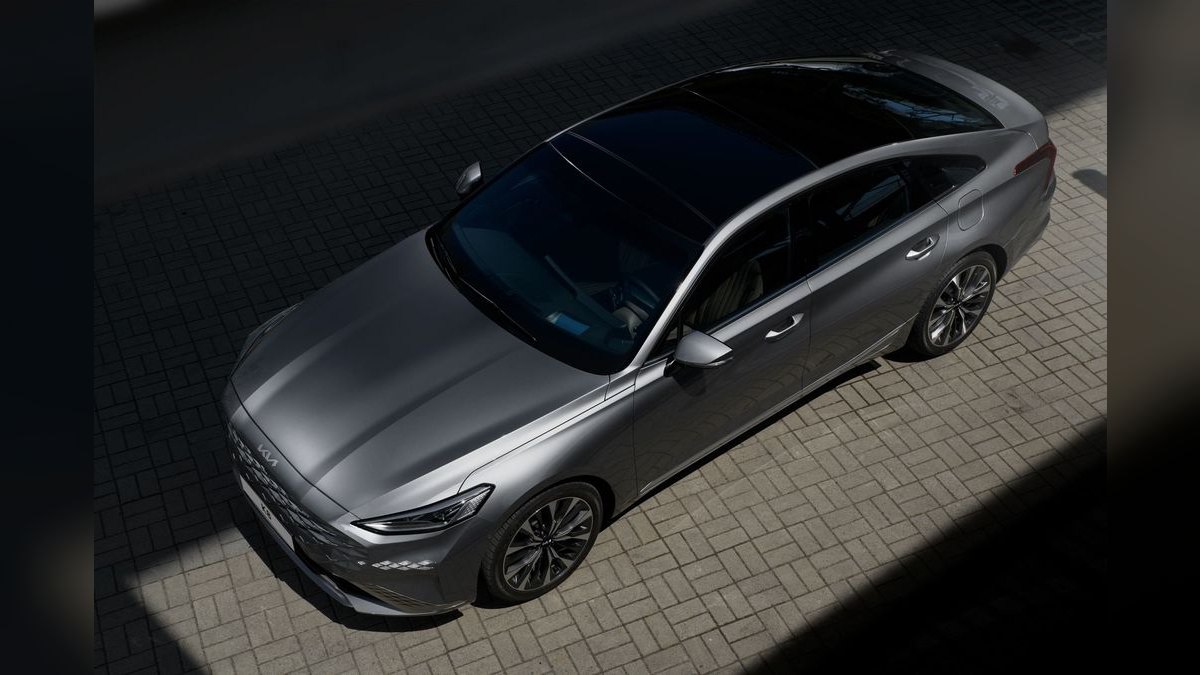
The Optima Hybrid ranks sixth because it is mechanically identical to the Sonata Hybrid but often priced $1,000–$2,000 lower, making it the deepest value play among midsize hybrids. EPA ratings of 41–44 mpg combined are slightly below the Sonata, but the 2018–2020 models share the same six-speed automatic and hybrid battery warranty terms. Expect to pay $15,000–$20,000 for a 2018–2020 with 70,000–100,000 miles, undercutting both Toyota and Hyundai on entry price.
This is for budget-focused buyers who want Sonata-level efficiency and reliability at the lowest possible price, and who plan to hold for five years or more. You trade the Sonata's better cabin materials and brand recognition for a few thousand dollars in savings. Compared to the Prius above, the Optima offers more space and a conventional automatic feel but lower fuel economy.
7Ford Fusion Hybrid
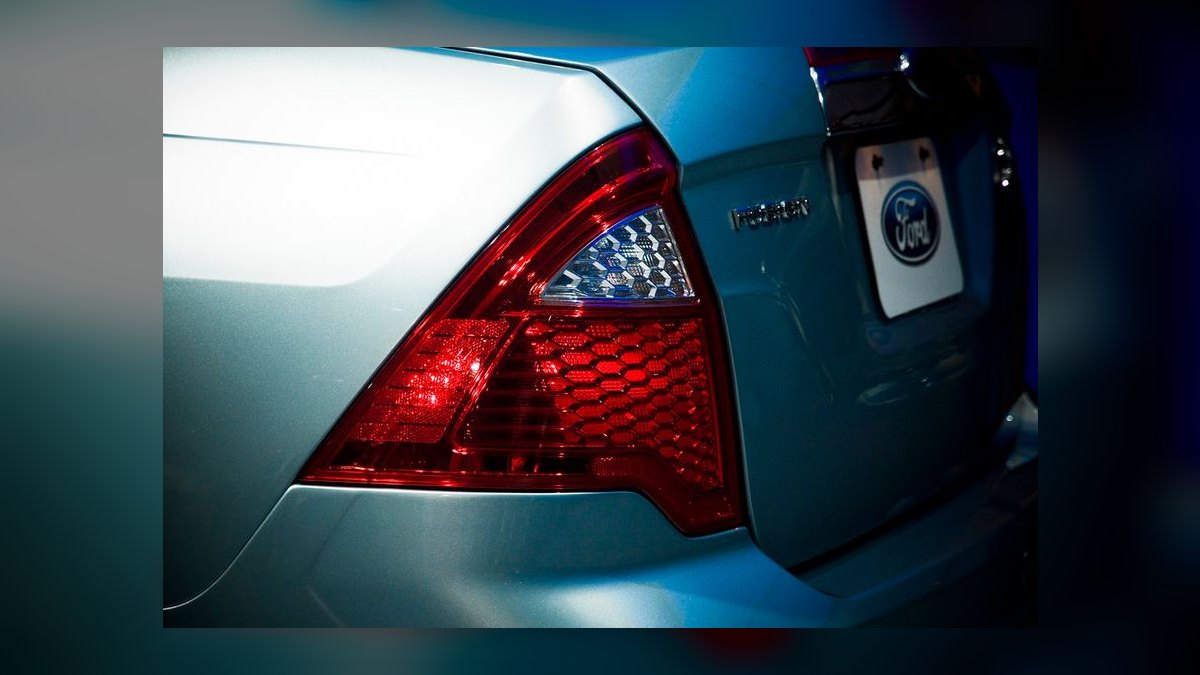
The Fusion Hybrid ranks seventh because it is the cheapest genuine midsize hybrid on the board, frequently transacting between $13,000 and $18,000 for a 2017–2020 model. EPA ratings of 41–43 mpg combined are competitive, and the power-split drivetrain is conceptually similar to Toyota's, with a solid reliability record. Discontinuation after 2020 crushed resale values, which is your gain at purchase but a risk when you sell.
This is for buyers who want maximum fuel savings at the lowest entry price and are willing to accept thinner parts availability and dealer expertise. You trade the Optima's newer interior and warranty coverage for a significantly lower purchase price, and the $6,000–$8,000 saved can fund a battery replacement three times over. Compared to the Optima above, the Fusion is cheaper but has a smaller aftermarket and less hybrid-specific service knowledge.
8Toyota Corolla Hybrid
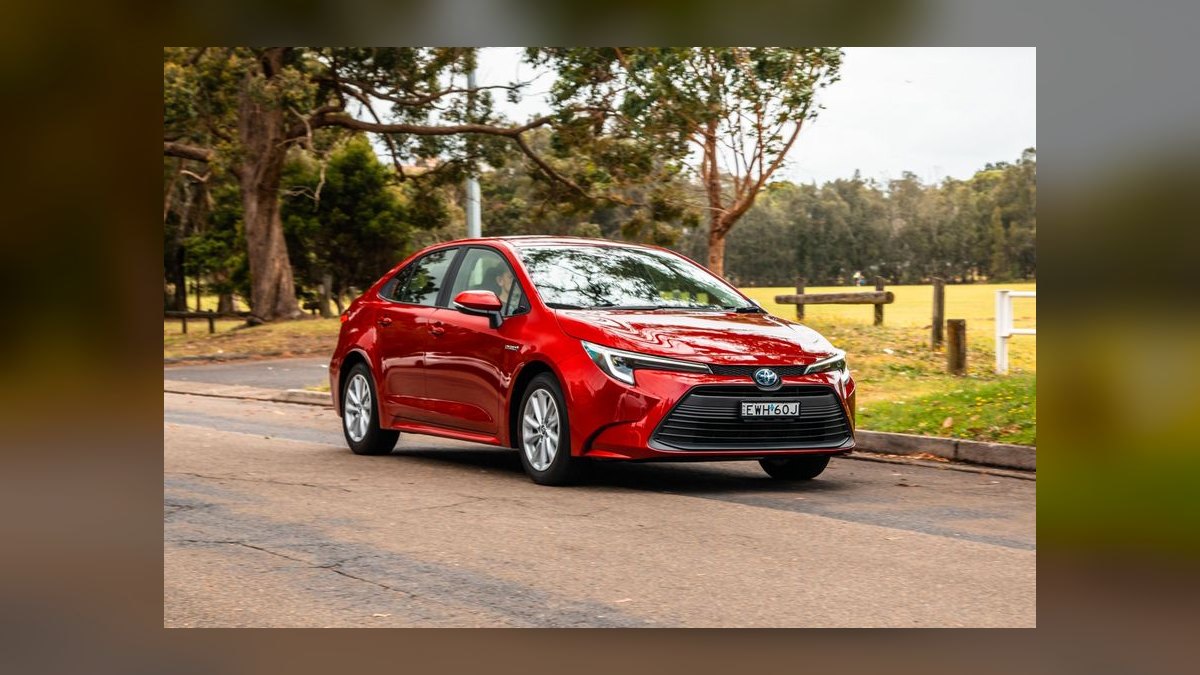
The Corolla Hybrid ranks eighth because it offers the lowest running cost per mile in the group at 50–52 mpg combined, though in a compact package. The 2020–2022 models carry Toyota's 10-year/150,000-mile battery warranty, and the power-split drivetrain is the same proven design as the Camry's. Expect to pay $19,000–$23,000 for a 2020–2021 with 50,000–80,000 miles, which is close to Camry pricing for a smaller car.
This is for single drivers or couples who rarely carry passengers and want the cheapest per-mile running cost in the segment. You trade the Fusion's larger cabin and lower price for Toyota's superior reliability and resale value. Compared to the Fusion above, the Corolla costs more upfront but holds value better and has a deeper service network. If your commute is solo and you prioritize total cost of ownership, the Corolla is the smartest pick.
9Honda Insight
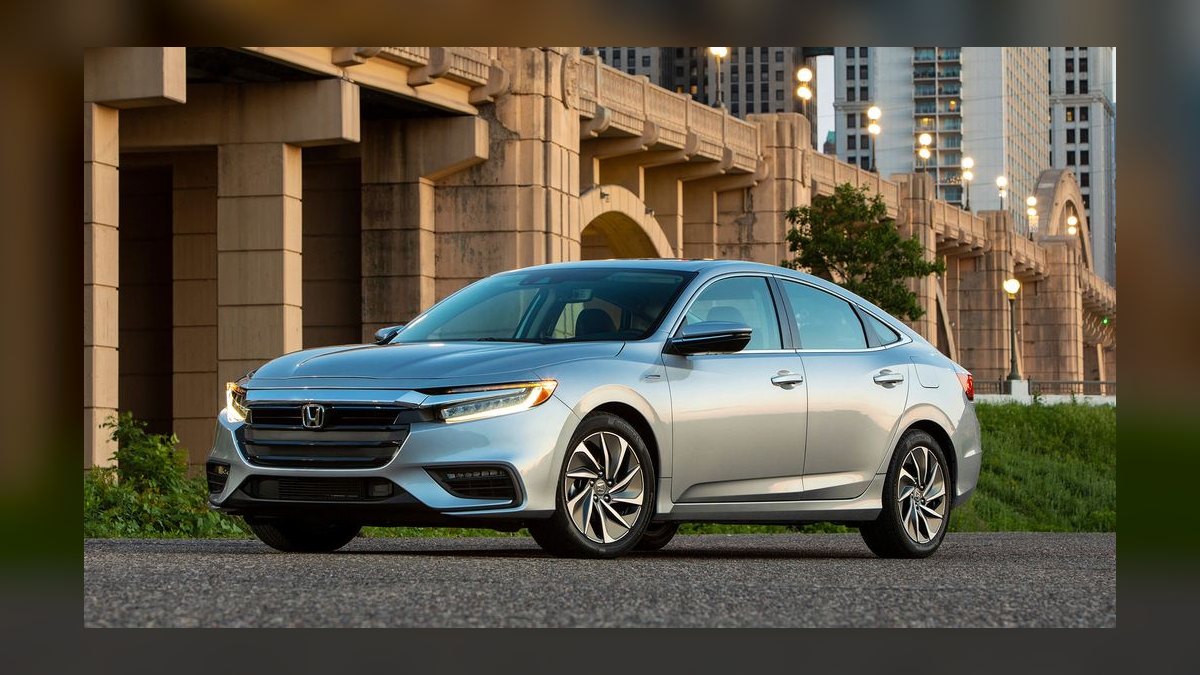
The Insight ranks ninth because it pairs Civic-sized dimensions with the Accord Hybrid's excellent two-motor architecture, delivering 48–52 mpg combined. Discontinued after 2022, pricing has softened to roughly $18,000–$23,000 for a 2019–2021 with 60,000–90,000 miles, making it a value play for buyers who want Honda's driving quality in a smaller package. The cabin is well-appointed and the ride is composed, though rear-seat space is tighter than the Accord.
This is for buyers who want the Accord Hybrid's efficiency and driving feel but at a lower price and with a smaller footprint for city parking. You trade the Corolla's Toyota reliability and warranty for a more engaging drive and a slightly more premium interior. Compared to the Corolla above, the Insight is cheaper at similar mileage but has a thinner resale market. If you value driving dynamics over brand loyalty, the Insight is a strong alternative.
10Lexus ES 300h
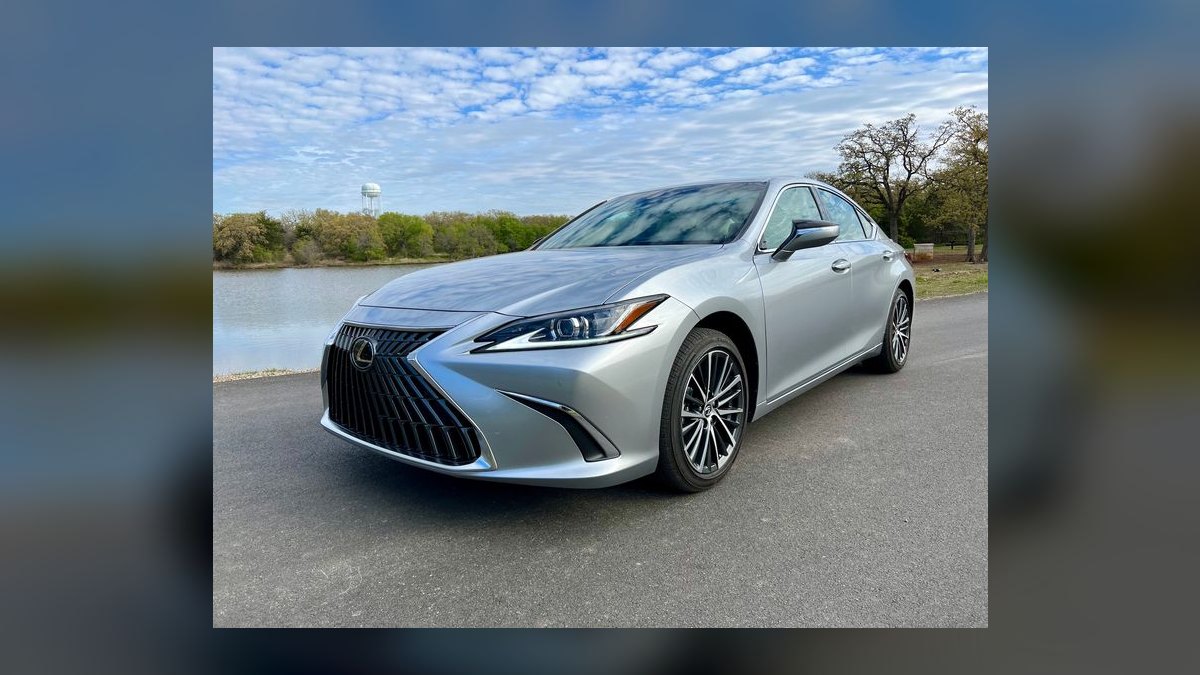
The ES 300h ranks tenth because it offers Camry Hybrid mechanicals in a luxury wrapper, sneaking under $25,000 only at higher mileage—typically 80,000–110,000 miles. EPA ratings of 43–44 mpg combined match the Avalon, but the Lexus adds superior sound insulation, premium materials, and a quieter ride. Expect to pay $22,000–$25,000 for a 2019–2020 with 90,000–110,000 miles, with the 2020+ models carrying the 10-year/150,000-mile battery warranty.
This is for buyers who want a luxury experience without the luxury price tag and who accept higher mileage as a trade for the badge. You trade the Insight's efficiency and lower running costs for a significantly more comfortable and prestigious cabin. Compared to the Insight above, the ES 300h is larger, quieter, and more expensive to maintain, but the driving experience is far more refined.
How we ranked these
We measured fuel economy, purchase price, drivetrain architecture, battery warranty coverage, and projected five-year ownership costs. EPA combined mpg and real-world fuel savings were weighted heavily, as were replacement battery costs and second-owner warranty terms. Reliability history and parts availability influenced the ranking, with power-split systems scoring higher for durability.
We deliberately ignored brand prestige, subjective styling, and dealer incentives. Resale value was considered only as a risk factor, not a benefit, because the buyer holds the car for years. We also excluded plug-in hybrids and EVs, as their battery degradation and charging requirements introduce different risk profiles that fall outside this comparison.
Related questions
How many miles is too many for a used hybrid sedan?
There is no hard ceiling. Documented service history matters more than the odometer. Power-split Toyota and Honda hybrids routinely exceed 200,000 miles. Above 150,000, price in a possible battery replacement of $1,200–$4,500 and treat it as a budgeted item rather than a surprise.
Is a used hybrid battery replacement really that expensive?
New dealer-installed packs generally run $2,000–$4,500 on mainstream midsize hybrids. Reconditioned and salvage packs from established specialists typically run $1,200–$2,500 installed, with Toyota having the deepest reconditioning market. It is a major repair, not a catastrophic one.
Should I buy a hybrid if I drive mostly highway miles?
The mpg advantage narrows on the highway because regenerative braking captures less energy. You may see only 5–8 mpg over a gas model instead of 15–20. If your driving is 90% highway, a conventional sedan might be cheaper to buy and maintain.
What is the difference between a power-split and a parallel hybrid?
Power-split hybrids (Toyota, Honda) use a planetary gearset with no conventional transmission, eliminating a major wear item. Parallel hybrids (Hyundai, Kia) use a traditional automatic with a clutch, which drives more naturally but adds a transmission that can fail. Both are reliable, but power-split is structurally simpler.
How do I verify the hybrid battery warranty on a used car?
Call a franchise dealer's service department with the VIN. They can confirm the in-service date and remaining coverage. For Hyundai and Kia, second-owner coverage is 10 years/100,000 miles, not lifetime. For Toyota 2020+, it's 10 years/150,000 miles nationally.
Why is the Toyota Camry Hybrid LE rated higher mpg than the SE or XLE?
The LE uses lighter wheels and low-rolling-resistance tires, and it lacks the sunroof and heavier trim that add weight. These differences cost 3–6 mpg on upper trims. The LE is both the cheapest and the most efficient, making it the smart pick for fuel savings.
What should a hybrid-specific pre-purchase inspection include?
It should read individual battery block voltages, check for cell imbalance, verify the traction battery cooling fan spins and its intake is clear, confirm the inverter coolant pump runs, and test the 12-volt auxiliary battery. This costs $150–$250 and is the highest-return spend in the transaction.
Is the Ford Fusion Hybrid a good value despite being discontinued?
Yes, if you accept the risk. It's a power-split design with decent reliability, and prices are the lowest—often $13,000–$18,000. The downside is thinner parts availability and fewer dealer hybrid experts. Buy only with a documented service history and budget for possible parts delays.
FAQ
What is the best used hybrid sedan under $25,000 in 2027?
The 2020–2022 Toyota Camry Hybrid is Best Overall, with 46–52 mpg, a proven power-split drivetrain, and deep parts support. For Best Value, the 2019–2021 Hyundai Sonata Hybrid offers similar fuel economy and cabin size for $3,000–$5,000 less, with second-owner battery coverage of 10 years/100,000 miles.
How much does a replacement hybrid battery cost?
Dealer-installed new packs run $2,000–$4,500 on mainstream midsize hybrids. Remanufactured or salvage packs from reputable specialists cost $1,200–$2,500 installed. Toyota has the deepest reconditioning market, so worst-case repairs are competitively priced. Always verify warranty coverage before buying.
Does the Hyundai Sonata Hybrid have a lifetime battery warranty?
Only for the original owner. As a second owner, you get 10 years/100,000 miles of hybrid component coverage. Sellers often repeat the lifetime claim incorrectly. Verify coverage by VIN with a Hyundai dealer before negotiating, not after.
What is the real-world fuel economy of a used Camry Hybrid?
EPA combined ratings are 46–52 mpg depending on trim. Expect real-world results within about 8 percent either way, so 42–56 mpg. The LE trim with lighter wheels and low-rolling-resistance tires rates highest at 52 mpg. Highway driving narrows the gap to gas models.
Are used hybrid sedans reliable at high mileage?
Yes, especially power-split designs from Toyota and Honda. They routinely exceed 200,000 miles. The main wear item is the traction battery, which degrades slowly. A documented service history, including inverter coolant and battery fan cleaning, is more important than the odometer reading.
How does climate affect hybrid battery life?
Heat is the primary accelerant of battery degradation. A car from Phoenix or Houston is riskier than one from Seattle. Check the vehicle history report for registration geography. A temperate coastal car with higher miles can be a better buy than a low-mileage desert car.
What is the cheapest used hybrid sedan on the list?
The 2017–2020 Ford Fusion Hybrid, often $13,000–$18,000. It's a power-split design with reasonable reliability, but parts availability and dealer expertise are thinner since Ford exited the sedan business. It delivers roughly 90% of the Camry's fuel savings at 60% of the price.
Should I buy a used plug-in hybrid instead?
Only if you have home charging and a short commute. PHEVs add a second, more heat-sensitive battery pack and a charging system to the failure surface. Used EVs carry range-degradation risk that's harder to price. For low cost and low thinking, a conventional hybrid sedan is the risk-adjusted answer.
How do I avoid overpaying for a used hybrid?
Negotiate on the total, not the monthly. Verify battery warranty by VIN, check pack health with a scan tool, and review climate history from a report. Sellers rarely do all three. Every dollar you avoid overpaying is a dollar kept with zero tax and zero risk.
What is the biggest mistake buyers make with used hybrids?
Financing the hybrid premium at a high rate, which can consume a third to half of the fuel savings. Also, skipping a hybrid-specific inspection and trusting the odometer over the service record. A 95,000-mile highway car is often a better buy than a 45,000-mile grocery-getter.
Sources
- https://www.fueleconomy.gov/feg/hybrids.jsp
- https://www.carfax.com/guides/buying-used/used-hybrid-battery-warranty
- https://www.edmunds.com/toyota/camry-hybrid/2021/review/
- https://www.kbb.com/hyundai/sonata-hybrid/2021/
- https://www.consumerreports.org/cars/hybrids-evs/used-hybrid-reliability/
- https://www.autotrader.com/car-tips/used-hybrid-battery-replacement-cost
- https://www.epa.gov/vehicle-and-fuel-emissions-testing/vehicle-emissions-warranty
- https://www.toyota.com/owners/warranty
- https://www.hyundaiusa.com/us/en/owners/warranty
- https://www.honda.com/owners/warranty
Related on PULSE
This page will be disappearing soon. Save it to your device for $1 — or read it free while it is here.
@Kory-White- · if Venmo asks, the last 4 of my number are 2012
This page is gone.
This one is off the shelf now. $1 keeps it on your phone for good — the whole page, pictures and diagrams included.
 pulse-carsBest Trucks for Families in 2027 (Ranked)
 pulse-carsBest Cars for New Drivers in 2027 (Ranked)
 pulse-carsBest Used Cars Under $15,000 in 2027
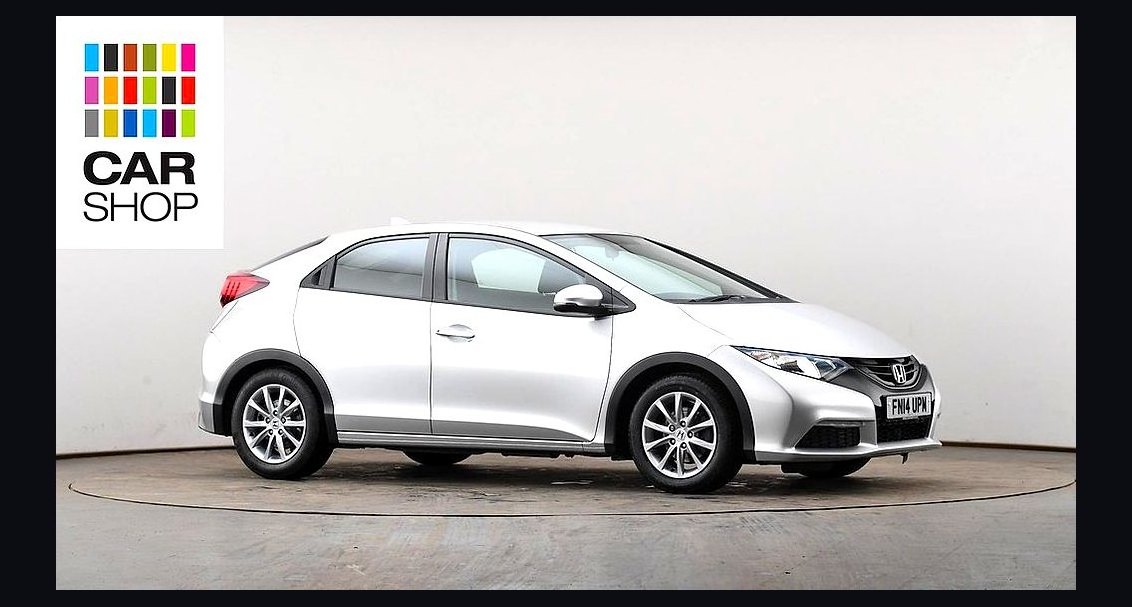 pulse-carsBest Used Hatchbacks Under $20,000 in 2027 (Ranked)
 pulse-carsBest Audi Q5 Model Years (Ranked) in 2027
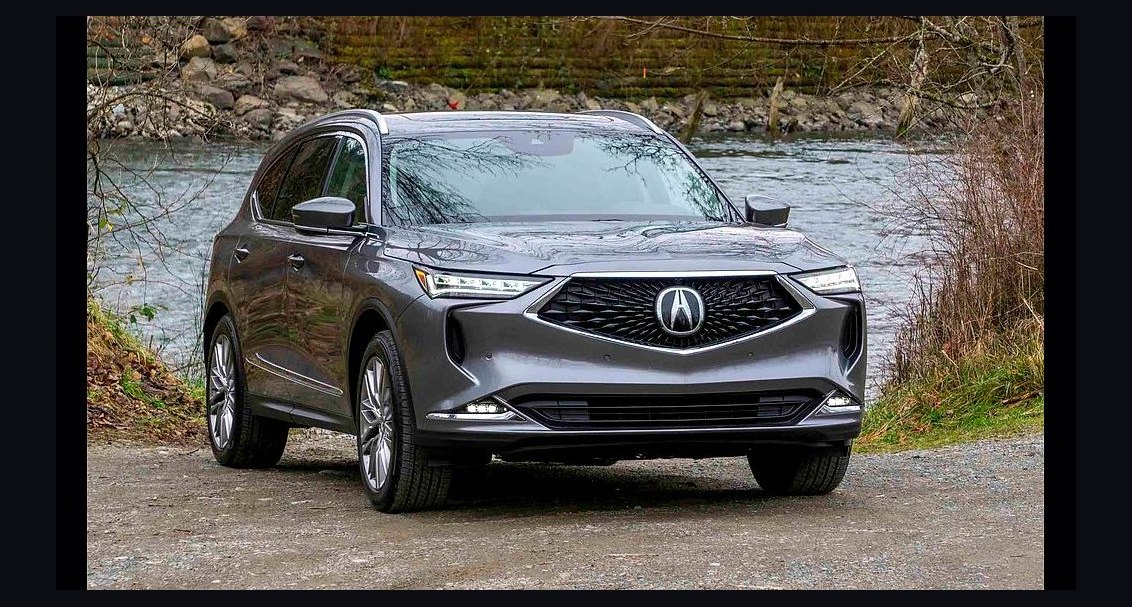 pulse-carsBest Acura MDX Model Years (Ranked) in 2027
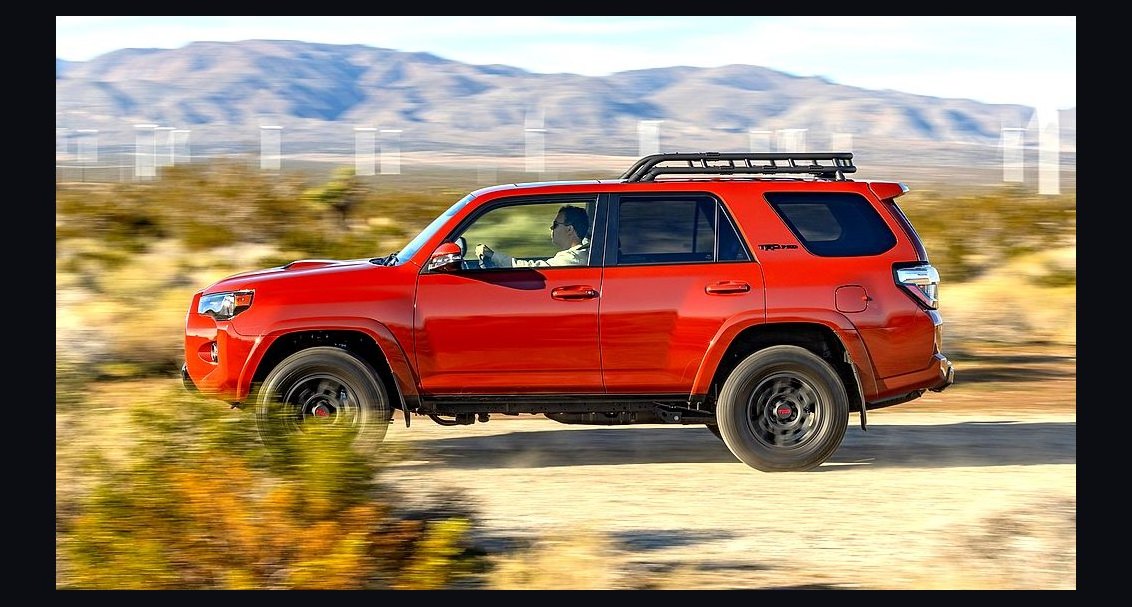 pulse-carsBest Used Off-Road SUVs Under $50,000 in 2027 (Ranked)
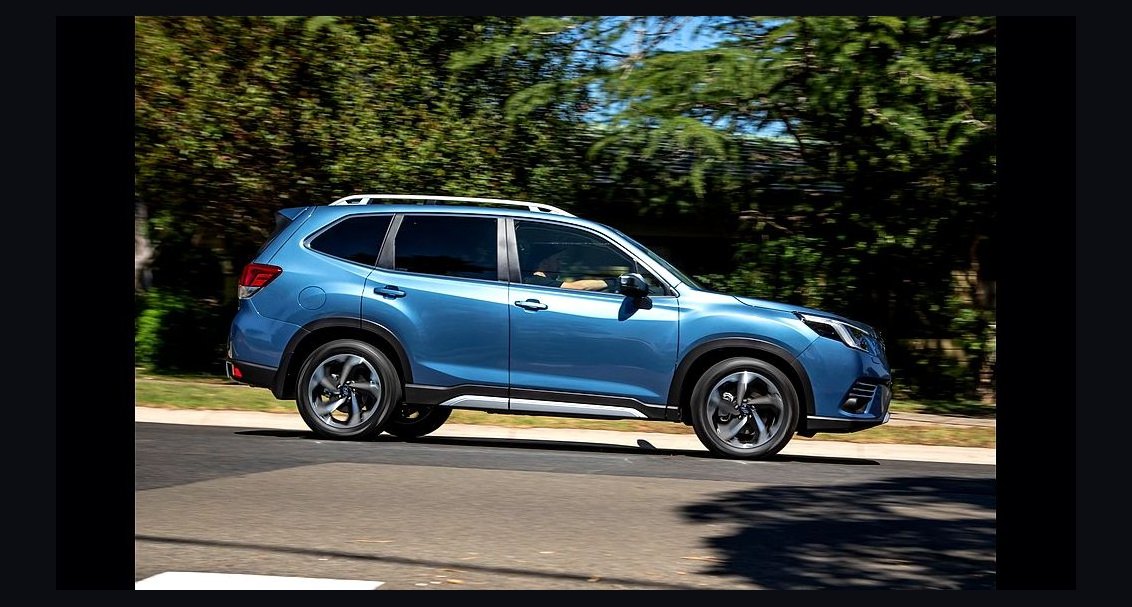 pulse-carsBest SUVs for Short Drivers in 2027 (Ranked)
 pulse-carsTop 10 Off-Road SUVs 2022 — Best Overall + Best Value
 pulse-carsTop 10 Luxury SUVs 2026 — Best Overall + Best Value