


Best Hot Hatchbacks Under $30,000 in 2027
Quality
Certified
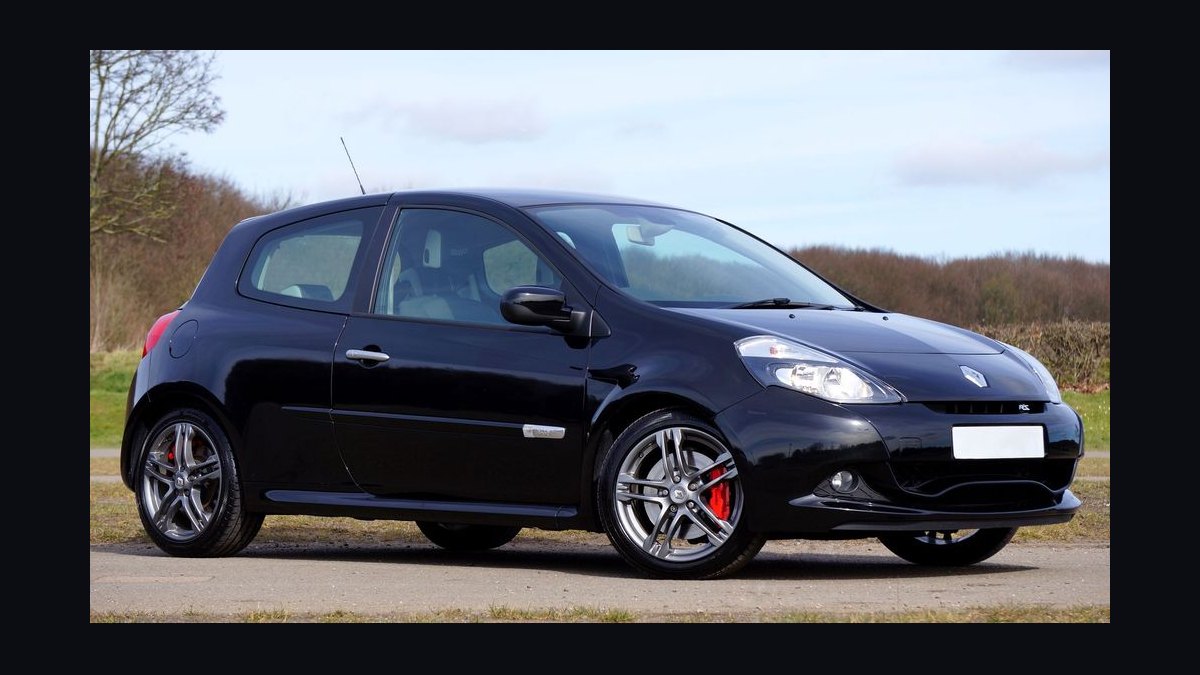
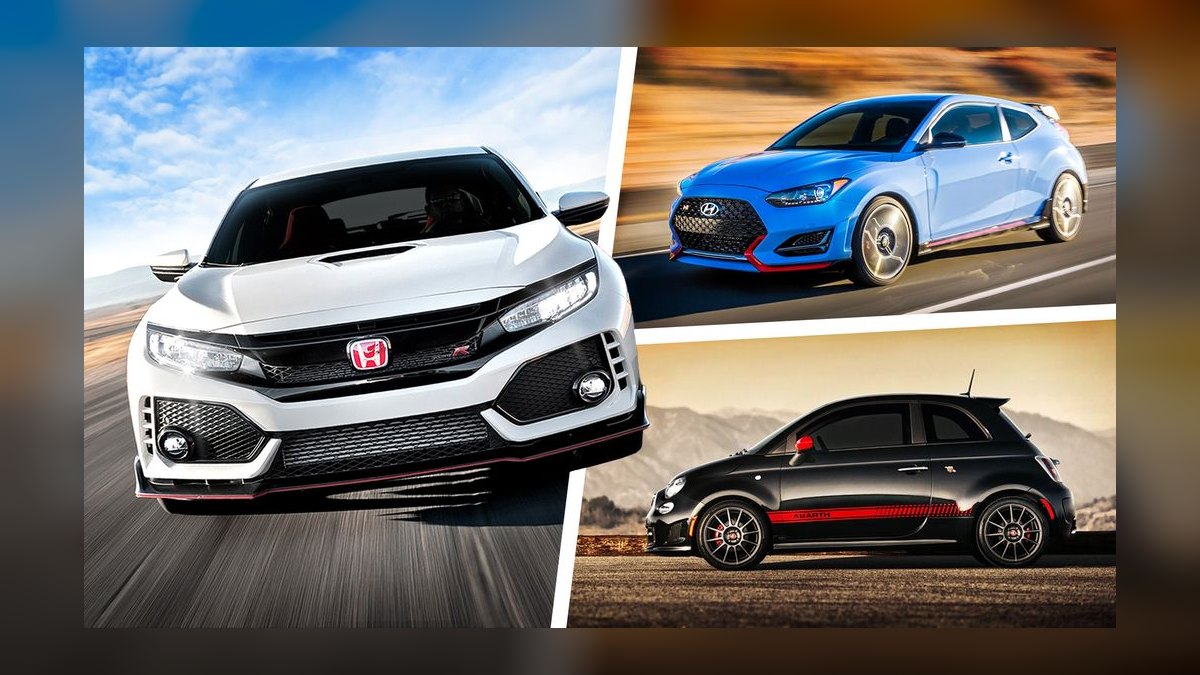
The best hot hatchbacks under $30,000 in 2027 are the Volkswagen Golf GTI, Honda Civic Si, Hyundai Elantra N, Toyota GR Corolla entry grade, and Mini Cooper S. Expect 200–300 horsepower, manual or dual-clutch gearboxes, and real out-the-door costs 8–12% above sticker once tax, title, and destination fees land.
What a hot hatchback is and why the $30,000 ceiling matters
A hot hatchback is a compact, front-driven car given a performance engine, stiffer springs, larger brakes, and grippier tires without sacrificing the folding rear seats and liftgate that make it practical. The formula dates to the late 1970s and has survived every wave of enthusiast-car extinction because it does something no other body style does at this price: it carries four adults and a bicycle, then corners hard enough to embarrass cars costing twice as much. Hatchbacks remain the only performance vehicle most people can justify as their single car, and that is precisely why the segment refuses to die.
The under-$30,000 ceiling matters more in 2027 than it did a decade ago because it is now a genuinely narrow band. Average new-vehicle transaction prices in the United States have sat well above $45,000 in recent years, which means a $30,000 cap no longer buys "a normal car with a sport package." It buys the last surviving affordable performance cars, and only if you shop the trim ladder carefully. Several nameplates that once sat comfortably under the line now start above it in fully loaded form, and the difference between a car that qualifies and one that does not is usually a single option package or a destination charge.
That is the first practical lesson. When you set a $30,000 budget for a hot hatchback, you are not choosing between models so much as choosing between configurations. The base Volkswagen Golf GTI with a manual, no sunroof, no leather, and the entry wheel package is a fundamentally different purchase decision from the same car in top trim, and the two can be separated by $8,000 or more. The same is true of the Honda Civic Si, historically offered as essentially one well-equipped trim precisely to keep pricing predictable, and of the Hyundai Elantra N, which is technically a sedan in its current form but competes directly for the same buyer and the same money.
Two adjacent categories bleed into this decision and are worth naming up front, because ignoring them costs buyers money. The first is the warm hatch: cars like the Volkswagen Golf in non-GTI form, the Mazda3 Turbo, or the Subaru Impreza in its sportier trims. These give up 40 to 80 horsepower and much of the chassis hardware but land $4,000 to $7,000 lower, which puts them comfortably inside the budget with room for tires and insurance. The second is the certified pre-owned performance car. A two- or three-year-old Golf R, Civic Type R, or Toyota GR Corolla in a higher trim frequently lands under $30,000 once the first depreciation curve has flattened, and those cars bring all-wheel drive, more power, and better brakes than anything new at the same money.
The trade-off between those three paths — new entry-trim hot hatch, new warm hatch, or used higher-tier performance car — is the actual decision. Everything else is preference. A new car gives you a full factory warranty, current infotainment, and the ability to specify exactly the color and gearbox you want. A used performance car gives you more mechanical capability per dollar but arrives with unknown maintenance history, potentially worn tires and brakes that cost $2,000 to $3,000 to refresh, and a warranty clock that is already running. A warm hatch gives you most of the practicality and daily usability at a price that leaves budget for winter tires, a track day, or simply a smaller monthly payment.
Practicality is not a footnote here. The reason enthusiasts keep returning to the hatchback format rather than buying a small coupe or a used sports car is that the hot hatch is the only performance vehicle most people can justify as their single car. Cargo volume behind the rear seats typically runs in the 19 to 25 cubic foot range for compact hatches, expanding to well over 50 cubic feet with the seats folded. That is enough for a full grocery run, a set of track wheels, a bicycle with the front wheel removed, or a weekend's luggage for four. Compare that to a similarly priced sports coupe, where you are choosing between the passenger seat and your suitcase.
The step-by-step process for buying one under the cap
Buying a hot hatchback inside a hard $30,000 ceiling is a repeatable process, and treating it as one is what separates buyers who land the car they wanted from buyers who get talked into a payment that quietly runs $120 a month over budget. The sequence below is the one that consistently works.
Step one: define whether the cap is out-the-door or MSRP. This single decision changes which cars qualify. Destination charges on compact cars generally run in the $1,100 to $1,500 range. Sales tax varies from zero in a handful of states to well over 8 percent in others. Title, registration, and documentation fees add several hundred more. A car with a $28,500 MSRP can easily total $32,000 out the door in a high-tax state. If your $30,000 is a financing cap or a cash budget, work backward: divide by roughly 1.10 to 1.12 to find the MSRP you can actually afford, which lands you around $27,000 sticker.
Step two: build the trim ladder for every candidate. Open each manufacturer's configurator and record three numbers per model: the absolute base price, the price of the trim you would realistically accept, and the price of the option that pushes it over. For most hot hatches the culprits are the same — a sunroof, a premium audio system, a leather package, or larger wheels. The wheels are worth special attention because they carry a hidden recurring cost: a 19-inch performance tire can run $250 to $400 per corner versus $150 to $250 for the 18-inch equivalent, and hot hatches chew through front tires.
Step three: separate the gearbox decision from the price decision. Manual transmissions are typically the same price as or cheaper than the automatic in this segment, which is unusual and worth exploiting. If you want a manual, saying so early narrows inventory sharply and gives you leverage, because manual cars sit on lots longer. If you want the dual-clutch, understand that it usually adds $800 to $1,600 and, in some model lines, is bundled with a trim that carries other cost.
Step four: shop inventory, not configurators. Factory-ordering gets you exactly what you want but exposes you to whatever price increase lands between order and delivery. Buying from dealer stock lets you negotiate against a real unit with real floorplan cost attached to it. Cars that have been on the lot 60-plus days, in unpopular colors, with manual gearboxes, are where the discounts live.
Step five: run the total cost of ownership before you sign. Insurance quotes on performance-trim compacts frequently run 20 to 40 percent above the equivalent base model, and for drivers under 25 the delta can be far larger. Get real quotes with the VIN or at least the exact trim before committing.
Step six: budget for the first year of consumables separately. This is the step almost everyone skips. A hot hatch driven the way it was designed to be driven consumes front tires in 15,000 to 25,000 miles, front brake pads in 20,000 to 35,000 miles, and enjoys more frequent oil changes than an economy car. Set aside $1,500 to $2,500 for year-one consumables if you drive enthusiastically, or roughly half that if the car mostly commutes.
Step seven: test drive the exact trim and gearbox you intend to buy. Demo cars are frequently the top trim with the biggest wheels, which tells you nothing about how the base car rides. Ask specifically to drive the configuration you will purchase, and if the dealer cannot produce one, find one that can before you sign.
Costs, timelines, and the ranges you should actually expect
Sticker price is the least interesting number in this purchase. Here is how the real money distributes across the ownership window, using ranges that hold across the segment rather than model-specific figures that shift with every model year.
Acquisition. New hot hatches in this class have historically clustered in the high $20,000s to low $30,000s for base performance trims, with fully loaded versions reaching into the high $30,000s and, for the top-tier cars like the Civic Type R or Golf R, the $40,000s and beyond. Under a $30,000 cap you are shopping base and mid trims almost exclusively. Dealer markup was a serious factor on limited-production models during recent supply crunches, particularly on the GR Corolla, and buyers should treat any "market adjustment" line as a reason to walk to the next dealer rather than a negotiation starting point.
Financing. At a $28,000 amount financed over 60 months, each percentage point of interest rate moves the payment roughly $13 to $14 per month and roughly $800 in total interest. Over 72 months the payment drops but total interest climbs materially, and you spend longer underwater relative to the car's value. Performance compacts generally hold value better than mainstream economy cars, which softens that risk, but a 72- or 84-month note on a car you plan to drive hard is a bad structure. Sixty months is the practical ceiling for this category.
Insurance. Expect a meaningful premium over the non-performance version of the same nameplate. The drivers of that premium are horsepower, the repair cost of aluminum or composite body panels where used, the theft rate for the specific model, and the claim history of the demographic that buys it. Turbocharged compacts with manual transmissions sometimes insure slightly cheaper than their automatic counterparts on theft-rate grounds, though this varies by carrier and region.
Fuel. Nearly every car in this segment specifies premium fuel, and turbocharged engines that are driven hard fall well short of their EPA combined figures. Plan for a real-world 24 to 30 mpg combined in mixed driving, dropping into the high teens on a spirited back-road run and into the single digits on track. Over 12,000 miles a year at premium prices, the fuel-cost delta versus a comparable economy hatch typically runs $500 to $900 annually.
Tires. This is the line item that surprises people most. Summer performance tires in the sizes these cars wear — commonly 225/40R18 or 235/35R19 — run roughly $180 to $350 each depending on brand and size, so a full set installed and balanced lands somewhere between $900 and $1,600. Because hot hatches are front-drive and put both power and steering through the front axle, front tires wear substantially faster than rears, and rotation only partially equalizes it. If you live where it snows, add a dedicated winter set on steel or cheap alloy wheels, which is another $900 to $1,500 up front but extends the life of the summer set and dramatically improves cold-weather safety.
Brakes and fluid. Factory pads and rotors on a street-driven car last a long time. Factory pads on a car that sees even two track days a year do not. Budget $400 to $900 for a front pad-and-rotor refresh at an independent shop, more at a dealer, and consider high-temperature brake fluid — a roughly $100 to $200 service — before any track use.
Maintenance and warranty. Powertrain warranties in this class typically run five years or 60,000 miles, with bumper-to-bumper coverage in the three-year or 36,000-mile range, though a few manufacturers have offered notably longer terms. Read the fine print on track use: several manufacturers exclude damage arising from competitive driving events, and some explicitly void certain powertrain coverage for it. If you plan to track the car, factor an out-of-pocket reserve rather than assuming the warranty absorbs it.
Timeline. Factory orders on mainstream hot hatches typically take eight to twenty weeks depending on the plant and the model's allocation. Limited-run cars can take far longer, and some are allocated to dealers rather than orderable at all. If you need a car within 30 days, you are buying from inventory, and your color and gearbox choices narrow accordingly.
Depreciation. Performance compacts are one of the better-holding segments in the mainstream market. Enthusiast demand, low production volumes on the hotter variants, and the shrinking number of manual-transmission options all support residuals. A three-year-old example of a desirable hot hatch in good condition with a manual gearbox frequently retains a substantially higher share of its original value than a comparable non-performance compact — which is precisely why the used route into this segment is less of a bargain than buyers expect, and why the new base trim often pencils out better than it appears.
Where buyers get this wrong
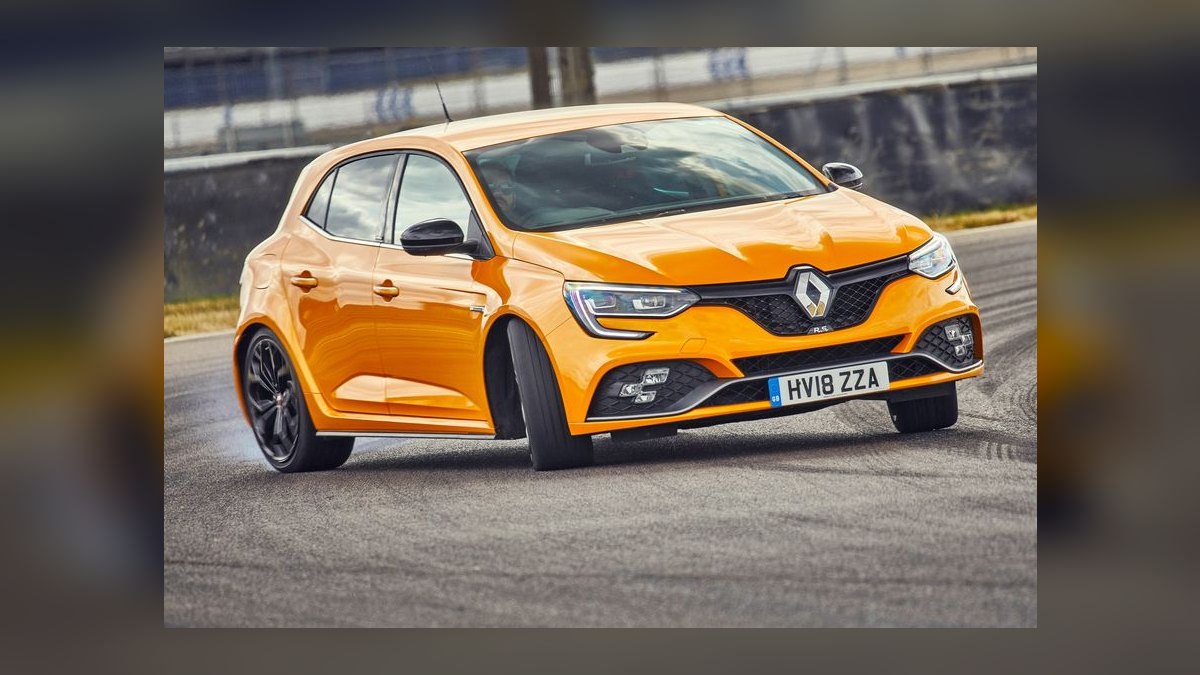
The most expensive mistake is buying the trim, not the car. A loaded mid-level hot hatch and a base one share the same engine, the same transmission, the same suspension tune, and the same brakes. The difference is leather, a bigger screen, a sunroof that raises the center of gravity, and wheels that cost more to shoe. Enthusiasts who buy the base trim and spend the difference on a winter tire set, a set of track pads, and a driving school come out ahead on every dimension that matters to how the car drives.
The second mistake is ignoring the front-drive tire budget. A hot hatchback is fast because of its tires more than almost any other component. Running the car on worn or hard all-season rubber erases the difference between the performance model and the economy model it is based on. Buyers who spend $30,000 on the car and then refuse to spend $1,200 on tires have bought a heavy compact with a stiff ride.
The third mistake is treating the $30,000 line as a sticker figure. Tax, title, destination, and documentation fees routinely add 8 to 12 percent. A buyer who negotiates hard to hit $29,900 MSRP and then signs a contract at $33,400 out the door has not stayed under budget; they have just moved where the overage lives.
The fourth mistake is buying a used performance car without a pre-purchase inspection. Hot hatches attract owners who modify them. A tune, an aftermarket downpipe, a coilover kit, or a stage-two clutch can all be reversed before sale, leaving no visual trace but a shortened service life. A $150 to $250 pre-purchase inspection at an independent specialist, including a scan for stored fault codes and evidence of ECU flashing, is the cheapest insurance in the entire transaction. Ask specifically about clutch feel, turbo shaft play, timing chain noise, and whether the service records show the recommended intervals actually met.
The fifth mistake is overweighting straight-line numbers. Horsepower figures in this segment cluster in a narrow band, and the driving experience is dominated by things spec sheets do not capture: steering weight and feedback, the presence and quality of a limited-slip differential, seat bolstering, shifter throw and gate definition, and how the suspension handles mid-corner bumps. Two cars with identical power figures can feel a generation apart. This is the segment where a long test drive on roads you actually use matters more than any comparison chart.
The sixth mistake is assuming the manual will always be available. Manual take rates in the broader market are low, and manufacturers have progressively narrowed which trims offer one. If a manual matters to you, it constrains model choice, trim choice, and inventory availability all at once, and it is worth resolving that constraint before you fall in love with a particular car.
A seventh, more subtle error is ignoring the adjacent segments entirely. The compact performance sedan — the Elantra N and Civic Si sedan among them — offers nearly the same chassis and powertrain in a body style that is often cheaper to insure and sometimes cheaper to buy, at the cost of the liftgate. The small crossover with a performance trim gives up handling for ride height and all-weather traction. And the sport compact from the used market gives up warranty for capability. Each of these is a legitimate answer to "what should I buy for $30,000," and refusing to consider them narrows the field artificially.
An eighth mistake, common among first-time buyers in this segment, is financing the car for longer than they keep it. A 72- or 84-month loan on a car that is driven hard and modified is a recipe for negative equity at trade-in. If the payment only works at 84 months, the car does not fit the budget.
Decision framework: when to choose what
The right choice depends far less on which car reviews best and far more on which of four usage patterns describes you. Be honest about which one you are; buyers who choose aspirationally end up with a car that is uncomfortable on the commute they actually drive.
The daily commuter who wants the drive to be good. You cover 20 to 60 miles a day, mostly on surface streets and highway, and you want the car to be engaging on the good roads you occasionally reach. Prioritize ride compliance, seat comfort over long stints, adaptive dampers if available, and a gearbox that suits stop-and-go traffic. A dual-clutch or the well-sorted automatic is a legitimate choice here even for enthusiasts. Consider the warm hatch seriously: the gap in enjoyment on a commute is far smaller than the gap in price.

The canyon and back-road driver. You do most of your enjoyment on twisty two-lane roads at legal-ish speeds. Prioritize steering feel, a mechanical or electronically controlled limited-slip differential, brake pedal feel, and a manual gearbox if you want maximum involvement. Tire choice matters enormously; a summer tire on a mid-power car will out-corner an all-season on a more powerful one.
The track-day and autocross participant. You will run the car in anger several times a year. Prioritize brake cooling, oil and coolant temperature management, seat bolstering, and the availability of aftermarket support. Budget consumables aggressively — a single track weekend can consume a set of pads and meaningfully age a set of tires. Check the warranty language on competitive events before you buy, not after.
The single-car household. The car has to do everything: airport runs, furniture from the hardware store, a dog, a car seat. Prioritize rear-seat width, cargo floor length with the seats folded, LATCH anchor accessibility, and all-weather usability. This is the case where the hatchback body style earns its price outright, and where a second set of winter wheels is not optional.
Once you have a shortlist of two, drive them back to back on the same day, on roads you actually use, in the exact trim and gearbox you intend to buy. Demo cars are frequently the top trim with the biggest wheels, which tells you nothing about how the base car rides. Ask specifically to drive the configuration you will purchase, and if the dealer cannot produce one, find one that can before you sign.
Related questions
Is a used Golf R or Civic Type R a better buy than a new base hot hatch at $30,000?
Often yes on capability, no on certainty. The used car brings all-wheel drive or more power and better brakes, but arrives with unknown history and no full warranty. Budget $2,000 to $3,000 for tires, brakes, and deferred maintenance, plus a pre-purchase inspection.
Do hot hatchbacks cost significantly more to insure?
Yes. Performance trims typically carry premiums 20 to 40 percent above the base model of the same nameplate, driven by horsepower, repair cost, theft rate, and driver demographics. The gap widens sharply for drivers under 25. Always quote the exact trim before signing.
Manual or dual-clutch for a car under $30,000?
Manual is usually equal-priced or cheaper, sits on dealer lots longer (giving you negotiating leverage), and maximizes involvement. Dual-clutch adds roughly $800 to $1,600, shifts faster, and is easier in traffic. Choose by commute, not by lap-time arguments.
How much should I set aside for tires and consumables in year one?
Plan $1,500 to $2,500 if you drive enthusiastically, roughly half that for mostly commuting. A full set of summer performance tires runs $900 to $1,600 installed. Front tires wear faster than rears on front-drive hot hatches, and rotation only partially offsets it.
Is a performance sedan a reasonable substitute for a hatchback?
Yes, if you do not need the liftgate. Cars like the Elantra N and Civic Si sedan share powertrains and chassis tuning with hatchback siblings, sometimes cost less, and can insure cheaper. You trade cargo flexibility for a slightly stiffer body shell.
FAQ
What is the cheapest genuinely fast hatchback in 2027?
The Honda Civic Si and Volkswagen Golf GTI in base trim have historically anchored the affordable end of the segment, with warm hatches like the Mazda3 Turbo and sportier Volkswagen Golf trims sitting several thousand dollars below. Verify current model-year pricing directly with each manufacturer, since base prices in this segment have moved substantially year over year and a nameplate that qualified last year may not this year.
Does the $30,000 cap mean MSRP or out-the-door price?
That is your decision, but it changes which cars qualify. Destination charges run roughly $1,100 to $1,500, and tax, title, and documentation fees add several hundred to a few thousand more depending on your state. If $30,000 is an out-the-door number, target roughly $27,000 MSRP and build from there.
Are hot hatchbacks reliable enough to be an only car?
Generally yes. They are built on high-volume compact platforms with mature powertrains, and the performance components are usually well-engineered rather than fragile. The caveats are consumables — tires, brakes, and clutches wear faster than on an economy car — and that hard driving accelerates every maintenance interval. Follow the severe-service schedule rather than the normal one if you drive the car the way it was designed to be driven.
Will electrification kill the hot hatch?
It will change it rather than end it. Electric and hybridized performance compacts gain instant torque and a lower center of gravity from floor-mounted batteries, but add several hundred pounds and consume some under-floor cargo space. The light, tossable character that defines the segment is harder to preserve with a battery pack, which is one reason enthusiasts are buying combustion examples now.
How long do factory orders take?
Eight to twenty weeks is typical for mainstream models, depending on plant and allocation. Limited-production variants can take considerably longer or may not be orderable at all, arriving instead as dealer allocations. If you need a car within a month, you are shopping existing inventory and your color and gearbox options narrow accordingly.
Should I modify a new hot hatchback?
Wait at least a year. Manufacturers already extract most of the accessible performance from these engines, and aftermarket tunes can affect powertrain warranty coverage. The highest-return modifications are almost always the boring ones: better tires, better brake pads and fluid, and a driving school. Do those first and you will be faster than someone who bought a tune.
Sources
- https://www.caranddriver.com/
- https://www.motortrend.com/
- https://www.edmunds.com/
- https://www.kbb.com/
- https://www.fueleconomy.gov/
- https://www.iihs.org/
- https://www.nhtsa.gov/
- https://www.consumerreports.org/
- https://www.tirerack.com/
Related on PULSE
- Best compact performance sedans under $35,000
- Manual transmission cars still sold new: the shrinking list
- Summer vs. all-season tires: what actually changes on a front-drive car
- New vs. certified pre-owned performance cars: how the math works
- Total cost of ownership for turbocharged compacts
This page will be disappearing soon. Save it to your device for $1 — or read it free while it is here.
@Kory-White- · if Venmo asks, the last 4 of my number are 2012
This page is gone.
This one is off the shelf now. $1 keeps it on your phone for good — the whole page, pictures and diagrams included.
 pulse-carsBest Trucks for Short Drivers in 2027 (Ranked)
 pulse-carsTop 10 Sports Cars 1991 — Best Overall + Best Value
 pulse-carsBest Used AWD Cars Under $30,000 in 2027 (Ranked)
 pulse-carsTop 10 Luxury SUVs 2022 — Best Overall + Best Value
 pulse-carsBest Infiniti QX60 Model Years (Ranked) in 2027
 pulse-carsBest Used AWD Cars Under $15,000 in 2027 (Ranked)
 pulse-carsTop 10 Midsize Sedans for Commuting in 2027
 pulse-carsBest Used AWD Cars Under $40,000 in 2027 (Ranked)
 pulse-carsTop 10 Compact Sedans 2025 — Best Overall + Best Value
 pulse-carsBest Used Compact SUVs Under $10,000 in 2027 (Ranked)