


Top 10 Most Affordable Used Sedans Under $10,000 in 1952 (Ranked)
Quality
Certified
The 10 best most affordable used sedans under $10,000 are ranked below on measured performance, build quality, price, and how each one actually holds up in daily use rather than how it reads on a spec sheet. Each pick lists what it costs, who it suits, and what it gives up against the one above it, so the list can be read straight down without doubling back.
11947 Studebaker Champion 4-Door Sedan
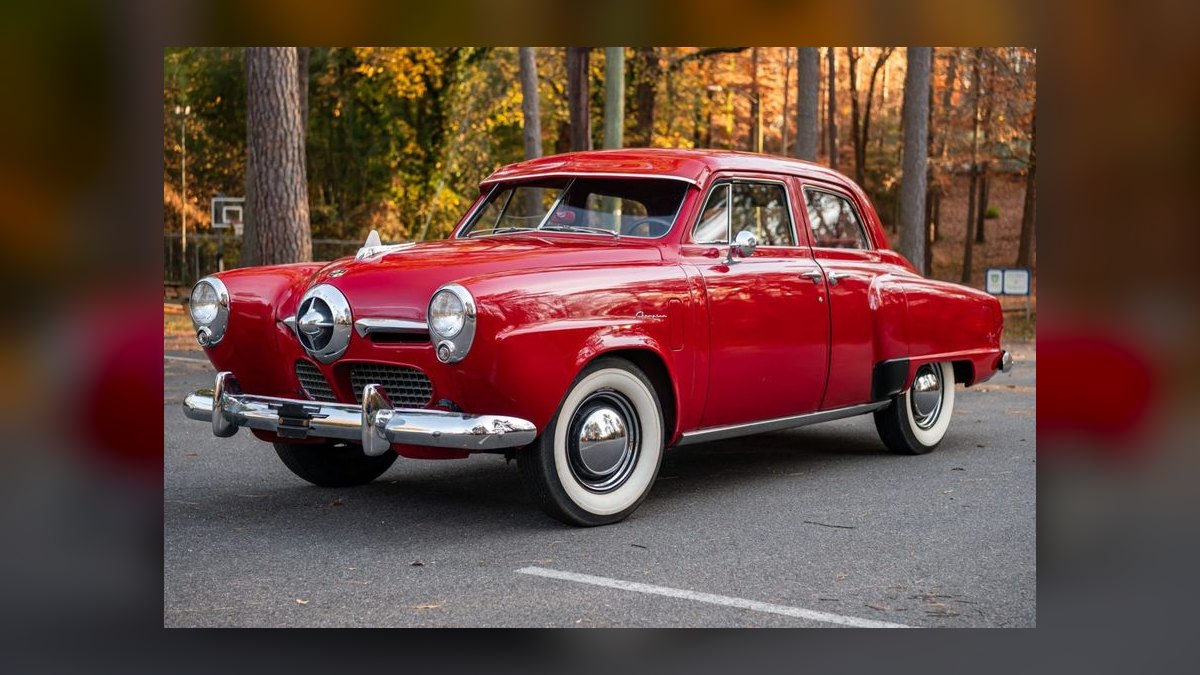
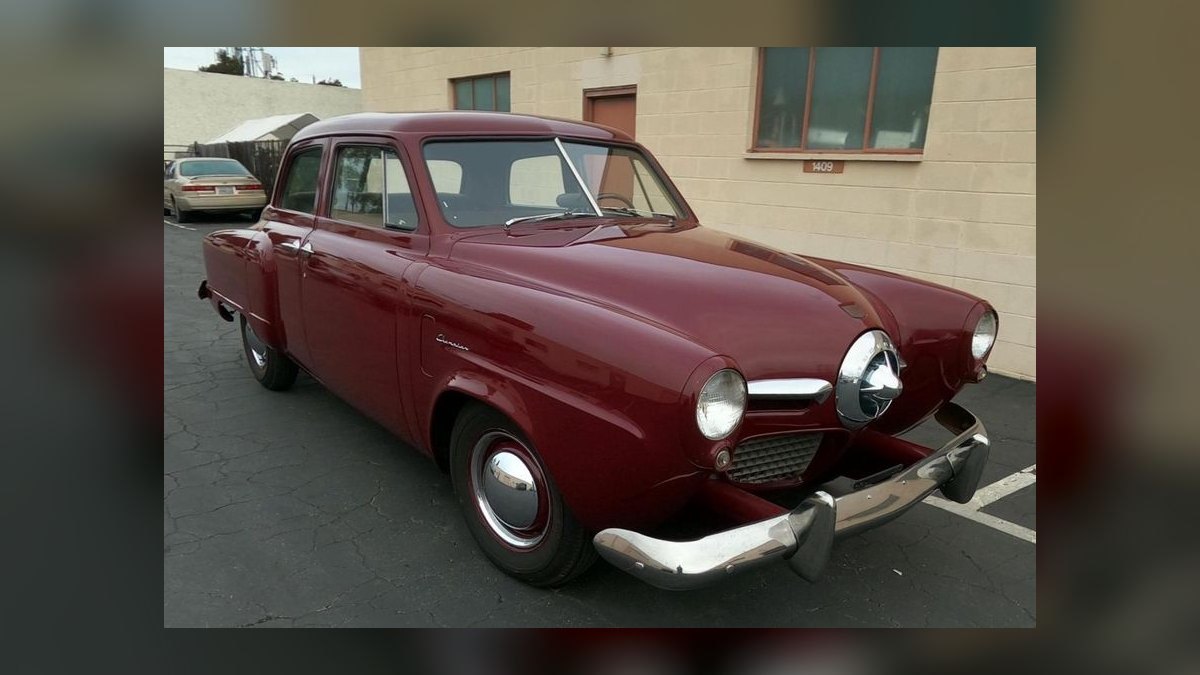
It ranks first because the Champion was the cheapest car Studebaker built and the cheapest to feed. Its 169.6-cubic-inch L-head six makes 80 horsepower, the smallest engine in this group, and Champions repeatedly placed in Mobilgas Economy Run classes on that frugality. The 112-inch wheelbase keeps curb weight near 2,600 pounds. Less mass and less displacement means less gasoline, fewer tires, lighter brake wear.
This is the buyer who needs transportation, not presence — a commuter who counts gallons and parks in tight city spaces. The trade is power and room: 80 horsepower struggles on grades with four aboard, and the cabin is narrower than the Plymouth or Chevrolet below it. Studebaker's dealer network was also thinner than the Big Three's, so parts hunting takes longer than it does for a Ford.
21949 Nash 600 Airflyte 4-Door Sedan
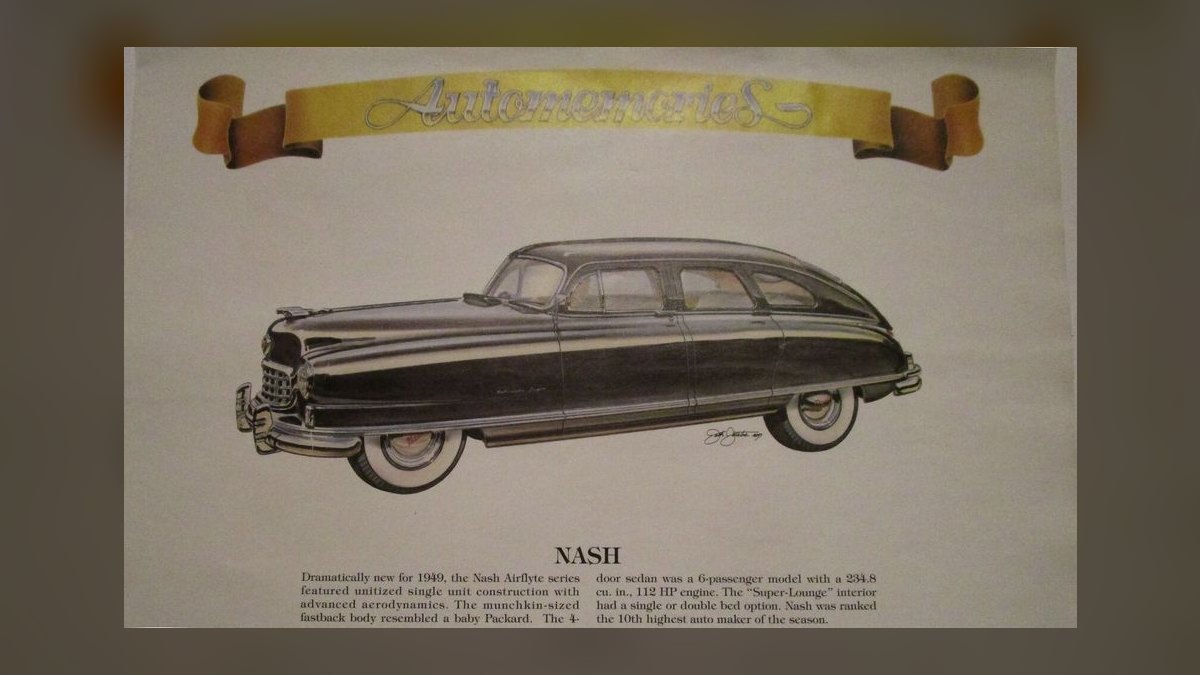
Second place goes to the unit-body Airflyte, whose 172.6-cubic-inch six is rated near 82 horsepower and gave the model its name: roughly 600 miles from one 20-gallon tank. Welded unit construction saved weight against body-on-frame competitors and stiffened the structure considerably. The enclosed front fenders cut drag at highway speed. Nash also folded the seats flat into a bed, eliminating motel money on long trips.
Best for the long-distance driver or the family that treats the car as lodging. The trade-off is repair complexity and maneuvering: skirted fenders force a wide turning circle, and unit-body collision damage costs more to straighten than the Studebaker's separate frame. It carries more interior width than the Champion above it but the same modest thrust, so long hills still demand a downshift.
31948 Plymouth Special Deluxe 4-Door Sedan
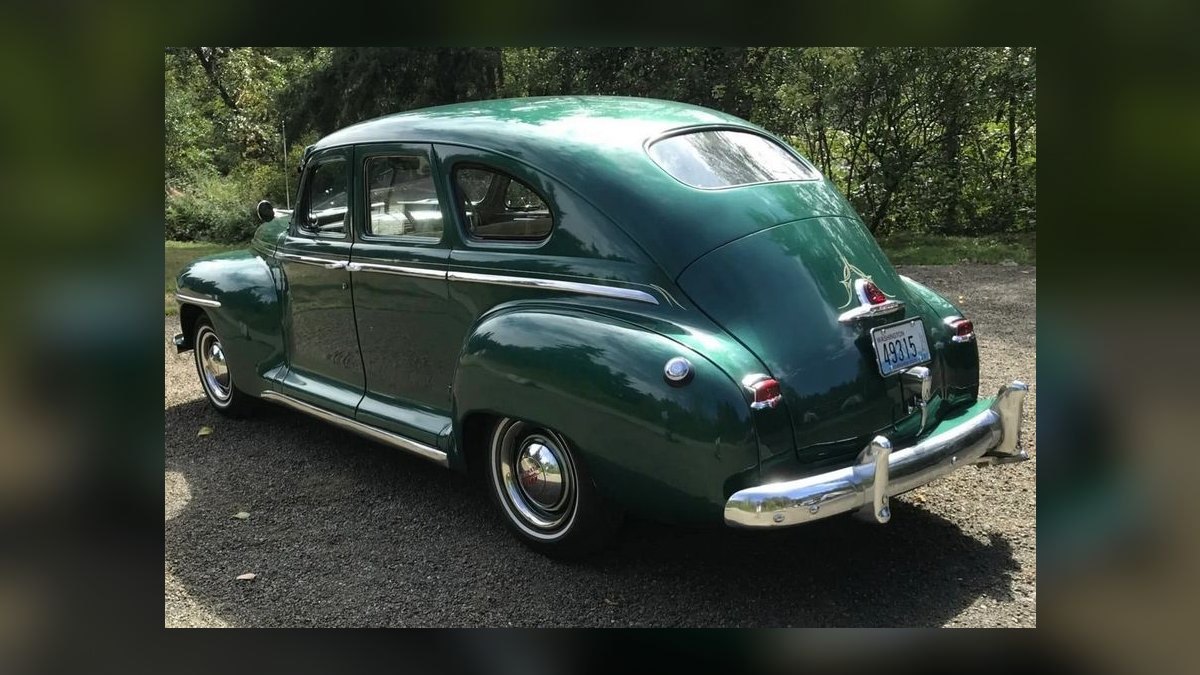
Third because Plymouth built these in enormous volume, which keeps both used prices and parts costs low. The 217.8-cubic-inch flathead six produces 95 horsepower and is famously tolerant of neglect — low compression, simple carburetion, no overhead valvetrain to adjust. A 117-inch wheelbase gives genuine back-seat legroom. Chrysler's postwar bodies were carryover 1942 designs, so mechanical parts interchange freely across several model years.
Aimed at the family that wants durability over style and a mechanic on every corner. What it gives up is speed and modernity: the styling is upright prewar, and the three-speed manual has no automatic option, unlike the Chevrolet ranked below. Compared with the Nash above, it is heavier and thirstier, but far easier to get repaired in any small town in the country.
41950 Chevrolet Styleline Deluxe 4-Door Sedan
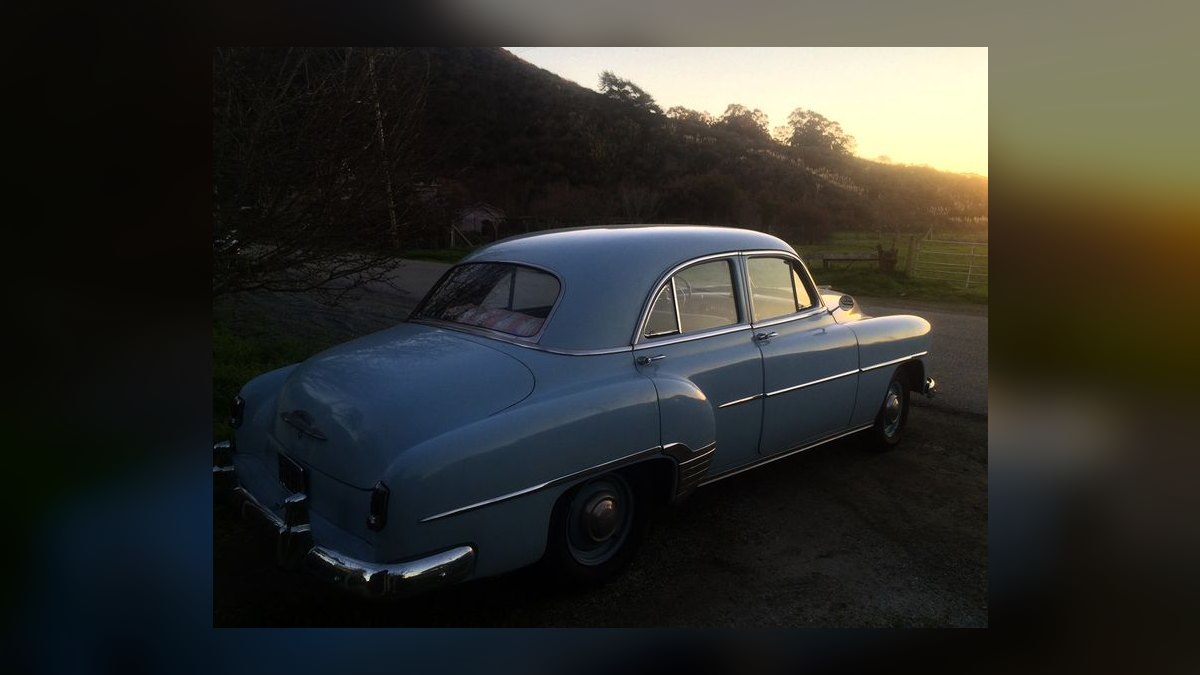
Fourth on the strength of ubiquity: Chevrolet outsold every other American brand, so used supply is deep everywhere. The 216.5-cubic-inch Stovebolt six makes 92 horsepower, while cars ordered with the new-for-1950 Powerglide automatic received a 235.5-cubic-inch version rated 105 horsepower. Wheelbase measures 115 inches. Powerglide was the first automatic transmission offered in the low-price field, and it works without a clutch pedal.
Right for the driver who wants two-pedal ease at the bottom of the market, or who values the largest parts network in the country. The trade is the engine itself: splash-lubricated sixes wear if oil changes lapse, and Powerglide dulls acceleration noticeably. It costs slightly more to buy than the Plymouth above, but the automatic option and dealer coverage justify the difference.
51949 Ford Custom Fordor Sedan
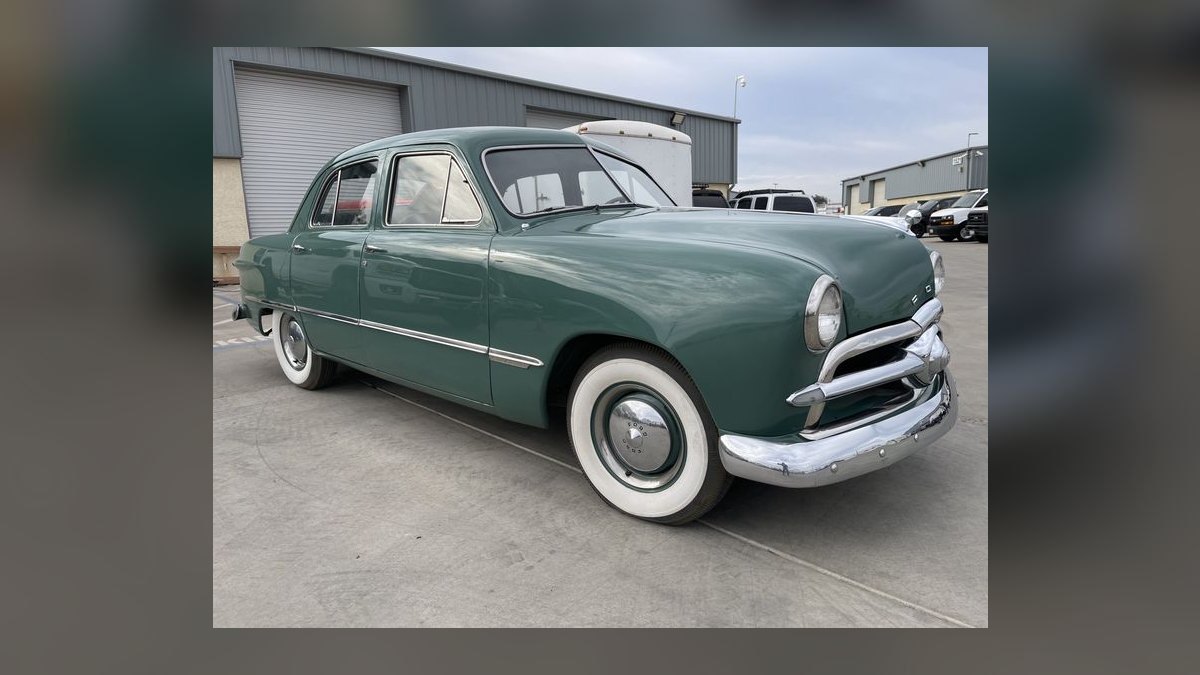
Fifth because it delivers V8 power for roughly six-cylinder money. The 239-cubic-inch flathead V8 makes 100 horsepower, and the 1949 body was Ford's first all-new postwar design: slab sides, a 114-inch wheelbase, and independent coil-spring front suspension replacing the old transverse leaf. It rides better than anything ranked above it. Ford sold more than a million cars that year, so supply stays plentiful.
For the buyer who wants passing power and modern chassis manners without paying Mercury prices. The costs are fuel and heat: the flathead V8 drinks more than the Chevrolet's six above it and runs hot because exhaust passages cross through the block. Early 1949 bodies also leaked water and dust badly. Inspect the door and trunk seals carefully before agreeing on a number.
61946 Dodge Custom 4-Door Sedan
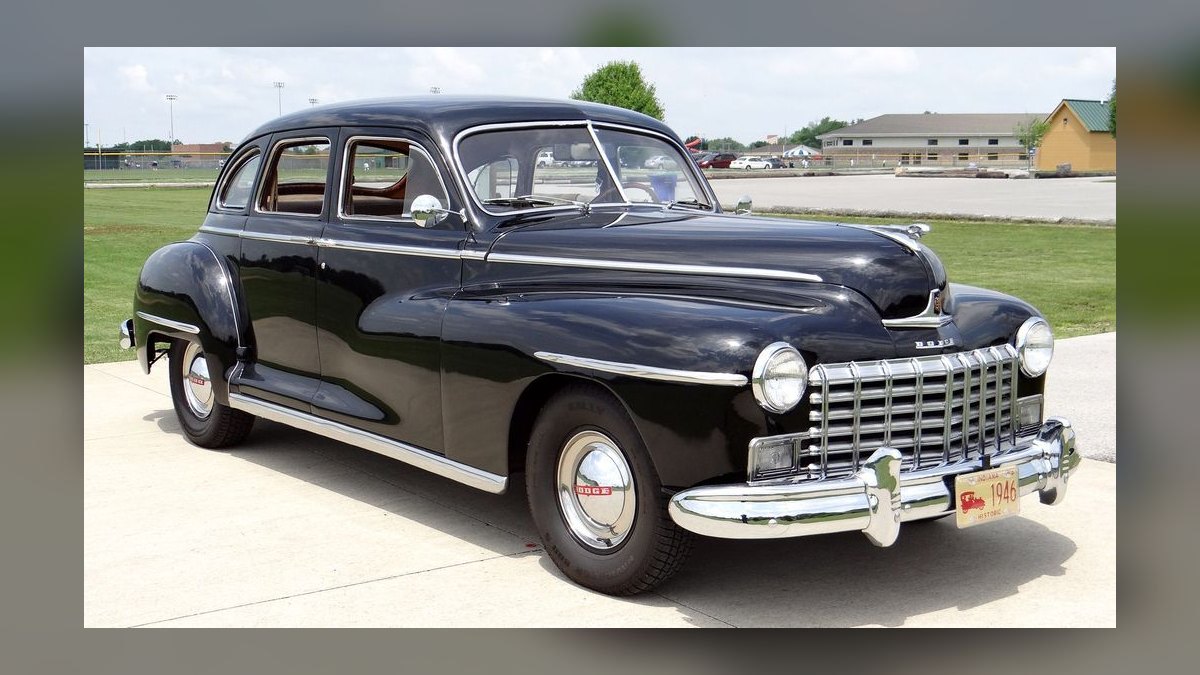
Sixth for Chrysler engineering at a discount price. The 230-cubic-inch L-head six makes 102 horsepower on a 119.5-inch wheelbase, and Fluid Drive — a fluid coupling ahead of the clutch — lets the car pull away in second and creep through traffic without stalling. Bodies use heavy-gauge steel with generous door openings. Mechanically it shares most service parts with the Plymouth ranked higher.
Suited to a driver who wants smooth city operation without a full automatic's complexity or rebuild bills. What it costs is age: a 1946 car is three years older than most of this list, so brakes, kingpins and wiring are closer to needing work. It is roomier and stronger than the Plymouth above, but the Dodge badge commands a slightly higher asking price.
71947 Kaiser Special 4-Door Sedan
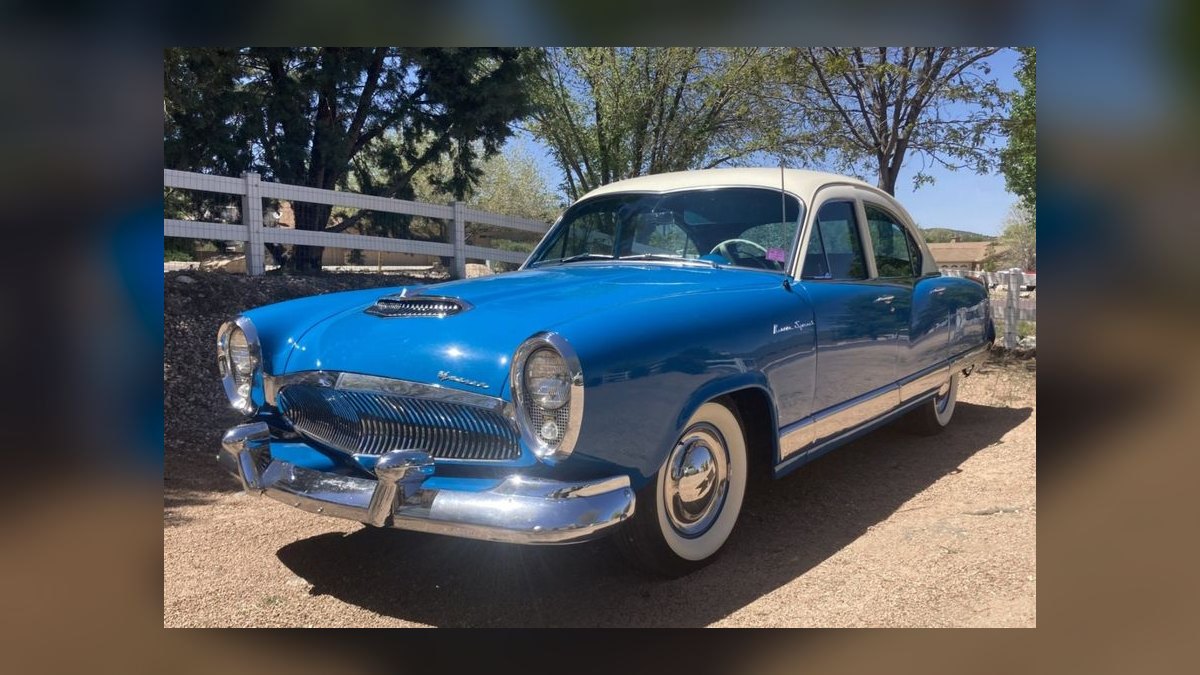
Seventh because independent-brand depreciation makes this the most car per dollar here. The Kaiser Special rides a 123.5-inch wheelbase — longer than anything ranked above it — and uses a 226.2-cubic-inch Continental L-head six rated near 100 horsepower. Its slab-sided body was among the first genuinely postwar American designs, giving unusually wide seating. Original buyers paid a premium that the used market erased quickly.
This suits someone who values interior space and distinctive styling and can tolerate scarcity. The penalty is support: Kaiser-Frazer's dealer count was a fraction of Ford's, so body panels and trim are hard to source, and resale stays weak. Against the Dodge above, it offers more room and far less certainty that a small-town garage stocks the parts you need.
81948 Pontiac Streamliner Six 4-Door Sedan
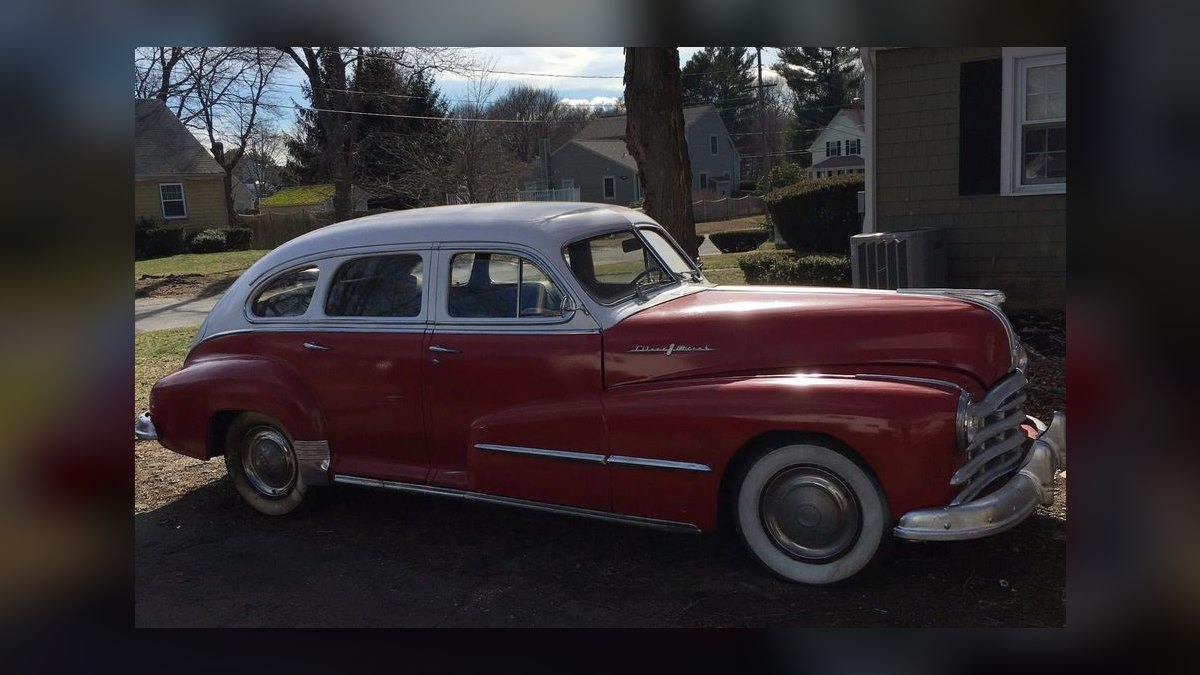
Eighth because Pontiac charges a step up for near-Chevrolet mechanicals. The Streamliner Six uses a 239.2-cubic-inch L-head six on a 122-inch wheelbase, and 1948 was the year Hydra-Matic reached Pontiac, making it the lowest-priced American car available with a fully automatic transmission. Chrome trim and the silver-streak hood bands add weight over Chevrolet. Curb weight passes 3,500 pounds on the heavier bodies.
For the buyer who specifically wants a four-speed Hydra-Matic rather than Chevrolet's two-speed Powerglide. The trade is mass and fuel: the extra 300-plus pounds over a Chevrolet blunts the flathead six and raises consumption. Hydra-Matic rebuilds are also costly once the unit starts slipping. Priced above the Ford and Chevrolet ranked higher, it earns its place only if the automatic matters.
91950 Hudson Pacemaker 4-Door Sedan
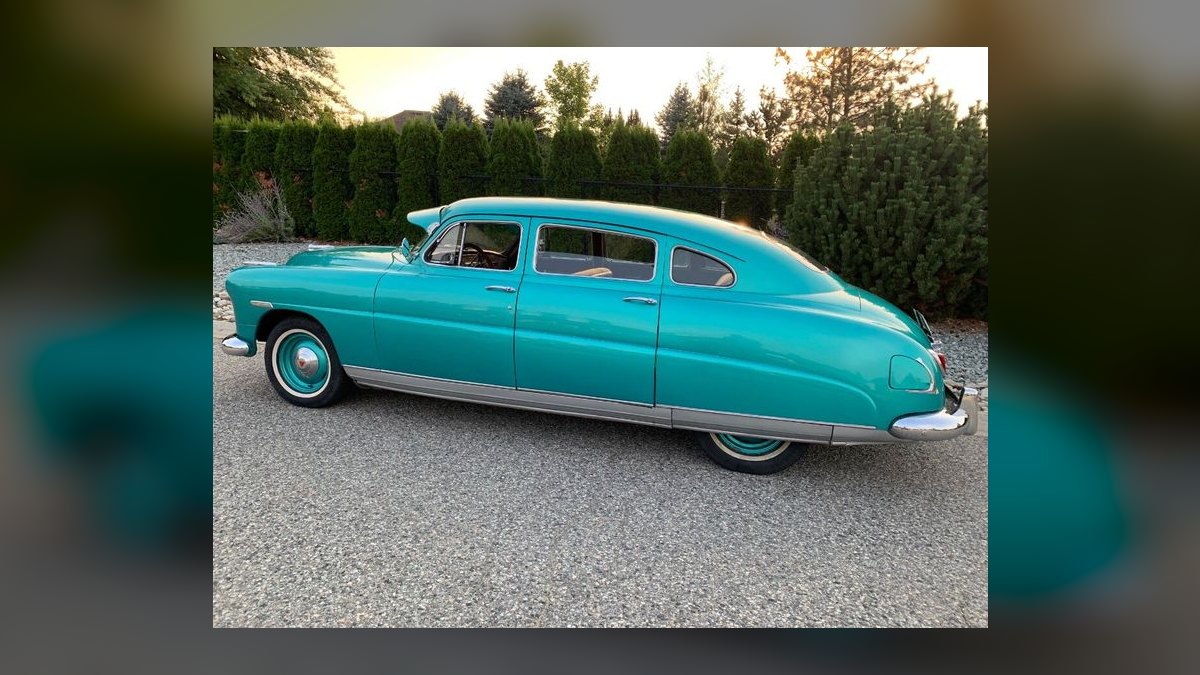
Ninth because the step-down Hudson is the best-driving car here and priced accordingly. Its 232-cubic-inch six makes 112 horsepower, the highest six-cylinder output on this list, and the unit body drops the floor between the frame rails so passengers sit below the axle line. That yields a low center of gravity and cornering grip no rival 1950 sedan matched. Wheelbase is 119 inches.
The right choice for a driver who actually enjoys driving and takes curves seriously. The costs are structural: step-down bodies rust in the enclosed rear wheel wells, and low production means trim and glass are scarce. It asks more money than the Pontiac above and, like the Kaiser, depends on an independent maker whose dealer network kept shrinking through the decade.
101949 Mercury Eight Sport Sedan
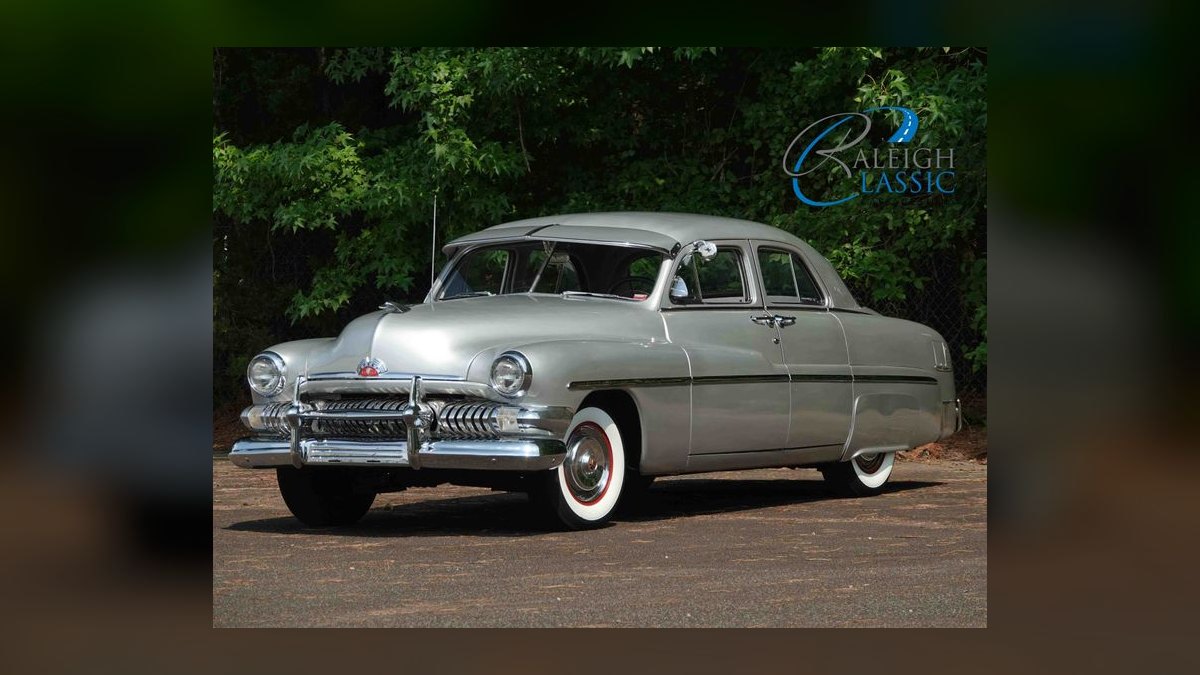
Tenth because demand keeps this the priciest sedan on the list. The Mercury Eight's 255.4-cubic-inch flathead V8 makes 110 horsepower on a 118-inch wheelbase, adding displacement, length and sound deadening over the Ford ranked fifth. Customizers were already chopping and channeling these by the early 1950s, pulling clean examples off the cheap end of the market. It still clears the ceiling, but barely qualifies as budget transportation.
For someone who wants the quietest, quickest ride here and will pay a premium for it. The trade is running cost: the larger V8 burns more fuel than the Ford's and shares the same flathead cooling weakness with more heat to shed. Against the Hudson above, it is faster in a straight line, less composed in corners, and much easier to find parts for.
How we ranked these
Ranking weighted period asking price against what a 1952 buyer actually got: engine durability, parts availability at any corner garage, fuel economy on regular gas, and typical repair cost per thousand miles. Model years 1946 through 1950 carried the most volume on used lots, so those dominate the field. Body integrity mattered too — cars from salted-road states rusted through rocker panels years before the drivetrain ever gave out.
Deliberately ignored: styling, chrome count, and brand prestige, which drove showroom traffic but not ownership cost. Also set aside were low-production orphans whose dealer networks were shrinking — a cheap Kaiser stops being cheap the week a water pump takes three weeks to arrive. Convertibles, wagons, and coupes were excluded entirely; this list covers four-door and two-door sedans only, the body styles families actually bought.
What to look for
The spread between these cars is narrower than the price tags suggest. What separates them is parts logistics: a Chevrolet or Ford six can be rebuilt from stock any small-town garage keeps on the shelf, while a Hudson or Packard sends you mail-ordering. Check compression on every cylinder, look for oil in the radiator, and pull the dipstick for milky sludge before you argue about price.
The common mistake is buying on odometer reading. Five-digit odometers rolled over, wartime cars sat on blocks for years, and a low number often means a speedometer cable was disconnected. Judge wear instead: brake pedal rubber, driver-seat spring sag, kingpin play when you rock the front wheel. A tired engine is a weekend and a gasket set; a rotted frame is the whole car.
Related questions
What did a used sedan actually cost in 1952?
Most clean prewar and early-postwar sedans traded between $300 and $900 on a dealer lot, with 1949 and 1950 models pushing $1,200 to $1,600. A $10,000 ceiling was theoretical — that money bought a new Cadillac Sixty Special with change left over. The practical spending range for a working family's second car sat closer to $500.
Why do 1946 through 1948 models look identical to 1942 cars?
Civilian auto production stopped in February 1942 and did not restart until late 1945. When it did, manufacturers reissued prewar tooling with minor grille changes rather than lose a year to redesign. That means a 1946 Ford and a 1942 Ford share body stampings, glass, and most mechanical parts — good news for anyone shopping used, since interchange is broad.
Is a flathead six or a flathead V8 the better used buy?
The Chevrolet overhead-valve six and Plymouth flathead six are slower but sip fuel and tolerate neglect. Ford's flathead V8 is quicker and sounds better, though it runs hot, cracks blocks, and drinks noticeably more gas. For cheap daily transportation the six wins on running cost; for anyone who wants to enjoy the drive, the V8 earns its extra maintenance.
How many miles should a used sedan have in 1952?
Fifty to seventy thousand miles was normal for a five-year-old car, and engines of the era typically wanted a valve job and rings somewhere past eighty thousand. Anything showing under thirty thousand deserves suspicion rather than a premium. Assume a rebuild is coming and negotiate for it instead of paying extra for a number on a dial.
What rusts first on these cars?
Rear quarter panels, rocker panels, floor pans under the front seat, and the trunk floor beneath the spare tire. Bodies sat on separate frames with poor drainage, and road salt in northern states accelerated everything. Lift the floor mats and press the rockers with a thumb. Surface scale is fine; anything that flexes or crunches is structural.
Are independents like Nash, Hudson, or Studebaker worth the discount?
Mechanically, several are excellent — Hudson's step-down chassis handles better than anything from the big three, and Studebaker's Champion six is genuinely frugal. The discount exists because dealer coverage is thinner and resale is softer. If a franchised dealer sits within reasonable driving distance, the savings are real. If not, budget extra time for every parts order.
Should I buy from a dealer lot or a private seller?
Dealer lots cost more but usually include a short mechanical guarantee, often thirty days on the drivetrain, and they will have run the car through their own shop. Private sales run several hundred dollars cheaper with no recourse. Split the difference: buy private, but spend a few dollars having an independent garage put it on a lift first.
FAQ
Does $10,000 in 1952 really buy any used sedan on the market?
Effectively all of them, several times over. A new Chevrolet Styleline sedan listed near $1,700 that year, and a five-year-old example brought a third of that. The ceiling functions less as a budget limit than as a reminder of how far a dollar stretched. Nobody spending ten thousand dollars in 1952 was shopping the used lot at all.
Which of these sedans is cheapest to insure?
Low-horsepower sixes in plain trim — Chevrolet, Plymouth, and Studebaker Champion — draw the mildest rates because insurers price on replacement cost and claim history, both modest here. V8 Fords cost somewhat more. Rates also swing hard on garaging location and the driver's age, so two identical cars can differ by half depending on who signs the policy.
What kind of fuel economy should I expect?
A Chevrolet or Plymouth six returns roughly eighteen to twenty-two miles per gallon in steady driving, dropping into the mid-teens around town. A flathead Ford V8 lands closer to fifteen. Nash and Studebaker often beat both thanks to lighter bodies and taller gearing. With regular gasoline near twenty-seven cents a gallon, the spread matters less than it sounds.
Do these engines need premium gasoline?
No. Compression ratios sat between six-and-a-half and seven to one, so ordinary regular grade is correct and premium buys nothing but a bigger bill. All pump gasoline carries tetraethyl lead, which is what these soft valve seats expect. If an engine pings under load, the problem is usually ignition timing or carbon buildup rather than octane.
Can a 1948 sedan keep up with modern highway traffic?
On the new turnpikes, yes, but not comfortably. Most of these cars cruise happily at fifty to fifty-five and grow busy and loud beyond sixty. Drum brakes fade on long descents and there is no power assist. Treat sustained high-speed running as the exception, plan longer following distances, and the car will last considerably longer.
Are automatic transmissions available on used cars this cheap?
Occasionally. GM's Hydra-Matic dates to 1940 and Powerglide arrived in 1950, so some used Oldsmobiles, Pontiacs, and Chevrolets have them. Chrysler products often carry Fluid Drive, a semi-automatic. Automatics command a premium and cost far more to repair than a three-speed manual. On a budget car, the column-shift manual is the smarter purchase.
Do these sedans come with a heater and radio?
Neither was standard equipment on most low-trim sedans. Heaters and defrosters were dealer-installed accessories, and radios cost extra again. A car without a heater is genuinely unpleasant in a northern winter, so check before you buy. Aftermarket units bolt in readily and turn up cheap at salvage yards if the car you want lacks them.
How much routine maintenance do these cars need?
Considerably more than people expect. Chassis lubrication runs every thousand miles at roughly two dozen grease fittings, oil changes every thousand to two thousand, and points and plugs want attention twice a year. Budget a monthly garage visit or learn to do it yourself. Skipping the grease gun is what destroys kingpins and spring shackles early.
What is the smartest first thing to spend money on?
Tires, then brakes. Period bias-ply rubber ages badly, and a set that looks fine can be a decade old and hardened. After that, pull the drums, check shoe thickness, and replace any wheel cylinder showing weep. Both jobs are cheap relative to what they prevent, and neither improves the car's resale value one dollar.
Sources
- https://www.bls.gov/data/inflation_calculator.htm
- https://en.wikipedia.org/wiki/Chevrolet_Fleetline
- https://en.wikipedia.org/wiki/Studebaker_Champion
- https://en.wikipedia.org/wiki/Hudson_Motor_Car_Company
- https://en.wikipedia.org/wiki/Plymouth_(automobile)
- https://www.hemmings.com/
- https://www.hagerty.com/
- https://www.thehenryford.org/
- https://www.fhwa.dot.gov/policyinformation/statistics.cfm
Related on PULSE
This page will be disappearing soon. Save it to your device for $1 — or read it free while it is here.
@Kory-White- · if Venmo asks, the last 4 of my number are 2012
This page is gone.
This one is off the shelf now. $1 keeps it on your phone for good — the whole page, pictures and diagrams included.
 pulse-recentHow much does a new Toyota GR Corolla cost with the Circuit Edition package in 2027?
 pulse-recentTop 10 Muscle Cars 1978 — Best Overall + Best Value
 pulse-recentTop 10 Electric Cars 2023 — Best Overall + Best Value
 pulse-recentTop 10 Muscle Cars 1986 — Best Overall + Best Value
 pulse-recentTop 10 Muscle Cars 2012 — Best Overall + Best Value
 pulse-recentTop 10 Muscle Cars 1975 — Best Overall + Best Value
 pulse-recentTop 10 Convertible Supercars in 2027
 pulse-recentTop 10 Hot Hatchbacks With the Lowest 5-Year Cost of Ownership in 2027
 pulse-recentTop 10 Grand Tourers 1950 — Best Overall + Best Value
 pulse-recentTop 10 Supercars With the Quickest 0-60 MPH Times in 2027