


How much does it cost to insure a supercar for a driver under 25 in 2027?
Quality
Certified
In 2027, a driver under 25 can expect to pay between $8,000 and $35,000 per year to insure a supercar, with average premiums landing near $18,000 annually. The exact cost depends heavily on the specific model, your location, driving record, and coverage levels. Young drivers typically pay three to five times more than drivers over 30 for identical supercar coverage.
The Two Coverage Paths Compared
When you are under 25 and looking to insure a supercar in 2027, you essentially face two distinct approaches: standard insurance through major carriers or a high-net-worth specialty policy. Each path carries dramatically different cost structures, requirements, and coverage philosophies.
Standard carriers like Geico, Progressive, and State Farm will quote you a policy, but they often cap liability limits lower than what supercar owners need. A Lamborghini Huracán or Ferrari Roma requires agreed-value coverage, which standard policies rarely offer. Instead, they use actual cash value, meaning you receive depreciation-adjusted payouts after a total loss. For a $300,000 supercar that loses 30 percent of its value in the first three years, that difference represents tens of thousands of dollars out of your pocket after a crash.

Specialty insurers such as Hagerty, Grundy, and PURE target exotic and collector vehicles. They offer agreed-value policies where you and the insurer fix the payout amount upfront. They also understand how these cars are actually driven—low annual mileage, weekend use, and careful storage. However, most specialty carriers require drivers to be at least 25 or 30 years old for primary coverage on supercars. Some will accommodate younger drivers, but only with substantial surcharges and strict usage restrictions.
The cost gap between these paths is significant. A standard policy on a 2024 McLaren Artura for a 23-year-old in Miami might quote $22,000 per year with $100,000 in liability coverage. A specialty policy with agreed value at $350,000 and $1 million in liability could run $28,000 to $35,000 annually—if the carrier accepts the driver at all. Many younger owners end up layering both: a standard policy for daily driving compliance and a specialty policy for the supercar itself.
Your parents' insurance history matters more than you might expect. If you live in the same household and they have clean records with high limits, adding the supercar to their policy with you as a listed driver often costs less than a standalone policy in your name alone. Some families use this structure legally and transparently, with the parents retaining ownership and the young driver as an authorized operator. This can cut premiums by 30 to 50 percent compared to an independent policy.
How to Decide Between Standard and Specialty Coverage
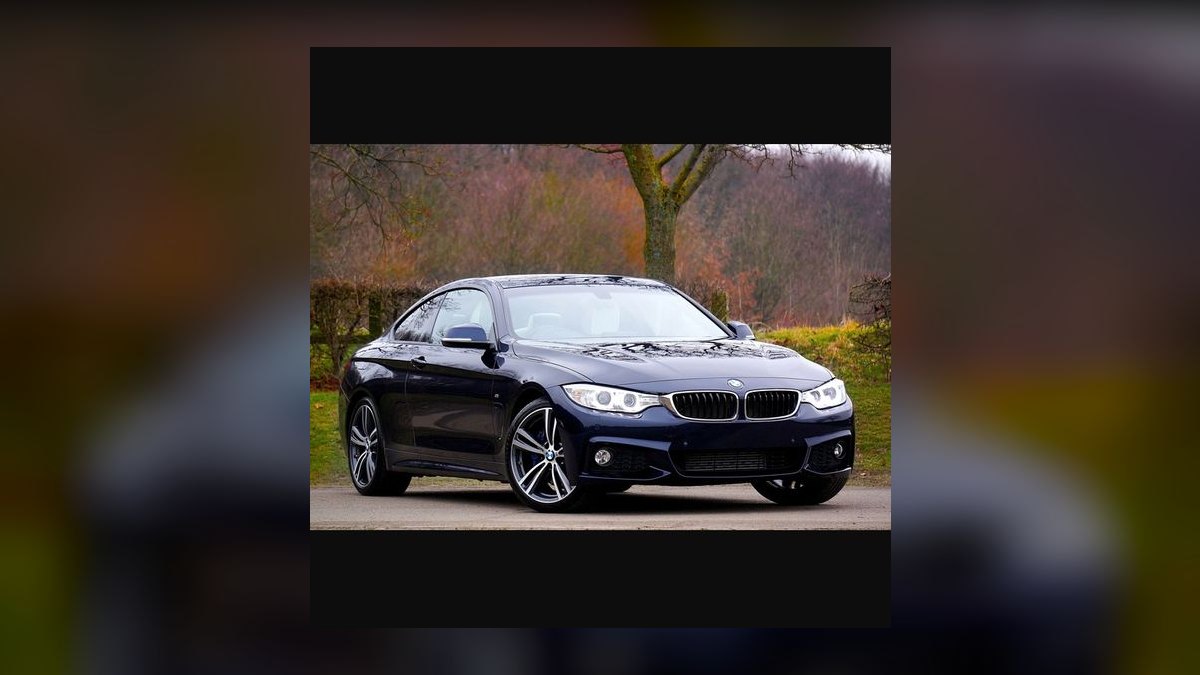
Choosing between standard and specialty insurance for your supercar under 25 requires weighing your driving habits, the car's value, and your tolerance for financial risk after a total loss.
The first decision point is financing. If you have a loan on the supercar, your lender mandates comprehensive and collision coverage with deductibles you can afford. Lenders also require the insurer to be financially stable and licensed in your state. Some lenders specifically require agreed-value coverage for exotic vehicles because actual cash value policies leave them under-collateralized after a total loss. Before you buy the car, call your lender and ask which insurance structures they accept. This single conversation can eliminate half your options immediately.
If you own the car outright, annual mileage becomes your primary decision driver. Specialty insurers cap usage at 5,000 to 7,500 miles per year for collector policies. If you plan to daily-drive your supercar or take it on long road trips, those policies become void. You would be paying for coverage that disappears the moment you exceed the mileage limit. In that scenario, a standard policy with high liability limits and comprehensive coverage makes more sense, even though you sacrifice agreed-value protection.

Your storage situation also influences the decision. Specialty carriers require enclosed garage storage. If you park your supercar on the street or in an open driveway, most collector policies will not bind coverage. Standard carriers are more lenient, though they may charge higher rates for street parking in urban areas. A 22-year-old with a Ferrari 488 parked on a Brooklyn street faces either rejection from specialty carriers or a standard policy with theft and vandalism rates that reflect the risk.
Driving record severity matters differently across the two paths. One at-fault accident under age 25 can push standard premiums up 50 to 80 percent for three years. Specialty insurers may simply decline your application entirely after any incident in the past five years. If your record has any blemishes, start with standard carriers and build three years of clean history before applying to specialty programs.
Concrete Numbers Behind Each Option
The actual dollar figures for insuring a supercar as a driver under 25 in 2027 vary wildly based on the vehicle's value, your location, and the coverage structure you choose. Understanding realistic ranges helps you budget and negotiate.
For a used supercar in the $150,000 to $200,000 range—think a 2019 Audi R8 V10 Performance or a 2020 McLaren 570S—a 23-year-old with a clean record in a mid-cost state like Texas or Colorado might pay $9,000 to $14,000 per year through a standard carrier. This assumes $100,000 in bodily injury liability per person, $300,000 per accident, $100,000 in property damage, comprehensive and collision with a $2,500 deductible, and uninsured motorist coverage. Raising liability to $250,000/$500,000 adds roughly $1,200 to $2,000 annually.

For a new or nearly new supercar priced between $250,000 and $400,000—a Lamborghini Huracán Evo or Ferrari Roma—the same driver faces $16,000 to $28,000 per year through standard carriers. The premium jump is not proportional to the car's value increase. Insurers factor in repair costs, parts availability, and the likelihood that younger drivers push these cars harder. A $300,000 supercar costs roughly twice as much to insure as a $150,000 one, not three times as much.
Location creates the widest cost disparities. A 22-year-old in Los Angeles or Miami pays 60 to 90 percent more than the same driver in rural Ohio or Kansas. Urban areas bring higher rates of theft, vandalism, and traffic accidents. California also mandates higher minimum liability limits, which raises baseline premiums. New York City and San Francisco are the most expensive markets, where a $250,000 supercar for an under-25 driver can quote above $35,000 annually.
Your credit score influences supercar insurance rates significantly in most states. A driver with excellent credit (750 or above) might pay $12,000 per year, while the same driver with fair credit (650) pays $18,000 for identical coverage. Insurers use credit-based insurance scores because they correlate strongly with claim frequency. If your credit is weak, improving it before quoting can save thousands annually. In states like California, Hawaii, and Massachusetts where credit-based scoring is banned, rates compress somewhat, but insurers shift that weight onto other factors like age and driving record.

The specific supercar model changes your premium by 20 to 40 percent even at identical values. A Porsche 911 Turbo S typically costs less to insure than a Lamborghini Huracán of the same value because Porsche owners have historically better claim records and the car's repair network is more extensive. Ferrari models carry higher premiums due to expensive parts and specialized repair requirements. A McLaren sits between the two, though its carbon fiber monocoque construction makes even minor collisions extraordinarily expensive to repair.
Adding drivers changes your cost structure. If you are under 25 and unmarried, adding a parent as a named driver on your policy can reduce premiums by 15 to 25 percent, assuming they have clean records. Insurers view the household risk pool differently when an experienced driver is present. However, this only works if the parent actually lives with you and drives the car occasionally. Misrepresenting this arrangement constitutes insurance fraud and can result in claim denial or policy cancellation.
Telematics programs offer young supercar drivers a potential discount of 10 to 20 percent. Progressive's Snapshot and similar programs monitor your driving through a mobile app or plug-in device. For supercar owners, these programs track hard braking, acceleration, cornering, and nighttime driving. If you drive your supercar conservatively during the day and store it at night, telematics can meaningfully reduce premiums. But if you accelerate hard on on-ramps or drive late at night, the program will raise your rates instead of lowering them.
Implementation Details and Sequencing

Getting supercar insurance as a driver under 25 requires careful sequencing to avoid coverage gaps, application rejections, and wasted premium dollars.
Begin the process at least two weeks before you plan to take delivery of the supercar. Insurance applications for high-value vehicles often require underwriting review rather than instant binding. Specialty carriers may request photos of your garage, proof of residency, and a copy of your driving record. Standard carriers can bind coverage immediately in most cases, but you want time to compare quotes without pressure.
Your first action should be pulling your official motor vehicle record from your state's DMV and your insurance score from a service like LexisNexis. Errors on these reports are common and can inflate your premiums by thousands. Dispute any inaccuracies before quoting. A single erroneous speeding ticket or a misattributed accident can cost you $2,000 to $5,000 per year in additional premium.
When you quote with standard carriers, use identical coverage parameters across every company. Changing liability limits or deductibles between quotes makes comparison impossible. Set your baseline at $250,000 in bodily injury per person, $500,000 per accident, $100,000 in property damage, comprehensive and collision with a $2,500 deductible, and $50,000 in medical payments. This represents the minimum responsible coverage for a supercar, given the damage these vehicles can cause in an accident.
Expect to provide documentation that older drivers never face. Carriers will ask for proof of income, your employment status, and sometimes a letter explaining how you afford the supercar. Underwriters are skeptical of 23-year-olds driving $300,000 vehicles and may suspect fraud or misrepresentation. Be prepared to show bank statements, pay stubs, or a gift letter from parents if the car was a gift. Transparency here speeds up approval and prevents post-claim investigation issues.

After binding a policy, set a calendar reminder to re-quote 45 days before your renewal date. Supercar insurance premiums shift quarterly based on claim trends, repair costs, and your own driving record. A clean year behind you at age 24 can reduce your premium by 10 to 15 percent. Turning 25 often triggers a substantial rate drop of 20 to 30 percent on its own because insurers statistically see accident frequency decline sharply after that age.
If you are rejected by multiple carriers, do not drive the supercar uninsured even for a day. Every state requires minimum liability coverage, and driving a supercar without insurance invites catastrophic financial exposure. Instead, consider an assigned risk pool through your state's insurance department as a last resort. These policies are expensive—often 50 to 100 percent above standard rates—but they keep you legal while you build the driving history needed for standard or specialty coverage.
Gap insurance deserves special attention for financed supercars. If you owe $280,000 on a car that gets totaled and the actual cash value payout is $230,000, gap insurance covers the $50,000 difference. Standard carriers offer gap coverage for $300 to $800 per year depending on the vehicle's value. Your lender may also offer gap insurance at the dealership, but compare prices because dealer gap products often carry significant markups.
Related Questions
Can a 21-year-old get insurance on a Lamborghini?

Yes, but expect premiums between $20,000 and $40,000 annually depending on the model, location, and driving record. Most standard carriers will bind coverage, while specialty insurers typically require the driver to be at least 25. Financing the vehicle adds lender requirements that further restrict your options.
What supercar is cheapest to insure for young drivers?
The Porsche 911 Carrera and Audi R8 typically carry the lowest premiums among supercars because of extensive repair networks and favorable claim histories. A used Porsche 911 Turbo S around $150,000 in value might cost a 23-year-old $8,000 to $12,000 annually, significantly less than equivalent-value Italian exotics.
Does adding a parent to my supercar insurance lower the cost?
Adding a parent with a clean driving record as a named driver typically reduces premiums by 15 to 25 percent for drivers under 25. This only works if the parent lives in your household and occasionally drives the car. Misrepresenting the arrangement constitutes fraud and can void your coverage.
How much does supercar insurance drop when you turn 25?
Premiums typically decrease 20 to 30 percent at age 25 because insurers see a sharp statistical decline in accident frequency after this age. A driver paying $18,000 annually at 24 might see quotes around $13,000 at 25 with an otherwise identical profile. The drop compounds with each clean year of driving history.
Do I need agreed-value coverage on a financed supercar?

Your lender may require agreed-value coverage to ensure the payout covers the outstanding loan balance after a total loss. Standard actual cash value policies can leave you owing tens of thousands after depreciation is applied. Check your loan agreement and ask your lender directly before purchasing insurance.
FAQ
Can I insure a supercar under my parents' policy if I am under 25?
Yes, and this often represents the most cost-effective approach. If you live with your parents and the supercar is registered in their name or jointly, adding you as a listed driver on their policy typically costs less than a standalone policy. However, the parents must genuinely own the vehicle and you must reside in the same household. Insurers investigate suspicious arrangements after claims, and misrepresentation can result in denial.
What happens if I get into an accident while driving a supercar I did not list on my insurance?
Your insurer will likely deny the claim entirely and may cancel your policy. Driving a vehicle not listed on your policy constitutes material misrepresentation. Even if you have comprehensive coverage on another car, the supercar remains uninsured. You would be personally liable for all damages, which could easily exceed $100,000 in a supercar accident.
Do supercar insurance rates vary by state for drivers under 25?

Dramatically. Michigan has the highest auto insurance rates nationally due to unlimited medical benefits, while Maine, Vermont, and rural states in the Midwest offer the lowest premiums. A 23-year-old insuring a $200,000 supercar might pay $25,000 annually in Michigan but only $11,000 in rural Ohio. California and New York also carry significant urban premiums.
Is it cheaper to lease or finance a supercar when considering insurance costs?
Leasing typically requires higher liability limits and lower deductibles than financing, which increases your premium. Lease agreements also mandate gap insurance, adding another $300 to $800 annually. Financing with a substantial down payment gives you more flexibility to choose coverage levels, potentially reducing your insurance costs by 10 to 20 percent compared to leasing the same vehicle.
Can defensive driving courses lower supercar insurance for young drivers?
Most standard carriers offer 5 to 10 percent discounts for completing approved defensive driving courses, though the impact is smaller than for regular vehicles. Specialty insurers rarely offer these discounts for supercars. The course must be state-approved and you must provide the completion certificate to your insurer. Online courses typically qualify and cost $25 to $50.
What is the minimum liability coverage I need for a supercar under 25?
Every state sets minimum liability requirements, but these are dangerously low for supercar drivers. A $30,000 minimum in many states would be exhausted instantly in a multi-car accident. Responsible supercar owners carry at least $250,000 per person and $500,000 per accident in bodily injury liability, plus $100,000 in property damage. Umbrella policies adding $1 million in coverage cost $300 to $600 annually.
Sources
- https://www.iii.org/article/auto-insurance-basics
- https://www.hagerty.com/insurance
- https://www.progressive.com/answers/supercar-insurance/
- https://www.geico.com/auto-insurance/car/collector/
- https://www.pureinsurance.com/personal-lines/collector-car
- https://www.statefarm.com/insurance/auto/collector-car
- https://www.caranddriver.com/shopping-advice/a26150882/collector-car-insurance/
- https://www.forbes.com/advisor/car-insurance/collector-car-insurance/
- https://www.lendingtree.com/auto-insurance/collector-car/
- https://www.dmv.org/insurance/collector-car-insurance.php
Related on PULSE
- How supercar depreciation affects your total ownership cost
- The real maintenance budget for a Ferrari, Lamborghini, or McLaren
- Tracking down agreed-value policies for exotic vehicles
- Garage and storage requirements that lower your supercar premium
- What to do if your supercar insurer denies your claim
- Building a driving record that qualifies you for specialty coverage
This page will be disappearing soon. Save it to your device for $1 — or read it free while it is here.
@Kory-White- · if Venmo asks, the last 4 of my number are 2012
This page is gone.
This one is off the shelf now. $1 keeps it on your phone for good — the whole page, pictures and diagrams included.
 pulse-recentTop 10 Grand Tourers 2002 — Best Overall + Best Value
 pulse-recentTop 10 Entry-Level Supercars for First-Time Owners in 2027
 pulse-recentTop 10 Grand Tourers 2015 — Best Overall + Best Value
 pulse-recentTop 10 Supercars With Scheduled Maintenance Under $5,000 a Year in 2027
 pulse-recentTop 10 Supercars With the Lowest Annual Registration and Luxury Tax Costs in 2027
 pulse-recentTop 10 Electric Cars 2026 — Best Overall + Best Value
 pulse-recentTop 10 Muscle Cars 1977 — Best Overall + Best Value
 pulse-recentTop 10 Most Affordable Used Sedans Under $10,000 in 1974 (Ranked)
 pulse-recentTop 10 Most Affordable Used Sedans Under $10,000 in 2006 (Ranked)
 pulse-recentTop 10 Most Affordable Supercars You Can Buy in 2027