


What does McLaren extended warranty coverage cost after the factory warranty ends in 2027?
Quality
Certified

McLaren extended warranty coverage after the factory warranty ends typically costs between $4,500 and $9,500 per year depending on model, mileage, and deductible. Supercars like the 720S or Artura sit at the higher end, while older 570S or 12C models fall lower. McLaren Financial Services and third-party administrators both offer plans, but pricing varies significantly by provider, term length, and coverage tier.
A real ownership scenario
Consider a 2020 McLaren GT purchased new in early 2020. The factory limited warranty covered three years, expiring in early 2023. By that point the car had roughly 18,000 miles — driven about 6,000 miles annually, which is typical for a grand tourer used as a semi-daily. The owner wanted to keep the car another four years and began shopping for extended coverage about six months before expiration, when the odometer read around 15,000 miles.
The first quote came from McLaren Financial Services through the selling dealer: approximately $7,200 for a 24-month extension with a $500 deductible, or $9,800 for 36 months. A second quote from a well-known third-party administrator came in at $5,400 for 36 months but excluded certain powertrain components and required servicing at approved facilities only. A third option — setting aside $6,000 in a dedicated maintenance fund — was also on the table.
This scenario illustrates the core tension: McLaren extended warranty coverage after the factory warranty ends is not a single price. It is a menu of prices shaped by model, age, mileage, deductible, term, and provider. The owner in this example ultimately chose the 24-month McLaren plan because the car was still under 20,000 miles and the factory-backed coverage carried fewer exclusions. But the decision hinged on numbers that shift for every owner.
The key takeaway from this scenario is that timing matters enormously. Quotes obtained at 15,000 miles were roughly 20% lower than quotes the same owner received at 25,000 miles six months later. Waiting until the factory warranty is days from expiring — or already expired — almost always costs more or eliminates eligibility entirely.
How the mechanism actually works
McLaren's factory limited warranty on new vehicles historically runs three years with unlimited mileage in most markets, though some regions cap it at a specific mileage threshold. Once that ends, the owner has no automatic coverage. Extended coverage must be purchased either before expiry or within a short grace window afterward, depending on the provider.
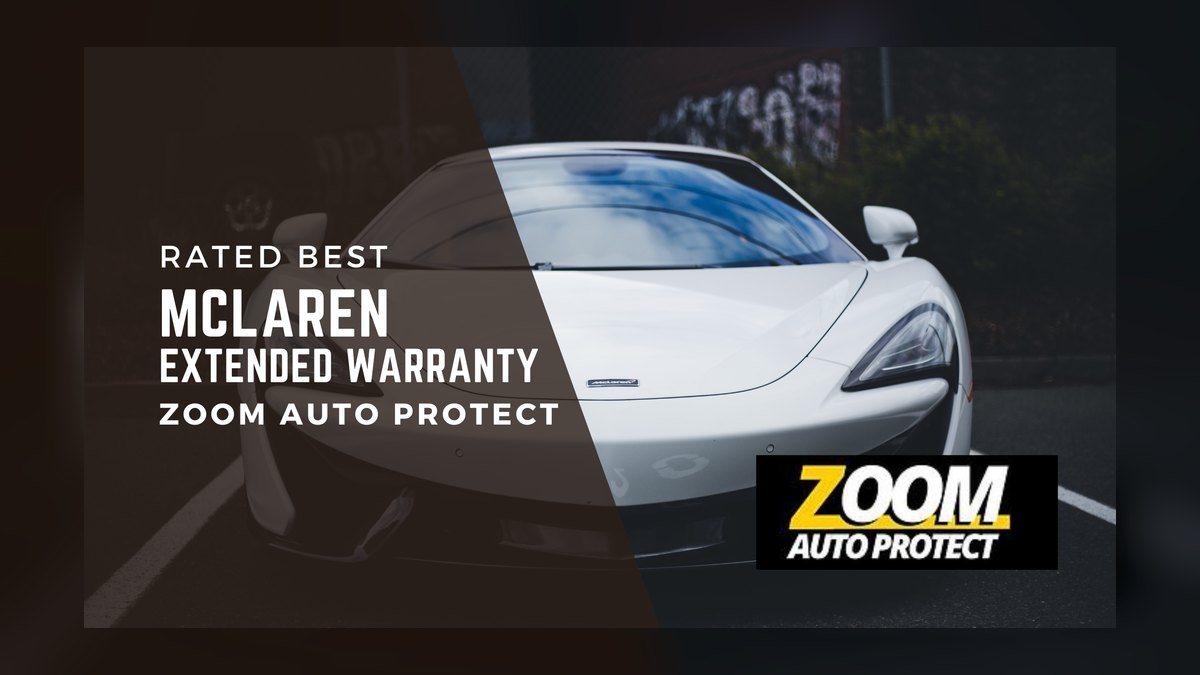
McLaren Financial Services offers what is essentially a vehicle service contract — not a true warranty — that extends mechanical coverage for a defined term. Third-party administrators like Endurance, CarChex, and others also offer plans that cover exotic vehicles, though not all will touch McLaren. The pricing model for both types rests on actuarial risk: the provider estimates the probability and cost of a claim over the term, then adds margin.
Several variables drive the final quote:
- Model and trim: A 720S has a twin-turbo V8 with complex electronic systems; an Artura has a hybrid powertrain. Both are expensive to repair, so coverage costs more than for a 570S.
- Vehicle age at purchase: The older the car when coverage starts, the higher the premium.
- Current mileage: Lower mileage means lower risk. Most providers have mileage bands (e.g., under 15k, 15k–30k, 30k–50k).
- Deductible: A $0 deductible can add 25–40% to the premium versus a $500 or $1,000 deductible.
- Term length: 12, 24, 36, and 48-month terms are common. Longer terms cost more upfront but may lower the per-month cost.
- Coverage tier: Powertrain-only, named-component, or exclusionary (bumper-to-bumper style) plans have different price points.
- Provider type: Factory-backed plans through McLaren Financial Services typically cost more than third-party plans but may have fewer exclusions and better dealer integration.
The mechanism is straightforward: the provider prices the risk, the owner pays a premium, and claims are handled through approved service centers. The complexity lies in comparing plans because exclusions, claim processes, and transferability vary widely.
Real numbers, ranges, and benchmarks

Pricing for McLaren extended warranty coverage after the factory warranty ends falls into several brackets. These are based on publicly reported owner experiences, dealer quotes shared on McLaren Life forums, and general industry pricing for exotic vehicle service contracts. Actual quotes will vary.
By model (approximate annual cost for a 24-month plan with $500 deductible):
- 570S / 570GT (2016–2021): $4,500–$6,500 per year. These models are older, parts are more available, and the V8 is well understood by independents.
- 720S (2017–2023): $6,000–$8,500 per year. More complex electronics, active aerodynamics, and higher parts costs.
- GT (2019–2023): $5,500–$7,500 per year. Similar to 720S but slightly lower claim frequency reported.
- Artura (2022+): $7,000–$9,500 per year. Hybrid powertrain adds battery and electric motor risk.
- 12C / 650S (2011–2017): $4,000–$6,000 per year. Older but parts scarcity can push claims higher.
By deductible:

- $0 deductible: add 25–40% to base premium
- $250 deductible: add 10–15%
- $500 deductible: baseline
- $1,000 deductible: subtract 10–15%
- $2,500 deductible: subtract 20–25%
By term:
- 12 months: highest per-month cost, lowest total outlay
- 24 months: moderate per-month cost
- 36 months: lower per-month cost, higher total
- 48 months: lowest per-month cost, but many providers cap eligibility at 10 years vehicle age
By mileage band (at time of purchase):
- Under 15,000 miles: lowest tier
- 15,000–30,000 miles: +10–20%
- 30,000–50,000 miles: +25–40%
- Over 50,000 miles: many providers decline or charge +50% or more
Real-world claim examples:
A 720S owner reported a failed turbocharger at 22,000 miles. Out-of-pocket repair cost: approximately $18,000. With a $500 deductible plan costing $7,200 for 24 months, the owner saved roughly $10,300 on that single claim.
A 570S owner reported a suspension accumulator failure at 28,000 miles. Repair cost: $4,800. The owner had a $1,000 deductible plan at $5,000 per year. The claim nearly paid for the annual premium.
An Artura owner reported a hybrid battery control module issue at 12,000 miles. Repair cost: $11,500. The owner had no extended coverage and paid out of pocket.

These examples show that a single major claim can justify the cost of coverage, but many owners go years without a claim that exceeds premiums paid. The math depends on the specific car, usage, and risk tolerance.
Benchmarks against other supercar brands:
- Ferrari extended coverage (Power Warranty): $6,000–$12,000 per year
- Lamborghini extended coverage: $5,500–$10,000 per year
- Porsche extended coverage: $3,000–$6,000 per year
- Aston Martin extended coverage: $4,000–$8,000 per year
McLaren sits in the middle-to-upper range, reflecting parts costs and the complexity of its carbon fiber chassis and electronic systems.
Trade-offs and alternatives
The decision to buy extended coverage is not purely financial. It is a risk-transfer decision. The owner pays a known premium to avoid unknown repair costs. Whether that trade is favorable depends on the owner's risk tolerance, the specific car's reliability history, and the alternatives available.
Trade-off 1: Factory-backed vs third-party coverage
Factory-backed plans through McLaren Financial Services cost more but typically integrate better with dealers, use genuine parts, and have fewer claim disputes. Third-party plans cost less but may limit where repairs can be done, use aftermarket parts, or exclude certain components. For a car still under 50,000 miles, factory-backed coverage is often the safer choice. For older, higher-mileage cars, third-party may be the only option.

Trade-off 2: Comprehensive vs powertrain-only
Comprehensive (exclusionary) coverage protects against almost everything except wear items. Powertrain-only covers engine, transmission, and drivetrain. For a McLaren, electronic and suspension failures are common and expensive. Powertrain-only coverage may leave the owner exposed to $5,000–$15,000 repairs on components like adaptive dampers, infotainment systems, or hybrid controllers.
Trade-off 3: Extended coverage vs self-insurance
Self-insuring means setting aside the premium amount in a dedicated fund. If no major claim occurs, the owner keeps the money. If a claim occurs, the owner pays out of pocket. For a 570S with a $5,000 annual premium, four years of self-insurance builds a $20,000 fund — enough to cover most single repairs but not a catastrophic engine or hybrid failure.
Trade-off 4: Buying now vs waiting
Waiting until the factory warranty is about to expire may allow the owner to save for the premium, but it also means the car is older and has more miles, which raises the price. In most cases, buying coverage 3–6 months before expiry locks in a lower rate.
Trade-off 5: Term length vs flexibility

A 48-month plan locks the owner into a longer commitment but lowers the per-month cost. A 12-month plan offers flexibility but costs more per month. If the owner plans to sell the car within two years, a shorter term may be better, especially if the plan is not transferable.
Alternatives to consider:
- Mechanical breakdown insurance through a regular auto insurer: Some insurers offer this as an add-on, but few cover exotic cars.
- Dealer-specific programs: Some McLaren dealers offer their own extended coverage, often through a third-party administrator.
- Manufacturer certified pre-owned programs: If buying used, a CPO car may come with an extended warranty included, which changes the math entirely.
- Credit union or membership plans: Some credit unions and auto clubs offer vehicle service contracts, but coverage for exotics is rare.
Common pitfalls and how to avoid them
Pitfall 1: Assuming the factory warranty is longer than it is
McLaren's factory limited warranty is three years in most markets. Some owners assume it is four or five years based on other brands. Check the specific model year and region. If the car is approaching three years old, start shopping now.
Pitfall 2: Waiting until after expiry
Most providers require the vehicle to be within the factory warranty period or within a short grace period (often 30 days or 1,000 miles) to qualify for extended coverage. Once that window closes, options shrink dramatically or disappear.

Pitfall 3: Not reading exclusions
Every plan has exclusions. Common ones include wear items (brakes, tires, clutch), cosmetic damage, and pre-existing conditions. Some plans exclude hybrid components or carbon fiber structural repairs. Read the contract and ask specifically about the components most likely to fail on the specific model.
Pitfall 4: Assuming all dealers accept the plan
Third-party plans may require repairs at approved facilities. If the nearest approved facility is hundreds of miles away, that is a practical problem. Factory-backed plans are typically accepted at all McLaren dealers.
Pitfall 5: Overlooking transferability
If the owner plans to sell the car, a transferable plan can increase resale value. Some plans charge a transfer fee; others do not. Check the terms before buying.
Pitfall 6: Comparing only the premium
The cheapest premium may come with the highest deductible, the most exclusions, or the lowest claim limits. Compare total potential cost, not just the monthly payment.
Pitfall 7: Ignoring the claim process
Some providers require pre-authorization before repairs. Others reimburse after the fact. Some pay the dealer directly. Understand the process before a claim is needed.
Pitfall 8: Assuming coverage continues if the car is modified

Aftermarket modifications — ECU tunes, exhaust systems, suspension changes — can void coverage. If the car is modified, disclose it and confirm coverage remains valid.
Pitfall 9: Not factoring in the deductible per visit
Some plans charge the deductible per repair visit; others per component. A plan with a $500 deductible that charges per visit can add up quickly if multiple issues are found.
Pitfall 10: Forgetting about inflation and parts availability
McLaren parts costs have risen over time. A plan priced today may not reflect future parts costs. Factory-backed plans may adjust coverage limits, while third-party plans may have fixed limits that become inadequate.
Related questions
Does McLaren offer an extended warranty directly?
Yes, McLaren Financial Services offers extended coverage through participating dealers. It is technically a vehicle service contract, not a warranty, but functions similarly. Pricing and terms vary by model, region, and vehicle age.
Can I buy extended coverage after the factory warranty expires?
In most cases, no. Providers typically require the vehicle to be within the factory warranty period or a short grace window. Some third-party providers may offer coverage on older cars, but at higher cost and with more exclusions.
How much does a McLaren extended warranty cost per month?

Monthly costs range from roughly $375 to $800, depending on model, deductible, and term. A 570S with a $1,000 deductible might be around $400 per month; a 720S with a $0 deductible could exceed $700 per month.
Is McLaren extended warranty coverage transferable?
Many plans are transferable to a new owner for a fee, which can help resale value. Check the specific contract. Factory-backed plans are often more transferable than third-party plans.
What is not covered by McLaren extended warranty?
Typical exclusions include wear items (brakes, tires, clutch), cosmetic damage, routine maintenance, and pre-existing conditions. Some plans exclude hybrid components or carbon fiber structural repairs. Read the contract carefully.
FAQ
How much does McLaren extended warranty coverage cost after the factory warranty ends?
Most owners pay between $4,500 and $9,500 per year for coverage after the factory warranty expires. The exact price depends on the model, the car's age and mileage at purchase, the deductible, the term length, and whether the plan is factory-backed or third-party. A 570S might be at the lower end; an Artura at the higher end.
What affects the cost the most?

The three biggest factors are model (Artura and 720S cost more than 570S), mileage at purchase (under 15,000 miles is cheapest), and deductible ($0 deductible adds 25–40%). Vehicle age and term length also matter. Buying before the factory warranty expires locks in a lower rate.
Is it worth buying extended coverage for a McLaren?
It depends on the car and the owner's risk tolerance. A single major repair — turbocharger, hybrid battery, suspension — can cost $5,000–$18,000. If the owner cannot absorb that, coverage is worth it. If the owner has a reserve fund and the car is reliable, self-insuring may be cheaper over time.
Can I get coverage if my McLaren is already out of warranty?
Some third-party providers offer coverage on older cars, but options are limited and prices are higher. Factory-backed plans typically require the car to be within the factory warranty period or a short grace window. Check with multiple providers.
Does the deductible apply per visit or per repair?
It varies by plan. Some charge the deductible per repair visit; others per component. A per-visit deductible can add up if multiple issues are found in one visit. Ask specifically about this before buying.
What happens if I modify my McLaren?
Aftermarket modifications can void coverage. ECU tunes, exhaust changes, and suspension modifications are common reasons for claim denial. If the car is modified, disclose it and get written confirmation that coverage remains valid.
Sources
- McLaren Automotive official site: https://www.mclaren.com
- McLaren Financial Services: https://www.mclaren.com/financial-services
- Endurance vehicle service contracts: https://www.endurancewarranty.com
- CarChex extended auto coverage: https://www.carchex.com
- Edmunds guide to extended warranties: https://www.edmunds.com/auto-warranty
- Consumer Reports on extended warranties: https://www.consumerreports.org
- McLaren Life owner forum: https://www.mclarenlife.com
- National Association of Insurance Commissioners: https://content.naic.org
Related on PULSE
- McLaren factory warranty coverage and what it includes
- Comparing supercar extended warranty providers
- How to evaluate a vehicle service contract before signing
- McLaren Artura hybrid powertrain reliability and repair costs
- When to buy extended coverage for an exotic car
- Self-insuring vs buying extended warranty for high-performance vehicles
This page will be disappearing soon. Save it to your device for $1 — or read it free while it is here.
@Kory-White- · if Venmo asks, the last 4 of my number are 2012
This page is gone.
This one is off the shelf now. $1 keeps it on your phone for good — the whole page, pictures and diagrams included.
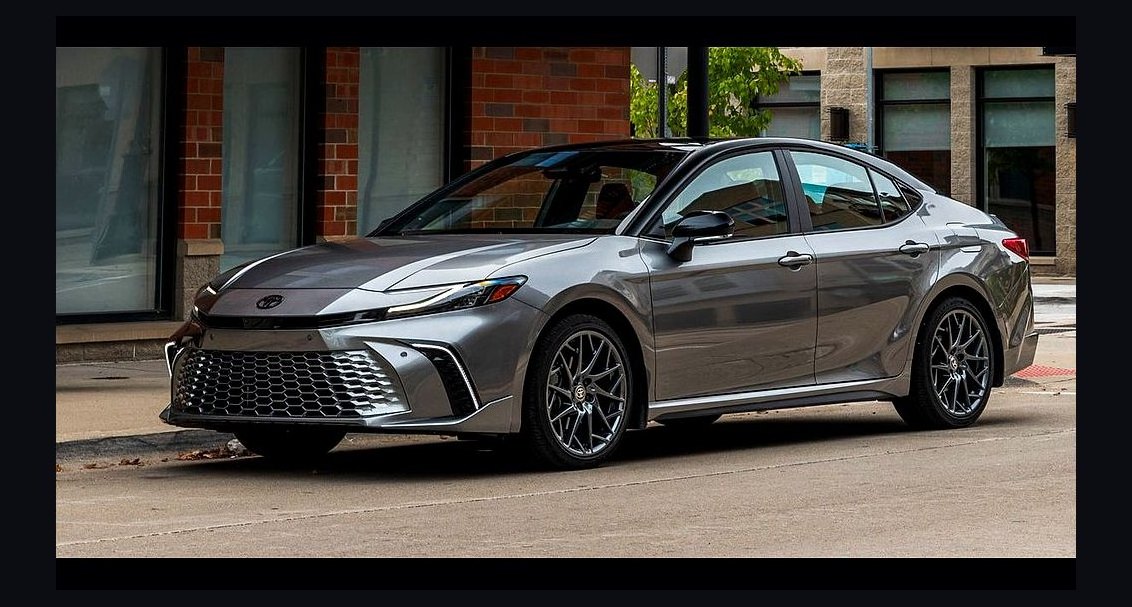 pulse-carsTop 10 Mid-Size Sedans 2026 — Best Overall + Best Value
 pulse-recentBest Supercar Model Years to Buy Used (Ranked) in 2027
 pulse-carsBest Used Off-Road SUVs Under $40,000 in 2027 (Ranked)
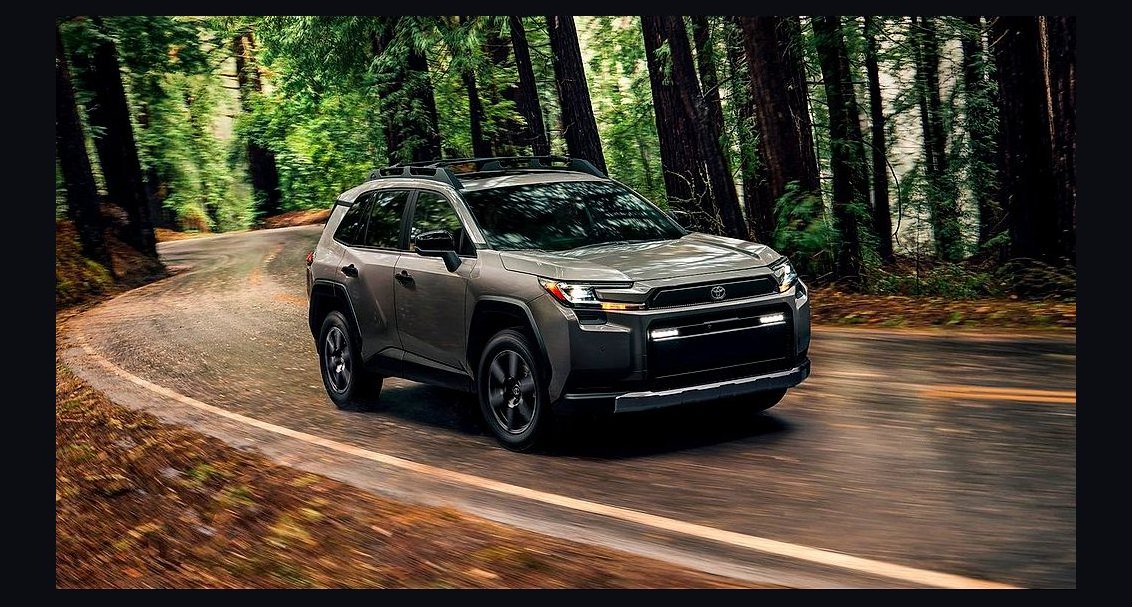 pulse-carsBest Used Compact SUVs Under $15,000 in 2027 (Ranked)
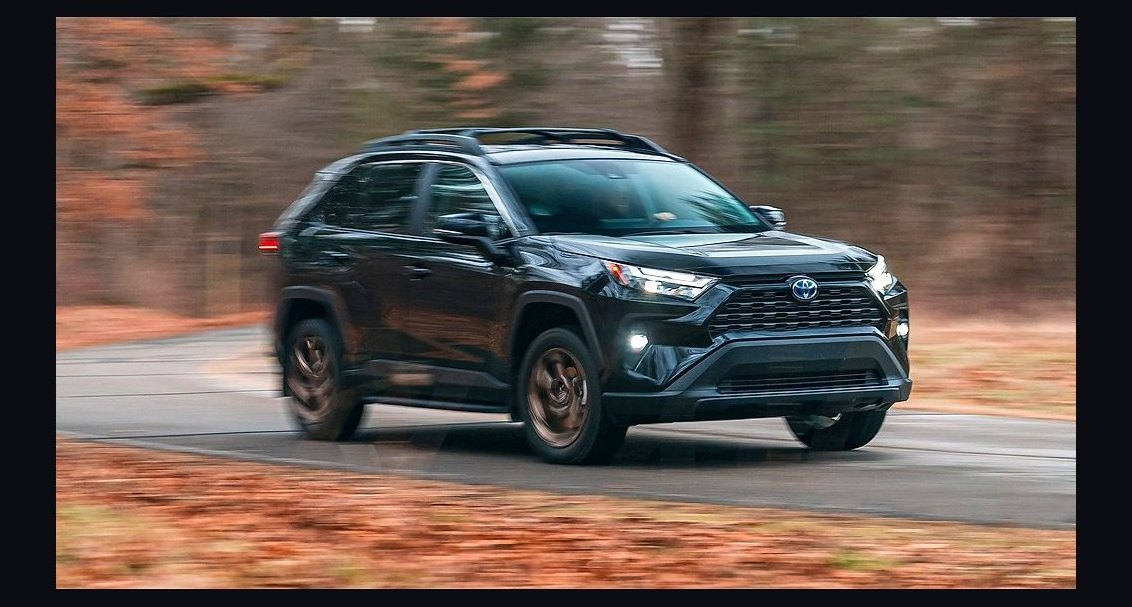 pulse-carsWhat are the most reliable used hybrid SUVs under $10,000 in 2027 that have low maintenance costs and high fuel efficiency for daily commuters in urban areas?
 pulse-carsBest Used Luxury Cars Under $10,000 in 2027 (Ranked)
 pulse-recentTop 10 Muscle Cars 1975 — Best Overall + Best Value
 pulse-carsBest SUVs for Dog Owners in 2027 (Ranked)
 pulse-recentTop 10 Most Affordable Used Sedans Under $10,000 in 1974 (Ranked)
 pulse-carsBest Acura TL Model Years (Ranked) in 2027