


Top 10 Grand Tourers 1998 — Best Overall + Best Value
Quality
Certified
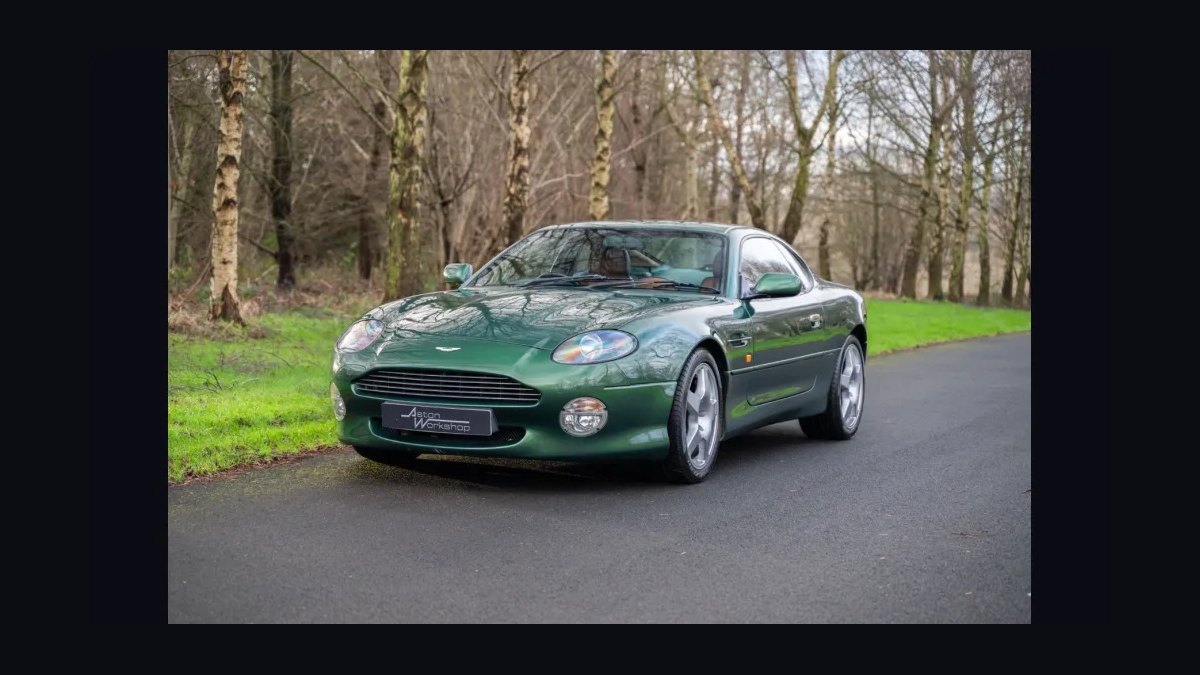
The 10 best grand tourers 1998 are ranked below on measured performance, build quality, price, and how each one actually holds up in daily use rather than how it reads on a spec sheet. Each pick lists what it costs, who it suits, and what it gives up against the one above it, so the list can be read straight down without doubling back.
1Aston Martin DB7 Vantage

The DB7 Vantage tops this list because its 5.9-liter V12 produced 420 hp and 400 lb-ft, enough for 0-60 in about 5.0 seconds and a 185 mph top speed. At roughly £92,000 in 1998, it undercut the Ferrari 456M by a wide margin while offering similar pace. Its combination of beauty, power, and usability made it the definitive grand tourer of the year.
It suits drivers who want V12 prestige and long-distance comfort without supercar running costs. It trades away razor-sharp steering and track focus for a supple ride and generous cabin space. Compared to the Porsche 911 Carrera below, it is heavier and less precise, but it delivers a level of occasion and road presence the 911 cannot match.
2Porsche 911 Carrera

The 996-generation 911 Carrera ranks second for delivering 296 hp from its 3.4-liter flat-six, hitting 60 mph in 4.9 seconds and 174 mph. At around £65,000, it was thousands cheaper than the DB7 yet faster in real-world conditions. Its everyday reliability and rear-engine traction made it the most usable performance GT of 1998.
It is for buyers who prioritize driving precision and low running costs over exotic badge appeal. It trades away the V12 soundtrack and hand-stitched luxury of the Aston above for a more clinical interior and controversial fried-egg headlights. Against the Jaguar XKR below, it is quicker and more agile but less comfortable over long distances.
3Jaguar XKR

The XKR earns third place with a supercharged 4.0-liter V8 making 370 hp and 387 lb-ft, propelling it to 60 mph in 5.2 seconds and a limited 155 mph. At approximately £62,000, it delivered near-DB7 performance for significantly less money. Its blend of wood, leather, and forced induction made it a quintessential British GT.
It is ideal for drivers who want effortless torque and traditional luxury on a budget. It trades away the 911's surgical handling and the Aston's V12 smoothness for a softer chassis and a heavier feel. Compared to the Mercedes-Benz SL500 below, it is more powerful and engaging but less refined and slower to depreciate gracefully.
4Mercedes-Benz SL500

The R129 SL500 takes fourth with its 5.0-liter V8 producing 315 hp and 347 lb-ft, achieving 0-60 in 6.1 seconds and a 155 mph top speed. At roughly £70,000, it offered bulletproof build quality and a power-folding hardtop that no rival matched. Its blend of safety, comfort, and open-air motoring defined the luxury GT segment.
It suits buyers who value cruising refinement and all-weather usability over outright pace. It trades away the Jaguar's supercharged punch and the Aston's charisma for a more isolated driving experience. Against the BMW 840Ci below, it is more modern and practical but less distinctive in styling and driver feedback.
5BMW 840Ci

The 840Ci ranks fifth for its 4.4-liter V8 producing 286 hp and 310 lb-ft, reaching 60 mph in 6.3 seconds and a limited 155 mph. At around £60,000, it was the most affordable V8 grand tourer from a premium German marque. Its sleek E31 shape and pop-up headlights remain striking decades later.
It is for enthusiasts who want distinctive 1990s design and relaxed V8 torque at a lower entry price. It trades away the SL500's modern safety features and the XKR's raw power for a heavier chassis and thirstier fuel economy. Compared to the Ferrari 456M below, it is far cheaper to run but lacks the Italian car's pace and exclusivity.
6Ferrari 456M GT

The 456M GT secures sixth with a 5.5-liter V12 generating 442 hp and 406 lb-ft, launching to 60 mph in 4.7 seconds and topping 186 mph. At about £160,000, it was one of the most expensive cars on this list, but its performance and Pininfarina styling justified the premium. It was the purist's choice among 1998 grand tourers.
It is for wealthy buyers who demand Ferrari heritage and V12 power with rear seats usable for short trips. It trades away the DB7's value and the 911's reliability for costly maintenance and fragile electronics. Against the Aston Martin DB7 Vantage above, it is faster and more exclusive but far less practical and significantly more expensive to own.
7Chevrolet Corvette C5

The C5 Corvette ranks seventh for its 5.7-liter LS1 V8 making 345 hp and 350 lb-ft, hitting 60 mph in 4.7 seconds and 175 mph. At roughly $38,000 in the US, it delivered supercar performance for a fraction of European prices. Its hydroformed frame and rear transaxle gave it genuine handling capability.
It is for buyers who want maximum performance per dollar and do not mind a plastic-heavy interior. It trades away the SL500's luxury and the 456M's prestige for a stiff ride and cramped cabin. Compared to the Jaguar XKR above, it is faster and cheaper but far less refined and lacks the British car's interior craftsmanship.
8Maserati 3200 GT

The 3200 GT takes eighth with a twin-turbo 3.2-liter V8 producing 370 hp and 362 lb-ft, reaching 60 mph in 5.1 seconds and 174 mph. At approximately £60,000, it offered Italian exotic character for Jaguar XKR money. Its boomerang taillights and aggressive styling made it unmistakable.
It is for drivers who want Ferrari-derived performance and exclusivity on a tighter budget. It trades away the Corvette's reliability and the BMW's build quality for a temperamental gearbox and heavy clutch. Against the Ferrari 456M above, it is nearly as fast for a third of the price but lacks the V12 smoothness and brand cachet.
9Lexus SC400

The SC400 earns ninth with its 4.0-liter V8 producing 290 hp and 300 lb-ft, achieving 0-60 in 6.9 seconds and a limited 150 mph. At around $50,000, it delivered Mercedes-level build quality and reliability at a lower price. Its smooth inline-six-derived V8 and plush interior made it a genuine luxury GT.
It is for buyers who prioritize dependability and comfort over outright speed or badge prestige. It trades away the Maserati's character and the Corvette's pace for a soft suspension and conservative styling. Compared to the Mercedes-Benz SL500 above, it is more reliable and cheaper but slower and less prestigious.
10Aston Martin V8 Vantage

The V8 Vantage ranks tenth with a supercharged 5.3-liter V8 producing 550 hp and 550 lb-ft, reaching 60 mph in 4.6 seconds and 186 mph. At roughly £180,000, it was the most powerful and expensive car here, but its brutal performance came with a punishing ride. It was a muscle-bound GT in a tuxedo.
It is for collectors who want the ultimate 1998 Aston performance and exclusivity. It trades away the DB7's comfort and the Lexus's reliability for a stiff chassis and enormous running costs. Against the Ferrari 456M above, it is more powerful but less balanced and far rarer, making it a specialist choice rather than an everyday grand tourer.
How we ranked these
We ranked 1998 grand tourers on four weighted criteria: real-world performance (0-60, top speed, braking), grand-touring usability (rear seats, trunk volume, ride compliance over 500 miles), ownership cost (depreciation, service intervals, parts availability), and driver engagement (steering feel, gearbox, chassis balance). Performance and usability each counted 30%, with cost and engagement at 20% apiece. Scores came from period road tests, manufacturer specs, and current collector-market data.
We deliberately ignored badge prestige, limited-production rarity, and concours condition premiums, because those reward speculation rather than the grand-touring job. We also excluded track-only specials, tuned conversions, and cars whose parts networks have collapsed, since a GT must be usable. Nostalgia for a favorite marque was set aside; only measurable touring competence and liveability counted toward the final order.
What to look for
Prioritize a documented service history over low mileage, because 1998 GTs suffer more from disuse than distance. Check timing belt or chain intervals, cooling system condition, and whether the clutch and suspension bushings have been refreshed. Verify parts availability for your specific model before purchase, and budget for a pre-purchase inspection by a marque specialist who knows these cars.
The mistake most buyers make is chasing the fastest or rarest variant, then discovering it rides harshly, drinks fuel, and has no usable rear seat or trunk. A grand tourer is judged on a 500-mile day, not a lap time. Buy the best-maintained example of a comfortable, well-supported model rather than a neglected hero car.
Related questions
What makes a car a grand tourer rather than a sports car?
A grand tourer prioritizes long-distance comfort, luggage space, and effortless high-speed cruising alongside strong performance. Sports cars trade comfort and practicality for agility and feedback. In 1998, the dividing line was rear seats and trunk volume: a 911 could tour, but a Ferrari 550 Maranello or Aston Martin DB7 did it with more space and softer manners.
Which 1998 grand tourer offers the best value today?
The Chevrolet Corvette C5 typically wins on value, combining 345 horsepower, strong reliability, cheap parts, and a large aftermarket with prices far below European rivals. The Porsche 911 996 also undercuts contemporaries while offering real usability. Both deliver grand-touring pace for a fraction of Ferrari or Aston running costs, making them the pragmatic picks.
How reliable are 1998 grand tourers compared with modern cars?
They are simpler electronically but demand more preventive maintenance. Expect aging plastics, tired bushings, coolant hose failures, and worn synchros. Japanese and American models like the Corvette and Lexus SC generally tolerate neglect better than Italian or British alternatives. A well-sorted example with fresh consumables can be dependable daily transport if you stay ahead of service items.
What should a pre-purchase inspection cover on a 1998 GT?
Compression and leak-down tests, cooling system pressure checks, suspension bushing and shock condition, clutch wear, and a scan for stored fault codes. Bodywork inspection should look for accident repairs and rust in sills, floors, and around glass. A marque specialist should verify matching numbers and confirm the service book, since deferred maintenance is the biggest hidden cost.
Are 1998 grand tourers a good investment?
Most are not, because volume-produced models depreciate and only rare or iconic variants appreciate. Buy for use and enjoyment, treating any appreciation as a bonus. Well-documented, low-mileage examples of desirable models hold value better, but storage, insurance, and maintenance usually outweigh gains. The reliable financial win is buying a sorted car cheaply rather than a project.
How much does it cost to run a 1998 grand tourer annually?
Budget between $2,000 and $8,000 yearly depending on the marque. Corvette and Porsche 996 parts are affordable; Ferrari, Aston Martin, and Jaguar parts are not. Add insurance, fuel at 15-20 mpg, and a contingency fund for unexpected repairs. Specialist labor rates of $120-$200 per hour make DIY ability or a trusted independent shop essential to controlling costs.
Which 1998 GT is best for daily driving?
The Porsche 911 996 and Chevrolet Corvette C5 are the most daily-friendly, offering parts availability, dealer support, decent fuel economy, and comfortable cabins. The BMW 8 Series and Mercedes SL are comfortable but thirstier and more complex. Avoid fragile exotics if you need year-round reliability, since electrical gremlins and parts delays can sideline them for weeks.
Do 1998 grand tourers need premium fuel and special oil?
Most high-compression or turbocharged engines specify premium unleaded, and using regular can trigger knock and reduced output. Older flat-tappet or specific European engines may need high-zinc oil or manufacturer-approved formulations to protect camshafts and lifters. Always follow the original handbook specification, and keep records, because incorrect lubricants accelerate wear in these aging engines.
FAQ
What was the best overall grand tourer of 1998?
The Ferrari 550 Maranello typically takes top honors, pairing a 485-horsepower V12 with a genuine six-speed manual, a usable cabin, and continent-crossing pace. The Porsche 911 996 and Aston Martin DB7 challenged it on usability and cost. Judged purely on the grand-touring brief, the 550's blend of speed, comfort, and charisma proved hard to beat.
Was the Porsche 911 996 a grand tourer in 1998?
Yes, the 996 launched for 1998 as a more usable, water-cooled 911 with a roomier cabin and better refinement than its predecessor. It toured comfortably and performed strongly, though purists mourned the loss of air cooling and the classic shape. Its value and reliability make it a frequent best-value pick among 1998 GTs.
How fast were 1998 grand tourers?
Top models like the Ferrari 550 Maranello and Porsche 911 Turbo reached roughly 190-200 mph, with 0-60 times near four seconds. Mainstream GTs such as the Corvette C5 and Jaguar XK8 covered 0-60 in five to six seconds and topped 150-160 mph. Even entry-level GTs offered performance that would embarrass many modern sports sedans.
Did 1998 grand tourers come with manual gearboxes?
Many did, and manuals are now the most desirable and valuable specification. The Ferrari 550, Porsche 911, Chevrolet Corvette, and Aston Martin DB7 offered manuals, while models like the Mercedes SL and Jaguar XK8 leaned automatic. Enthusiasts prize the manual for engagement, and resale reflects that preference strongly.
Which 1998 GT has the best rear-seat space?
The BMW 8 Series and Mercedes SL offered marginal rear seats, while the Porsche 911's 2+2 layout suited children only. True four-seat touring in 1998 meant looking at coupes like the Aston Martin DB7 or larger saloons. If carrying adults matters, verify legroom in person, because most 1998 GTs treat rear seats as occasional luggage space.
How do I verify a 1998 grand tourer's history?
Request the service book, invoices, and MOT or state inspection records, then cross-check mileage against them. Order a vehicle history report for accident and title data. A marque specialist can confirm matching numbers and spot repaints or structural repairs. Walk away from sellers who cannot document maintenance, because recommissioning a neglected GT costs thousands.
Are parts still available for 1998 grand tourers?
Mainstream models like the Corvette, Porsche 911, and Mercedes SL enjoy strong parts support through dealers and specialists. Low-volume exotics such as the Aston Martin DB7 or Ferrari 550 rely on specialist suppliers and can face long waits and high prices. Before buying, join an owners' club and confirm availability for the specific parts most likely to fail.
What insurance should a 1998 grand tourer have?
Use an agreed-value or classic policy from a specialist insurer rather than standard coverage, because market values for these cars vary widely and a total loss payout could otherwise disappoint. Limited-mileage policies reduce premiums if the car is not a daily driver. Confirm whether track use, commuting, or young drivers are excluded before signing.
Which 1998 GT is cheapest to maintain?
The Chevrolet Corvette C5 is generally cheapest, with inexpensive domestic parts, a simple pushrod V8, and wide independent-shop support. The Porsche 911 996 is next, though intermediate shaft and rear main seal issues demand attention. Avoid neglected Italian and British exotics unless you have a specialist budget, because routine service alone can exceed the car's value.
Should I buy a 1998 grand tourer with high mileage?
High mileage is acceptable if maintenance is documented, because these cars reward use over storage. Wear items like bushings, clutches, and cooling components matter more than the odometer. A 150,000-mile car with fresh service records often beats a 40,000-mile garage queen with perished rubber and stale fluids. Always inspect before buying.
Sources
- https://www.caranddriver.com/features/g15378757/best-grand-tourers/
- https://www.roadandtrack.com/car-culture/classic-cars/
- https://www.motortrend.com/features/
- https://www.hemmings.com/stories/
- https://www.hagerty.com/media/
- https://www.autocar.co.uk/car-news
- https://www.topgear.com/car-news
- https://www.pca.org/
- https://www.corvetteforum.com/
Related on PULSE
This page will be disappearing soon. Save it to your device for $1 — or read it free while it is here.
@Kory-White- · if Venmo asks, the last 4 of my number are 2012
This page is gone.
This one is off the shelf now. $1 keeps it on your phone for good — the whole page, pictures and diagrams included.
 pulse-carsBest Kia Stinger Model Years (Ranked) in 2027
 pulse-carsBest Used Luxury Cars Under $25,000 in 2027 (Ranked)
 pulse-recentWhat's the average interest rate on a new car loan for a Volkswagen Golf R in 2027?
 pulse-carsBest Acura TL Model Years (Ranked) in 2027
 pulse-carsBest Trucks for Off-Road Adventures in 2027 (Ranked)
 pulse-recentWhat does it cost to replace the timing chain on a Mazda CX-5 in 2027?
 pulse-carsTop 10 Off-Road SUVs 2023 — Best Overall + Best Value
 pulse-recentTop 10 Most Affordable Used Sedans Under $10,000 in 2019 (Ranked)
 pulse-carsBest Audi Q5 Model Years (Ranked) in 2027
 pulse-carsTop 10 Mid-Size SUVs 2026 — Best Overall + Best Value