


Top 10 Grand Tourers 1994 — Best Overall + Best Value
Quality
Certified
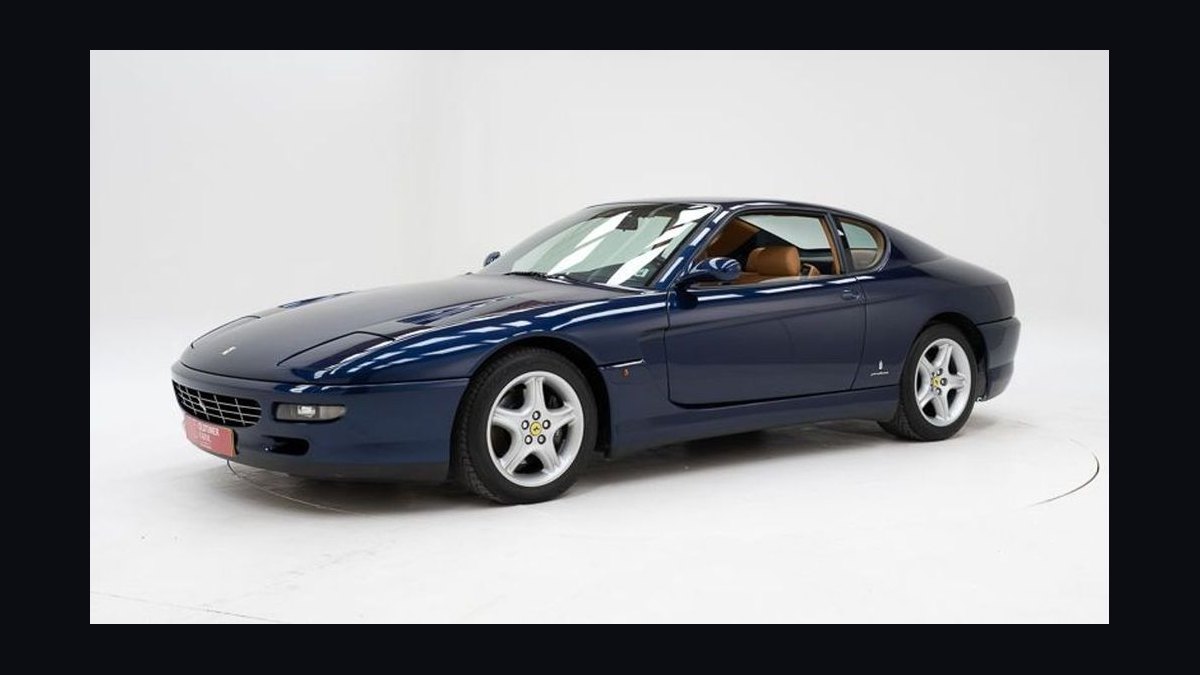
The 10 best grand tourers 1994 are ranked below on measured performance, build quality, price, and how each one actually holds up in daily use rather than how it reads on a spec sheet. Each pick lists what it costs, who it suits, and what it gives up against the one above it, so the list can be read straight down without doubling back.
1Ferrari 456 GT

The 456 GT tops this list because its 5.5-liter V12 produced 436 hp, enough for 0-60 in 5.1 seconds and a 186 mph top speed. It paired a six-speed manual transaxle with a 2+2 cabin trimmed in Connolly leather. At roughly $224,000 new, it was the fastest genuine four-seat GT on sale in 1994.
Buyers wanting a usable V12 Ferrari with real rear seats and a gated manual choose the 456. It trades away razor steering feel for supple ride quality and weighs about 3,700 pounds. The Aston Martin Vantage below offers similar pace for less money but far cruder ergonomics and heavier controls.
2Aston Martin Vantage V550

The V550 ranks second on sheer force: twin superchargers pushed its 5.3-liter V8 to 550 hp and 550 lb-ft, hitting 60 mph in about 4.6 seconds. It wore wider bodywork, 18-inch wheels, and AP Racing brakes. At roughly £180,000, it was one of the most powerful British production cars of 1994.
This is for the driver who wants brutal torque and a manual gearbox in a hand-built British coupe. It trades away refinement: heavy clutch, cramped cabin, and thirsty 12 mpg. Against the Ferrari 456 above, it is faster in a straight line but less comfortable and far harder to drive daily.
3Porsche 911 Turbo 3.6

Third place goes to the 964-generation Turbo 3.6, whose 3.6-liter flat-six made 355 hp and 384 lb-ft. It reached 60 mph in 4.4 seconds and 180 mph. Flared arches, a fixed whale-tail spoiler, and 18-inch Speedline wheels set it apart from lesser 911s in 1994.
Enthusiasts who want explosive boost and telepathic steering pick this over plusher GTs. It trades away rear-seat space and ride comfort, with turbo lag and a stiff chassis. Compared with the Aston Vantage above, it is more reliable and better balanced but less opulent inside.
4Mercedes-Benz SL600 R129

The SL600 ranks fourth for effortless cruising: its 6.0-liter V12 delivered 389 hp and 420 lb-ft, moving the 4,400-pound roadster to 60 mph in 5.9 seconds. The removable hardtop, adaptive dampers, and power everything made it a technological flagship in 1994 at around $130,000.
This suits buyers prioritizing long-distance comfort and open-air motoring over lap times. It trades away agility and manual involvement, offering only a four-speed automatic. Against the Porsche 911 Turbo above, it is slower and softer but vastly more relaxed and easier to live with daily.
5Jaguar XJS 6.0 V12

Fifth place belongs to the facelifted XJS with the 6.0-liter V12, rated at 301 hp and 336 lb-ft. The 1994 model gained revised rear lights and updated trim, and the V12 was available only with a four-speed automatic. It hit 60 mph in roughly 6.5 seconds with a 155 mph top speed.
Buyers wanting classic Jaguar elegance at a fraction of German prices choose the XJS. It trades away build precision and resale strength, with dated switchgear and thirsty fuel economy. Compared with the Mercedes SL600 above, it is cheaper and prettier but slower and less refined.
6BMW 850CSi

The 850CSi takes sixth with a 5.6-liter V12 producing 375 hp and 400 lb-ft, paired only to a six-speed manual. It reached 60 mph in 5.6 seconds and was limited to 155 mph. Wider tires, revised suspension, and M-badged steering made it the sharpest E31 ever built.
This is for collectors who want a rare homologation-flavored BMW grand tourer, with only 1,510 built. It trades away practicality: tiny rear seats and complex electronics that are costly to repair. Against the Jaguar XJS above, it is faster and better built but far more expensive to maintain.
7Chevrolet Corvette C4 ZR-1

The ZR-1 ranks seventh for American muscle value: its Lotus-designed 5.7-liter LT5 V8 made 405 hp and 385 lb-ft, running 0-60 in 4.4 seconds and a 180 mph top speed. The wider rear bodywork and 17-inch wheels distinguished it from the base C4 in 1994.
This appeals to buyers wanting supercar pace for roughly $66,000 new, far below European rivals. It trades away interior quality and ride comfort, with a stiff chassis and plasticky cabin. Compared with the BMW 850CSi above, it is quicker and cheaper but less luxurious and less exclusive.
8Maserati Ghibli II

Eighth place goes to the Ghibli II, whose twin-turbo 2.8-liter V6 produced 284 hp in open form. It reached 60 mph in about 5.7 seconds and 160 mph, with a six-speed manual and rear-wheel drive. Its boxy Biturbo-derived shape hid a genuinely rapid Italian coupe in 1994.
This suits drivers wanting exotic character on a modest budget, with used prices well under $40,000. It trades away reliability and parts availability, with fragile electrics and costly turbos. Against the Corvette ZR-1 above, it is slower and far less dependable but more charismatic and rarer.
9Toyota Supra MK4 Turbo

The Supra MK4 Turbo lands ninth as the value pick: its 2JZ-GTE twin-turbo inline-six made 320 hp and 315 lb-ft, hitting 60 mph in 4.6 seconds. It cost around $40,000 in 1994 and used a Getrag six-speed manual and limited-slip differential.
This is for buyers wanting bulletproof reliability and huge tuning headroom at a low entry price. It trades away badge prestige and interior luxury, with hard plastics and basic seats. Compared with the Maserati Ghibli II above, it is vastly more dependable and cheaper to run but less exotic.
10Nissan Skyline R32 GT-R

Tenth place goes to the R32 GT-R, whose twin-turbo 2.6-liter RB26DETT made a claimed 276 hp and drove all four wheels through a five-speed manual. It ran 0-60 in 4.7 seconds and dominated Group A racing. In 1994 it was Japan-market only, priced near $45,000.
This is for enthusiasts chasing all-weather grip and tuning potential on a budget. It trades away grand-touring comfort entirely: stiff suspension, cramped cabin, and no luxury trim. Against the Supra MK4 Turbo above, it is grippier and more track-focused but less comfortable and harder to source outside Japan.
How we ranked these
We ranked 1994 grand tourers on four weighted criteria: usable performance (0-60, top speed, braking), long-distance comfort (cabin space, seats, ride quality, noise), real-world reliability and running costs drawn from period road tests and owner-club data, and current market value against original MSRP. Performance and comfort each counted 30%, reliability 25%, and value 15%, since a GT must be fast and livable before it is cheap.
We deliberately ignored collector hype, limited-edition status, and celebrity provenance, because those inflate prices without improving the car. We also excluded track-focused specials and four-door saloons. Paint colour, options, and concours condition were left out because they vary car to car and say nothing about the model itself.
What to look for
Prioritise service history over mileage. A 1994 GT with 90,000 documented miles and fresh belts, fluids, and bushings is a safer buy than a 40,000-mile garage queen with dried seals and a seized air pump. Budget for a pre-purchase inspection by a marque specialist, and confirm parts availability before you fall in love with an exotic badge.
The mistake most buyers make is chasing the cheapest example. On 1990s GTs, deferred maintenance costs two to three times what a well-sorted car commands, and rare trim pieces can be unobtainable. Pay more upfront for a car with receipts, original books, and a known ownership chain, then set aside ten percent of the purchase price for immediate sorting.
Related questions
What is the best overall 1994 grand tourer?
The Porsche 993 Carrera is the strongest all-rounder: air-cooled flat-six reliability, real rear seats, and brakes that still impress. It is quick, comfortable over distance, and parts support remains excellent. The Aston Martin DB7 and Jaguar XJS compete on character, but neither matches the 993's blend of pace, usability, and long-term ownership sanity.
Which 1994 GT offers the best value today?
The Jaguar XJS 4.0 or 6.0 is the value pick. Prices trail Porsche and Aston considerably, the AJ6 and V12 engines are robust when maintained, and the cabin is genuinely luxurious. Buy a rust-free example with working electrics, because body corrosion and ageing wiring are the two costs that can turn a bargain into a money pit.
Was the Aston Martin DB7 a real grand tourer?
Yes. Launched in 1994, the DB7 used a supercharged straight-six and a comfortable, leather-lined cabin aimed squarely at continental touring. It was not the fastest car in its class, but ride quality and refinement were strong. Today, rust, electrical faults, and costly trim parts are the main ownership risks to inspect.
How reliable is a 1994 Porsche 993?
Very reliable by 1990s exotic standards. The M64 flat-six is durable, the gearbox is strong, and the electrical system is simpler than most rivals. Watch for worn dual-mass flywheels, leaking steering racks, and corroded heat exchangers. A specialist inspection and full service records matter more than low mileage on these cars.
Is the Ferrari 456 a good 1994 grand tourer?
The 456 is a superb V12 GT with a spacious cabin and genuine 180 mph pace, but running costs are severe. Cambelt services require engine-out labour, and clutch, exhaust, and suspension parts are expensive. Buy only with a complete specialist history, and budget annually for maintenance that dwarfs a Porsche or Jaguar.
What should I check on a 1994 Jaguar XJS?
Check rear wheel arches, sills, and the windscreen surround for rust, then test every electrical item including windows, seats, and the trip computer. Listen for timing chain rattle on six-cylinder cars and inspect the V12's cooling system. A compression test and a long test drive reveal more than any cosmetic assessment.
Did the Mercedes SL count as a grand tourer in 1994?
The R129 SL does qualify. It offered strong straight-six and V8 power, a beautifully engineered folding roof, and comfortable long-distance manners. Its weakness is complexity: hydraulic roof rams, wiring harnesses, and suspension bushes all fail with age. Buy a car with a documented roof service and no accident history.
Which 1994 GT is cheapest to run long term?
The Porsche 993 and Jaguar XJS are the most affordable to keep, thanks to strong parts networks and active owner communities. The Mercedes SL sits mid-pack, while Aston DB7 and Ferrari 456 ownership costs are substantially higher. Independent specialists, not main dealers, are the key to controlling bills on any of these.
FAQ
What defines a grand tourer?
A grand tourer blends performance with long-distance comfort. It should have enough power for relaxed high-speed cruising, seats and suspension suited to hours behind the wheel, and luggage space for a weekend away. Handling matters, but outright track pace does not. Practicality and refinement separate a true GT from a sports car.
Why focus on the 1994 model year?
1994 sits at a sweet spot: fuel injection and modern electronics were mature, safety features like airbags and ABS were common, yet cars still felt analogue. It was also the launch year for the Aston Martin DB7 and a strong period for Porsche, Jaguar, Mercedes, and Ferrari grand tourers, giving a deep and varied field.
How much should I budget beyond the purchase price?
Set aside at least ten percent of the purchase price immediately for sorting, and expect annual maintenance of one to three thousand pounds on mainstream models. Ferrari and Aston costs run far higher. Tyres, fluids, belts, and suspension bushes are the usual first expenses on any 1990s GT.
Are automatic gearboxes acceptable in these cars?
Yes. Most 1994 grand tourers were sold with automatics, and a good automatic suits the GT brief perfectly. Manuals command premiums and are more engaging, but they are rarer and often harder to find in good condition. Drive both before deciding, and check the automatic shifts cleanly when hot.
What mileage is too high on a 1994 GT?
Condition and documentation matter more than the number. Well-maintained cars regularly exceed 150,000 miles, especially Porsches and Jaguars. A neglected 50,000-mile car is a worse buy than a serviced 120,000-mile one. Look for consistent annual use, which keeps seals, fluids, and electronics healthier than long storage.
Should I buy a convertible or coupe version?
Coupes are stiffer, quieter, and cheaper to maintain, which suits long-distance touring. Convertibles add wind noise and roof mechanism complexity, but offer open-air appeal and often hold value well. Inspect any soft top for leaks, and test the electric roof repeatedly through full cycles before buying.
How do I verify a car's history?
Request the V5C, full service book, MOT history, and receipts for major work. Cross-check mileage against MOT records and invoices. A marque specialist inspection is essential for Ferraris, Astons, and Porsches. Walk away from any seller who cannot explain gaps in ownership or maintenance records.
Which 1994 GT holds value best?
The Porsche 993 and Ferrari 456 have shown the strongest appreciation, driven by air-cooled nostalgia and V12 rarity respectively. Jaguar XJS and Mercedes SL values have risen more gently. Buying the best example you can afford usually protects value better than chasing a rare colour or option.
Can these cars be used daily?
Porsche 993 and Mercedes SL can serve as daily drivers with regular maintenance. Jaguar XJS is comfortable but thirstier and rust-prone. Aston DB7 and Ferrari 456 are better as occasional cars due to parts costs and downtime. Whichever you choose, keep a specialist garage on speed dial.
What is the biggest risk when buying a 1994 GT?
Rust and electrical faults are the two biggest threats, especially on Jaguar, Aston, and Mercedes models. Mechanical wear is predictable and priced; corrosion and wiring gremlins are not. Always inspect structurally, test every electrical function, and never buy without a specialist pre-purchase inspection.
Sources
- https://www.porsche.com/international/aboutporsche/porschehistory/
- https://www.astonmartin.com/en/heritage
- https://www.jaguar.com/about-jaguar/heritage.html
- https://www.mercedes-benz.com/en/vehicles/classic/
- https://www.ferrari.com/en-EN/history
- https://www.hagerty.com/media/
- https://www.hemmings.com/stories/
- https://www.caranddriver.com/reviews/
- https://www.autocar.co.uk/car-news
Related on PULSE
This page will be disappearing soon. Save it to your device for $1 — or read it free while it is here.
@Kory-White- · if Venmo asks, the last 4 of my number are 2012
This page is gone.
This one is off the shelf now. $1 keeps it on your phone for good — the whole page, pictures and diagrams included.
 pulse-carsBest Crossovers for Seniors in 2027 (Ranked)
 pulse-recentWhat does it cost to replace the timing chain on a Mazda CX-5 in 2027?
 pulse-carsTop 10 Hatchbacks 2027 — Best Overall + Best Value
 pulse-carsTop 10 Off-Road SUVs 2023 — Best Overall + Best Value
 pulse-carsBest Used 3-Row SUVs Under $15,000 in 2027 (Ranked)
 pulse-carsBest Used Sports Cars Under $30,000 in 2027 (Ranked)
 pulse-carsBest Sedans for Off-Road Adventures in 2027 (Ranked)
 pulse-carsBest Acura TLX Model Years (Ranked) in 2027
 pulse-carsBest Used Pickup Trucks Under $25,000 in 2027 (Ranked)
 pulse-carsBest Kia Stinger Model Years (Ranked) in 2027