


How much should you budget for a full bottle of cologne in 2027?
Quality
Certified
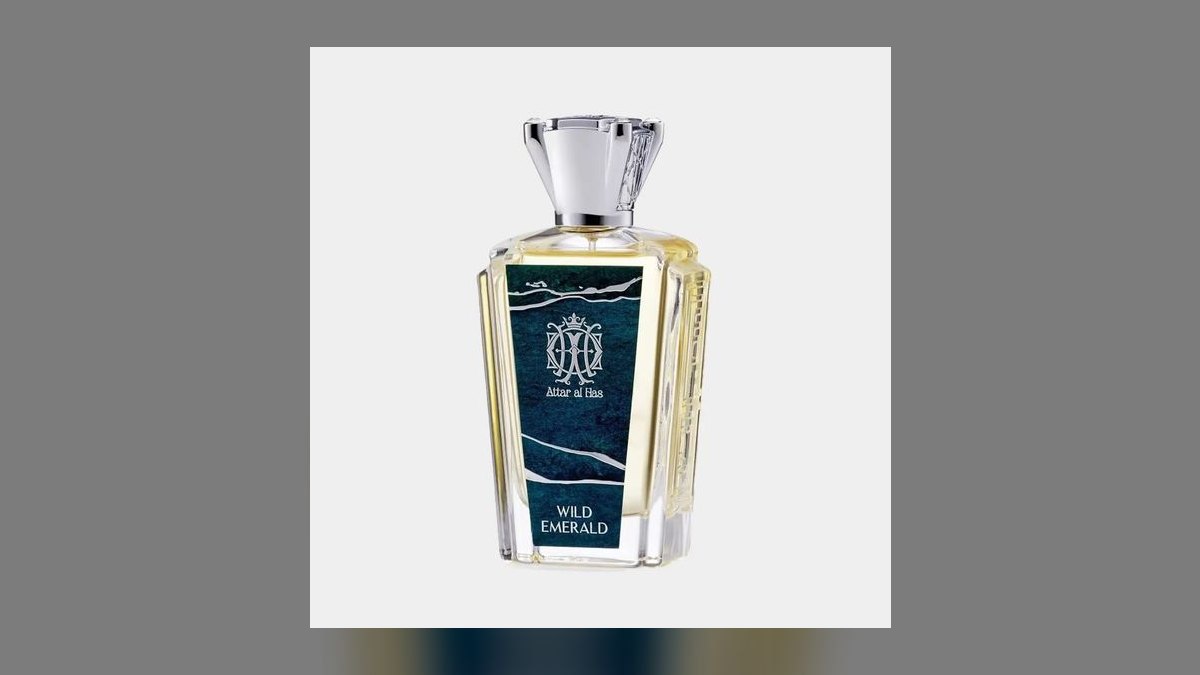
Budget $60–$140 for a full bottle of cologne in 2027. Mainstream designer 100ml bottles cluster around $80–$120 at retail and $45–$70 from discounters; niche and extrait concentrations run $180–$400. A 50ml bottle lasts most people a year at two sprays daily, so annual fragrance spend often lands near a single bottle's price.
The scenario every first-time buyer walks into
Picture a guy standing at a department store fragrance counter in early 2027. He wants one good bottle. The associate hands him a 100ml flacon with a $148 price tag, mentions a gift set, and asks whether he'd prefer the eau de parfum for "$30 more." He has no reference point for whether $148 is a fair price, a markup, or a bargain. He buys it, or he walks out and buys nothing, and either way he made the decision blind.
That scenario repeats millions of times a year, and the reason it's confusing is that fragrance is one of the few consumer categories where the sticker price at the point of sale bears almost no relationship to what an informed buyer actually pays. The same 100ml bottle sitting at $148 in a department store frequently sells for $62 at an online discounter three weeks later. It is not a counterfeit and it is not old stock. It is the same product moving through a different distribution channel, and the gap between those two numbers is the single most important thing to understand before you set a budget.
So the practical framing is not "how much does cologne cost." It's "how much do I need to allocate to reliably end up with a full bottle of something I like, given that I can choose my channel, my size, and my concentration." Once you frame it that way, the budget question resolves into a range with clear tiers, and the tiers behave predictably.
Here's the honest version of the answer for a first bottle: set aside $60 to $90. That is enough to buy a genuine, full-size, well-regarded designer fragrance from a reputable discount retailer, or a smaller bottle of something more expensive at full retail. If you want to shop exclusively in department stores and boutiques without hunting for deals, plan on $110 to $160 for the same tier of product. If you're moving into niche houses — the smaller perfume-focused brands that don't license their names to apparel companies — the entry point roughly doubles and the ceiling disappears entirely.
One more framing detail that catches people: a "full bottle" is not a fixed unit. Fragrance is sold at 30ml, 50ml, 100ml, and increasingly 200ml, and the price per milliliter drops sharply as you go up. A 30ml bottle might be $55 while the 100ml of the identical juice is $105. You paid $1.83/ml versus $1.05/ml. Neither is wrong, but if you know you'll finish the bottle, the larger size is meaningfully cheaper per wear, and if you don't, the smaller one saves you from a $105 mistake sitting on a shelf.

How fragrance pricing actually works underneath the sticker
The mechanism that drives the huge spread between retail and discount prices is worth understanding, because it's what lets you choose your own budget rather than accept the one you're handed.
Most fragrances you recognize by brand name are licensed. A fashion house — the name on the bottle — licenses its trademark to a fragrance manufacturer. A handful of large companies hold most of these licenses and do the actual formulation, bottling, and distribution. The fashion house collects a royalty. This means the entity setting the wholesale price and the entity whose name creates the desirability are different, and the manufacturer's incentive is volume.
That volume incentive creates the gray market. Authorized retailers — department stores, brand boutiques, major beauty chains — buy at wholesale and sell at the manufacturer's suggested price. But distributors also move inventory to unauthorized channels: overstock brokers, discount e-tailers, off-price chains. That product is genuine, produced in the same factories, but it arrives without the brand's blessing and without brand-mandated pricing. Discounters can therefore sell at 40–60% below the department store price and still make margin.
The practical consequences for your budget:
- Discount channel bottles are usually genuine but rarely returnable to the brand, and they may not carry the retail box, the cellophane, or a manufacturer warranty. For fragrance, none of that affects the liquid.
- Batch age varies. Discounters often hold stock longer. Most fragrances are stable for years when stored properly, but a bottle that sat in a hot warehouse can lose top notes. This is the real risk of the discount channel, not counterfeiting.
- Newly launched fragrances don't hit the discount channel for 12–24 months. If you want the thing that came out last month, you're paying retail. If you're willing to buy something from 2023 or 2024, you're paying half.
- Niche brands control distribution tightly, which is precisely why they don't discount. A $260 niche bottle is $260 almost everywhere, and the occasional 20% off is the whole discount you'll ever see.
Concentration is the second lever. The terms describe how much aromatic compound is dissolved in the alcohol base, and while the exact percentages vary by house and aren't standardized by regulation, the general ladder is consistent:
- Eau de cologne / eau fraîche — lowest concentration, typically in the low single digits by percentage. Bright, fleeting, often citrus-driven. Cheapest per ml, sold in larger bottles.
- Eau de toilette (EDT) — the traditional men's standard. Lighter, projects well for the first hour or two, then sits close. Usually the cheapest full-size option in a given line.
- Eau de parfum (EDP) — higher concentration, longer wear. Typically priced 15–30% above the EDT of the same name.
- Parfum / extrait / elixir — highest concentration, longest wear, richest. Often sold in smaller bottles at significantly higher prices per ml.
Crucially, the EDP is not simply "more of the EDT." Houses frequently reformulate between concentrations, adding base notes and dropping citrus. So the price difference isn't purely a concentration tax; you may be buying a genuinely different composition. Test both before assuming the expensive one is better for you.
The diagram compresses a lot, but the takeaway is simple: two paths, one product, prices that differ by a factor of two. Your budget should be set against the path you intend to walk, not against the highest number you've seen.
Real ranges by tier, size, and channel
Here is the concrete pricing landscape you should plan against. These are typical ranges rather than specific quotes, because individual prices move with promotions, exchange rates, and reformulations — but the tiers are stable and have been for years.
Drugstore and mass-market — $15 to $40 for 100ml. Body sprays, low-concentration colognes, and the classic barbershop scents that have been on shelves for decades. Wear time is short, often under two hours. Perfectly serviceable if you reapply, and genuinely the right answer for a gym bag or a car. The economics here are unbeatable per spray; the tradeoff is that most of these smell like what they are.
Designer at discount — $40 to $80 for 100ml. This is the sweet spot and where most informed buyers live. Established designer EDTs and EDPs, two or more years past launch, bought from a discount e-tailer or an off-price chain. You get the exact bottle the department store sells for $120. Budget $60 here and you can buy essentially any mainstream fragrance that isn't brand new.
Designer at retail — $85 to $180 for 100ml. Department stores, brand boutiques, and major beauty chains. You're paying for the counter experience, immediate availability of new releases, guaranteed fresh batches, samples, gift wrapping, and a return policy. Some of that has real value, particularly the sampling. Budget $130 if this is your channel of choice.
Premium designer and "exclusive" lines — $160 to $320 for 100ml. Many houses run a second, higher-priced collection: heavier concentrations, better juice, restricted distribution. These rarely discount. Budget $200 and expect to buy at retail.
Niche — $180 to $400 for 50–100ml. Independent and perfume-first houses with tight distribution, distinctive compositions, and higher raw material costs. A 50ml at $220 is normal. These are not discounted meaningfully. Budget $250 for one bottle and expect to keep it for years.
Ultra-luxury and exclusive collections — $400 and well beyond. Boutique-only lines, 100ml+ formats, sometimes refillable. Real perfumery, real materials, and also real brand premium. There is no ceiling.
Size-to-price behavior. Across nearly every tier, the per-milliliter cost falls as bottles get bigger:
- 30ml: highest per-ml cost, often 60–75% of the 100ml price for 30% of the volume
- 50ml: usually 65–80% of the 100ml price — the classic "in-between" trap
- 100ml: the value size for most designer lines
- 200ml: increasingly common, and typically the cheapest per ml when it exists
Translated to what actually matters — cost per wear — assume roughly 8 sprays per milliliter for a standard atomizer. A 100ml bottle is therefore around 800 sprays. At three sprays a day, that's about 265 wears. A $70 bottle costs roughly $0.26 per wear. A $250 niche bottle at the same rate is about $0.94 per wear. Both are cheap relative to almost any other daily-use item, which is why the "is this worth it" question usually resolves in favor of buying the thing you actually like rather than the cheapest thing available.
Annual budget planning. Most people who wear fragrance daily and own two or three bottles finish roughly one 100ml bottle per year, sometimes less. So:
- Minimalist, one signature scent: $60–$100/year
- Two to four bottles rotating seasonally: $150–$350/year, buying one or two new bottles annually
- Actively collecting: $500–$1,500/year, and this is where discipline matters most
- Sample-first, buy-rarely: $80–$200/year, with $40–$80 of that going to decants and discovery sets
The sample-first approach deserves emphasis. Decant sellers ship 2ml to 10ml sprays of hundreds of fragrances for $4 to $20 each. Spending $50 on ten samples before committing $200 to a niche bottle is the single highest-return move in this entire category. It converts a coin flip into an informed purchase, and it also frequently reveals that a 10ml decant is all you needed.
Trade-offs: bottle, decant, or something else entirely
The full bottle is the default, but it isn't automatically the right unit for your budget. Three alternatives are worth weighing honestly.
Decants and travel atomizers. Buy 10ml of an expensive fragrance for $25–$45 instead of 100ml for $280. You get real wear time — a 10ml is roughly 80 sprays, or a month of daily wear — without the commitment. The tradeoffs: per-ml cost is much higher, you're trusting the decanter's sourcing and hygiene, and you'll need to rebuy. Best used for expensive niche scents you want to wear occasionally, and for testing before a full-bottle purchase.
Discovery and sample sets. Many houses, especially niche ones, sell a set of eight to twelve 2ml vials for $25–$60, often with the cost credited toward a future full bottle. If you're entering a house's catalog cold, this is nearly always the correct first purchase.
Split communities. Enthusiast groups buy a full bottle collectively and divide it into decants. Cost per ml lands close to retail per-ml with none of the full-bottle risk. The catch is trust and logistics — you're relying on a stranger's decanting practice.
Buying the EDT instead of the EDP. Frequently overlooked. The EDT of a given fragrance often costs 20–30% less, and for hot weather or office wear, the lighter concentration is genuinely the better product. Don't pay the EDP premium reflexively.
Refills. A growing number of houses sell refill bottles or offer in-boutique refilling at 15–30% below the price of a new flacon. If you've settled on a signature scent, this is a clean way to lower ongoing cost.
Waiting. Prices on any given fragrance drop over time as it moves into the gray market. If you can tolerate a 12–24 month delay, you'll pay roughly half. Fragrance is one of the few products where patience is straightforwardly rewarded.
The decision tree resolves most budget questions in two steps: do you know you like it, and how old is it. Those two answers determine whether you're in the $45 lane or the $180 lane far more than the brand name does.
Adjacent spend that quietly inflates the number
Budgeting only for the bottle undercounts what people actually spend, so it's worth naming the neighboring line items.
Storage. Heat, light, and oxygen degrade fragrance. A bottle left on a sunny bathroom windowsill can turn in a year; the same bottle in a dark closet at stable room temperature stays good for many years. This costs nothing but a habit change, and it directly protects the money you already spent. Bathrooms are the worst place to keep fragrance, and it's where almost everyone keeps it.
Travel atomizers. A $10–$20 refillable 5ml sprayer lets you carry your scent without risking a $150 bottle in a bag. Small purchase, meaningful protection.
Body wash, deodorant, and aftershave in matching lines. Houses sell these as "layering" products, often bundled in gift sets. The honest read: they extend longevity somewhat and they're pleasant, but the marginal benefit over a neutral unscented base is modest, and buying the full line can double your spend on a single scent. Skip unless you love it.
Gift sets. Around holidays, a set with a 100ml bottle plus a smaller travel spray and a body product often costs less than the 100ml alone at other times. If you know what you want, the fourth quarter is genuinely the cheapest moment to buy at retail.

Replacement cycle. A fragrance you wear daily will not last forever, but neither will it evaporate on schedule. Assume 12–18 months for a 100ml in daily rotation, and 3–5 years for one you wear occasionally. Buying three bottles at once because they were on sale often means the third one is past its best by the time you reach it.
Reformulation risk. Regulatory changes to allowed materials and cost pressure lead houses to reformulate fragrances periodically, sometimes noticeably. If you find a bottle you love, buying a backup of the current batch is a legitimate hedge — but only for something you're genuinely committed to, and it does mean doubling that line of your budget.
Common pitfalls that waste the budget
Buying blind off a review. Fragrance interacts with skin chemistry, and the same juice reads differently on different people. Reviews tell you the notes and the general character; they can't tell you how it will sit on you. Every blind buy is a bet. Sample first.
Confusing "designer" with "quality." Price correlates with distribution strategy and marketing spend at least as much as with materials. Some $60 designer fragrances are excellent. Some $300 niche fragrances are thin. Judge the smell.
Overpaying for newness. The premium you pay to own a fragrance in its launch year is real money for no additional product. If you have no urgency, waiting two years cuts the cost roughly in half.
Falling for the 50ml. The 50ml is priced to look like a compromise but usually delivers the worst per-ml value in the lineup. Buy the 30ml if you're unsure or the 100ml if you're committed.
Ignoring wear conditions. A heavy, sweet, high-concentration scent that's wonderful in December can be genuinely unpleasant in August, and vice versa. Buying one bottle for all seasons often means wearing something wrong half the year. Two moderately priced bottles frequently beat one expensive one.
Spraying too much. Overapplication burns through the bottle and reads as inconsiderate in shared spaces. Two to four sprays is a normal range for most fragrances; heavy performers need fewer. Restraint stretches the budget and improves the impression.
Storing at the point of use. Covered above, but it's the most common and most costly mistake. Keep the bottle in a dark, cool, stable place and bring it out to apply.
Chasing the discount instead of the scent. A $35 bottle you don't reach for cost more than a $130 bottle you wear four times a week. Cost per wear, not cost.
Assuming counterfeits are everywhere. They exist, particularly on open marketplaces where third parties fulfill orders. They're far less common at established discount e-tailers and off-price chains with real supply agreements. Buy from a retailer with a return policy and a street address, and the risk drops close to zero.
Not accounting for the trend cycle. Fragrance goes through fashion waves the same way clothing does. A scent that's inescapable this year may feel dated in three. If you want longevity in your rotation rather than in your sillage, the classics that have been in production for decades are the safer allocation of budget.
Related questions
Is a 100ml bottle always better value than a 50ml?
Per milliliter, almost always yes — the 50ml typically costs 65–80% of the 100ml price for half the volume. But only if you'll finish it. An unfinished 100ml of something you tired of is worse value than a completed 50ml.
How long does a full bottle actually last?
A 100ml bottle holds roughly 800 sprays. At three sprays daily that's about nine months of continuous daily wear; in a rotation of three bottles, three years or more. Most people replace far less often than they expect.
Are discount e-tailer bottles genuine?

Generally yes from established discount retailers — they source from overstock and gray-market distribution, not counterfeiters. Risk rises sharply on open marketplaces with third-party sellers. Buy where returns are accepted and the seller is identifiable.
Should I spend more on eau de parfum than eau de toilette?
Only if you prefer the composition. EDPs cost 15–30% more and usually last longer, but they're often different formulations rather than stronger versions. In hot weather the lighter EDT is frequently the better wear.
What's the minimum viable fragrance budget?
About $30. That buys a full-size mass-market bottle that does the job. Around $60 opens the entire discounted designer catalog, which is where value peaks sharply.
FAQ
How much should I budget for my first full bottle of cologne?
Set aside $60 to $90. That covers a genuine, full-size, well-regarded designer fragrance bought through a discount channel, or a 50ml of something pricier at retail. If you'd rather shop exclusively at department stores with sampling and returns, budget $110 to $160 instead. Spend $15 to $50 of that budget on samples first if you're unsure — it dramatically improves the odds you keep and wear what you buy.
Why does the same bottle cost $150 in one store and $65 online?
Because they're different distribution channels. Authorized retailers sell at the manufacturer's suggested price and provide the counter experience, guaranteed-fresh stock, and returns. Discount e-tailers buy through overstock and gray-market distribution and undercut heavily. The liquid is identical; you're paying for channel, freshness guarantees, and service. The main real-world risk of the discount channel is older stock that may have lost some top-note brightness.

Is niche fragrance worth double or triple the price?
Sometimes. Niche houses generally use distinctive compositions and materials that mainstream lines avoid, and their tighter distribution means you'll smell like fewer other people. But price also reflects small-batch economics and brand positioning, not just quality. Plenty of $70 designer fragrances outperform $250 niche bottles on the wearer they suit. Sample before committing — the discovery sets exist precisely for this.
How do I know if a bottle is a fake?
Buy from retailers with a physical presence, an identifiable business, and a working return policy, and your risk drops close to zero. Warning signs are prices far below the normal discount range, sellers with no return path, and open-marketplace listings fulfilled by unnamed third parties. Fragrance counterfeiting is real but concentrated in the least accountable corners of the market.
When is the cheapest time to buy?
Two windows. First, the fourth-quarter gift-set season, when a bundled 100ml plus travel spray often costs less than the bare bottle does the rest of the year. Second, 12 to 24 months after a launch, once inventory reaches the gray market and the price roughly halves. If you can wait, patience is the largest single discount available in this category.
How should I store a bottle to protect what I spent?
Dark, cool, and stable — a closet or drawer, not a bathroom counter or a windowsill. Heat, sunlight, and humidity are what degrade fragrance, and the bathroom delivers all three. Keep the cap on, avoid decanting into open containers, and a well-stored bottle stays good for many years rather than turning within one.
Sources
- https://www.fda.gov/cosmetics/cosmetic-products/fragrances-cosmetics
- https://www.ftc.gov/business-guidance/resources/complying-made-usa-standard
- https://www.consumerreports.org/
- https://www.britannica.com/art/perfume
- https://www.si.edu/spotlight/perfume
- https://ifrafragrance.org/
- https://www.bbc.com/future
- https://www.nytimes.com/wirecutter/
Related on PULSE
- How long does a bottle of cologne actually last before it goes bad?
- Eau de toilette vs eau de parfum: which should you actually buy?
- How to build a three-bottle fragrance rotation on a small budget
- Are fragrance decants and samples worth the per-milliliter premium?
- Designer vs niche fragrance: where the price difference actually goes
- How to store fragrance so it doesn't degrade in a year
This page will be disappearing soon. Save it to your device for $1 — or read it free while it is here.
@Kory-White- · if Venmo asks, the last 4 of my number are 2012
This page is gone.
This one is off the shelf now. $1 keeps it on your phone for good — the whole page, pictures and diagrams included.
 pulse-clubsTop 10 best woody colognes for 2027
 pulse-recentTop 10 Social Clubs in Virginia in 2027
 pulse-recentTop 10 Social Clubs in South Dakota in 2027
 pulse-recentTop 10 Social Clubs in Maine in 2027
 pulse-recentTop 10 Social Clubs in Connecticut in 2027
 pulse-recentTop 10 Social Clubs in Indiana in 2027
 pulse-recentTop 10 Social Clubs in Arkansas in 2027
 pulse-recentTop 10 Social Clubs in Minnesota in 2027
 pulse-recentTop 10 Social Clubs in Arizona in 2027
 pulse-recentTop 10 Social Clubs in San Diego in 2027