
How do you run a cold-call coaching session with live dials?
 Curated byKory White · Fractional CRO · Maryland
 PULSEKNOWLEDGE LIBRARY
Run a cold-call coaching session by making live dials the workout, not the test: block a focused power hour, have reps dial real prospects while you listen on the same call (or pull the recording 60 seconds later in Gong), and coach one skill per session — opener, objection handling, or the ask for the meeting. Open with a target ("we're rehearsing the first 15 seconds"), let the rep dial, debrief each connect in 90 seconds with a single correction, then have them apply it on the very next dial. The move that separates a real coaching session from a glorified call blitz is the immediate, narrow, reps-driven debrief loop after each live connect — observe the actual behavior, name one change, watch them do it again before the energy fades.
Why This Happens — Diagnose Before You Coach
Before you book the session, figure out what is actually broken, because "they're bad at cold calls" is four different problems wearing one coat. A rep can be missing skill (doesn't know how to handle "send me an email"), will (knows how but avoids dialing), knowledge (can't articulate the value prop for this segment), or fighting a system/territory problem (bad list, wrong personas, broken dialer). Live-dial coaching only fixes the first two efficiently. If the list is garbage or the territory is picked over, no amount of opener practice moves the number — that's a RevOps fix, not a coaching fix.
Spend five minutes in Gong or your dialer reports before the session. Pull the rep's connect rate, talk-time ratio, and where the call dies. Walk in knowing the answer to "is this skill or will?" so the session has a target instead of being a vague "let's make some calls together."

The Coaching Conversation
Use the GROW model — Goal, Reality, Options, Will — to frame the live-dial session so the rep owns the change instead of just absorbing your feedback. The whole point is that they leave self-correcting.
Goal — set the one skill (60 seconds before dialing): > "Today we're not trying to book ten meetings. We're rehearsing one thing: the first 15 seconds so the prospect doesn't hang up. By the end of this hour I want you to land your opener cleanly five times. Deal?"
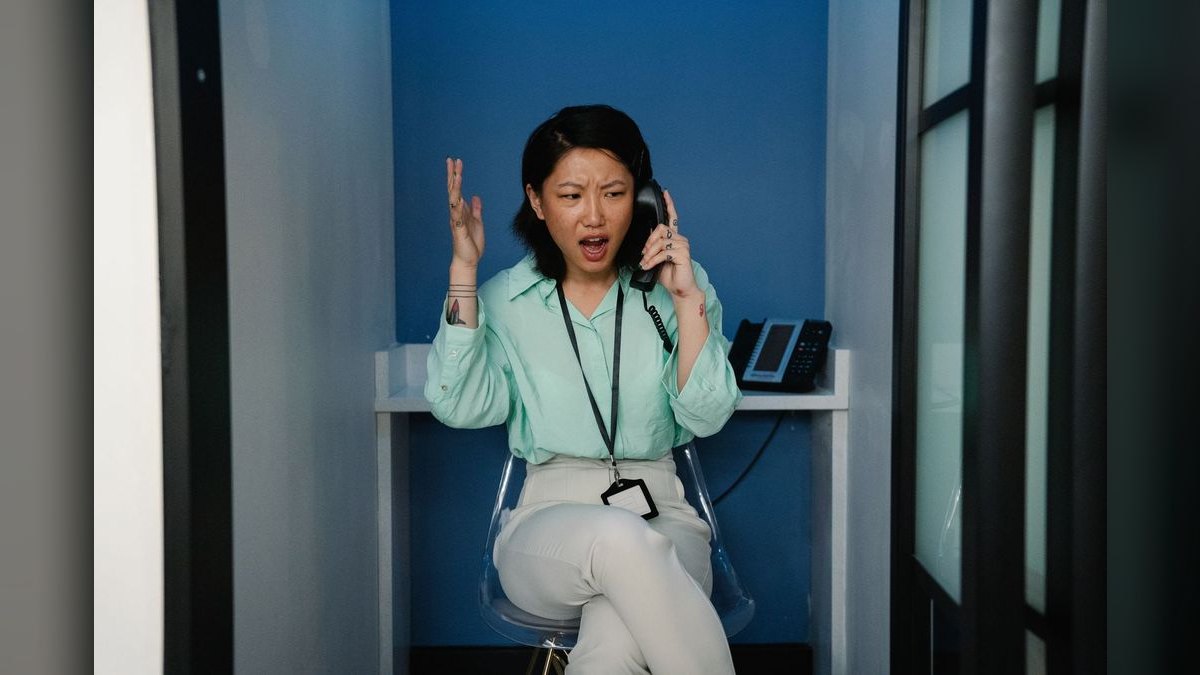
Reality — let them dial and observe, then debrief each connect (90 seconds): > "Okay, what did you hear happen on that call? ... Right — they cut you off at 'I'm reaching out because.' What do you think they were thinking in that moment? ... Agreed, it sounded like a pitch. Here's the one change for the next dial: lead with the reason you called *them specifically*. Try: 'Hi Sam, I'll be quick — I'm calling because you just posted three SDR roles, which usually means pipeline pressure. Did I catch you at an okay time?'"
Options — pull the fix from them, don't hand it over: > "Before I give you mine — what are two ways you could have handled that 'we already have a vendor' brush-off? ... Good, that's one. Here's a second: agree and pivot — 'Totally expected, most folks I call do. The reason teams still take my call is...' Which one feels more like you?"
Will — lock the commitment for the next dial: > "So on this next call, what are you going to do differently in the opener? ... Perfect. Dial it. I'm listening."
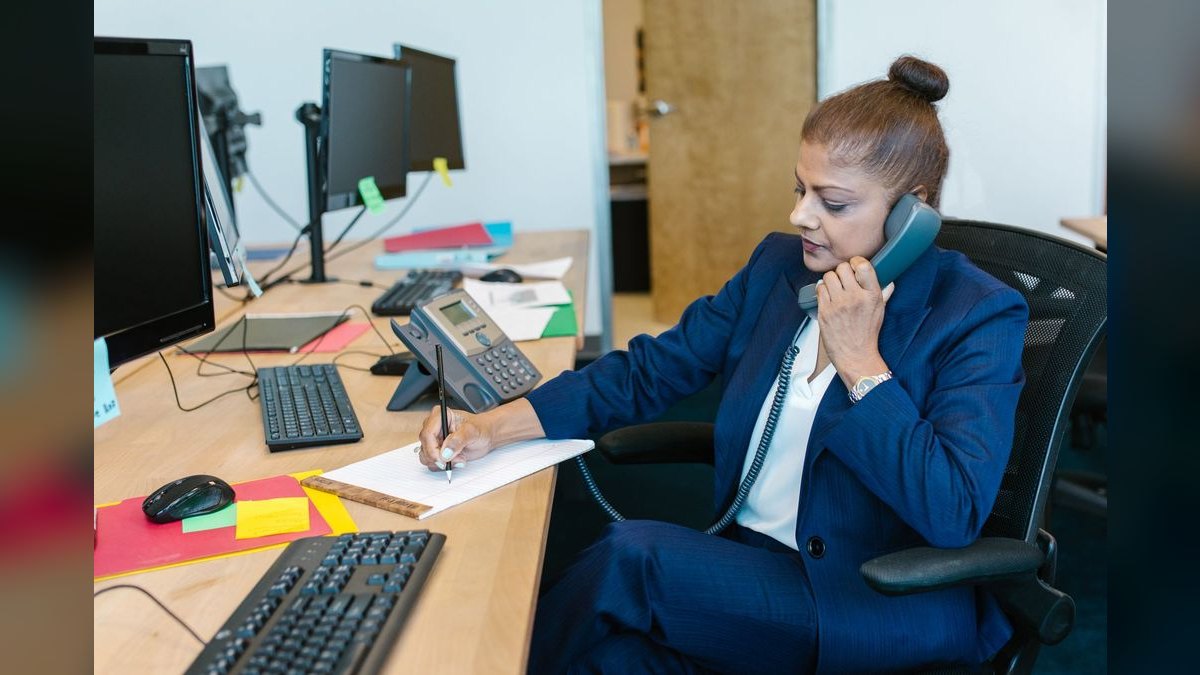
Notice the rhythm: they dial, you ask what *they* observed, you isolate one correction, they commit to it out loud, they apply it immediately. Resist the urge to monologue. The rep should be talking more than you in every debrief, and every correction should be tested on the next live connect while it's fresh.
The Coaching Plan / Cadence
One heroic session does nothing. Build a repeating loop so the skill sticks. A practical weekly cadence for a manager running cold-call coaching across a team:
- Monday — Power hour (team). A scheduled 60-minute blitz where everyone dials at once, music on, leaderboard up. Energy is the point; volume creates coachable moments.
- Tuesday/Thursday — 1:1 live-dial (15 min each, rotate reps). You sit with one rep, run the GROW loop above on a single skill, then have them keep that skill as their focus all week.
- Wednesday — Call review (async + group). Pull two Gong snippets per rep — one win, one miss — and run a 20-minute group teardown. Reps coach each other; you facilitate.
- Friday — Measure + recommit. Five minutes per rep: did the connect-to-meeting rate move on the skill we drilled? Set next week's one skill.
Across a new rep's first 30/60/90: days 1–30 are pure opener + dial-volume confidence; days 31–60 shift to objection handling and the meeting ask; days 61–90 move to multi-touch cadence quality and personalization at scale.

Drills & Role-Play
Live dials are the game; drills are the practice that make the game easier. Run these:
- The 15-second opener drill. Rep delivers their opener cold, you play the prospect and hang up the instant it sounds like a pitch. Repeat until they get past 15 seconds five times in a row. Pressure-test it before they burn a real connect.
- Objection ping-pong. You fire the four objections that actually kill their calls ("not interested," "send me an email," "we have a vendor," "no budget") back to back, no thinking time. Builds reflexes so the real call doesn't freeze them.
- The teardown scorecard. Score every reviewed call on five things: relevant opener, clear reason for calling, one good question, handled the brush-off, clear ask. Bold the one lowest score — that's next session's focus.
- Hot-seat power hour. During the blitz, put one rep on speaker for two live calls while the team listens, then everyone debriefs. Vulnerable, but it normalizes coaching and spreads good moves fast.
What to Measure
Quota is a lagging indicator and it tells you nothing in week one. Track leading indicators that prove the coaching is changing behavior:

- Dial-to-connect rate — are they reaching humans? (data/timing problem if low)
- Connect-to-conversation rate — do they get past the opener? (this is the skill you're coaching)
- Conversation-to-meeting rate — can they ask for and land the meeting? (the money metric)
- Objection-recovery rate — how often a brush-off still becomes a conversation.
- Time-to-ramp — for new reps, days until they hit the team's connect-to-meeting benchmark.
Pull these from Salesforce, Outreach, and Gong weekly and put the trend in front of the rep. Behavior change shows up in connect-to-conversation before it ever shows up in booked meetings — celebrate the leading-metric movement so reps stay bought in during the lag.
Common Mistakes Managers Make
- Coaching the deal, not the skill. Telling them what to say on *this* call books one meeting; teaching the opener pattern books fifty. Coach the transferable skill.
- Coaching everyone the same. A will problem (call reluctance) needs mindset and small wins; a skill problem needs reps and scripts. Diagnose first.
- Rescuing the rep. Grabbing the phone or talking over them on the live call feels helpful and teaches nothing. Let them struggle through the connect, then debrief.
- Death by feedback. Five corrections per call overwhelms. One skill, one correction, one session. Discipline beats thoroughness.
- No follow-through. A great session with no Friday measurement and no next-week focus evaporates by Tuesday. The loop is the product, not the session.
- Confusing a coaching gap with a hiring gap. If a rep can't get through an opener after weeks of focused live-dial coaching, that may be a wrong-fit hire or a candidate for a PIP — not more reps. Be honest about it.
The 3-Second Pause Rule — Your Most Underrated Coaching Lever
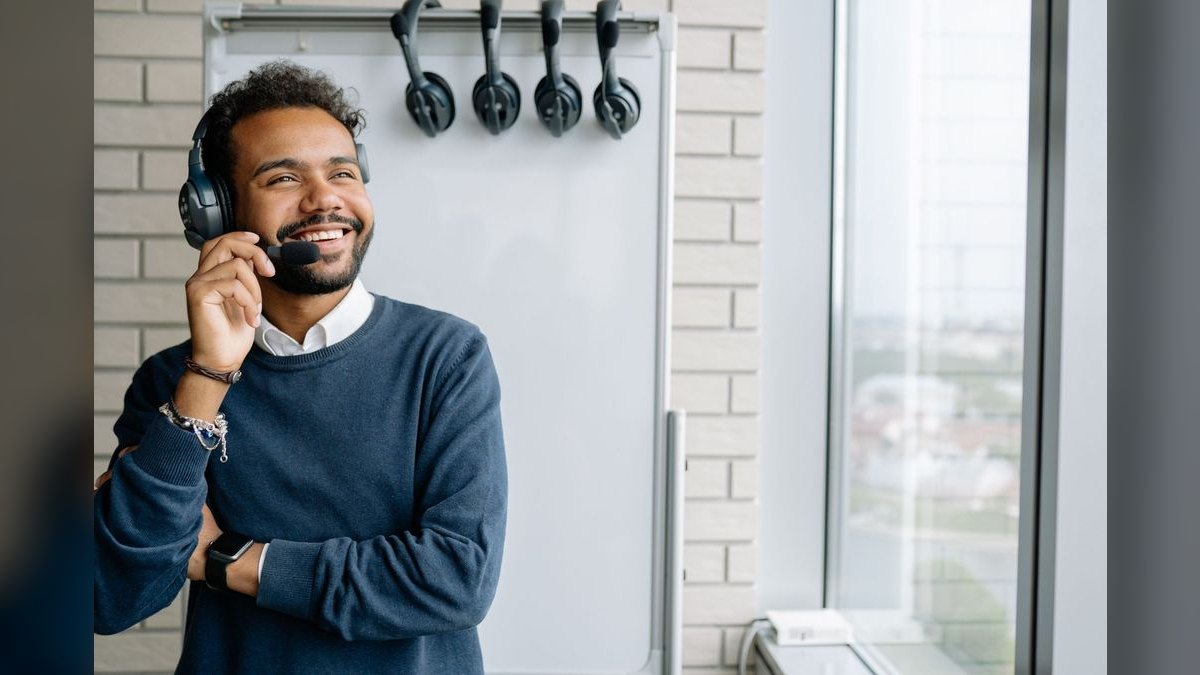
The most common mistake in live cold calls isn't a bad opener — it's the rush. Reps talk too fast, interrupt the prospect's first word, and never let silence do the selling. During your coaching session, enforce a 3-second pause after the prospect says anything meaningful — especially after their name, their "who's this?", or their first objection. Have the rep count silently ("one-one-thousand, two-one-thousand, three") before responding. This single adjustment typically cuts objection escalation in real sessions because it signals confidence and gives the prospect space to reveal their actual pain. Coach this by saying "pause" into your headset during the live call — the rep will hear you and adjust on the next dial. It's not about being slow; it's about being deliberate, and it's the fastest behavioral fix you can install mid-session.
Handling the "Not Interested" Blow-Off — A Live Script Hack
Every cold call hits "not interested" within the first 10 seconds. Your coaching session should turn this from a dead end into a pivot opportunity. Teach reps one simple pattern interrupt: when the prospect says "not interested," the rep says "I hear you — and I'm not going to pitch you. Quick question: are you the person who handles [specific problem] at [company name], or is that someone else?" This works because it validates the prospect's resistance (they're not wrong to be skeptical) while immediately shifting to a low-pressure, curiosity-driven question. In your live session, have the rep write this exact phrase on a sticky note taped to their monitor. Debrief after each "not interested" encounter: did they use the script verbatim, or did they revert to "okay, thanks" and hang up? The latter is the default behavior you're breaking — expect 3-4 attempts before it sticks.
The Post-Session Accountability Loop
The coaching session itself is only half the value. The other half is what happens in the 48 hours after. End each live-dial session by having the rep write down the one skill they practiced (e.g., "pausing after objection") and commit to making it their focus for the next 50 dials. Then schedule a 5-minute check-in two days later — not a full session, just a quick "how many times did you use the pause?" This creates a feedback loop that turns a one-off coaching moment into a lasting behavior change. Without this accountability, most reps revert to their old patterns within a week. The check-in can be async (Slack voice note, Gong clip review) but it must be scheduled before you end the live session. Reps who complete this loop typically see improvement in conversation-to-meeting conversion within two weeks.
FAQ
How long should a live-dial coaching session be? For 1:1 live coaching, 15–20 minutes with one rep on one skill beats a sprawling hour. For a team power hour, 60 minutes of synchronized dialing creates the volume of connects you need. The debrief after each connect should be about 90 seconds — long enough for one correction, short enough to keep dialing.
Should I coach live on the call or review the recording afterward? Both, for different things. Listening live (muted, on the same line) lets you debrief while the rep still remembers exactly what they felt. Reviewing the Gong or Chorus recording later is better for spotting patterns across many calls and for async teardowns where reps coach each other. Use live for in-the-moment skill building, recordings for trend coaching.
What if the rep freezes or refuses to dial in front of me? That's a will/anxiety signal, not laziness. Lower the stakes: start with role-play, then have them dial while you sit silently, then debrief only after the call ends. Stack small wins. If reluctance persists for weeks despite a supportive approach, it may be a fit problem worth an honest conversation.
How do I coach cold calling on a hybrid or fully remote team? Run the blitz over a video bridge with the leaderboard shared on screen so the energy survives the distance. Use Gong or Salesloft AI call summaries to scale review across more reps than you can sit with live, and protect a recurring synchronous power hour so remote reps still feel the team momentum.
What's the one skill I should coach first? The first 15 seconds. Everything downstream — objections, the ask, the meeting — only matters if the prospect stays on the line. Fix the opener and relevance before anything else; it has the highest leverage on connect-to-conversation rate.
How do I know coaching is working and not just luck? Watch the leading indicators — specifically connect-to-conversation rate — over a rolling two to three weeks. If the skill you drilled is moving its matching metric, the coaching is working even before booked-meeting volume catches up. If the leading metric is flat after focused reps, re-diagnose; you may be coaching the wrong cause.
Bottom Line
The whole game is the tight debrief loop on live connects: set one skill, let the rep dial real prospects, debrief each connect in 90 seconds with a single GROW-framed correction, and make them apply it on the very next call. Diagnose skill vs. will vs. system before you book the session, measure the leading indicator, and repeat the loop weekly. One skill, one correction, immediate application — that's how a cold-call coaching session actually changes behavior.
Related on PULSE
- [How do you coach a rep to improve their cold-call connect rate?](/knowledge/cg0038)
- [How do you run a role-play session reps don't hate?](/knowledge/cg0172)
- [How do you run a call-review session that reps don't dread?](/knowledge/cg0127)
- [How do you run a deal-coaching session that actually moves the deal?](/knowledge/cg0091)
- [Top 10 Questions to Ask During a Role-Play Coaching Session](/knowledge/cg0925)
- [Top 10 Questions Every Sales Manager Should Ask in a Coaching Session](/knowledge/cg0905)
Sources
- Gong Labs: What Makes the Best Cold Calls Work
- RAIN Group: Top-Performing Cold Calling Tips
- Harvard Business Review: The Right Way to Coach Your Sales Team
- Sales Hacker: How to Run a Sales Power Hour
- Sandler: Coaching Salespeople to Make More Calls
- Winning by Design: Sales Coaching Framework
- Salesforce Blog: Sales Coaching Techniques That Work
- The GROW Model — MindTools
This page will be disappearing soon. Save it to your device for $1 — or read it free while it is here.
@Kory-White- · if Venmo asks, the last 4 of my number are 2012
 sales-coachingHow do you coach a rep who's stressed about hitting quota?
 sales-coachingHow do you scale call coaching across a large sales team?
 sales-coachingHow do you have a tough conversation with an underperformer?
 sales-coachingHow do you coach reps to improve their win rate?
 sales-coachingHow do you structure a weekly sales coaching 1:1?
 sales-coachingHow do you coach a rep to forecast a deal honestly?
 sales-coachingHow do you coach an account manager to grow existing accounts?
 sales-coachingHow do you coach a rep through a missed quarter without crushing them?
 sales-coachingHow do you turn around an underperforming sales rep?
 sales-coachingHow do you coach a sales rep through a confidence crisis?