 Pulse Reviews and Analysis
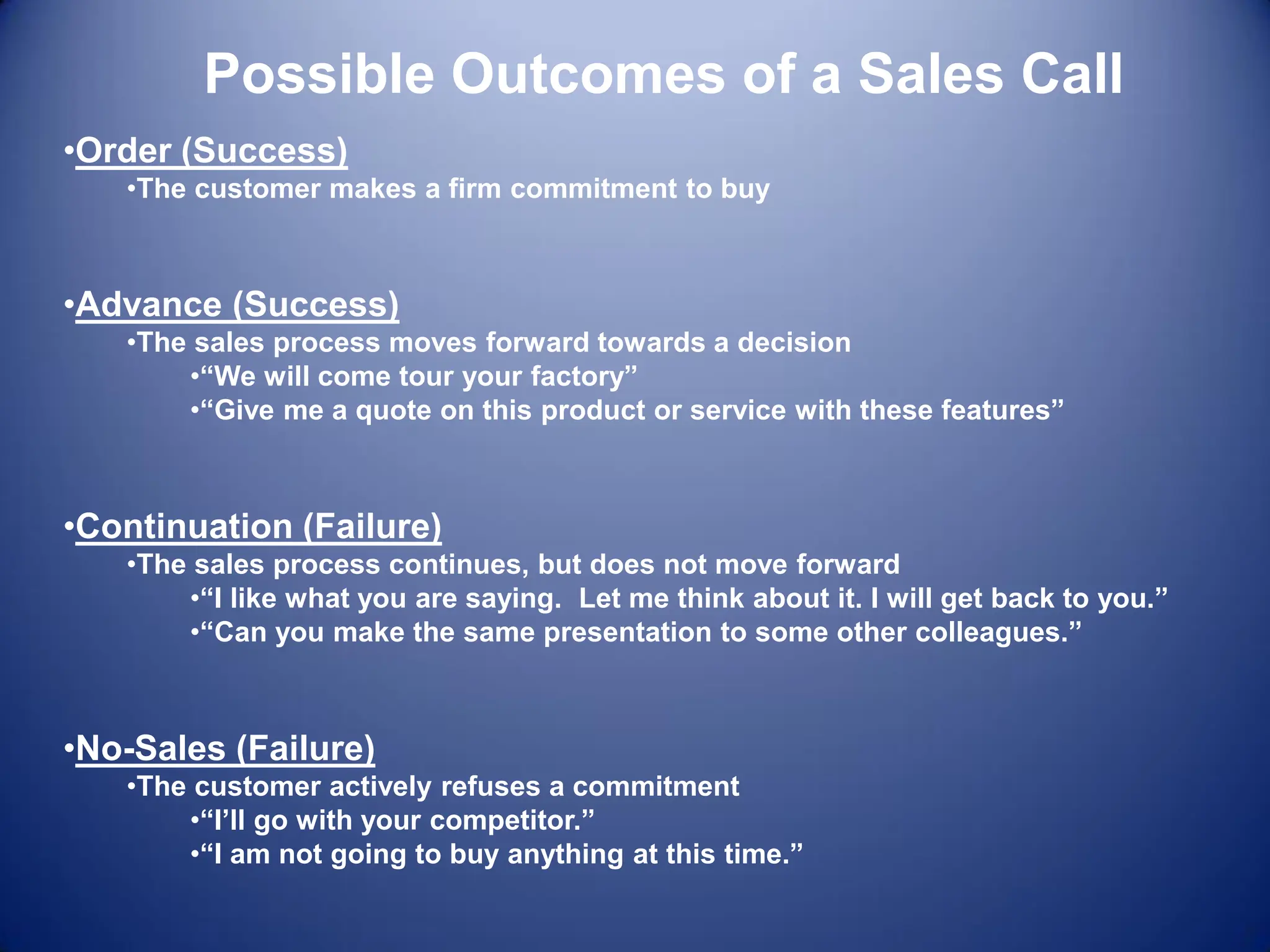
How do you coach a rep to get a firm commitment to next steps?
 Curated by Kory White · Fractional CRO, CRO Syndicate
Direct Answer
You coach a rep to get a firm commitment to next steps by teaching them to book the next step live, on the current call, with a specific date, time, and named attendees — never to leave with "I'll follow up next week." The core move is the calendar-now close: the rep opens their calendar on screen, proposes two concrete slots, and gets the buyer to pick one before the call ends.
As the manager, you don't fix this on the deal — you fix the rep's *behavior pattern* by role-playing the exact language, scoring the next-step quality on every call review, and tying it to a mutual action plan (MAP) so the buyer co-owns the timeline. This is the single biggest lever on cycle time and slip rate, and in 2027's committee-heavy buying, a vague next step is the leading cause of stalled deals.
Why This Happens — Diagnose Before You Coach
A rep who leaves calls with soft next steps usually isn't lazy — they're avoiding the small social risk of asking the buyer to commit. Before you coach, root-cause whether this is a skill, will, knowledge, or system problem, because each needs a different response.
- Skill — the rep doesn't know *how* to ask for a hard commitment without feeling pushy. They have never been given the words. This is the most common cause and the most coachable.
- Will — the rep is afraid a firm ask will get a "no," so they protect the relationship by staying vague. Call reluctance, not capability.
- Knowledge — the rep doesn't know what the *right* next step even is (a discovery should end in a scoped demo with the economic buyer, not a generic "let's reconnect").
- System/territory — the buyer genuinely can't commit because a real blocker exists (no budget cycle, committee not formed), and the rep is correctly reading the room.
Most "won't get commitment" reps are 70% skill, 20% will. The diagnosis tree below routes you from the symptom to the real cause so you don't burn a role-play session on a problem that's actually a comp or territory issue.
The Coaching Conversation
Run this as a focused 1:1 using the GROW model (Goal, Reality, Options, Will). Don't lecture — ask, then hand over the exact words. Pull up a real recorded call from Gong or Chorus where the rep ended soft, and listen to the closing 90 seconds together.
Goal — "What did you want the buyer to commit to by the end of that call?" Let them answer. If they say "a follow-up," push: "A follow-up to do what, by when, with whom?" You're teaching them that a next step without a date and an attendee is not a next step.
Reality — "Play me the last two minutes. What actually happened?" Listen together. Then ask the diagnostic question: "At what moment could you have opened your calendar and proposed a time?" Make them find the gap themselves.
Options — "What could you have said instead of 'I'll follow up'?" Give them the menu, then drill the calendar-now script verbatim:
"Makes sense. Let's lock the next step right now so it doesn't slip. I'm looking at my calendar — I've got Thursday at 10 or Friday at 2. Which works better for you and [economic buyer's name] to walk through the scoped proposal?"
If the buyer deflects ("send me something and I'll get back to you"), the rep uses the gentle pin:
"Happy to send it over. In my experience, things that don't have a time on the calendar tend to drift for weeks. Can we hold 15 minutes Thursday to react to it together, and you can cancel if it's not useful?"
And the negative-reverse / Sandler-style version when the buyer is genuinely non-committal:
"It sounds like this might not be a priority right now — should we hit pause, or is it worth holding Friday at 11 to keep it moving?"
Will — "On your next three calls, you'll open your calendar before you hang up and book the next step live. Deal?" Get a yes. Then: "I'll be listening to those three in Gong. Let's review them together Friday." You just made a mutual action plan with your own rep.
The Coaching Plan / Cadence
One conversation changes nothing. Behavior change comes from a tight, repeating loop over 30 days. Make next-step quality a standing agenda item in every weekly 1:1, not a one-time talk.
- Week 1 — Install the script. Role-play the calendar-now and gentle-pin language until it's automatic. Rep commits to booking live on every call.
- Weeks 2–3 — Observe and correct. Pull 2–3 calls per week from Gong/Chorus, score the close, give one specific correction each. Praise the reps who book live in front of the team.
- Week 4 — Make it the standard. Add "scheduled next step with date + attendee" as a required field in Salesforce stage exit criteria, so a deal can't advance without one.
Drills & Role-Play
- The calendar-now drill. You play a polite-but-evasive buyer. The rep must open a real calendar and pin a slot in under 60 seconds. Run it three times back to back until it's reflexive.
- The deflection gauntlet. You throw the four classic dodges — "send me info," "I need to check with my team," "let's reconnect after the holidays," "we're not ready yet" — and the rep must respond with a booking ask each time, not a retreat.
- Call-review scorecard. On every reviewed call, the rep self-scores the close 0–2: 0 = no ask, 1 = vague follow-up, 2 = specific date/time/attendee booked. Track the average over the month.
- MAP-building rep. Have the rep co-author a one-page mutual action plan with the buyer that lists every step to signature with dates — this turns "next step" into a shared artifact, not a favor they're asking for.
What to Measure
Don't wait for quota to tell you it worked. Watch the leading indicators that prove the behavior changed:
- % of customer-facing calls that end with a scheduled next step (date + time + named attendee in the calendar). This is the headline metric — aim for 80%+.
- Average days between meetings — should compress as soft "follow-up next week" gaps disappear.
- Stage-to-stage conversion and slip rate (deals that miss their forecast close date) — both improve when next steps are pinned.
- Self-score average on the close from call reviews, trending from ~0.7 toward 2.0.
- Cycle time as the lagging confirmation, 60–90 days out.
According to Gong Labs call analysis, reps who schedule the next meeting *during* the current call close materially faster than those who promise to circle back — the behavior, not the talk, is what moves the number.
Common Mistakes Managers Make
- Coaching the deal, not the skill. You jump in to save the specific opportunity and never fix the rep's pattern, so it recurs on the next ten deals.
- Accepting "I'll send it and follow up" in your own pipeline reviews. If you let vague next steps survive your forecast call, you've just modeled the behavior you're trying to kill.
- No follow-through. You have the talk once and never listen to the next three calls, so the rep reverts within a week.
- One-size coaching. A will problem (fear of the no) needs reassurance and lower stakes; a knowledge problem needs you to define the right next step per stage. Coaching them identically wastes both of your time.
- Over-coaching a system problem. If the buyer truly can't commit because there's no budget cycle, more role-play won't help — fix qualification or disqualify.
FAQ
How do I get a rep to ask for a firm time without sounding pushy? Reframe it as a service to the buyer, not a favor to the rep. The line "let's lock this now so it doesn't slip on either of us" lands as helpful. Pulling up the calendar live makes the ask feel procedural and normal rather than aggressive, and giving two specific slots ("Thursday at 10 or Friday at 2") is far easier to say yes to than an open-ended "when works?"
What if the buyer genuinely refuses to commit to a date? Treat it as qualification signal, not a closing failure. Coach the rep to use the Sandler-style negative reverse — "should we hit pause, or is this worth holding a time for?" A real prospect will pick a time; a non-buyer will reveal themselves, which is valuable intel for the forecast.
Should this be enforced in the CRM? Yes. Add "scheduled next meeting with date and attendee" as a hard stage-exit requirement in Salesforce so deals can't advance on a vague promise. Systematizing the behavior outlasts any single coaching conversation.
How is a mutual action plan different from just booking the next call? A booked call is one step; a mutual action plan is the whole path to signature, co-owned with the buyer and dated. It turns every "next step" into a checkbox on a shared plan, which makes the firm commitment the default rather than something the rep has to re-earn each call.
How long until I see the behavior stick? With a tight loop — script in week 1, reviewed calls weekly, public praise for live bookings — most reps internalize it in about 30 days. The CRM stage gate and ongoing call reviews keep it from regressing after that.
Does this change for AI-assisted or hybrid selling in 2027? The principle holds, but the tooling helps. AI call-coaching in Gong and Chorus can auto-flag calls that ended without a scheduled next step, so you spend your review time on the right calls. With larger buying committees, the "named attendee" part of the ask matters more — the next step should pull the economic buyer in, not just the champion.
Bottom Line
The one move that matters is book the next step live, with a date, time, and named attendee, before the call ends — never "I'll follow up." Coach the rep with the verbatim calendar-now script, drill it until it's reflexive, score next-step quality on every call review, and make it a CRM stage gate backed by a mutual action plan.
Fix the behavior, not the deal, and the cycle time follows.
Sources
- Gong Labs — What the best closers do on sales calls
- Harvard Business Review — The right way to manage your sales pipeline
- RAIN Group — Sales coaching that drives results
- Sandler — Negative reversing and the up-front contract
- Sales Hacker — How to set effective next steps in every sales call
- Winning by Design — Mutual action plans and the SPICED framework
- Challenger / Gartner — Driving commitment in B2B buying
*Sales coaching for getting a firm commitment to next steps — how to coach a rep to book the next step live, sales manager coaching guide, rep coaching framework, calendar-now close, mutual action plan, and a sales coaching playbook for 2027.*