 Pulse Reviews and Analysis
How do you have a comp conversation without demotivating a rep?
 Curated by Kory White · Fractional CRO, CRO Syndicate
Direct Answer
You have a comp conversation without demotivating a rep by leading with clarity, context, and respect — explain exactly what changed, why it changed, and what the rep can do to win under the new rules, then shut up and let them react. The core move is to separate the math from the message: walk through the dollars precisely (no hand-waving, no surprises) while affirming the rep's value and showing them a concrete path to the same or better earnings.
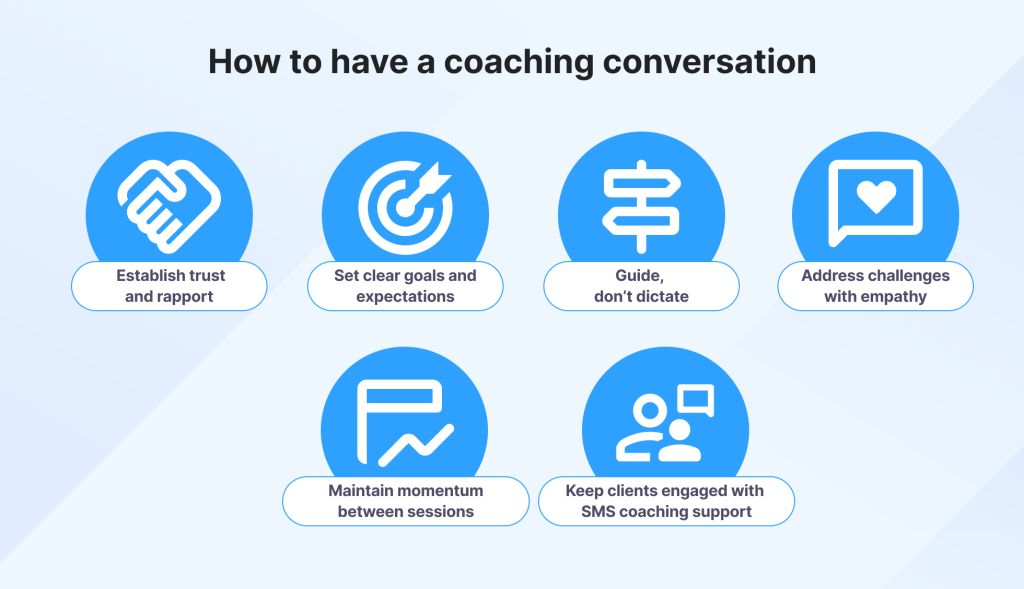
Treat it as a coaching conversation, not an announcement — ask how they read the change, surface the real fear (usually "am I going to make less money?"), and answer it honestly. For 2027 teams with longer cycles, clawbacks, and AI-assisted forecasting, the manager who frames comp changes as a partnership keeps trust; the one who hides behind HR language loses the rep months before they actually quit.
Why This Happens — Diagnose Before You Coach
A comp conversation demotivates a rep when one of four things is true: the math is unclear (they can't tell if they'll make more or less), the change feels unfair (it punishes behavior they were told to do), the timing feels punitive (the plan changes the quarter they were finally going to cash in), or the manager looks like they don't understand or believe in the plan themselves.
Most managers assume the problem is the number. Usually the problem is the framing and the trust around the number.
Before you open your mouth, diagnose which conversation you're actually having: a routine plan rollout, a mid-year comp plan change, a quota raise, an OTE restructure, or the worst one — a clawback on commission already paid or expected. Each needs a different posture.
A routine rollout needs clarity. A clawback needs empathy plus airtight documentation. A quota raise needs a believable path to hit it.
If the rep is upset and the math genuinely makes them whole, you have a trust or communication problem, and more spreadsheets won't fix it. If the math actually makes them worse off, stop pretending it doesn't — name it, and earn back goodwill with honesty and a bridge.
The Coaching Conversation
Run this like a GROW conversation (Goal, Reality, Options, Will), not a top-down briefing. Book it as a dedicated 1:1, never as a hallway aside or a Slack message, and never bundle it with pipeline review. Open with context, not the number.
"I want to walk you through the comp change myself before you hear it from anyone else, and I want to do it slowly so it actually makes sense. Ask me anything — I'd rather you push back here than walk out confused."
Then explain the change in *their* numbers, not the generic plan deck:
"Here's your old plan, here's the new one, side by side, using your actual deals from last quarter. Let me show you exactly where you'd land under each."
Walk the math out loud. Silence and a one-pager beat a fast talk-through every time. Then ask, and mean it:
"Before I say another word — what's your honest first reaction?"
Listen for the real fear. It's almost always: *Will I make less money?* Answer it directly:
"The straight answer is: under the new plan, on your current run-rate, you'd make about the same / about $X more / about $X less. I'm not going to dress that up."
If it's a clawback, the language has to carry empathy without weaseling:
"This one's not fun and I'm not going to pretend it is. The [deal] churned inside the clawback window, so the plan claws back $X. Here's the exact policy, here's the date math, and here's what I'm doing to make sure you're not surprised by clawbacks again — I'll flag any at-risk deals the month before the window closes."
If it's a quota raise, attack the believability gap, because a quota nobody believes is a quota nobody chases:
"The number went up. Fair question is whether it's reachable. Let's build the pipeline math together right now — coverage ratio, what you need in stage 3, where the gap is. If we can't get there honestly, that's my problem to solve, not yours to absorb."
Close by moving from emotion to agency:
"What would make this plan something you can actually win? What do you need from me?"
That final question converts a demotivating announcement into a shared problem. Bold the value affirmation somewhere real and specific — not generic praise:
"You closed the two biggest logos on the team last quarter. None of this changes how much I want you here. My job is to make sure the plan pays you for doing exactly that."
The Coaching Plan / Cadence
One conversation isn't enough. Transparency is a cadence, not an event. The reps who quit over comp usually quit weeks after a silence, not the day of the news. Run a loop.
A simple 30/60/90 frame: Day 0–7, hold the 1:1, send a same-day written recap (the math, the why, the path), and answer follow-up questions individually. Day 8–30, run a check-in: "Now that it's settled, how's it sitting?" Catch the slow-burn resentment before it hardens. Day 31–90, track actual earnings against what you promised and *celebrate the first commission check under the new plan* — proof beats persuasion.
If a rep hits their first new-plan deal, make the comp visible and real.
Drills & Role-Play
Managers fumble comp talks because they wing them. Rehearse like you'd rehearse a discovery call.
- The math walkthrough drill. Practice explaining the new plan using one rep's real deals, out loud, in under three minutes, with a one-page side-by-side. If you can't, you don't understand the plan well enough to defend it.
- The hostile-reaction role-play. Have a peer manager play an angry rep ("So I'm getting a pay cut"). Practice staying regulated, not defending, and reflecting: "You're hearing pay cut. Let's check that against the actual numbers."
- The clawback script drill. Rehearse the clawback conversation verbatim until the empathy is genuine and the policy is precise. This is the one you cannot improvise.
- Call-review tie-in. Use Gong or Chorus to review your own 1:1 recordings (where permitted) — listen for whether you talked more than the rep. In a good comp conversation, the rep talks 60% of the time.
What to Measure
Don't measure success by "did they accept it." Measure leading indicators of motivation surviving the change:
- Activity continuity — did prospecting and pipeline-build hold steady in the two weeks after the conversation, or did it dip? A dip is the early warning.
- Discretionary effort — are they still taking the hard meetings, or quietly coasting?
- 1:1 sentiment — track it. A simple 1–5 "how are you feeling about the plan?" each month surfaces drift.
- Regretted attrition — the lagging truth. If your best reps leave within 90 days of a comp change, the conversations failed regardless of how calm they seemed.
- Time-to-first-win under the new plan — the faster the first paycheck, the faster the buy-in.
Common Mistakes Managers Make
- Hiding behind HR or "the company decided." It signals you don't own or believe the plan. Own it: "Here's the change, here's why it makes sense, here's where I pushed and where I couldn't."
- Leading with the number instead of the context. A cold number triggers fight-or-flight before the rep can reason.
- Over-promising to soften the blow. "Don't worry, you'll make more" — and then they don't. One broken comp promise costs you years of trust.
- Talking too much. Managers fill silence; reps need it to process. Ask, then wait.
- Treating every rep the same. Your top closer and your ramping SDR hear the same change completely differently. Tailor the framing.
- One and done. No follow-up means resentment compounds in the dark.
FAQ
How do I explain a comp change that genuinely pays the rep less? Say it plainly — never bury it. "On your current run-rate this pays about $X less, and I'm not going to pretend otherwise." Then immediately move to the path: a bigger territory, a richer accelerator above quota, faster payout timing, or a one-time bridge.
Reps forgive a hard truth; they don't forgive being misled.
Should I tell a rep how a comp change affects me too? Selectively, and only if it's true and builds trust. Acknowledging shared stakes ("this changes my accelerators too") signals you're in it together, but don't make their conversation about you. Keep the focus on their numbers.
What if the rep gets emotional or angry in the meeting? Don't defend and don't match the energy. Reflect it: "You're frustrated, and that's fair — let's slow down." Validate the feeling, then return to the math. If it escalates past productive, pause: "Let's both sit with this and pick it up tomorrow." A 24-hour reset beats a fight.
How do I handle a clawback without destroying trust? Lead with empathy, bring the exact policy and date math, and never spring it. Then change the system so it never surprises them again — proactively flag at-risk deals before the clawback window closes. The follow-through is what rebuilds trust, not the apology.
When is the problem the comp plan and not my conversation? When the math genuinely makes a top performer worse off for doing exactly what you asked, or when the quota has no believable path. No conversation fixes a broken plan. Your job then shifts: document the issue, advocate up the chain, and be honest with the rep that you're fighting for a fix rather than selling a flaw.
How often should I revisit comp with a rep after a change? Same-day written recap, a check-in at two weeks, then monthly until their first new-plan commission lands. After that, fold it into normal 1:1s. Silence after a comp change is where trust quietly dies.
Bottom Line
The one move that matters: separate the math from the message — be precise and honest about the dollars while affirming the rep's value and co-building a believable path to win. Explain the change in their actual numbers, name the hard parts instead of hiding them, ask for their reaction and listen, and follow up on a cadence.
A comp conversation demotivates a rep through surprise, vagueness, and silence — clarity, empathy, and follow-through are the antidotes.
Sources
- HBR — Motivating Salespeople: What Really Works
- Gong Labs — Sales Compensation and Motivation Research
- RAIN Group — Sales Management and Coaching
- Sales Hacker — How to Build a Sales Compensation Plan
- SBI — Sales Compensation Strategy
- Xactly — Avoiding Common Sales Comp Mistakes
- Salesforce — Sales Coaching and Compensation Guide
- The GROW Model — Performance Coaching Framework
*Sales coaching for comp conversations — how to coach a rep through a compensation change, sales manager coaching guide, comp plan and clawback conversation framework, OTE transparency, and a rep coaching playbook for 2027.*