


How do you coach a rep to stop interrupting prospects and actually listen for buying signals in 2027
Quality
Certified

Record the calls, count the interruptions, and make silence a measurable skill. Give the rep a hard rule — three full seconds after every prospect stop — plus a scoring rubric for buying signals they must log verbatim. Review five calls a week together. Interruption rate drops when the rep sees their own talk-time data.
The deal that died on a two-second gap
A mid-market rep on a RevOps team runs a 38-minute discovery call with a VP of Sales at a 400-person logistics company. Fourteen minutes in, the VP says: "We looked at replacing the CRM last year, but honestly the thing that killed it was that nobody could agree on what a qualified lead even —" and the rep jumps in with "Right, and that's exactly why our lead scoring model is so different, because we let you define the stages yourself."
The VP never finishes the sentence. The call ends cordially. The deal stalls for six weeks and dies in a "no decision" bucket.
Here is what was inside the half-sentence the rep clipped: an aborted CRM replacement project, a named political failure mode (no shared lead definition), and an implicit admission that the company had already spent budget and credibility on a failed initiative. Any one of those is a discovery thread worth ten minutes. The rep traded all three for a thirty-second product claim that landed on nobody, because the VP was still mentally finishing their own sentence and heard none of it.
This is the shape of the coaching problem. Reps who interrupt are almost never rude — they are anxious, over-prepared, and pattern-matching too fast. They hear the first four words of a sentence, recognize a category ("CRM problems," "budget objection," "integration question"), and fire the pre-loaded response before the prospect reaches the specific, unrepeatable detail that would have actually moved the deal. The rep's brain rewards them for speed; the pipeline punishes them for it, but on a lag long enough that they never connect the two.

The coaching fix is not "listen better." That is a personality note, not a behavior, and it will not survive contact with a Thursday afternoon call block. The fix is to convert listening into three things a rep can practice and a manager can measure: a mechanical pause rule, a written capture discipline, and a weekly review loop against recorded calls. Everything below is the operating detail for those three.
How the interruption reflex actually forms and how to break it
The interruption is a prediction error. Human conversational turn-taking runs on gap timing of roughly 200 milliseconds between speakers — far faster than the ~600ms it takes to plan a spoken sentence — which means listeners are necessarily predicting the end of your sentence while you are still saying it. In casual conversation that prediction machinery is invisible and helpful. On a sales call it becomes a liability, because the rep is predicting from a script of expected objections rather than from the prospect's actual sentence.
Three specific pressures make it worse in a sales context, and each has a distinct fix.

Pressure one: the rep is monitoring for a slot to insert their value prop. A rep carrying an unspoken quota of talking points listens like a driver looking for a parking space — scanning for an opening, not for content. The fix is to strip the call of any obligation to "get to" a message. Move the product claims out of discovery entirely and into a follow-up asset. If the rep genuinely has nothing they must say, the scanning stops.
Pressure two: silence feels catastrophically long to the person who caused it. Two seconds of dead air on a call subjectively reads as eight to the rep and as roughly nothing to the prospect, who is usually thinking. Reps interrupt their own silences more often than they interrupt prospects' sentences. The fix is calibration — not willpower. Have the rep sit with a timer and hold silence for a measured three seconds, repeatedly, until three seconds stops feeling like a failure state.
Pressure three: the rep is afraid of forgetting the thought they just had. Mid-sentence, the rep gets a good question, panics that it will evaporate, and spends it immediately. The fix is a parking lot: a visible notepad or a single text field where the rep types the question in four words and returns to listening. The thought is now safe, and the urgency drains out of it.
The mechanism of the fix is a deliberate insertion of latency between stimulus and response. You are not teaching the rep to be a better listener in the abstract — you are teaching them to route every impulse through a three-second buffer, during which the prospect usually keeps talking and delivers the part that mattered.
The loop matters more than any single step. The rep is not learning one pause; they are learning that pausing produces material, which is the only thing that makes the habit stick after the manager stops watching.
The drills that actually change behavior

Awareness alone changes nothing. These are the specific exercises, in the order they work.
The three-second rule, applied literally. After the prospect stops speaking, the rep counts three full seconds before responding. Not "a beat" — an actual silent count. On the first ten calls this will feel unbearable to the rep and invisible to the prospect. Have them tally, on paper, how many times the prospect resumed talking during that window. In practice a meaningful share of those pauses get filled by the prospect with an addition, a qualification, or the real reason — which is the entire point. The tally is what converts the rule from an instruction into a belief.
Interruption tallies on recorded calls. The rep listens to their own recording and marks a tick every time their voice starts before the prospect's sentence completed. Self-scoring first, manager-scoring second — reps who score themselves before being scored argue far less about the number. Track the raw count and the count per ten minutes, since call length varies.
The last-noun echo. Instead of responding with a new idea, the rep's default next move is to repeat the prospect's final two or three words as a question. "Nobody could agree on what a qualified lead was?" This is nearly impossible to do if you were not listening, it costs the rep no preparation, and it reliably produces elaboration. It is also a safe fallback when the rep has nothing intelligent to say, which removes the fear that drives premature talking.
Verbatim capture. The rep writes down the prospect's exact words for anything that smells like a signal — not a paraphrase. "Our board asked about this in April" is data. "Prospect indicated board-level interest" is the rep's summary of data and is worth much less in a deal review. Require at least three verbatim quotes per discovery call in the CRM notes. This single requirement does more for listening than any amount of instruction, because you cannot transcribe someone you are talking over.

No-talk shadowing. For two calls, the rep joins a colleague's call on mute with one job: write down every buying signal and every interruption they hear. Watching someone else do it removes the ego from the feedback. Reps who cannot hear interruptions in their own calls hear them instantly in other people's.
Talk-ratio review. Most conversation-intelligence tooling reports rep talk ratio and longest monologue automatically. Use it as a leading indicator, not a target — a rep who games the ratio by going silent while still not listening will have the same close rate. Pair it with the verbatim-quote requirement so the rep has to demonstrate comprehension, not just quiet.
What the numbers should look like
Coaching without a baseline is opinion. Set these before you start, measure weekly, and expect movement over four to eight weeks rather than one.
Rep talk ratio. Widely used benchmarks from conversation-intelligence platforms put effective discovery calls somewhere in the 40–45% rep talk range, with weaker calls running 60–75%. Do not treat 43% as a magic number; treat any call above roughly 65% rep talk as an automatic review candidate. The useful signal is the distribution across a rep's calls, not any single call.
Longest monologue. A rep monologue over about two minutes in discovery is usually a demo that escaped its cage. Flag anything over 150 seconds. Conversely, a prospect monologue of two-plus minutes is generally a very good sign and correlates with the rep having asked a question and then shut up.

Interruption count. Start by measuring, not by target-setting. Typical starting points for a struggling rep run somewhere in the range of one interruption every two to three minutes on a discovery call. A realistic first goal is a 50% reduction over four weeks, then fewer than three per 30-minute call. Zero is not the goal — collaborative overlap ("mm-hm," "right") is normal human speech and is not what you are fixing. You are fixing *topic-stealing* interruptions where the rep changes the subject to their own.
Question count and question quality. Aim for 11–14 discovery questions in a 30-minute call as a rough band; far below that usually means the rep is presenting, and far above usually means an interrogation with no follow-ups. More telling: what fraction of questions are *follow-ups* to the prospect's previous answer versus items read off a list? A healthy call runs well over half follow-ups.
Verbatim capture rate. Three or more direct quotes per discovery call, logged in the CRM. This is a binary compliance check and it is easy to audit.
Silence tolerance. Have the rep self-report the longest silence they held. Reps starting out rarely exceed one second. Getting a rep comfortable holding four seconds is a genuine milestone and usually lands around week three.
Cadence of review. Five recorded calls reviewed per rep per week is the sustainable ceiling for most frontline managers — roughly 90 minutes if you review snippets rather than whole calls. Two calls a week is the floor below which the habit does not form. Anything reviewed more than five business days after it happened has lost most of its coaching value; the rep no longer remembers what they were thinking.
What to expect on the pipeline side. Be honest with the rep that the leading indicators (talk ratio, interruptions, verbatim quotes) move in weeks and the lagging indicators (multi-threading, stage conversion, cycle length) move in a quarter or more. If you promise a close-rate lift in three weeks and it does not appear, the rep abandons the habit.
Buying signals worth shutting up for

"Listen for buying signals" is useless as an instruction unless the rep knows what a signal sounds like. Give them a written taxonomy and require them to tag each one in the call notes. Signals cluster into five families.
Tense shifts. The prospect moves from conditional to concrete: "if we did this" becomes "when we roll this out" or "our team would need to." Pronouns shift from "you guys" to "we." This is the single highest-value signal class and it almost always appears mid-sentence, in a subordinate clause — exactly where an interrupting rep destroys it.
Process disclosure. Anything about how a decision gets made: who signs, what the procurement threshold is, when the fiscal year turns, what happened to the last vendor. "Legal took eight weeks on the last one" is a gift. Reps interrupt these constantly because they sound like logistics rather than selling.
Unprompted objection-with-a-solution. "Our security team would probably want a SOC 2 report, though I think we got one from the last vendor pretty fast." The prospect is doing your internal selling out loud. Never step on this — let them finish talking themselves through it.
Failure history. References to a previous attempt, a shelved project, a tool nobody adopted. This tells you the political landmines and the budget precedent. The logistics-company example above was pure failure history, and it got clipped.
Quantified pain, volunteered. Numbers the prospect offers without being asked — headcount, hours lost, deal counts, error rates. These are the numbers that will appear in their internal business case, and they carry far more weight than any figure the rep supplies.
Have the rep tag each signal in notes with the family name and the verbatim quote. At the end of a week, a rep with zero logged tense-shifts either had bad meetings or was not listening — and the call recording will tell you which.
Where this coaching goes wrong
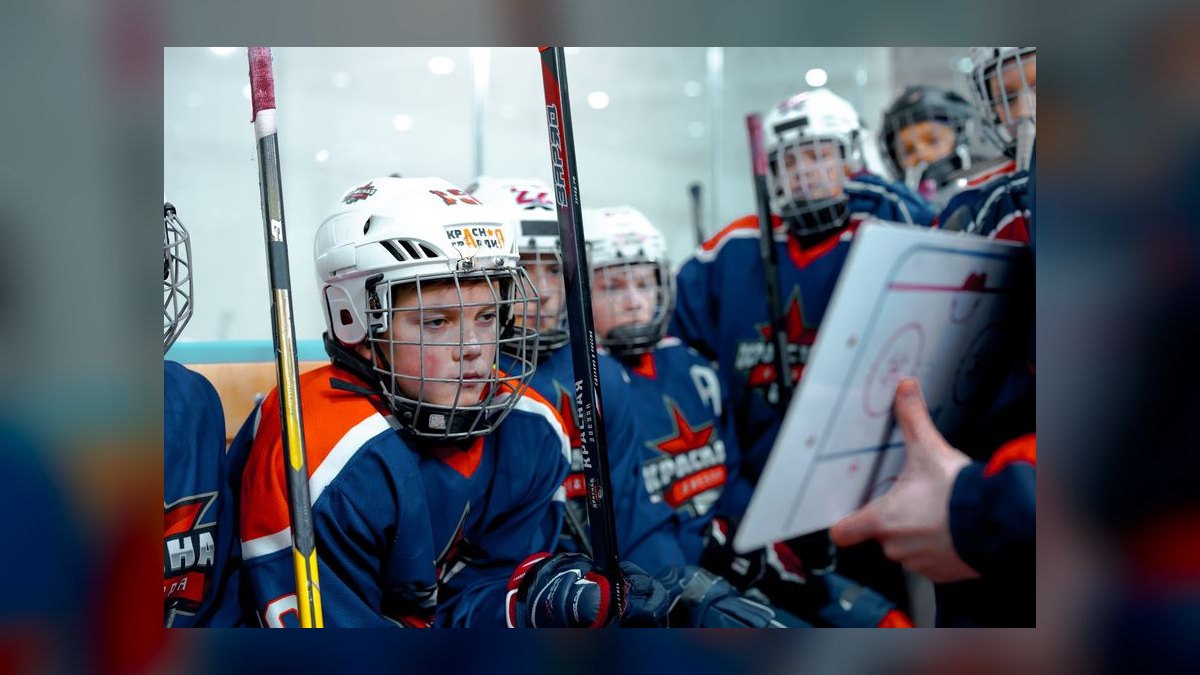
Over-indexing on talk ratio. The moment a manager makes talk ratio a scored metric, some reps optimize it by going quiet and passive. They stop interrupting and also stop asking follow-ups, and call quality falls. Always pair a quantity metric (ratio, interruption count) with a quality metric (follow-up question share, verbatim quotes logged).
Coaching the trait instead of the behavior. "You need to listen more" gives the rep nothing to do on Monday. "After every prospect sentence, count three seconds before speaking, and log three verbatim quotes per call" is a behavior they can execute and you can verify. Never deliver the trait version.
Reviewing whole calls. A 40-minute call review burns the manager's week and drowns the rep in notes. Review three to five clipped moments per call, each 60–90 seconds, chosen because something specific happened. Lead with one moment the rep handled well.
Feedback volume. More than two or three coaching points per session and none of them land. Pick one behavior — interruptions — and stay on it for three to four weeks before adding another. Managers who rotate the focus weekly produce reps who improve at nothing.
Weaponizing the recordings. If call recordings show up in a performance-improvement conversation, every rep on the team quietly stops experimenting on calls and reverts to the safe script. Keep coaching recordings and performance management in separate rooms, and say so out loud.

Ignoring the anxious-rep root cause. A rep who interrupts on every call is often under-confident about product depth and terrified of being asked something they cannot answer, so they keep control of the conversation by holding the floor. If that is the cause, silence drills will not fix it — product training and a scripted "I don't know, let me get you the exact answer" will.
Letting note-taking become the new interruption. Reps who furiously transcribe stop making listening noises and stop asking follow-ups, and the prospect starts to feel like they are dictating a deposition. Verbatim capture means three or four key quotes, not a transcript. Where recording is in use, tell the rep to lean on the transcript for the bulk and capture only the signals live.
Skipping the RevOps side. If the CRM has nowhere structured to log a verbatim signal, the discipline dies within two weeks. Give it a real field or a required note template, build the call-recording integration so review clips are one click, and make interruption rate and follow-up share visible on the same dashboard as pipeline. Coaching behavior that the system does not capture is coaching that does not survive a busy quarter.
The branch that matters is the re-diagnosis loop. When a rep is not improving, the reflex is to add another metric. The correct move is almost always to go back and ask why they are talking — the four causes need four different interventions, and the wrong one produces a rep who is quieter and no better.
Related questions
How long does it take to fix an interruption habit?
Expect four to eight weeks for the behavior to hold without supervision. Leading indicators — talk ratio, interruption count, verbatim quotes logged — move within two to three weeks. Reps who backslide usually do so during a quota crunch, so re-check the habit at quarter end.
Does the three-second rule work on video calls?

Yes, but adjust for latency. Video adds 150–300ms of transmission delay each way, so a three-second count on video is closer to two-and-a-half seconds of true silence for the prospect. Reps on video should also stop nodding continuously, which reads as "I want to talk."
Should reps stop taking notes and just use the transcript?
Use both. Let the transcript carry the bulk, and have the rep capture only three or four verbatim signal quotes live. Full live transcription pulls attention away from tone and pacing, which is where half the buying signals live.
What if the prospect is the one interrupting?
Let them. A prospect who interrupts is engaged, and their interruptions are almost always signals about what they actually care about. Log what they cut you off to say — it is a direct readout of their priority.
FAQ
Is interrupting always bad on a sales call?
No. Collaborative overlap — short affirmations, finishing a shared thought, brief clarifications — is normal and builds rapport. The damaging kind is topic-stealing: the rep cuts in and redirects to their own agenda, which causes the prospect to abandon a sentence they will not restart. Coach the distinction explicitly, or reps will overcorrect into passivity.
How do I get a rep to accept the feedback without getting defensive?
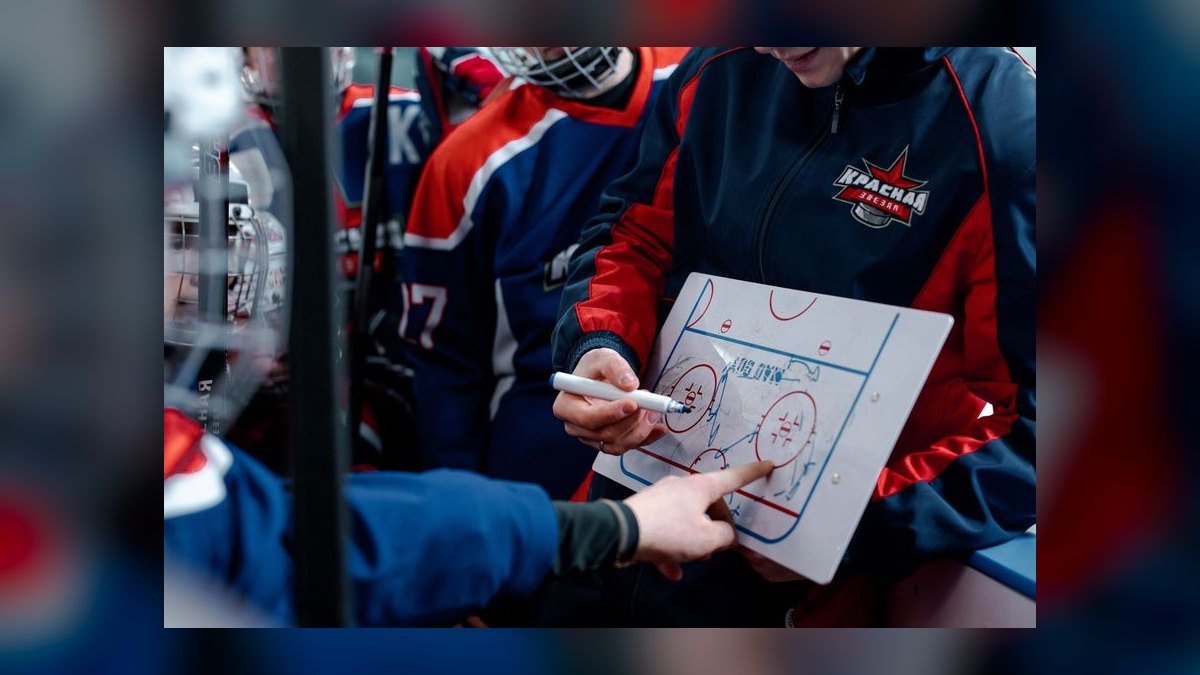
Have them score their own call first. A rep who counts their own interruptions before you show them your count almost never disputes the number. Then review clipped moments rather than the whole call, open with something they did well, and limit yourself to one behavior per session.
What if the rep says slowing down loses control of the call?
Control comes from asking the next question, not from holding the floor. The rep who listens fully knows what to ask next; the rep who talks over the answer has to guess. Point to a specific recorded moment where the prospect abandoned a sentence and the following question landed generically — the loss of control is visible on the tape.
Which metric should I track first if I can only pick one?
Interruption count per ten minutes. Talk ratio is easier to pull automatically but easier to game, and question count says nothing about whether the rep heard the answers. Interruption count maps directly to the behavior you are changing and is unambiguous when both parties listen to the same clip.
Do these drills work for inbound and outbound reps equally?
The drills are the same, the baselines differ. Outbound and cold-call reps face more real time pressure and will show higher talk ratios legitimately, so set their thresholds separately. Discovery and inbound calls should hold to the tighter numbers, since the prospect arrived willing to explain their situation.
What does RevOps need to build to support this?
Three things: a structured field or required note template for verbatim signal quotes, a call-recording integration that makes clipping a moment one click, and a dashboard where interruption rate and follow-up-question share sit next to stage conversion. Without the plumbing, the discipline decays inside a month.
Sources
- https://hbr.org/2016/05/how-to-become-a-better-listener — Harvard Business Review on active listening behaviors
- https://www.pnas.org/doi/10.1073/pnas.0903616106 — PNAS, universality of short gaps in conversational turn-taking
- https://hbr.org/2016/07/what-great-listeners-actually-do — Harvard Business Review on what strong listeners actually do
- https://www.gong.io/blog/ — Gong research blog on conversation-intelligence benchmarks
- https://www.salesforce.com/blog/ — Salesforce blog, sales coaching and discovery practices
- https://www.mindtools.com/az4wxv7/active-listening — Mind Tools, active listening technique guide
- https://www.ccl.edu/articles/leading-effectively-articles/coaching-others-use-active-listening-skills/ — Center for Creative Leadership on coaching with active listening
- https://hbr.org/2019/07/how-to-get-your-team-to-stop-interrupting-each-other — Harvard Business Review on reducing interruptions
Related on PULSE
- How do you coach a rep to stop interrupting their manager during coaching sessions
- How do you coach a rep to stop talking over prospects during discovery calls
- How do you coach a rep to stop apologizing for their pricing during negotiations
- How do you coach a rep to structure a follow-up email that actually gets a reply in 2027
- How do you coach a rep to stop over-promising on implementation timelines in 2027
- How do you coach a rep who struggles to get prospects to commit to next steps
This page will be disappearing soon. Save it to your device for $1 — or read it free while it is here.
@Kory-White- · if Venmo asks, the last 4 of my number are 2012
This page is gone.
This one is off the shelf now. $1 keeps it on your phone for good — the whole page, pictures and diagrams included.
 cgHow do you coach a rep to stop interrupting their manager during coaching sessions in 2027
 cgHow do you coach a rep to prospect into a completely new vertical in 2027
 cgHow do you coach a rep who struggles to read buyer sentiment during video calls in 2027
 cgHow do you coach a rep who refuses to use intent data in their outreach in 2027
 cgHow do you coach a rep to prospect effectively into enterprise accounts with no existing relationship in 2027
 cgHow do you coach a rep to ask for the business without feeling awkward in 2027
 cgHow do you coach reps to tell better customer stories in 2027?
 cgHow do you coach a rep to build a repeatable process for post-call self-reflection in 2027
 cgHow do you coach a rep to structure a follow-up email that actually gets a reply in 2027
 cgHow do you coach a rep to handle a prospect who demands a discount before seeing value in 2027