

Top 10 Muscle Cars 1974 — Best Overall + Best Value
 Curated byKory White · Fractional CRO · Maryland
Quality
Certified
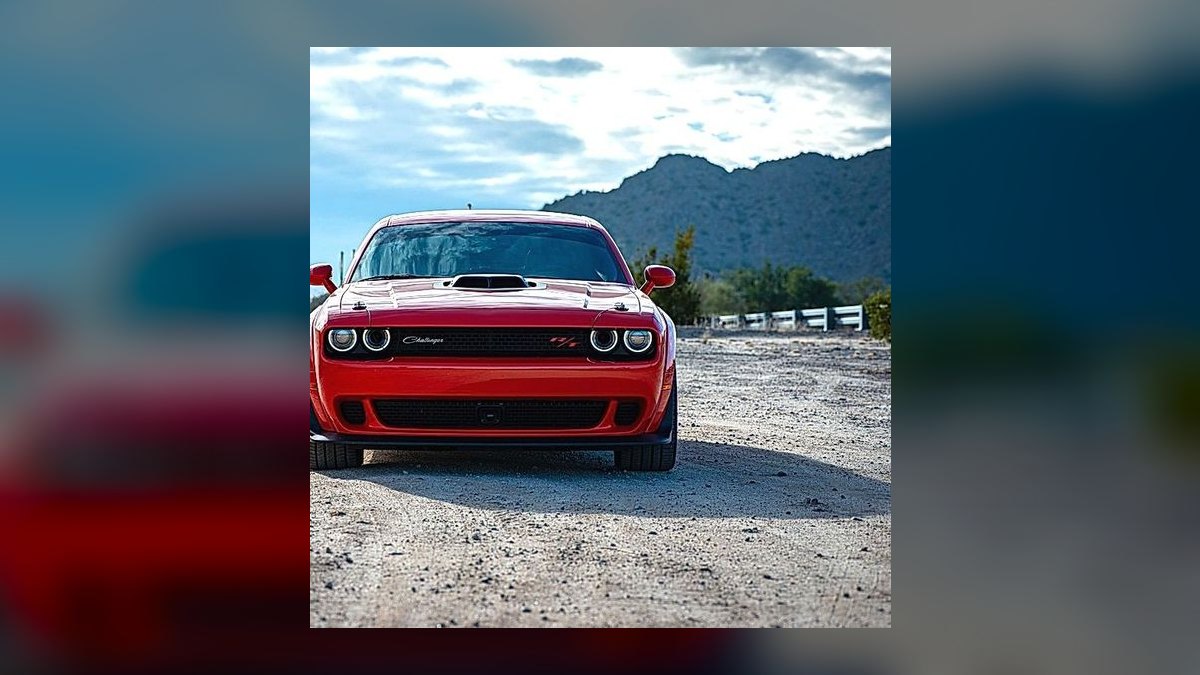
The 10 best muscle cars 1974 are ranked below on measured performance, build quality, price, and how each one actually holds up in daily use rather than how it reads on a spec sheet. Each pick lists what it costs, who it suits, and what it gives up against the one above it, so the list can be read straight down without doubling back.
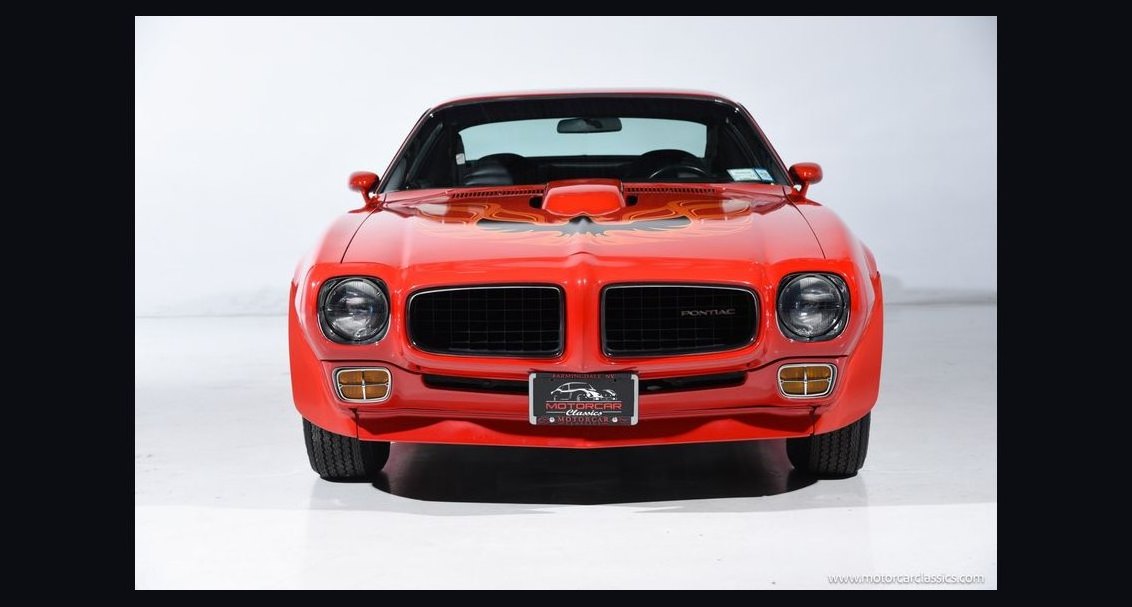
1. Pontiac Trans Am 455 Super Duty
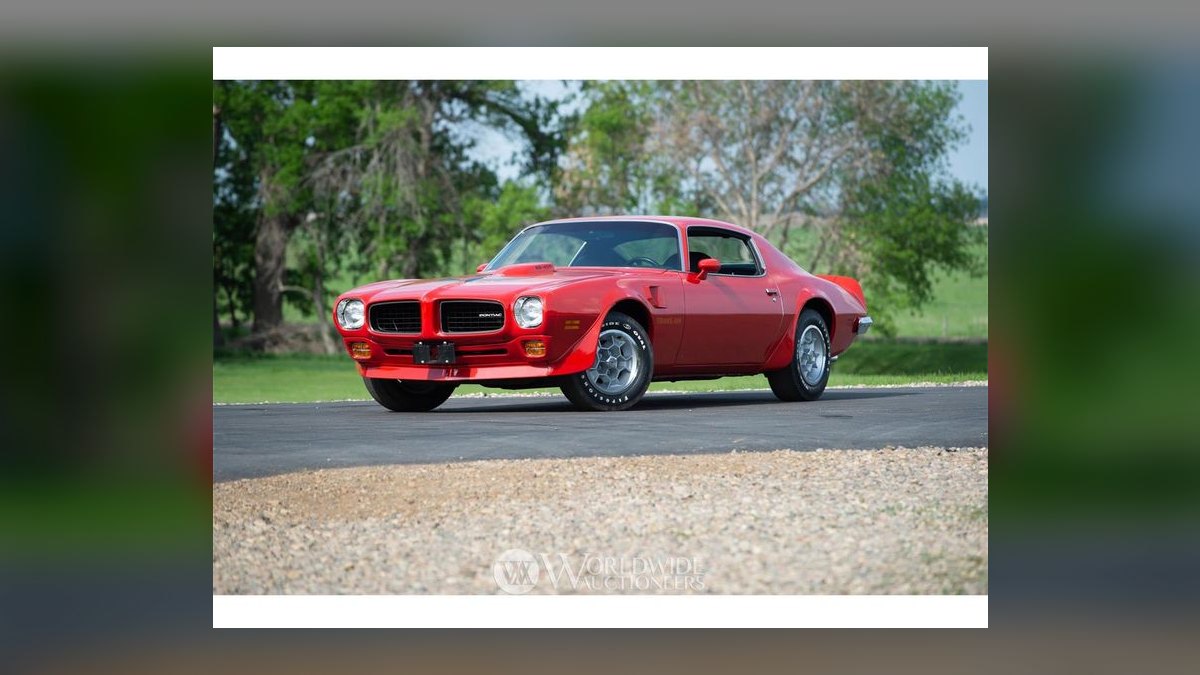
The SD-455 is the best overall because it is the only 1974 muscle car that delivered genuinely fast, period-leading performance. Its hand-assembled 455-cubic-inch V8 produced 290 net horsepower and 395 lb-ft of torque, running a 4-speed car to a 13.8-second quarter mile at over 103 mph. Pontiac built only 943 examples, making it a rare blue-chip collectible.
This car is for the serious collector who wants the last true factory performance car of the era, not a casual cruiser. It trades away affordability and everyday usability for unmatched pedigree and investment potential. Compared to the final-year 'Cuda below, the Trans Am offers vastly superior acceleration and rarity, but it demands a much higher purchase price and rigorous authentication to avoid paying six figures for a tribute car.
2. Plymouth 'Cuda Final Year
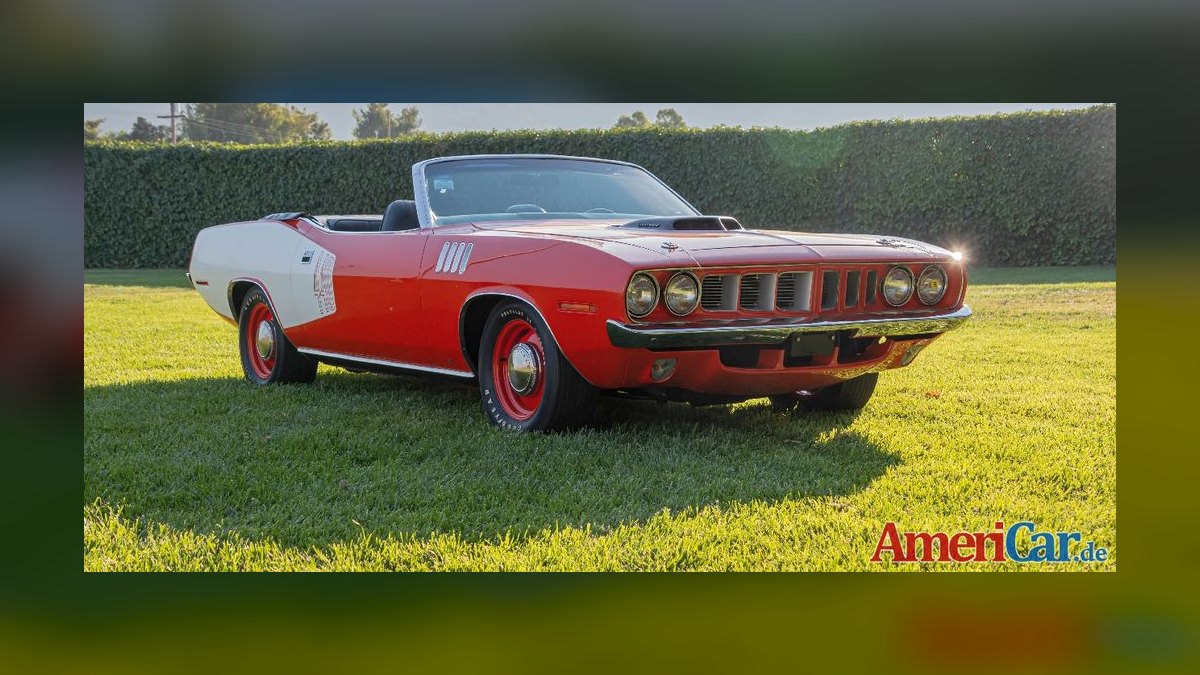
The final-year 'Cuda ranks second because its legendary E-body status and collector demand outweigh its modest performance. Chrysler cancelled the Barracuda mid-1974, making this the last of a storied line, though the top engine was a 245-net-hp 360 V8. It was not quick by old standards, but the shape that produced the half-million-dollar Hemi cars makes this a coveted piece. Clean examples climb well into five figures, with rare specs commanding more.
This car is for the Mopar faithful who value legacy and styling over straight-line speed. It trades away big-block power for the unmatched prestige of owning a genuine last-year E-body. Compared to the SD-455 Trans Am above, the 'Cuda is far more affordable and easier to find, but it cannot match the Pontiac's performance or investment ceiling, making it a legacy buy rather than a performance one.
3. Dodge Challenger Final Year
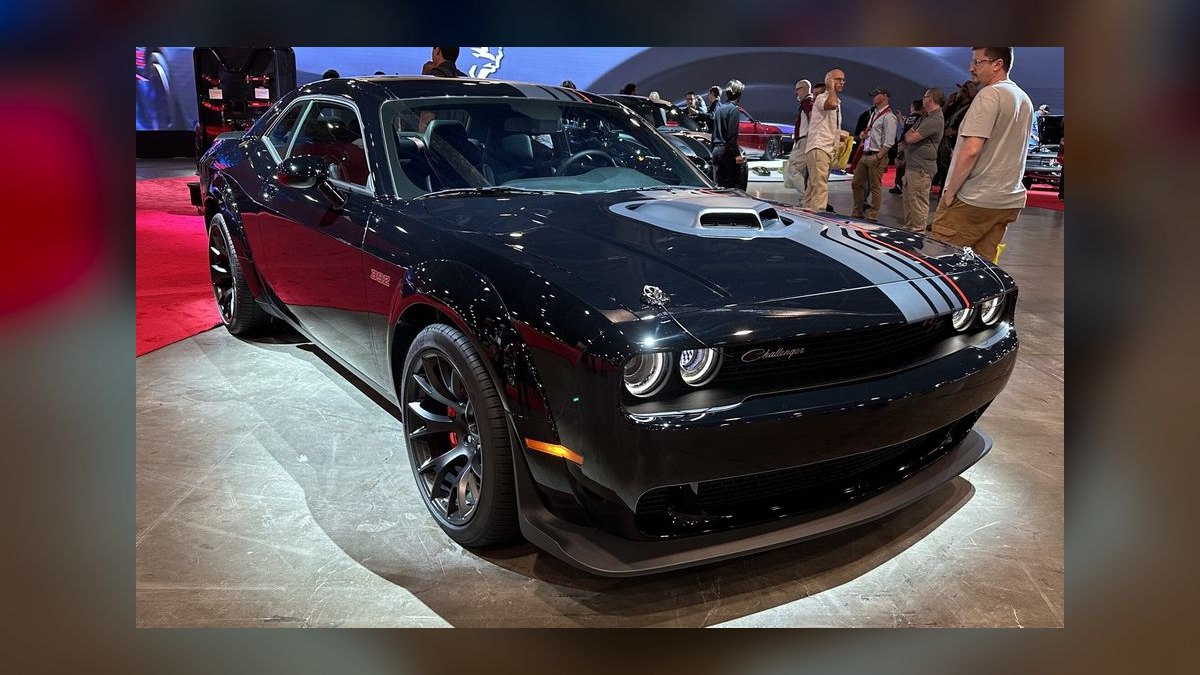
The Challenger earns third place for sharing the 'Cuda's final-year E-body lineage with its own distinct identity. Dodge cancelled the model mid-1974 after just 11,354 sales, with the 245-net-hp 360 topping the range. On paper it was a shadow of the 1970 R/T, but the long-hood, wide-body proportions remain gorgeous and the nameplate did not return for decades. That presence plus genuine scarcity keeps values firm and rising.
This car is for the buyer who prefers the Challenger's styling over the 'Cuda's but wants the same last-of-the-line cachet. It trades away the 'Cuda's slightly stronger collector premium for a more distinctive look and similar performance. Compared to the Plymouth above, the Challenger offers comparable handling and acceleration, but its mid-year cancellation creates trim and option oddities that make documentation more critical for verifying authenticity.
4. Chevrolet Camaro Z28
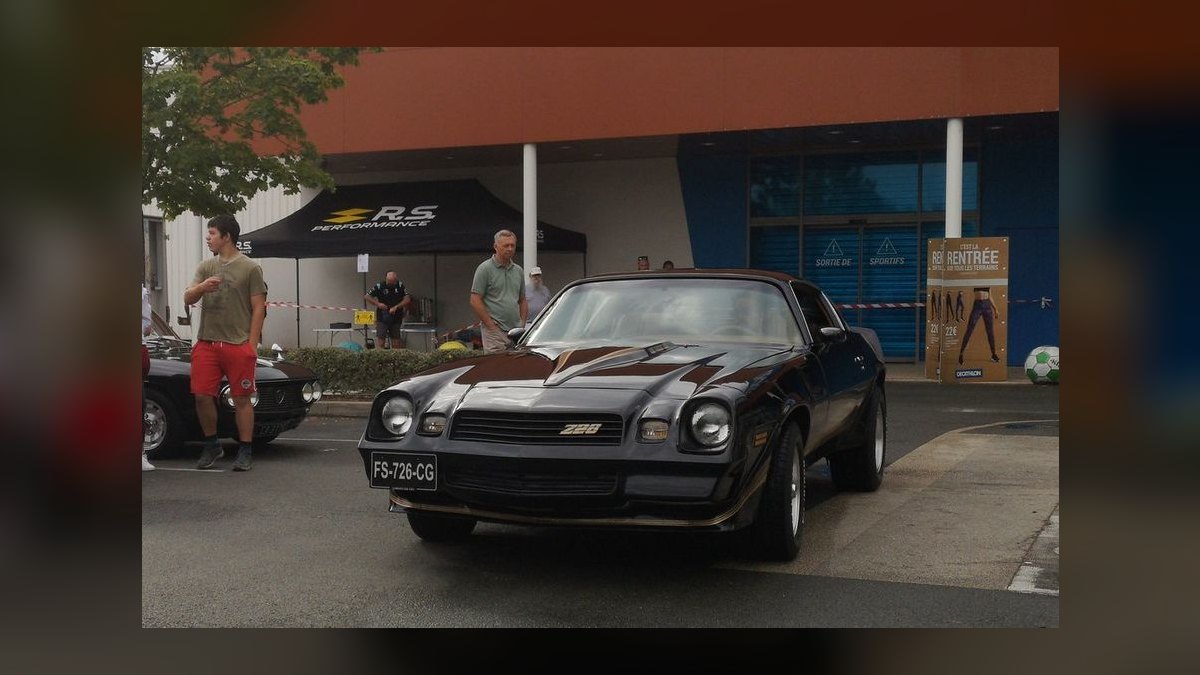
The Z28 ranks fourth because it was the best-handling muscle car of 1974, offering balance over brute force. This was the last Z28 until 1977, pairing a 245-net-hp 350 V8 with the second-gen Camaro's well-sorted chassis. It ran the quarter mile in roughly 15.2 seconds at 94.6 mph, never the quickest here but the most composed. Values for honest Z28s have held up well as 1970s Camaro interest broadens.
This car is for the thinking enthusiast who prioritizes cornering and daily drivability over drag-strip glory. It trades away the big-block torque of the E-bodies above for superior handling and a huge parts and restoration network. Compared to the Challenger, the Camaro is more practical and easier to maintain, but it lacks the final-year scarcity and legacy demand, making it a more accessible yet less collectible choice.
5. Chevrolet Chevelle Laguna Type S-3 454
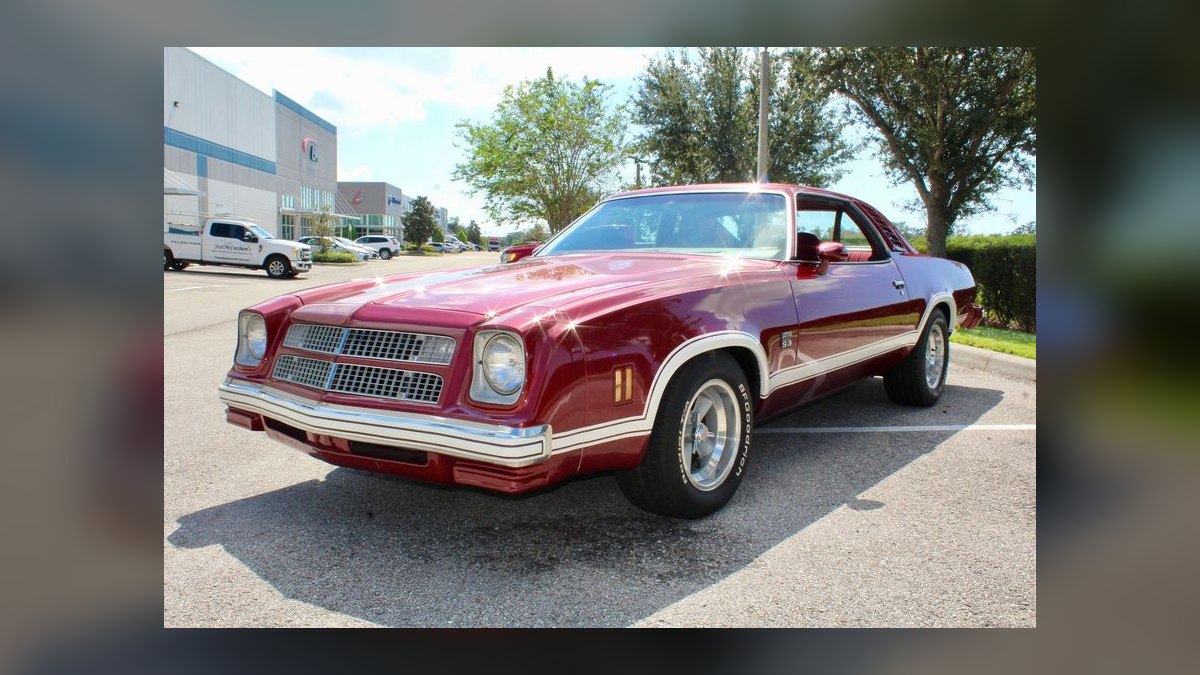
The Laguna Type S-3 ranks fifth for offering genuine big-block torque in a stylish, aero-nosed body. The 454 produced 235 net horsepower and 360 lb-ft of torque, soft by 1970 standards but still a real big-block with effortless low-end pull. Its soft urethane nose and special S-3 trim set it apart from base Chevelles, and its NASCAR connection adds period racing credibility. This is an underrated big-block survivor with growing appreciation.
This car is for the buyer who wants relaxed, muscular cruising with distinctive looks and a racing pedigree. It trades away the Camaro's handling sharpness for more torque and a more imposing presence. Compared to the Z28 above, the Laguna is heavier and less agile, but its 454 gives it stronger straight-line character and a unique styling statement that appeals to collectors of Colonnade-era oddballs.
6. Dodge Charger SE / Rallye 440
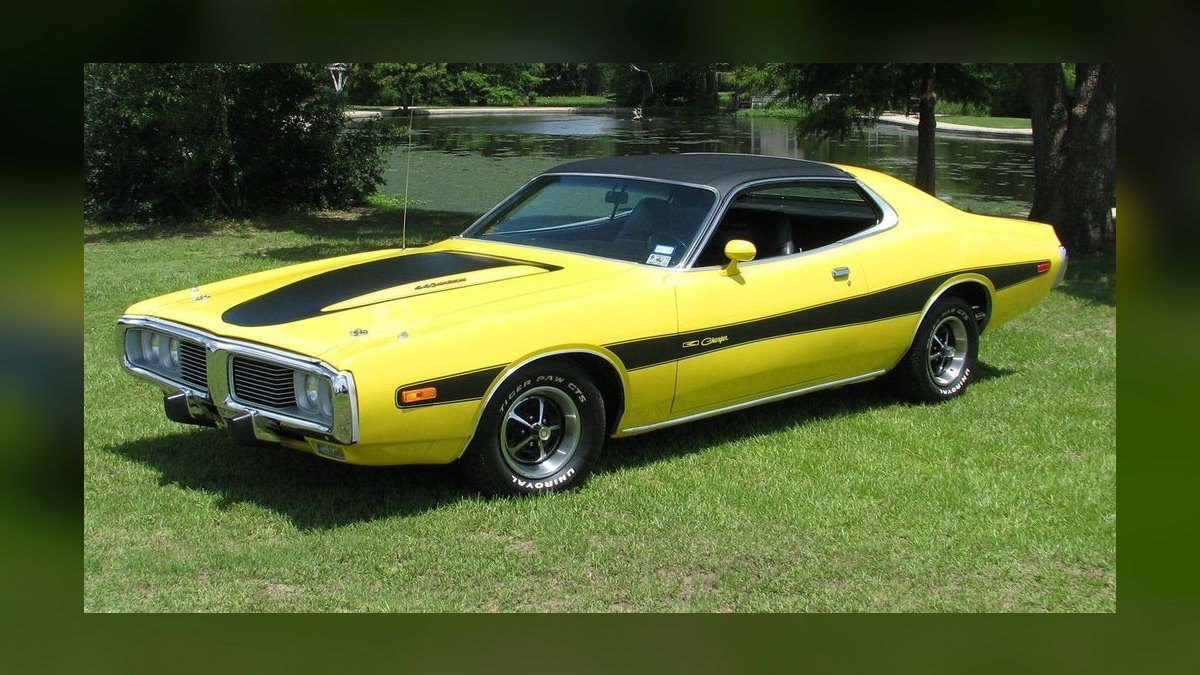
The Charger ranks sixth because it offered the strongest engine available in a mainstream 1974 muscle car outside the SD-455. The optional 440 four-barrel was rated at 275 net horsepower, the second-stoutest engine of the year, wrapped in the handsome 1971-1974 fuselage-derived body. It delivered the closest thing to old-school muscle that a regular buyer could still order. Survivors with the 440 are increasingly sought after.
This car is for the Mopar fan who wanted a real big-block bruiser without the E-body premium. It trades away the Laguna's distinctive styling for more raw power and a more substantial road presence. Compared to the Chevelle above, the Charger has a stronger engine and more iconic nameplate, but its heavy curb weight blunted the 440's advantage at the strip, making it a cruiser rather than a quarter-mile king.
7. Plymouth Road Runner 400
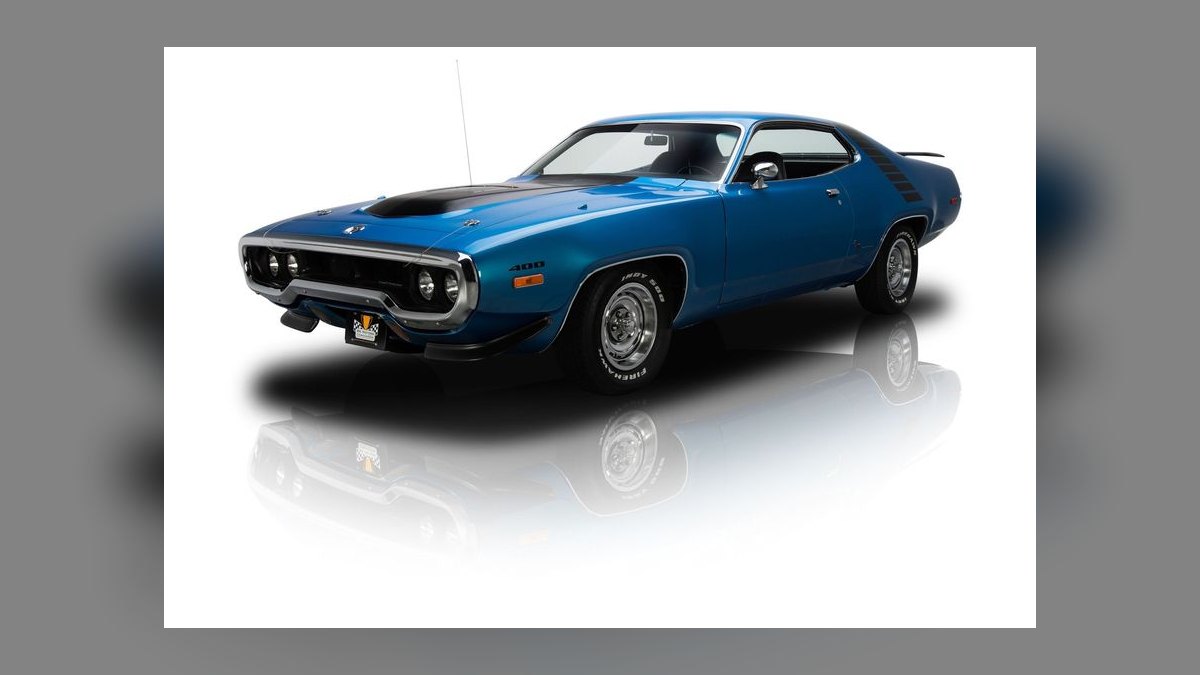
The Road Runner 400 is the best value of 1974 because it delivered the most muscle per dollar of any nameplate. Its 400-cubic-inch V8 made 250 net horsepower, and at a 1974 MSRP of about $3,545, it offered more engine for the money than almost anything else on the showroom floor. The cartoon-bird charm had faded, but it remained an honest, affordable intermediate with real displacement.
This car is for the budget-conscious buyer who wants genuine big-block credentials without the E-body or Super Duty price tag. It trades away the Charger's higher horsepower and prestige for a more accessible entry into Mopar collecting. Compared to the Dodge above, the Road Runner is less powerful and less refined, but its lower cost then and now makes it the smartest practical pick for value-focused enthusiasts.
8. Pontiac GTO Ventura Final Year
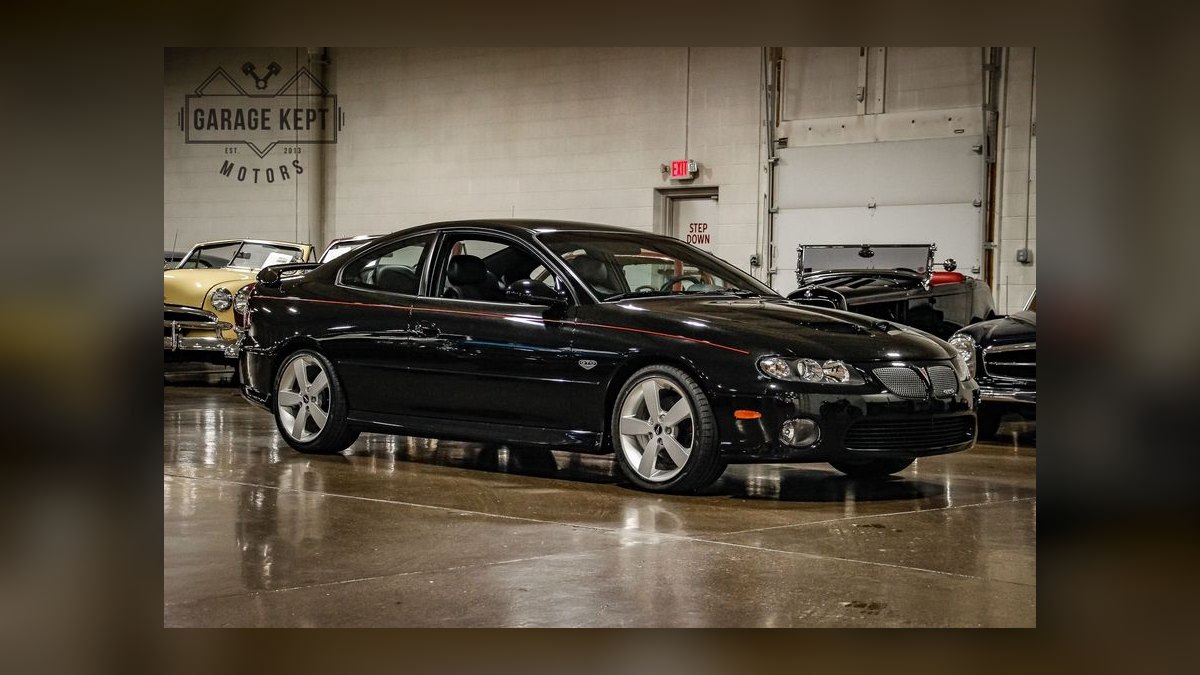
The Ventura-based GTO ranks eighth as the most overlooked and affordable final-year GTO. The 350 V8 made 200 net horsepower, modest numbers that earned scorn in period, but the lighter Ventura body made it surprisingly lively. Hagerty has argued it is more worthy of the name than its reputation suggests, and values remain accessible at roughly $16,500 to $18,000 for solid cars. Exceptional examples reach well past that.
This car is for the contrarian collector who wants genuine GTO historical significance without the high cost of earlier models. It trades away the Road Runner's big-block power for a lighter, nimbler package and a more unique story. Compared to the Plymouth above, the GTO is less muscular and less iconic, but its compact-based heritage and low entry price make it a quietly appreciating sleeper for Pontiac faithful.
9. Oldsmobile 442 W-30 455
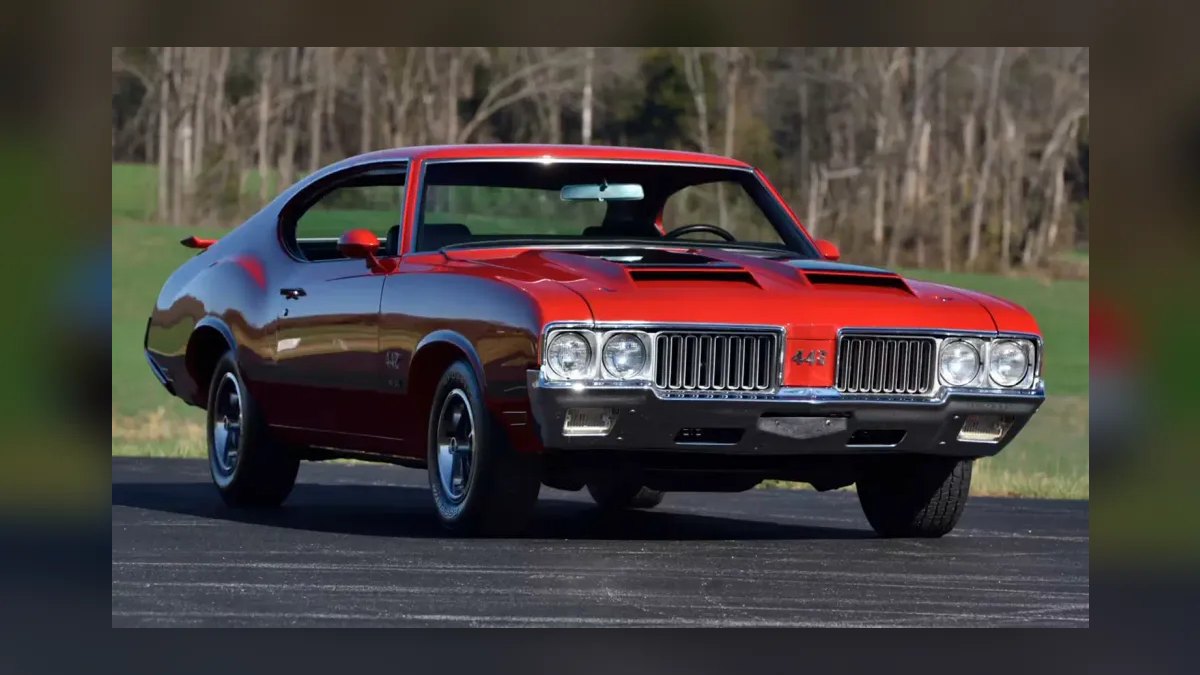
The 442 W-30 ranks ninth for offering big-block dignity and refinement over flash. By 1974 it was an appearance-and-handling package on the Cutlass, but the W-30 still offered a 455 big-block rated near 230 net horsepower. It was more grand tourer than dragster, delivering smooth torque and a refined ride that suited the changing times. As one of the last 455-powered 442s, it holds steady collector interest among Olds devotees.
This car is for the buyer who wants understated, comfortable muscle with loyal enthusiast support. It trades away the GTO's lighter feel and lower price for a more substantial, refined driving experience. Compared to the Pontiac above, the 442 is heavier and less nimble, but its 455 torque and final-era W-30 status give it a more dignified presence and stronger appeal for Oldsmobile collectors.
10. Buick Gran Sport 455 Stage 1
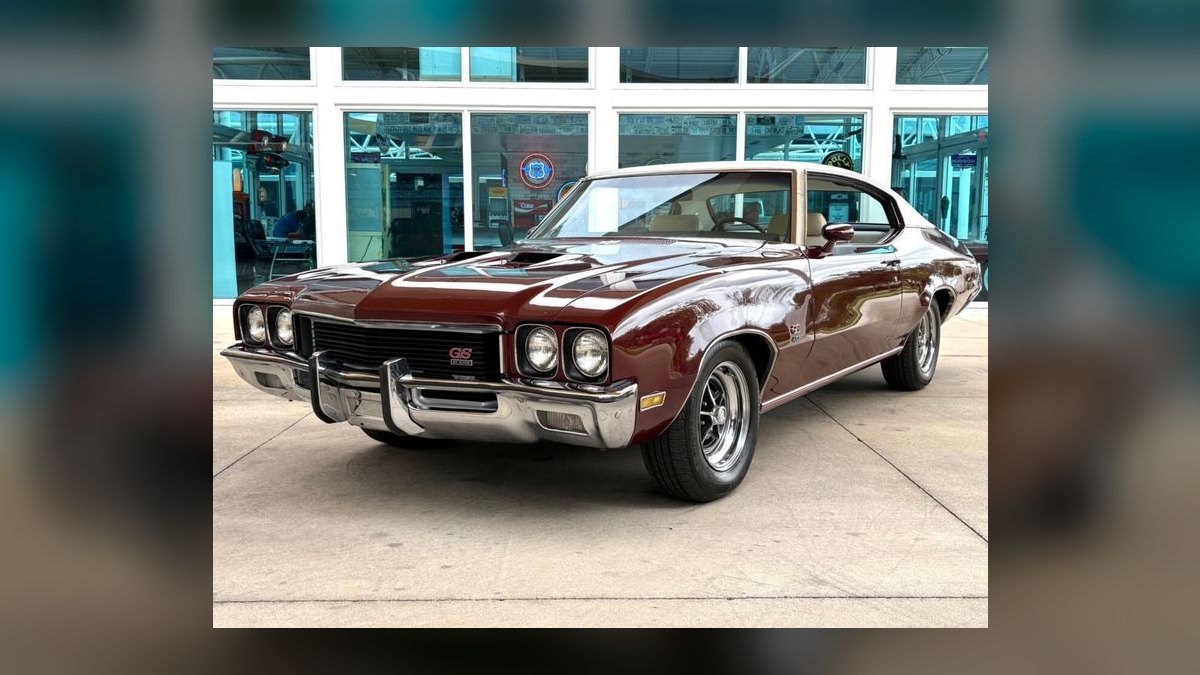
The Gran Sport Stage 1 closes the list as the connoisseur's rare-bird pick, built on the Century. The Stage 1 455 made roughly 255 net horsepower with Buick's signature torque wave, and production was tiny at only about 478 cars for 1974. That scarcity, plus 1974 being the final year for the 455 in the GS, makes it a quiet blue-chip among informed collectors. It offers genuine big-block performance in a refined, gentleman's-muscle package.
This car is for the dedicated Buick enthusiast who prizes rarity and refinement over raw acceleration or mainstream recognition. It trades away the 442's broader support and lower purchase price for extreme scarcity and a more exclusive ownership experience. Compared to the Oldsmobile above, the Gran Sport is rarer and slightly more powerful, but its low production makes finding a verified, unmolested car a significant challenge for any buyer.
How we ranked these
We ranked the top 10 1974 muscle cars by weighting straight-line performance (25%), iconic status (20%), engine character (15%), period value (15%), style (10%), and current collectibility (15%). Data came from contemporary road tests, Hagerty valuation tools, auction records, and factory production figures. All horsepower figures are net, reflecting the emissions-choked reality of 1974.
We deliberately ignored gross horsepower ratings, which overstated output before 1972, and excluded any car without a genuine performance pedigree. We also disregarded modern restomod values and aftermarket modifications, focusing instead on factory-correct, documented examples. This ensures the ranking reflects what a 1974 buyer actually experienced and what collectors value today.
What to look for
When choosing between these cars, prioritize authenticity and documentation. The SD-455 Trans Am, final-year E-bodies, and rare Stage 1/W-30 cars demand VIN and option-code verification. Match numbers where possible, but for many 1974 models, originality matters less than condition and presentation. Buy the best-documented example you can afford, and consider future collectibility trends.
The mistake most buyers make is chasing performance numbers that no longer matter. In 1974, none of these cars were truly fast by modern standards, so paying a premium for a slightly quicker quarter-mile is pointless. Instead, focus on rarity, historical significance, and condition. A clean, documented Road Runner 400 offers more value than a questionable, overpriced E-body clone.
Related questions
What was the fastest 1974 muscle car?
The Pontiac Trans Am 455 Super Duty was the fastest, running the quarter mile in roughly 13.8 seconds at over 103 mph. Its 290-net-hp hand-built 455 V8 was unmatched in 1974, making it the only car that year to deliver sub-14-second performance. No other production car came close.
Why is the 1974 Plymouth Road Runner 400 the best value?
At about $3,545 in 1974, the Road Runner 400 offered a genuine 250-net-hp big-block coupe for less than the E-body Mopars or the Super Duty. That 'most muscle per dollar' math still holds today, making it an affordable entry into Mopar collecting with strong brand recognition.
How many 1974 Pontiac Trans Am SD-455s were built?
Pontiac built only 943 SD-455 Trans Ams for 1974. This extreme rarity, combined with its status as the last genuinely fast factory muscle car, has made it blue-chip. Clean examples trade from $50,000 into six figures, with a standout selling for $173,600.
What engines were available in the 1974 Dodge Challenger?
The 1974 Challenger's top engine was a 245-net-hp 360 V8, a far cry from the Hemi years. Big blocks were gone, and the car was cancelled mid-year after just 11,354 units. Despite modest performance, its final-year E-body status keeps values firm.
Is the 1974 Chevrolet Camaro Z28 a good investment?
Yes, as the last Z28 until 1977, it has a clear collector hook. Its 245-net-hp 350 V8 and well-sorted chassis make it the best-handling muscle car of the group. Values have held up well, and strong parts support makes restoration easier.
What makes the 1974 Buick Gran Sport Stage 1 rare?
Only about 478 Stage 1 cars were built for 1974, making it extremely rare. Its 455 V8 produced roughly 255 net horsepower with a signature torque wave. This final-year 455 GS status drives collector interest among those who value gentleman's muscle.
Why was 1974 the end of the muscle car era?
The 1973 OPEC oil embargo and federal emissions regulations gutted compression and net horsepower across the board. Insurance surcharges had already strangled demand. The SD-455 Trans Am was the last genuinely fast factory car, and after 1974, performance went dormant until the 1980s.
What should I look for when buying a 1974 muscle car?
Authenticate the SD-455 Trans Am ruthlessly, verify final-year Mopar E-bodies with build sheets and fender tags, and confirm Stage 1 and W-30 codes. Beware Camaro Z28 and GTO clones. Match numbers where possible, but buy the best-presented, best-documented example you can afford.
FAQ
Was 1974 really the end of the muscle car era?
Largely, yes. The 1973 oil embargo and tightening emissions rules gutted compression and net horsepower across the board, and insurance surcharges had already strangled demand. The SD-455 Trans Am was the last genuinely fast factory car, and after 1974 the breed went dormant until turbocharging and fuel injection revived performance in the 1980s.
Which 1974 muscle car is the best overall?
The Pontiac Trans Am 455 Super Duty. Its hand-built 290-net-hp 455 ran a roughly 13.8-second quarter mile, making it the only 1974 model that delivered real, period-leading performance. No other car that year came close on the stopwatch.
Which 1974 muscle car is the best value?
The Plymouth Road Runner 400. At about $3,545 in 1974 it gave buyers a genuine 250-net-hp big-block coupe for far less than the E-body Mopars or the Super Duty, and that 'most muscle per dollar' math still holds in the collector market.
Which 1974 muscle car is the best investment today?
The Trans Am 455 Super Duty is the blue-chip leader, with clean cars trading from $50,000 into six figures and a documented example selling for $173,600. The final-year 'Cuda and Challenger E-bodies follow close behind on legacy demand.
Could you still get a big block in 1974?
Yes, in a handful of cars. The Dodge Charger 440 (275 hp), Chevelle Laguna 454 (235 hp), Olds 442 W-30 455 (around 230 hp), and Buick GS Stage 1 455 (around 255 hp) all offered genuine big blocks, though all were far softer than their early-1970s peaks.
Was the Mustang II a muscle car?
No. The all-new 1974 Mustang II shrank dramatically and offered only an 88-hp four or a 105-hp V6 — no V8 at all that year. It sold well during the fuel crisis but belongs to the malaise story, not the muscle one.
How many 1974 Dodge Challengers were sold?
Only 11,354 Challengers were sold in 1974 before the model was cancelled mid-year. This scarcity, combined with the car's timeless proportions, keeps values firm and rising in the collector market.
What is the 1974 Pontiac GTO?
The 1974 GTO was an option package on the compact Ventura, a humbling end for the legendary nameplate. Its 350 V8 made 200 net horsepower, but the lighter body made it lively. Values remain accessible, around $16,500 to $18,000 for solid cars.
Why is the 1974 Oldsmobile 442 W-30 underrated?
It offered a 455 big-block rated near 230 net horsepower in a refined, comfortable package. More grand tourer than dragster, it suits changing times. As one of the last 455-powered 442s, it holds steady collector interest among Olds devotees.
What is the 1974 Chevelle Laguna Type S-3?
It was Chevy's stylish answer to a changing world, with a soft urethane nose and available 454 big-block producing 235 net horsepower and 360 lb-ft of torque. Its NASCAR connection adds period credibility, and it's an underrated big-block survivor.
Sources
- https://www.hagerty.com
- https://www.mecum.com
- https://www.barrett-jackson.com
- https://www.caranddriver.com
- https://www.motortrend.com
- https://www.hotrod.com
- https://bringatrailer.com
- https://www.autoevolution.com
Related on PULSE
- Top 10 Muscle Cars 1965 — Best Overall + Best Value
- Top 10 Muscle Cars 1969 — Best Overall + Best Value
- Top 10 Muscle Cars 1966 — Best Overall + Best Value
- Top 10 Muscle Cars 1972 — Best Overall + Best Value
- Top 10 Muscle Cars 1973 — Best Overall + Best Value
- Top 10 Muscle Cars 1971 — Best Overall + Best Value
This page will be disappearing soon. Save it to your device for $1 — or read it free while it is here.
@Kory-White- · if Venmo asks, the last 4 of my number are 2012
This page is gone.
This one is off the shelf now. $1 keeps it on your phone for good — the whole page, pictures and diagrams included.
 pulse-collectiblesTop 10 Muscle Cars 1970 — Best Overall + Best Value
 pulse-collectiblesTop 10 best Collectibles options in 2027
 pulse-collectiblesTop 10 Muscle Cars 1965 — Best Overall + Best Value
 pulse-collectiblesTop 10 Muscle Cars 1972 — Best Overall + Best Value
 pulse-collectiblesHow do you get started with Collectibles in 2027?
 pulse-collectiblesWhat should you know before investing in Collectibles in 2027?
 pulse-collectiblesTop 10 Muscle Cars 1971 — Best Overall + Best Value
 pulse-collectiblesTop 10 Collectibles strategies for 2027
 pulse-collectiblesTop 10 Muscle Cars 1973 — Best Overall + Best Value
 pulse-collectiblesTop 10 Muscle Cars 1966 — Best Overall + Best Value