


How to save money on dining out in 2027
Quality
Certified

Cut restaurant spend by attacking frequency, not enjoyment: eat out fewer but better times, shift occasions to lunch or happy hour where the same kitchen charges 20–40% less, order direct instead of through delivery apps, skip the highest-margin items (drinks, appetizers, delivery fees), and let loyalty programs and prix-fixe weeks subsidize the visits you keep.
Two paths: fewer visits versus cheaper visits
Almost every household that wants to spend less on restaurants faces the same fork, and picking the wrong branch is why budgets fail in month two. Path A is frequency reduction — you keep the same style of outing but do it less often. Path B is cost-per-visit reduction — you keep the same rhythm of going out but restructure what each outing looks like: different daypart, different venue tier, different ordering pattern, different payment rails.
Path A is arithmetically brutal and behaviorally fragile. If you eat out ten times a month at an average ticket of $38 per person and you cut to five, you have saved $190 per person per month with no analytical work at all. That is the fastest lever in the entire category. The problem is that it is a pure denial strategy, and denial strategies decay. The typical failure curve looks like three strong weeks followed by a compensating splurge that erases half the savings, then a quiet return to baseline by week six. Frequency cuts also carry a hidden cost most budgets never book: the displaced meals have to come from somewhere. If you replace five restaurant meals with five grocery meals, you are adding roughly $6–$12 per person in grocery cost plus 30–45 minutes of cooking and cleanup per meal. The net saving is real but smaller than the headline, and the time cost is what usually kills the habit.
Path B is slower to add up but far more durable, because it never asks you to give up the thing you actually want, which is sitting in a restaurant with people you like. A dinner entrée that runs $28 is frequently the same protein, same kitchen, same recipe as the $17 lunch portion. Two cocktails at $15 each are $30 of the highest-margin liquid in the building. A third-party delivery order routinely lands 25–40% above the menu price once inflated item pricing, service fees, delivery fees, and a tip are stacked. None of those levers require you to skip a single outing. They require you to change the *shape* of the outing.

The honest answer for most people is a blend weighted toward Path B, with one specific Path A cut: eliminate the low-joy meals. Almost every household has a category of restaurant spending that delivers no memory whatsoever — the desperate Tuesday delivery order, the airport-adjacent chain lunch, the third coffee-shop sandwich of the week. Those are the visits to delete, because deleting them costs you nothing emotionally. The Friday dinner with friends is not the problem. The thoughtless spend is the problem, and it is usually 40–60% of the total.
There is also a third path people rarely name explicitly: substitution up the value curve. Instead of two mediocre $45 dinners a month, you do one genuinely good $70 dinner. Spend drops from $90 to $70, and satisfaction usually rises, because the mediocre meal was never delivering much. This works especially well for households whose restaurant spending is habitual rather than aspirational. If you find yourself unable to remember what you ate out last week, you are a strong candidate for trading volume for quality.
Choosing your lever before you change anything
The decision framework matters more than any individual tactic, because the right tactic depends entirely on where your money is actually going. Someone spending $600 a month across 25 small delivery orders needs a completely different intervention than someone spending $600 across four nice dinners. The first person has a convenience-spending problem solved by logistics; the second has a discretionary-luxury pattern that is arguably fine and just needs trimming at the edges.
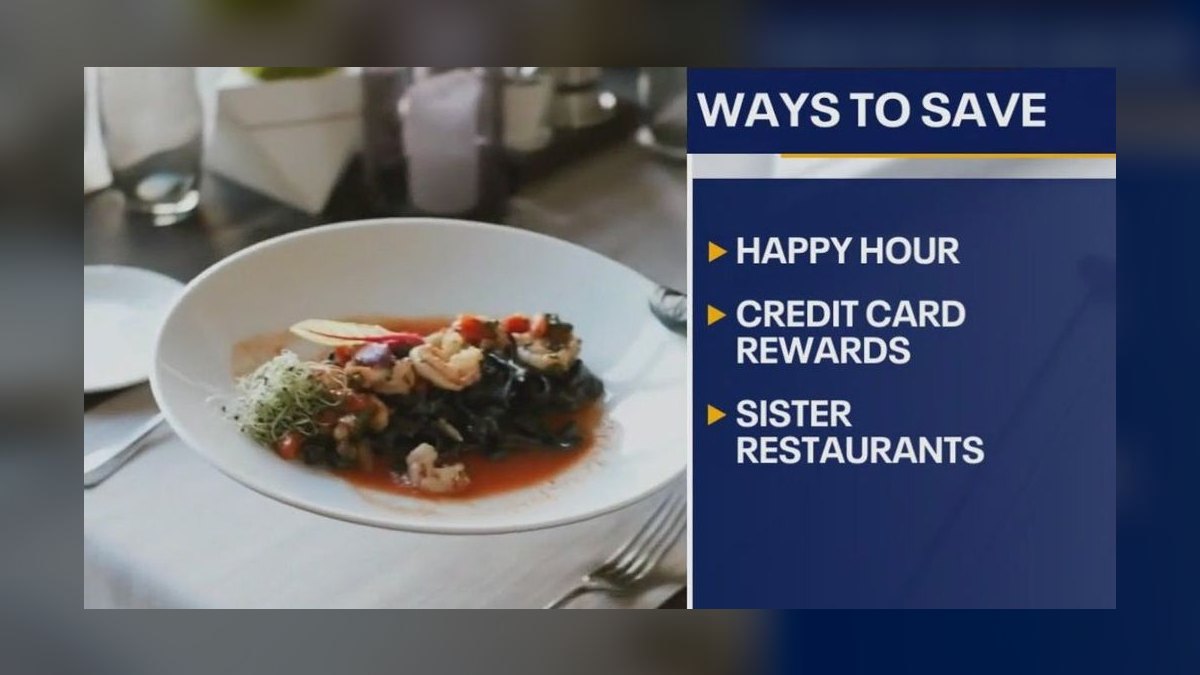
Start with 30 days of actual transaction data. Pull your card statements and tag every food-away-from-home line into four buckets: social (meals whose real purpose is being with people), convenience (meals bought because cooking was inconvenient), routine (the daily coffee, the weekday lunch), and occasion (birthdays, anniversaries, celebrations). Do not estimate this from memory. Memory systematically undercounts convenience and routine spending by a wide margin, because those transactions are small and unmemorable, which is exactly what makes them dangerous. A $9 coffee-and-pastry five days a week is $180 a month that nobody remembers spending.
Once tagged, the decision rules are straightforward. Convenience spending is the first and largest target — attack it with logistics, not willpower. Routine spending responds well to a single structural change (bring coffee three days, keep two). Social spending should be restructured, not cut, because cutting it damages relationships and gets reversed. Occasion spending should mostly be left alone; it is a small share of the total and it is where the actual value lives.
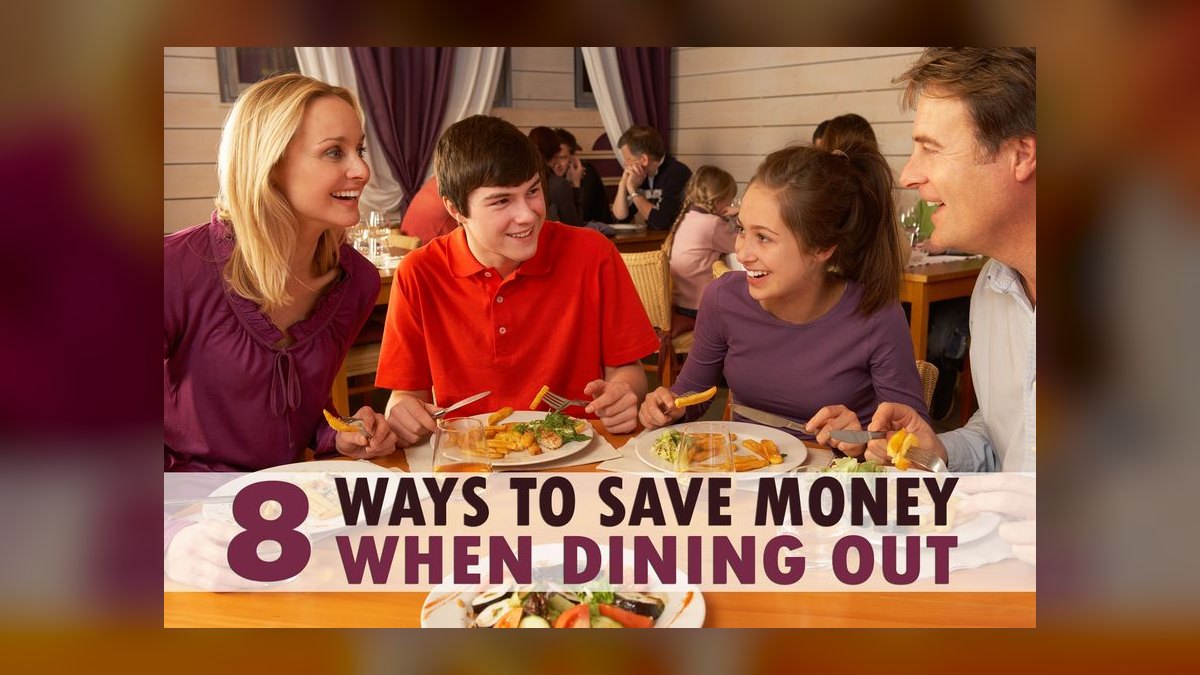
The reason to run this diagnostic before changing anything is that generic advice fails on specifics. "Stop eating out" is useless to someone whose restaurant spending is four social dinners a month with friends they'd otherwise never see. "Use coupons" is useless to someone ordering delivery at 9pm because they got home at 8:45. The intervention has to match the mechanism that is generating the spend, and you cannot know the mechanism without looking at the data.
One more decision input: your time value. If your hours are genuinely scarce and expensive, some convenience spending is a rational purchase, not a failure of discipline. The move there is not to cook more but to make convenience cheaper — pickup instead of delivery, a rotating set of three cheap reliable places instead of whatever the app surfaces, a standing grocery delivery that keeps the pantry stocked enough that the 9pm decision isn't binary.
Where the money actually sits: the numbers behind each lever
Restaurant economics are extremely lopsided, and knowing which line items carry the margin tells you exactly where to push. Food cost in a typical full-service restaurant runs roughly 28–35% of the menu price. Alcohol runs far lower — often 15–25% cost on beer and wine, and lower still on spirits. Soft drinks are the extreme case: the syrup and cup on a $3.50 soda cost the restaurant well under a dollar. This is not a scandal; it is how restaurants stay open when rent and labor consume most of the revenue. But it means your ordering choices have wildly different effects on your bill.
Drinks. Two glasses of wine at $14 and a $4 soda add $32 before tax and tip — call it $40 all-in on a table for two. That is frequently 35–45% of the entire check. Ordering water and having a drink at home before or after is the single highest-yield change available at the table, and it changes nothing about who you're with or what you eat. If you drink at restaurants regularly, look specifically for BYOB venues; corkage runs commonly $10–$30 versus a restaurant markup of 200–300% on the same bottle.
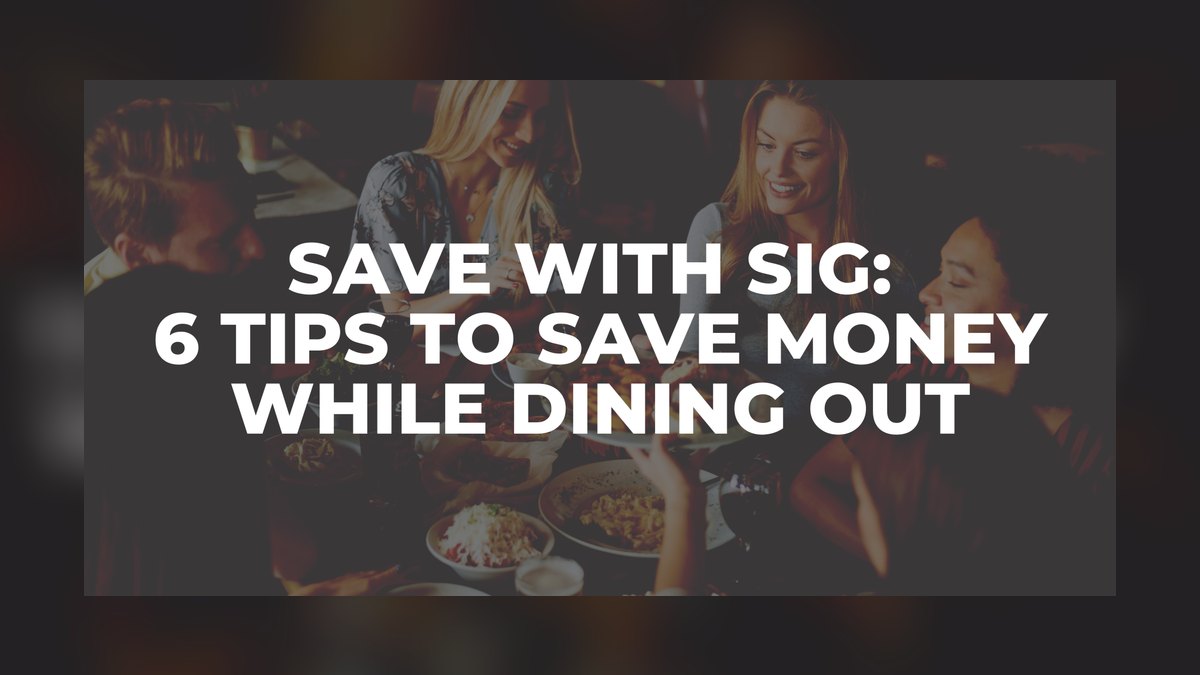
Daypart. The lunch-versus-dinner gap is the most underused arbitrage in dining. The same kitchen, often the same dish, frequently prices 20–40% lower at lunch, with smaller portions that most people find adequate anyway. Weekday lunch at a restaurant you'd normally hit for dinner delivers most of the experience at roughly half the check. Happy hour compresses it further: discounted small plates and drinks in a 4–6pm window can turn a $70 dinner into a $35 outing, and many places run food specials, not just drink specials.
Delivery stack. Third-party delivery is where budgets quietly hemorrhage. The typical order carries menu prices marked up above dine-in (restaurants raise in-app prices to offset commission), plus a delivery fee, plus a service fee percentage, plus tip, plus in some markets a regulatory surcharge. Stack those and a $30 menu order commonly settles between $42 and $52. Switching to direct-from-restaurant pickup on the same food removes the markup, the delivery fee, and the service fee, and reduces the tip. On a household ordering delivery six times a month, that swap alone is $70–$130 monthly with zero change to what you eat.
Tipping and tax mechanics. Tip on pre-tax, which is standard practice and quietly saves 8–10% of the tip amount. Watch for auto-gratuity on larger parties so you don't tip twice — it happens more than people notice on split checks.
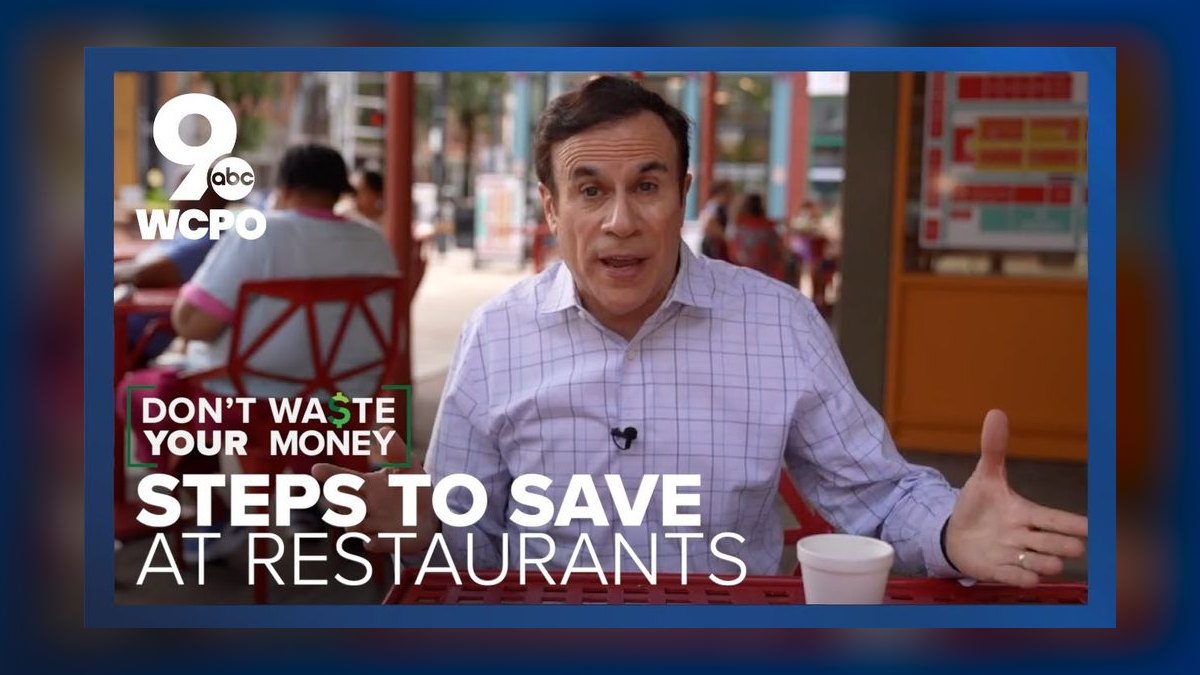
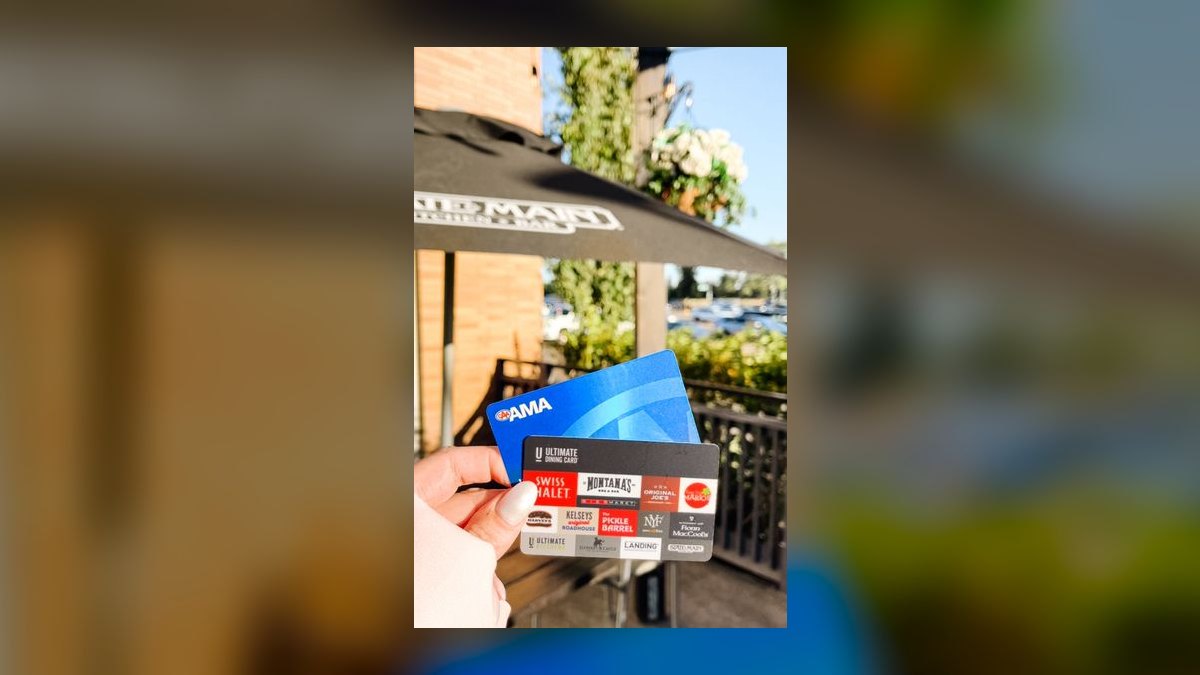
Loyalty and prepaid mechanics. Restaurant loyalty programs are typically worth 5–10% back in food value when you're already a regular; they are not worth changing behavior for. Discounted gift cards, when available through legitimate resellers or warehouse clubs, run a few percent under face and stack with everything else. Prix-fixe restaurant weeks in most major metros offer multi-course menus at a set price that often undercuts à la carte by 30–50% — the trade-off is a limited menu and a crowded room, which is a fine trade for a nice room you'd otherwise never try.
Kids and portions. Two adults splitting an entrée plus one appetizer is a legitimate meal at many American portion sizes and cuts a two-person check by 25–35%. Kids-eat-free nights at family-oriented chains are real and typically run on slow weeknights.
Put together, a household spending $700 a month can usually reach $450–$500 without cutting a single social outing: drop delivery to pickup ($100), water instead of drinks on half the visits ($80), shift two dinners to lunches ($60), delete the low-joy convenience orders ($60). None of that requires eating at home more often.
Sequencing the changes so they actually stick
The order of operations matters as much as the tactics, because each change has a different difficulty and a different payoff, and starting with the hard ones guarantees failure. Sequence by ratio of savings to friction.
Week one — pure logistics, zero deprivation. Switch every delivery order to pickup or direct ordering. Delete the delivery apps from your phone's home screen if not entirely; the friction of retyping the URL is doing real work. Set up direct accounts with the two or three places you actually order from most — many restaurants now run their own online ordering at dine-in prices specifically to escape commission. This week costs you nothing behaviorally and typically returns 15–20% of total spend.
Week two — the drink line. Default to water at restaurants. Not a rule, a default, which means you can override it for the dinner that deserves it. Find one BYOB spot near you and make it a regular. If you have a bar habit tied to socializing, move the pre-dinner drink home. Expect another 10–15%.
Week three — daypart shifting. Take one recurring dinner outing and move it to lunch or happy hour. This works best with the friends who are flexible; don't try it on the standing Saturday dinner. Simultaneously, restock the pantry with three "9pm-proof" meals — things you can put on the table in under twelve minutes when you're too tired to cook. Frozen dumplings, good jarred sauce and pasta, eggs and bread. The convenience order happens because the alternative is thirty minutes of work; make the alternative three minutes and a lot of orders never happen.
Week four — audit and hold. Re-pull the transaction data, compare against the baseline, and identify what didn't move. Usually it's one stubborn category. Address that specifically instead of tightening everything.
A note on the household dimension: if you live with other people, none of this survives unless they're in on it. The most common failure mode isn't willpower, it's one person quietly ordering delivery while the other is executing a plan. Agree on the target number, not the tactics — "we're aiming for $450 a month on food out" is a shared goal; "you can't order Thai" is a fight.

Finally, build in a deliberate exception. A budget with no release valve gets abandoned. Name one outing a month that is exempt from every rule above — no water default, no lunch shift, no splitting. That exempt meal is what makes the other twenty-five decisions sustainable, and its cost is already priced into the target.
Adjacent levers most people miss
Beyond the restaurant itself, several neighboring habits move the same budget line. Coffee and the small-transaction problem is the clearest one. Daily coffee shop spending rarely registers as "dining out" mentally, but it lands in the same budget category and often exceeds the restaurant total. The fix isn't abstinence — it's making the home version good enough that the shop becomes a choice rather than a default. A decent grinder and fresh beans changes the calculation for a lot of people.
Workplace lunch is the second. Buying lunch five days a week at $14–$18 is $300–$390 a month, and it's almost entirely convenience spending. Bringing lunch three of five days recovers most of it. The trick that makes it stick is cooking once for three portions rather than assembling a lunch each morning at 7am, which nobody sustains.
Travel dining deserves separate handling because normal rules don't apply and pretending they do just produces guilt. On a trip, set a per-day food number in advance and spend it however you like. The structural saving on travel comes from booking lodging with a kitchen or at minimum a fridge, and from making one meal a day a grocery-store meal — which in an unfamiliar city is frequently more interesting than another restaurant anyway.
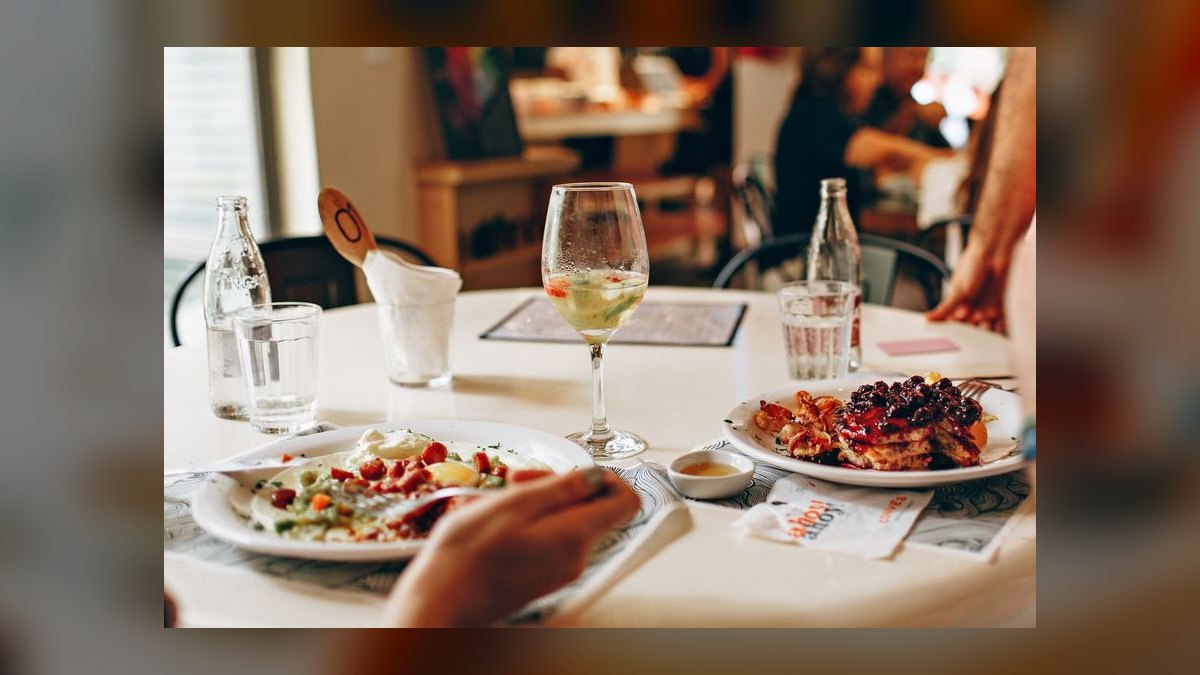
Grocery-side leakage is the counterweight to watch. When restaurant spending drops, grocery spending rises, and if it rises more than expected, the savings are illusory. Track both lines together. A household that cuts $200 of dining and adds $180 of groceries has mostly bought itself extra dishes to wash. The way to keep the ratio favorable is to shift toward meals built on cheap staple proteins and produce rather than replicating restaurant complexity at home.
Entertaining at home is the genuine substitution play for social spending. Hosting four people for dinner runs far below four restaurant checks, and it scales well — the marginal cost of a fifth guest is a few dollars. The reason people don't do it is perceived effort, which drops enormously if you standardize on one repeatable menu you can execute without thinking.
Related questions
Is it cheaper to cook or eat out in 2027?
Cooking is almost always cheaper per meal, typically by a factor of three to four once you account for restaurant markup, tax, and tip. The real comparison includes your time and the grocery waste from unused ingredients, which narrows the gap for single-person households.
Do delivery apps ever beat ordering direct?
Occasionally, when a first-order promo or a subscription's free-delivery threshold offsets the inflated in-app menu pricing. As a steady-state pattern, direct ordering or pickup wins on nearly every order because it strips out the commission-driven markup and the layered fees.
Are restaurant subscription plans worth it?

Only for genuine regulars. A monthly fee that unlocks free delivery pays off above roughly four to six orders a month; below that it's a loss. Do the arithmetic on your actual order count, not your intended one.
How much should a household budget for dining out?
Common guidance puts food away from home somewhere near 5–10% of take-home pay, but the useful number is whatever leaves your other obligations funded. Set an absolute dollar target rather than a percentage — it's easier to check against.
Does eating out less actually save money?
Yes, but less than the headline suggests, because displaced meals shift cost to groceries. Expect to keep roughly 60–75% of the apparent saving after the grocery offset, which is still substantial.
FAQ
What is the single biggest way to save money on dining out?
Stop using third-party delivery. It stacks inflated menu pricing, a delivery fee, a percentage service fee, and a tip onto food you could pick up yourself at menu price. For households that order regularly, this one change routinely recovers $70–$130 a month and requires no reduction in how often you eat restaurant food.
Should I cut how often I eat out or change how I eat out?
Change how you eat out for social and occasion meals; cut frequency only on the low-joy convenience meals you won't miss. Frequency cuts are arithmetically powerful but behaviorally fragile — they tend to collapse within six weeks and trigger compensating splurges. Restructuring the visit is slower to add up but survives.

How much cheaper is lunch than dinner at the same restaurant?
Commonly 20–40% less for a comparable dish, with somewhat smaller portions. Many kitchens run the same recipes across both services with different plating and pricing. Happy hour compresses the gap further, often bundling discounted small plates with drink specials in a late-afternoon window.
Is tipping on the pre-tax amount acceptable?
Yes — tipping on the pre-tax subtotal is standard and widely accepted. It saves roughly 8–10% of the tip depending on your local tax rate. Watch for automatic gratuity on larger parties so you don't inadvertently tip twice, which happens often when checks get split.
How do I keep dining savings from just reappearing as grocery spending?
Track both lines as one number. Some grocery increase is expected and fine; the danger sign is a near-one-to-one offset. Keep the ratio favorable by building home meals around inexpensive staple proteins and simple preparations rather than attempting to reproduce restaurant-level complexity, which is where grocery costs balloon.
Are loyalty programs and gift cards actually worth the effort?
For places you already frequent, yes — loyalty typically returns 5–10% in food value, and discounted gift cards from legitimate resellers stack on top. They are not worth changing where you eat. Treat them as a discount on existing behavior, never as a reason to visit somewhere you otherwise wouldn't.
Sources
- https://www.bls.gov/cex/ — Consumer Expenditure Surveys, U.S. Bureau of Labor Statistics
- https://www.ers.usda.gov/data-products/food-expenditure-series/ — USDA Economic Research Service, Food Expenditure Series
- https://www.consumerfinance.gov/consumer-tools/ — Consumer Financial Protection Bureau consumer tools
- https://www.restaurant.org/research-and-media/research/ — National Restaurant Association research
- https://www.bls.gov/cpi/ — Consumer Price Index, including food away from home
- https://www.ftc.gov/business-guidance/advertising-marketing — FTC guidance on fees and advertised pricing
- https://www.irs.gov/taxtopics/tc761 — IRS Topic No. 761, Tips
- https://www.usda.gov/foodlossandwaste — USDA food loss and waste resources
Related on PULSE
- How to build a household food budget that survives a bad month
- Grocery cost control: staples that actually stretch
- The real cost of food delivery apps, line by line
- Meal planning for people who hate meal planning
- Entertaining at home: the repeatable dinner-party menu
- Travel food budgeting without ruining the trip
This page will be disappearing soon. Save it to your device for $1 — or read it free while it is here.
@Kory-White- · if Venmo asks, the last 4 of my number are 2012
This page is gone.
This one is off the shelf now. $1 keeps it on your phone for good — the whole page, pictures and diagrams included.
 pulse-diningTop 10 Places to Dine in Hartford in 2027
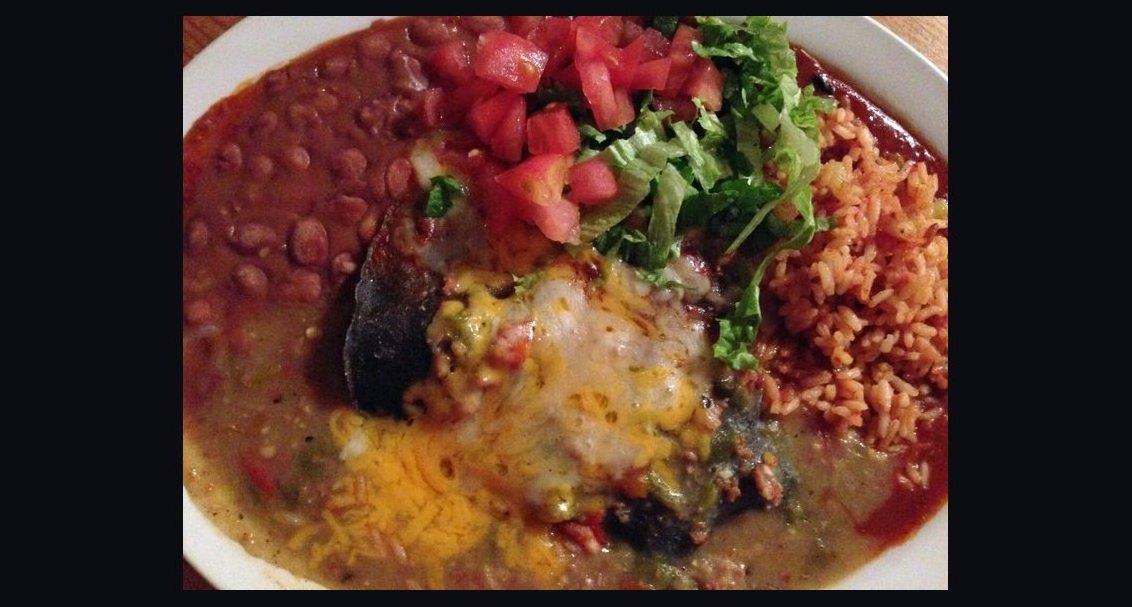 pulse-diningTop 10 Places to Dine in Santa Fe for Blue Corn Enchiladas in 2027
 pulse-diningTop 10 Places to Dine in San Diego for Fish Tacos in 2027
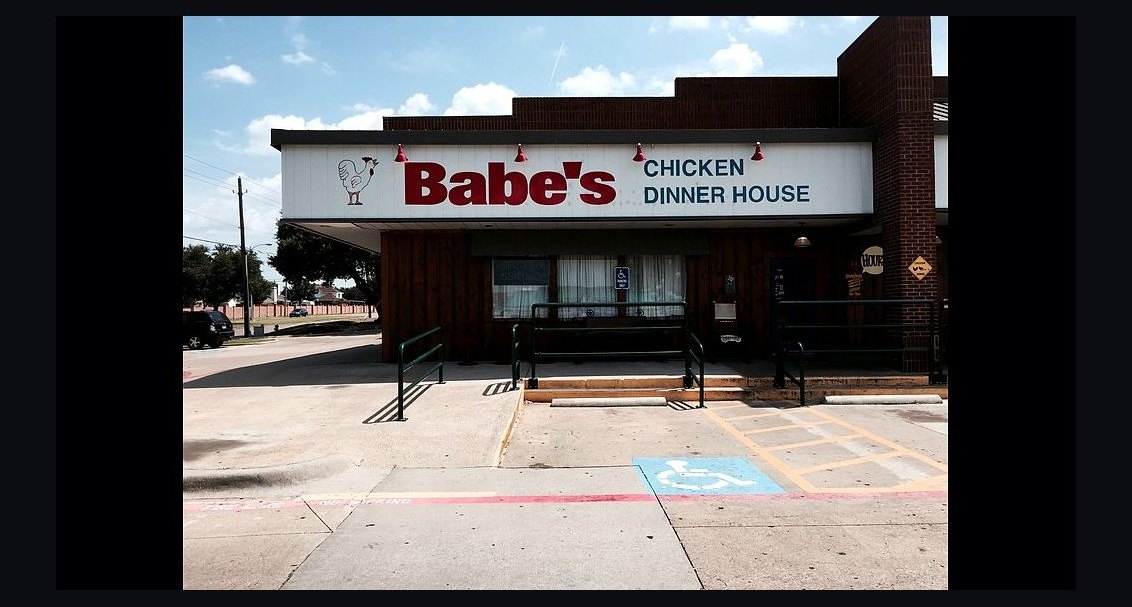 pulse-diningTop 10 Places to Dine in Rochester for Garbage Plates in 2027
 pulse-diningTop 10 Places to Dine in Mesa in 2027
 pulse-diningTop 10 Places to Dine in Dubai in 2027
 pulse-diningTop 10 Places to Dine in Wichita in 2027
 pulse-diningTop 10 Places to Dine in Bangkok in 2027
 pulse-diningTop 10 Places to Dine in Knoxville in 2027
 pulse-diningTop 10 Places to Dine in Sarasota in 2027