


Top 10 Tablets — Best Overall + Best Value in 2027
Quality
Certified
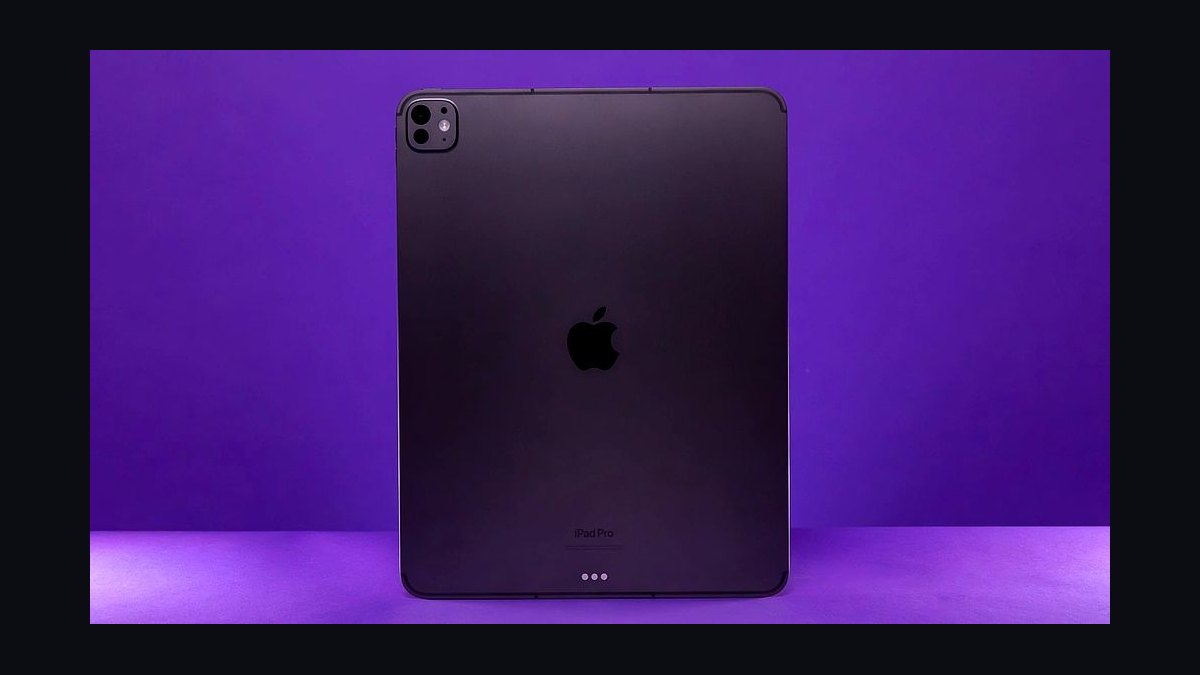
The 10 best tablets are ranked below on measured performance, build quality, price, and how each one actually holds up in daily use rather than how it reads on a spec sheet. Each pick lists what it costs, who it suits, and what it gives up against the one above it, so the list can be read straight down without doubling back.
1Apple iPad Pro 13-inch M4
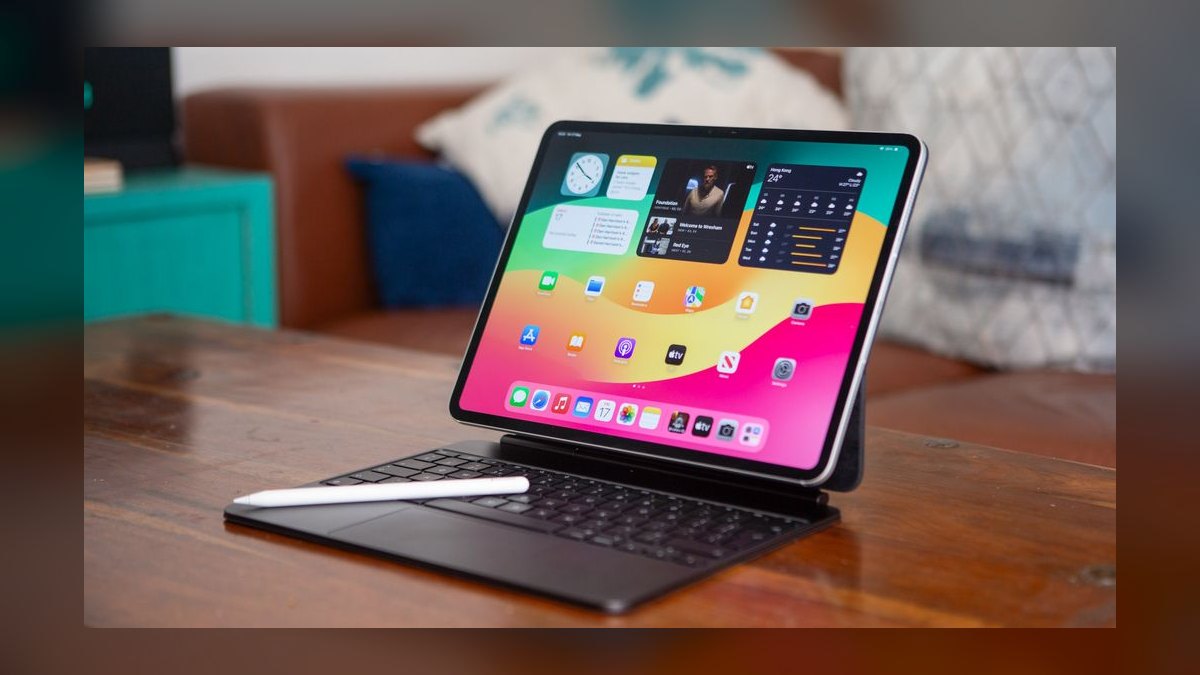
The Apple iPad Pro 13-inch M4 ranks first because no rival ships a Tandem OLED panel, which stacks two OLED layers to hit 1,000 nits full-screen and 1,600 nits HDR peak without single-layer burn-in risk. The M4 chip pairs a 10-core CPU and 10-core GPU on a 3nm process with 8GB or 16GB of RAM. At 5.1mm thick and 579 grams, it starts at $1,299 for 256GB.
This is for illustrators, video editors, and anyone genuinely replacing a laptop, since iPadOS 18 added proper external-display windowing and Apple Pencil Pro brings barrel-roll, haptics, and squeeze gestures. What it trades away is money: the Magic Keyboard adds $349 and Pencil Pro $129, pushing real buy-in near $1,800. The iPad Air 13-inch M2 below costs $500 less and gives up OLED and 120Hz.
2Apple iPad Air 13-inch M2
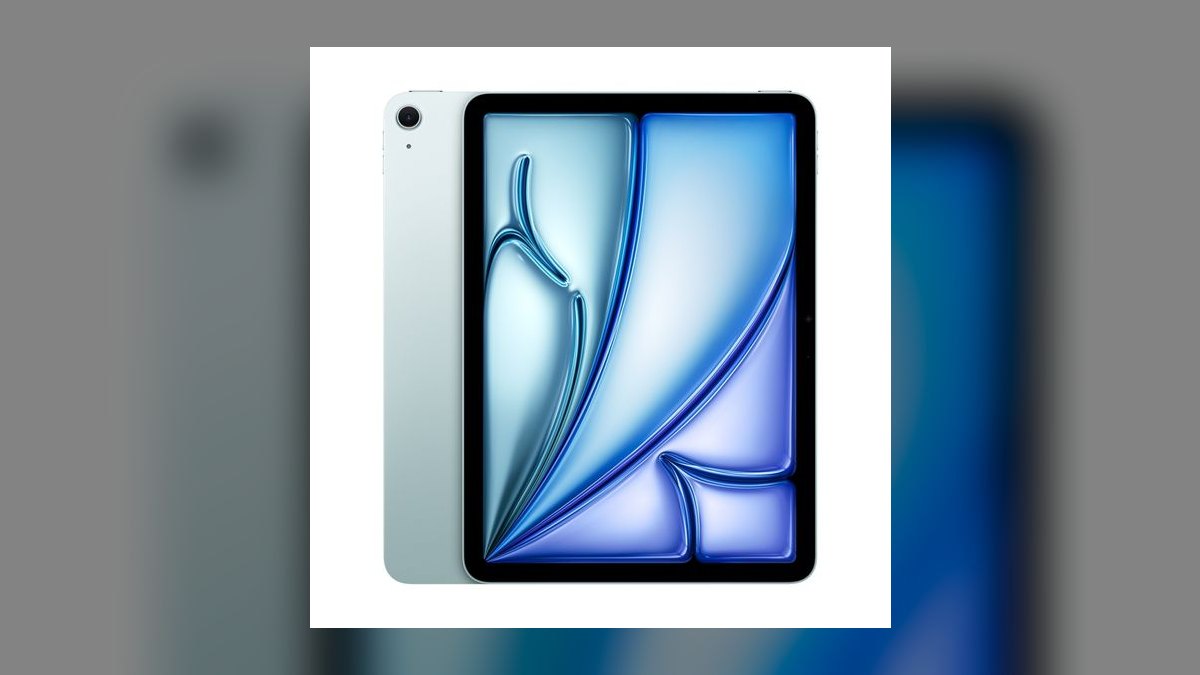
The Apple iPad Air 13-inch M2 places second because it delivers the same 13-inch canvas and Apple Pencil Pro support for $799, a $500 discount against the Pro. Its Liquid Retina LCD hits 600 nits, bright enough for any indoor setting, and the M2 chip still out-sustains roughly 90% of Android tablets. Every storage tier from 128GB to 1TB ships with 8GB of RAM, and it weighs 617 grams.
Buyers who want a big iPad without pro-grade hardware should stop here. You surrender the 120Hz ProMotion refresh, Tandem OLED, the M4, Face ID, and the four-speaker array, and the 60Hz LCD looks dated if you have used the Pro. You keep the App Store, Pencil Pro hover, USB-C SSD support, and Apple's long update horizon. Only 38 grams heavier than the Pro above.
3Samsung Galaxy Tab S10 Ultra
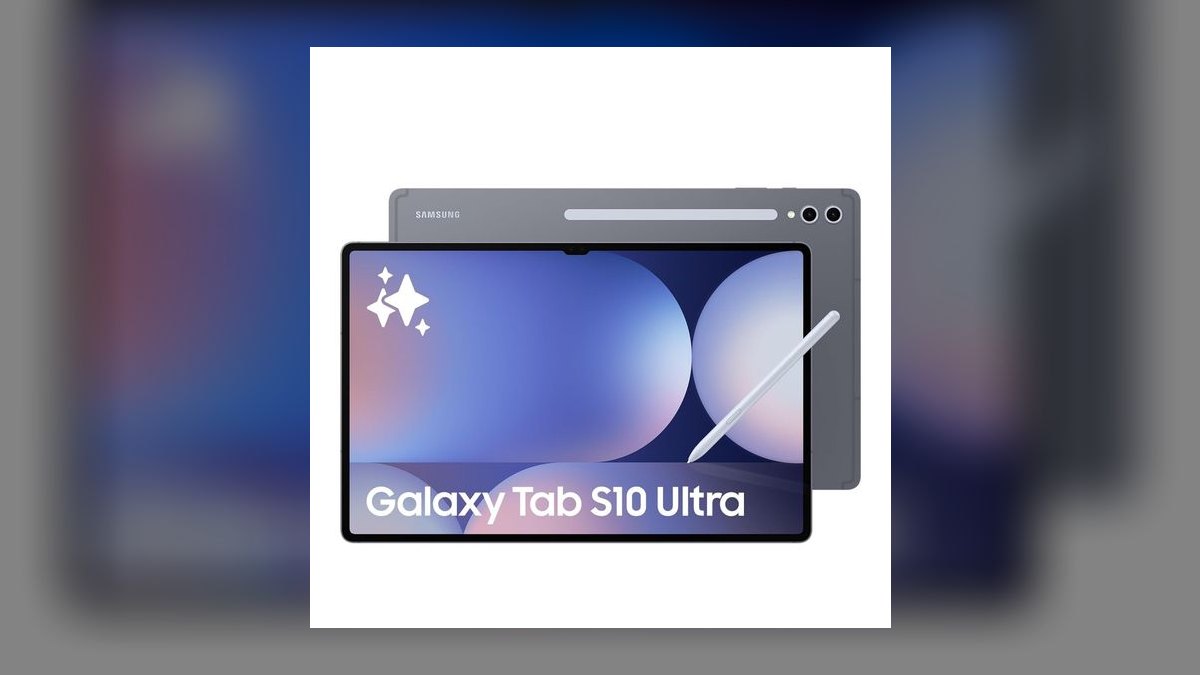
The Samsung Galaxy Tab S10 Ultra ranks third as the only Android tablet that competes with the iPad Pro on hardware. Its 14.6-inch Dynamic AMOLED 2X panel runs 120Hz at 2960x1848 with 930 nits peak and an anti-reflective coating. Samsung includes the S Pen in the box, adds IP68 water resistance, and promises seven years of OS and security updates through 2031. Price is $1,199 for 256GB Wi-Fi.
Android-first power users get the largest premium display here plus DeX desktop mode, which pairs with the Book Cover Keyboard for real multitasking. The trade is the notch at the top of the panel, still awkward two generations in, and a $349 keyboard. Against the iPad Pro above, it wins on split-screen flexibility and included stylus but loses on tablet-optimized app depth and panel technology.
4Microsoft Surface Pro 11 Snapdragon X
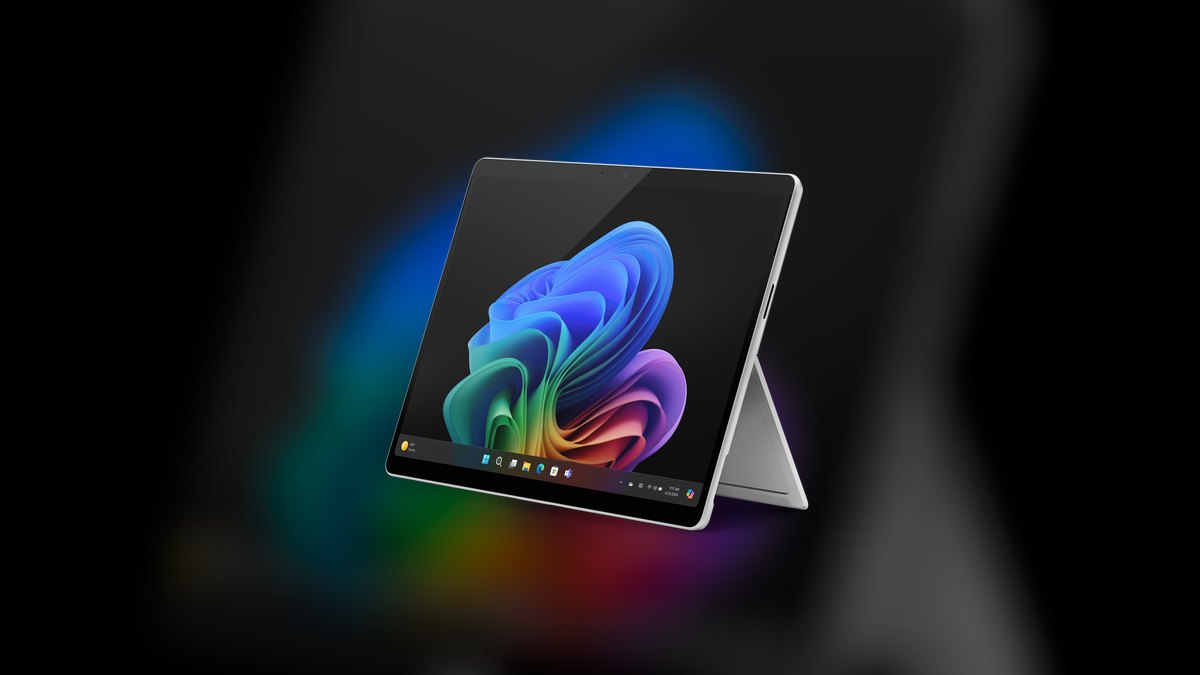
The Microsoft Surface Pro 11 with Snapdragon X earns fourth as the only true desktop-OS tablet in this ranking. Its 13-inch OLED runs at 120Hz, battery life reached 14 hours in real-world Notebookcheck testing on Snapdragon X Plus and X Elite silicon, and USB-C runs at USB4 speeds. Windows 11 on ARM now emulates x86 apps fast enough that most workflows never notice. It starts at $999 for 256GB without a keyboard.
Buy it if you actually need full Windows software on a touchscreen. The Surface Slim Pen 2 and redesigned Flex Keyboard cost $350 combined, and anti-cheat games, some Adobe plugins, and certain enterprise VPNs still fail on ARM. Compared with the Galaxy Tab S10 Ultra above, it trades a brighter, larger panel for genuine desktop applications and the category's best keyboard hinge.
5Apple iPad Mini 7 A17 Pro
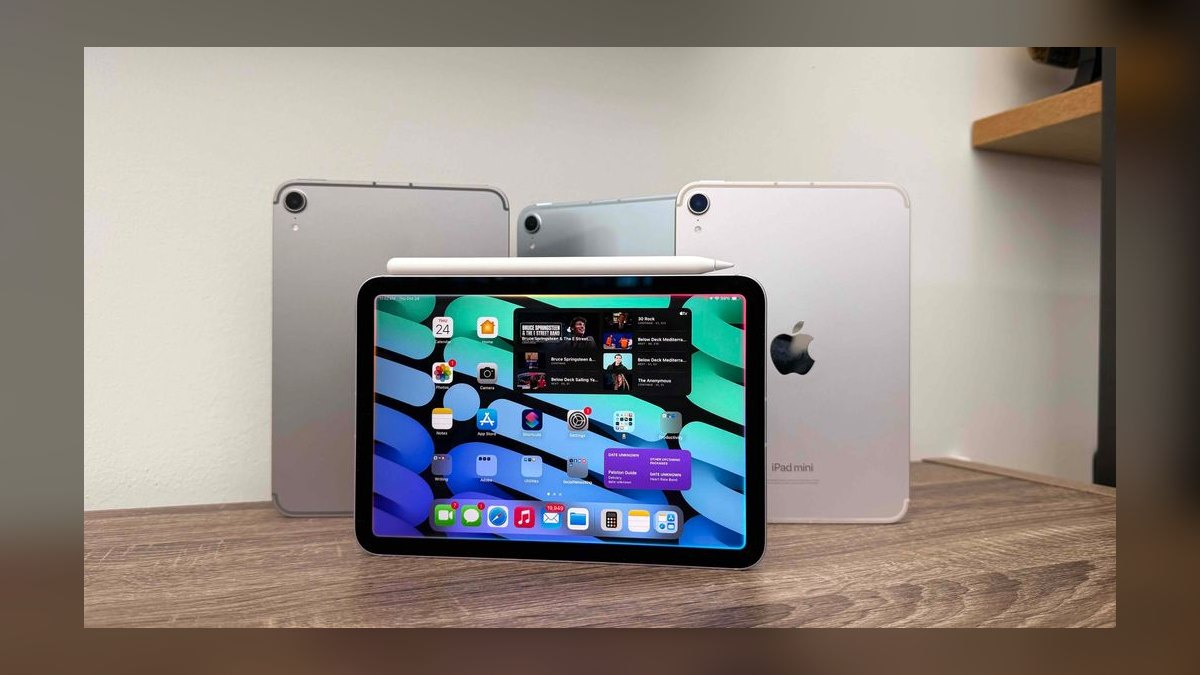
The Apple iPad Mini 7 with A17 Pro lands fifth because it packs iPhone 15 Pro silicon, including hardware-accelerated ray tracing for Resident Evil Village and Death Stranding, into a 293-gram body. The 8.3-inch Liquid Retina LCD reaches 500 nits, and it supports both the USB-C Apple Pencil and the Apple Pencil Pro. It costs $499 for 128GB Wi-Fi and lasts a full day of reading on one charge.
This suits one-handed reading, gaming, commercial pilots running ForeFlight, and field technicians who cannot carry a 13-inch slab through a shift. The compromises are a 60Hz refresh rate and 128GB of base storage at the entry price. Against the iPad Air 13-inch above, it swaps screen real estate and sustained performance for a device that fits in a jacket pocket.
6Apple iPad 11th generation A16
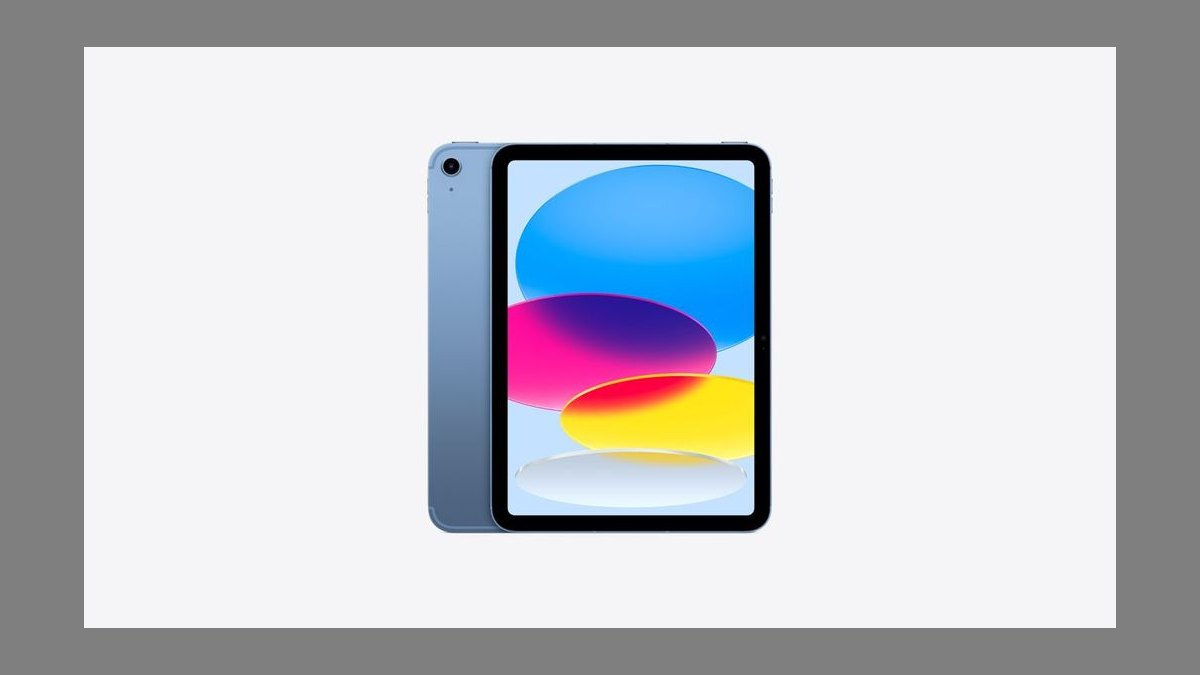
The Apple iPad 11th generation with A16 is the best-value pick at $349 for 128GB. Apple doubled base storage from a stingy 64GB and moved to the A16 Bionic, the same chip as the iPhone 14 Pro, without raising the price. The 10.9-inch Liquid Retina LCD hits 500 nits at the same panel size as the iPad Air, USB-C supports thumb drives, and update commitments run five-plus years.
Students, kids, and casual users get the full App Store at the lowest credible price, and that five-year software window beats every Android tablet under $400 on longevity. The limitation is stylus support: only the $79 USB-C Apple Pencil or a 1st-gen Pencil with an adapter, no Pencil Pro. The iPad Mini 7 above costs $150 more for pocketability and far stronger gaming silicon.
7OnePlus Pad 2
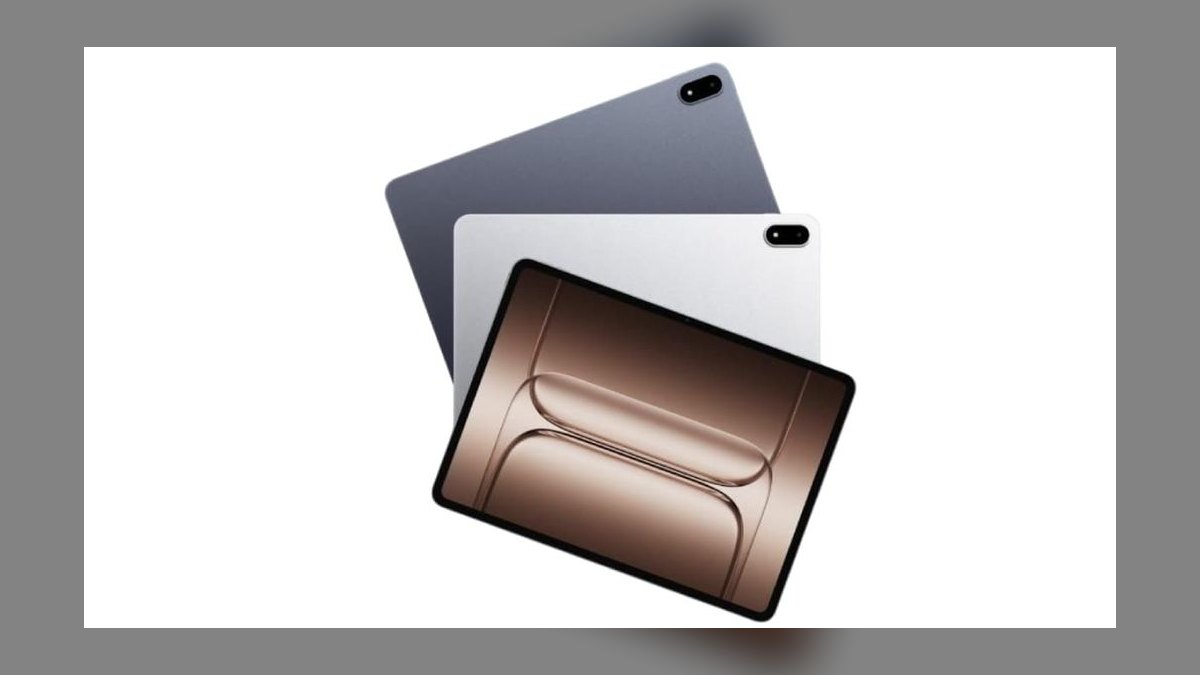
The OnePlus Pad 2 takes seventh for flagship specs at $549. Its 12.1-inch LCD runs 144Hz at 3000x2120 in an unusual 7:5 aspect ratio that suits documents, with 900 nits brightness. The Snapdragon 8 Gen 3 and 12GB of RAM in the base 256GB model are near-flagship hardware at mid-range money, backed by a 9510mAh battery, 67W charging, and over 12 hours of mixed use per Android Authority testing.
Android buyers unwilling to pay Samsung Ultra prices should look here, especially with the $99 Stylo 2 and $149 Smart Keyboard. The real cost is software: three years of major OS upgrades, less than half Samsung's seven-year promise. Against the iPad 11th generation above, it wins on refresh rate, RAM, and charging speed but loses badly on update longevity and tablet app quality.
8Lenovo Tab P12
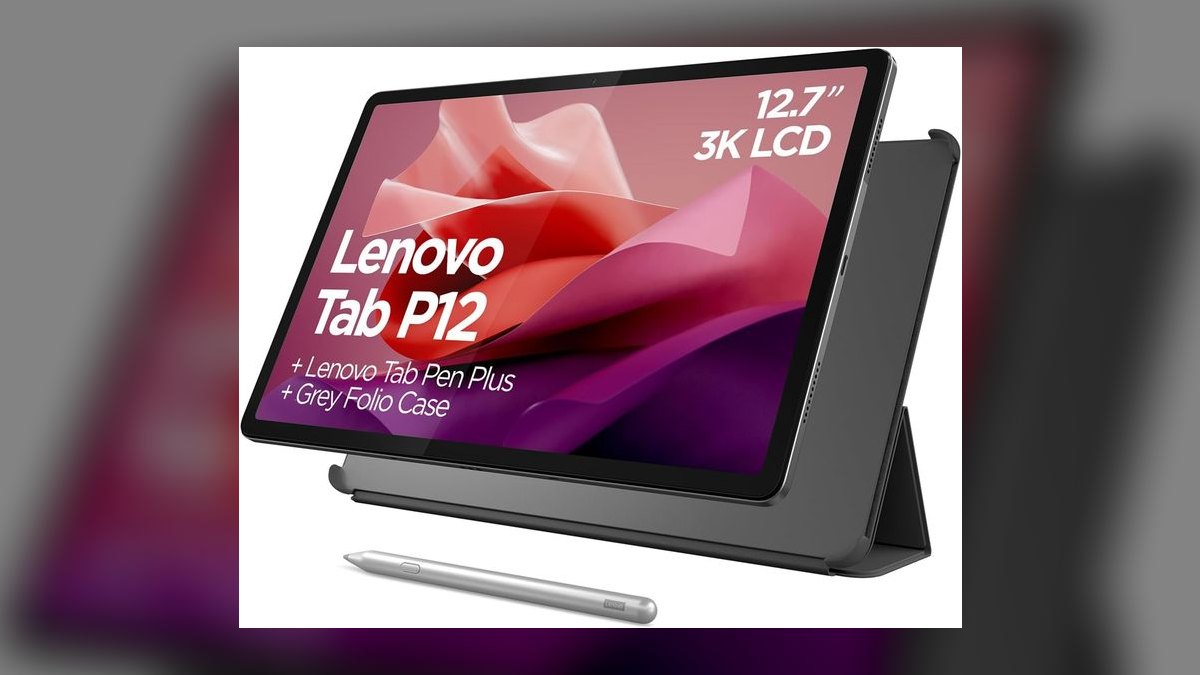
The Lenovo Tab P12 ranks eighth as the household workhorse at $349 for 128GB. Its 12.7-inch 3K LCD at 2944x1840 and 400 nits is among the sharpest panels under $400, and the MediaTek Dimensity 7050 handles streaming, browsing, kids' games, and video calls without strain. Lenovo includes the Tab Pen Plus stylus in the box, adds a JBL quad-speaker array, and builds the chassis from aluminum.
This is the shared kitchen, couch, and family tablet, helped by a dedicated kids' mode with content filtering and screen-time controls, plus a three-year update commitment. The Dimensity 7050 is not a gaming chip and struggles with Genshin Impact at maximum settings. Versus the OnePlus Pad 2 above, it gives up flagship silicon and 144Hz for a $200 saving and an included stylus.
9Google Pixel Tablet

The Google Pixel Tablet places ninth because it is two devices: an 11-inch 500-nit LCD tablet and, docked to the Charging Speaker Dock, a smart display for Google Home, Photo Frame, and YouTube Music. The base 128GB model is $399, with the dock-bundled version $100 more. Tensor G2 is two generations old but still runs on-device Gemini Nano features that arrive through Pixel Feature Drops.
Google-ecosystem households get near-stock Android and fast Feature Drops other Android tablets never receive. The trades are real: roughly eight hours of battery is below average for the category, and Google has never shipped a first-party Pixel Pen, so there is no stylus story at all. The Lenovo Tab P12 above costs $50 less and includes both a larger 3K panel and a pen.
10Xiaomi Pad 6S Pro
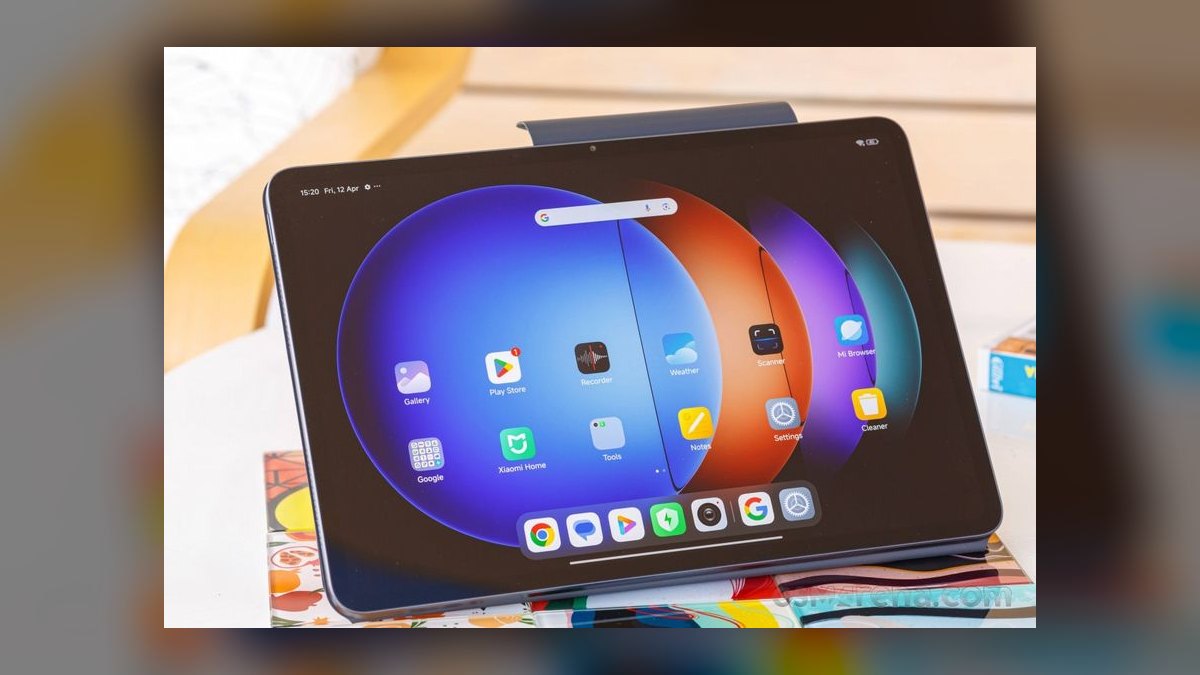
The Xiaomi Pad 6S Pro closes the list as the spec-sheet champion at $650 for 256GB. Its 12.4-inch 3K LCD runs 144Hz at 900 nits, the Snapdragon 8 Gen 2 remains extremely fast one generation behind current flagships, and 120W HyperCharge refills the battery in under 35 minutes. Configurations offer 8GB or 12GB of RAM, and eight JBL-tuned speakers make it one of the best media tablets at any price.
Spec-chasers willing to import should consider it, adding the $99 Smart Pen with tilt and pressure and the $129 detachable keyboard cover. The catch is distribution and software: official US availability is limited, and HyperOS still carries rough English-localization edges and regional quirks. The OnePlus Pad 2 higher up costs $101 less, ships newer silicon, and is the safer buy for most people.
How we ranked these
We scored every tablet on seven weighted axes: display quality at 25%, silicon and sustained performance at 20%, stylus and accessory ecosystem at 15%, software-update longevity at 15%, battery and weight at 10%, price-to-performance at 10%, and port flexibility at 5%. Display carries the most weight because a tablet is a panel held six inches from your face, where refresh rate, contrast, and glare matter more than on any other device.
We deliberately ignored synthetic benchmark leaderboards, launch-week review scores, and spec-sheet RAM totals divorced from real workloads. Peak Geekbench numbers say nothing about thermal throttling during a two-hour Procreate session. We also skipped ChromeOS slates entirely — the detached-keyboard experience remains half-finished — and discounted carrier-locked cellular bundles, since financing terms distort the true price of the hardware itself.
What to look for
Pick the operating system first and the hardware second. Your app ecosystem outlasts three generations of silicon. iPadOS owns the tablet-optimized catalog — Procreate, Affinity, LumaFusion, Notability — plus the longest update window and tightest Pencil integration. Android wins on split-screen multitasking, freeform windows, file-manager access, and USB-C peripherals. Windows on ARM serves the narrow slice who genuinely need desktop software on a touchscreen and can live with emulation gaps.
The mistake most buyers make is budgeting for the slate and forgetting the accessories. A $1,299 iPad Pro becomes roughly $1,777 once you add the $349 Magic Keyboard and $129 Pencil Pro. Samsung's Book Cover Keyboard runs $349 even though the S Pen ships free. Surface Pro 11's Flex Keyboard with Slim Pen 2 is $450. Price the full kit before falling for the tablet.
Related questions
Is the iPad Pro M4 worth $500 more than the iPad Air 13?
Only if you will actually use the Tandem OLED panel or push M4 silicon with DaVinci Resolve, Logic Pro, or Procreate Dreams. The Air's M2 still outruns roughly ninety percent of Android tablets, ships 8GB of RAM across every storage tier, and supports the same Apple Pencil Pro. For email, web, video, and most illustration work, the Air is the smarter purchase.
What makes Tandem OLED different from regular AMOLED?
Tandem OLED stacks two OLED emissive layers driven in parallel rather than relying on a single layer. That lets the iPad Pro 13 M4 hit 1,000 nits full-screen and 1,600 nits HDR peak while spreading the workload across both layers, which sharply reduces burn-in risk. Single-layer AMOLED panels like the Galaxy Tab S10 Ultra's look excellent but carry the traditional static-element burn-in exposure.
Which tablet ships the best stylus without an extra purchase?
Samsung's Galaxy Tab S10 Ultra includes the S Pen in the box, which remains the best stylus value in the category. Lenovo also bundles the Tab Pen Plus with the $349 Tab P12. Apple charges separately every time — $129 for the Pencil Pro, $79 for the USB-C Pencil — so factor that into any iPad comparison before declaring a winner on price.
Can a tablet genuinely replace a laptop in 2027?
For most knowledge workers, yes, provided you buy the keyboard. The iPad Pro with Magic Keyboard, Surface Pro 11 with Flex Keyboard, and Galaxy Tab S10 Ultra running DeX each cover roughly ninety percent of writing, design, office, and video-call workflows. Heavy software development, wide spreadsheet work, and some enterprise applications still run better on an actual laptop.
Why does the iPad 11th gen win Best Value over cheaper Android tablets?
Longevity. At $349 the iPad 11 pairs the A16 Bionic with 128GB of base storage and five-plus years of iPadOS updates. Android slates under $400 typically promise three years, and sub-$300 models often go silent after one or two. Paying slightly more for double the supported lifespan produces a lower annual cost of ownership than any budget Android alternative.
Is the Surface Pro 11's ARM emulation a real problem?
For most workflows, no. Windows 11 on Snapdragon X emulates x86 applications fast enough that ordinary office, browsing, and creative work feels native, and Notebookcheck measured roughly fourteen hours of real-world battery. The failures cluster in a predictable long tail: anti-cheat-protected games, certain Adobe plugins, and some enterprise VPN clients. Check your specific critical apps before committing.
Does the iPad Mini 7 make sense as a gaming tablet?
Surprisingly, yes. The A17 Pro is the same silicon as the iPhone 15 Pro and brings hardware-accelerated ray tracing to console ports like Resident Evil Village and Death Stranding. At 293 grams it stays comfortable during long sessions. The compromise is the 8.3-inch panel running at 60Hz with 500 nits, which feels dated beside any 120Hz competitor on this list.
How much storage should you actually buy in 2027?
Never buy a 64GB tablet. System overhead on iPadOS and Android consumes 20 to 25GB before you install a single app. The 128GB baseline on the iPad 11 and iPad Mini 7 is workable for casual use, and the iPad Pro's 256GB base is reasonable for creative work. Many Android tablets accept microSD expansion, which softens the decision considerably.
FAQ
What is the best tablet overall in 2027?
The Apple iPad Pro 13-inch M4 at $1,299. Its Tandem OLED panel reaches 1,000 nits full-screen and 1,600 nits HDR peak, M4 silicon delivers desktop-class 3nm performance across ten CPU and ten GPU cores, and the body measures just 5.1mm thick at 579 grams. Apple Pencil Pro adds barrel roll, haptics, and squeeze gestures. Nothing else competes at the top.
What is the best value tablet in 2027?
The Apple iPad 11th generation with the A16 Bionic at $349. Apple finally moved base storage to 128GB, kept the 10.9-inch Liquid Retina panel at 500 nits, included USB-C with thumb-drive support, and held the price. Five-plus years of iPadOS updates at that price beats every Android slate under $400 on total cost per year of useful life.
What is the best Android tablet available now?
The Samsung Galaxy Tab S10 Ultra at $1,199. Its 14.6-inch Dynamic AMOLED 2X runs 120Hz at 2960×1848 with 930 nits peak and an anti-reflective coating. The S Pen ships in the box, DeX provides genuine desktop multitasking, IP68 rating handles kitchen and deck use, and Samsung promises seven years of OS and security updates through 2031.
Which tablet is best for artists and illustrators?
The iPad Pro 13-inch M4 paired with Apple Pencil Pro. Barrel-roll rotation, haptic feedback, and squeeze gestures translate directly into Procreate and Concepts workflows, and the Tandem OLED panel gives accurate blacks for color work. The iPad Air 13 supports the identical Pencil Pro at $799 if you can accept a 60Hz LCD instead of the 120Hz OLED.
Is the OnePlus Pad 2 a better buy than a Galaxy Tab?
At $549 it delivers Snapdragon 8 Gen 3, 12GB of RAM, a 12.1-inch 144Hz panel at 3000×2120, 67W charging, and a 9510mAh battery — flagship specs for mid-range money. The catch is support: OnePlus commits to three years of major OS upgrades versus Samsung's seven. If you replace tablets every three years, the OnePlus wins on price.
Which tablet works best for kids and families?
The Lenovo Tab P12 at $349. It pairs a 12.7-inch 3K LCD at 2944×1840 with the Tab Pen Plus stylus in the box, dual JBL speakers, an aluminum chassis, and a dedicated kids' mode with content filtering and screen-time controls. The Dimensity 7050 handles streaming, browsing, and casual games well, though it struggles with Genshin Impact at maximum settings.
Should you buy the Google Pixel Tablet?
Only if you already live in Google's ecosystem. At $399 the 11-inch 500-nit LCD is adequate, and the Charging Speaker Dock turns it into a Nest Hub for Google Home, Photo Frame, and YouTube Music. But the Tensor G2 is two generations old, battery life lands near eight hours, and Google still has not shipped a first-party stylus.
How long will each tablet keep receiving software updates?
Apple publishes no formal commitment but consistently delivers six-plus years of iPadOS. Samsung now promises seven years of OS and security updates on the S10 line. Google commits five years for the Pixel Tablet. OnePlus and Xiaomi typically land at three to four. Android tablets under $300 often receive one or two updates, so plan on a three-year useful life.
Does refresh rate matter more than resolution on a tablet?
In daily use, yes. Moving from 60Hz to 120Hz ProMotion or a 144Hz Android panel changes how scrolling, gaming, and stylus tracking feel far more than an extra few hundred pixels. That is the strongest argument against the otherwise excellent iPad Air 13 and iPad Mini 7, both of which remain locked at 60Hz in 2027.
Is the Xiaomi Pad 6S Pro worth importing?
Only for committed spec-chasers. For $650 you get a 12.4-inch 3K panel at 144Hz and 900 nits, Snapdragon 8 Gen 2, up to 12GB of RAM, 120W HyperCharge that refills in under 35 minutes, and eight JBL-tuned speakers. But US distribution is sparse and HyperOS still carries regional localization quirks. The OnePlus Pad 2 is the safer buy.
Sources
- https://www.apple.com/ipad-pro/specs/
- https://www.apple.com/ipad/specs/
- https://www.samsung.com/us/tablets/galaxy-tab-s10/
- https://www.microsoft.com/en-us/surface/devices/surface-pro
- https://www.theverge.com/tech/best-tablet
- https://www.nytimes.com/wirecutter/reviews/best-tablets/
- https://www.tomsguide.com/best-picks/best-tablets
- https://www.notebookcheck.net/Tablet-Reviews.7541.0.html
- https://www.androidauthority.com/best-android-tablets-1076360/
- https://www.displaymate.com/
Related on PULSE
This page will be disappearing soon. Save it to your device for $1 — or read it free while it is here.
@Kory-White- · if Venmo asks, the last 4 of my number are 2012
This page is gone.
This one is off the shelf now. $1 keeps it on your phone for good — the whole page, pictures and diagrams included.
 pulse-reviewsTop 10 Electric Back Massagers — Best Overall + Best Value in 2027
 pulse-reviewsTop 10 Cable Management Boxes for Sales Home Office in 2027
 pulse-reviewsTop 10 Heat-Pump Dryers — Best Overall + Best Value in 2027
 pulse-reviewsTop 10 TDS Water Testers — Best Overall + Best Value in 2027
 pulse-reviewsTop 10 Ethernet Adapters for MacBook — Best Overall + Best Value in 2027
 pulse-reviewsTop 10 Premium Dress Shoes for Sales Executives in 2027
 pulse-reviewsTop 10 4K TVs — Best Overall + Best Value in 2027
 pulse-reviewsTop 10 Blue Light Glasses for Sales Reps in 2027
 pulse-reviewsTop 10 Spot Welders — Best Overall + Best Value in 2027
 pulse-reviewsTop 10 TCL TVs — Best Overall + Best Value in 2027