


Top 10 Prime Portrait Lenses — Best Overall + Best Value in 2027
Quality
Certified
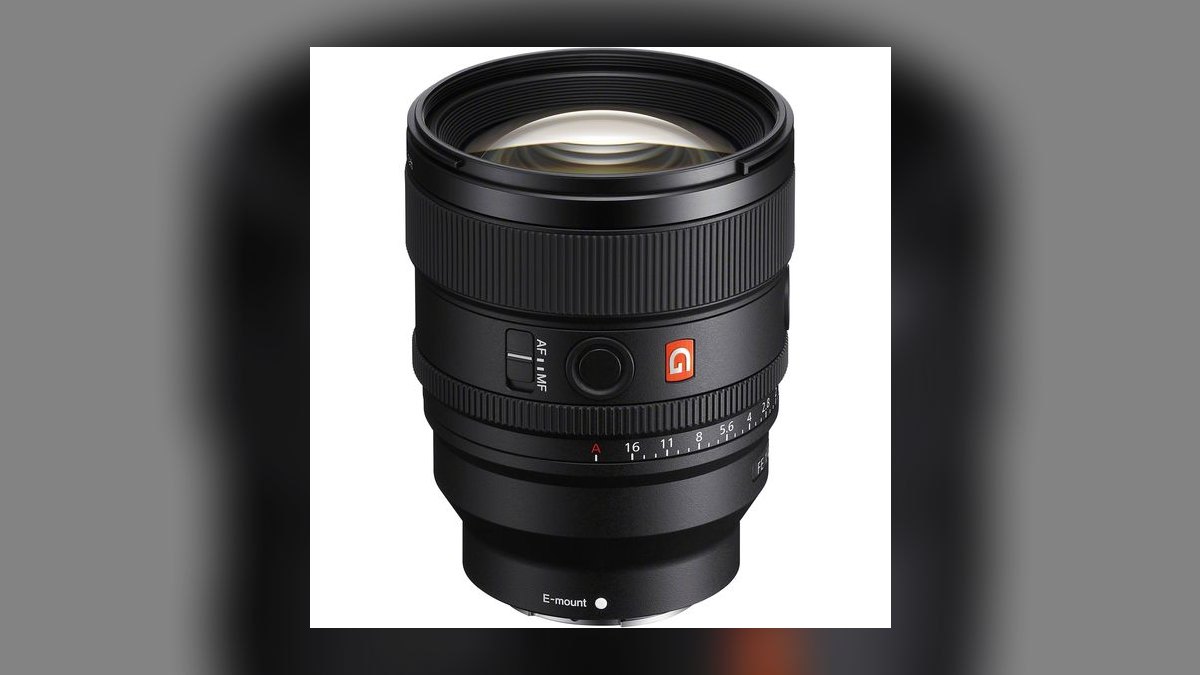
The 10 best prime portrait lenses are ranked below on measured performance, build quality, price, and how each one actually holds up in daily use rather than how it reads on a spec sheet. Each pick lists what it costs, who it suits, and what it gives up against the one above it, so the list can be read straight down without doubling back.
1Sony FE 85mm f/1.4 GM II
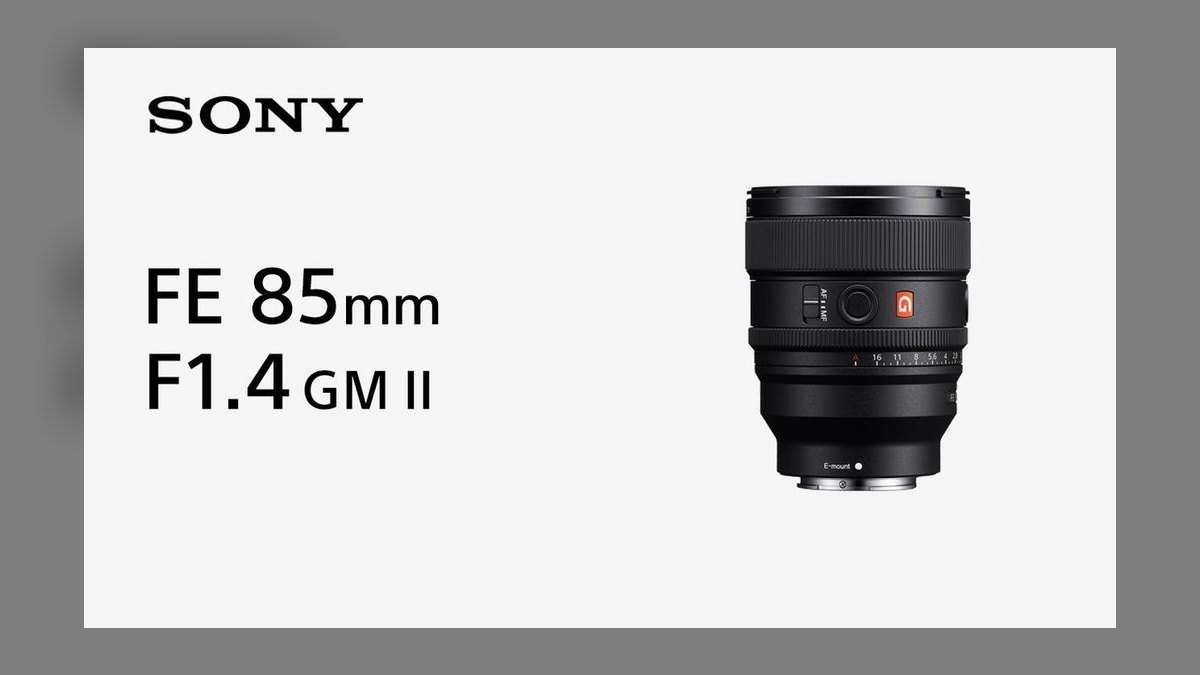
This ranks first because it holds near-peak resolution wide open at f/1.4, where most fast portrait primes still need stopping down. An 11-blade circular aperture keeps out-of-focus highlights round to the frame edge, and dual XD linear motors drive eye-detect tracking at high burst rates. At $1,798 and 642g, it is far lighter than the 820g first-generation version, which makes all-day shoots realistic.
This is for working professionals who sell background separation and need autofocus that does not miss during paid sessions. It trades away money and portability, costing roughly three times and weighing nearly double the Sony FE 85mm f/1.8. Against that cheaper sibling, the GM II buys two-thirds of a stop and visibly shallower depth of field at portrait distance, plus more tracking headroom in difficult light.
2Sony FE 85mm f/1.8
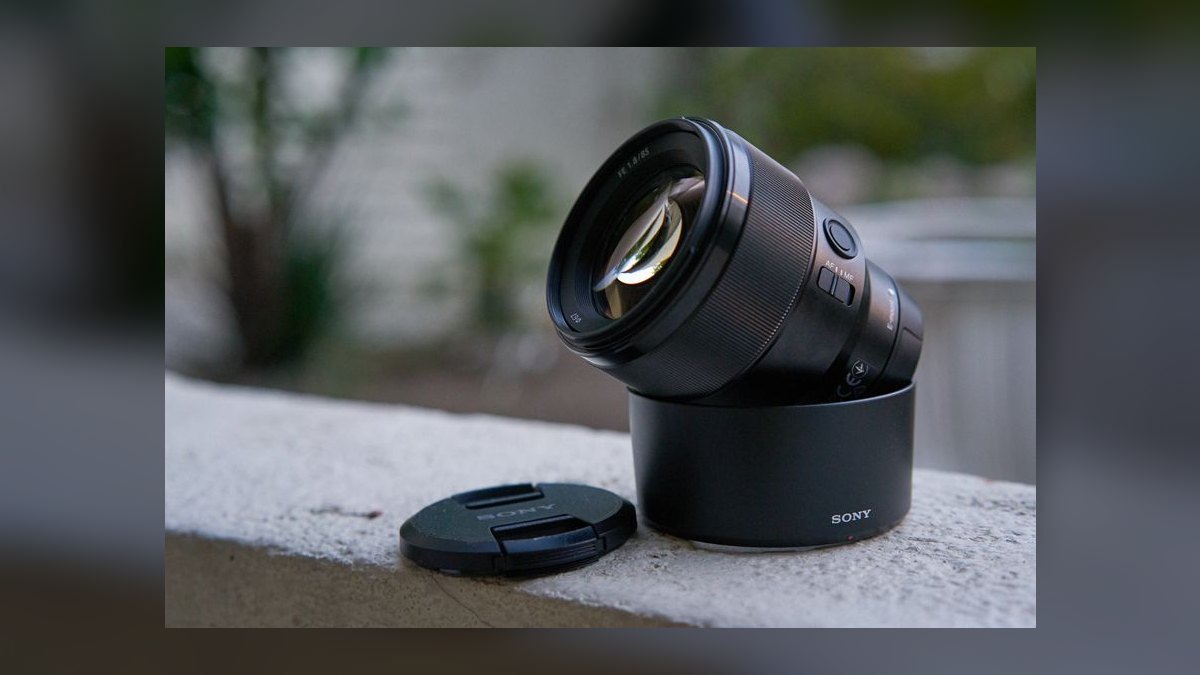
This ranks second because it delivers clinical wide-open sharpness at f/1.8 for $598, a fraction of what premium 85mm glass costs. A double linear motor locks eye-detect autofocus immediately, and the 371g weight is trivial to carry for a full day. Full weather sealing and a focus-hold button appear here despite the price, features that until recently were reserved for lenses three times the cost.
This is for shooters working in controlled light, delivering at web sizes, or carrying a second body they do not want weighed down. It gives up two-thirds of a stop and the rounder highlight rendering of the GM II above, but the everyday image-quality gap is small. The roughly $1,200 saved buys a lighting kit, which improves finished work more than the aperture difference does.
3Sigma 85mm f/1.4 DG DN Art
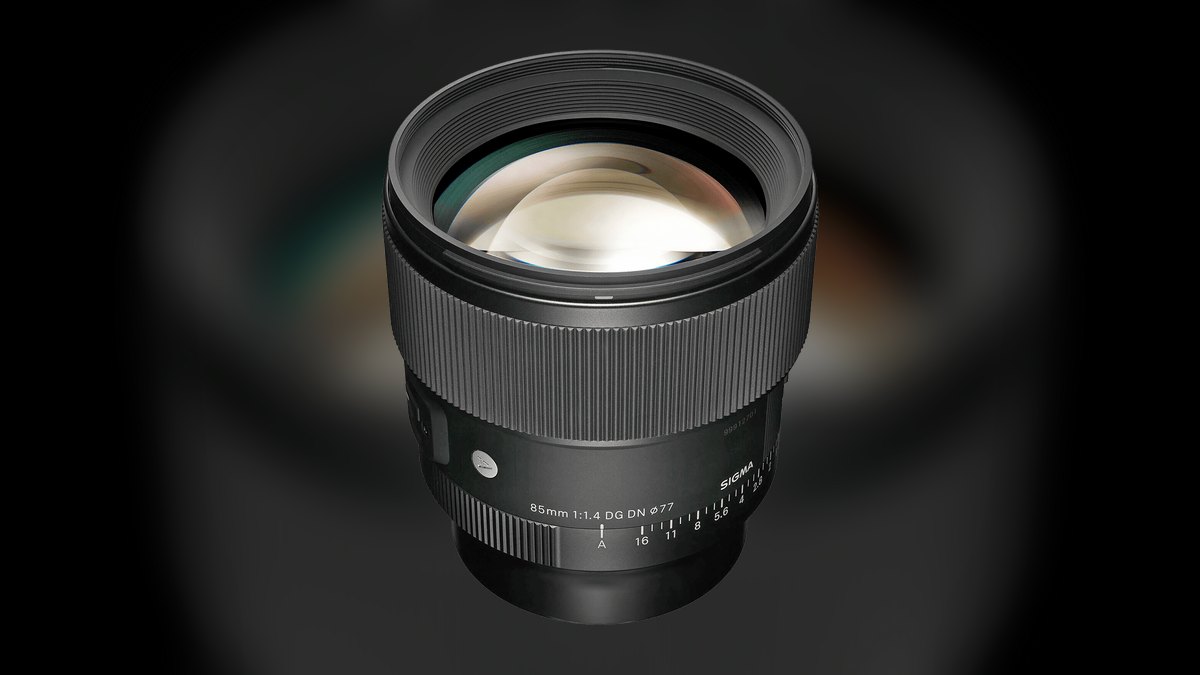
This ranks third because it lands near-flagship optics at roughly $1,199, splitting the gap between Sony's two 85mm options. At 625g it is actually lighter than the Sony GM II, with an 11-blade aperture and a de-clickable aperture ring for video. The HLA linear motor now tracks close to native lenses on current Sony bodies. Weather sealing and an 85cm minimum focus distance round out the specification.
This is for E-mount and L-mount shooters who want most of the GM II's performance at two-thirds the price. It concedes the absolute peak of wide-open sharpness and the most tenacious tracking, though the difference rarely shows in real shooting. Against the Sony FE 85mm f/1.8 above, it costs twice as much but buys a full stop of light and rounder bokeh.
4NIKKOR Z 85mm f/1.2 S
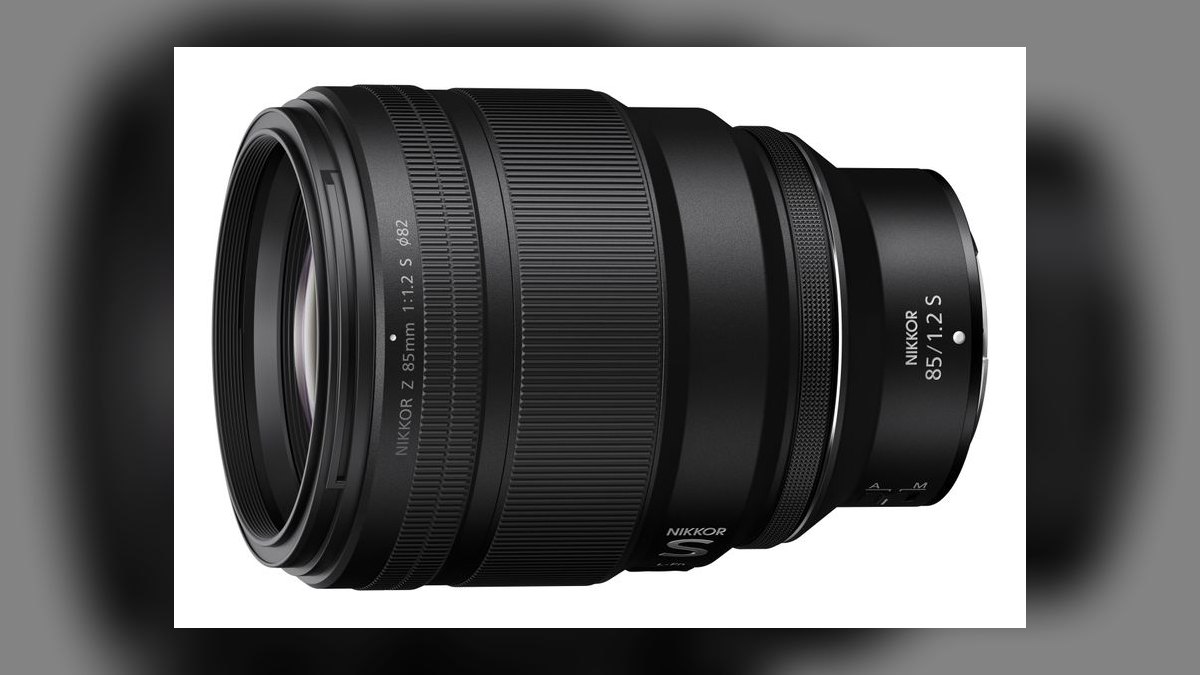
This ranks fourth because it is the top of Nikon's Z-mount portrait line, with S-line glass measuring at the very top of its class. Priced near $2,799, it uses an 11-blade aperture for exceptionally smooth bokeh and Arneo coating that keeps backlit scenes largely flare-free. Stepping-motor autofocus runs unusually quietly, which suits video. The roughly 1,160g weight is a genuine physical commitment across a full shooting day.
This is for Nikon Z shooters who want the best optics their mount offers and accept a heavy, expensive tool to get it. It trades away portability and affordability, weighing nearly double the Sony GM II and costing about $1,000 more. Against the Sigma 85mm f/1.4 Art above, it is not available in E-mount, so your camera system dictates the choice.
5Canon RF 85mm f/1.2L USM
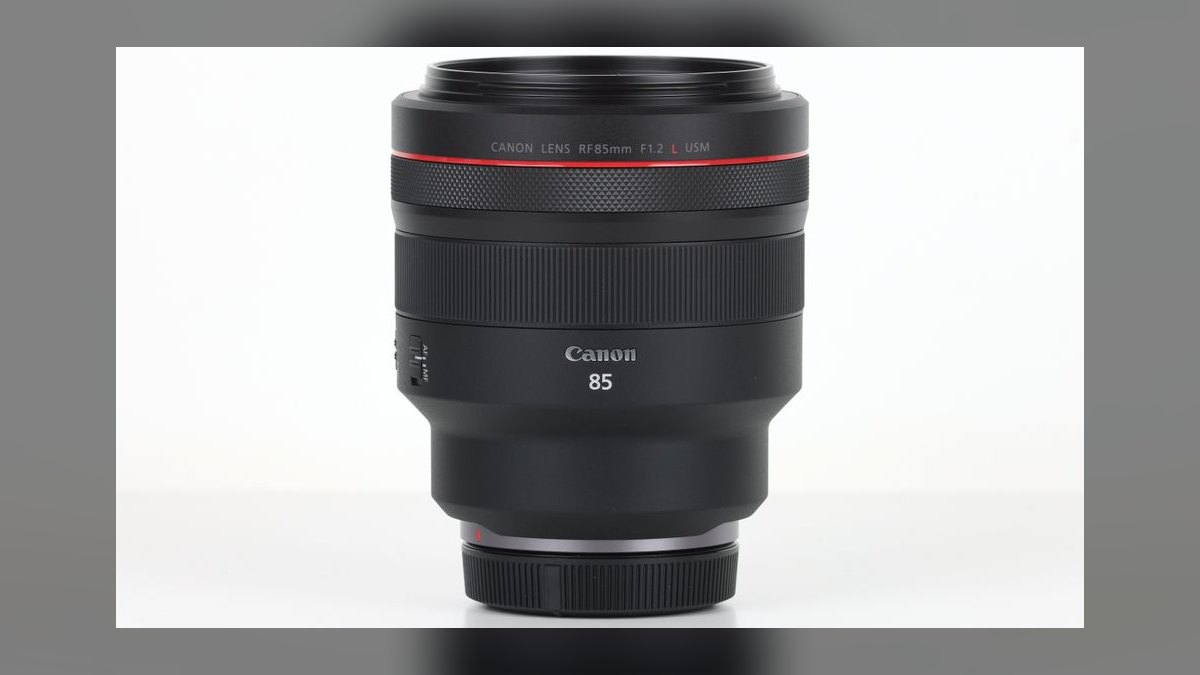
This ranks fifth because it is the bokeh benchmark of the category, its 9-blade aperture producing some of the smoothest backgrounds available on any mount. Priced near $2,799 and weighing 1,195g, it is heavy, but f/1.2 yields a uniquely shallow focal plane at portrait distance. Autofocus stays fast and accurate for a lens this large, and build quality is standard L-series ruggedness with an 85cm minimum focus.
This is for Canon RF portrait specialists whose paid work depends on background separation. It gives up portability and price, sitting as the heaviest lens here and among the most expensive. Against the NIKKOR Z 85mm f/1.2 S above, it is slightly heavier with a similar optical character, so again the mount decides rather than the glass itself.
6Sony FE 135mm f/1.8 GM
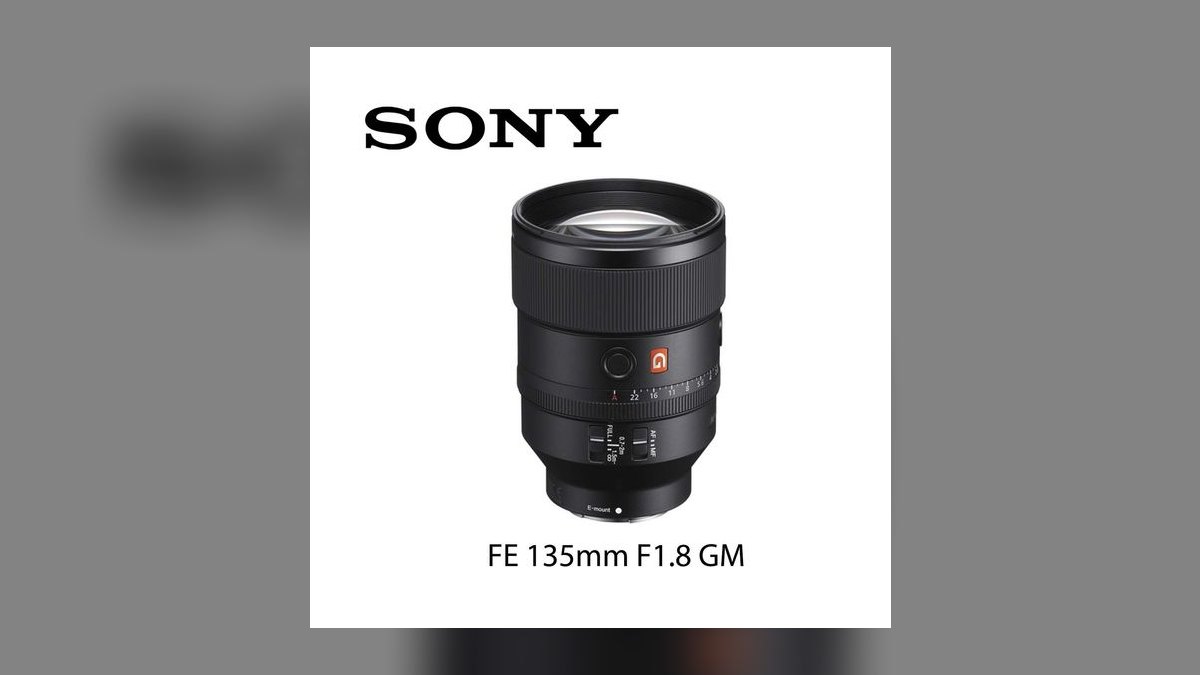
This ranks sixth because it delivers the strongest compression and cleanest background rendering in Sony's lineup, making it the definitive beauty and headshot tool. At roughly $1,898 it pairs an 11-blade aperture with quad linear motors for fast, precise autofocus. The 950g weight is substantial, but 0.25x magnification and a 70cm minimum focus allow tight detail work. A focus-range limiter is a practical touch for event shooting.
This is for portrait specialists who reliably have three to four meters of working distance. It trades away versatility: the narrow field of view rules it out in small rooms and for environmental frames, so it sits idle for some shooters. Against the Canon RF 85mm f/1.2L above, it is lighter and cheaper but demands considerably more space to use at all.
7Sony FE 50mm f/1.2 GM
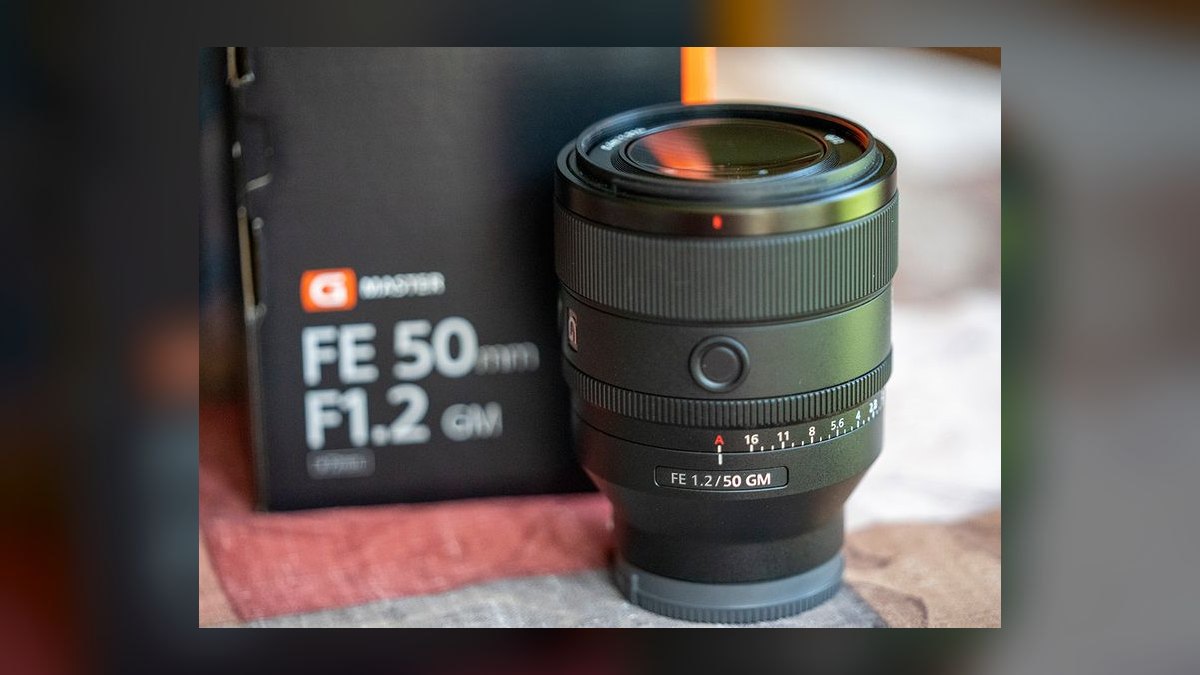
This ranks seventh because it combines a versatile focal length with an f/1.2 aperture, covering environmental and three-quarter-length portraits in one lens. Priced around $1,998, it weighs 778g and uses an 11-blade aperture for smooth background rendering. A 40cm minimum focus and 0.17x magnification make ring and hand details possible without swapping glass. Autofocus is fast and dependable, as expected from Sony's GM line.
This is for photographers who want a single lens spanning full-body environmental frames and intimate close-ups. It gives up the flattering compression of an 85mm or 135mm, so classic headshots are not its strength. Against the Sony FE 135mm f/1.8 GM above, it is lighter and far more adaptable to tight spaces, but delivers noticeably less background isolation.
8Sigma 50mm f/1.2 DG DN Art
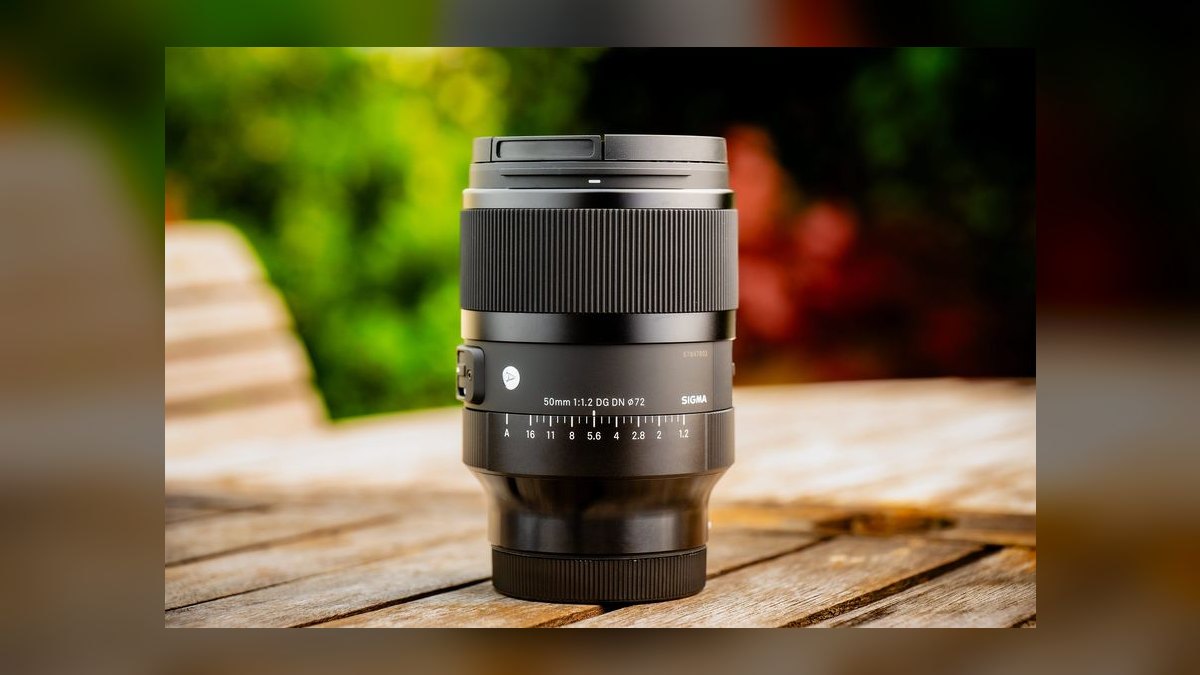
This ranks eighth because it delivers f/1.2 rendering at roughly $1,399, undercutting the Sony GM equivalent by about $600. It weighs 745g with an 11-blade aperture, closely matching the Sony's optical character. Minimum focus of 40cm and 0.17x magnification are identical to the GM, so detail shots are equally within reach. Weather sealing, an AFL button, and a fast, accurate HLA motor complete the package.
This is for E-mount and L-mount shooters who want the f/1.2 look without paying the native premium. It concedes the last increment of wide-open sharpness and the most refined autofocus tuning, though the margin is small in practice. Against the Sony FE 50mm f/1.2 GM above, it is lighter and cheaper, which makes it the stronger value at the same focal length.
9Sony FE 35mm f/1.4 GM
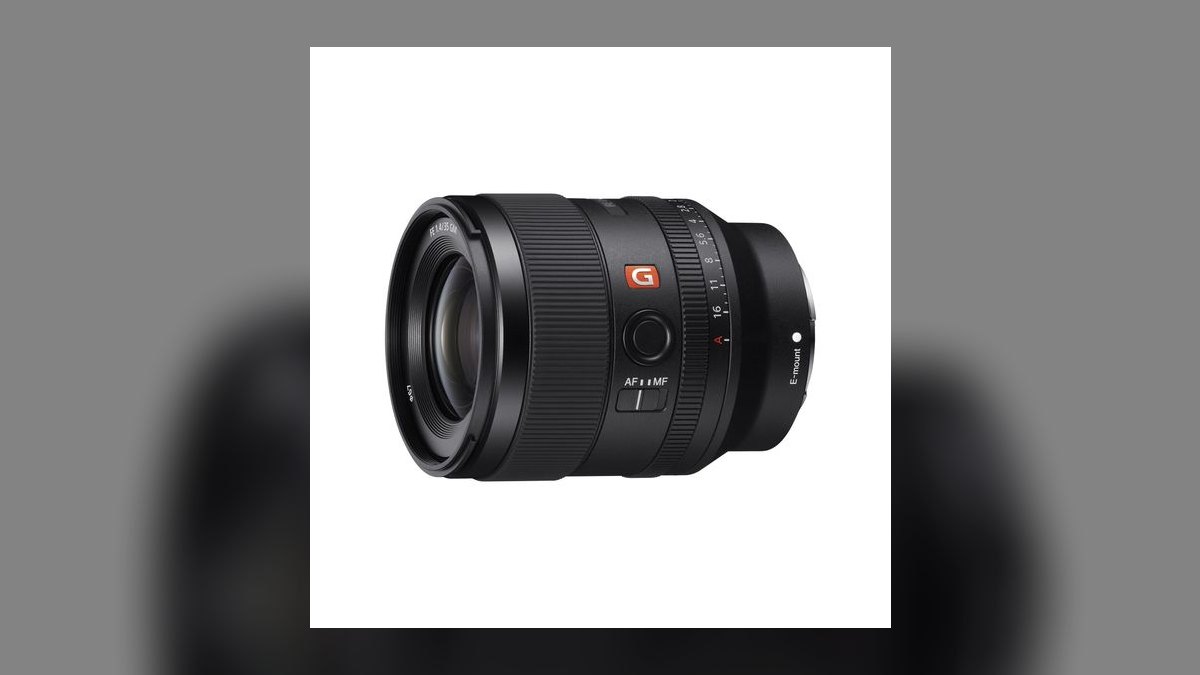
This ranks ninth because it is the premier environmental-portrait choice, its 35mm field of view placing the subject inside their context. At about $1,398 it weighs a manageable 524g and uses an 11-blade aperture for smooth bokeh. A 25cm minimum focus and 0.26x magnification allow product-scale detail work without a macro lens. It holds up into the corners in a way 35mm f/1.4 designs historically did not.
This is for photographers shooting people in offices, streets, or gyms where the setting carries the story. It trades away the flattering compression and isolation of longer glass, so classic headshots suffer. Against the Sigma 50mm f/1.2 Art above, it is lighter and wider with a slower maximum aperture, and the close-focus ability makes it more versatile than its specialism suggests.
10Canon RF 50mm f/1.2L USM
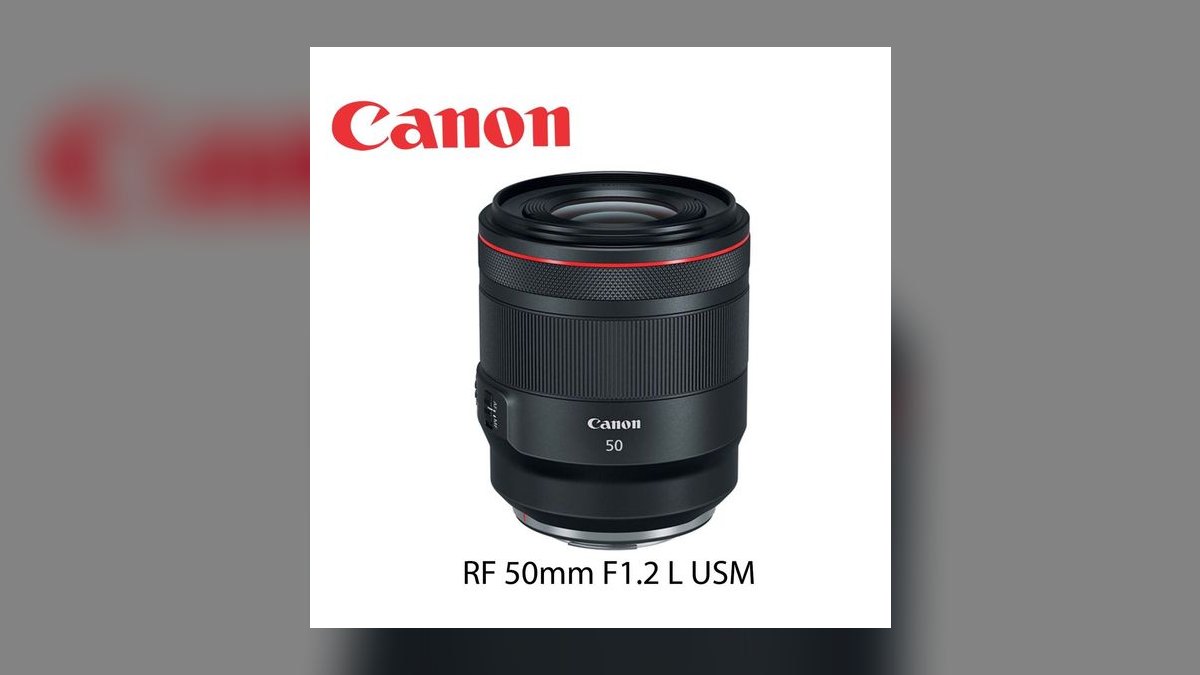
This ranks tenth because it is a classic fast standard prime for Canon RF, with an f/1.2 aperture producing genuinely shallow depth of field. Priced around $2,299 and weighing 950g, it uses a 9-blade aperture for pleasing bokeh. A 40cm minimum focus and 0.19x magnification cover detail shots adequately. It is an older design, however, and shows noticeable focus breathing that video shooters should test before buying.
This is for Canon RF photographers wanting a fast standard prime for environmental and three-quarter portraits. It trades away modern refinements such as focus-breathing suppression and a lighter body, which limits its appeal for hybrid stills-and-video work. Against the Sony FE 35mm f/1.4 GM above, it is heavier, roughly $900 more expensive, and offers a tighter field of view.
How we ranked these
We measured optical performance wide open, autofocus speed and eye-detect reliability, build quality and weather sealing, weight, aperture blade count, minimum focus distance, and street price. Wide-open sharpness and background rendering carried the heaviest weight, followed by autofocus behavior under burst shooting. Value was scored as performance per dollar rather than absolute capability, which is why the Sony FE 85mm f/1.8 at $598 ranks second overall.
We deliberately ignored brand loyalty, marketing claims, and resolution-chart differences above a practical sharpness threshold. Zoom lenses, manual-focus-only optics, and APS-C-specific primes were excluded outright. Resale value and video-specific traits like focus-breathing suppression were noted but not weighted heavily, because this list targets stills-first portrait shooters. The aim was field-relevant comparison at working distances, not lab-bench perfection under controlled targets.
What to look for
Three things decide this: delivery size, background control, and how long your shooting day runs. If you deliver web-sized images, f/1.8 is enough resolution and enough separation. If you shoot cluttered environments you cannot control, f/1.4 buys real defocus of distractions. Weight is not a footnote — 642g versus 371g is the difference between a comfortable hand and a cramping one by hour four of an event.
The common mistake is overbuying aperture before knowing your actual focal length. Pull EXIF from a year of work; many photographers discover they shoot 35-50mm far more than 85mm and just bought the wrong lens beautifully. The second error is ignoring mount reality — the best value pick is E-mount only, so Canon RF and Nikon Z shooters face heavier, pricier options. Buy the value tier, shoot sixty days, then upgrade.
Related questions
Is 85mm still the default portrait focal length in 2027?
Yes. It compresses features flatteringly without demanding the working distance a 135mm needs, and it isolates subjects far better than a 50mm. The 50mm remains the environmental choice and the 135mm the beauty and headshot specialist, but 85mm still covers the widest range of paid portrait situations across studio, location, and event work.
Do these full-frame primes work on APS-C bodies?
They mount and function normally, but the field of view crops by roughly 1.5x. An 85mm behaves like a 127mm equivalent, which is uncomfortably tight for most portrait rooms and forces you backward against a wall. On APS-C, a 50mm or 56mm delivers the classic portrait rendering at a workable distance instead.
How much does third-party glass actually give up now?
Optically, very little at the 85mm f/1.4 tier. The Sigma Art sits close to native performance at 625g, slightly lighter than the Sony GM II, with 11 blades and weather sealing. The real limits are mount availability — Sony E and Leica L only, not Canon RF or Nikon Z — and marginally different color rendering in mixed-kit editing.
Should I adapt DSLR portrait primes instead of buying native?
Generally no for paid work. Adapters add bulk and length, and autofocus speed, eye-detect reliability, and electronic communication all degrade against native mirrorless designs. Adapting makes sense for specialty vintage rendering you actually want, or as a stopgap while you save. It is a poor choice for your primary portrait lens on client jobs.
Does f/1.2 justify its premium over f/1.4?
You get roughly two-thirds of a stop and a slightly thinner focal plane for $1,000 or more and several hundred extra grams. The NIKKOR Z 85mm f/1.2 S runs 1,160g at $2,799. That is defensible for specialists who sell background separation and hard to justify otherwise. Most working shooters correctly land on f/1.4 or f/1.8.
What is the best budget portrait prime for Sony E-mount?
The Sony FE 85mm f/1.8 at about $598 is the clear value pick. It is clinically sharp wide open, fully weather sealed, and weighs only 371g. Double linear motors lock eye detection instantly, and it includes a focus-hold button — features that once cost three times as much. It is the correct pick, not a compromise.
How does the Sigma 85mm f/1.4 DG DN Art compare to the Sony GM II?
The Sigma runs about $1,199 at 625g, slightly lighter than the GM II's 642g, with 11 blades, weather sealing, and a de-clickable aperture ring for video. Its HLA motor tracks eye detection closely on current Sony bodies. The GM II holds an edge in tracking tenacity and wide-open resolution, but the Sigma delivers most of it for two-thirds the price.
Which of these is best for environmental portraits?
The Sony FE 35mm f/1.4 GM at roughly $1,398. Its 35mm field captures the subject inside their context — office, street, gym — and it holds up into the corners in a way older 35mm f/1.4 designs did not. At 524g with 25cm minimum focus and 0.26x magnification, it also handles product-scale detail shots without a macro.
FAQ
What is the difference between the Sony 85mm f/1.4 GM II and the cheaper f/1.8 version?
The GM II delivers more tenacious autofocus from dual XD linear motors, smoother rendering from an 11-blade aperture, and higher wide-open resolution — at roughly three times the price and nearly double the weight. The f/1.8 is still sharp wide open, focuses fast with eye detection, and is weather sealed. The practical gap is background rendering and tracking headroom, not everyday image quality.
Which lens should I buy first if I only own a kit zoom?
Buy the value-tier 85mm f/1.8. It is the largest single jump in image character available for under $600, and at 371g it is light enough to simply leave mounted. If you later upgrade, it holds resale value and becomes your second-body lens. Establish your actual working focal length from EXIF data before spending more than that.
How important is weather sealing for portrait work?
More than most people expect. Outdoor sessions get rained on, beach work involves blown sand, and cold-weather shoots produce condensation on cold glass. Full gasket sealing plus a fluorine front coating means you keep shooting instead of packing up and refunding a session. It is standard on premium primes and, unusually, present on the $598 value pick here.
Do I need f/1.4 if I mostly shoot in a studio?
No. In controlled light, with a background you can physically move the subject away from, f/2.8 to f/4 produces clean separation with a far more forgiving focal plane and better consistency across the frame. Wide apertures earn their premium on location, where you cannot remove or relight the clutter sitting behind your subject.
Is a 135mm worth adding as a second portrait prime?
Only if you regularly shoot where you can stand three to four meters back. The Sony FE 135mm f/1.8 GM offers exceptional compression and the cleanest background rendering here, plus 0.25x magnification at 70cm. But at 950g and roughly $1,898, it sits idle for photographers working small rooms or tight venues.
How do I test a lens before committing to the purchase?
Rent it for one real paid job rather than one afternoon of pixel peeping. A rental costs a small fraction of purchase price and answers what matters: how it balances after four hours, whether autofocus holds in your venue's light, whether the extra aperture solved an actual problem. Store demos and sample galleries answer none of that.
What is the best 50mm portrait prime for Sony E-mount?
The Sony FE 50mm f/1.2 GM at about $1,998 is the premium pick — 778g, 11 blades, 40cm minimum focus, 0.17x magnification. The Sigma 50mm f/1.2 DG DN Art matches those specs at 745g for roughly $1,399, undercutting it by $600. Both handle environmental and three-quarter-length portraits well; the Sigma is the better value.
How much does weight matter in a portrait lens?
A 642g lens and a 371g lens feel identical for the first hundred frames. By frame six hundred, the difference is why your right hand is cramping. Event shooters carrying two bodies should weight this heavily. A studio portraitist working forty-minute sessions from a tripod can reasonably ignore it and buy purely on optics.
What is focus breathing and why does it matter?
Focus breathing is the change in field of view as you rack focus. Older designs like the Canon RF 50mm f/1.2L USM visibly reframe during a pull, which is distracting in video. Newer optics suppress it. Stills shooters can ignore this entirely; if you shoot hybrid work, test a rack focus before committing $2,299.
Can Canon and Nikon shooters get the value pick on this list?
No. The Sony FE 85mm f/1.8 is E-mount only, as are the Sigma DG DN Art lenses, which cover Sony E and Leica L. Canon RF and Nikon Z shooters face the f/1.2 flagships near $2,799 or their own mid-tier natives. That mount constraint often matters more to the buying decision than any optical difference here.
Sources
- https://www.dpreview.com/
- https://www.lensrentals.com/blog/
- https://www.the-digital-picture.com/
- https://www.bhphotovideo.com/
- https://petapixel.com/
- https://www.cameralabs.com/
- https://electronics.sony.com/imaging/lenses/all-e-mount/c/all-e-mount-lenses
- https://www.usa.canon.com/shop/cameras-lenses/lenses/rf-lenses
- https://www.nikonusa.com/camera-lenses/z-mount-lenses
Related on PULSE
This page will be disappearing soon. Save it to your device for $1 — or read it free while it is here.
@Kory-White- · if Venmo asks, the last 4 of my number are 2012
This page is gone.
This one is off the shelf now. $1 keeps it on your phone for good — the whole page, pictures and diagrams included.
 pulse-reviewsTop 10 Electric Snow Shovels — Best Overall + Best Value in 2027
 pulse-reviewsTop 10 Cordless Brad Nailers — Best Overall + Best Value in 2027
 pulse-reviewsTop 10 Electric Spice Grinders — Best Overall + Best Value in 2027
 pulse-reviewsTop 10 Laptop Stands for Remote AEs in 2027
 pulse-reviewsTop 10 DDR5 RAM Kits — Best Overall + Best Value in 2027
 pulse-reviewsTop 10 Neck and Shoulder Massagers — Best Overall + Best Value in 2027
 pulse-reviewsTop 10 Standing Desks $500-$1500 in 2027
 pulse-reviewsTop 10 Red Light Therapy Devices — Best Overall + Best Value in 2027
 pulse-reviewsTop 10 1080p External Webcams for Sales Reps in 2027
 pulse-reviewsTop 10 Car Backup Cameras — Best Overall + Best Value in 2027