


Top 10 4K Home Theater Projectors — Best Overall + Best Value in 2027
Quality
Certified
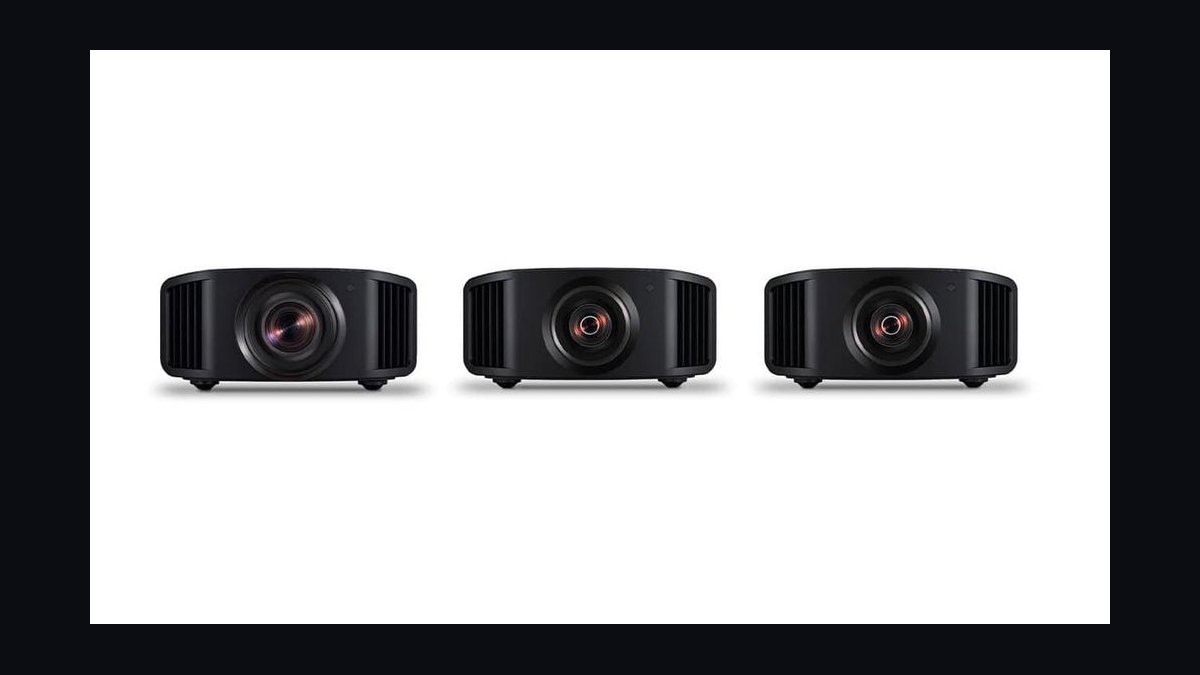
The best overall 4K home theater projector is the JVC DLA-NZ8 — a native 4K D-ILA chassis with laser illumination, real 100,000:1 native contrast, and frame-adaptive HDR tone mapping widely considered the best in the consumer market. The best value pick is the BenQ HT2060 — a pixel-shifted 4K LED unit with 2,300 ANSI lumens, CinematicColor 100% Rec.709, and lens shift at a price point that makes 4K projection accessible.
This ranking serves home theater builders, gamers, sports party hosts, and apartment renters who want a projected image instead of a 98" TV.
How We Ranked the Top 10
We ranked across picture quality (native contrast, HDR tone mapping, color accuracy), brightness (real ANSI lumens), light source longevity (laser/LED ≥ 20,000 hrs beats UHP lamps at 3,500 hrs), gaming latency (HDMI 2.1, ALLM, 4K/120 input lag), build and noise (fan dB at eco mode), and price-to-performance. Weights: picture 35%, brightness 15%, HDR 15%, gaming 10%, light source 10%, noise 5%, value 10%.
Sources include Projector Central bench tests, AVS Forum owner threads, HDTVTest YouTube reviews by Vincent Teoh, Sound & Vision lab measurements, Wirecutter picks, Tom's Guide, Crutchfield buyer guides, and Reddit r/projectors owner sentiment.
1JVC DLA-NZ8 🏆 BEST OVERALL
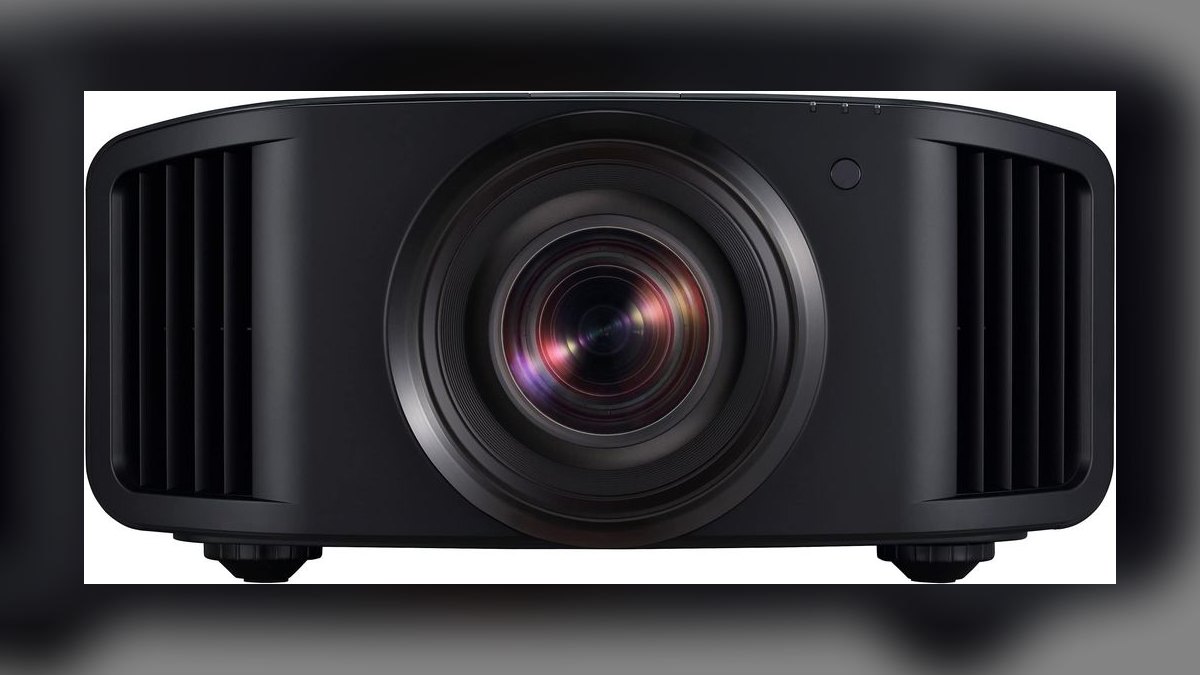
Price: $15,999 | Best for: Dedicated dark home theaters chasing reference black levels.
The JVC DLA-NZ8 is the consensus reference projector under $25K. It uses three 0.69" native 4K (4096×2160) D-ILA panels — no pixel shifting, every pixel is real — paired with JVC's 2nd-gen BLU-Escent laser rated at 20,000 hours. Native contrast is 100,000:1 measured (not dynamic-iris assisted), and dynamic contrast hits ∞:1 with laser dimming engaged.
Brightness measures a true 2,500 ANSI lumens, enough to drive a 150" 1.0-gain screen in a fully blacked-out room. HDR support covers HDR10+, HLG, and JVC's Frame Adapt HDR — widely considered the best dynamic tone-mapping engine in any consumer projector, beating Sony's per-frame algorithm in side-by-sides at HDTVTest. Two HDMI 2.1 (48 Gbps) inputs handle 4K/120Hz with ALLM for gaming.
Pros: reference contrast, true native 4K, the best HDR engine in the category, motorized lens memory. Con: at 31 dB fan noise in high-laser mode it's audible from the seating row if you sit close.
2Sony VPL-XW7000ES
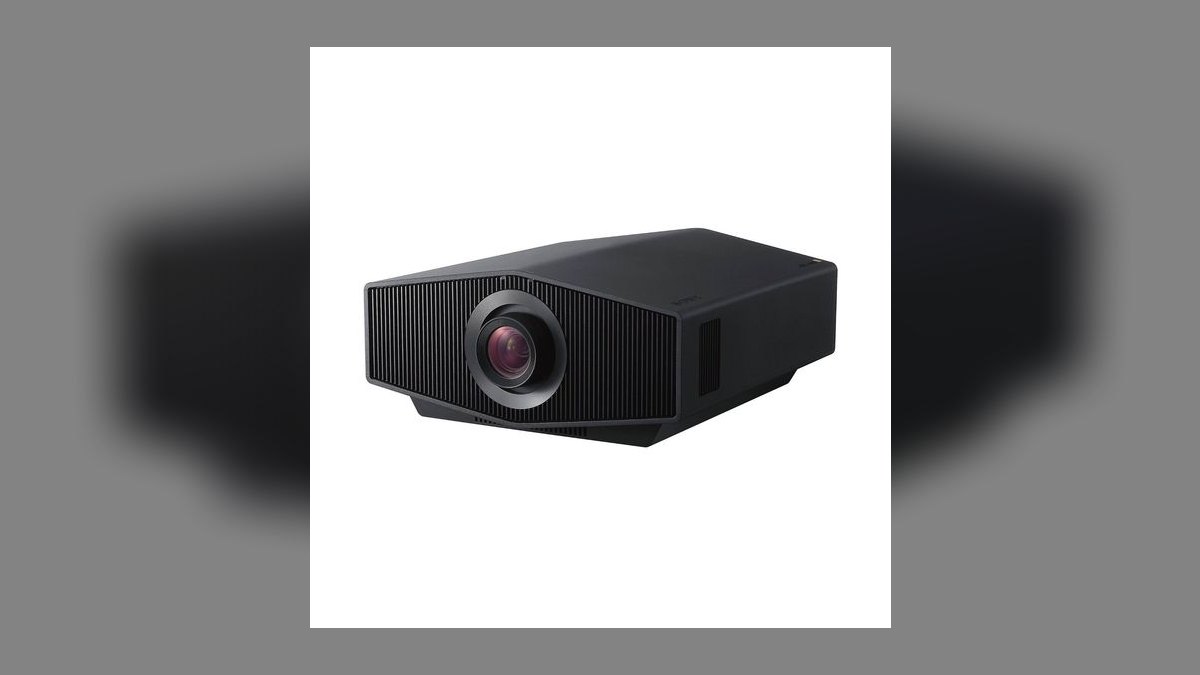
Price: $28,000 | Best for: Big-screen (150"+) home theaters wanting Sony's color science.
The Sony VPL-XW7000ES is the brightest native 4K projector Sony makes for consumers — 3,200 ANSI lumens from a Z-Phosphor laser (20,000 hr), driving three 0.61" native 4K SXRD panels. It pairs Sony's legendary TRILUMINOS color processing with Dynamic HDR Enhancer for HDR10 and HLG (no Dolby Vision, no HDR10+). The Advanced Crisp-Focused (ACF) lens is glass-element with motorized zoom/focus/shift and 5 lens memories.
Native contrast is lower than JVC at ~15,000:1 but the X1 Ultimate for Projector processor does excellent dynamic dimming. HDMI 2.1 supports 4K/120Hz, input lag at 4K/60 is 21 ms per Projector Central. Pros: brightest in class, flawless geometry, motorized everything, 20,000-hour laser. Con: almost $30K and no Dolby Vision is hard to swallow at this price.
3Sony VPL-XW6000ES
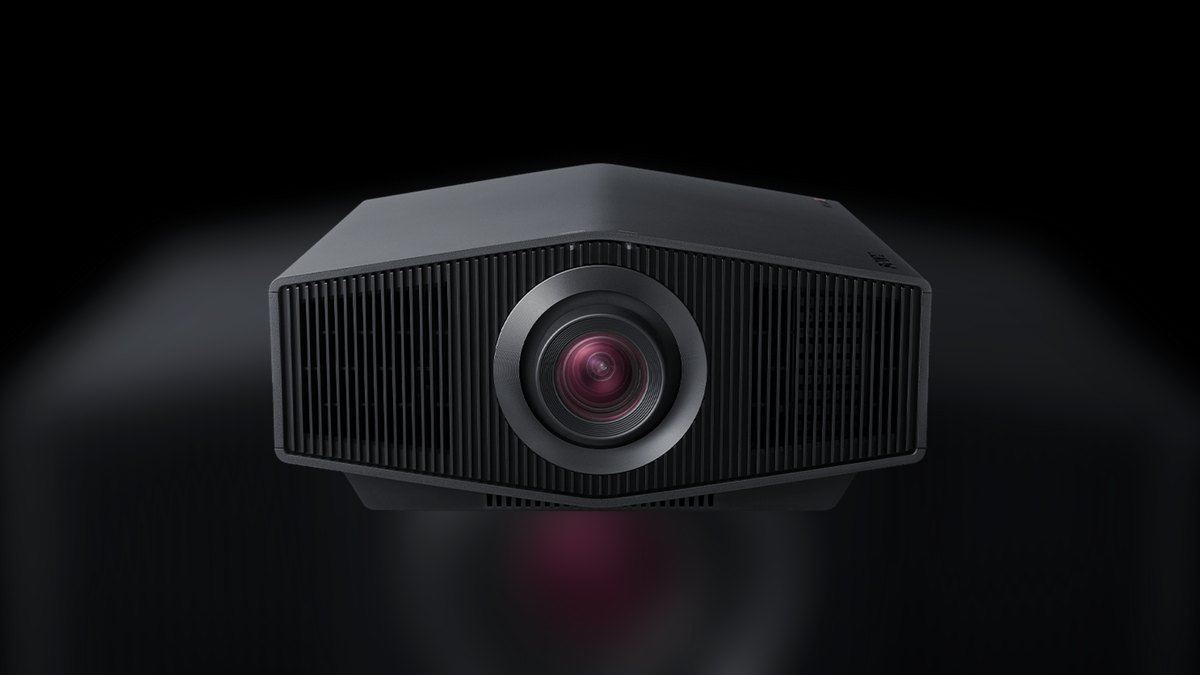
Price: $16,000 | Best for: Sony color in a medium theater (100-130" screen).
The Sony VPL-XW6000ES is the XW7000ES's smaller sibling — same 0.61" native 4K SXRD panels, same Z-Phosphor laser, same X1 Ultimate for Projector chip, but rated at 2,500 ANSI lumens and shipped with the standard ACF lens (not the Advanced ACF). It's roughly $12K cheaper than the XW7000ES and gives up only brightness and the fancier lens.
Native contrast holds at 15,000:1, HDR10/HLG with Dynamic HDR Enhancer, 4K/120Hz HDMI 2.1, and lens shift covers ±71% vertical / ±25% horizontal. Pros: Sony color at half-the-price of flagship, 20,000-hour laser, low 24 dB fan noise. Con: native contrast still trails JVC by 6-7× on real material.
4JVC DLA-NP5
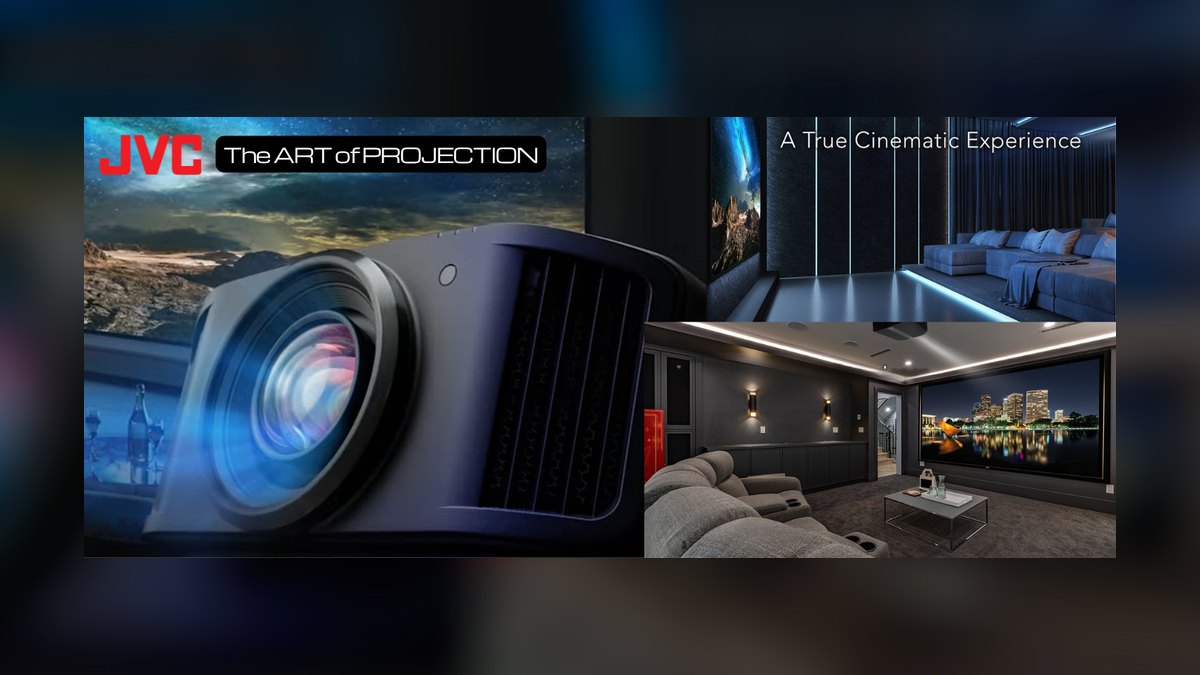
Price: $6,999 | Best for: Theater builders on a budget who want JVC contrast without the laser premium.
The JVC DLA-NP5 is the entry-point JVC — three 0.69" native 4K D-ILA panels, a 265W NSH lamp (4,500 hrs in eco mode), 1,900 ANSI lumens, and 40,000:1 native contrast. No laser, no Frame Adapt HDR engine, but you get HDR10 + HLG with auto-tone-mapping, motorized lens with memory, and the same 17-element all-glass JVC lens. At $6,999 it undercuts every other native 4K projector in the market.
HDMI is 2.0b (18 Gbps), capped at 4K/60Hz — no 120Hz gaming. Pros: real native 4K at a sub-$7K price, JVC contrast pedigree, motorized lens shift. Con: lamp-based — you'll replace bulbs every 3-4 years at $399 a pop.
5Hisense PX3-Pro UST
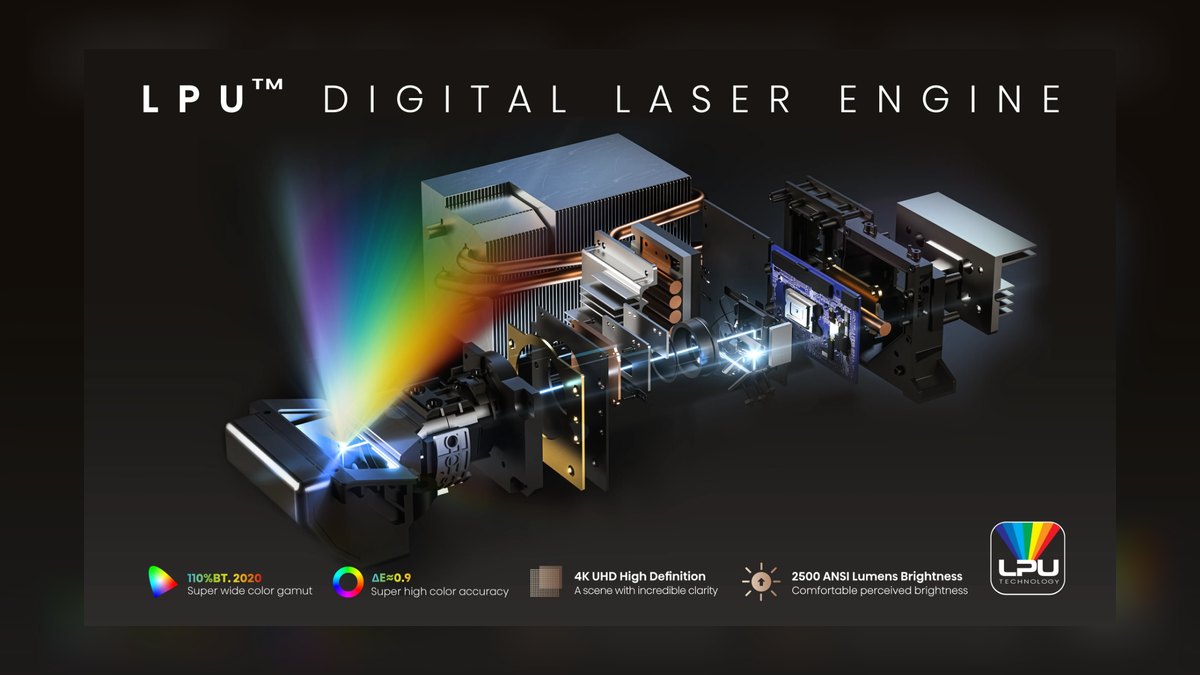
Price: $3,499 | Best for: Living rooms with ambient light and zero install budget.
The Hisense PX3-Pro is the apartment-dweller's reference ultra-short-throw — 0.47" DMD XPR pixel-shifted 4K, TriChroma RGB laser (no phosphor wheel, 110% BT.2020 coverage), 3,000 ANSI lumens, and 0.25:1 throw that fills a 130" screen from 13.8" off the wall. Dolby Vision, HDR10+, and IMAX Enhanced are all certified. Built-in 50W Harman Kardon 2.1 audio is actually usable. Runs Google TV with Netflix/Disney+/Prime pre-installed.
Pros: triple-laser color volume beats anything under $5K, 25,000-hour laser, Dolby Vision, real smart OS. Con: 30 ms input lag is fine for casual play but not competitive shooters.
6BenQ HT2060 💎 BEST VALUE
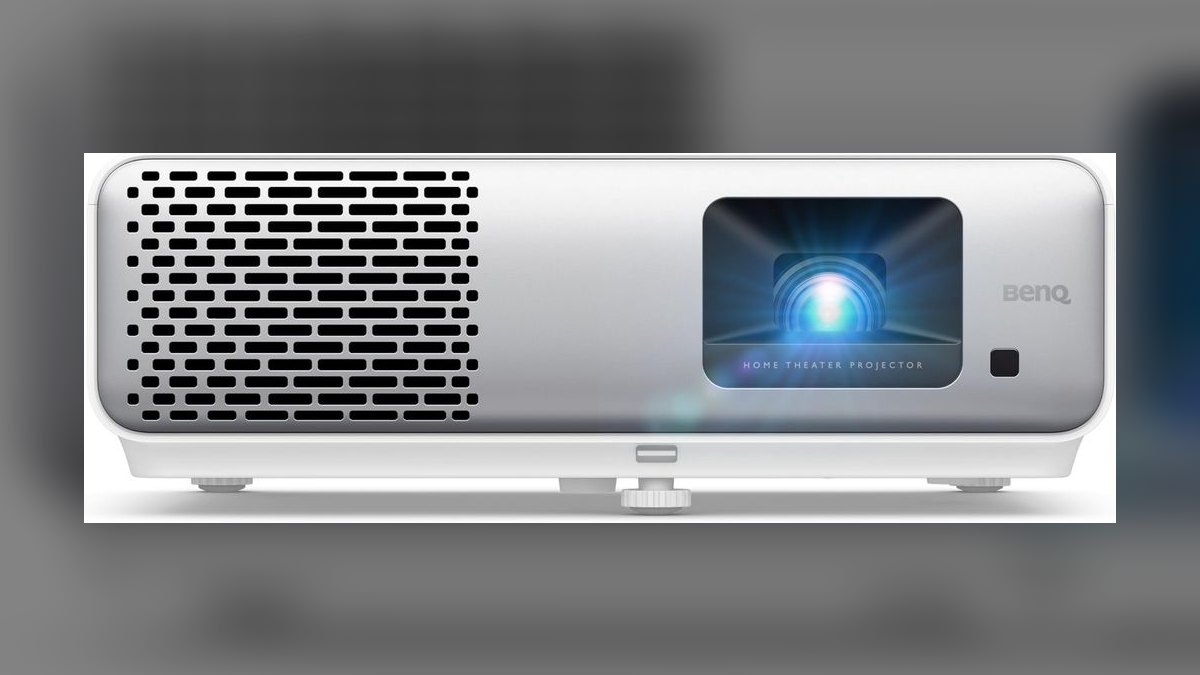
Price: $999 | Best for: First-time projector buyers who want REAL 4K-looking image at under $1K.
The BenQ HT2060 is the best value projector, full stop. 0.47" DMD with XPR pixel shifting delivers a true 8.3M-pixel on-screen image (not "fake 4K"), driven by a 4LED light source rated at 30,000 hours. Output is 2,300 ANSI lumens, CinematicColor delivers 100% Rec.709, and HDR10 + HLG tone mapping is class-leading at this price. 1.3x zoom + vertical lens shift makes setup forgiving in a living room.
Gaming mode drops input lag to 16.7 ms at 1080p/120Hz — playable for esports. Pros: real 4K-class image under $1K, 30,000-hour LED (no lamp replacements ever), lens shift, low 27 dB fan noise. Con: no HDMI 2.1, capped at 4K/60Hz.
7Epson Home Cinema LS11000
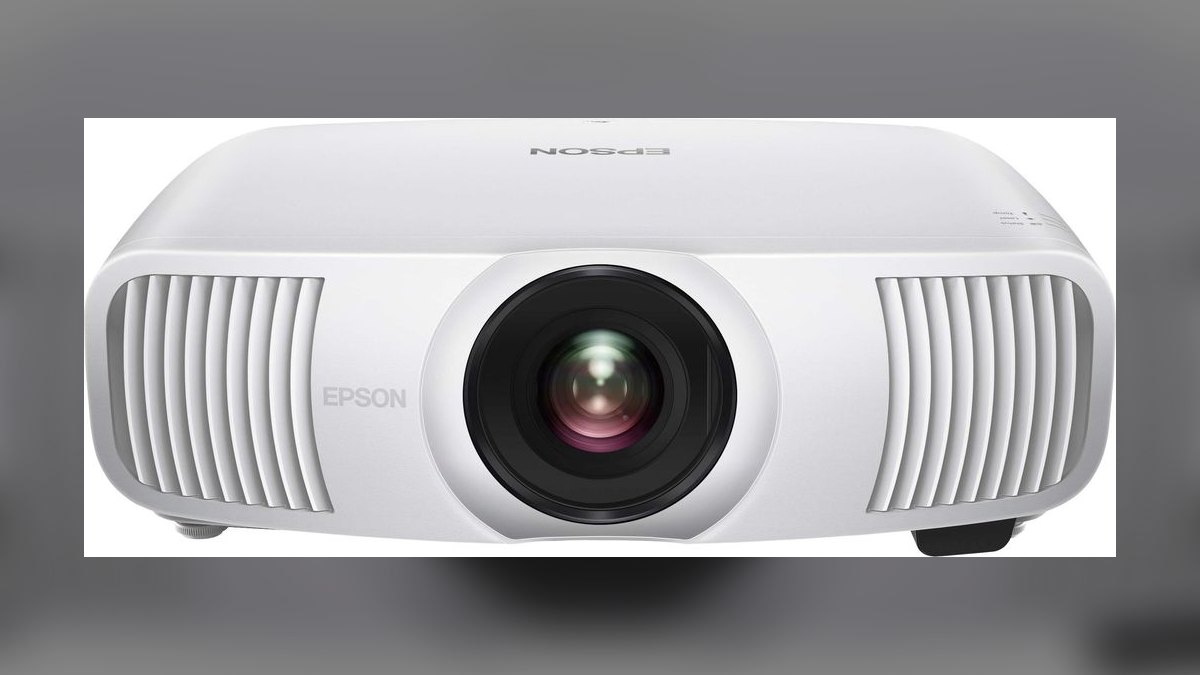
Price: $3,999 | Best for: Bright-room theaters wanting laser and HDR10+ at a mid-tier price.
The Epson Home Cinema LS11000 uses three 0.74" 3LCD panels with 4K PRO-UHD pixel shifting (4-phase, 8.3M on-screen pixels), driven by a Z-Phosphor laser rated at 20,000 hours. Brightness is 2,500 ANSI lumens (white = color, a 3LCD advantage), HDR10+ with frame-by-frame tone mapping, two HDMI 2.1 ports for 4K/120Hz gaming, and motorized zoom/focus/shift with 10 lens memories. Input lag at 4K/60 is 20 ms.
Pros: equal white/color brightness, HDR10+, HDMI 2.1, 10-position lens memory. Con: dynamic contrast is iris-assisted — blacks are dark gray, not the inky black JVC delivers.
8Optoma UHZ50 4K
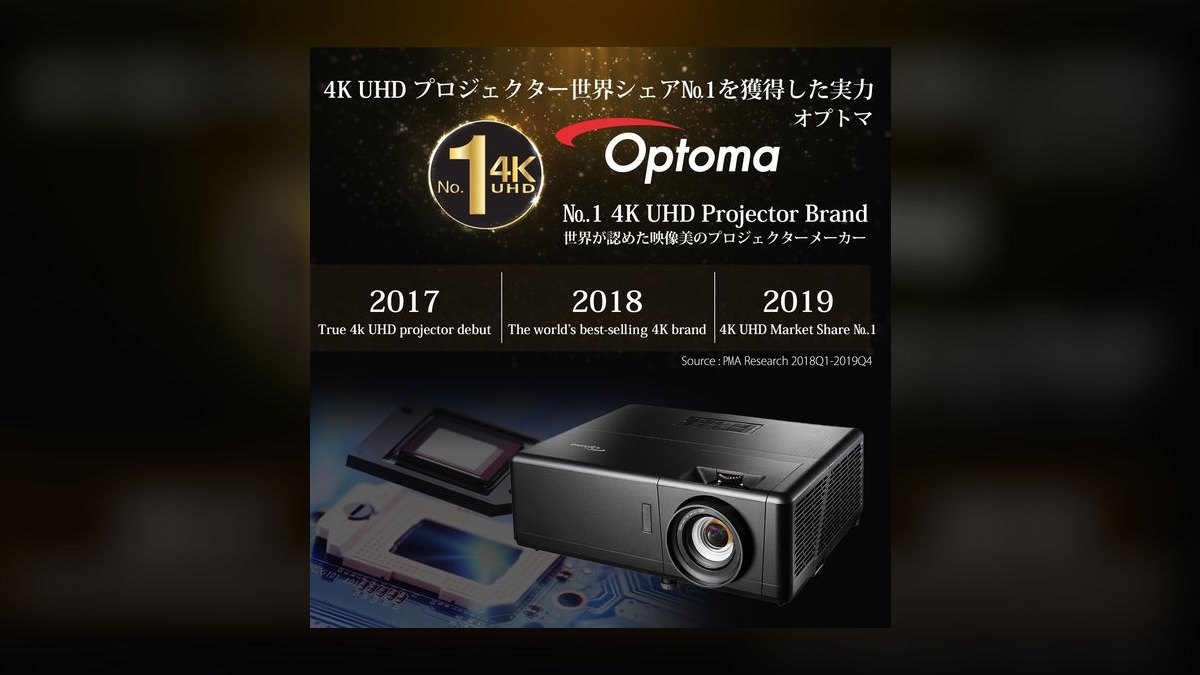
Price: $2,999 | Best for: Living-room gamers who want a long-throw laser without breaking $3K.
The Optoma UHZ50 runs a 0.47" DMD XPR chip with a DuraCore laser (30,000 hours, 3,000 ANSI lumens), HDR10 + HLG, and dedicated Enhanced Gaming Mode that drops input lag to 4 ms at 1080p/240Hz or 17 ms at 4K/60Hz — among the best gaming latency in the category. 1.3x zoom with vertical lens shift, Dynamic Black tech claims 2.5M:1 dynamic contrast. Smart Home OS runs the full streaming app stack.
Pros: under 4 ms gaming input lag at 1080p, 30,000-hour laser, smart OS, 2x 10W speakers. Con: no HDMI 2.1 — capped at 4K/60Hz max refresh.
9XGIMI Aura 2 UST
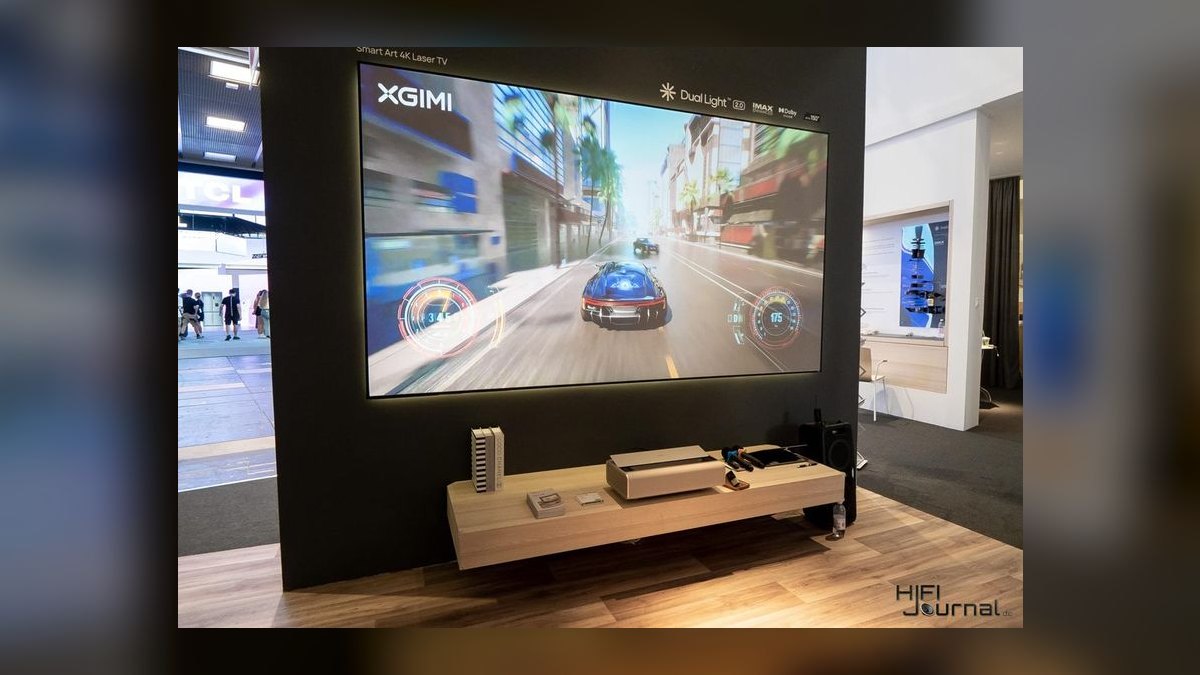
Price: $2,599 | Best for: Renters wanting a UST with built-in Harman Kardon sound and Google TV.
The XGIMI Aura 2 is the most lifestyle-friendly UST. 0.47" DMD XPR pixel-shifted 4K, dual-laser + LED Dual Light 2.0 hybrid for 2,300 ISO lumens, 0.233:1 throw (150" from 17.3" away), Dolby Vision + HDR10, and a 60W Harman Kardon 4-driver audio system that genuinely competes with mid-tier soundbars. Runs Google TV with auto keystone, obstacle avoidance, and screen-fit AI.
Pros: Dolby Vision under $3K, Harman Kardon 60W audio built in, Google TV native (not sideloaded), 25,000-hour laser. Con: UST units demand a perfectly flat wall — texture shows through ruthlessly.
10BenQ X3100i 4K Gaming
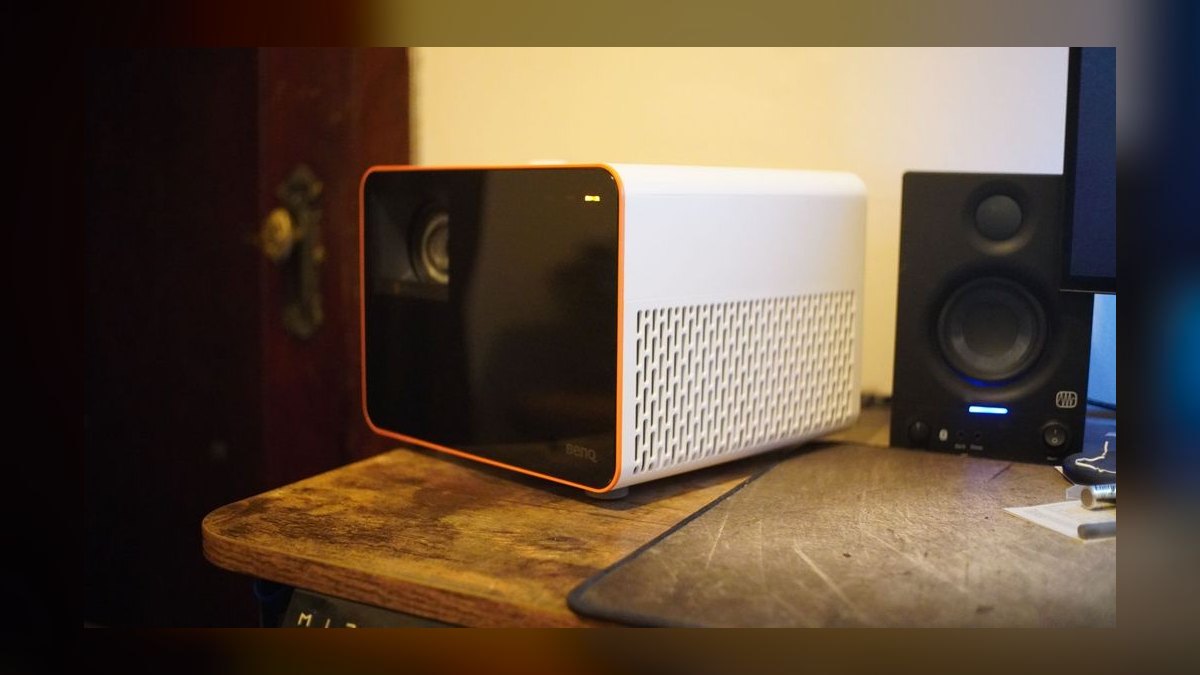
Price: $1,799 | Best for: Console and PC gamers who want a dedicated 4K/120 gaming projector.
The BenQ X3100i is purpose-built for gamers. 0.65" DMD XPR chip, 4LED light source at 3,300 ANSI lumens (30,000 hours), 100% DCI-P3 color, and the only sub-$2K projector with HDMI 2.1 supporting 4K/120Hz at 17.9 ms input lag (or 4 ms at 1080p/240Hz). Built-in Android TV dongle runs Netflix, Prime, YouTube. Game modes per genre (FPS/RPG/SPG) tune motion and color.
Pros: 4K/120Hz HDMI 2.1 at $1,799, 30,000-hour LED, console-tuned game modes, 2.1 channel 5W+5W+10W audio. Con: 0.69-0.83:1 short-throw range needs careful placement.
Buyer Decision Tree — Which One's Right for You?
What to Look For When Buying a 4K Home Theater Projector
Laser vs lamp — laser wins on every metric except upfront cost. A 20,000-hour laser at 4 hrs/day lasts 13+ years; a 3,500-hour UHP lamp needs replacing every 2.5 years at $300-400 per bulb. Only buy lamp if budget forces it (the JVC NP5 is the exception that justifies it).
Native 4K vs pixel-shift — only JVC (D-ILA) and Sony (SXRD) sell native 4K under $30K. Everyone else uses 0.47" or 0.65" DMD with XPR (TI's 4-phase pixel shift) that hits 8.3M on-screen pixels per frame. Projector Central's bench tests show pixel-shift 4K is visually indistinguishable from native 4K at normal viewing distance — don't pay 3× more for native unless you sit closer than 1.5× screen height.
ANSI lumens reality — manufacturers quote "LED lumens" or "ISO lumens" that inflate the number 2-3×. ANSI lumens (measured per IEC 21118) is the only spec that matters. 2,000 ANSI = dark room only. 2,500-3,000 ANSI = some ambient light. 3,000+ ANSI = bright living room.
Contrast ratio marketing — ignore "dynamic contrast 5,000,000:1" claims. Look for native (on/off) contrast: JVC's 100,000:1 is genuinely 6-10× better than the next-best LCoS or DLP unit, and you'll see it on shadow detail.
Throw distance + screen size math — a 1.3:1 throw projector needs 13 feet to fill a 100" 16:9 screen; a 0.5:1 short-throw needs 5 feet; a 0.25:1 UST needs 17 inches. Measure before you buy — and remember UST demands a wall flatter than drywall texture allows.
What to skip: any DLP unit at sub-1500 ANSI lumens claiming "4K" — they exist, they cost $400, they look worse than a 1080p Optoma from 2018. Avoid Anker/AAXA/budget Amazon brands for permanent install — firmware abandonment within 18 months is the norm per Reddit r/projectors threads.
FAQ
What is the difference between native 4K and pixel-shifted 4K in projectors? Native 4K projectors, like the JVC DLA-NZ8, use a true 4K chip with 8.3 million pixels. Pixel-shifted 4K, found in models like the BenQ HT2060, uses a lower-resolution DMD chip that rapidly shifts the image to create a 4K-like resolution. While pixel-shifting is more affordable, native 4K generally offers sharper, more detailed images, especially on larger screens.
How many lumens do I need for a home theater projector in a dark room? For a dedicated dark room with a 100-120 inch screen, 1,500 to 2,500 ANSI lumens is typically sufficient. The BenQ HT2060's 2,300 lumens works well, while the JVC DLA-NZ8's lower light output is optimized for high contrast in controlled lighting. Brighter rooms may require 3,000 lumens or more, but that often sacrifices black levels.
Can I use a 4K home theater projector for gaming? Yes, but input lag varies. Many projectors offer game modes with input lag under 20ms at 1080p/120Hz, though 4K/60Hz lag is usually higher (around 30-50ms). For competitive gaming, look for projectors with low-latency modes, but for casual play, most modern 4K projectors work fine.
What screen size is best for a 4K projector in a typical living room? A 100-120 inch diagonal screen is common and works well with most 4K projectors at a seating distance of 8-12 feet. Larger screens (130-150 inches) may require higher brightness or a darker room. The JVC DLA-NZ8 excels on larger screens due to its high contrast, while the BenQ HT2060 is ideal for 100-120 inch setups.
Do all 4K projectors support HDR and Dolby Vision? No, HDR support varies. Most 4K projectors support HDR10, but Dolby Vision is less common and often requires specific hardware (like the JVC DLA-NZ8). HDR10+ is also available on some models. Budget projectors like the BenQ HT2060 may only support HDR10, which still improves color and contrast over standard SDR.
How long do laser and LED projector light sources last compared to lamps? Laser and LED sources typically last 20,000 to 30,000 hours, often covering the projector's entire lifespan without replacement. Traditional lamp projectors usually need a new bulb every 3,000-5,000 hours. The JVC's BLU-Escent laser and the BenQ's LED source both offer long-term reliability, though laser models may dim slightly over time.
Bottom Line
For dedicated home theaters with light control and a five-figure budget, the JVC DLA-NZ8 at $15,999 is the best overall — nothing else under $25K matches its native contrast or HDR tone mapping. For everyone else, the BenQ HT2060 at $999 is the best value 4K projector — pixel-shifted 4K, 30,000-hour LED, lens shift, and a watchable image that used to cost five times more.
Use the Buyer Decision Tree above to match your room and use case to the right pick.
Related on PULSE
- Top 10 4K Projectors — Best Overall + Best Value
- Top 10 Portable Projectors for On-Site Sales Demos
- Top 10 Portable Projectors — Best Overall + Best Value
- Top 10 32-Inch 4K Monitors for Home Office
- Top 10 4K OLED TVs — Best Overall + Best Value
- Top 10 4K Webcams for Sales Video Calls
Sources
- Projector Central — JVC DLA-NZ8, Sony VPL-XW7000ES, Epson LS11000, BenQ HT2060 bench tests
- AVS Forum — Owner threads for JVC NZ-series, Sony XW-series, Hisense PX3-Pro
- HDTVTest (Vincent Teoh, YouTube) — JVC NZ8 vs Sony XW7000ES Frame Adapt HDR comparison
- Sound & Vision — Lab measurements for Epson LS11000 and Sony XW6000ES
- Crutchfield — 4K projector buying guide and screen-pairing recommendations
- Wirecutter — The Best Home Theater Projector
- Tom's Guide — Best 4K projectors roundup
- Reddit r/projectors — Owner sentiment threads for JVC NP5, BenQ HT2060, XGIMI Aura 2
- Manufacturer spec sheets — JVC, Sony, BenQ, Epson, Optoma, Hisense, XGIMI official product pages
- B&H Photo — Pricing, availability, and installation notes for all listed models
- IEC 21118 standard — ANSI/ISO lumens measurement methodology reference
People also search for: best 4k home theater projectors · top 4k home theater projectors · top rated 4k home theater projectors · top ranked 4k home theater projectors · highest rated 4k home theater projectors · 4k home theater projectors reviews
This page will be disappearing soon. Save it to your device for $1 — or read it free while it is here.
@Kory-White- · if Venmo asks, the last 4 of my number are 2012
This page is gone.
This one is off the shelf now. $1 keeps it on your phone for good — the whole page, pictures and diagrams included.
 pulse-reviewsTop 10 Car Phone Mounts for Field Sales Reps in 2027
 pulse-reviewsTop 10 Smart Mirrors — Best Overall + Best Value in 2027
 pulse-reviewsTop 10 Tire Inflators — Best Overall + Best Value in 2027
 pulse-reviewsTop 10 Battery Chainsaws — Best Overall + Best Value in 2027
 pulse-reviewsTop 10 Foldable Phones — Best Overall + Best Value in 2027
 pulse-reviewsTop 10 Premium Dress Shoes for Sales Executives in 2027
 pulse-reviewsTop 10 Spot Welders — Best Overall + Best Value in 2027
 pulse-reviewsTop 10 Shop Vacuums — Best Overall + Best Value in 2027
 pulse-reviewsTop 10 Sports Earbuds — Best Overall + Best Value in 2027
 pulse-reviewsTop 10 Cable Management Boxes for Sales Home Office in 2027