


Top 10 Resin 3D Printers — Best Overall + Best Value in 2027
Quality
Certified
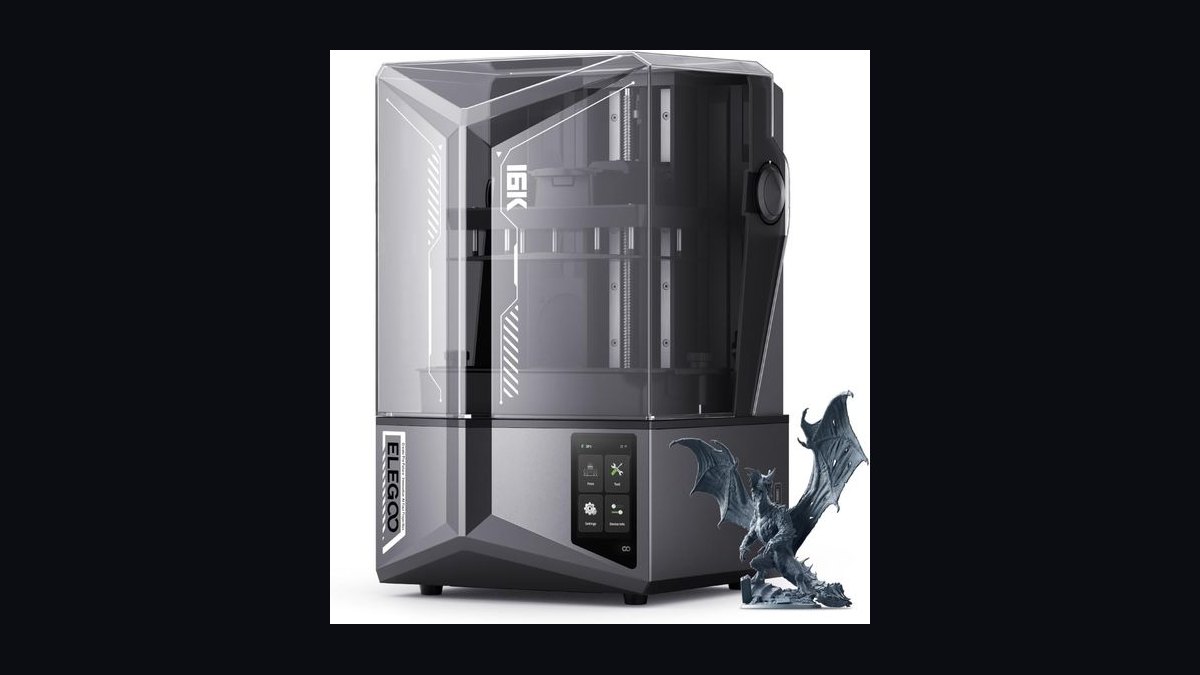
The 10 best resin 3d printers are ranked below on measured performance, build quality, price, and how each one actually holds up in daily use rather than how it reads on a spec sheet. Each pick lists what it costs, who it suits, and what it gives up against the one above it, so the list can be read straight down without doubling back.
1Elegoo Saturn 4 Ultra 16K
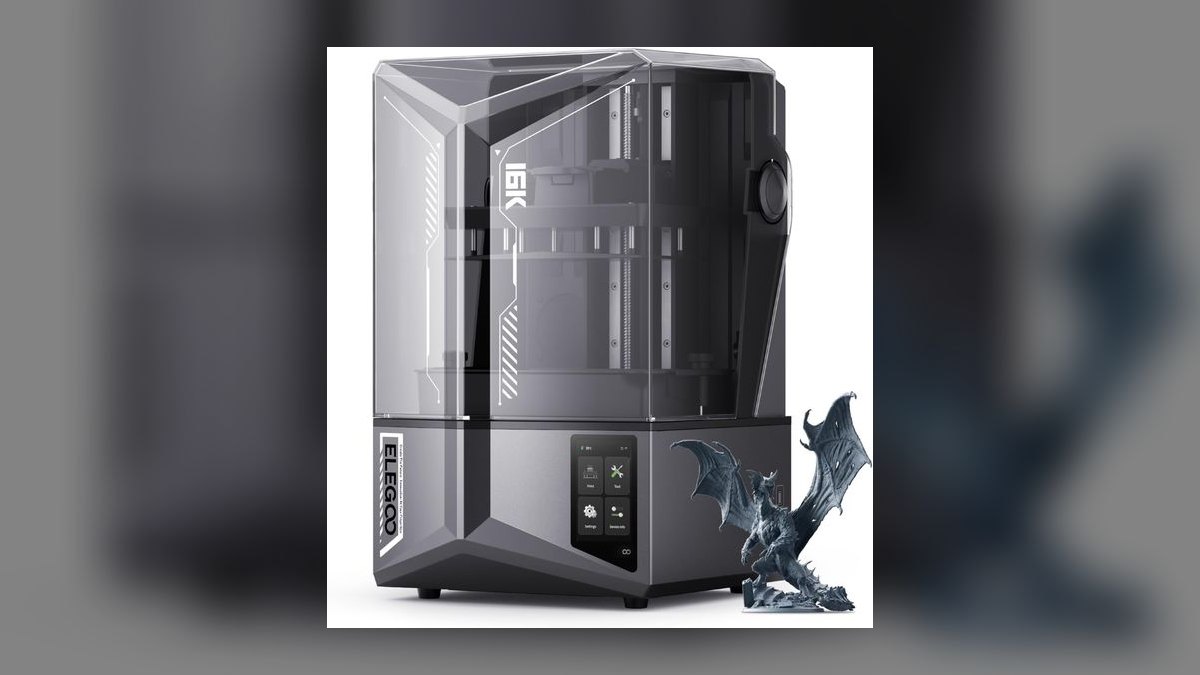
This ranks first because no other sub-$700 machine pairs a 10-inch 16K mono LCD (15,120 × 6,230, 17µm XY) with a tilt-release vat. Peak Z speed hits 150mm/hr, with 70-100mm/hr real-world on detailed parts — roughly 3× first-generation MSLA. Build volume is 218.88 × 122.88 × 220mm, enough for a batch of minis or a full dental arch. A carbon air filter and auto-leveling ship standard at $569.
Built for serious hobbyists, tabletop miniature painters, small dental labs, and prototypers who want professional output without a Formlabs invoice. The tilt vat film replacement is fiddly the first time — budget 20 minutes. Replacement LCDs cost $89 against a 2,500-hour rating, so upkeep stays cheap. Against the $799 Photon M5s Pro below, it gives up AI camera monitoring and laser leveling but wins outright on pixel pitch and price.
2Anycubic Photon M5s Pro
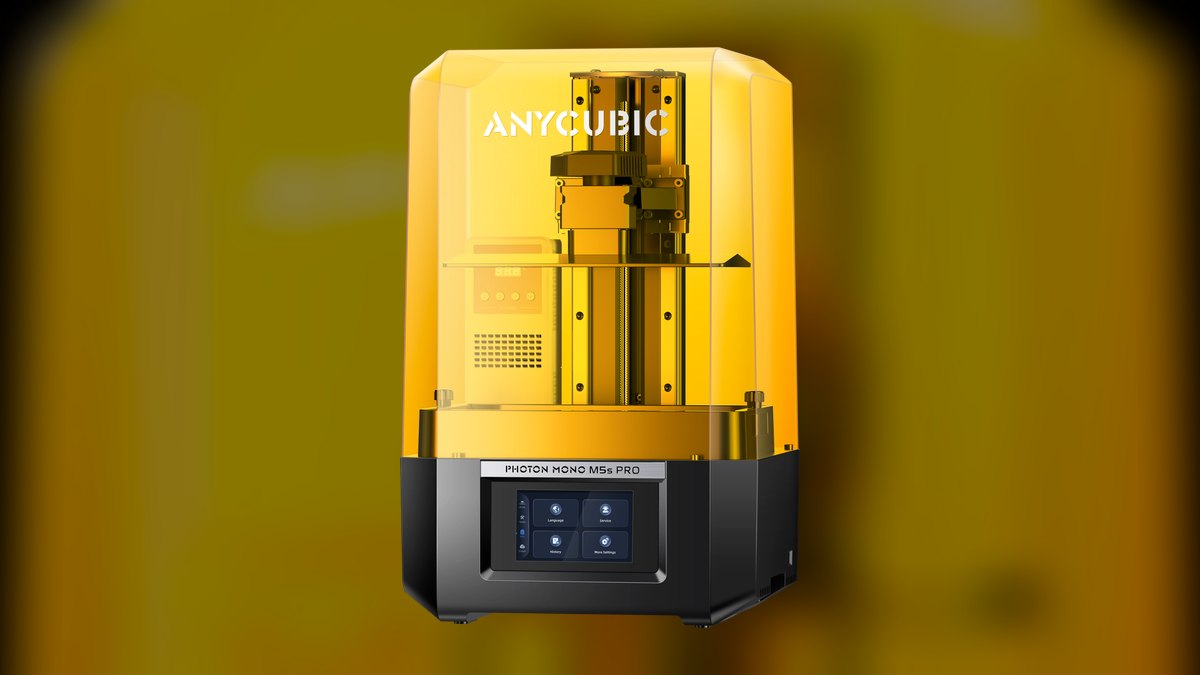
Second place goes to the most polished unattended-printing package at $799. A 10.1-inch 14K mono LCD (11,520 × 5,120, 19µm XY) sits under CPlus laser leveling and an AI camera that catches failures mid-run. Build volume is 223 × 126 × 230mm with 105mm/hr peak Z speed. Dual carbon air-purifier modules and a fluorinated non-FEP release film rated for 30+ runs handle the messy parts.
This suits power users who batch-print overnight and want Wi-Fi slicing, timelapse capture, and Photon Workshop 3 or Lychee Pro in the loop. The $799 tag sits at the top of the prosumer band and only pays back if you print weekly. Its 19µm pixel pitch trails the Saturn 4 Ultra's 17µm above, so you pay $230 more for monitoring and filtration rather than finer detail.
3Phrozen Sonic Mighty Revo 14K
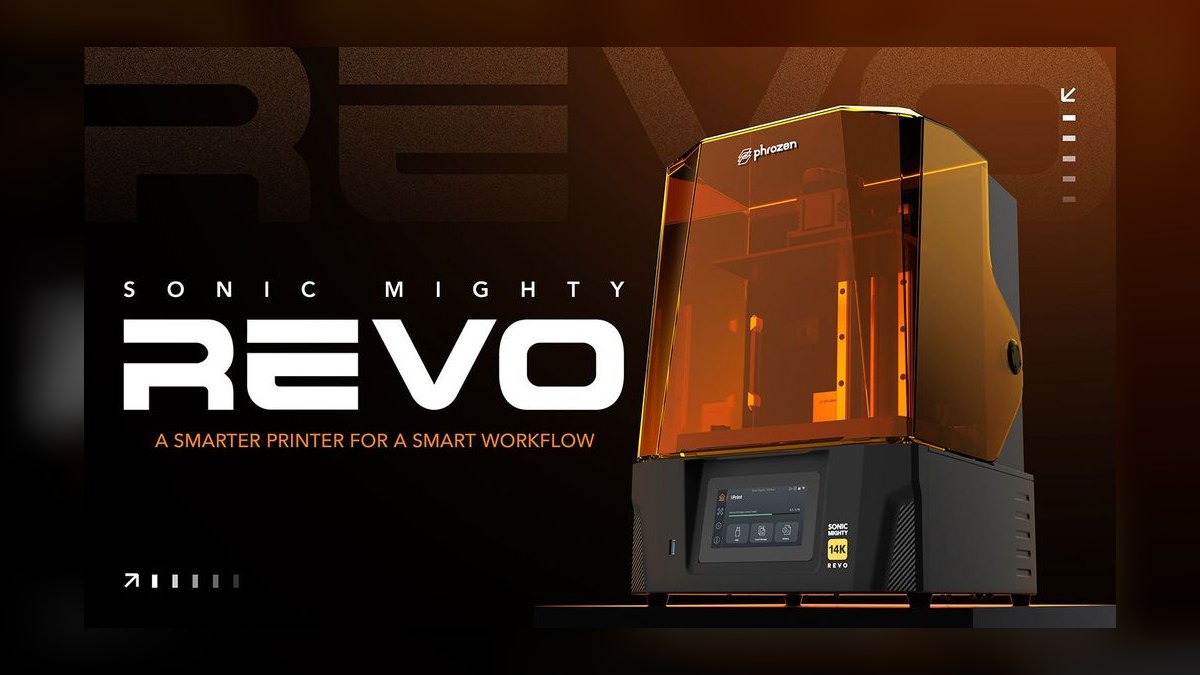
Third position reflects the best measured light uniformity on the list. The ParaLED Matrix 4.0 source at 405nm holds 99% edge-to-edge uniformity, benchmarked by Resin Print Lab at ±2% gray-value deviation. Its 13.6-inch 14K mono LCD (11,520 × 5,120) is the largest 14K screen on a 2027 desktop printer, though pixel pitch widens to 28µm. Build volume is 218 × 123 × 235mm at 80mm/hr typical Z speed, $799.
Mid-volume dental and jewelry shops benefit most, since large trays cure flat across the whole platform. There is no bundled wash and cure — add roughly $200 for the Phrozen Cure V2 — and no air filter, so an aftermarket carbon unit is required. The FEP vat costs less to replace than the M5s Pro's nFEP film above, but 28µm XY concedes fine detail to that machine.
4Elegoo Mars 5 Ultra
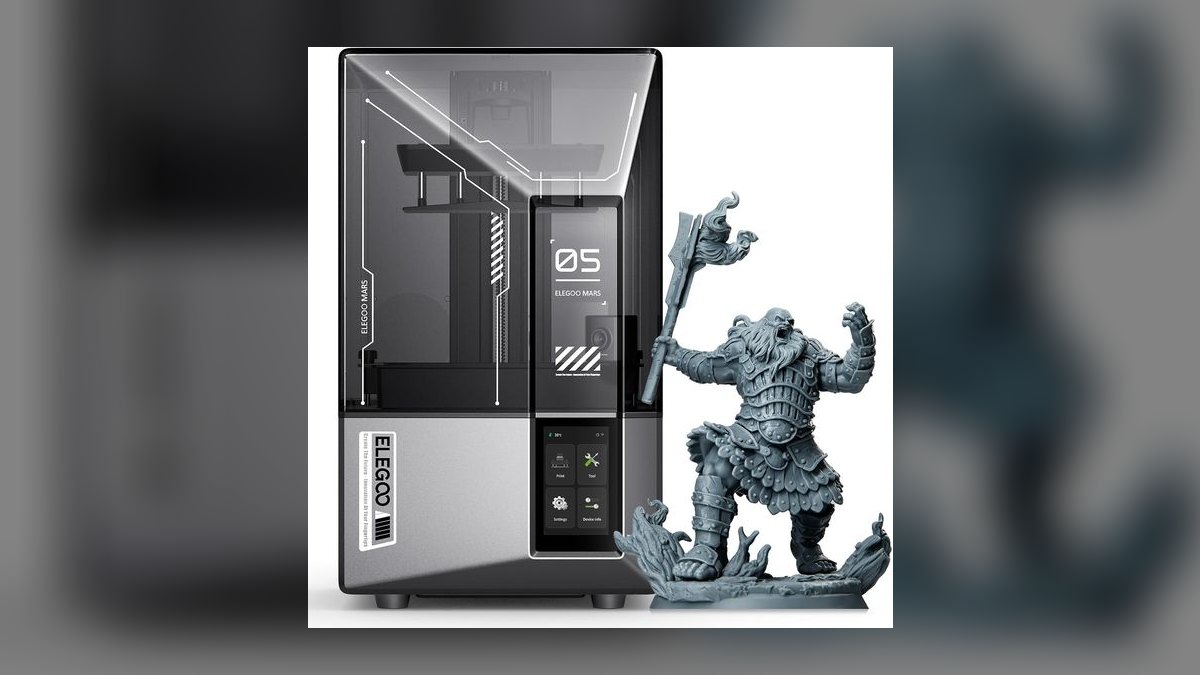
Fourth because it delivers the Saturn's tilt-vat platform and carbon air filter at $349. The 7-inch 9K mono LCD (8,520 × 4,320) yields 18µm XY, within a micron of the far pricier Saturn 4 Ultra. Z speed reaches 70mm/hr, auto-leveling is included, and the magnetic flexible build plate pops cured prints free without a scraper. Build volume measures 153.4 × 77.76 × 165mm with Voxeldance Tango preinstalled and Wi-Fi slicing.
Solo hobbyists wanting Saturn-grade technology in half the footprint are the target, and All3DP and 3D Printing Nerd both hand this to beginners. The small plate caps batches at roughly 9-12 32mm miniatures, which is the real trade against larger machines. Compared with the $599 Photon Mono M7 Max below, it prints far finer detail but in a fraction of the volume.
5Anycubic Photon Mono M7 Max
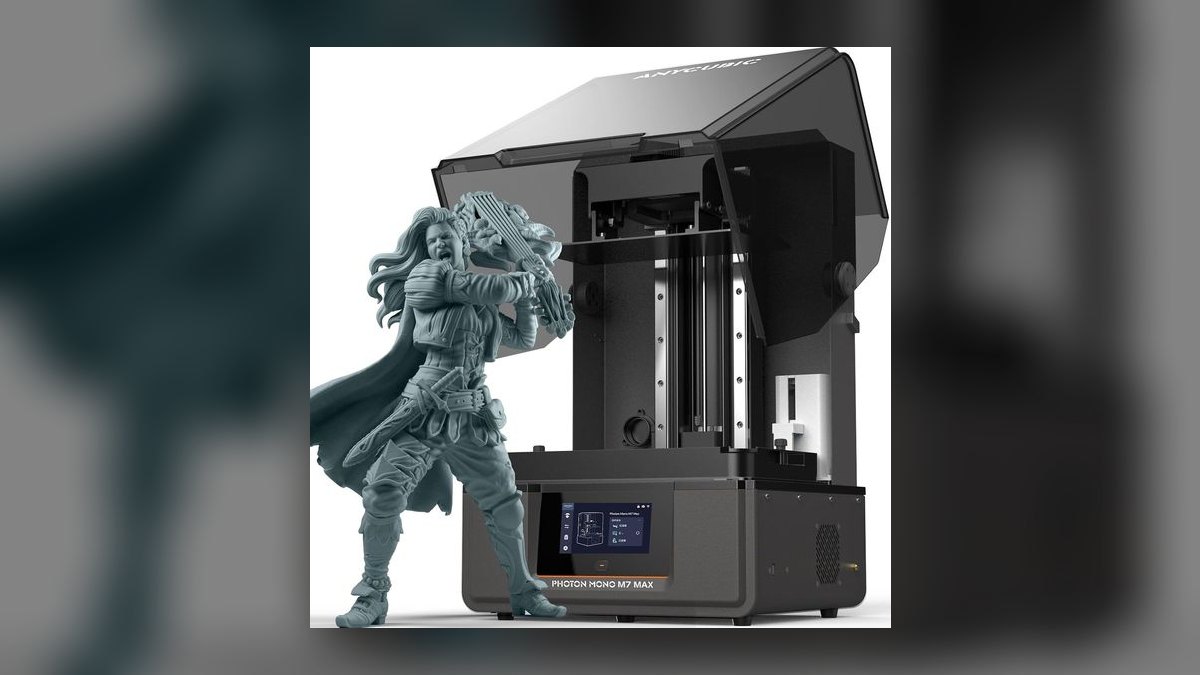
Fifth on volume alone: 298.6 × 164.5 × 300mm, about 14.7 liters, the largest desktop resin envelope under $700 at $599. A 13.6-inch 7K mono LCD (6,480 × 3,600) drives it at 80mm/hr Z speed on dual-rail Z motion. A 120W ParaLED 4.0 array, anti-stick release film, and resin auto-feed keep 1L-plus jobs running without babysitting the vat level.
Large-format prototypers, cosplay armor builders, and bust collectors who want one big plate per run should buy this. The 46µm XY pixel pitch is a hard ceiling — chainmail and pore detail on 32mm tabletop figures will not resolve. That is the direct inverse of the Mars 5 Ultra above at $349, which trades nearly all this volume for 18µm detail.
6Anycubic Photon Mono M5
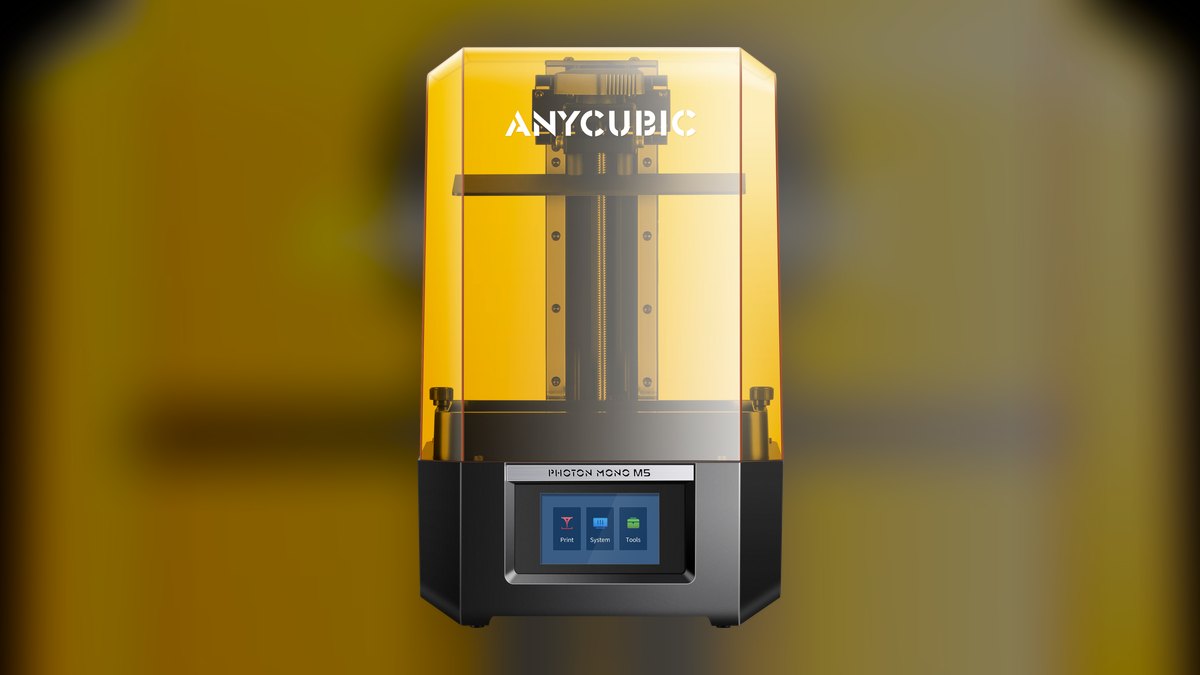
Sixth overall but the best value pick, because its 10.1-inch 12K mono LCD (11,520 × 5,120, 19µm XY) is literally the same screen as the $799 M5s Pro at a $299 street price. Build volume is 218.88 × 122.88 × 200mm, matching Saturn-class capacity, and peak Z speed reaches 105mm/hr. Photon Workshop ships with 70+ resin profiles on proven firmware.
Budget-conscious hobbyists who refuse to compromise on resolution are the buyer here. You give up the air filter, AI camera, laser leveling, and Wi-Fi; leveling is a five-minute four-screw job and the vat is standard FEP. Ventilate the room or add a $40 carbon box. Modular Mash side-by-sides put its miniature detail against printers costing twice as much.
7Elegoo Mars 5
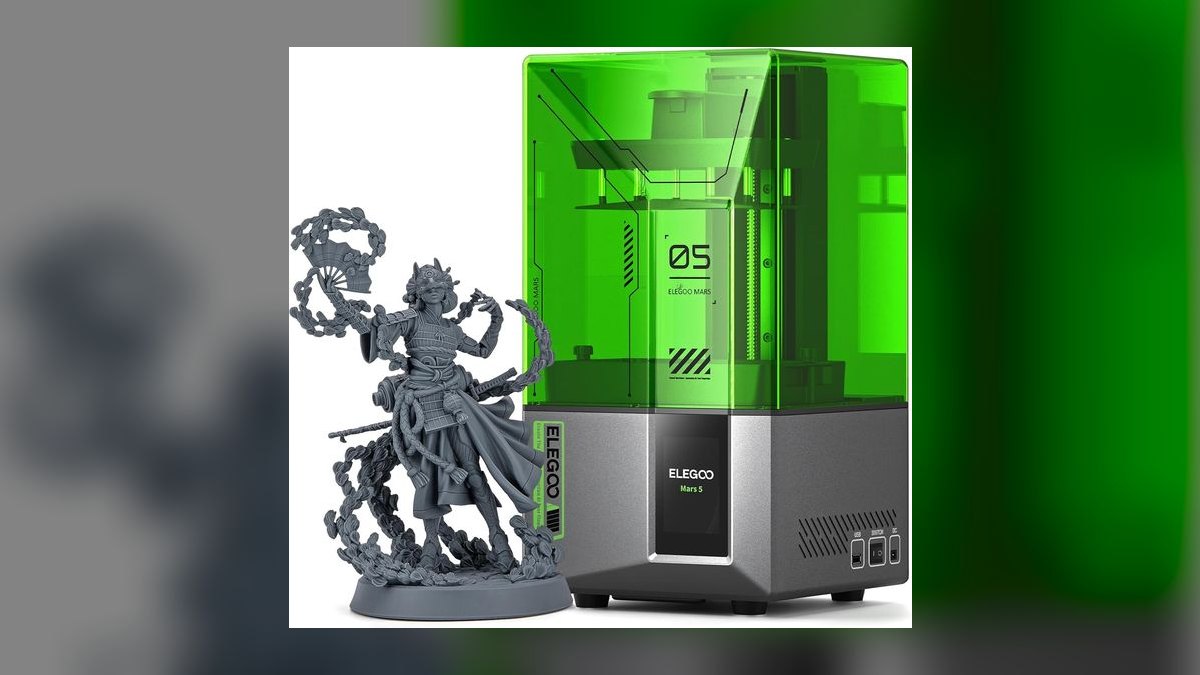
Seventh as the cheapest credible 9K printer shipping in 2027 at $199 street. It keeps the 7-inch 9K mono LCD (8,520 × 4,320) and 18µm XY of the Ultra while dropping the tilt vat and auto-leveling. Build volume is 153.4 × 77.76 × 165mm, peak Z reaches 150mm/hr on thin layers, and leveling is manual four-screw against a standard FEP vat. 3D Printing Nerd called it "the printer I'd buy my nephew."
First-time resin printers and gift-givers wanting a low-risk entry point should start here. There is no air filter, so ventilation or an aftermarket carbon enclosure is mandatory. Losing the tilt vat costs roughly 40% more time per detailed print than the Mars 5 Ultra ranked above — the same $150 that buys auto-leveling and filtration on that machine.
8Creality HALOT-Mage S
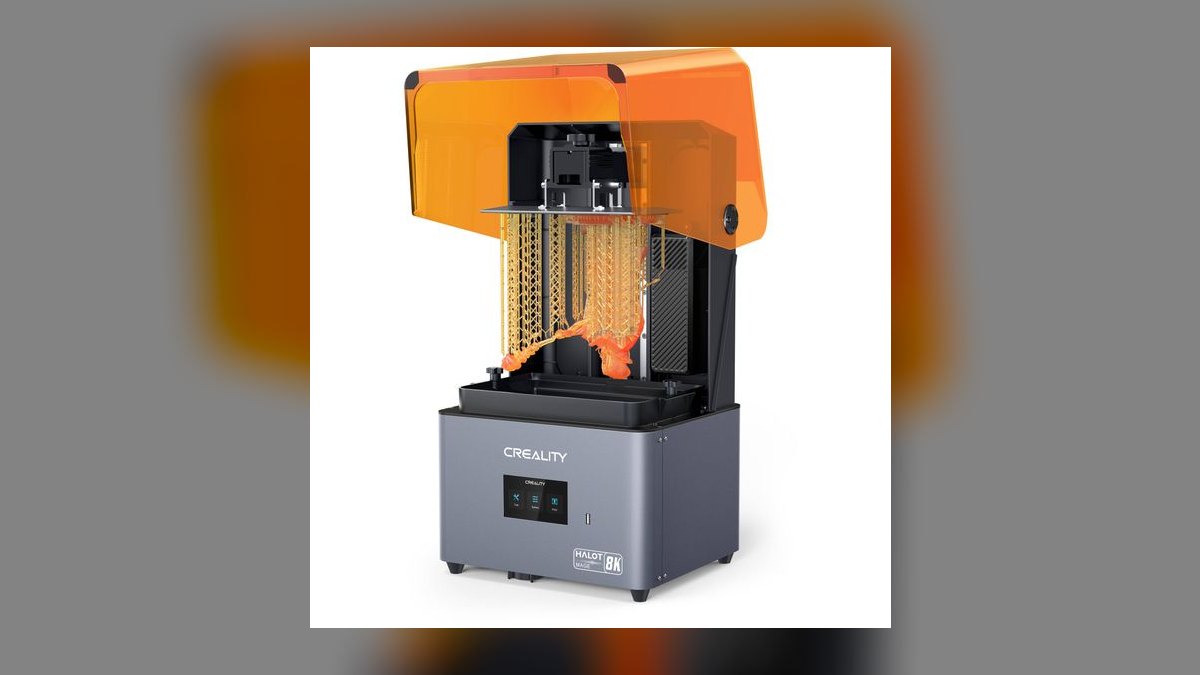
Eighth because its 10.3-inch 8K mono LCD (7,680 × 4,320) resolves only 29.7µm XY while costing $799 — the same price as 14K-class competition. Build volume is a tall 228 × 128 × 230mm at 70mm/hr Z speed on dual-axis rails, driven by a 120W self-developed LED array. Active air filtration and an integral Wi-Fi camera are included, and Tom's Hardware rated firmware 1.4.x stable.
Prototypers who need a tall envelope and integrated monitoring more than fine resolution are the fit. HALOT BOX slicer with Chitubox L compatibility opens Creality's large resin library. Reliability improved meaningfully over the original Mage. Against the Photon Mono M5 at $299, it costs $500 more for filtration, a camera, and height while giving up 10µm of pixel pitch.
9Formlabs Form 4
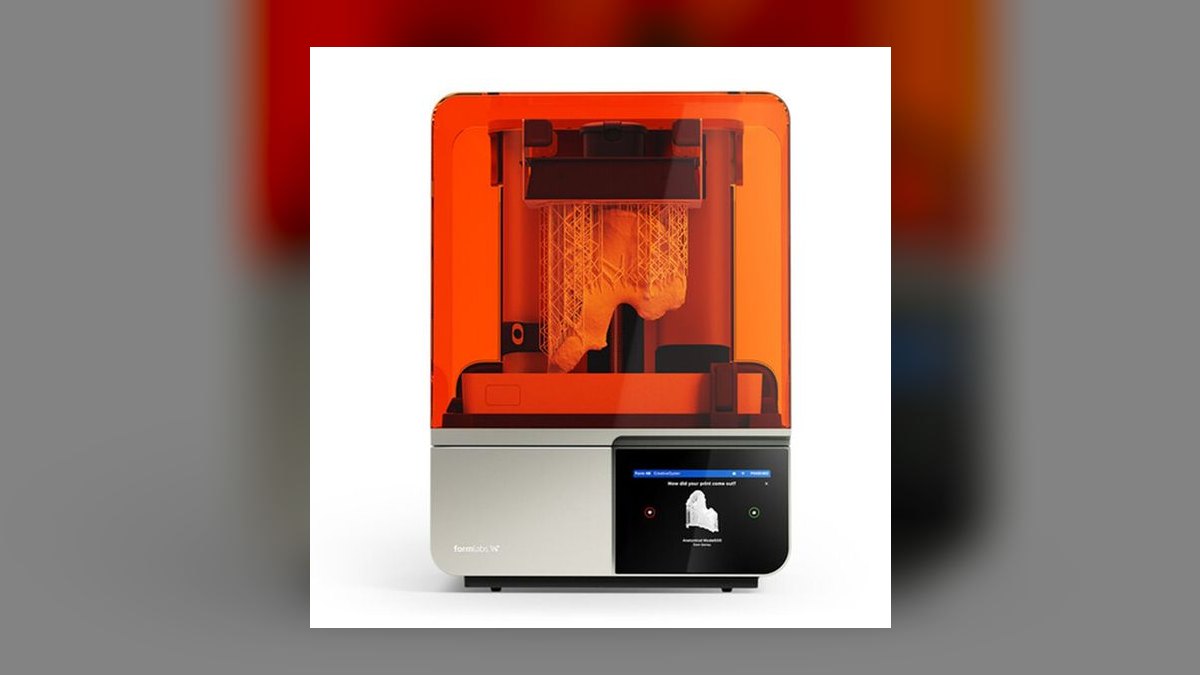
Ninth on value despite being the only true commercial SLA here, because $3,499 buys certification rather than detail. Low-force stereolithography 2.0 drives a 9-inch LCD-masked light engine at 100mm/hr peak, with a 200 × 125 × 210mm build volume. Certified biocompatible resins cover Class IIa medical, dental crown and bridge, and surgical guides. A three-year LCD warranty and automatic cartridge feeding back it.
Dental labs, jewelry studios, and engineering shops needing certified materials and silent commercial operation should buy it; hobbyists should not. Resin is locked to proprietary cartridges at roughly 3× third-party prices. PreForm remains the easiest slicer in the industry and Dashboard adds cloud monitoring. On most miniatures, the $569 Saturn 4 Ultra ranked first produces nearly identical detail.
10Phrozen Sonic Mini 8K S
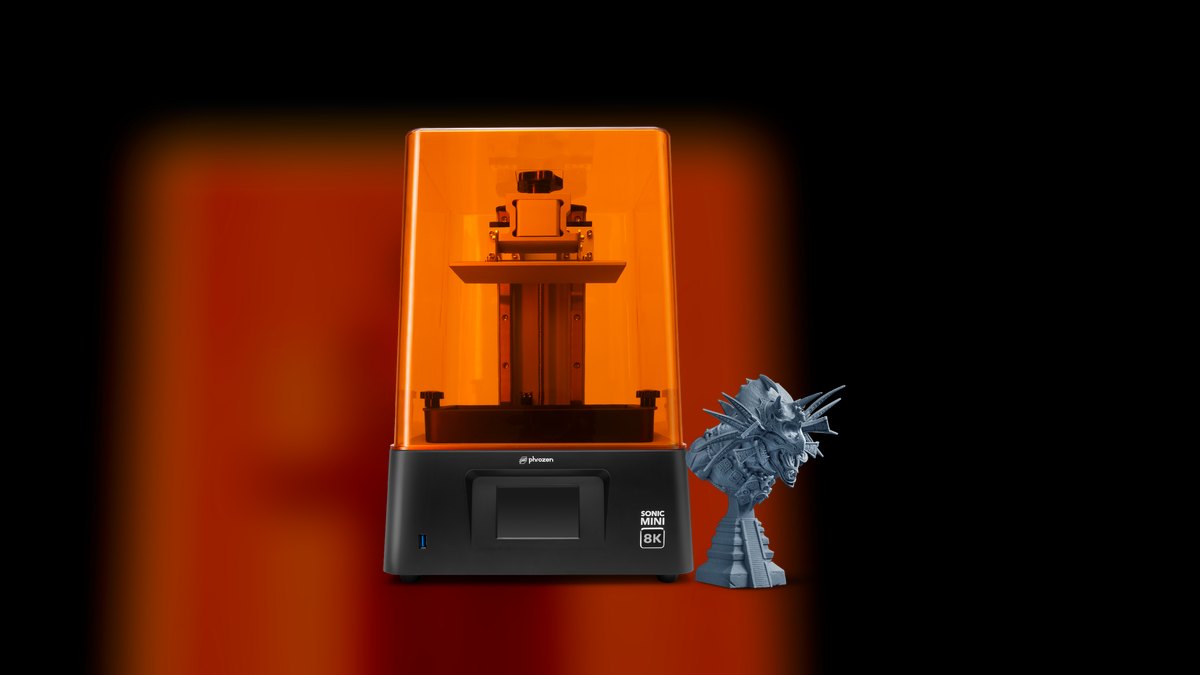
Tenth because 22µm XY from its 7.1-inch 8K mono LCD (7,500 × 3,240) is being outpaced by 12K monos selling for less. The $419 price buys the ParaLED 3.0 matrix and a redesigned FEP vat, delivering the edge-to-edge uniformity Phrozen is known for. Build volume is 165 × 72 × 180mm at 80mm/hr Z speed with manual leveling, no air filter, and no wash or cure station included.
Tabletop miniature enthusiasts who want Phrozen light uniformity in a small footprint are the audience, and single-figure printing has a near-cult following on Reddit's r/resinprinting. Budget another $120-$150 for a wash and cure unit plus a carbon box. The $299 Photon Mono M5 costs $120 less and resolves 19µm, so this only makes sense if uniformity outranks pixel pitch.
How we ranked these
Ten shipping MSLA printers were scored on eight weighted axes: detail at 30 percent (XY pixel pitch, screen resolution, anti-aliasing), speed at 15 percent (tilt-release vat, seconds per layer, mm/hr), build volume at 15 percent, safety and ecosystem at 15 percent (carbon filtration, enclosure, slicer and resin profiles), reliability at 15 percent (rated LCD hours, film durability, vat replacement cost), and price-to-performance at 10 percent against verified street prices.
Deliberately ignored: marketing pixel counts without pixel pitch, since a 12K screen at 13.6 inches resolves worse than a 12K screen at 10.1 inches. Also ignored were launch-day specs on abandoned firmware, Kickstarter and pre-order machines with no shipping units, manufacturer-supplied sample prints, and peak mm/hr figures quoted at layer heights nobody prints. Bundled resin promotions were excluded because they expire long before the printer does.
What to look for
Pixel pitch decides everything under 35mm. The $299 Photon Mono M5 carries the same 19µm, 12K, 10.1-inch panel as the $799 M5s Pro — you are paying the difference for the AI camera, laser leveling, Wi-Fi and dual carbon filtration, not for detail. A tilt-release vat is the other spec worth real money: it cuts peel force per layer and roughly halves plate time on dense miniature batches.
The common mistake is spending the whole budget on the printer. Resin printing is a system: a wash and cure station ($120-$150), carbon filtration if the machine lacks it ($40-$60), IPA, gloves, spare FEP film, and a replacement LCD around $89 every 2,000-2,500 UV hours. Buyers also underestimate labor — a four-hour print still needs fifteen to twenty minutes of supports, washing and curing.
Related questions
Which resin printer is the best overall in 2027?
The Elegoo Saturn 4 Ultra 16K at $569. Its 10-inch 16K panel gives 17µm XY, the tilt-release vat pushes real-world Z speed to 70-100mm/hr on detailed parts, and it ships with auto-leveling plus a built-in carbon air filter. Nothing under $700 combines that detail, speed and safety stack, and replacement LCDs cost $89.
Which resin printer is the best value?
The Anycubic Photon Mono M5 at $299. It uses the same 10.1-inch 12K panel and 19µm pixel pitch as the $799 M5s Pro, with a 218.88 × 122.88 × 200mm build volume and 105mm/hr peak Z speed. You give up the air filter, AI camera, laser leveling and Wi-Fi slicing.
What is the cheapest resin printer worth buying?
The Elegoo Mars 5 at $199. It keeps the 7-inch 9K panel at 18µm XY and a 153.4 × 77.76 × 165mm build volume, but drops the tilt vat and auto-leveling, so detailed plates run roughly 40 percent slower than the Mars 5 Ultra. No air filter is included at that price.
Which printer handles the largest prints?
The Anycubic Photon Mono M7 Max, with a 298.6 × 164.5 × 300mm envelope — about 14.7 liters, the biggest desktop resin volume under $700. Its 13.6-inch 7K panel works out to 46µm XY, which is fine for helmets, busts and vehicle prototypes but too coarse for 32mm tabletop miniatures.
Is the Formlabs Form 4 worth $3,499 for a hobbyist?
No — buy it for a business. The Form 4 earns its price through certified biocompatible dental and surgical resins, PreForm slicing, cloud monitoring and a three-year LCD warranty. For miniatures, the $569 Saturn 4 Ultra produces nearly identical detail, and Formlabs proprietary cartridges cost roughly three times open 405nm resin.
Which printer gives the most consistent exposure across a big plate?
The Phrozen Sonic Mighty Revo 14K at $799. Its ParaLED Matrix 4.0 light source measured about 99 percent edge-to-edge uniformity and ±2 percent gray-value deviation, the best on this list. That flatness matters for wide dental trays and jewelry casting. It ships without an air filter or a wash-and-cure station.
What should a first-time resin printer buy?
The Elegoo Mars 5 Ultra at $349 is the standard on-ramp: 7-inch 9K panel, 18µm XY, tilt vat, auto-leveling, carbon filter and a flexible magnetic build plate in a small footprint. If $349 is too much, the plain Mars 5 at $199 keeps the same screen. Most users never outgrow either.
FAQ
Is a 12K LCD really better than 8K for miniatures?
Yes, under about 35mm. Side-by-side comparisons show chainmail rings and pore detail resolving at the 17-19µm pixel pitch of 12K-class panels that smear at the 28-30µm pitch of 8K panels. Above 50mm the difference is academic, so large props and cosplay parts do not justify the upgrade.
Do I need an air filter?
Yes. Acrylate and isopropanol vapor can exceed occupational exposure limits in an unventilated room within about thirty minutes of a print starting. Either buy a machine with built-in carbon filtration — Saturn 4 Ultra, M5s Pro, HALOT-Mage S — or add a $40 aftermarket carbon enclosure and ventilate the room.
Is the tilt-vat speed claim real?
Yes, on detailed parts. Tilt-release vats cut peel force per layer by roughly 70-80 percent, which lets you shorten bottom delays and lift distances. In practice a twelve-miniature plate that took about five hours on a Mars 3 finishes in roughly two and a half hours on a Mars 5 Ultra.
Am I locked into the manufacturer's resin?
Only with Formlabs. Elegoo, Anycubic, Phrozen and Creality all run open 405nm UV resins, so Siraya Tech, Sunlu, eSun and Phrozen ABS-Like Pro work across any of them. Formlabs requires proprietary cartridges that cost roughly three times open resin, which becomes a real ongoing expense at volume.
How long does a masking LCD last?
Expect 2,000-2,500 hours of UV exposure before contrast loss and dead pixels appear. Replacements run $40-$120, with the Saturn 4 Ultra panel at $89. Power the printer down between jobs, because an idle screen still degrades. Budget one replacement per year if you print several evenings a week.
Do I need a wash and cure station?
Yes, for repeatable results. Hand-washing in IPA leaves residue that under-cures and stays tacky, and sunlight curing is wildly inconsistent between parts. The Anycubic Wash & Cure 3 Plus at $150 and the Elegoo Mercury Plus 2.0 at $120 are the two community standards and pay for themselves quickly.
Mono LCD or RGB — does it still matter?
Buy mono only. RGB LCD printers cure three to four times slower because the color filter blocks most of the 405nm light, and they burn through screens faster. By 2027 mono is standard across every printer on this list, so an older RGB machine on clearance is not actually a bargain.
Which printers suit dental work?
For a hobby or small lab, the Saturn 4 Ultra 16K at $569 handles full-arch models and its 17µm pitch resolves margin lines cleanly. For a production lab needing Class IIa biocompatible crown, bridge and surgical guide resins with documented traceability, the Formlabs Form 4 is the only certified option here.
What resolution do I actually need for 32mm miniatures?
Aim for 17-20µm XY pixel pitch, which is the 12K-class band — the Saturn 4 Ultra at 17µm and the Photon Mono M5 at 19µm both land there. At 22µm the Sonic Mini 8K S is still good, and 29.7µm on the HALOT-Mage S visibly softens fine texture.
Sources
- https://all3dp.com/
- https://www.tomshardware.com/3d-printing
- https://formlabs.com/3d-printers/form-4/
- https://www.elegoo.com/
- https://store.anycubic.com/
- https://phrozen3d.com/
- https://www.creality.com/
- https://www.reddit.com/r/resinprinting/
- https://www.epa.gov/indoor-air-quality-iaq/volatile-organic-compounds-impact-indoor-air-quality
Related on PULSE
This page will be disappearing soon. Save it to your device for $1 — or read it free while it is here.
@Kory-White- · if Venmo asks, the last 4 of my number are 2012
This page is gone.
This one is off the shelf now. $1 keeps it on your phone for good — the whole page, pictures and diagrams included.
 pulse-reviewsTop 10 best Electronics options in 2027
 erTop 10 TVs — Best Overall + Best Value in 2027
 pulse-reviewsHow much does Electronics cost in 2027?
 pulse-reviewsTop 10 Electronics strategies for 2027
 pulse-reviewsHow much does a DJI Avata 2 cost in 2027?
 pulse-reviewsWhat are the most common mistakes in Electronics in 2027?
 pulse-reviewsHow do you get started with Electronics in 2027?
 pulse-reviewsWhat should you know before investing in Electronics in 2027?
 pulse-reviewsTop 10 Outdoor Smart Lighting — Best Overall + Best Value in 2027
 pulse-reviewsTop 10 Electric Back Massagers — Best Overall + Best Value in 2027